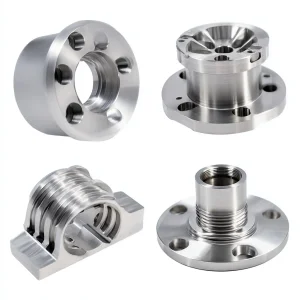
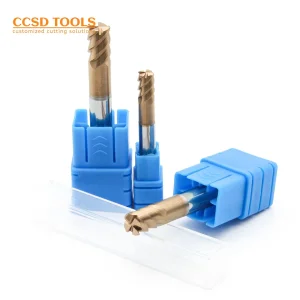
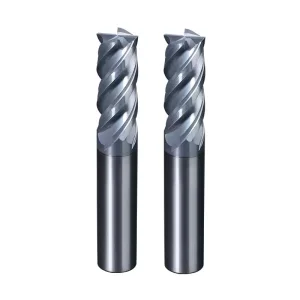
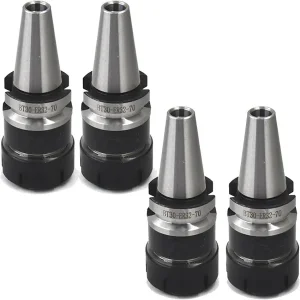
Engineered to minimize downtime, maximize metal removal rates, and deliver consistent precision in high-friction environments.
Exploring global tribology demands, material breakthroughs, and custom CNC challenges across heavy manufacturing.
Deploying ultra-fine grain tungsten carbide and physical vapor deposition (PVD) to mitigate friction, heat spikes, and premature structural collapse.
Eliminating process instability by mapping wear profiles to local cutting velocities, feed configurations, and cooling strategies.
Empowering aerospace, automotive, and heavy structural engineering plants to achieve up to 300% longer cycle times per cutting edge.
In modern subtractive manufacturing, the interface between the cutting edge and the workpiece experiences extreme thermomechanical loads. Pressures can exceed 1.5 GPa, while localized temperatures at the shear zone frequently surpass 1000°C. Under these conditions, basic steel and untreated alloys fail rapidly due to abrasive wear, adhesive bonding, cratering, and plastic deformation.
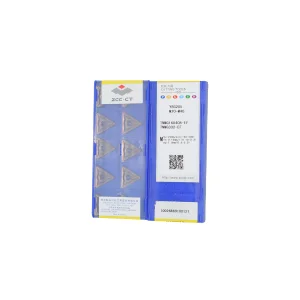
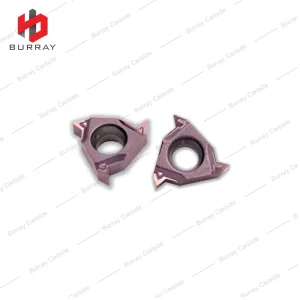
A premium wear-resistant tool functions by strategically combining a tough, impact-resistant substrate (typically a tungsten carbide matrix cemented with cobalt) with specialized superhard coatings such as Titanium Aluminum Nitride (TiAlN), Aluminum Chromium Nitride (AlCrN), or Diamond-like Carbon (DLC). Through tailored OEM/ODM manufacturing pipelines, tool geometries are optimized to manage heat dissipation, control chip formation, and maximize surface finishes in difficult-to-machine materials like titanium, Inconel, and hardened tool steels.
Industrial factories are moving rapidly towards automated, lights-out production. This transition demands absolute predictability from cutting tools. Any sudden tool breakage translates to expensive spindle downtime or ruined structural workpieces. Because of this, global demand is shifting from generic off-the-shelf tools to custom-engineered OEM/ODM tooling geometries. By adapting micro-geometries—such as variable helix angles, dynamic pitch configurations, and edge preparations (honing and chamfering)—manufacturers can tune tools to damp out harmonic vibrations, reduce cutting forces, and prevent catastrophic chipping.
Zhejiang DentFix Tool Co., Ltd. — Professional CNC Tooling and Carbide Solution Provider.
Zhejiang DentFix Tool Co., Ltd. is a professional manufacturer specializing in the research, development, production, and global distribution of precision CNC cutting tools and carbide solutions. Since its establishment, the company has been committed to providing high-performance tooling products for the metalworking industry, serving customers across automotive, aerospace, mold & die, general engineering, energy, and precision manufacturing sectors.
Driven by continuous innovation and customer-focused development, DentFix has grown into a modern manufacturing enterprise that integrates R&D, intelligent production, quality control, sales, and technical support. The company has built a strong reputation for delivering reliable products, consistent quality, and professional services to customers in both domestic and international markets.
With advanced manufacturing technologies, experienced engineering teams, and strict quality management systems, DentFix continuously improves its product performance and production efficiency. The company is dedicated to helping customers achieve higher machining accuracy, longer tool life, greater productivity, and lower manufacturing costs.
Today, Zhejiang DentFix Tool Co., Ltd. continues to strengthen its investment in technological innovation, intelligent manufacturing, and international cooperation, striving to become a trusted global supplier of precision cutting tool solutions.
Precision execution and continuous metallurgical innovation define our market leadership.
Our engineering department focuses on the development of innovative cutting tool solutions that meet the evolving requirements of modern CNC machining.
Our facility is equipped with advanced CNC grinding machines, high-precision inspection equipment, automated production systems, and modern quality testing laboratories.
DentFix continuously invests in new materials, coating technologies, and precision manufacturing processes to develop cutting tools with higher wear resistance.
A step-by-step trace of how raw metallurgical elements are refined into high-grade wear resistant tool assemblies.
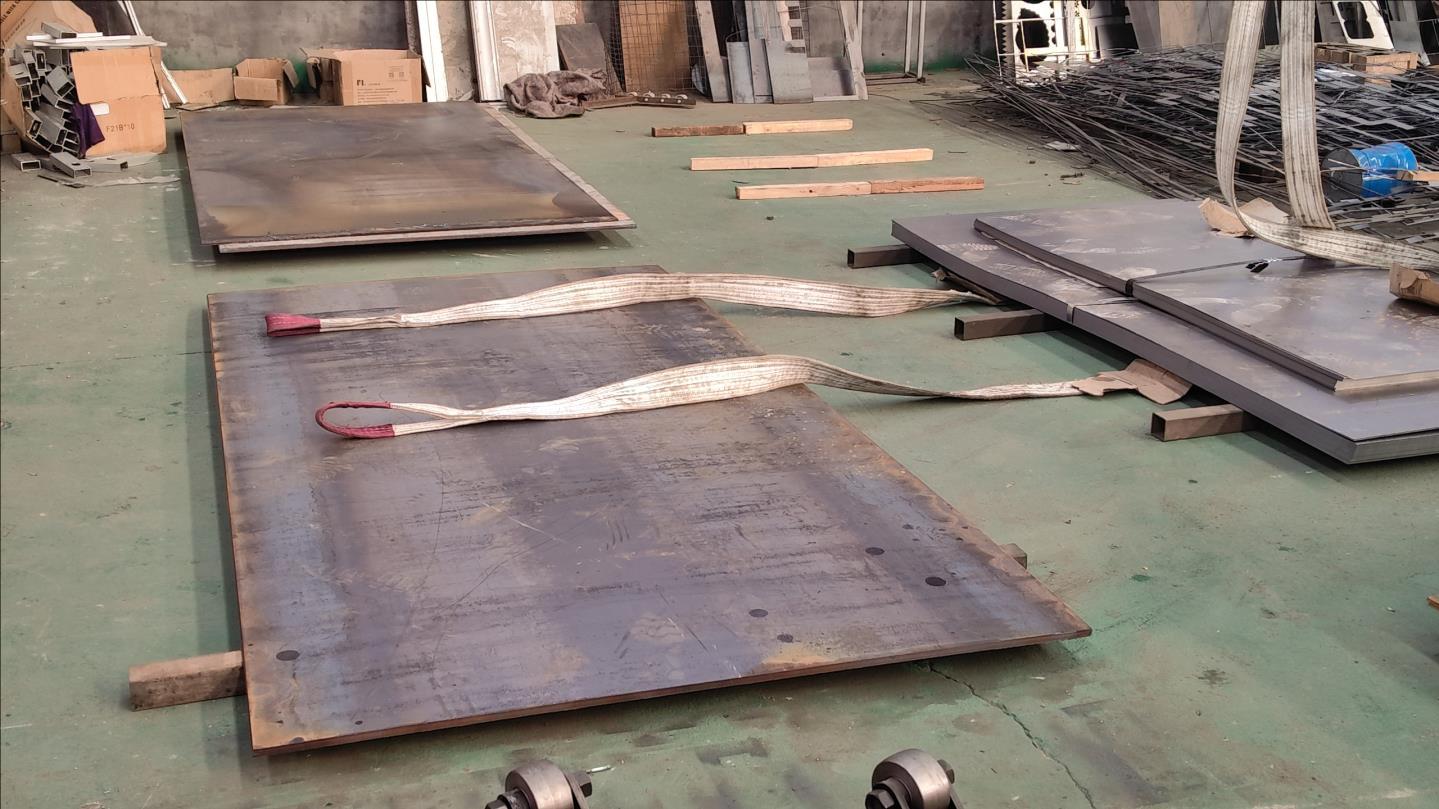
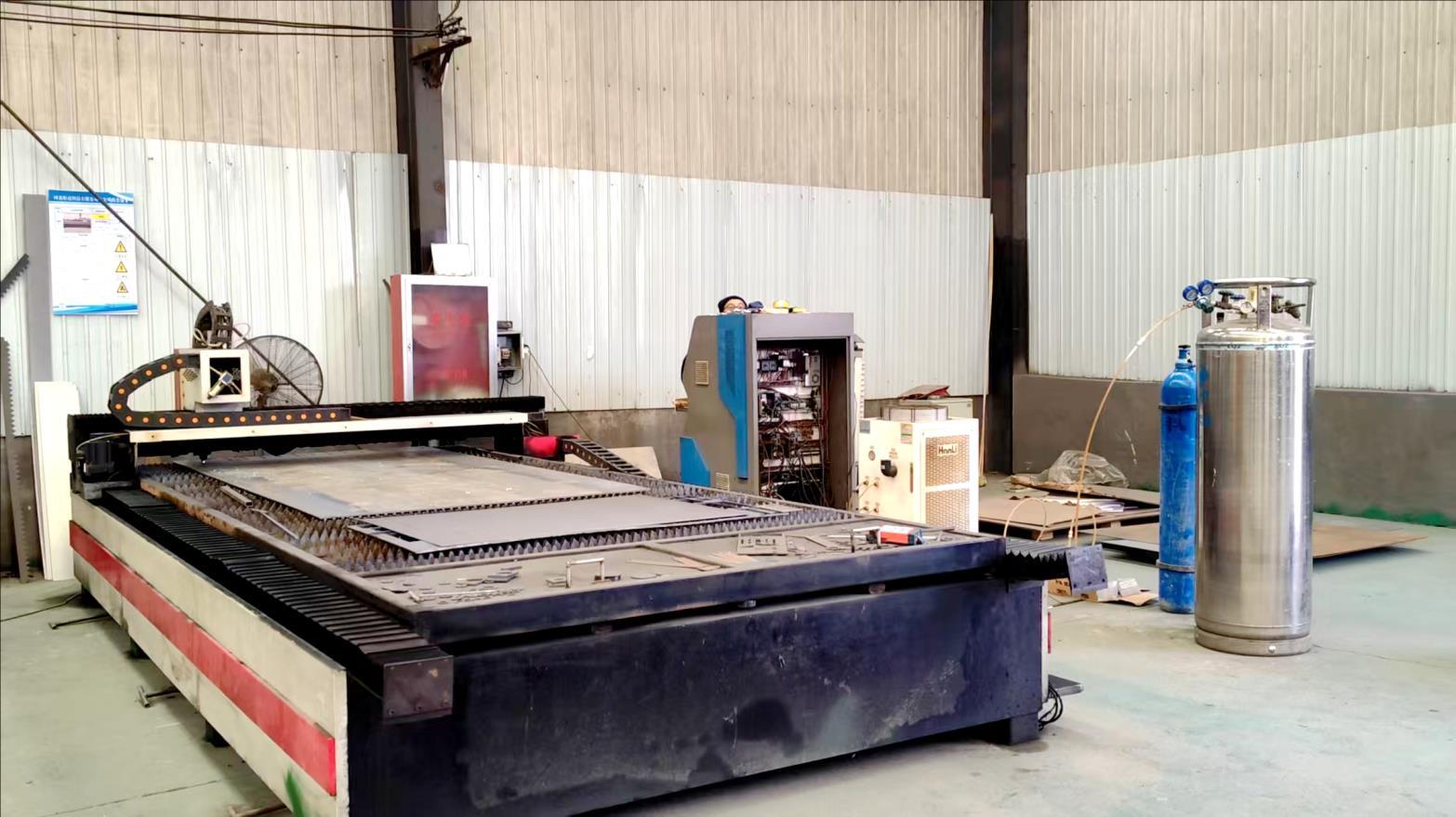
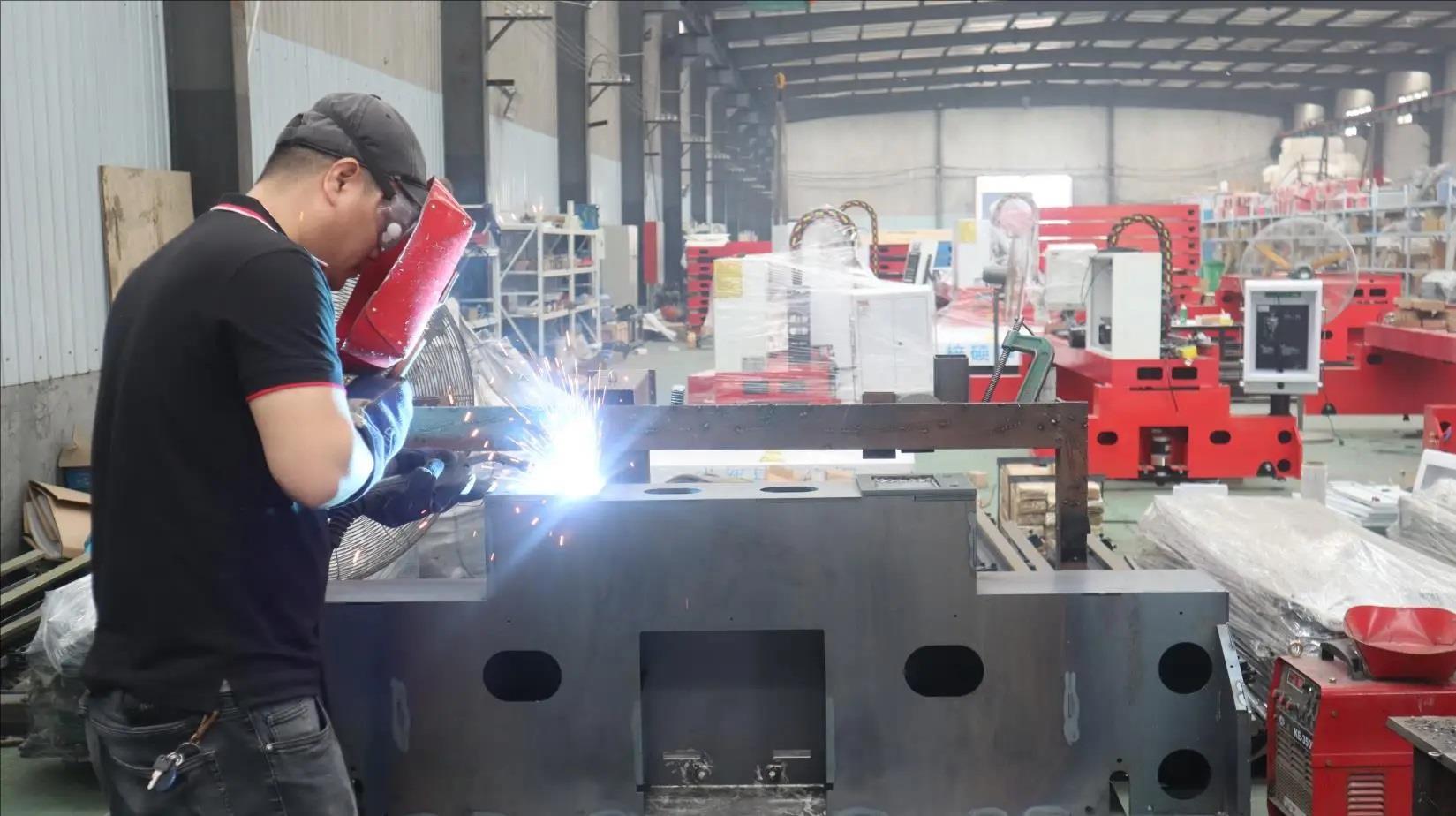
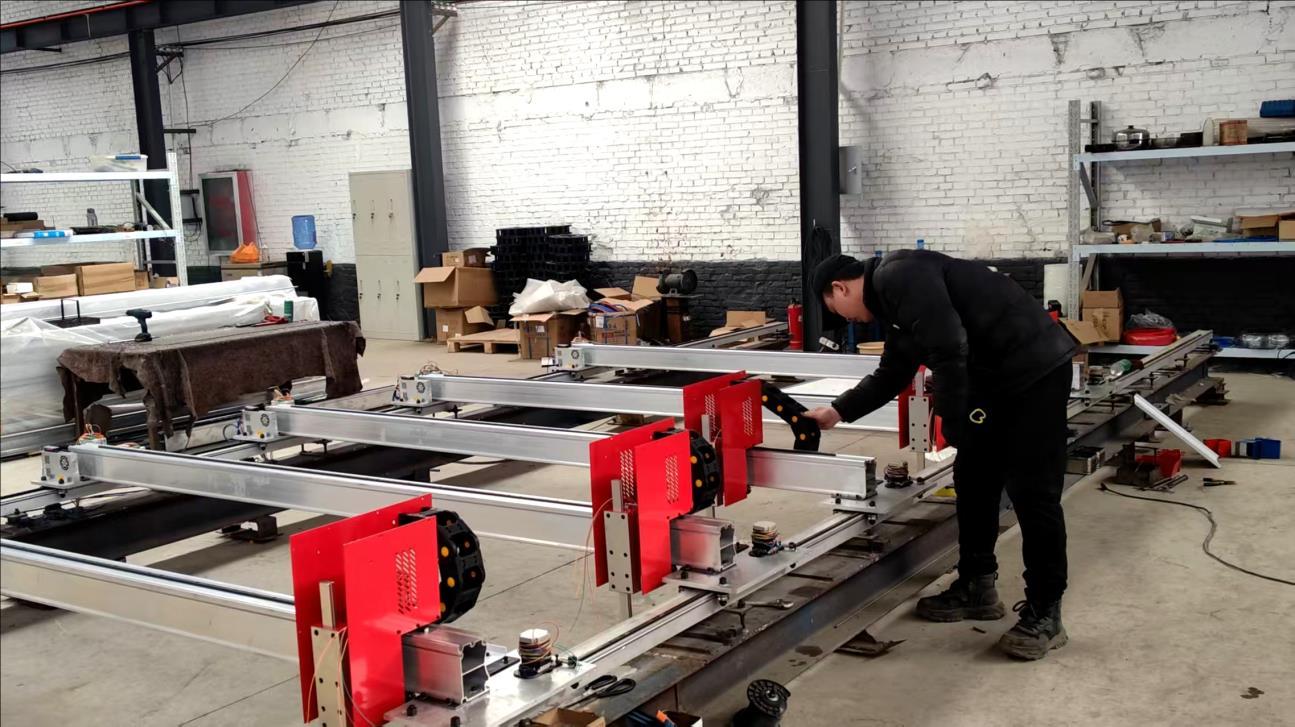
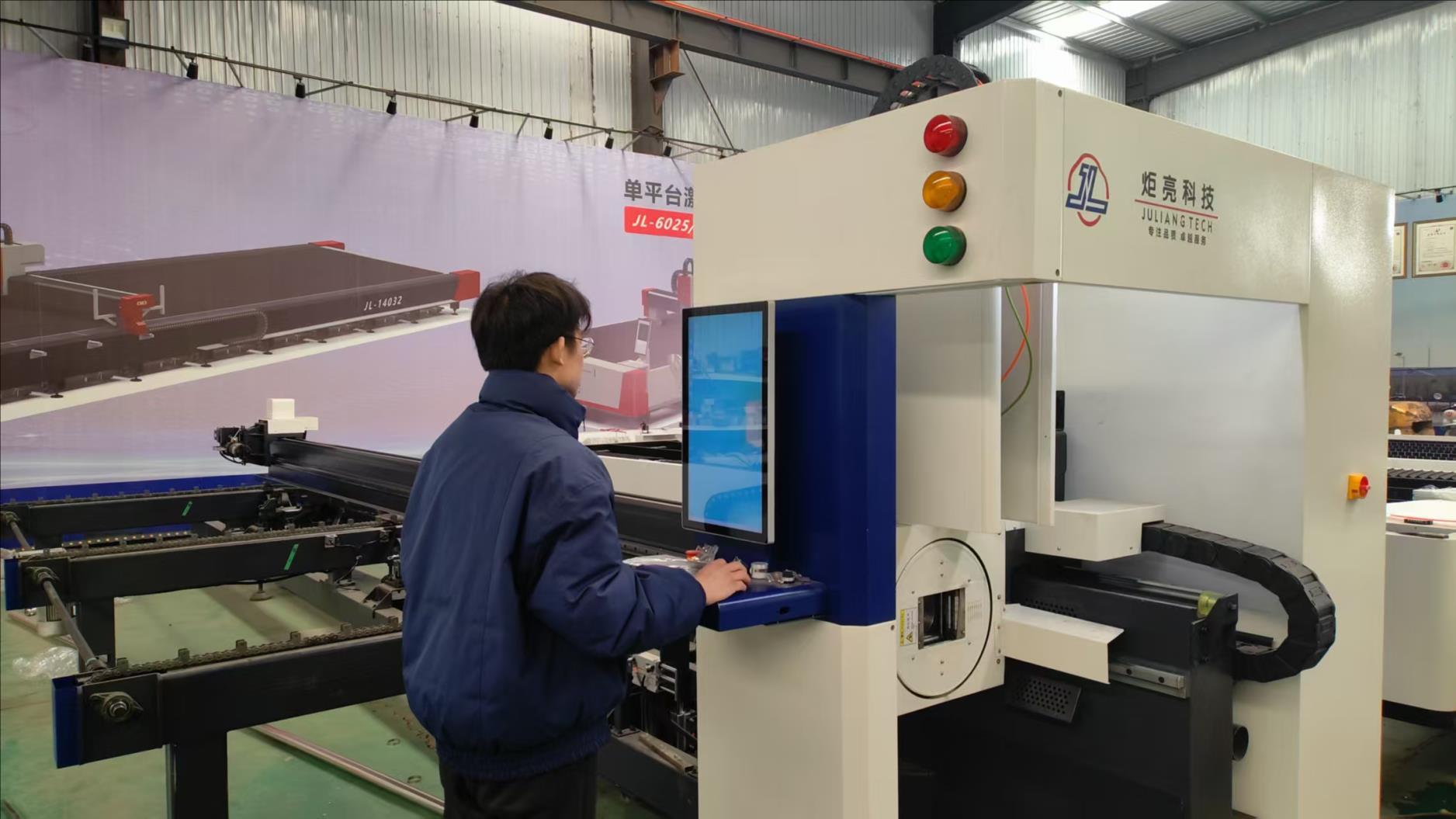
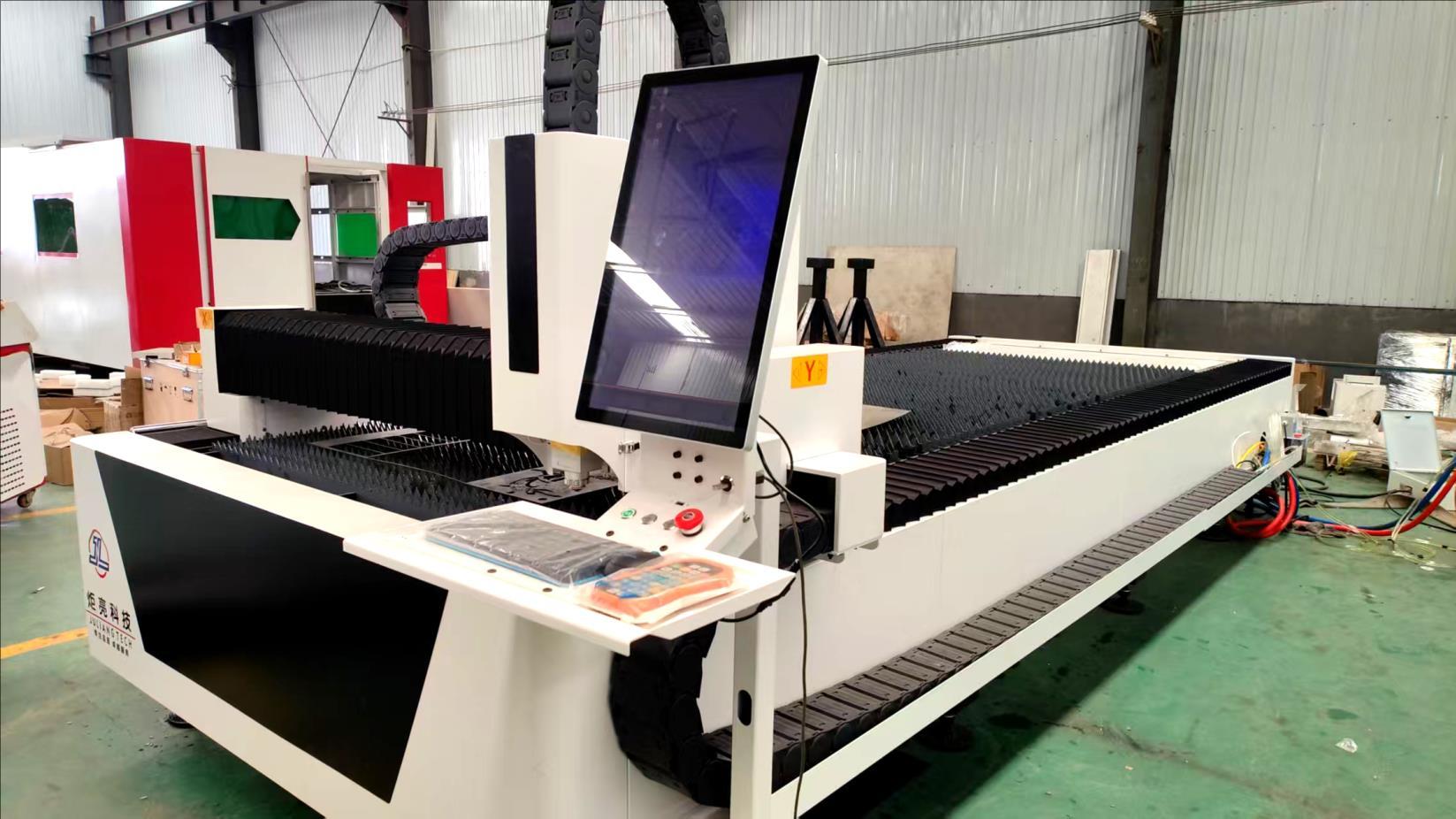
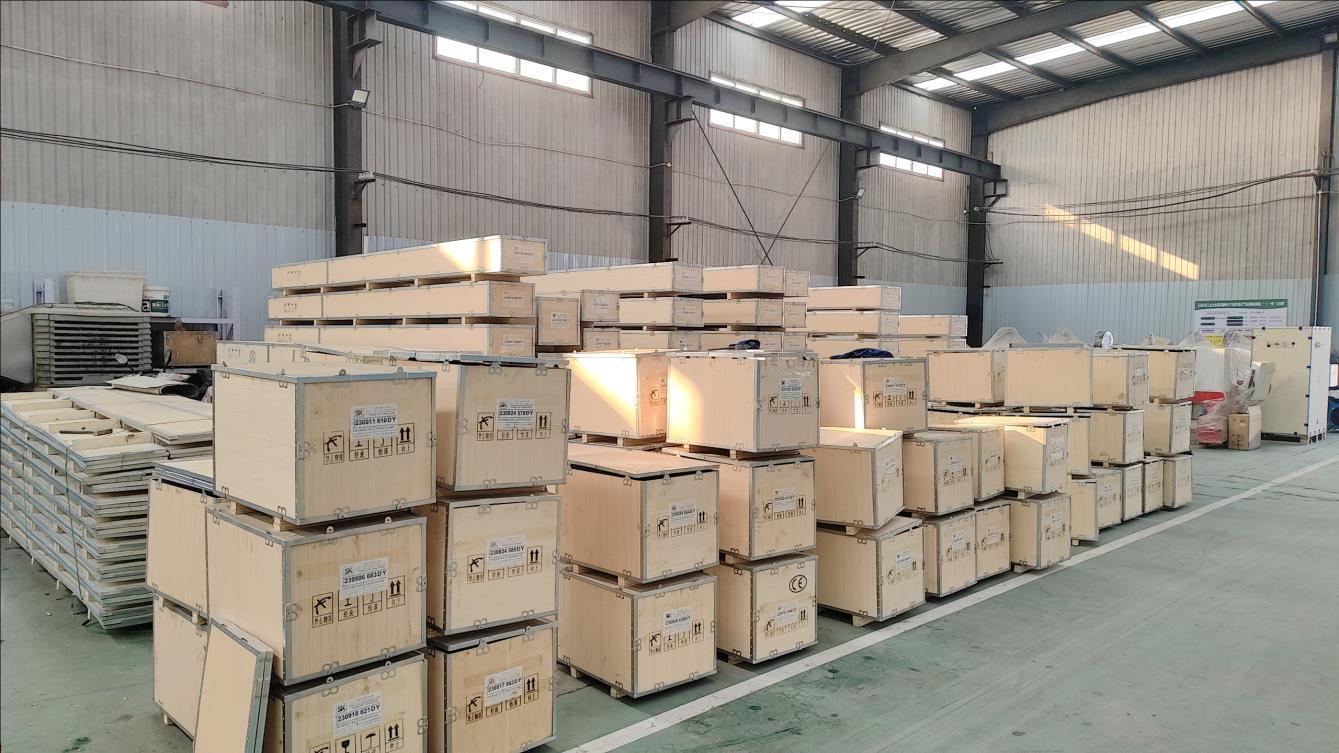
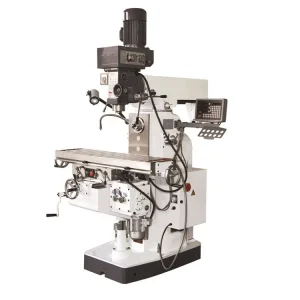
Our physical plant utilizes high-capability tooling centers to process raw metals into highly accurate cutting tools.
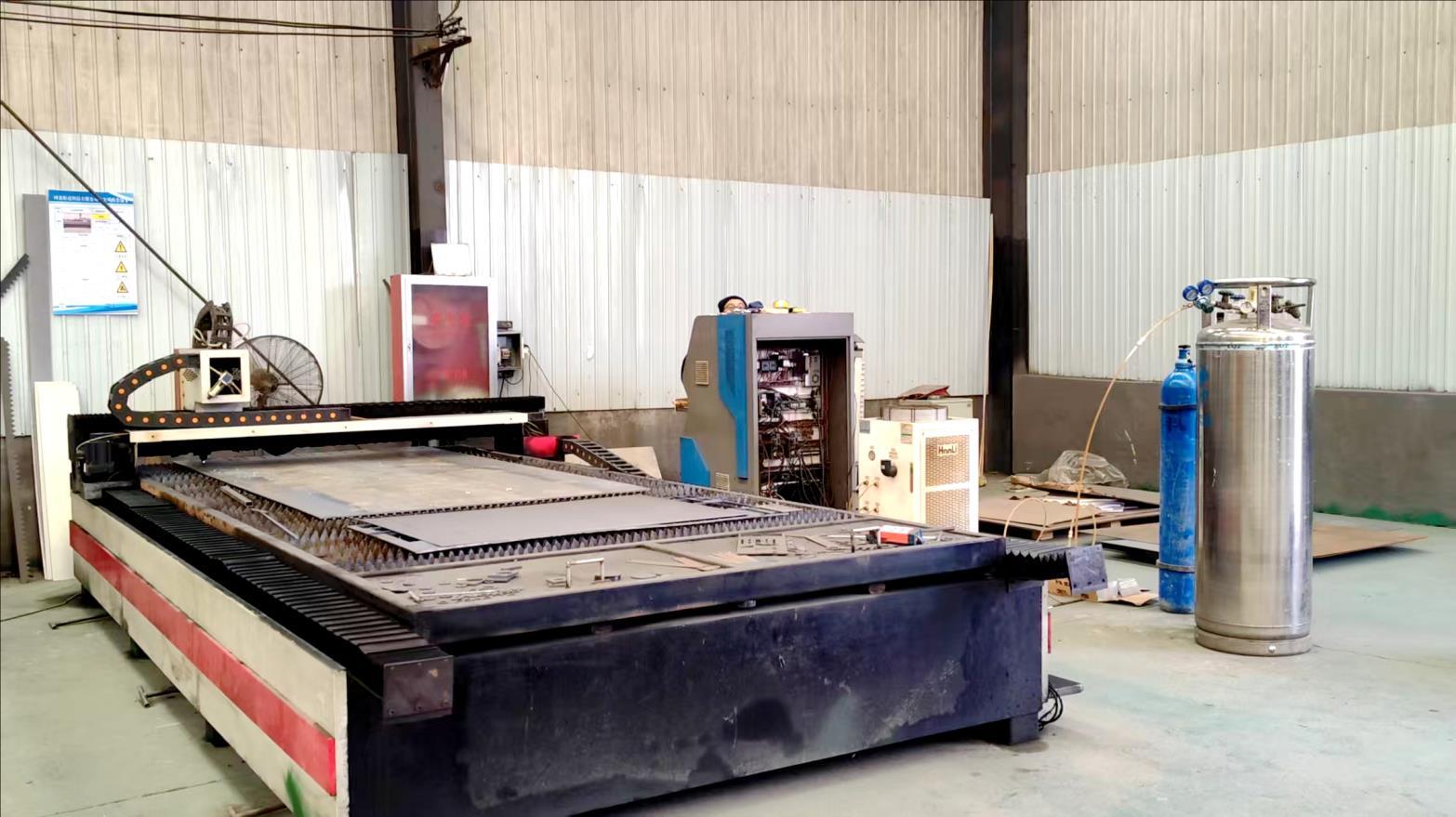
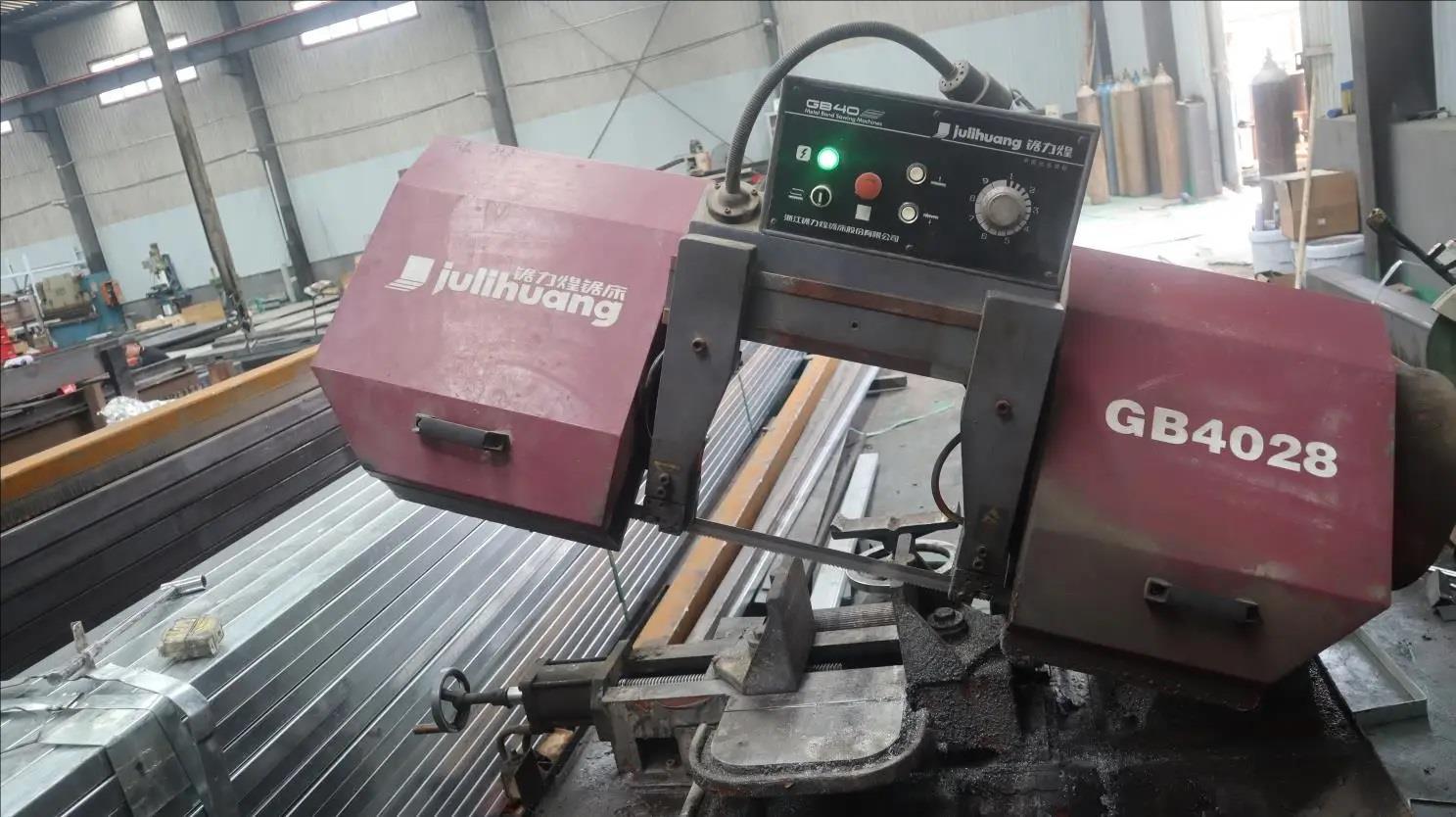
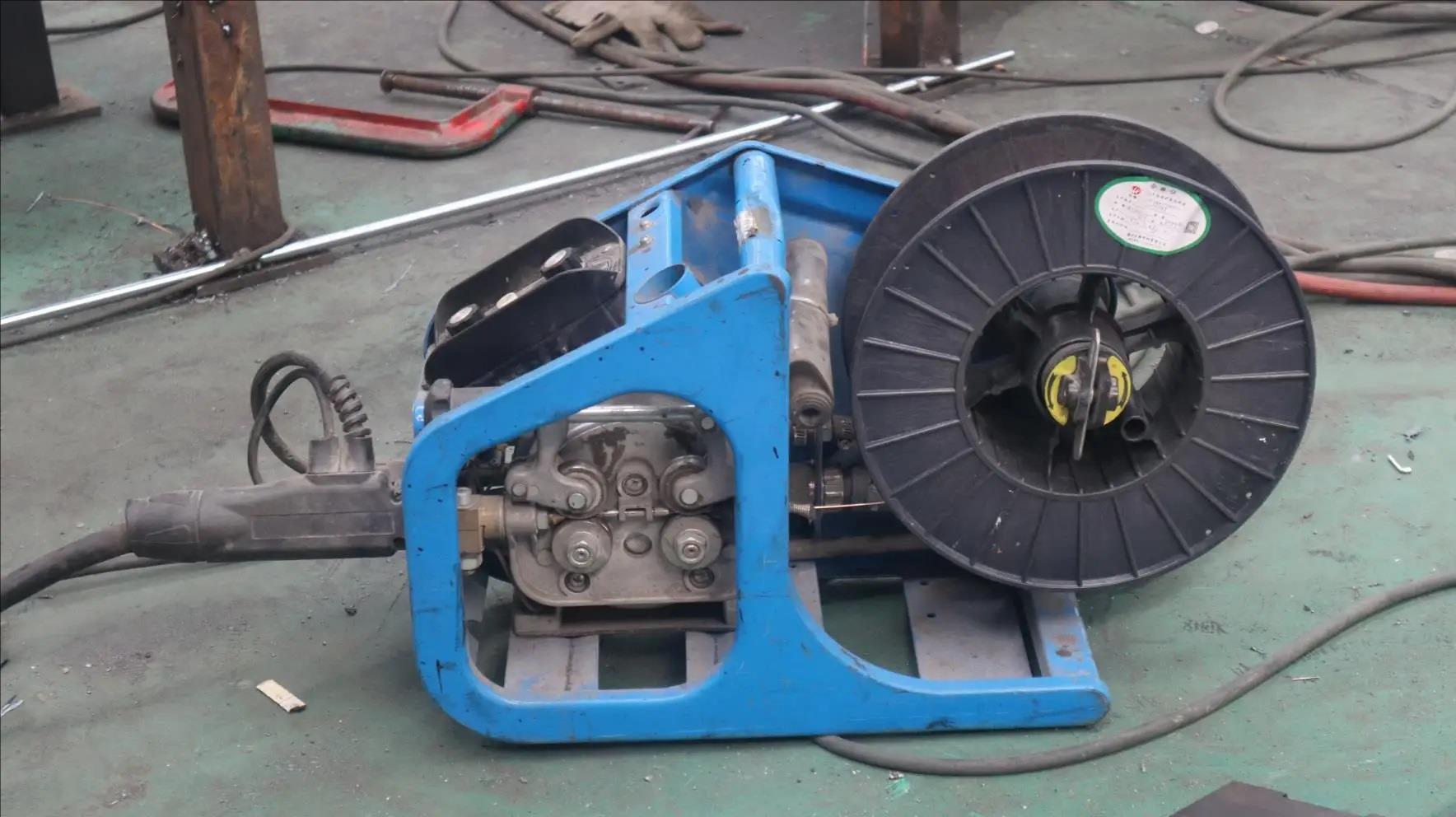
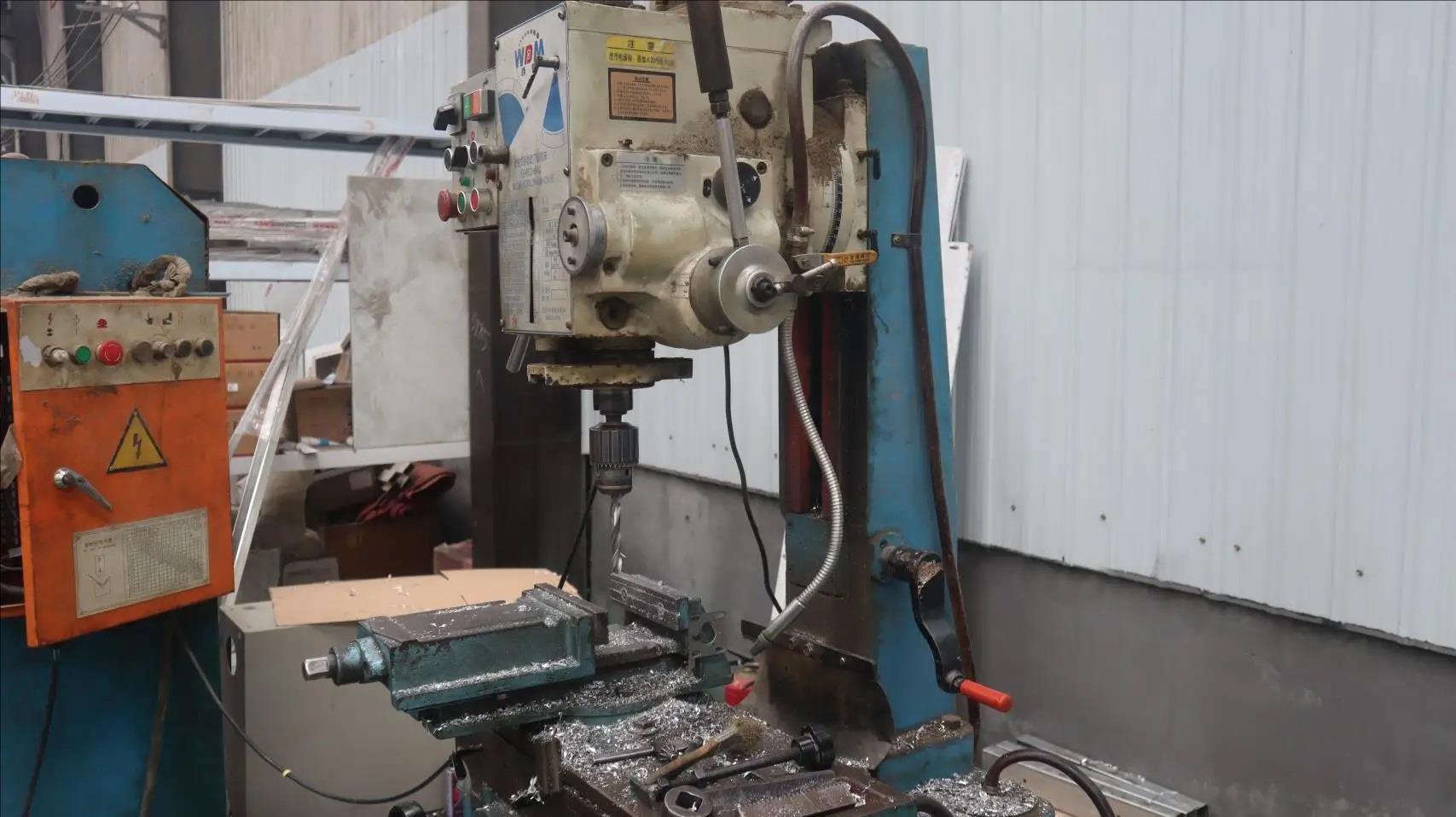
The science of extending edge retention and stability in abrasive high-speed milling environment.
Traditional coatings like TiN are rapidly being replaced by multi-layered structures. By alternating nanometer-scale layers of TiAlN and AlCrN, we interrupt crystalline dislocation lines, preventing micro-cracks from propagating through the coating and into the carbide substrate. This nanolaminate design acts as a thermal barrier, reflecting heat back into the chip rather than letting it deform the tool tip.
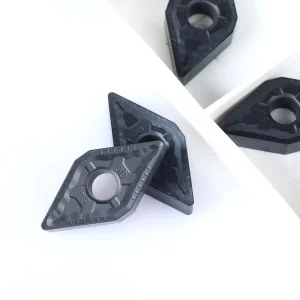
The trade-off between hardness and fracture toughness is managed via grain size engineering. Submicron and ultra-fine grains (down to 0.2 microns) allow us to increase cobalt binder distribution without losing structural hardness. This ensures that cutting inserts resist both impact shock in interrupted cuts and abrasive rubbing in continuous cuts.
Efficient chip control is critical to avoid work-hardening, especially on materials like austenitic stainless steels or high-temp superalloys. Our custom ODM services develop progressive rake angle geometries and integrated chip breakers that force the chip to coil and break quickly, minimizing tool-to-workpiece contact time.
Bridging custom OEM tool configurations with sector-specific operational KPIs.
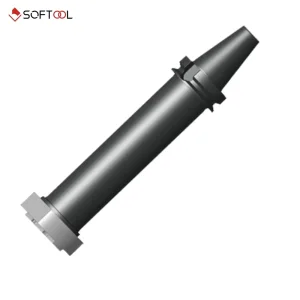
High-accuracy tool holders and anti-vibration bars customized for milling deep titanium structural components without surface defects or chatter marks.
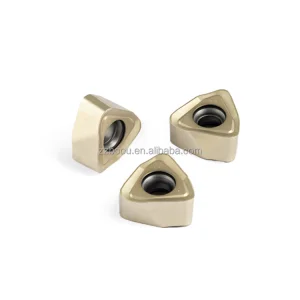
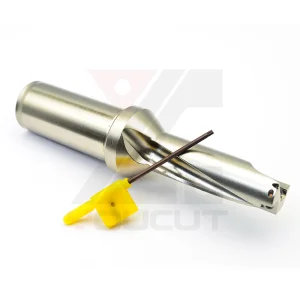
Mass-production inserts and drills designed for cast aluminum alloys, prioritizing rapid chip clearance and extended lifecycle counts under high-speed dry-cutting parameters.
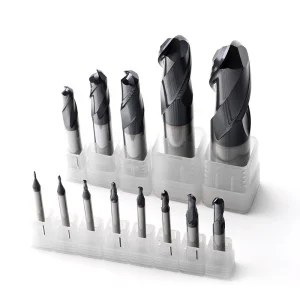
Ball nose cutters and indexable high-feed mills engineered to face-mill hardened steels (up to HRC 65+) directly, bypassing EDM stages and saving floor time.
Professional engineering answers to queries concerning tool life, OEM custom setups, and material performance.
Explore our complete catalog of indexable milling tools, high-performance drills, and customizable CNC components.
 DentFix Tool