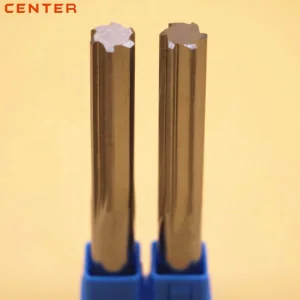
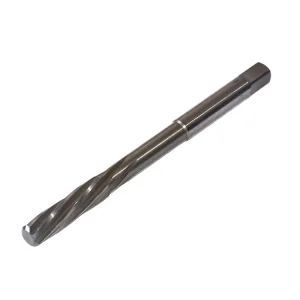
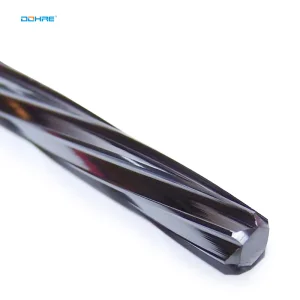
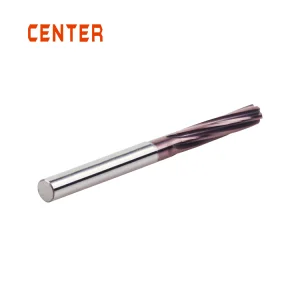
Explore our top-tier catalog of straight shank, spiral flute, and custom solid carbide chamber reamers designed for CNC and manual drilling setups.
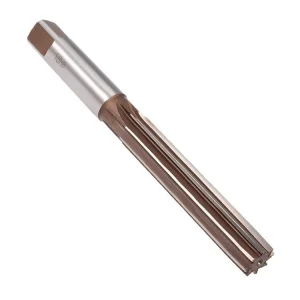
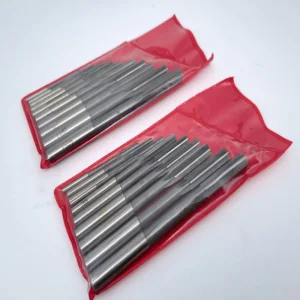
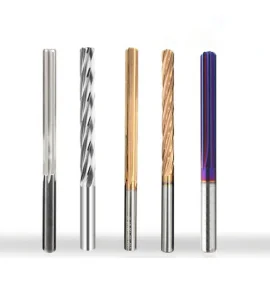
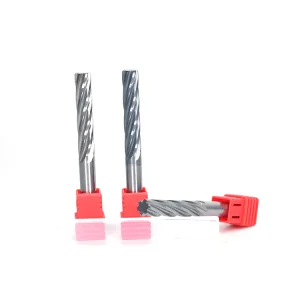
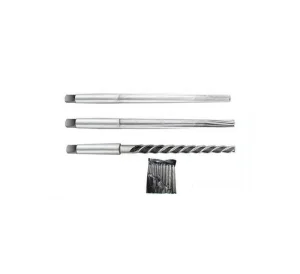
Zhejiang DentFix Tool Co., Ltd. is an industry-leading manufacturer specializing in the R&D, production, and global export of precision CNC cutting tools.
Zhejiang DentFix Tool Co., Ltd. is a professional manufacturer specializing in the research, development, production, and global distribution of precision CNC cutting tools and carbide solutions. Since its establishment, the company has been committed to providing high-performance tooling products for the metalworking industry, serving customers across automotive, aerospace, mold & die, general engineering, energy, and precision manufacturing sectors.
Driven by continuous innovation and customer-focused development, DentFix has grown into a modern manufacturing enterprise that integrates R&D, intelligent production, quality control, sales, and technical support. The company has built a strong reputation for delivering reliable products, consistent quality, and professional services to customers in both domestic and international markets.
With advanced manufacturing technologies, experienced engineering teams, and strict quality management systems, DentFix continuously improves its product performance and production efficiency. The company is dedicated to helping customers achieve higher machining accuracy, longer tool life, greater productivity, and lower manufacturing costs. Today, Zhejiang DentFix Tool Co., Ltd. continues to strengthen its investment in technological innovation, intelligent manufacturing, and international cooperation, striving to become a trusted global supplier of precision cutting tool solutions.
Our department focuses on innovative cutting tool configurations designed specifically for high-velocity CNC setups.
Equipped with high-precision CNC grinding machines, automated testing lines, and modern calibration labs.
Multi-tiered testing profiles verify geometric dimensioning, micro-roundness, and chip-groove alignment.
Adhering strictly to Quality First, delivering optimized cycle times and localized support frameworks.
An engineering whitepaper focusing on high-accuracy finishing operations, tool material evolution, and chip evacuation geometry.
In high-speed CNC metalworking, drilling creates a preliminary hole, but it is the reaming step that defines the ultimate quality. Reamers are rotary cutting tools used in metalworking to enlarge the size of a previously formed hole by a small amount, leaving highly smooth sides. The process requires high circularity, precise cylindrical tolerance, and minimal surface roughness ($R_a$). Unlike drill bits, which are designed to plunge-cut through solid material, reamers remove minimal stock (often in the range of 0.1mm to 0.35mm) to correct positional inaccuracies, eliminate micro-drifts, and improve the dimensional stability of critical bores.
For modern tooling procurement, understanding the metallurgy of reaming tools is paramount. DentFix works with two dominant base substrates, each targeting specific machine configurations and production scales:
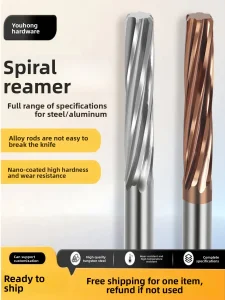
The design of the reamer's flute governs the chip flow and surface finish. A straight flute is the standard for through-holes or non-chipping materials where chips can easily slide forward. In contrast, spiral flutes (particularly right-hand cut, left-hand helix) are engineered for blind holes, pulling the chips backward out of the hole to prevent tool binding and scoring of the newly finished walls. Selecting the proper helix angle directly impacts heat dissipation, surface finishes down to H7 or even H5 tolerance classes, and the tool's overall operating life.
From raw material selection to automated quality assurance, our workflow ensures repeatability, accuracy, and reliability.
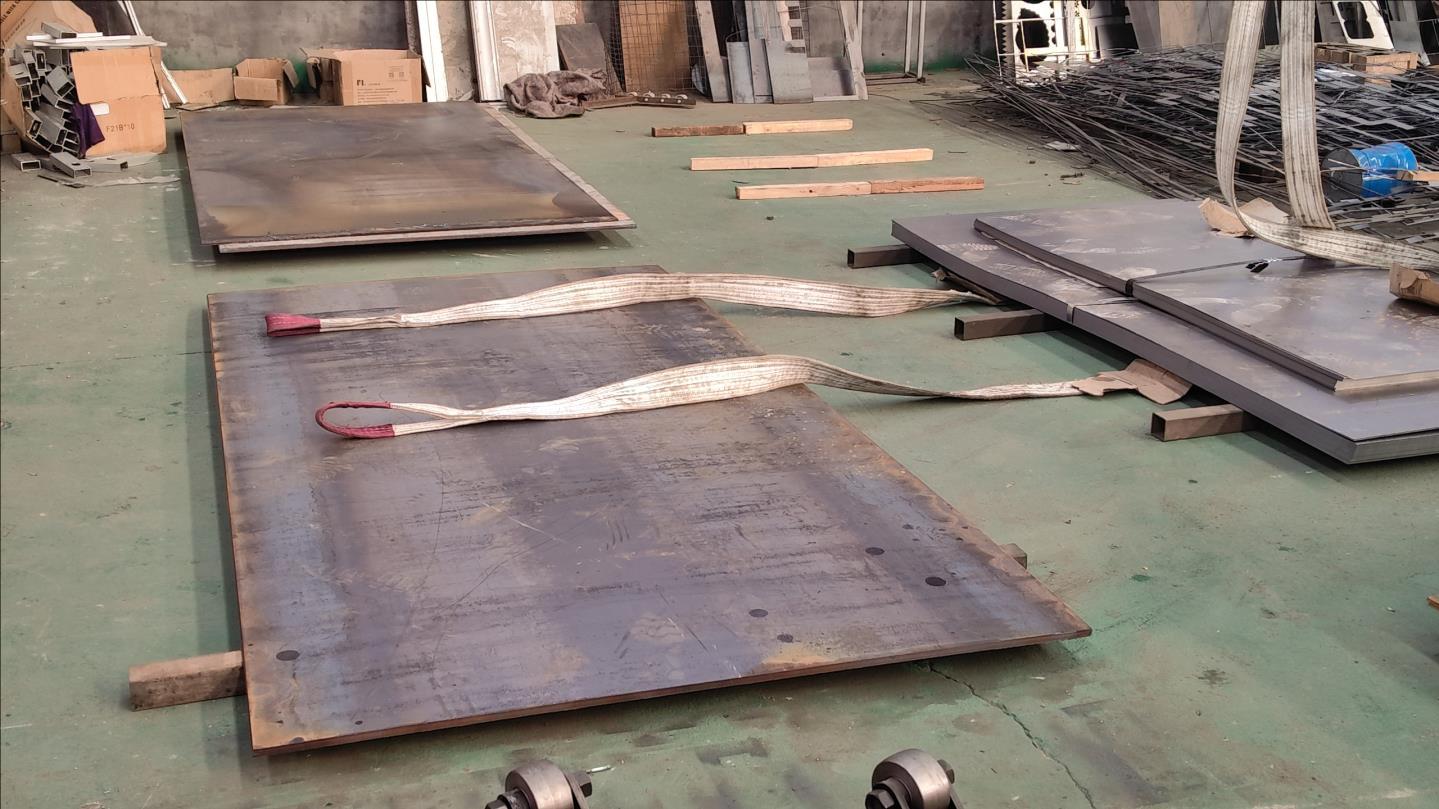
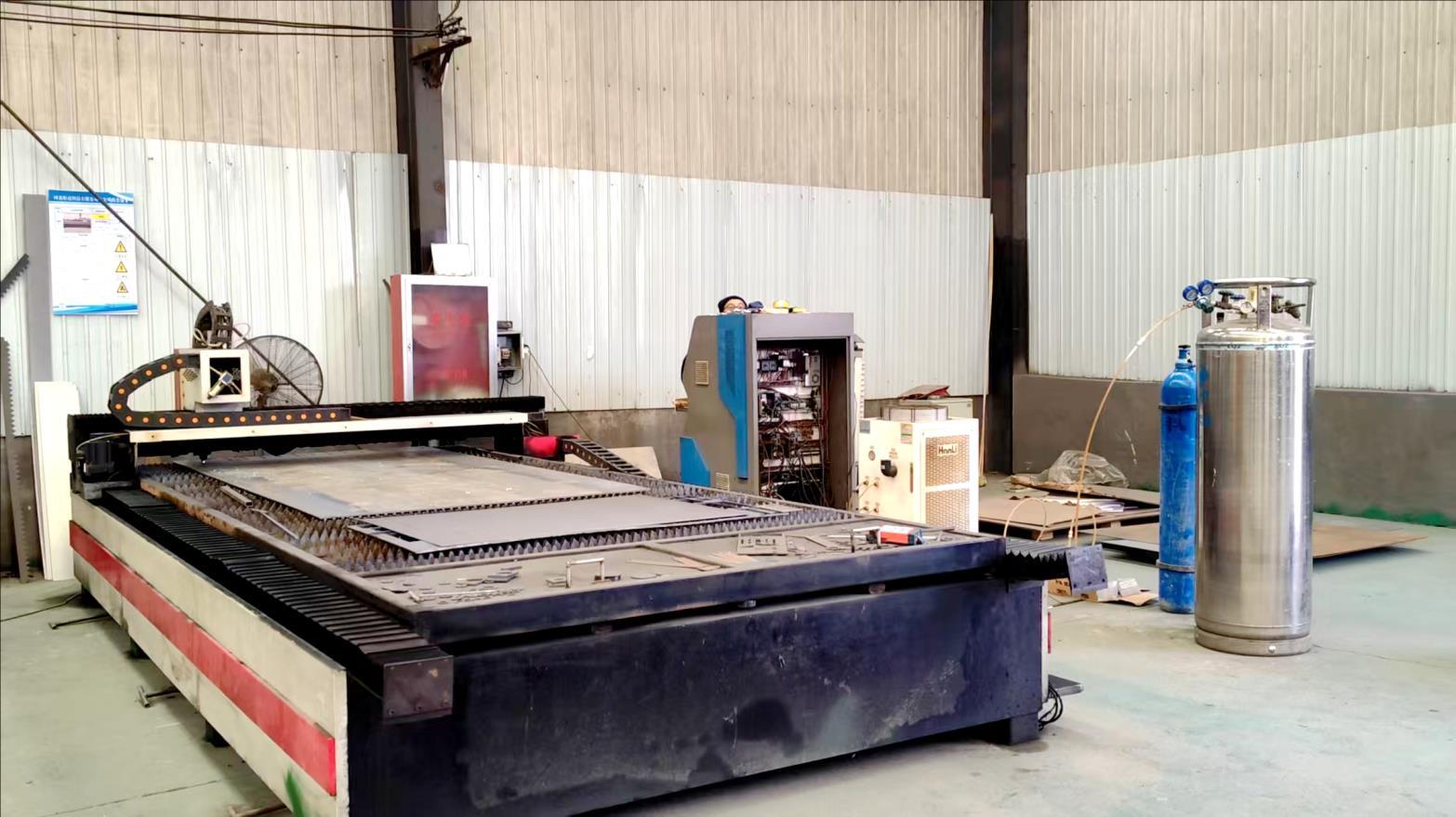
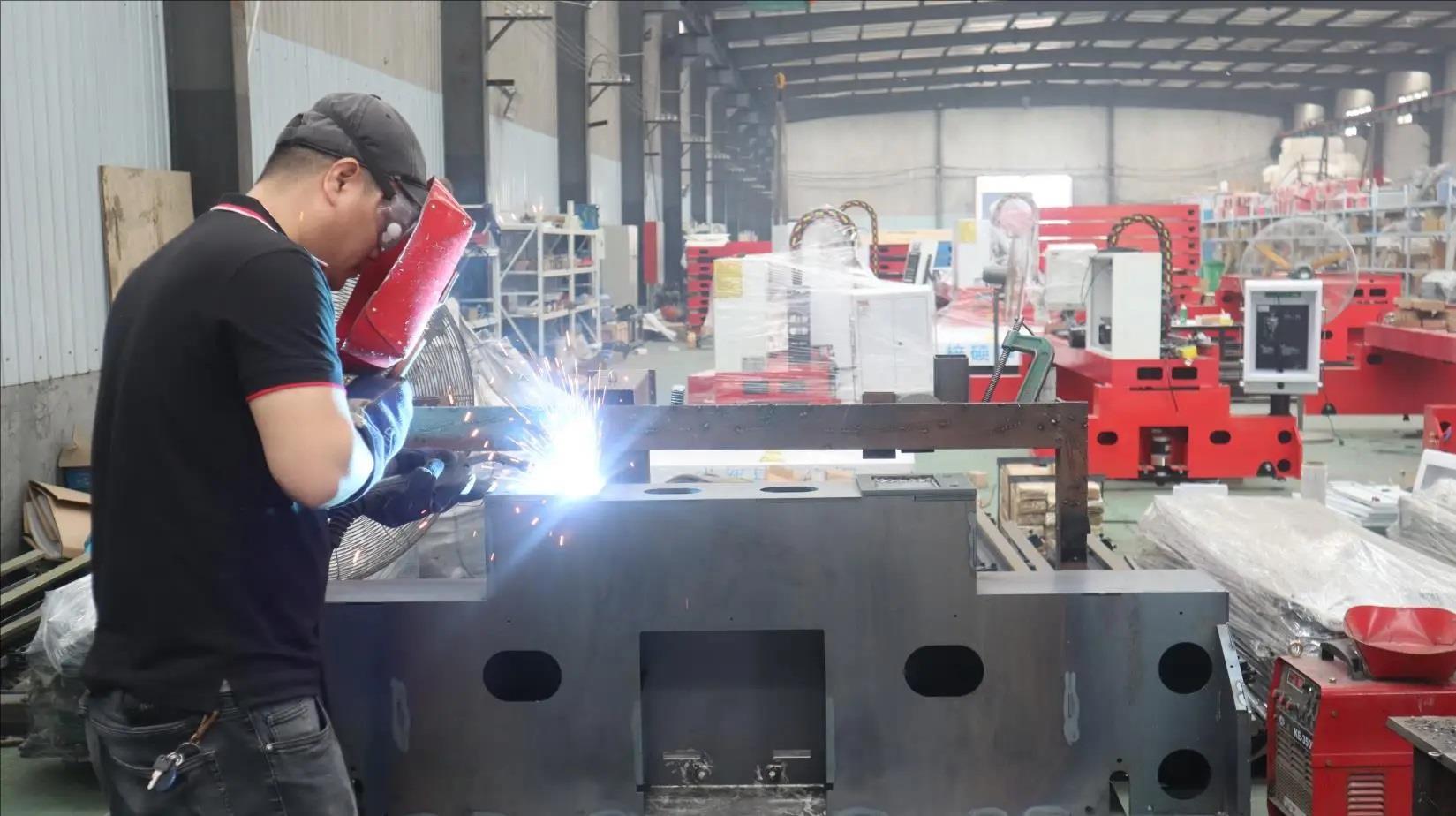
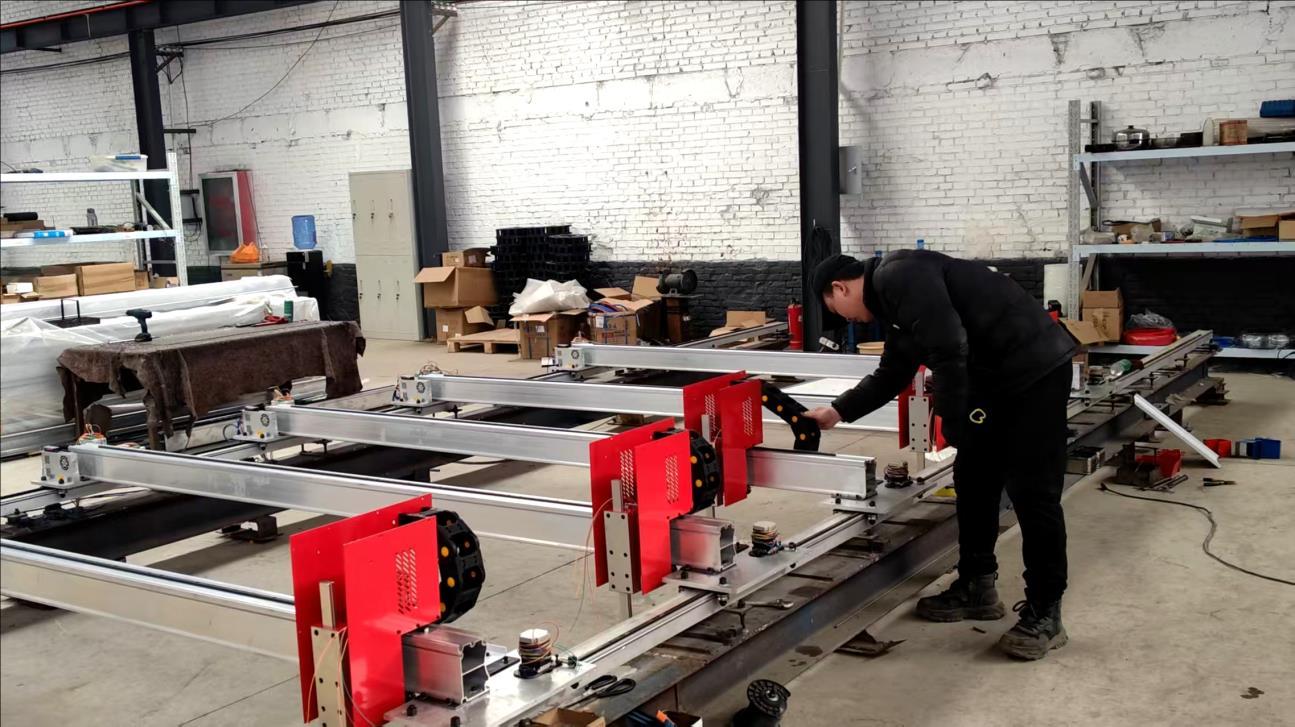
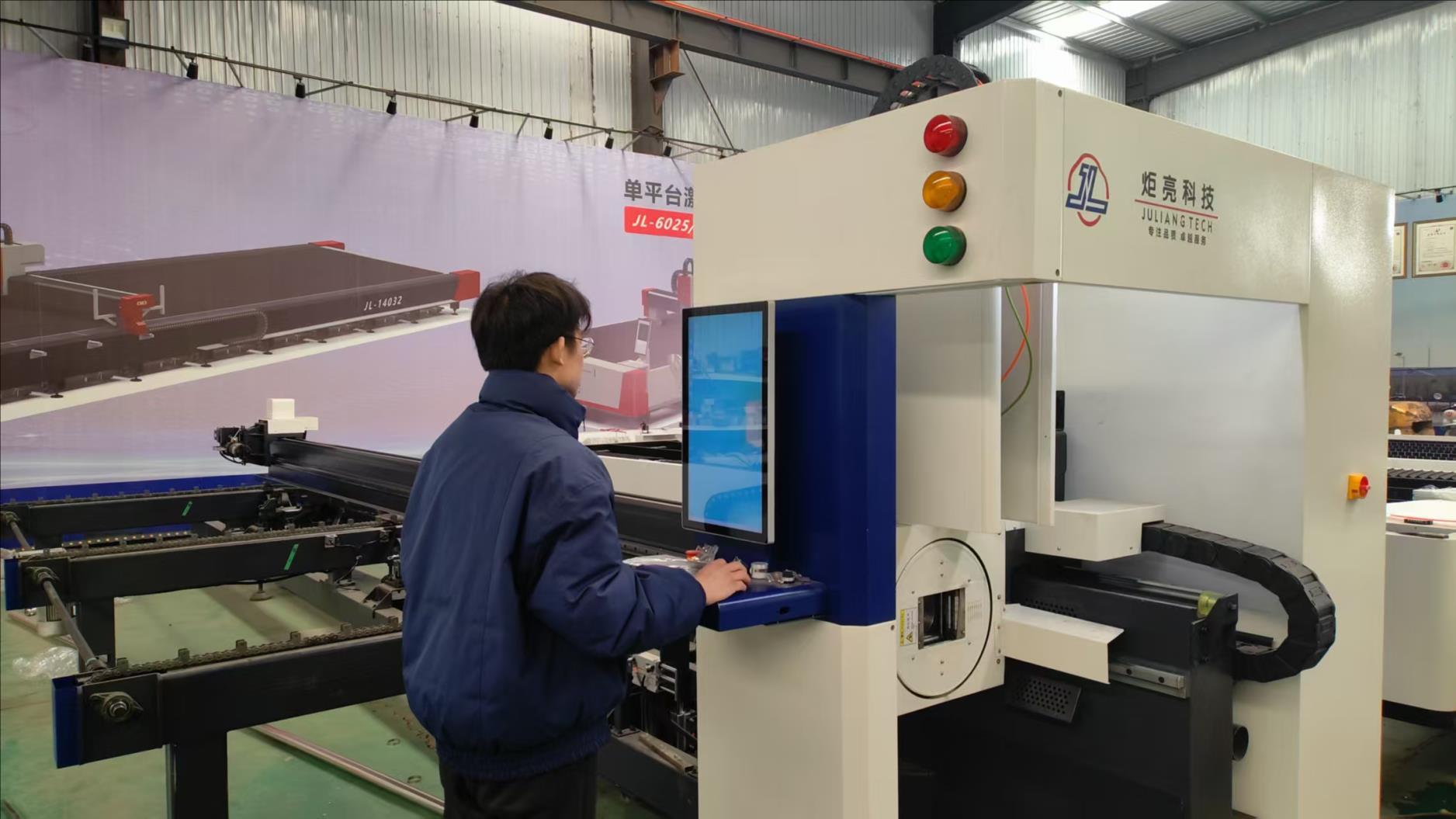
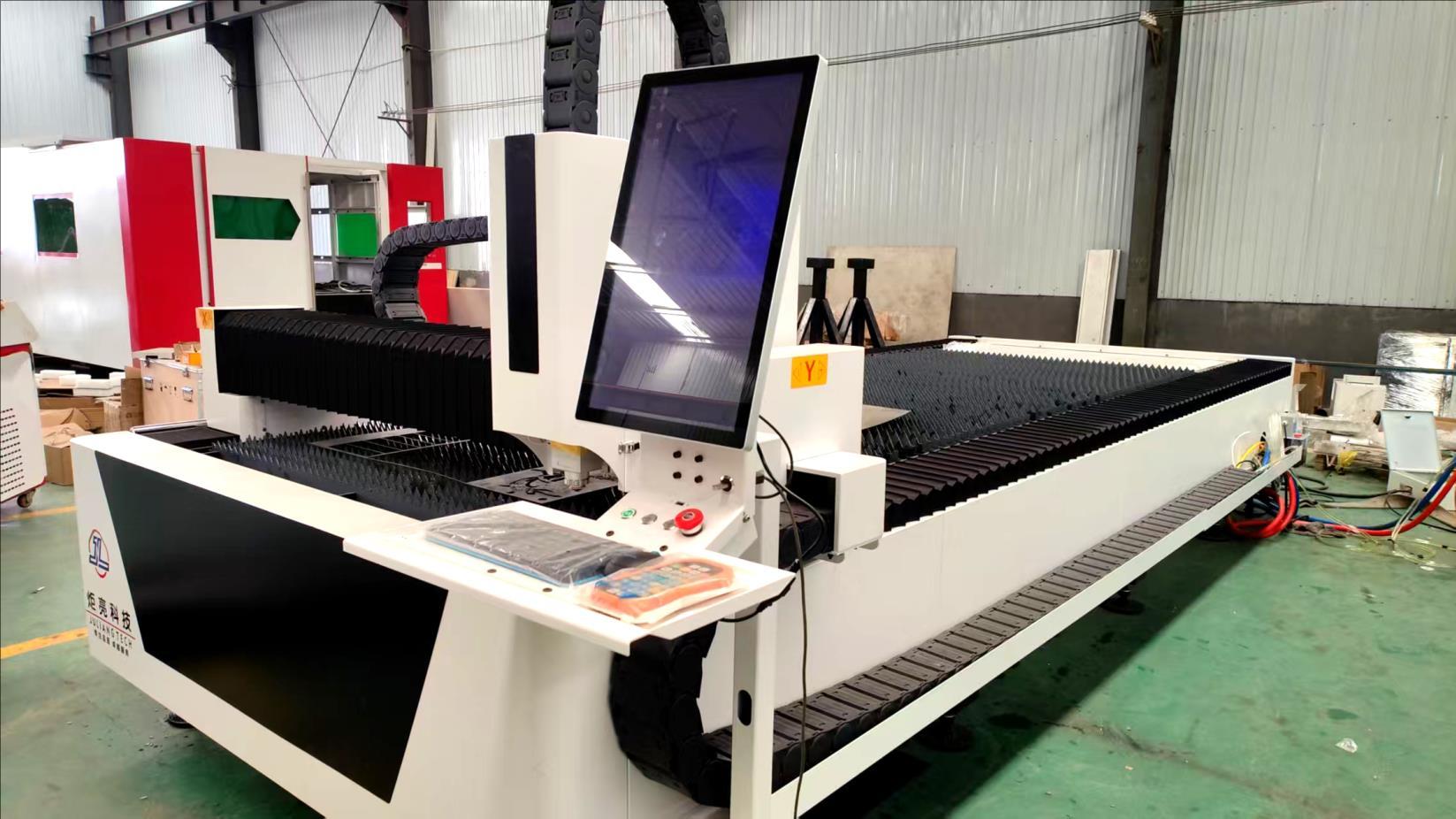
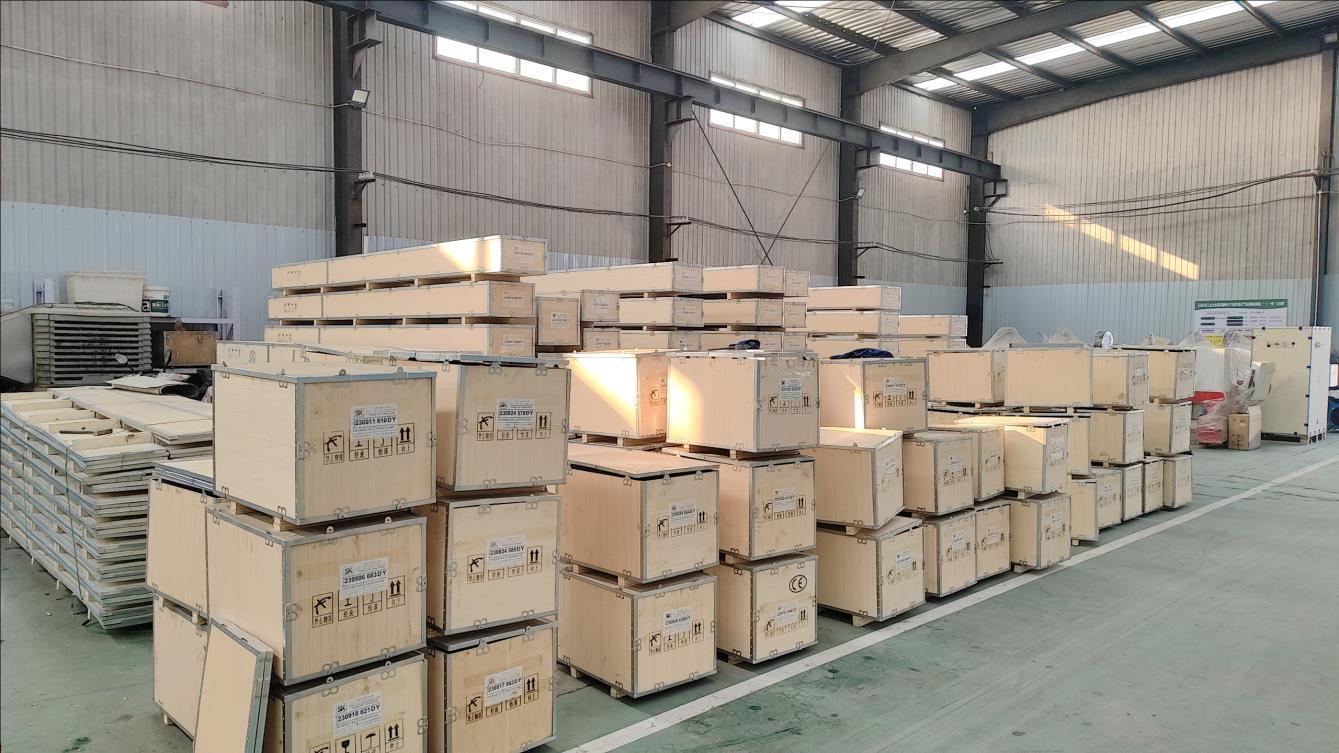
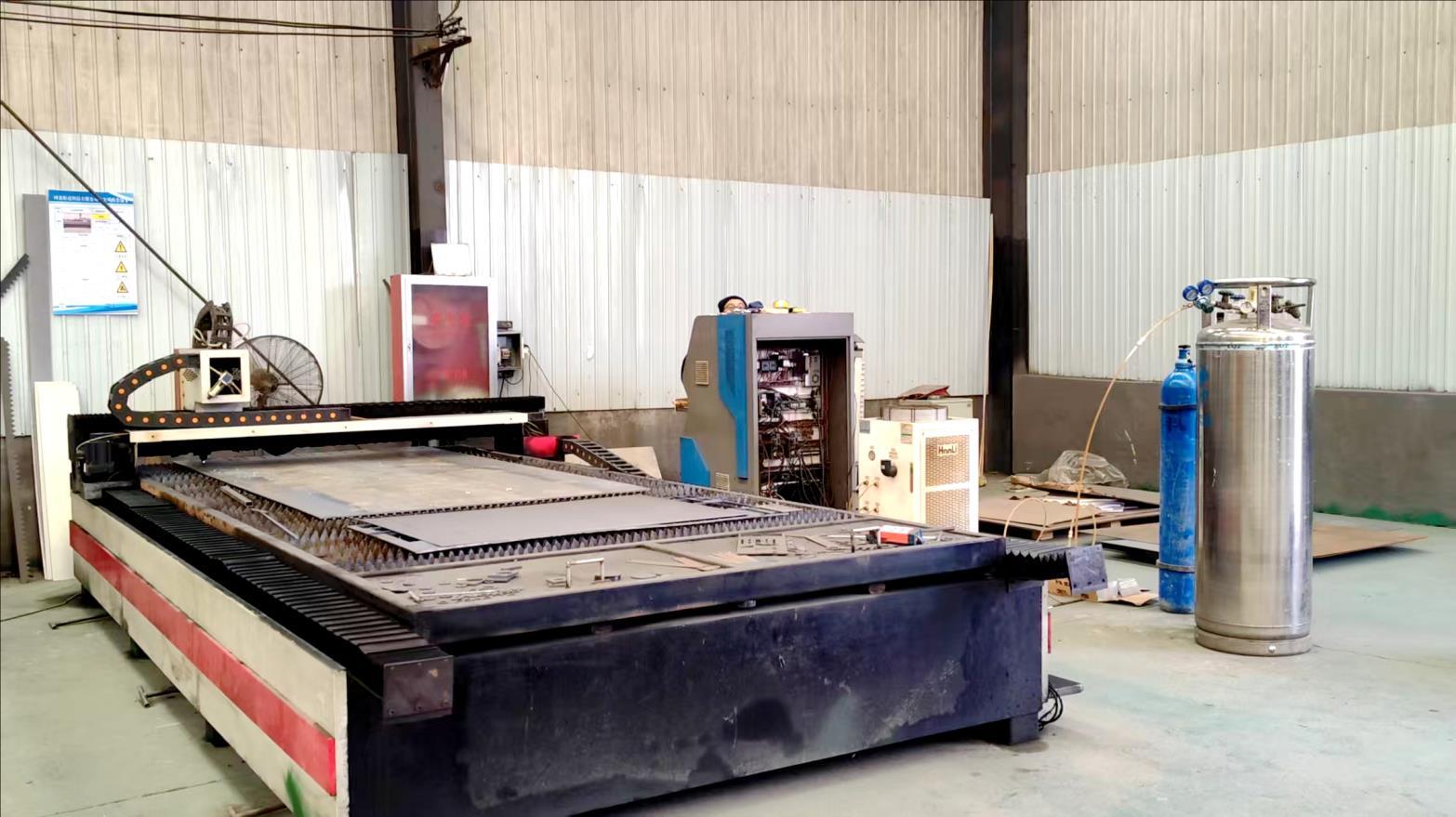
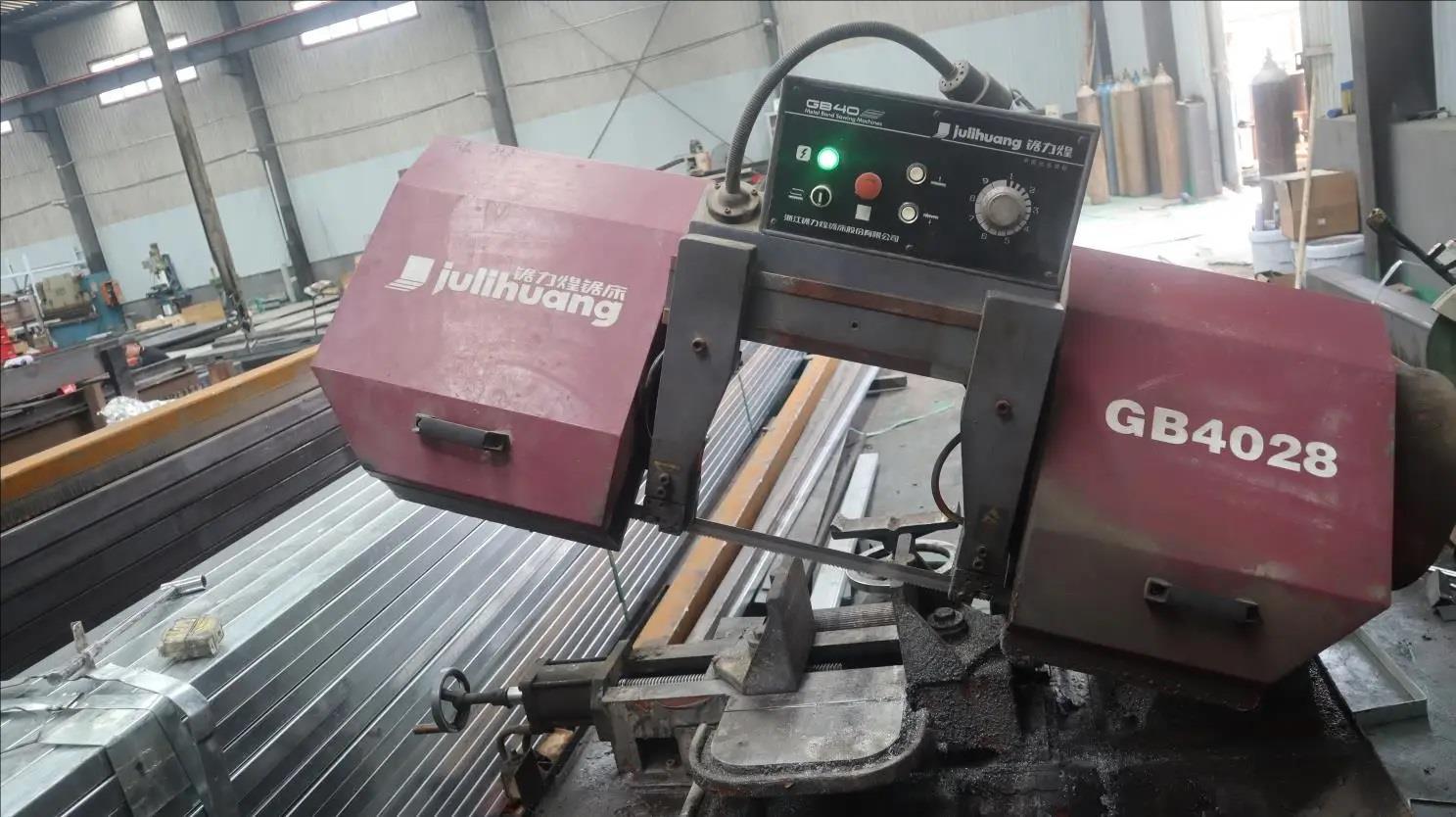
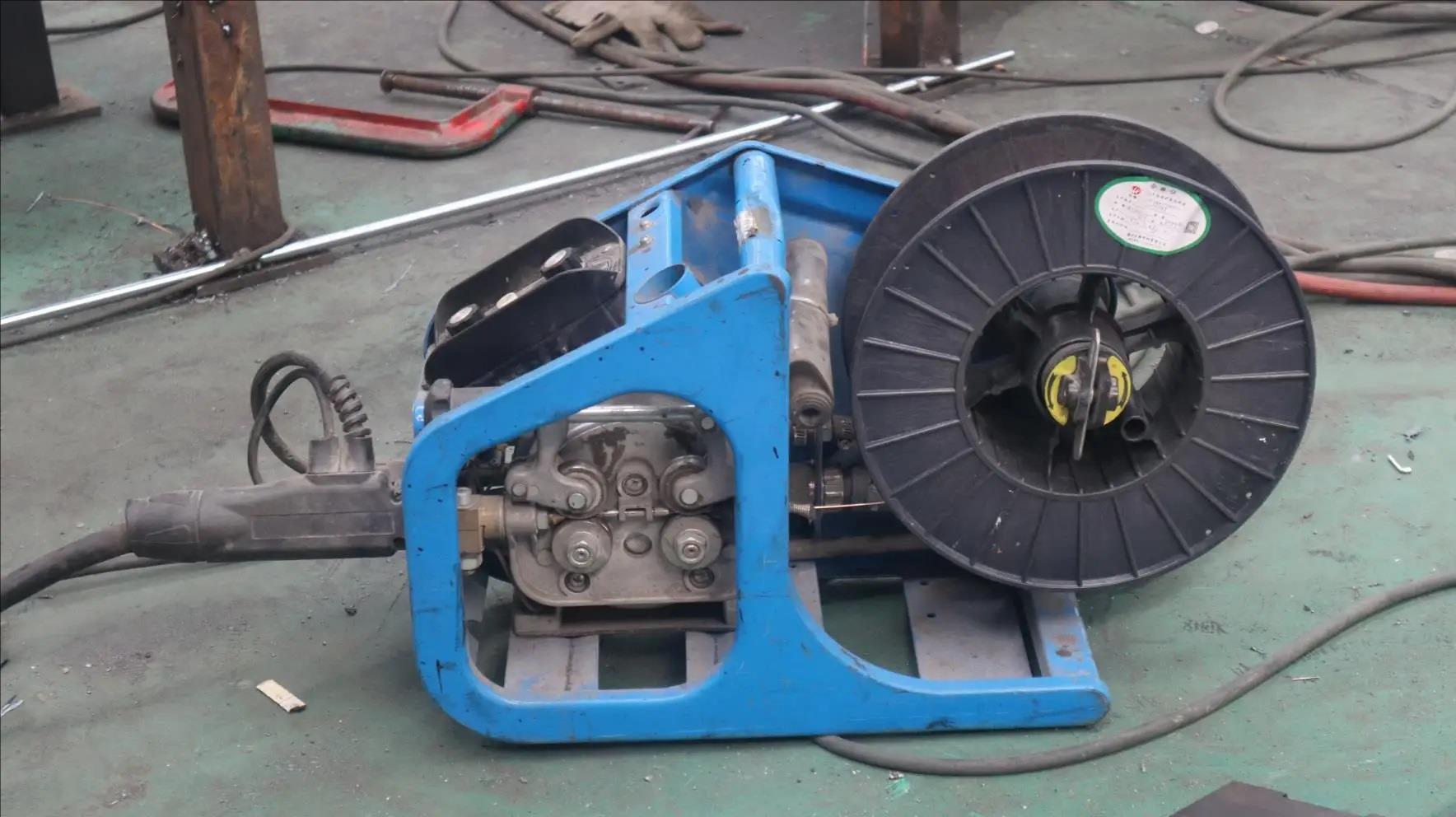
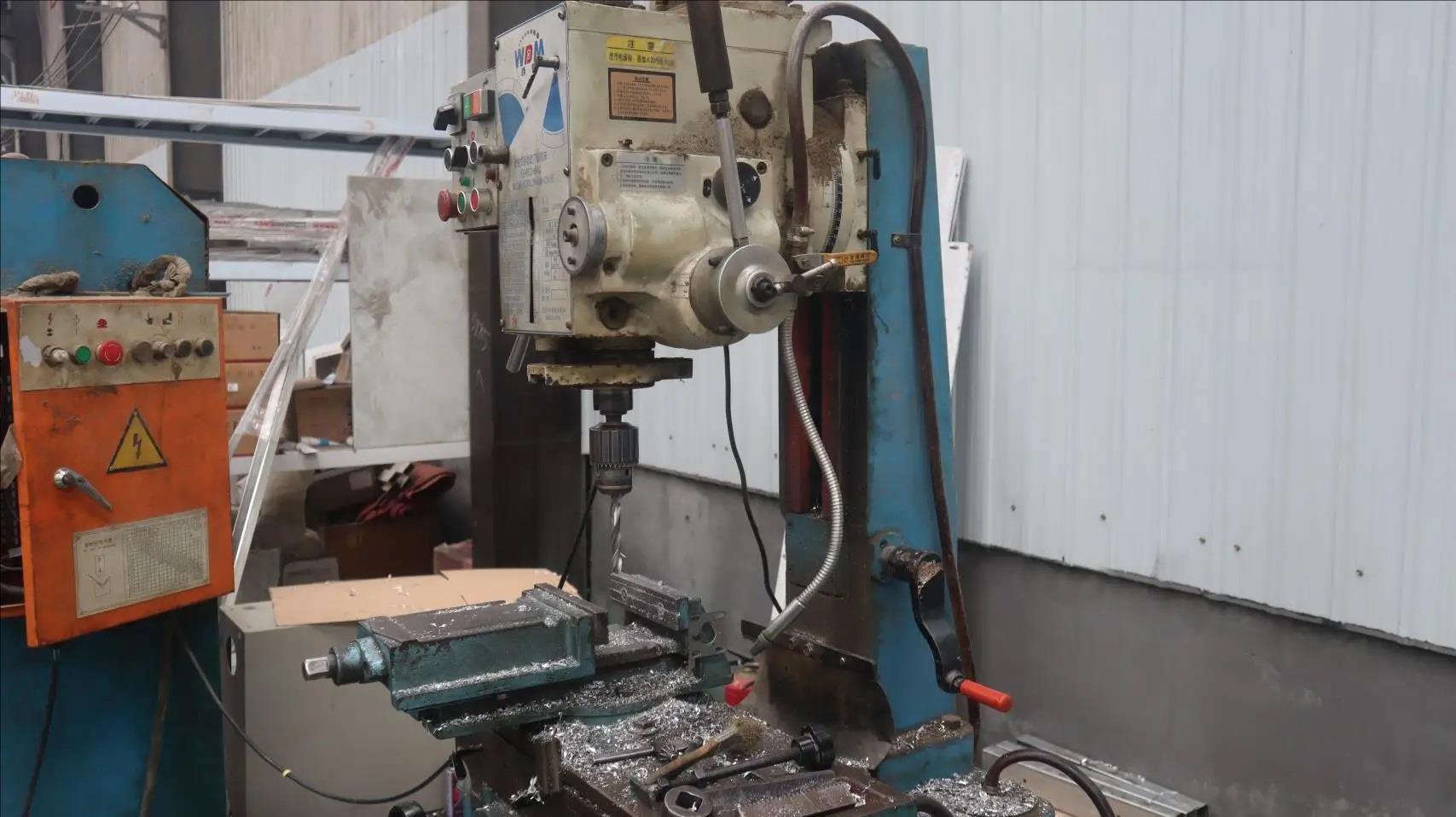
Purchasing tooling from Chinese exporters like Zhejiang DentFix Tool Co., Ltd. provides distinct structural advantages for global distributors and industrial end-users. The tooling ecosystem in Zhejiang incorporates integrated metal fabrication, nanoscale coating facilities, and raw tungsten ore refining centers. This localized concentration minimizes logistics lag, enables quick turnaround on custom designs, and ensures competitive pricing structures.
Our raw material sourcing relies on top-tier carbide grades containing optimal cobalt binders. With state-of-the-art five-axis CNC grinding centers, our production tolerances are identical to high-end European manufacturers, while maintaining a lean cost structure. In addition, our high-volume production scale acts as a buffer against supply chain shocks, keeping a constant supply of standard sizes (3mm to 16mm hand and machine reamers) in stock.
For procurement officers in multinational enterprises, purchasing is not just about unit price; it focuses on Total Cost of Ownership (TCO). Tooling consistency is the foundation of high-speed manufacturing lines. A tool failure on a CNC machine leads to lost cycle time and potentially ruins expensive workpieces. DentFix resolves these pain points through:
Precision reamers are critical across several demanding fields, each presenting unique engineering hurdles:
How DentFix navigates the future of precision tooling through compliance, customization, and technical assistance.
We are engineering new geometries optimized for high-speed cutting (HSC) and minimum quantity lubrication (MQL) lines. These designs integrate into smart toolholders for real-time vibration and wear tracking, limiting tool failures.
DentFix maintains full compliance with ISO 9001:2015, DIN standard requirements, and ANSI guidelines. Our global operations team handles customs clearing, tariff structures, and local compliance verification for key industrial regions.
We provide full translation of design blueprints, specialized local agent support, and direct engineer-to-engineer consultations to match our tooling products with your specific manufacturing environments.
Technical insights and purchasing guidance straight from the production floor engineers at Zhejiang DentFix.
Generally, for carbide reamers, we suggest leaving 0.1mm to 0.2mm of stock on the diameter for holes under 10mm, and 0.2mm to 0.3mm for larger diameters. Leaving too little stock causes the reamer to rub against the metal rather than cut, resulting in rapid wear and poor finishes. Too much stock, on the other hand, overloads the tool and increases the risk of chip clogging.
Total Indicated Runout (TIR) should ideally be under 0.005mm. Excessive runout causes the cutting load to distribute unevenly among the flutes, leading to premature wear on one side of the tool, oversized holes, and chatter marks. High-quality hydraulic or shrink-fit chucks are recommended for CNC setups.
AlTiN (Aluminum Titanium Nitride) forms a protective aluminum oxide layer at high operating temperatures. This layer reduces friction, minimizes heat transfer into the substrate, and prevents built-up edge (BUE) when machining materials like stainless steel and alloy steel.
Yes, we specialize in customizing flute lengths, overall lengths, custom chamfer angles, and relief configurations to meet aerospace specifications for stackups and hard-to-machine alloys.
Review our high-speed, multi-fluted, and flexible reamer selections configured for complex heavy-duty applications.
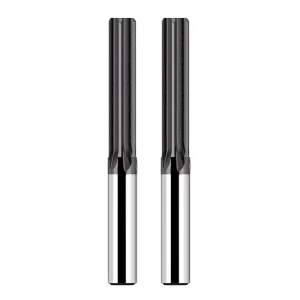
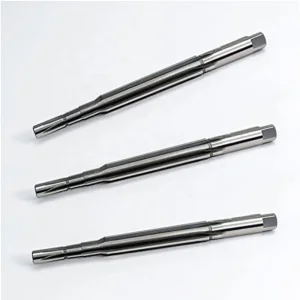
 DentFix Tool