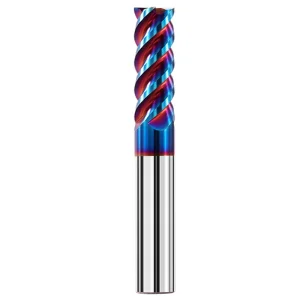
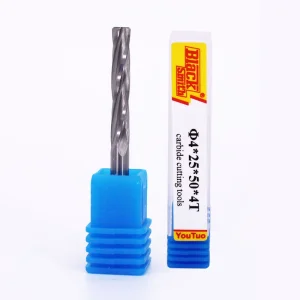
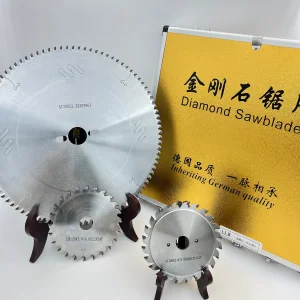
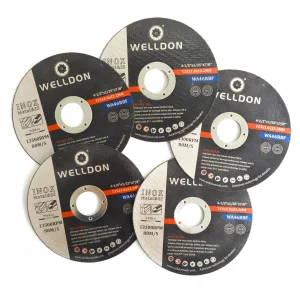
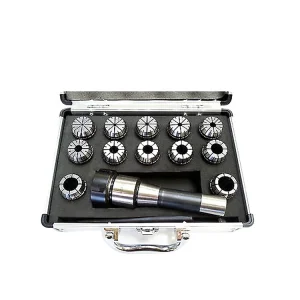
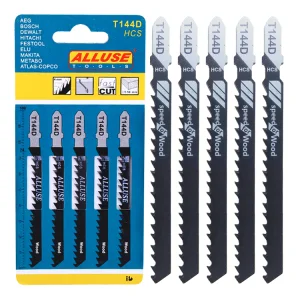
Explore our premium grade selection of industrial saw blades, milling cutters, reamers, and custom tool accessories engineered for maximum efficiency.
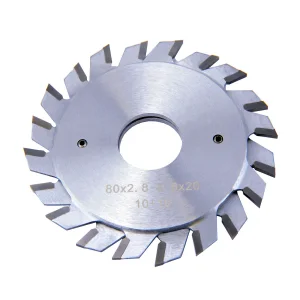
Why precision counterbores are critical components in modern high-reliability manufacturing and structural engineering.
In modern industrial assembly and metalworking, a counterbore is defined as a cylindrical, flat-bottomed hole that enlarges another co-axial opening. Typically designed to recess high-strength fasteners, such as socket head cap screws, counterbores ensure that the head of the bolt sits flush with or below the surface of the workpiece. This structural requirement is not merely aesthetic; it is fundamental to the mechanical safety, aerodynamic profiling, and assembly clearance of critical machinery.
On a global scale, the demand for precision counterboring tools is expanding. The shift towards light-weight, high-strength alloys in aerospace and electric vehicle manufacturing has forced tooling engineers to move away from standard High-Speed Steel (HSS) tools toward specialized sub-micron tungsten carbide counterbores. These advanced cutting geometries allow for continuous, high-speed material removal while maintaining strict concentricity limits and surface finishes.
"Without highly precise counterboring, the structural integrity of high-vibration assemblies in aerospace and automotive drivetrains cannot be guaranteed. The flush seating of fasteners prevents localized stress concentrations that lead to catastrophic fatigue failures."
A premier global manufacturer specializing in the research, development, and production of precision CNC cutting tools.
Zhejiang DentFix Tool Co., Ltd. is a professional manufacturer specializing in the research, development, production, and global distribution of precision CNC cutting tools and carbide solutions. Since its establishment, the company has been committed to providing high-performance tooling products for the metalworking industry, serving customers across automotive, aerospace, mold & die, general engineering, energy, and precision manufacturing sectors.
Driven by continuous innovation and customer-focused development, DentFix has grown into a modern manufacturing enterprise that integrates R&D, intelligent production, quality control, sales, and technical support. The company has built a strong reputation for delivering reliable products, consistent quality, and professional services to customers in both domestic and international markets.
With advanced manufacturing technologies, experienced engineering teams, and strict quality management systems, DentFix continuously improves its product performance and production efficiency. The company is dedicated to helping customers achieve higher machining accuracy, longer tool life, greater productivity, and lower manufacturing costs. Today, Zhejiang DentFix Tool Co., Ltd. continues to strengthen its investment in technological innovation, intelligent manufacturing, and international cooperation, striving to become a trusted global supplier of precision cutting tool solutions.
DentFix has established a comprehensive manufacturing system supported by experienced engineers, skilled production personnel, and a professional sales and technical service team. Our engineering department focuses on the development of innovative cutting tool solutions that meet the evolving requirements of modern CNC machining.
Our manufacturing facility is equipped with advanced CNC grinding machines, high-precision inspection equipment, automated production systems, and modern quality testing laboratories. Every product undergoes rigorous inspection throughout the manufacturing process to ensure exceptional dimensional accuracy, durability, and stable machining performance.
How DentFix optimizes scale, technology, and local supply chains to deliver global-standard tooling solutions cost-effectively.
Procuring industrial counterbores and cutting tools from China, particularly from specialized clusters in Zhejiang, offers significant strategic advantages. Zhejiang DentFix Tool Co., Ltd. has integrated the localized supply chain to master raw material sourcing, heat treatment, precision grinding, and PVD coating within an optimized geographical radius. This integration guarantees consistent quality and cuts lead times down by up to 40% compared to Western competitors.
Providing specialized cutting solutions tailored to distinct industrial applications across primary global markets.
In aerospace structures, mechanical fasteners hold critical components together. Counterbores designed for titanium and high-strength aluminum alloys (such as 7075-T6) require custom pilot guidance to ensure absolute perpendicularity. Any structural misalignment could create uneven stress under tension, leading to micro-fractures. Our custom solid carbide pilot counterbores with AlTiN coatings provide clean cuts and micro-inch surface finishes in these high-stakes applications.
In high-volume automotive production lines, cycle time is the primary driver of manufacturing profitability. The introduction of hybrid tooling, such as multi-step drills and counterbores, allows the operator to execute drilling, chamfering, and counterboring in a single pass. Zhejiang DentFix designs custom step-milling profiles that work seamlessly with automated CNC machines to shorten process cycle times and ensure high dimensional consistency.
Heavy machinery and plastic injection molding require large socket head cap screws to handle extreme internal pressures. Counterboring deep pockets in hardened tool steels (such as H13, D2, or P20) requires high-toughness tool geometry. Zhejiang DentFix specializes in producing heavy-duty indexable and solid carbide counterbores that resist chipping and wear under heavy loads.
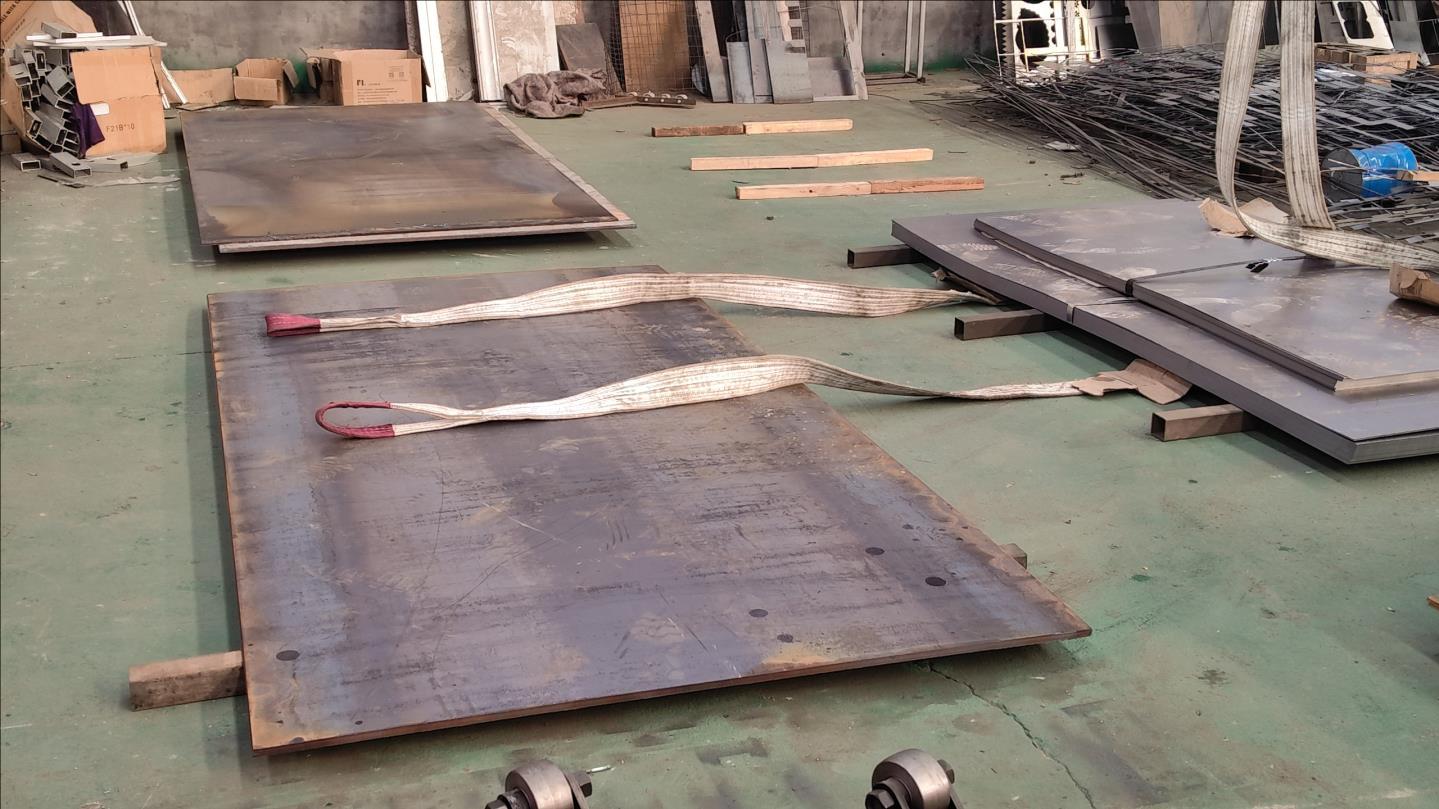
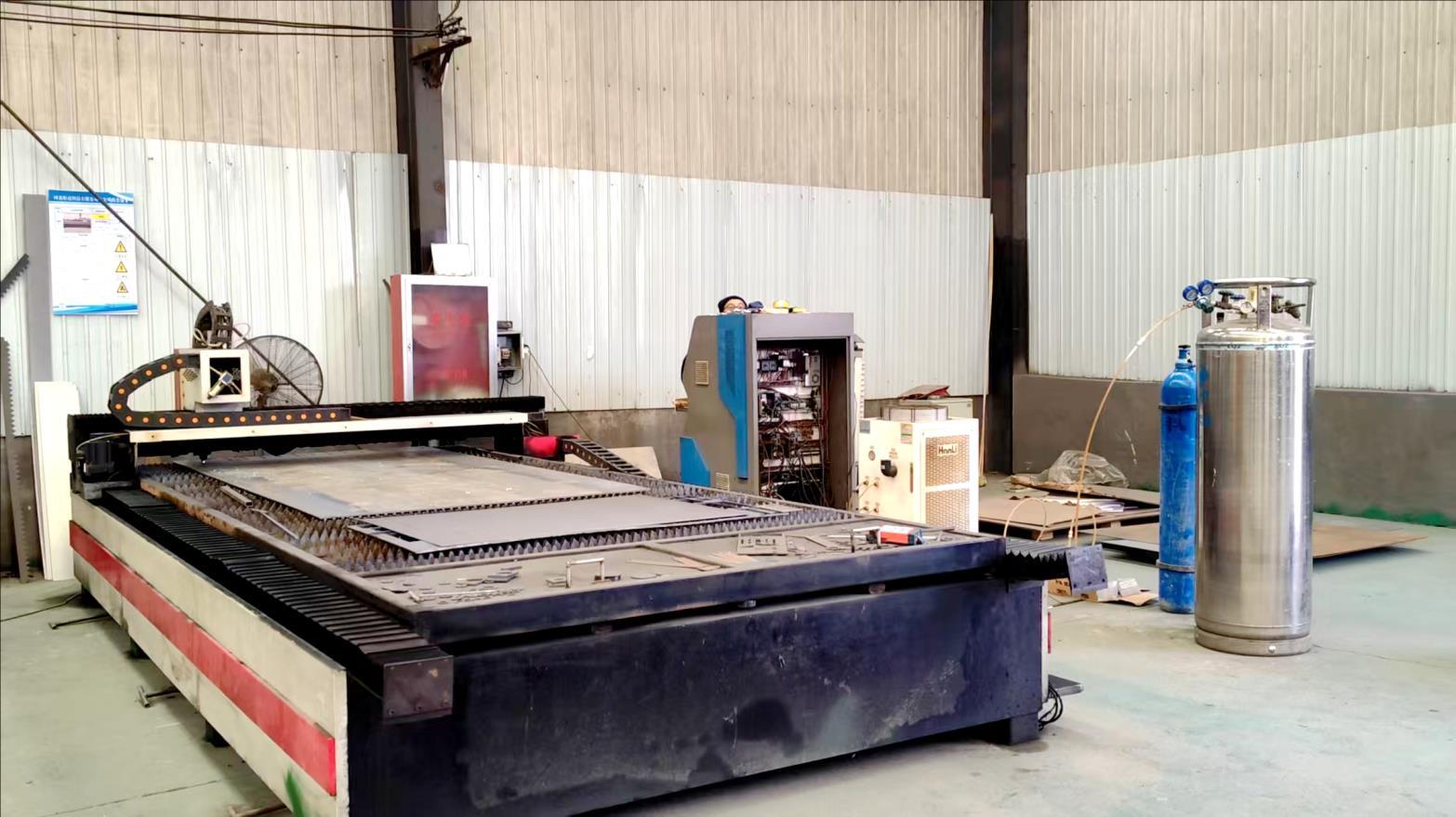
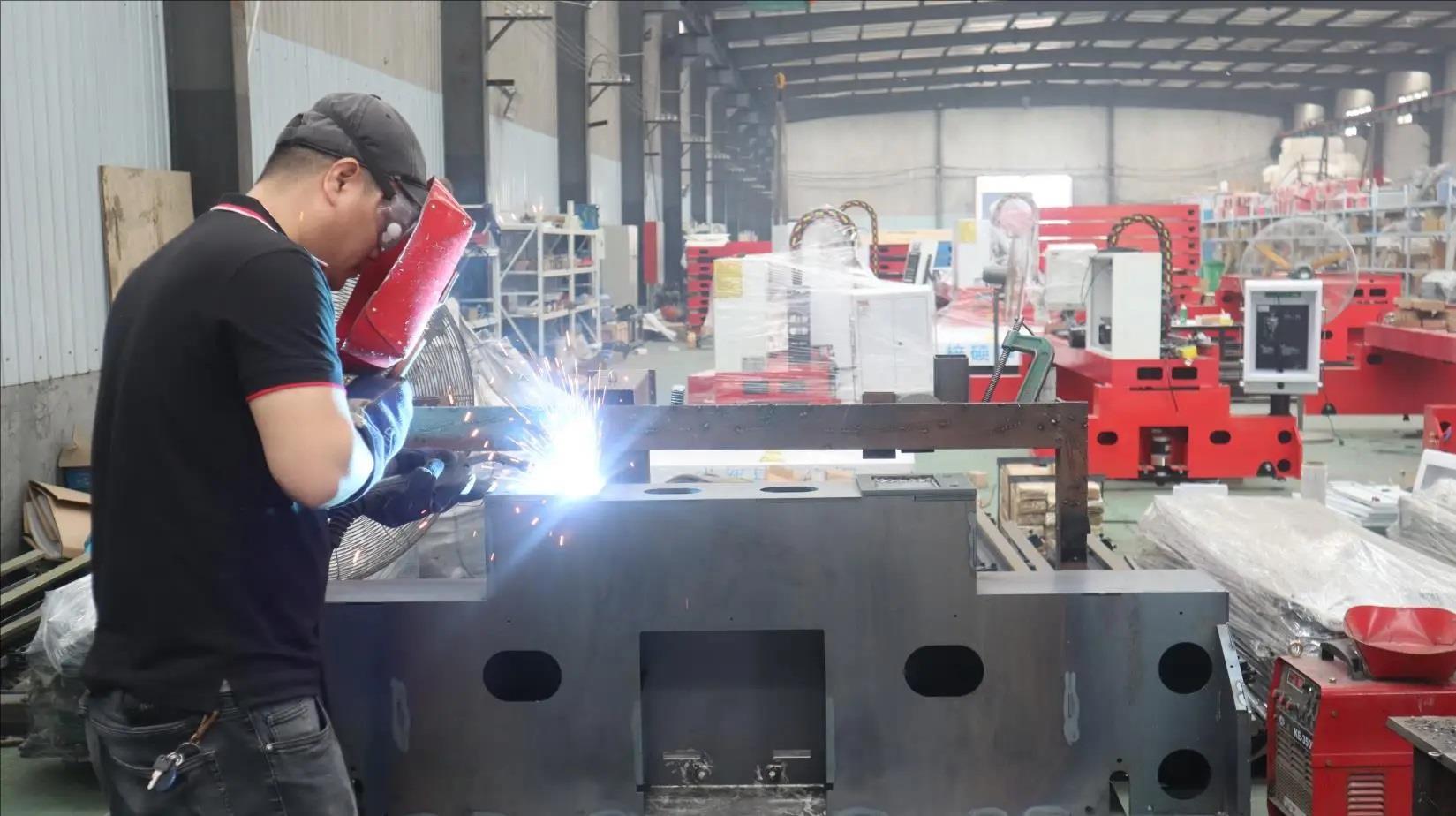
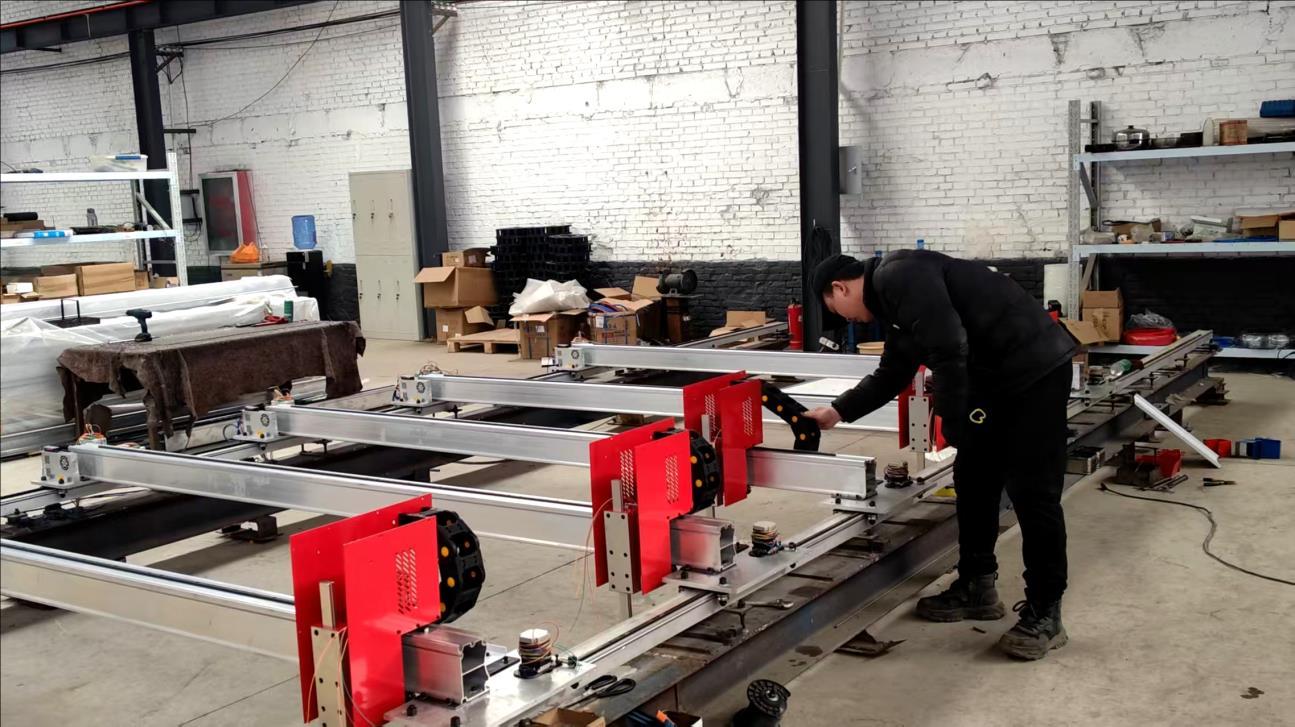
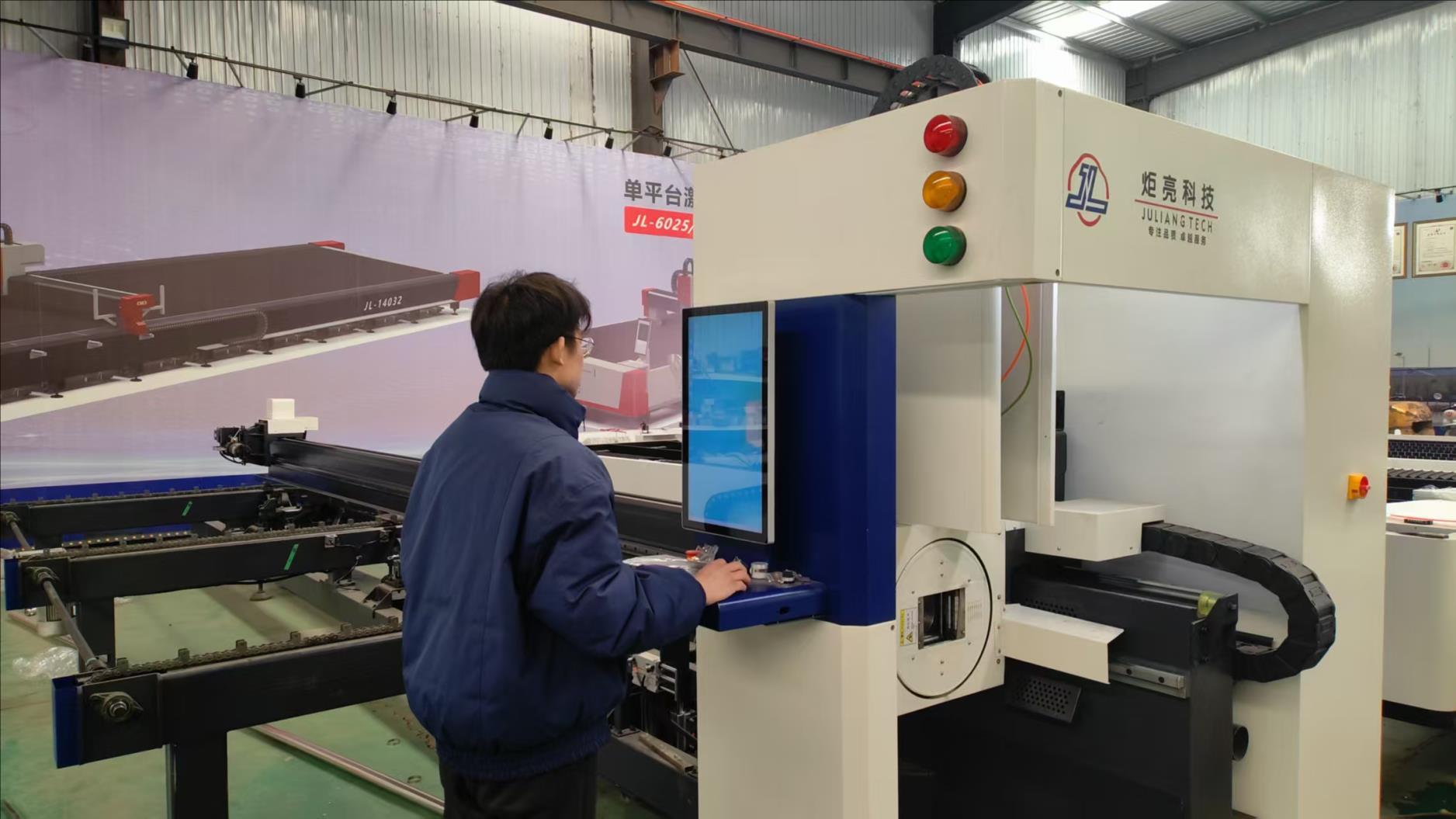
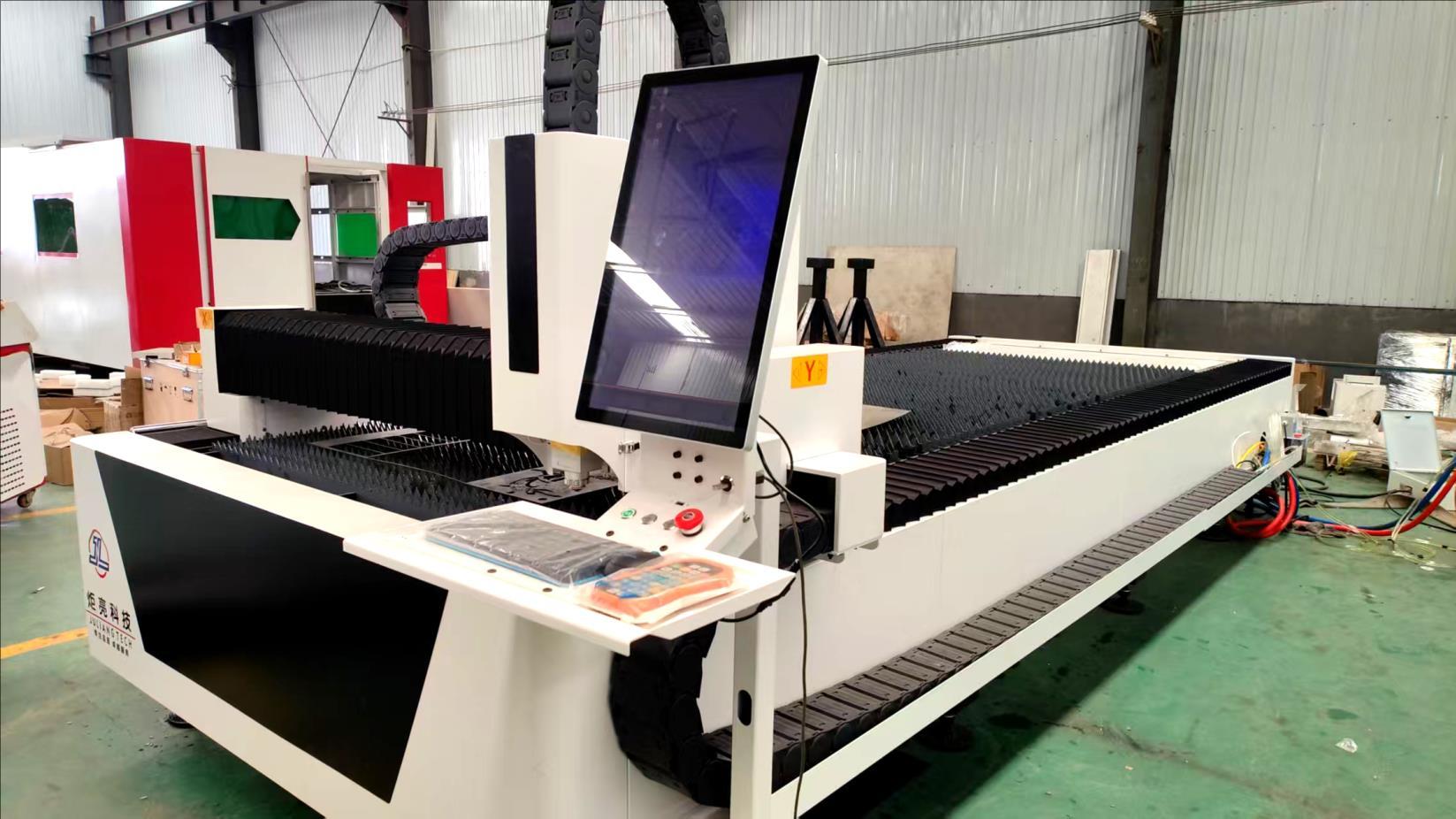
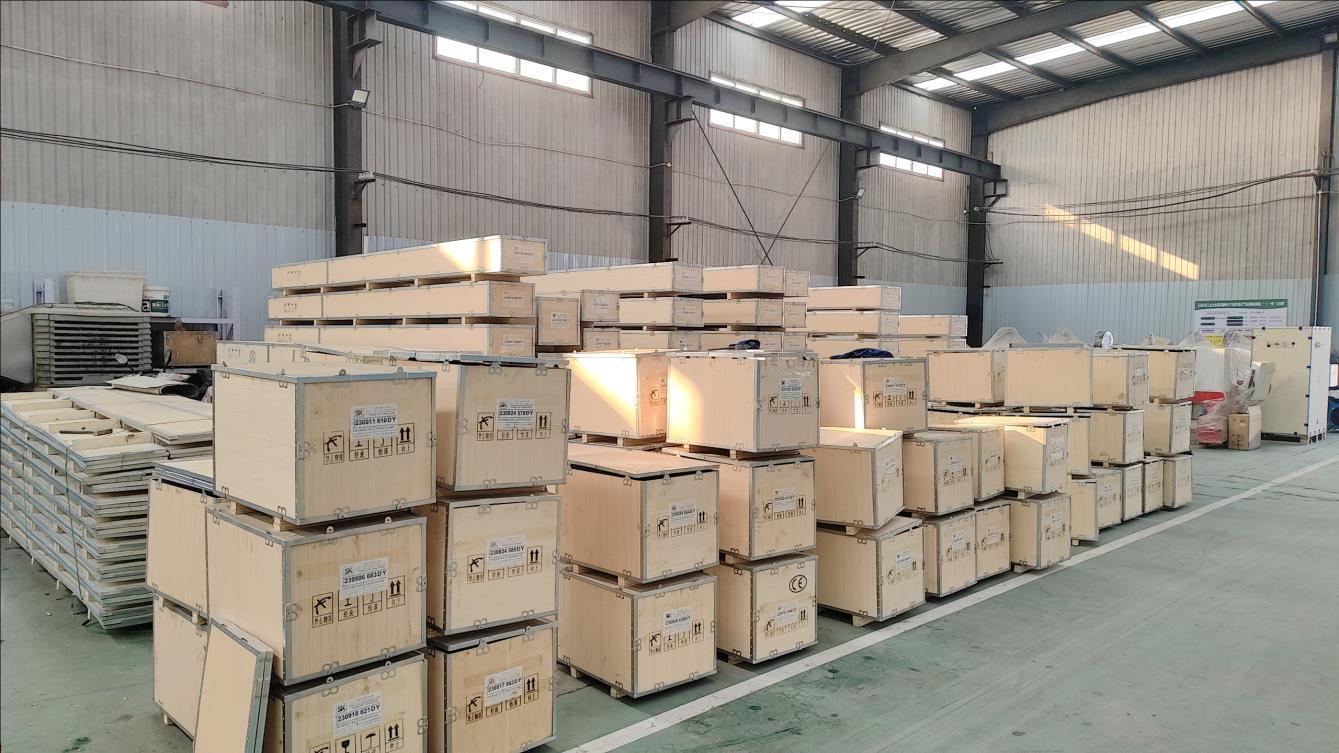
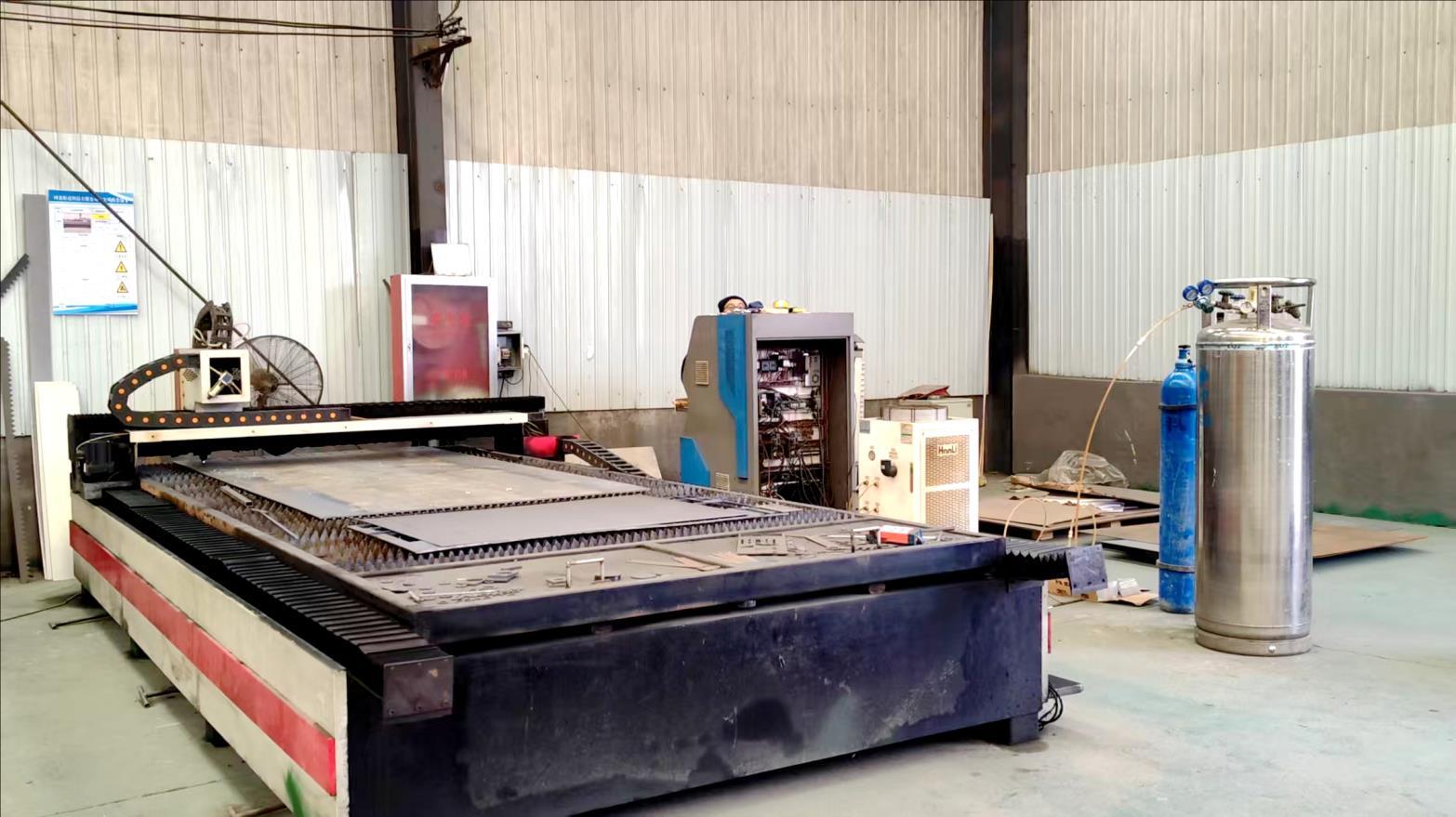
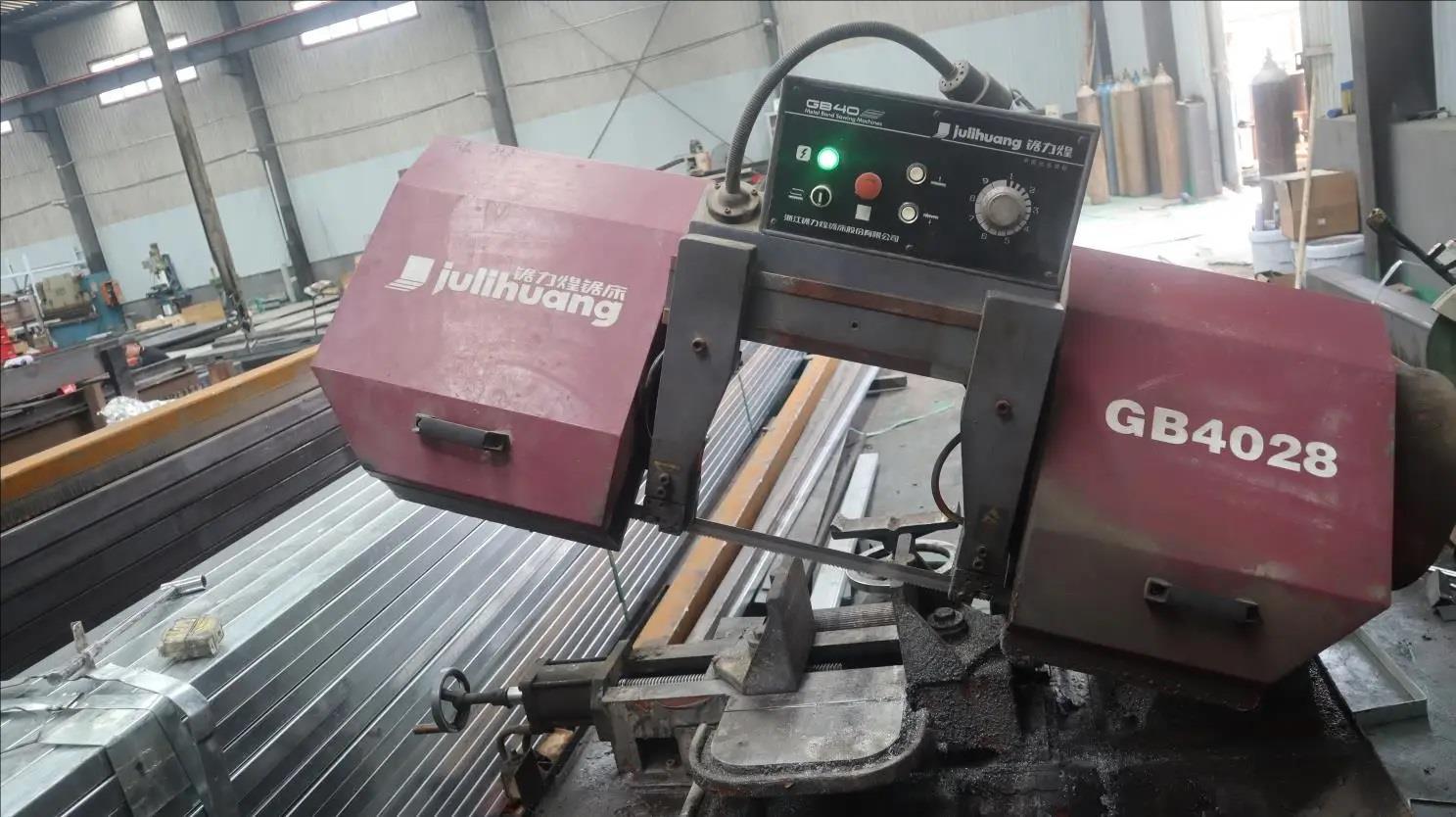
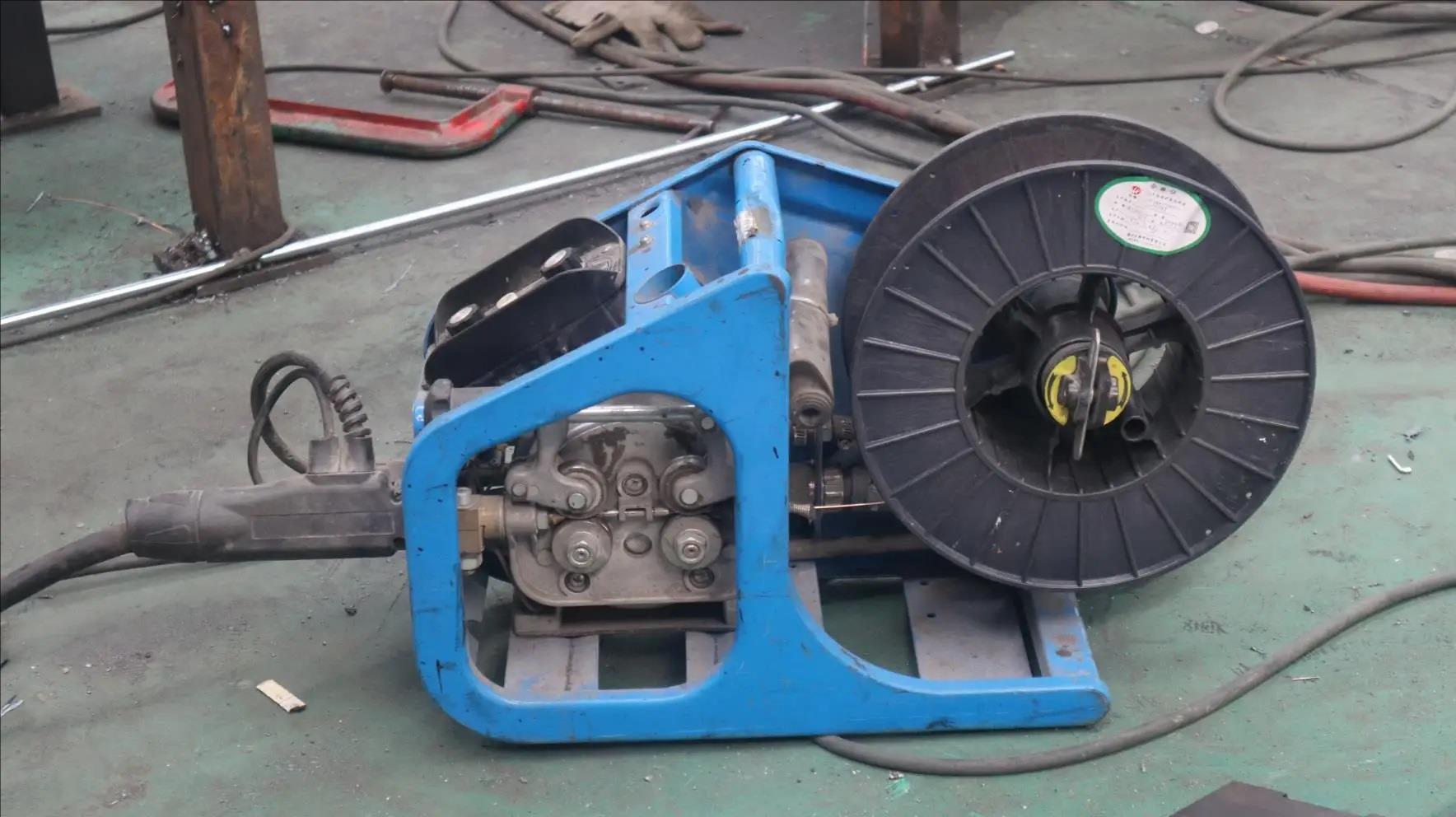
An inside look at our standardized production steps and advanced machinery ensuring reliable quality control from raw materials to final shipment.
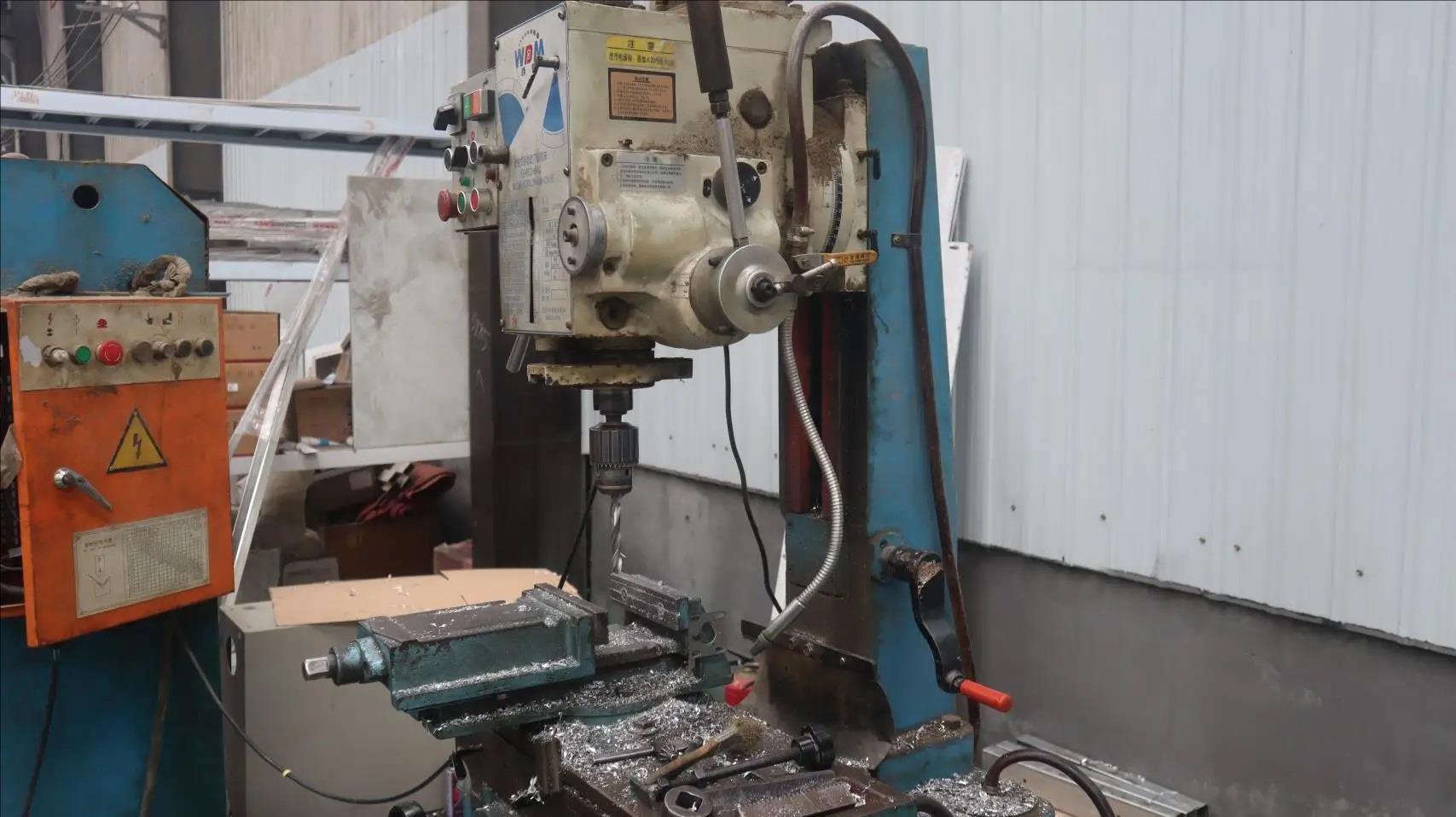
A technical overview of the market forces, material science advances, and design adjustments shaping the cutting tool industry.
The manufacturing landscape is evolving rapidly, and the demand for high-performance counterbores is tracking this evolution. Three major trends are reshaping the way cutting tools are designed and deployed:
Modern machine shops operate under high feed rates. This requires counterbores that can handle high chip loads without clogging. Traditional straight-flute tools are being replaced by variable-helix spiral counterbores. This design shears the material progressively and forces chips upward out of the hole, preventing chip recutting and minimizing the risk of tool breakage.
To reduce production cycle times, manufacturers are increasingly using customized multi-step tools. Designing a tool that can drill, chamfer, and counterbore in a single pass reduces tool changes, limits spindle wear, and eliminates concentricity errors that occur when using multiple tools. Zhejiang DentFix's engineering team specializes in modeling custom multi-step tools to optimize cycle times for specific customer components.
Environmental policies and operational cost controls are leading many machine shops to adopt dry cutting or Minimum Quantity Lubrication (MQL) setups. Traditional coolants can be messy and require costly recycling. To support dry cutting, tools must handle high thermal loads. Zhejiang DentFix uses high-purity carbide blanks coated with advanced AlTiN, which forms a protective aluminum oxide layer at temperatures up to 900°C to safeguard the tool's cutting edge.
The procurement guidelines and quality control metrics used by global buyers to source high-accuracy tools.
Procuring custom counterbores for industrial manufacturing lines requires clear technical alignment between the customer and the factory. To ensure consistent quality across production batches, Zhejiang DentFix recommends specifying the following metrics:
Ensure the carbide grade fits the workpiece material. For example, machining titanium requires a sub-micron grain structure with high cobalt content to resist notch wear, whereas machining cast iron benefits from higher hardness grades with elevated wear resistance.
For high-reliability connections, pilot diameter tolerances should meet h6 standards, while the major cutting diameter must align with the fastener clearance class (typically H12 or better). Our factory-standard production uses automated optical inspection (AOI) to confirm these measurements.
Excessive runout causes uneven tooth loading, leading to accelerated corner wear and poor surface finish. Zhejiang DentFix checks every tool using advanced laser scanners to keep runout under 0.002mm.
Selecting the right coating is key to maximizing tool life. We offer AlTiN for hard alloys, TiAlN for general steel work, and specialized DLC (Diamond-Like Carbon) coatings to prevent material sticking when machining aluminum.
Technical guidance from our senior engineering team on optimizing tool selection, extending tool life, and avoiding common machining issues.
Review our complete list of tool holders, collet sets, carbide milling cutters, and custom machining options.
 DentFix Tool