Engineered to withstand the demanding cutting forces and ambient heat conditions typical of machining shops in Pune, Chennai, Gurugram, and Bengaluru.
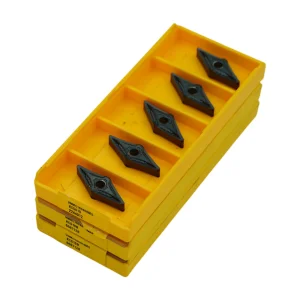
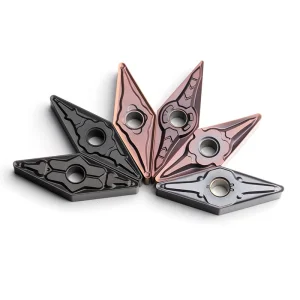
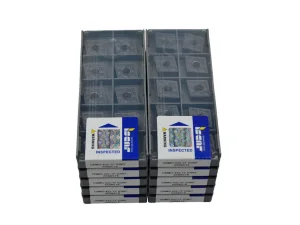
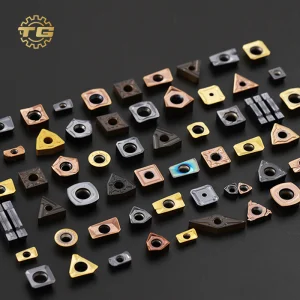
India is experiencing an unprecedented industrial transformation. Backed by government initiatives such as "Make in India" and the expansion of Special Economic Zones (SEZs), the country's manufacturing output is accelerating. Major industrial corridors in states like Tamil Nadu, Maharashtra, Gujarat, Haryana, and Karnataka are demanding high-efficiency machine tools. In these fast-moving production lines, cemented carbide turning inserts act as critical consumables, determining the overall throughput of massive manufacturing plants.
For Indian automotive OEMs, defense contractors, and heavy engineering shops, tool wear and thermal shock are persistent issues. Machining locally sourced cast irons and tough, high-tensile alloy steels requires tooling that can sustain high temperatures without structural degradation. As a global supplier serving the India market, we study these regional realities. We configure the substrate toughness and grain boundary densities of our inserts to withstand the unique mechanical properties of materials processed on Indian production floors.
Modern procurement teams in India face a dual challenge: lowering the total cost per component while maintaining top-tier quality standards. Selecting an offshore partner involves evaluating raw material traceability, manufacturing stability, and supply chain reliability.
From threading profiles to high-precision continuous cutting, optimize your CNC operations with these targeted geometries.
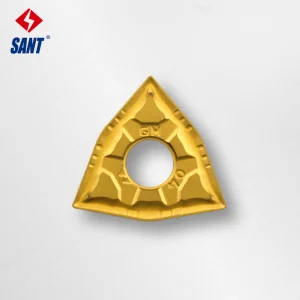
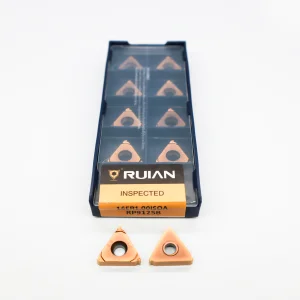
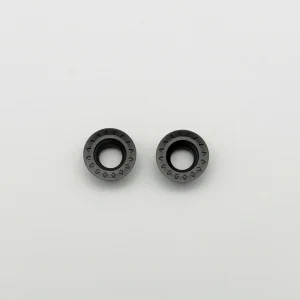
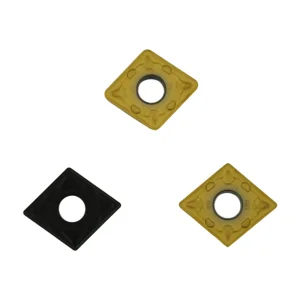
Understanding the metallurgical engineering behind long-life indexable inserts helps manufacturers optimize cutting parameters.
The core strength of our turning inserts lies in our ultra-fine grain tungsten carbide substrate matrix. By keeping grain sizes below 0.8μm, we achieve an ideal balance of hardness (high wear resistance) and toughness (resistance to chipping). This design helps prevent failure when machining uneven surfaces or handling interrupted cuts common in cast iron and forged steel.
Our CVD coatings feature a thick MT-TiCN and alpha-Al2O3 structure that resists crater wear at temperatures up to 1000°C. For milling inserts and finishing applications, we apply PVD coatings like AlTiN and TiAlCrN. These PVD layers provide excellent surface hardness and chemical stability, protecting the cutting edge from oxidation and thermal fatigue.
Optimized chip evacuation prevents workpiece scratching and chip nest tangles in CNC machines. Our chipbreaker designs include the TF geometry for general steel machining, QM/SF for medium-to-light finishing, and heavy-duty HR profiles for deep, high-feed metal removal.
Zhejiang DentFix Tool Co., Ltd. implements strict quality standards at every stage of the manufacturing workflow.
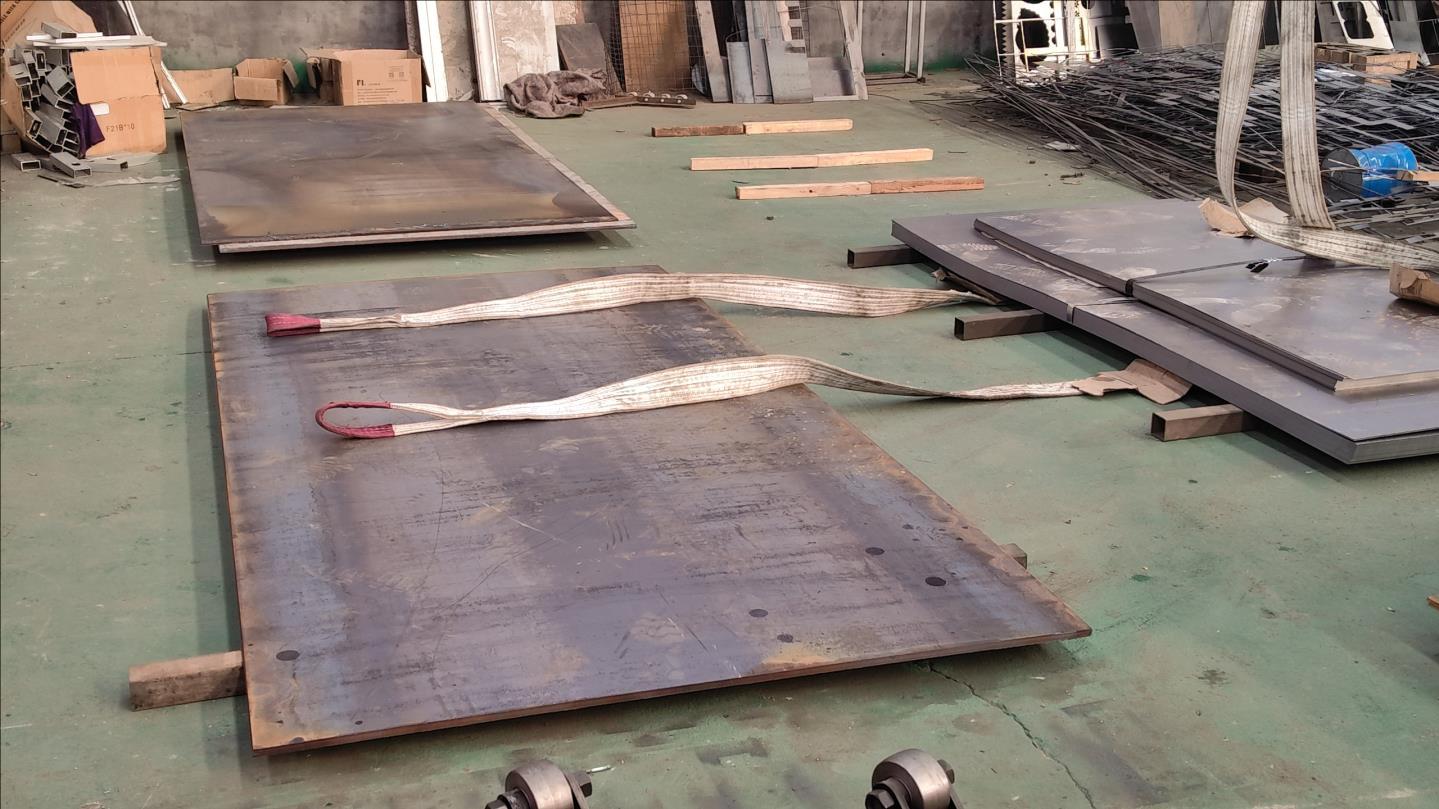
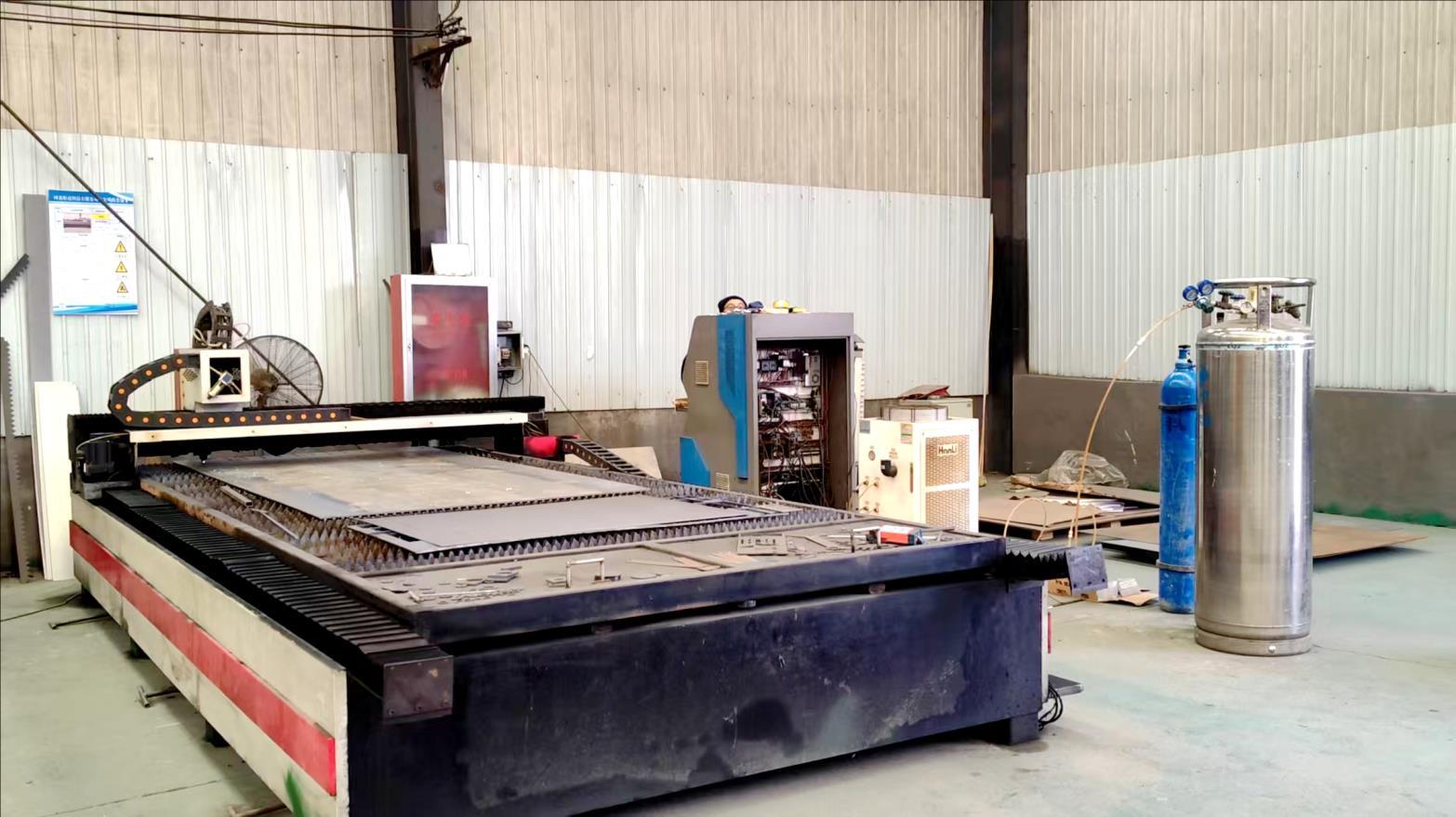
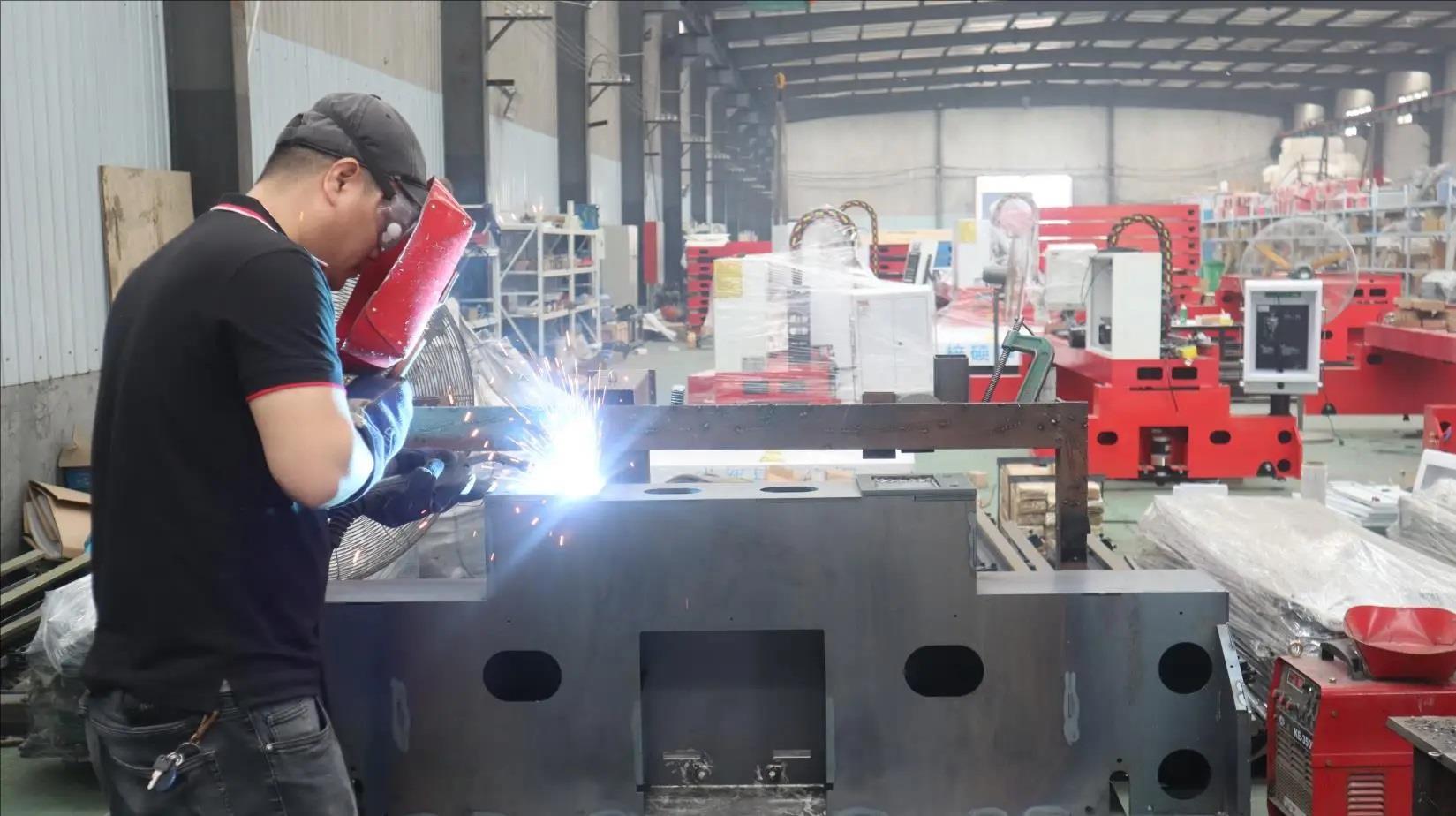
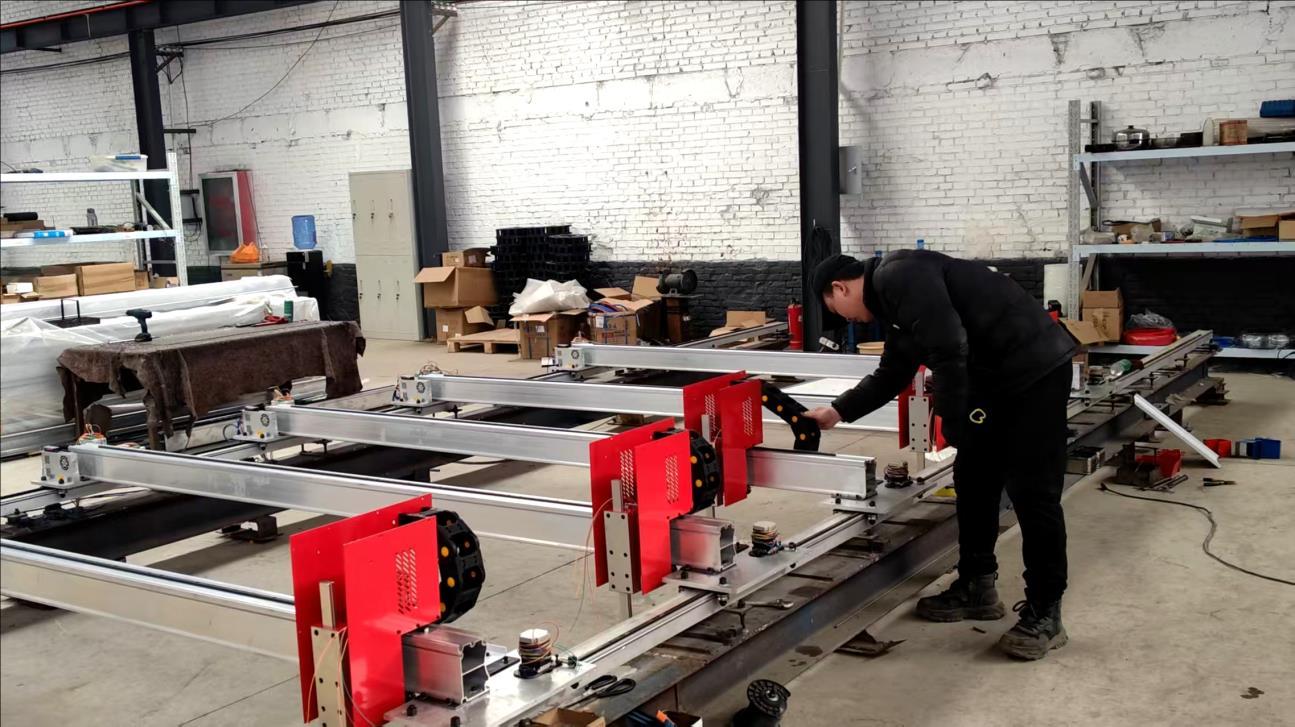
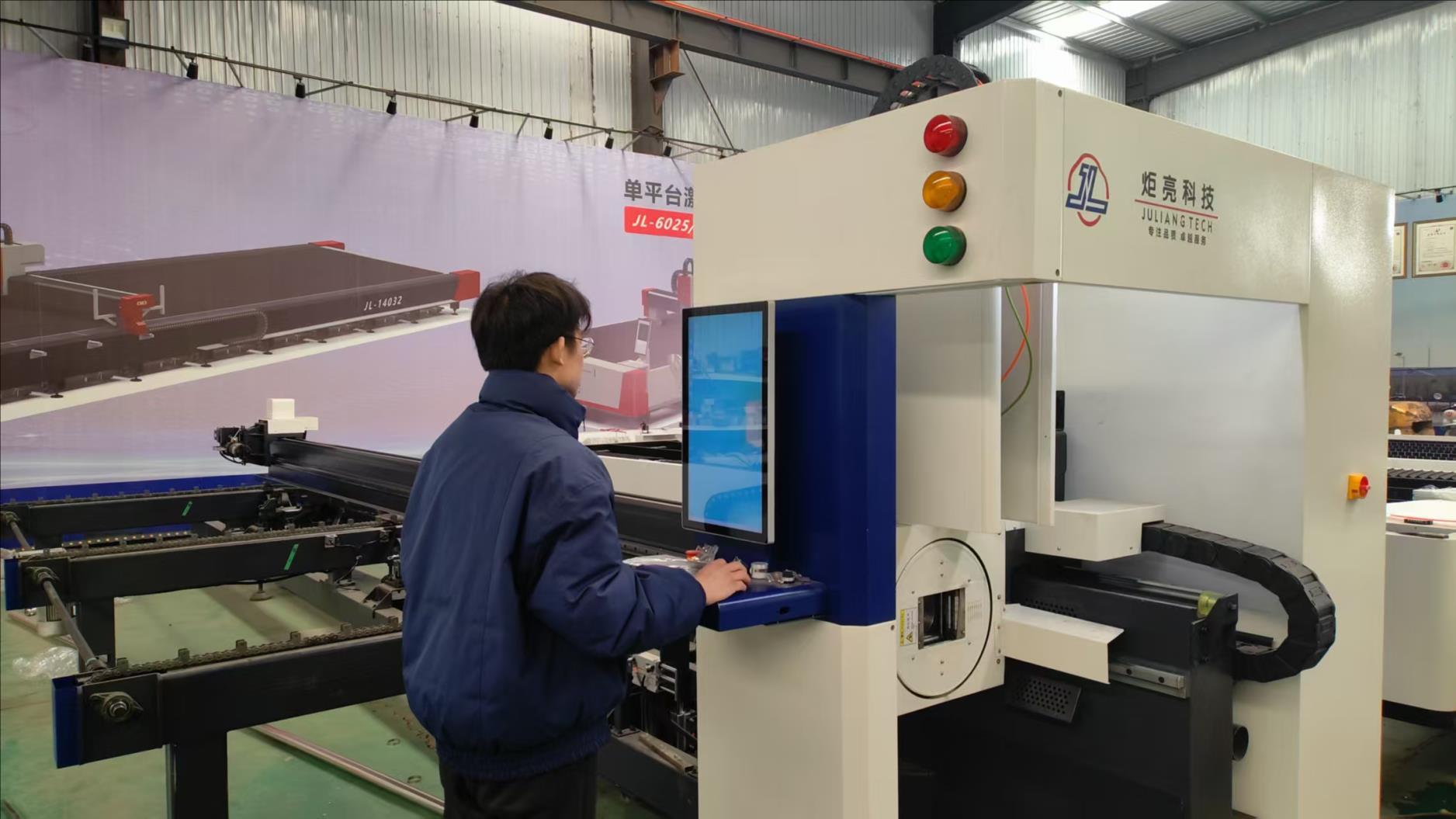
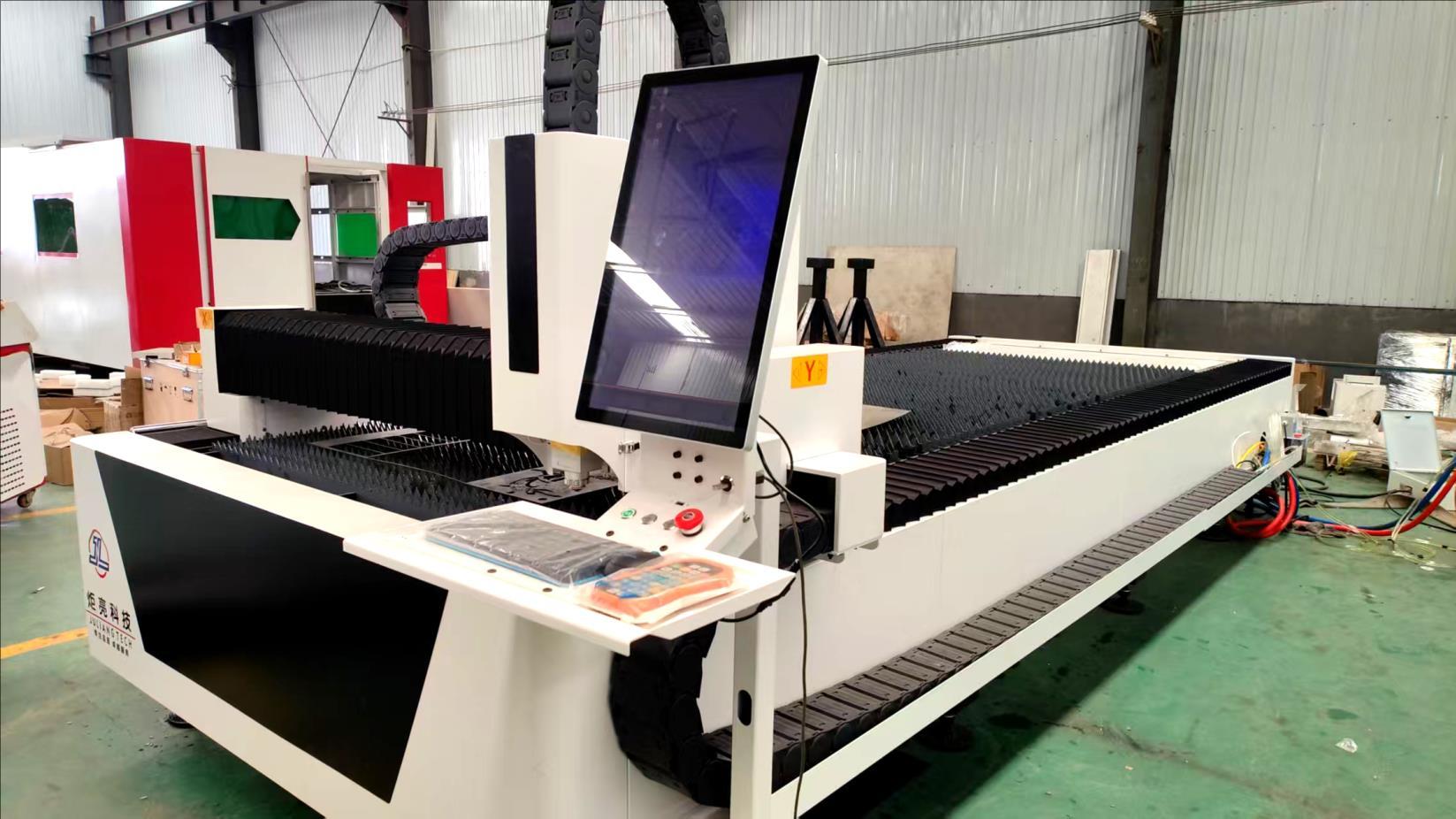
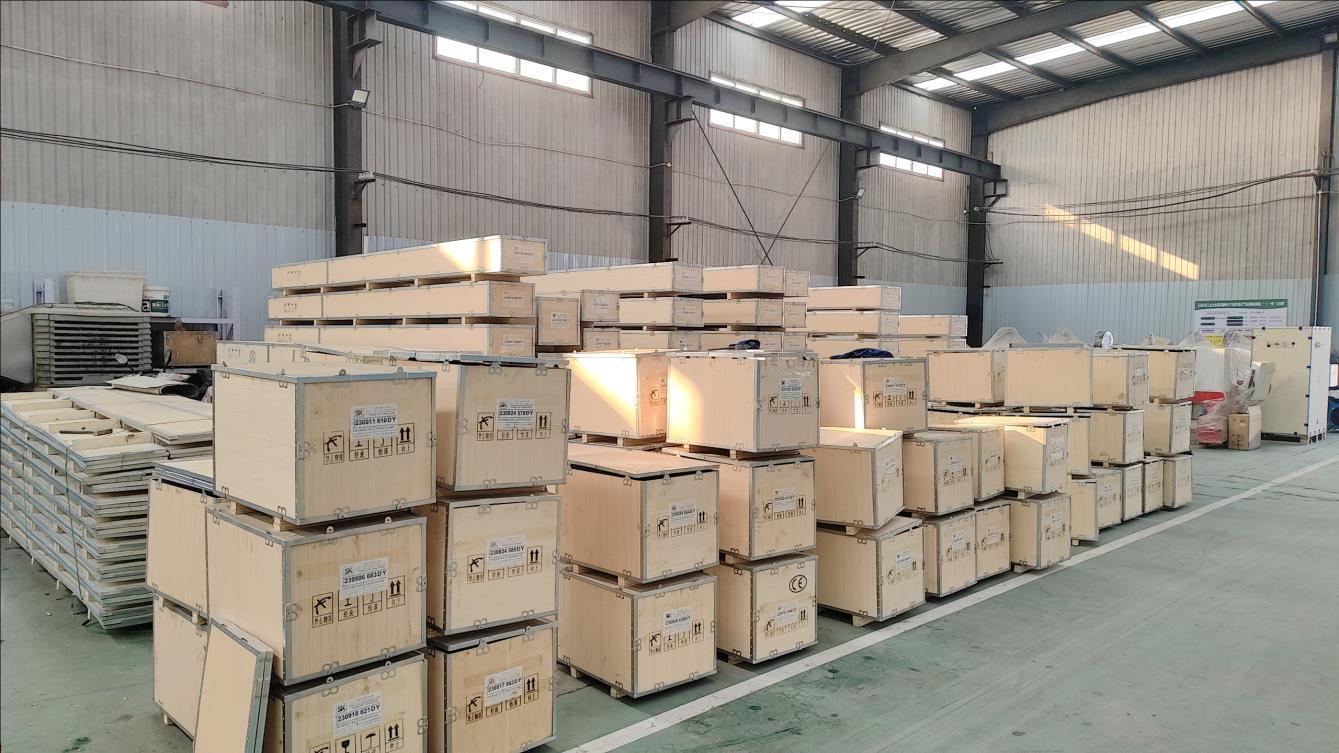
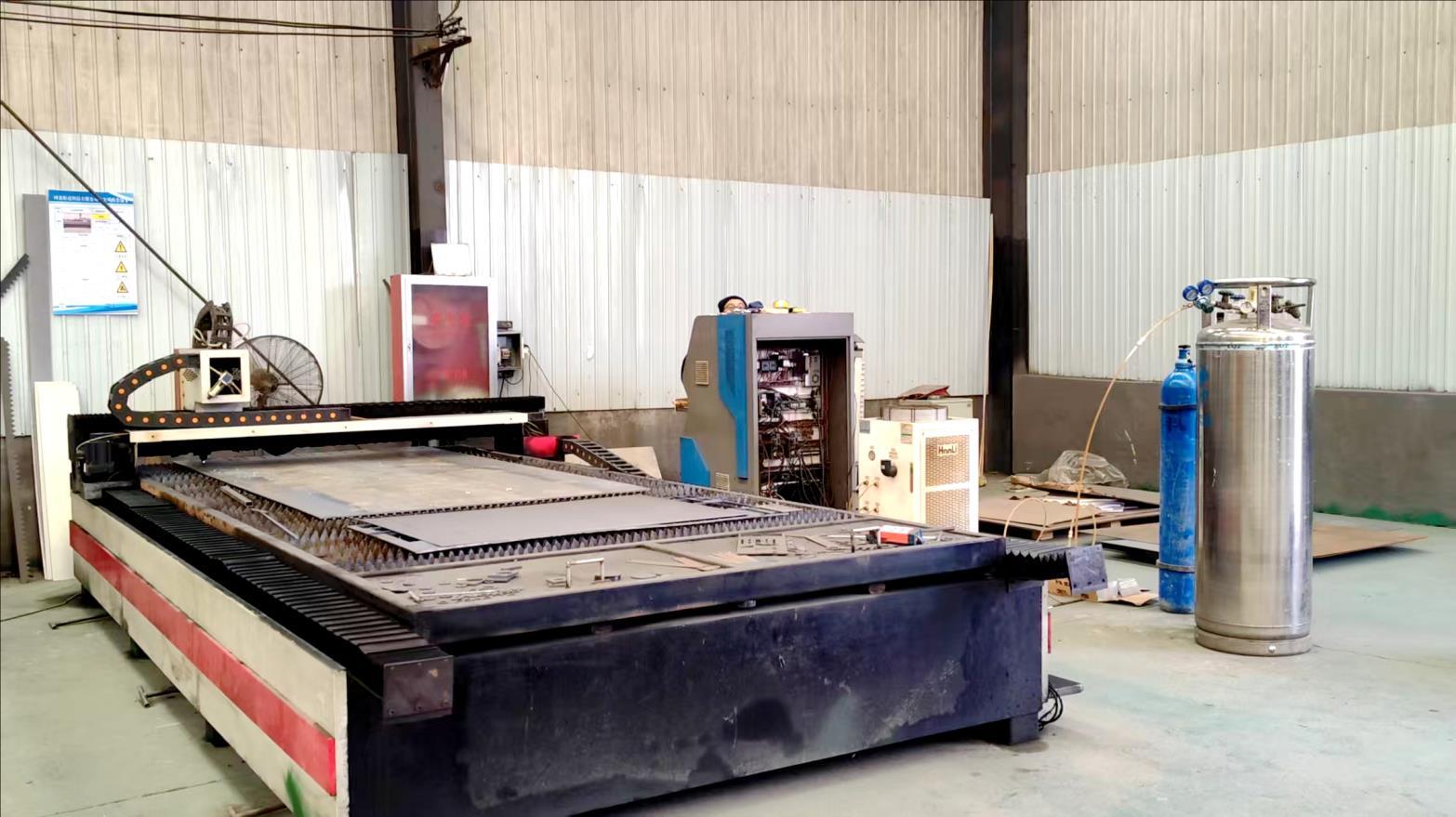
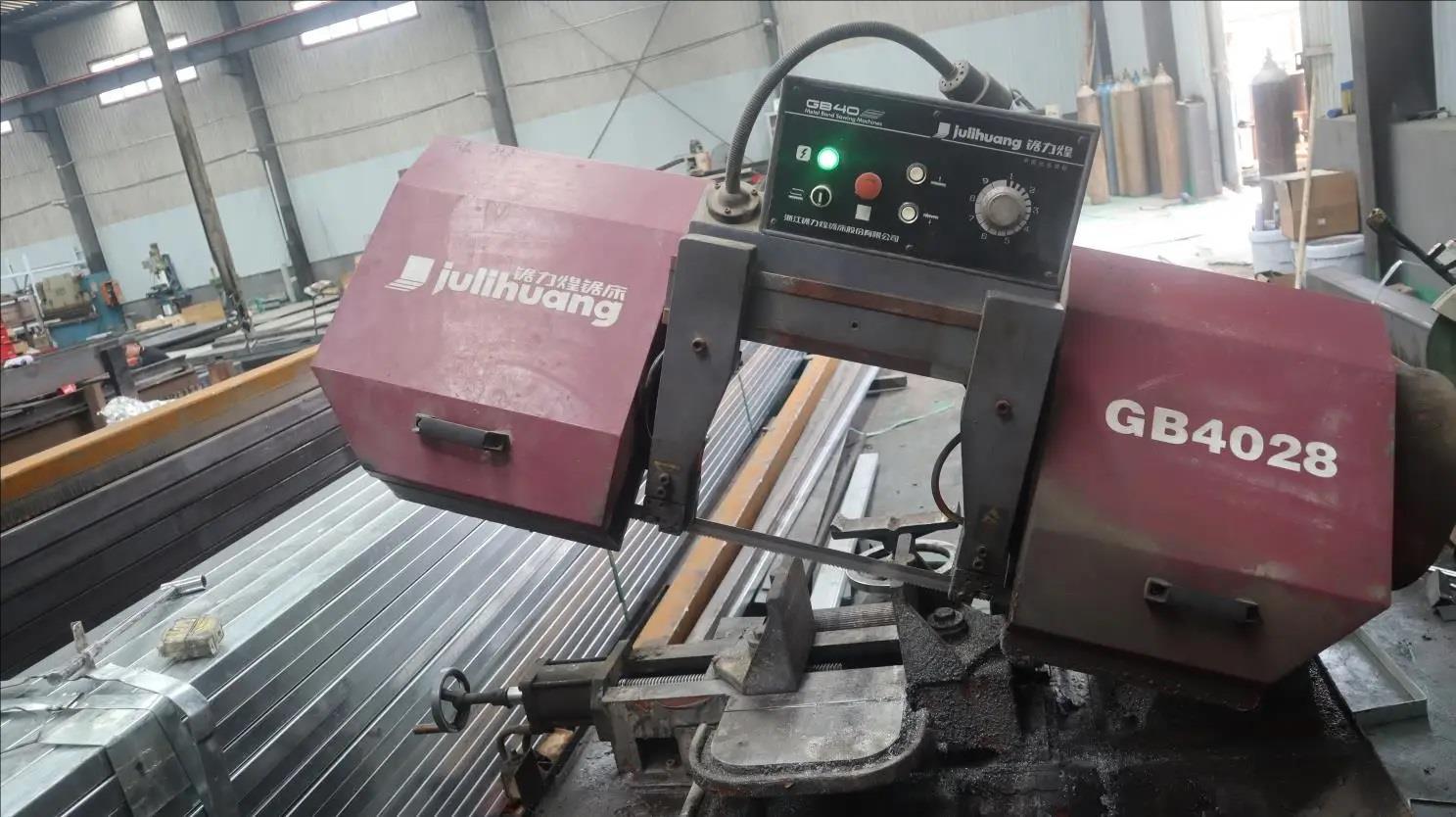
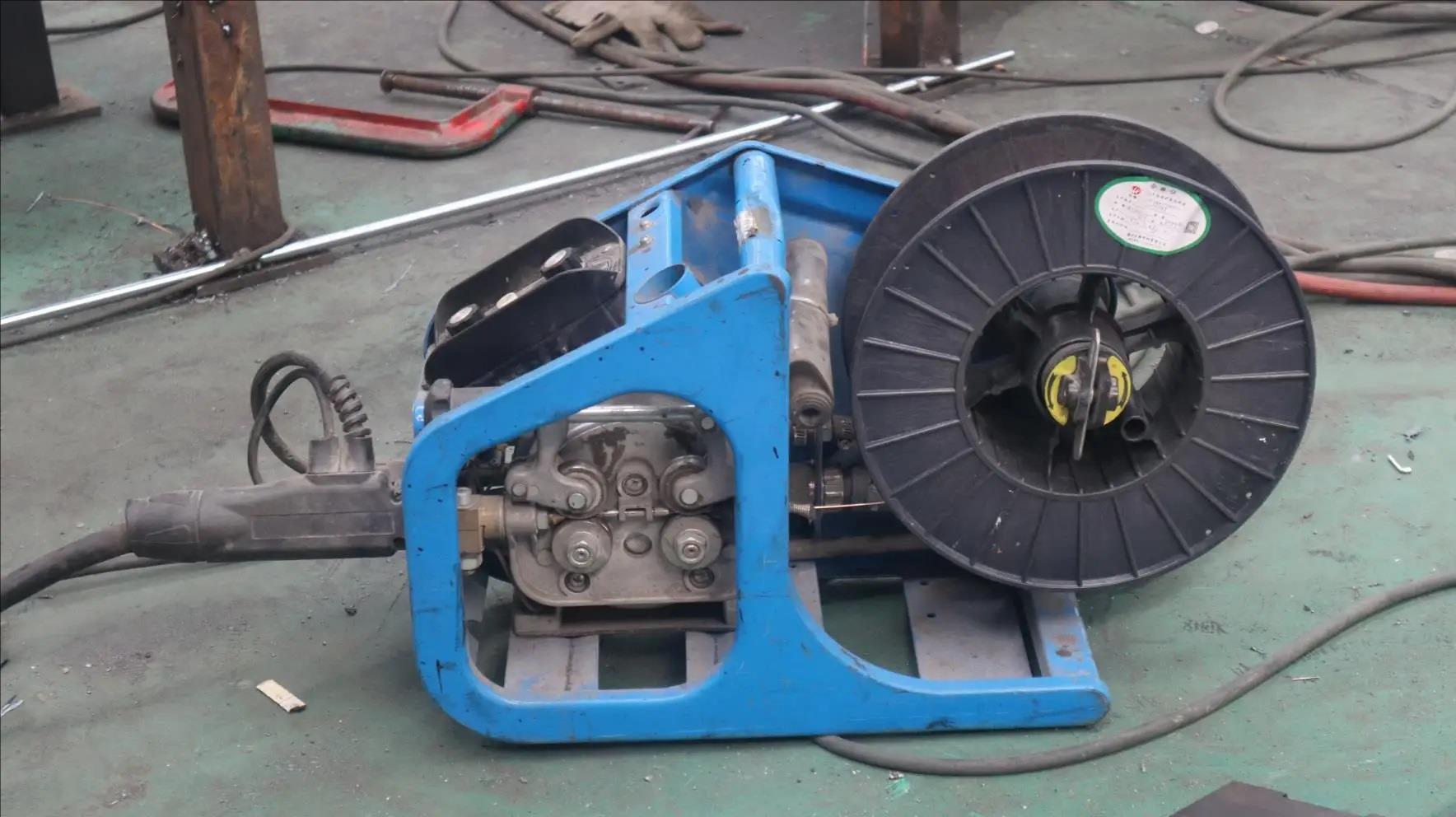
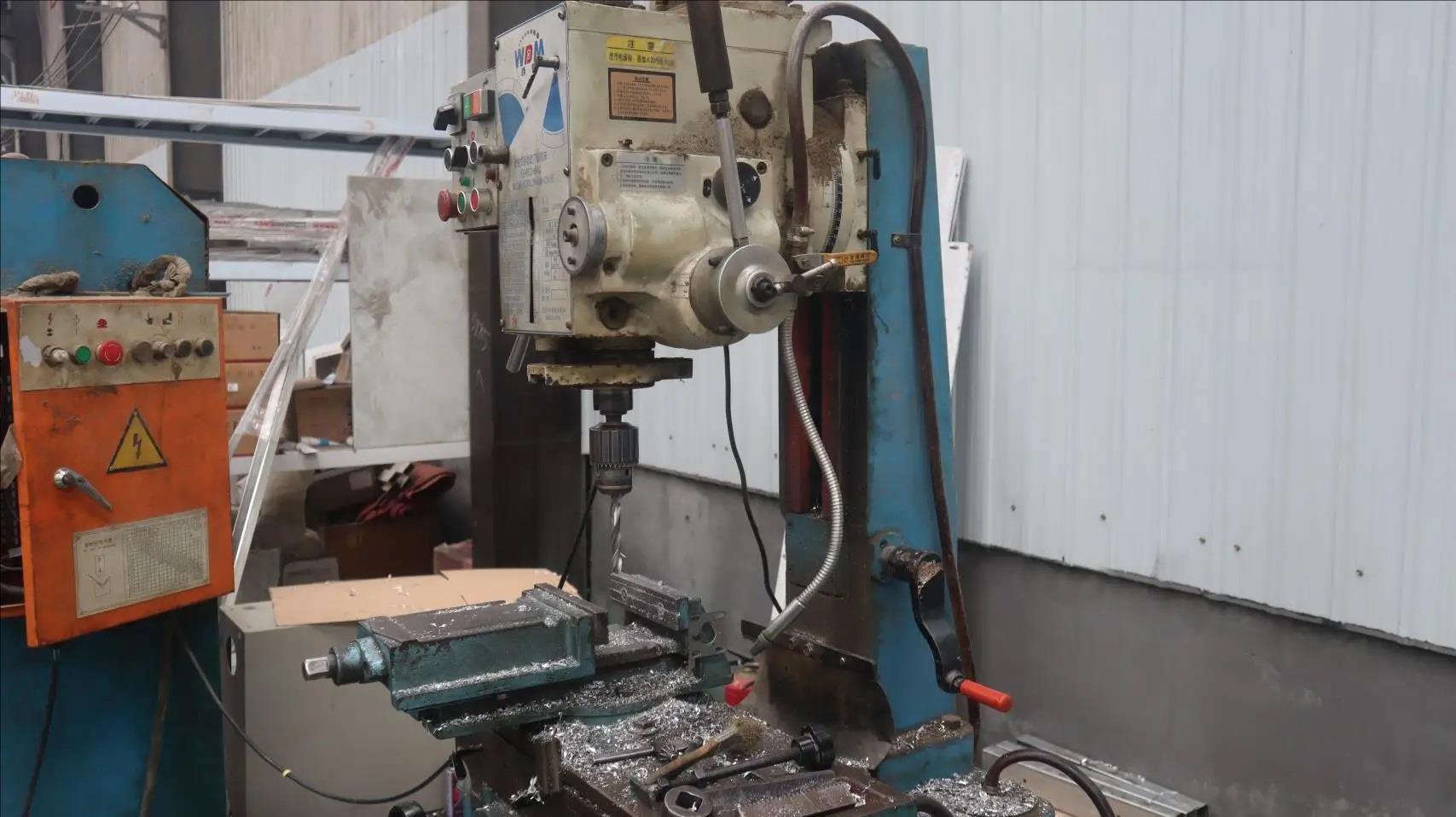
A professional manufacturer specializing in the research, development, production, and global distribution of precision CNC cutting tools and carbide solutions.
Since its establishment, DentFix has been committed to providing high-performance tooling products for the metalworking industry, serving customers across automotive, aerospace, mold & die, general engineering, energy, and precision manufacturing sectors. Driven by continuous innovation and customer-focused development, DentFix integrates R&D, intelligent production, quality control, sales, and technical support.
We have built a strong reputation for delivering reliable products, consistent quality, and professional services to customers in both domestic and international markets. With advanced manufacturing technologies, experienced engineering teams, and strict quality management systems, we continuously improve product performance and production efficiency to help our customers achieve higher machining accuracy and lower tooling costs.
DentFix has established a comprehensive manufacturing system supported by experienced engineers, skilled production personnel, and a professional sales and technical service team. Our engineering department focuses on the development of innovative cutting tool solutions that meet the evolving requirements of modern CNC machining.
Our manufacturing facility is equipped with advanced CNC grinding machines, high-precision inspection equipment, automated production systems, and modern quality testing laboratories. Every product undergoes rigorous inspection throughout the manufacturing process to ensure dimensional accuracy, durability, and stable machining performance.
High-quality components rely on selecting the right insert geometry, substrate, and coating combinations for each industry.
Workpieces: Crankshafts, gearboxes, brake drums, wheel hubs.
Machining challenges: Interrupted cuts, variable depth of cut, abrasive silica particles in cast irons.
Recommended setup: Heavy-duty CVD-coated double-sided negative inserts (like our CNMG/WNMG configurations with TF chipbreakers) to resist thermal shocks and edge wear.
Workpieces: Turbine discs, aerospace structural brackets, landing gears.
Machining challenges: Low thermal conductivity of Titanium alloys, work hardening of Inconel.
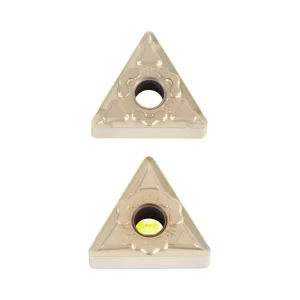
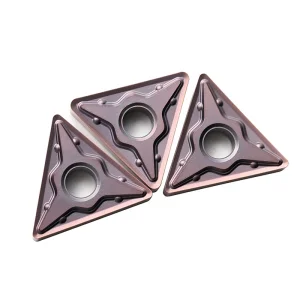
Recommended setup: Sharp, positive PVD-coated profiles (like our VNMG or TNMG inserts featuring titanium alloy coatings) to minimize cutting heat and edge build-up.
Workpieces: Pipeline valves, railway axles, heavy generator shafts.
Machining challenges: Large diameter stock machining requiring massive depth of cut (DOC).
Recommended setup: High-feed carbide indexable inserts with thick coating layers, enabling heavy roughing without premature insert cracking.
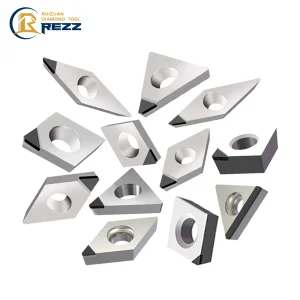
Review our complete list of CVD/PVD coated tungsten carbide, PCD, and CBN inserts designed for high productivity.
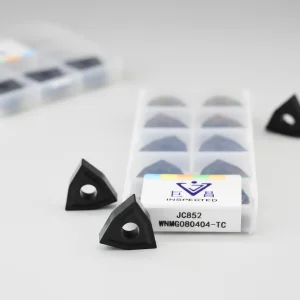
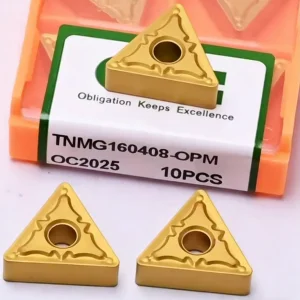
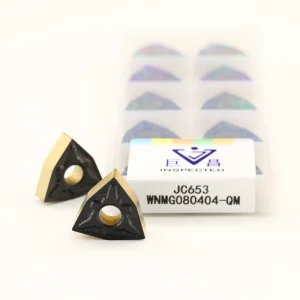
Get answers to technical questions about selecting, processing, and ordering carbide inserts for your machinery in India.
Our CVD-coated inserts feature thick alpha-Al2O3 (sapphire crystal structure) thermal barriers deposited over a tough MT-TiCN layer. This combination resists high temperatures, protecting the carbide core during dry cutting or when coolant delivery is inconsistent.
Yes, our engineering team can design custom chipbreaker shapes and insert geometries. We work from your CAD files or analyze worn inserts to optimize designs for specific workpiece materials and cutting conditions.
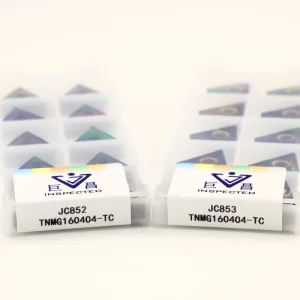
For standard catalog items (CNMG, WNMG, TNMG, DNMG, etc.), we maintain a large inventory and can ship within 3–5 working days. Custom manufacturing orders typically require 3–4 weeks for tooling preparation, precision sintering, coating, and quality control, followed by air or sea freight to Indian destinations.
We use automated powder preparation systems, high-pressure sintering furnaces, and optical inspect systems at our ISO 9001-certified factory. Each batch of raw materials is checked for carbon balance and grain size before entering production.
 DentFix Tool