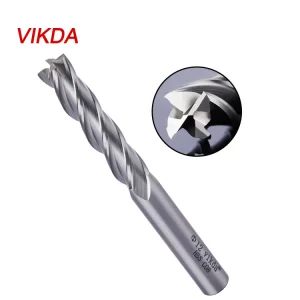
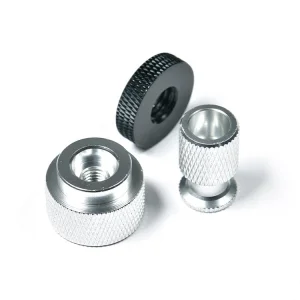
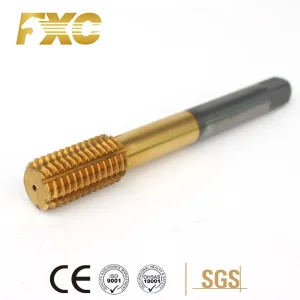
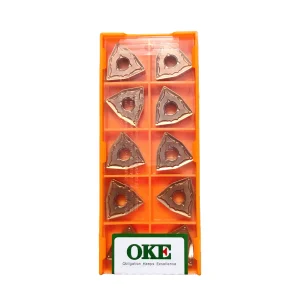
Explore our top-tier precision tools engineered for advanced metalworking, high-speed machining, and mold assembly lines.
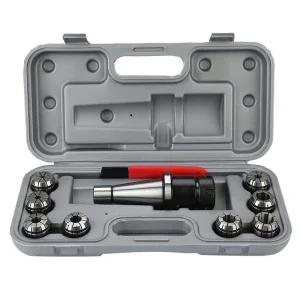
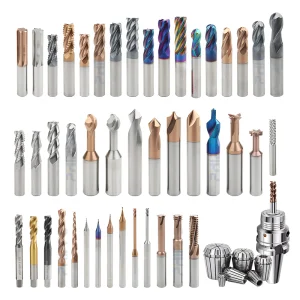
Discover how Zhejiang DentFix Tool Co., Ltd. blends pioneering material science with rigorous quality inspection architectures.
Zhejiang DentFix Tool Co., Ltd. is a professional manufacturer specializing in the research, development, production, and global distribution of precision CNC cutting tools and carbide solutions. Since its establishment, the company has been committed to providing high-performance tooling products for the metalworking industry, serving customers across automotive, aerospace, mold & die, general engineering, energy, and precision manufacturing sectors.
Driven by continuous innovation and customer-focused development, DentFix has grown into a modern manufacturing enterprise that integrates R&D, intelligent production, quality control, sales, and technical support. The company has built a strong reputation for delivering reliable products, consistent quality, and professional services to customers in both domestic and international markets.
With advanced manufacturing technologies, experienced engineering teams, and strict quality management systems, DentFix continuously improves its product performance and production efficiency. The company is dedicated to helping customers achieve higher machining accuracy, longer tool life, greater productivity, and lower manufacturing costs.
Today, Zhejiang DentFix Tool Co., Ltd. continues to strengthen its investment in technological innovation, intelligent manufacturing, and international cooperation, striving to become a trusted global supplier of precision cutting tool solutions.
DentFix has established a comprehensive manufacturing system supported by experienced engineers, skilled production personnel, and a professional sales and technical service team. Our engineering department focuses on the development of innovative cutting tool solutions that meet the evolving requirements of modern CNC machining.
Our manufacturing facility is equipped with advanced CNC grinding machines, high-precision inspection equipment, automated production systems, and modern quality testing laboratories. Every product undergoes rigorous inspection throughout the manufacturing process to ensure exceptional dimensional accuracy, durability, and stable machining performance.
Innovation remains at the core of our business. DentFix continuously invests in new materials, coating technologies, and precision manufacturing processes to develop cutting tools with higher wear resistance, improved machining efficiency, and longer service life. Guided by the principles of Quality First, Innovation, Reliability, and Customer Satisfaction, Zhejiang DentFix Tool Co., Ltd. is committed to building long-term partnerships with customers worldwide. We look forward to providing professional tooling solutions that help manufacturers improve productivity, reduce production costs, and achieve sustainable growth.
We source raw tungsten carbide substrate materials with high hardness and tough cobalt contents to ensure structural integrity under severe mechanical shear stresses.
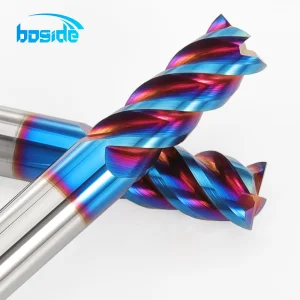
Application of TiAlN, TiSiN, and colorful high-thermal-resistance coatings to protect the cutting edge, reduce heat friction, and prevent edge built-up.
Manufactured using five-axis CNC tool grinding centers, ensuring sub-micron consistency across large batch orders for global industrial clients.
A behind-the-scenes look at our complete manufacturing, assembly, and testing processes. Every step is fine-tuned to ensure precision.
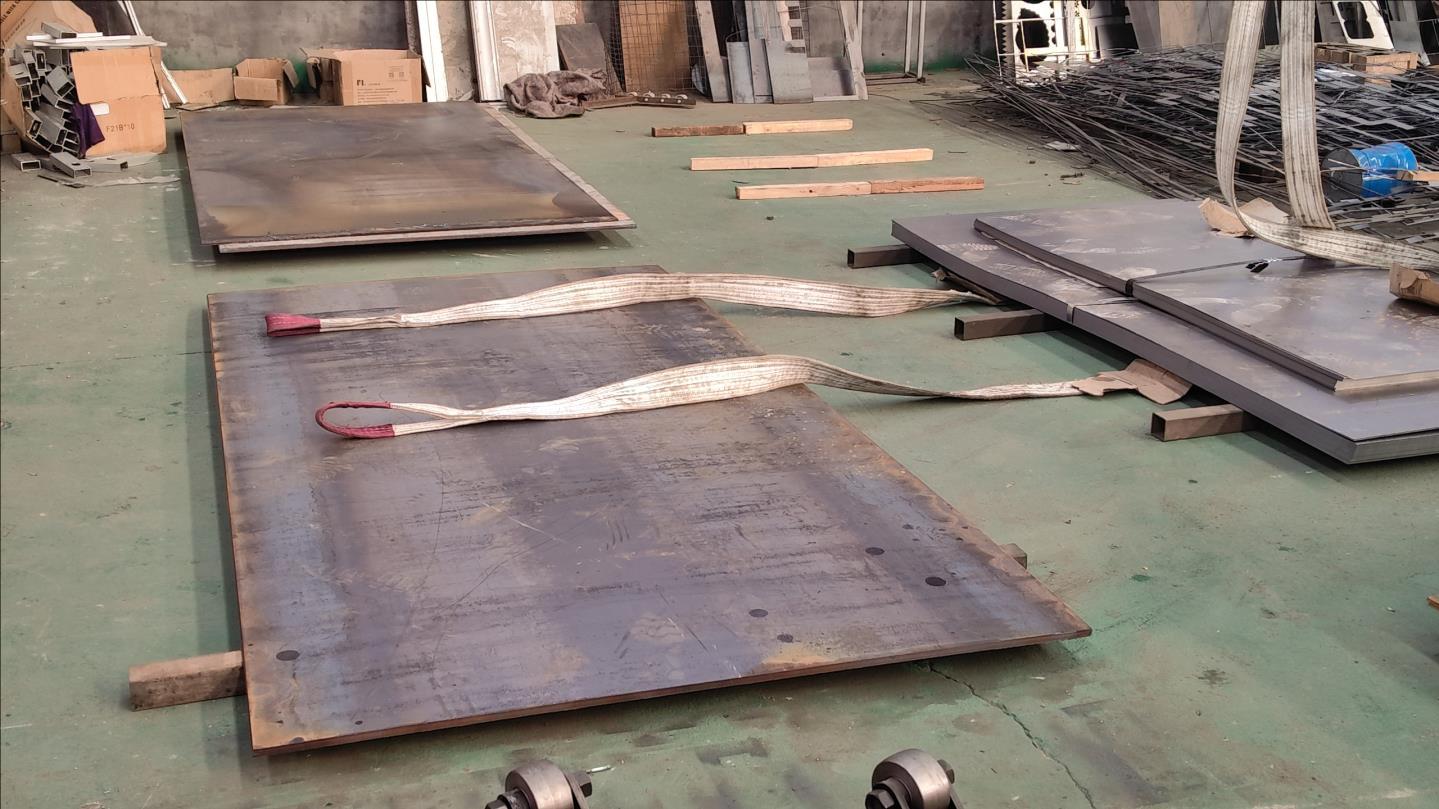
Rigorous spectral and metallurgical inspection of tungsten carbide blanks to ensure consistency in grain structures before machining.
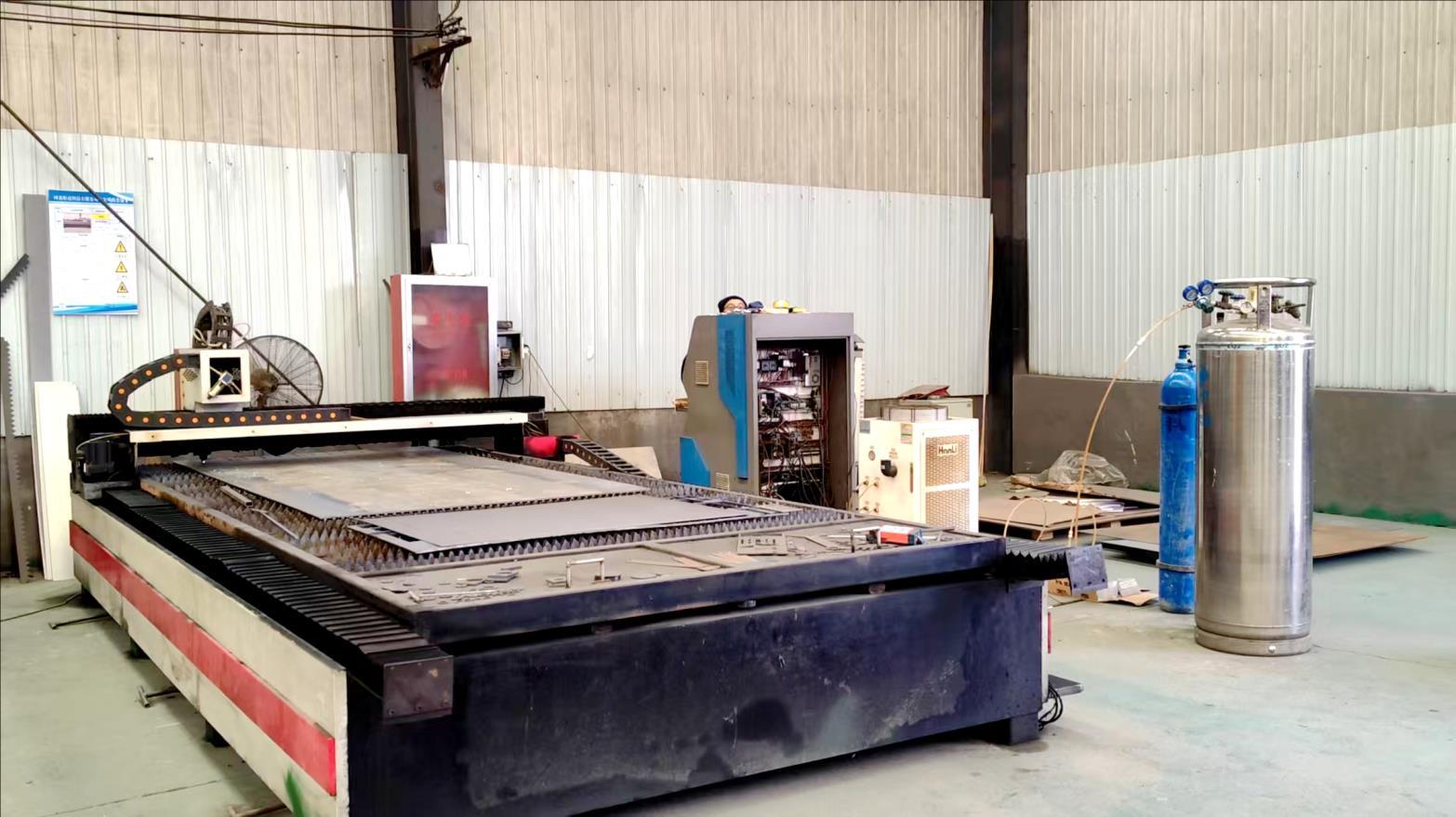
Slicing raw round bars into exact lengths. Minimizing material waste while maintaining perfect coaxial accuracy.
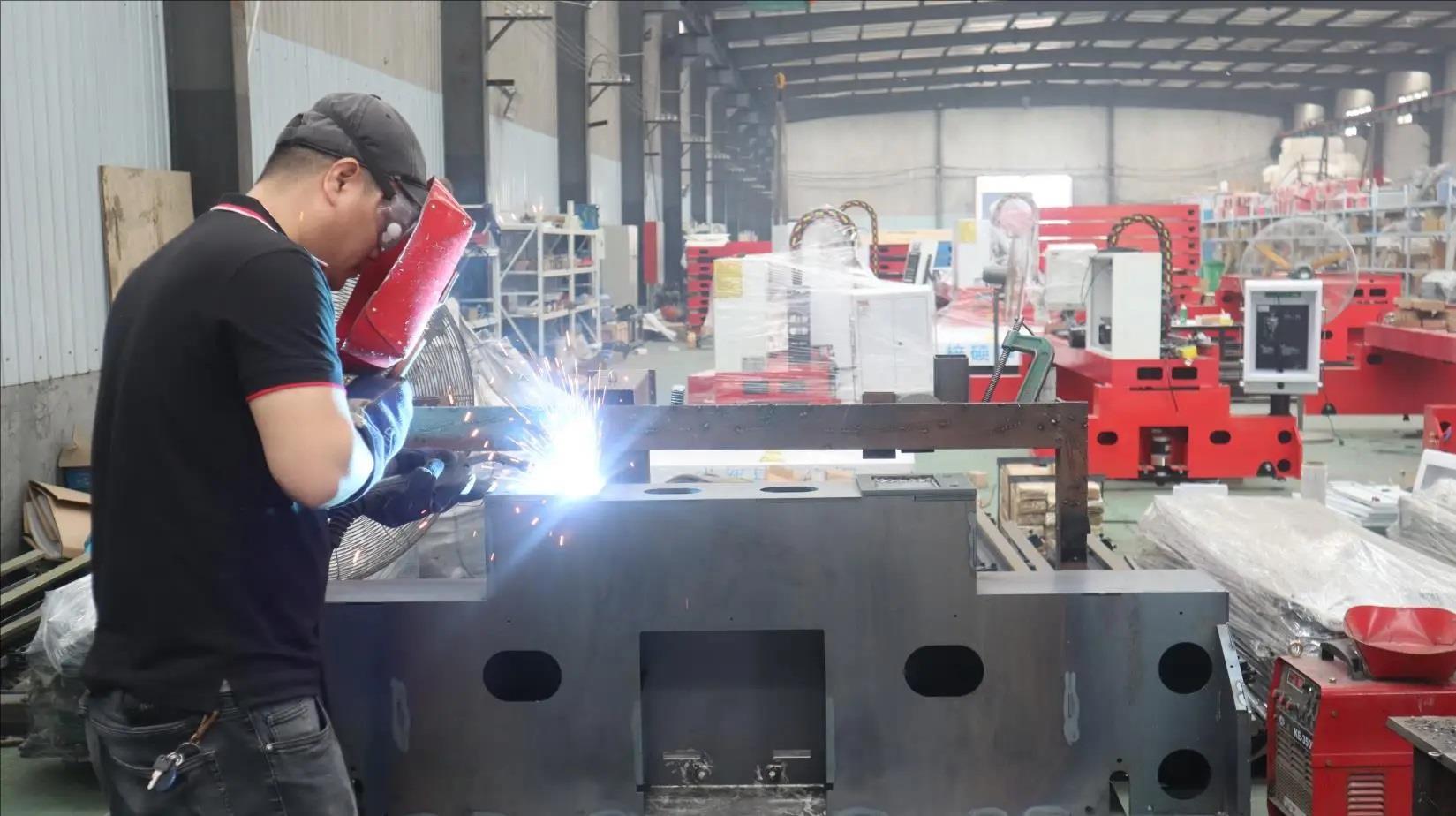
Utilizing computer-controlled brazing and welding to join carbide working heads with structural steel bodies for tool holders.
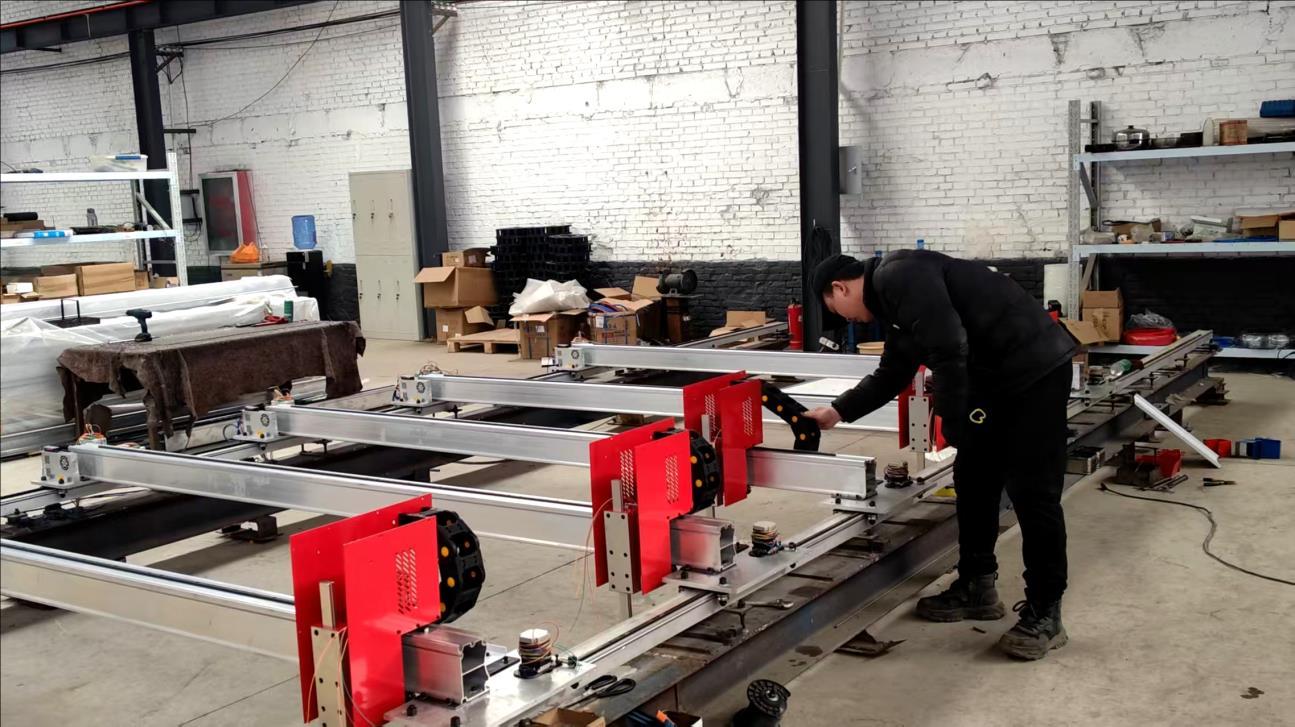
Mating structural bodies with precision tool-holders and checking run-out profiles prior to final profile grinding.
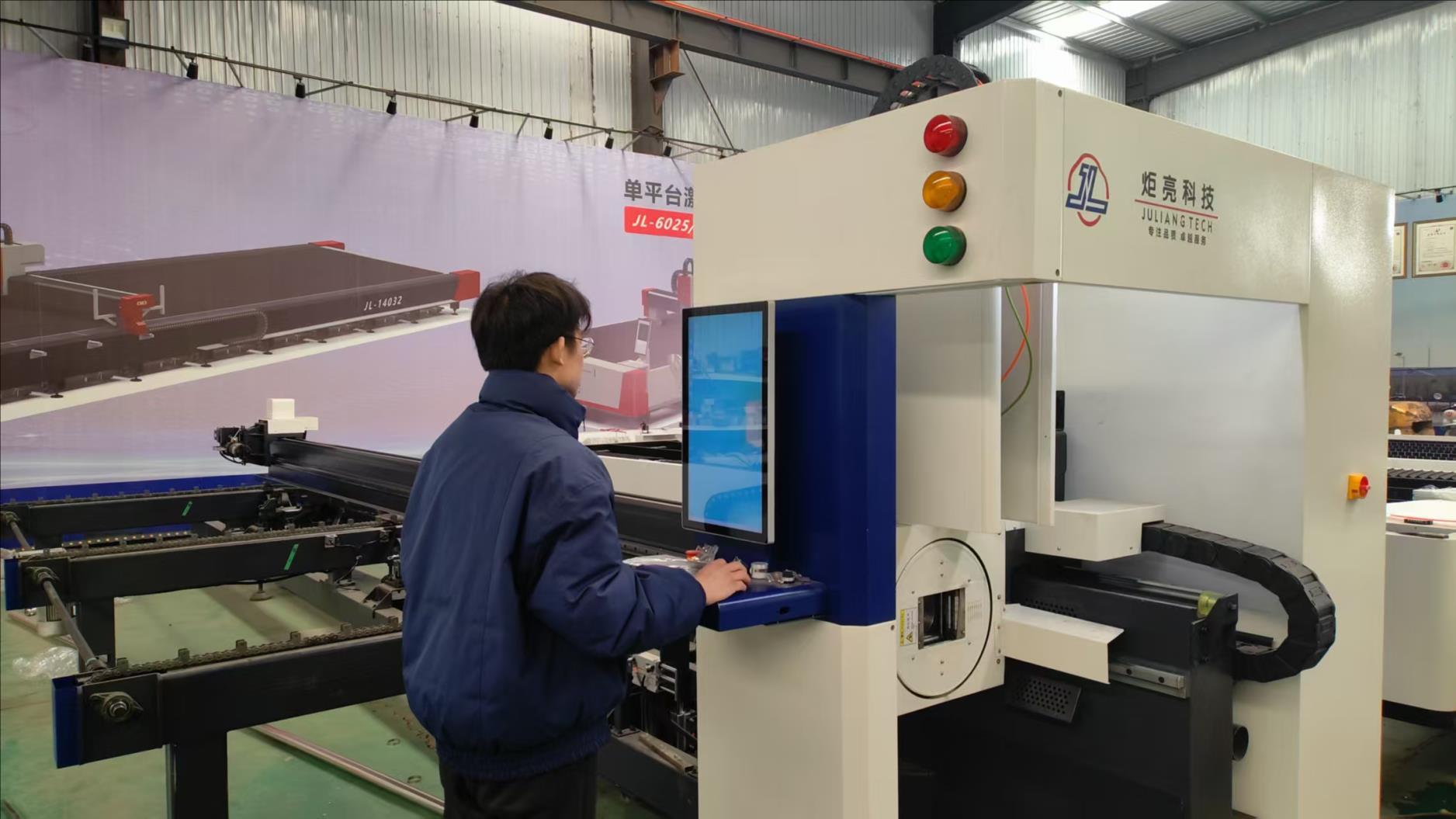
Fine-tuning tool dynamics and parameters on test benches to ensure optimal balance at high rotational velocities.
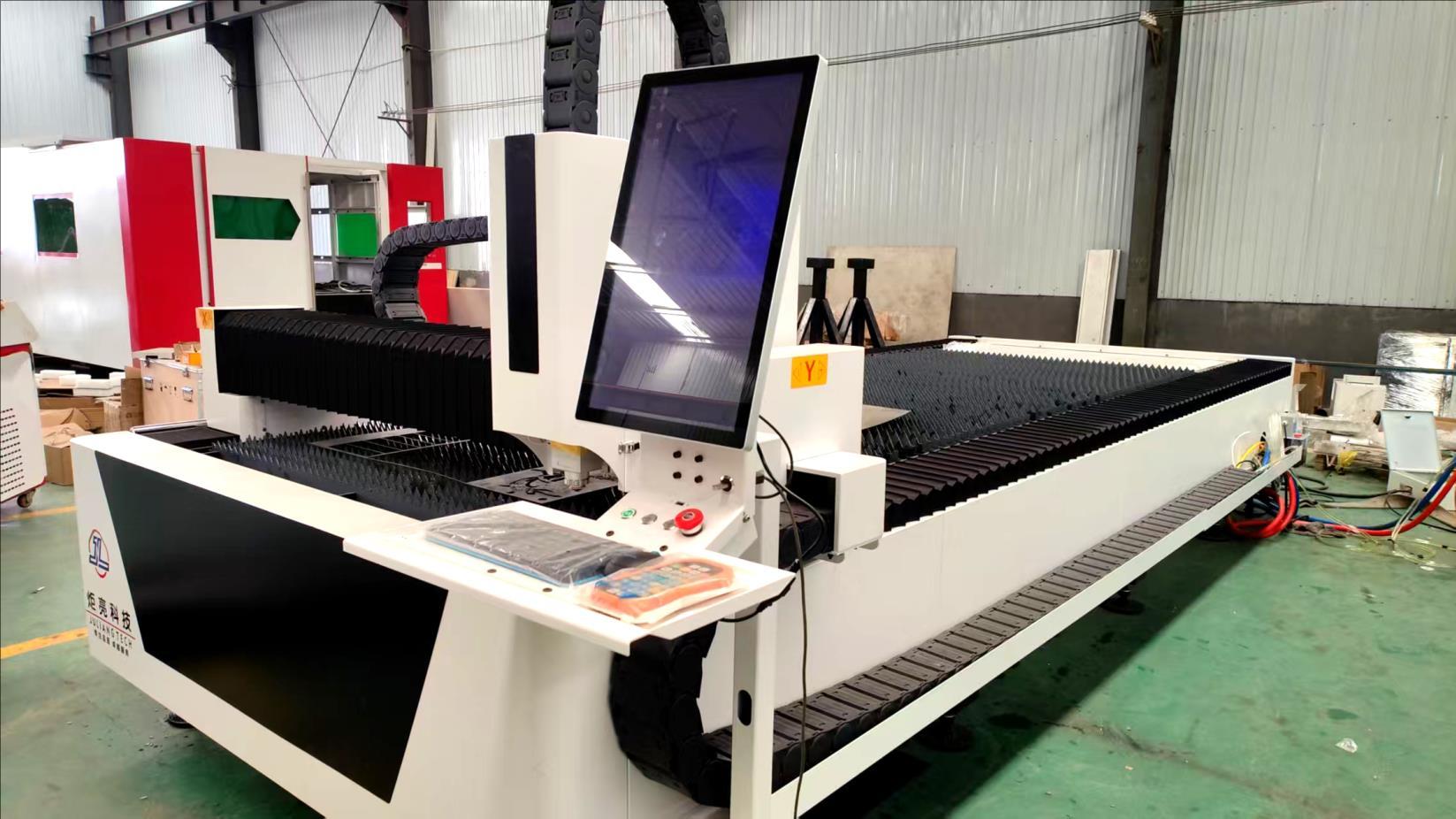
Applying multi-angle optical scanning to verify micro-geometries, cutting-edge radii, and coating layer uniformity.
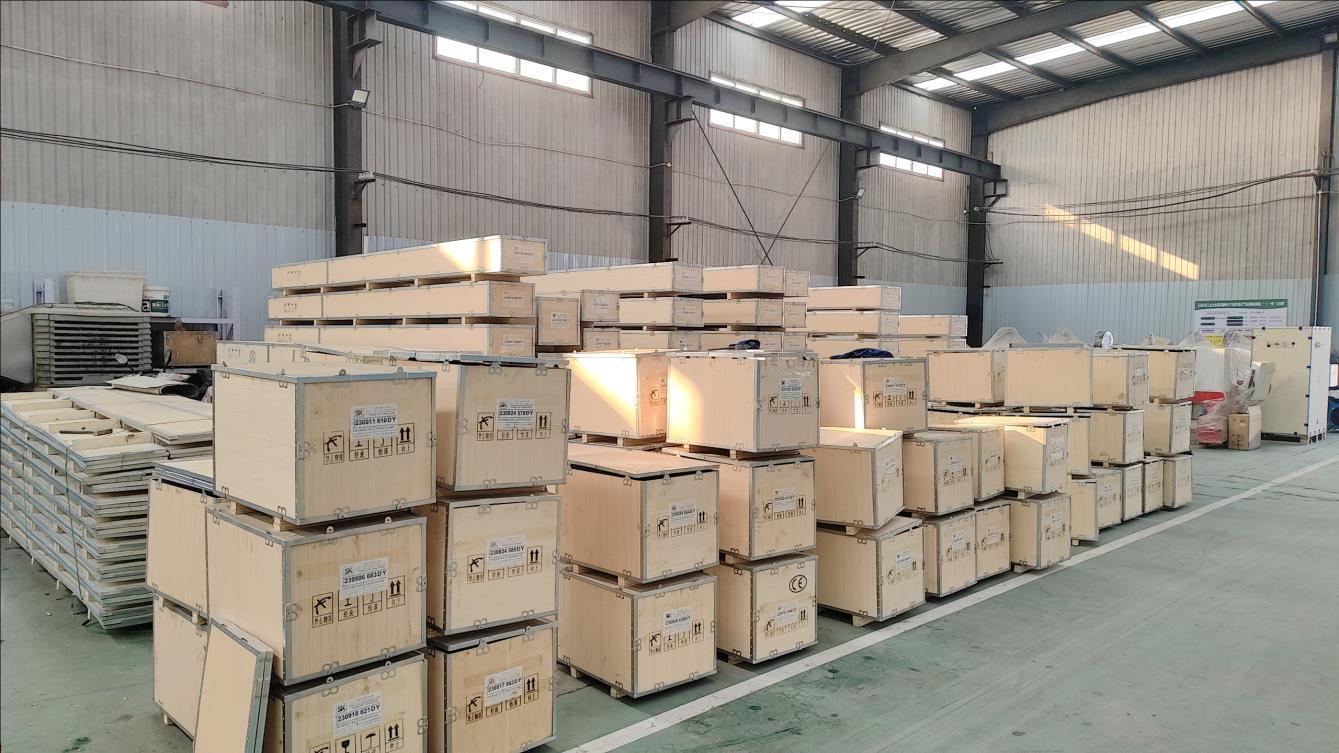
Climate-controlled storage with barcodes to secure products from corrosion and accelerate global export shipping logistics.
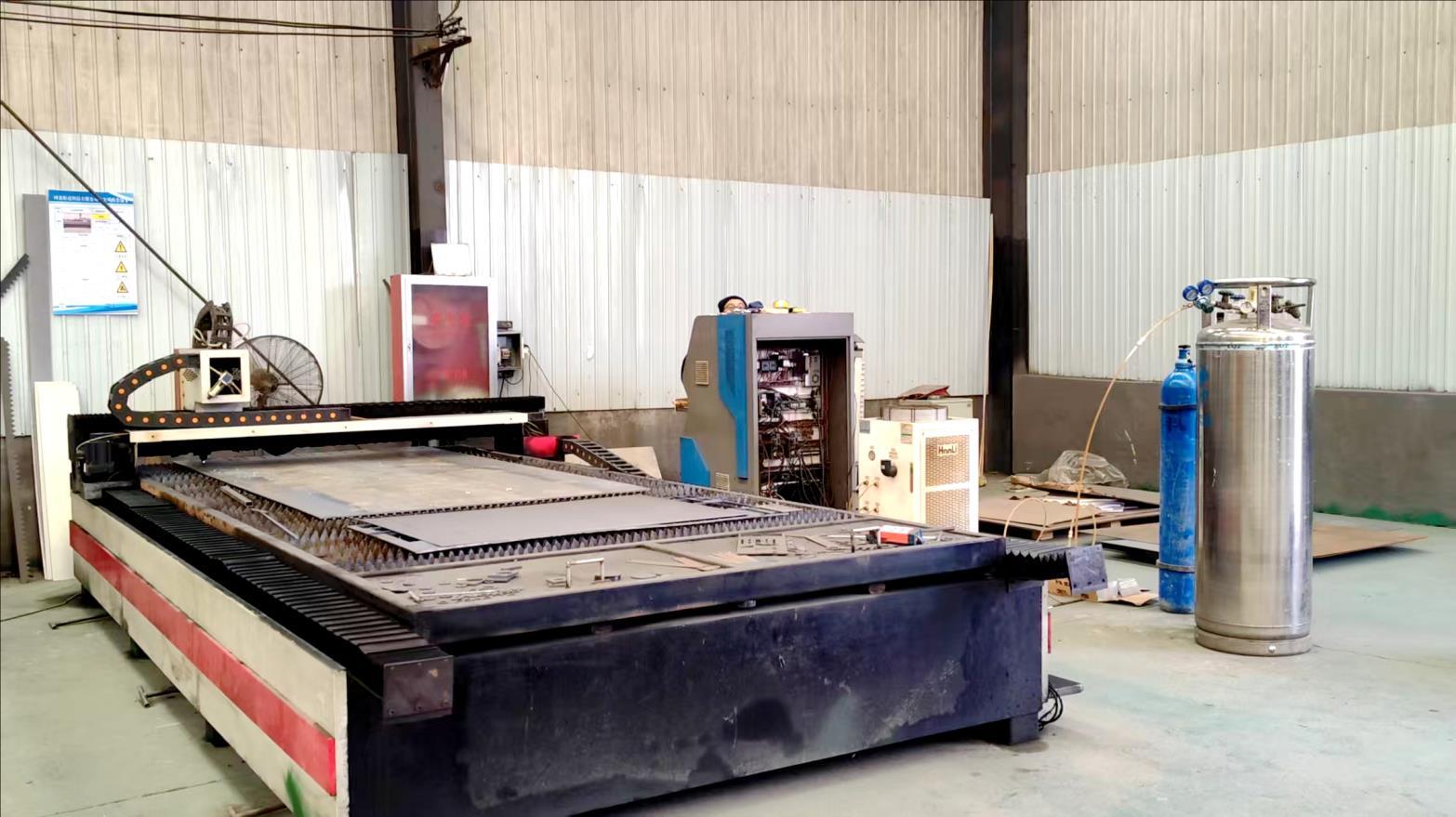
Cutting specific profile plates and sheet components to custom shapes using high-energy, clean laser systems.
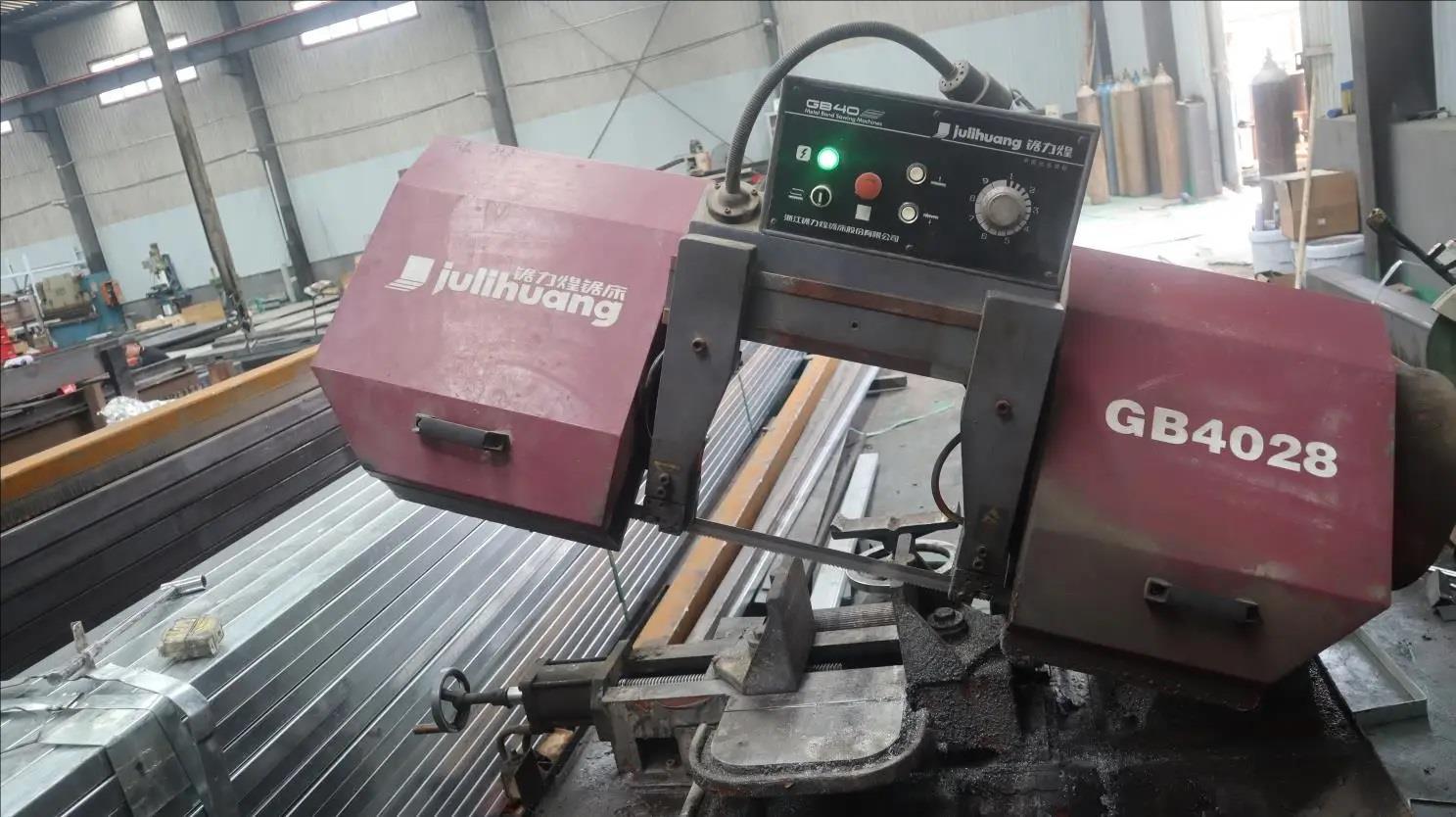
Large diameter feedstock processing using automated bandsaws to supply downstream high-throughput grinding lines.
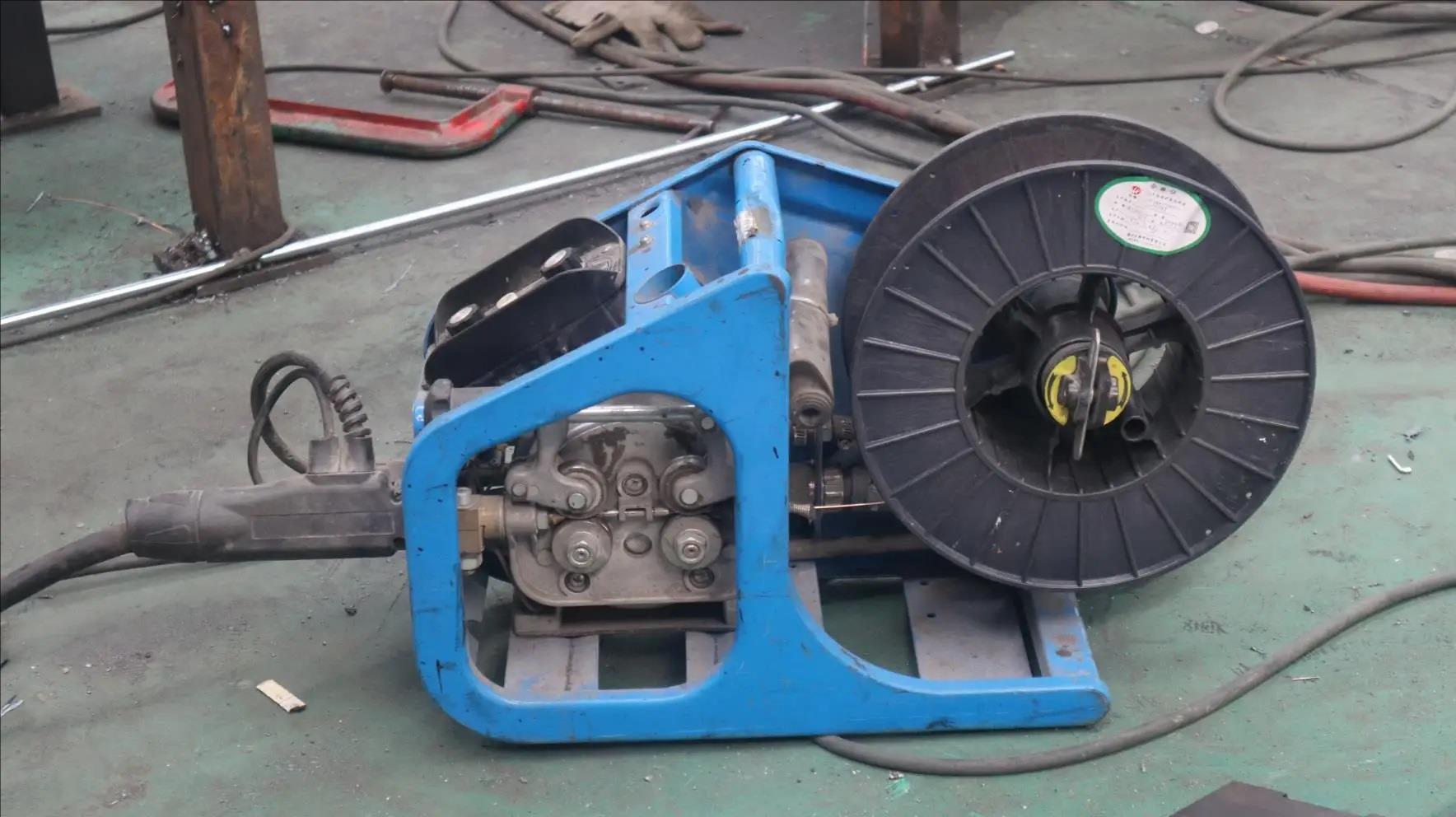
Deploying high-frequency induction generators to guarantee molecular bonding of cutter blanks with shanks.
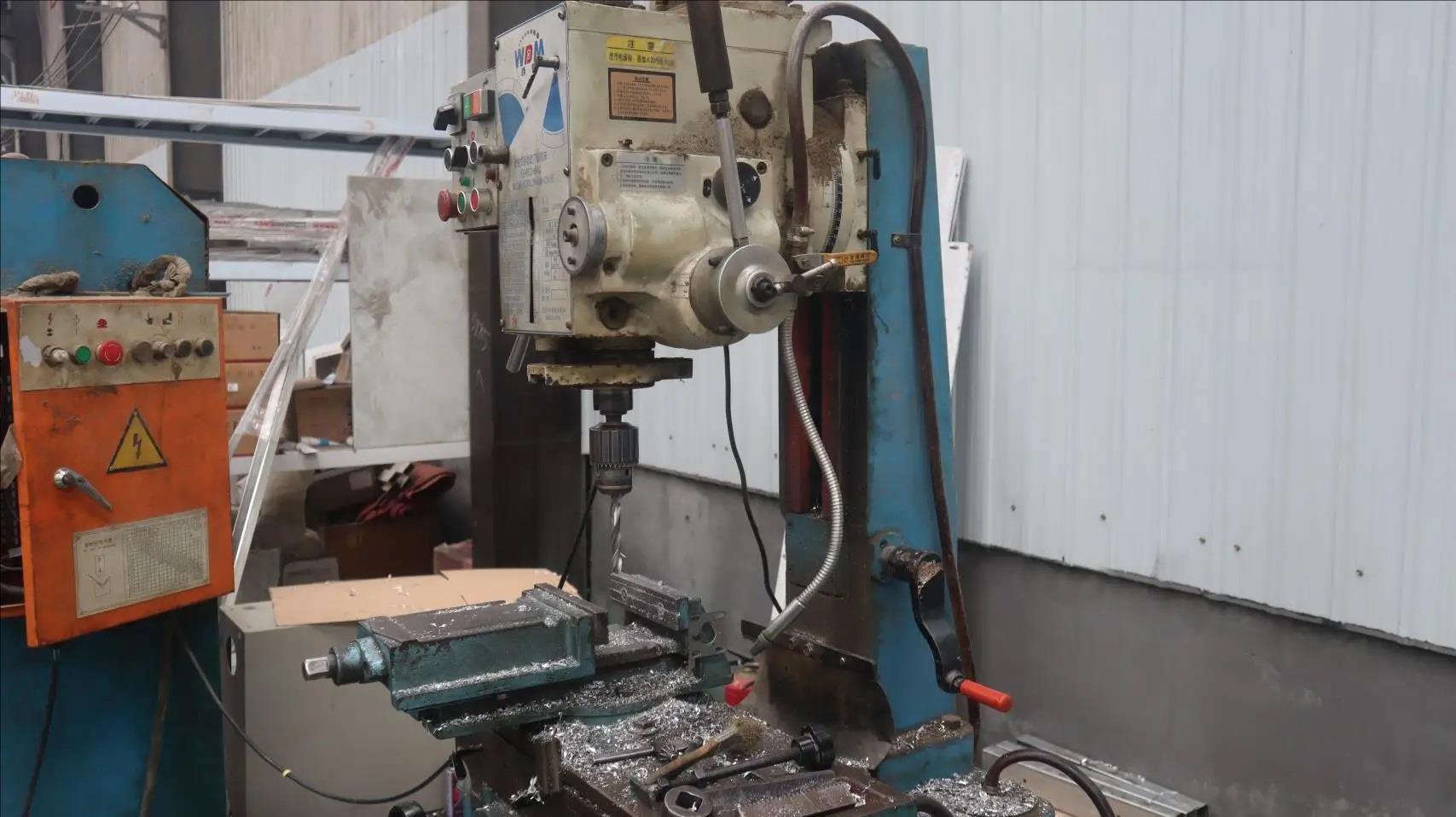
Creating internal coolant channels in indexable drill bodies to allow structural fluid flow during heavy-duty turning and milling applications.
An in-depth whitepaper assessing the technological evolution, structural supply chain efficiency, and digital transformation of China's high-precision manufacturing.
For decades, international manufacturing hubs associated Chinese industrial supplies with mass scale and cost efficiency. However, the last decade has seen an aggressive transition towards advanced materials engineering. The integration of micro-grain and nano-grain tungsten carbide substrates has allowed local manufacturers in industrial zones like Zhejiang to challenge European and Japanese tooling manufacturers on quality benchmarks.
China's tooling exporters benefit from an concentrated industrial cluster model. Raw materials processing, CNC tool grinder manufacturing, coating centers, and test centers are located near each other. This physical proximity allows Zhejiang DentFix Tool Co., Ltd. to accelerate its prototyping feedback loops, enabling the fast production of custom geometries for specialized CNC machining operations.
SEO Insight & Information Gain: When sourcing CNC milling tools, evaluate the structural purity of the tungsten carbide substrate. Look for a grain size below 0.6 microns with cobalt concentration tuned to the target material (e.g., lower cobalt for extreme hardness, higher cobalt for vibration dampening in interrupted cuts).
Different industrial fields require distinct tool architectures. We engineer solutions that address these challenges:
The global CNC milling industry is moving toward higher spindle speeds and drier machining conditions to lower environmental impacts. This transition relies on developments in PVD (Physical Vapor Deposition) coating tech:
Our application engineering department answers key questions about optimizing milling tool selections, extending wear life, and reducing production costs.
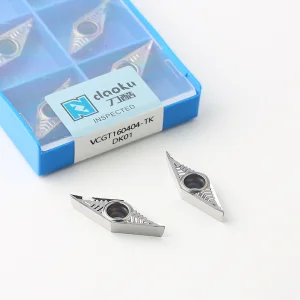
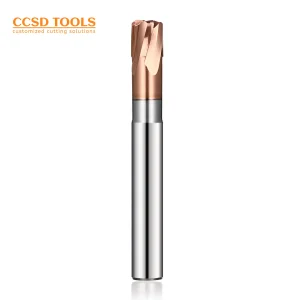
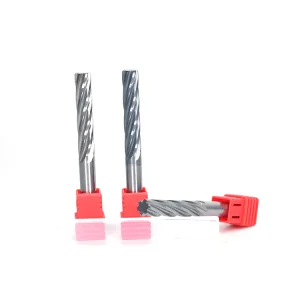
Review our specialized tools, indexable inserts, and support accessories for advanced high-volume manufacturing lines.
 DentFix Tool