Top China Grinding Tools Factory & Supplier

Zhejiang DentFix Tool Co., Ltd. — Deciphering High-Precision CNC Machining, Tungsten Carbide Optimization, and Industrial Tooling Supply Chains for Global Manufacturing Excellence.

Featured Precision Tooling Solutions (Part I)

Explore our top-tier catalog of precision-engineered industrial cutting and grinding tool units customized for extreme duty cycles and micro-tolerance operations.
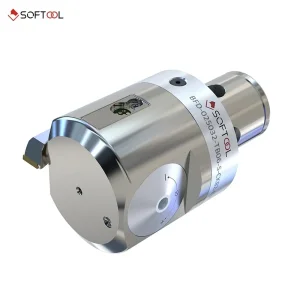
OEM Custom High Fine-Tuning Precision Industrial Fine Boring Tool

OEM Custom High Fine-Tuning Precision Industrial Fine Boring Tool for Bearing Machining

View Product Specification
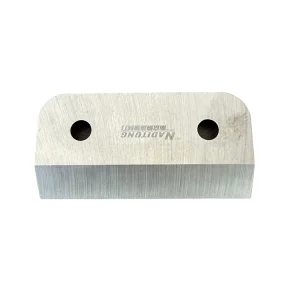
High Hardness Wood Crusher Blades

High Hardness Wood Crusher Blades High Precision Cutting Blade Wear-resistant Industrial Ring Planer Blade For Your Choice

View Product Specification
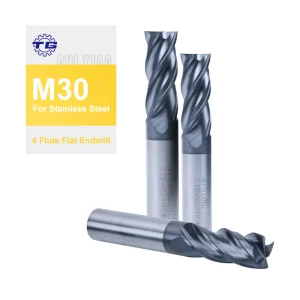
HRC65 Solid Carbide Endmills

HRC65 Solid Carbide Endmills 4-Flute Flat Endmill AlCrSiN Coating CNC Milling Cutter Metal Harden Steel Cutting Tools

View Product Specification
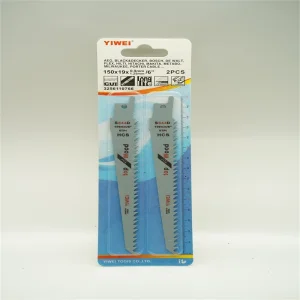
High Quality Reciprocating Saw Blades

High Quality Reciprocating Saw Blades for Wood With Nail Cutting Logo Customization Sawzall Blade 9 Inch

View Product Specification
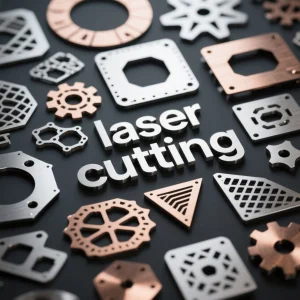
Custom Sheet Metal Service

Custom Sheet Metal Service Metal Laser Cutting Parts Aluminum Stainless Steel Copper Custom Metal Laser Cutting Service

View Product Specification
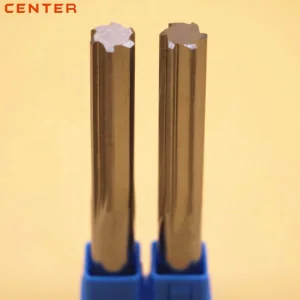
H7 Tungsten Carbide Cutting Tools

H7 Tungsten Carbide Cutting Tools Carbide Reamers With Straight Flute

View Product Specification
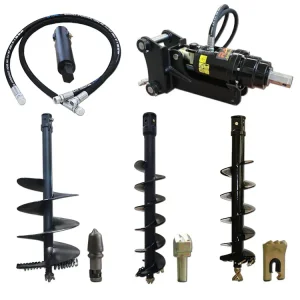
RAY Hydraulic Earth Auger Drill

RAY Hydraulic Earth Auger Drill - Excavator Auger Attachment Supplier For Piling, Soil Drilling & Skid Steer Post Hole Digger

View Product Specification
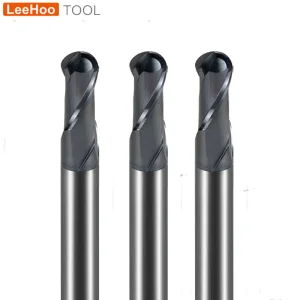
Leehoo Gx Series Solid Carbide Ball Nose End Mill

Leehoo Gx Series Long Tool Life 2 Flutes HRC55 2mm Solid Carbide Ball Nose End Milling Boring Reamer CNC Cutting Milling Tools for Stainless Steel

View Product Specification

Technical Profile: Zhejiang DentFix Tool Co., Ltd.

Zhejiang DentFix Tool Co., Ltd. is a professional manufacturer specializing in the research, development, production, and global distribution of precision CNC cutting tools and carbide solutions. Since its establishment, the company has been committed to providing high-performance tooling products for the metalworking industry, serving customers across automotive, aerospace, mold & die, general engineering, energy, and precision manufacturing sectors.

Driven by continuous innovation and customer-focused development, DentFix has grown into a modern manufacturing enterprise that integrates R&D, intelligent production, quality control, sales, and technical support. The company has built a strong reputation for delivering reliable products, consistent quality, and professional services to customers in both domestic and international markets.

With advanced manufacturing technologies, experienced engineering teams, and strict quality management systems, DentFix continuously improves its product performance and production efficiency. The company is dedicated to helping customers achieve higher machining accuracy, longer tool life, greater productivity, and lower manufacturing costs. Today, Zhejiang DentFix Tool Co., Ltd. continues to strengthen its investment in technological innovation, intelligent manufacturing, and international cooperation, striving to become a trusted global supplier of precision cutting tool solutions.

HRC65+
Hardened Steel Capable
<2μm
Runout Tolerance
100%
Sinter-HIP Inspected
50+
Exporting Countries

Our Structural Engineering Strengths

DentFix has established a comprehensive manufacturing system supported by experienced engineers, skilled production personnel, and a professional sales and technical service team. Our engineering department focuses on the development of innovative cutting tool solutions that meet the evolving requirements of modern CNC machining.

Our manufacturing facility is equipped with advanced CNC grinding machines, high-precision inspection equipment, automated production systems, and modern quality testing laboratories. Every product undergoes rigorous inspection throughout the manufacturing process to ensure exceptional dimensional accuracy, durability, and stable machining performance.

Innovation remains at the core of our business. DentFix continuously invests in new materials, coating technologies, and precision manufacturing processes to develop cutting tools with higher wear resistance, improved machining efficiency, and longer service life. Guided by the principles of Quality First, Innovation, Reliability, and Customer Satisfaction, Zhejiang DentFix Tool Co., Ltd. is committed to building long-term partnerships with customers worldwide. We look forward to providing professional tooling solutions that help manufacturers improve productivity, reduce production costs, and achieve sustainable growth.

Executive Technical Whitepaper: Deciphering the Grinding & Cutting Tool Paradigm

In modern subtractive manufacturing, the interface between the workpiece and the cutting edge is a site of extreme thermo-mechanical stress. As metallurgical advancements yield harder, tougher, and more temperature-resistant alloys (such as Inconel, Titanium Grade 5, and high-entropy alloys), the requirements placed on cutting and grinding tools have escalated. A top-tier grinding tools factory must operate at the intersection of material science, fluid dynamics, and nanostructured coatings to yield tools that can sustain continuous chip formation under adverse conditions.

Microstructural Design

We leverage Sub-Micron and Nano-Grain Tungsten Carbide (WC-Co) substrates. By keeping the average WC grain size below 0.6μm, we maximize hardness (HV30 > 1600) and fracture toughness (K1c) simultaneously, preventing premature micro-chipping on interrupted cuts.

Nano-Composite Coatings

Our AlCrSiN and TiAlSiN coatings are deposited via Physical Vapor Deposition (PVD) magnetron sputtering. This creates a thermal barrier that resists oxidation up to 1100°C, promoting dry high-speed machining (HSM) and cutting down coolant overhead.

Optimized Core Geometry

Variable helix angles and unequal index pitches are engineered into our 4-flute and multi-flute endmills. This structural variance disrupts harmonic resonance, eliminating chatter and enabling superior surface finishes on high-feed profiles.

Global Sourcing Dynamics and Total Cost of Ownership (TCO)

For international procurement managers, the acquisition cost of a CNC tool represents a small fraction of the actual cost per machined component. Factors like tool life, reliability, batch-to-batch consistency, and processing downtime have a much greater impact on overall production economics.

Zhejiang DentFix Tool Co., Ltd. addresses these operational variables by implementing rigorous process control from the powder metallurgical stage to final laser-marked inspection. By integrating automated Swiss Rollomatic and German Walter grinding machines, we control tolerances to within 0.002 mm (2 microns). This precision minimizes spindle runout, distributes chip load evenly across all flutes, and increases average tool life by up to 35% compared to standard generic suppliers.

Furthermore, our localized customer support and rapid custom engineering (OEM/ODM services) ensure that when special geometries are required—such as deep-hole boring tools (5D-30D) or complex custom planer blades—designs are simulated, validated, and put into production with minimal lead time.

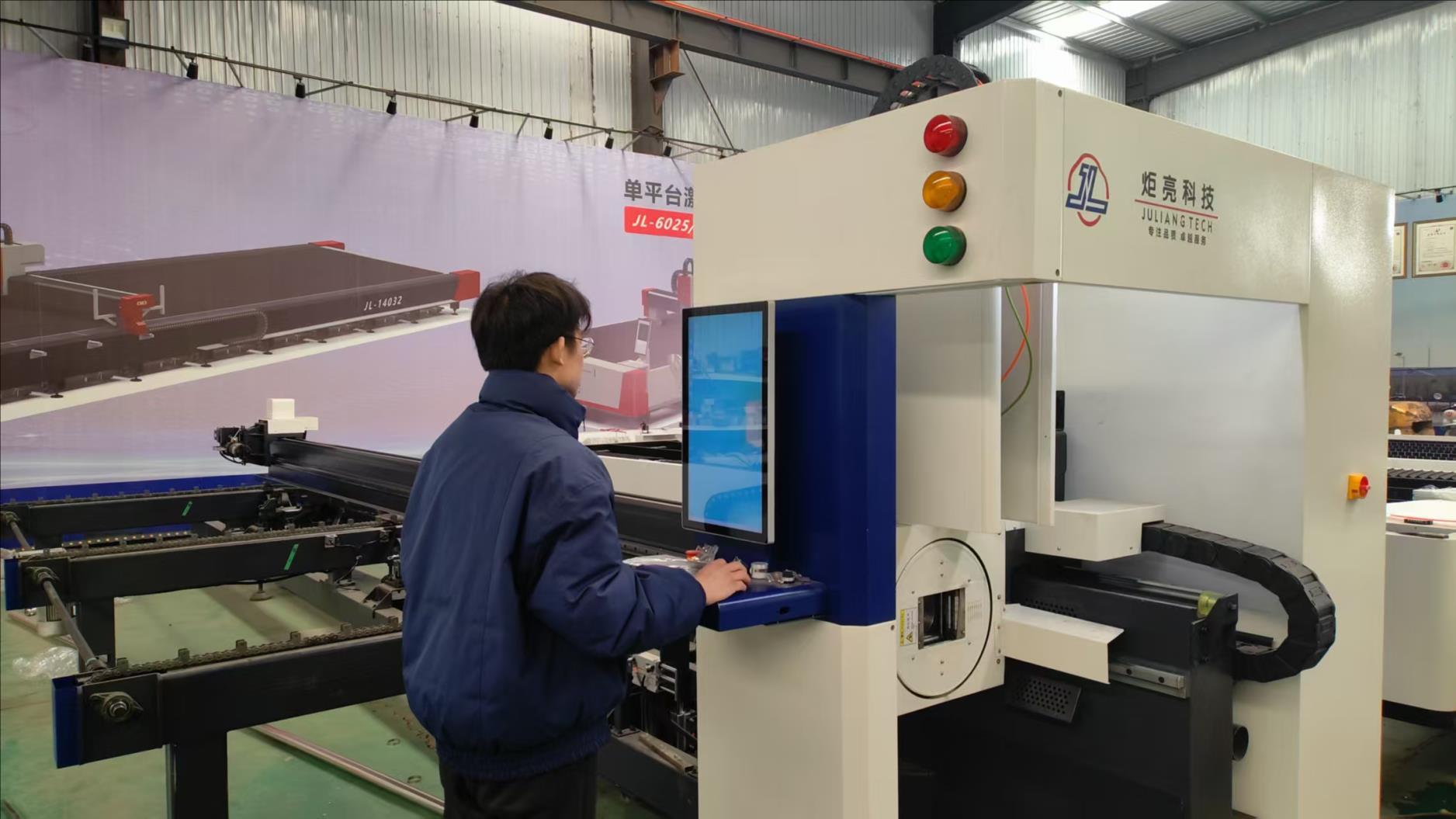
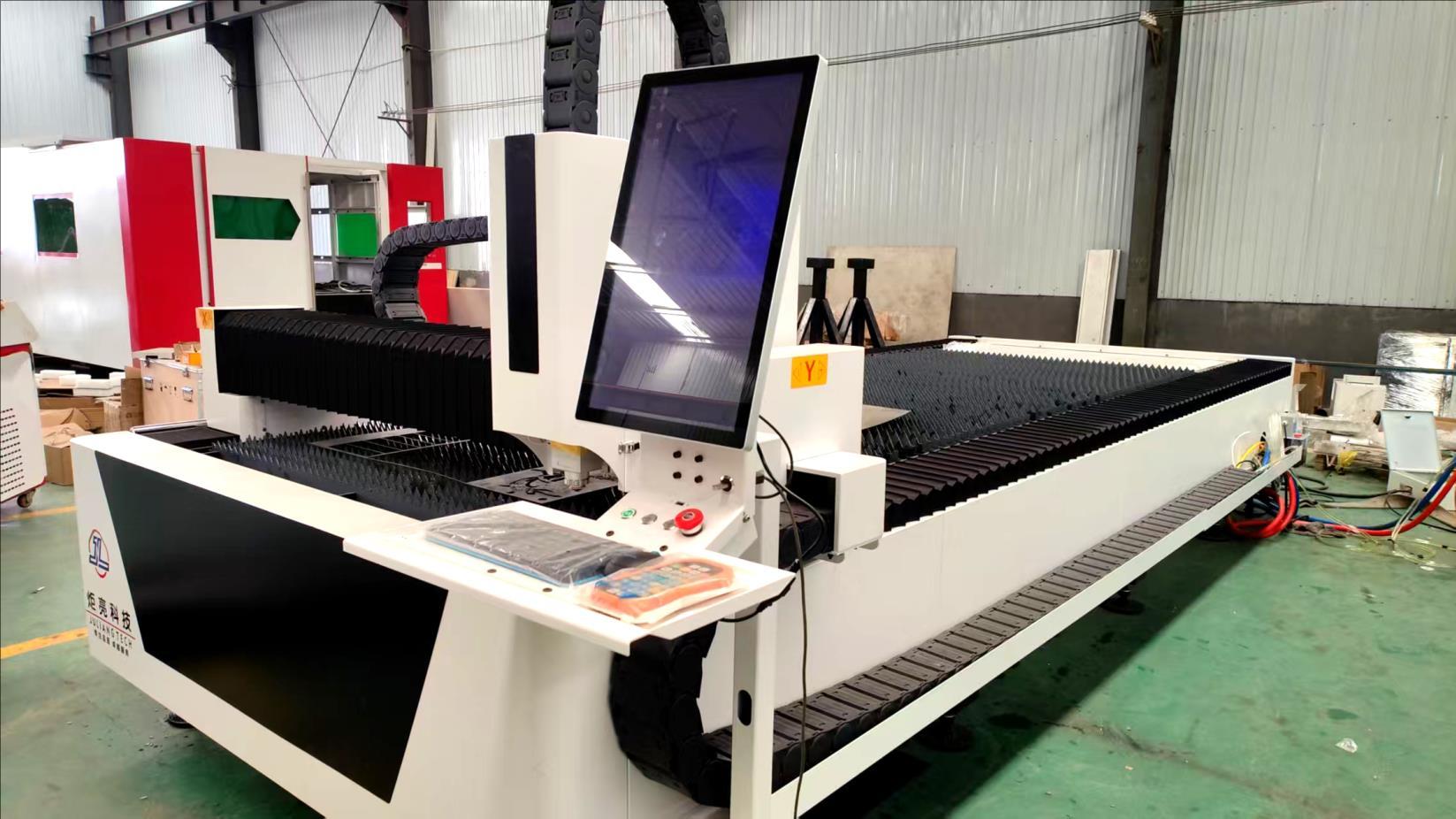
Advanced Manufacturing Process & Equipment Tour

From raw material quality validation to final microscopic geometry verification, explore our step-by-step production flow and internal manufacturing infrastructure.
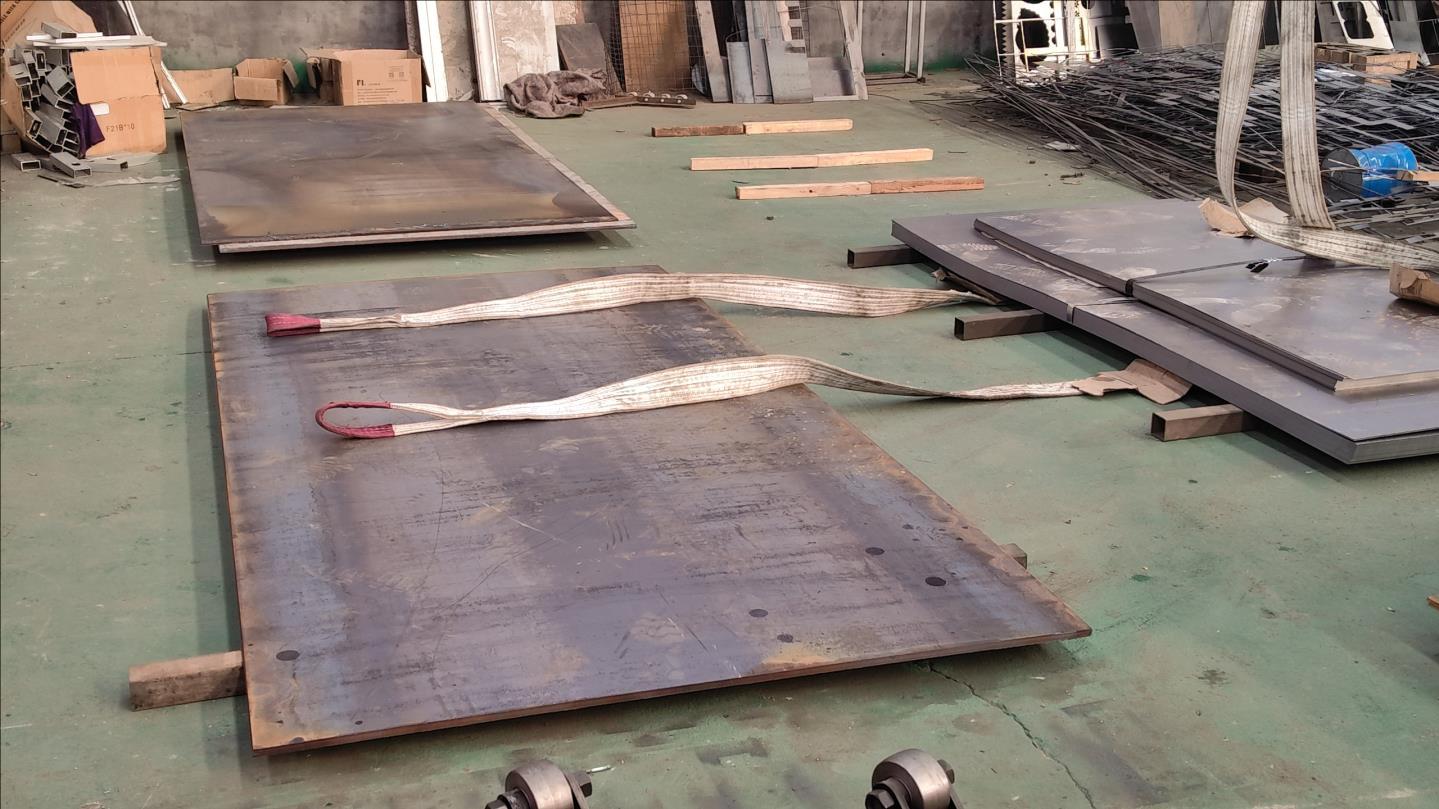
Raw Material Inspection
1. Raw material
Bar Stock Cutting
2. Cutting
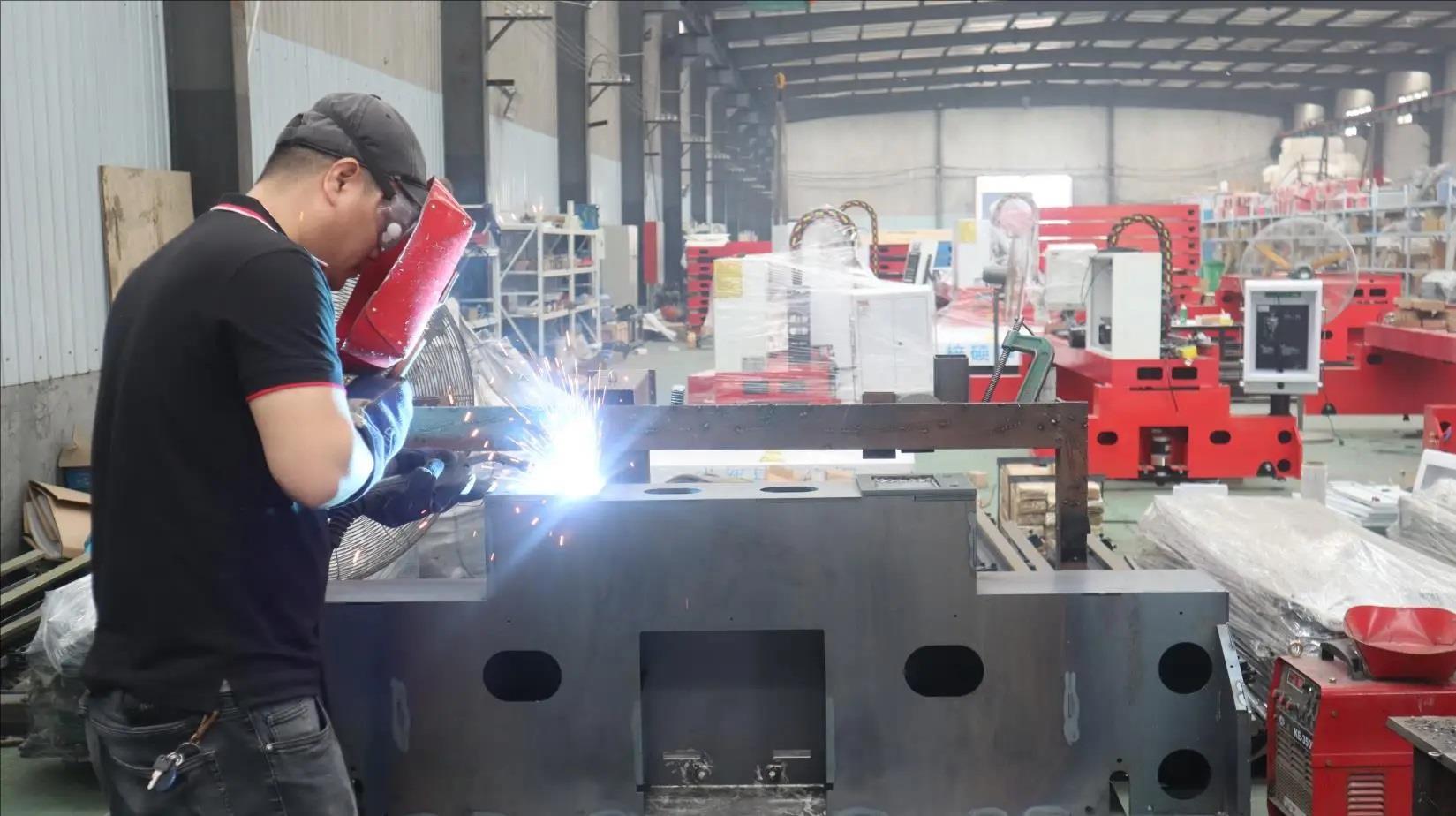
Brazing and Welding Stage
3. Welding
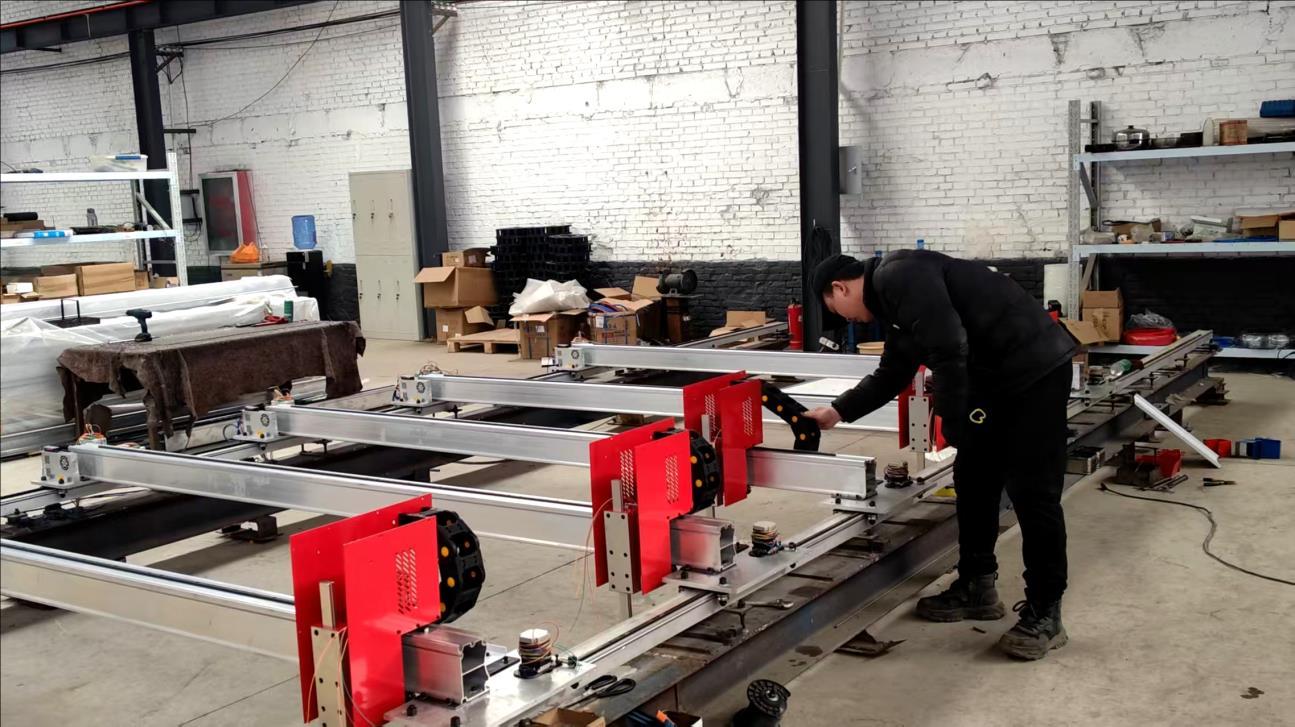
Assembly Process
4. Assembling
Precision Calibration and Debugging
5. Debugging
Finished Grinding Tools
6. Finished Product
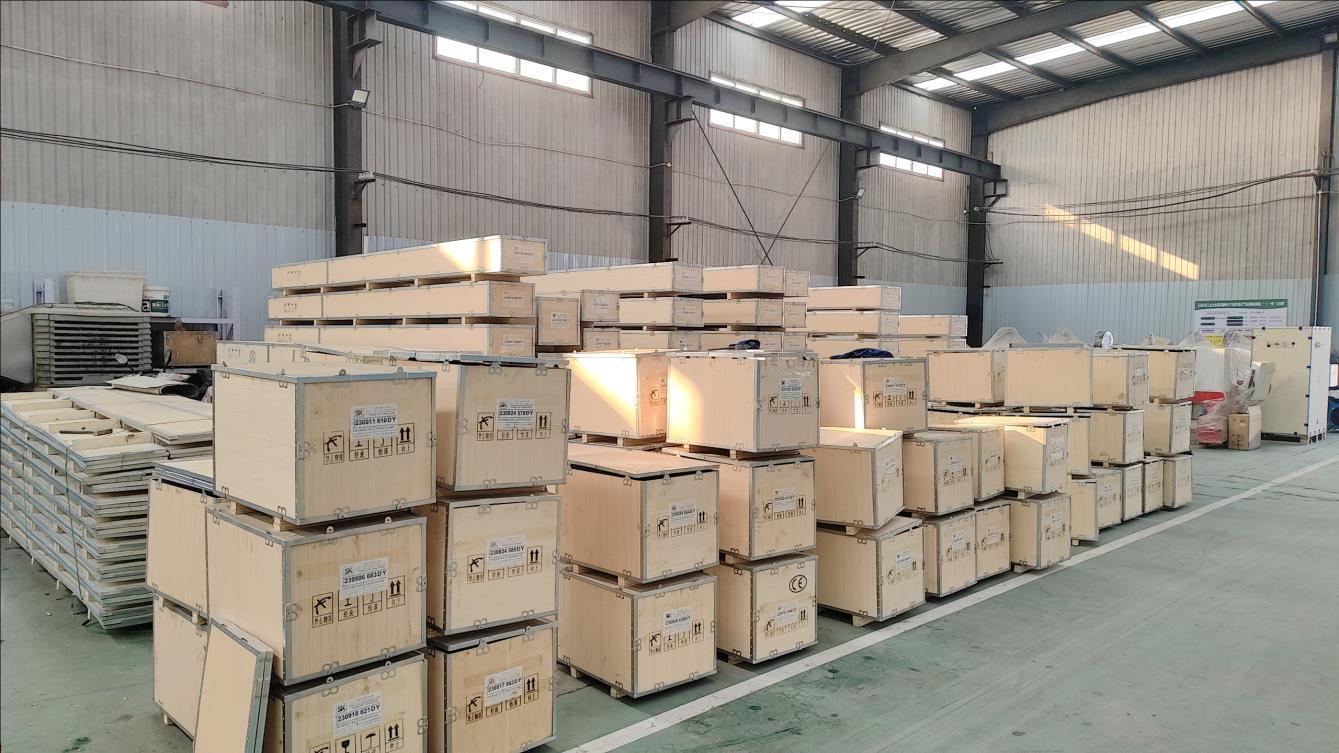
Logistics Warehouse
7. Warehouse
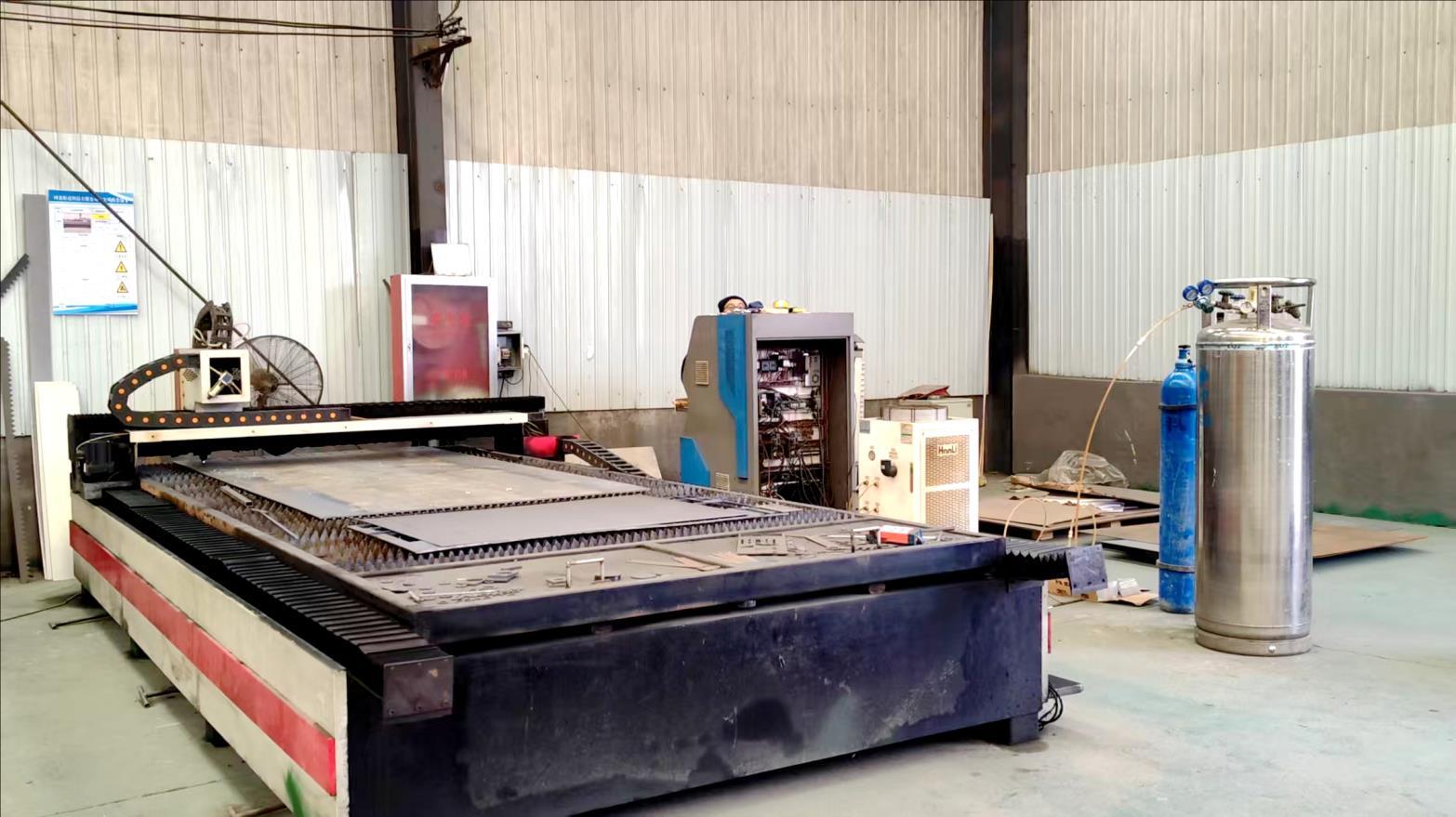
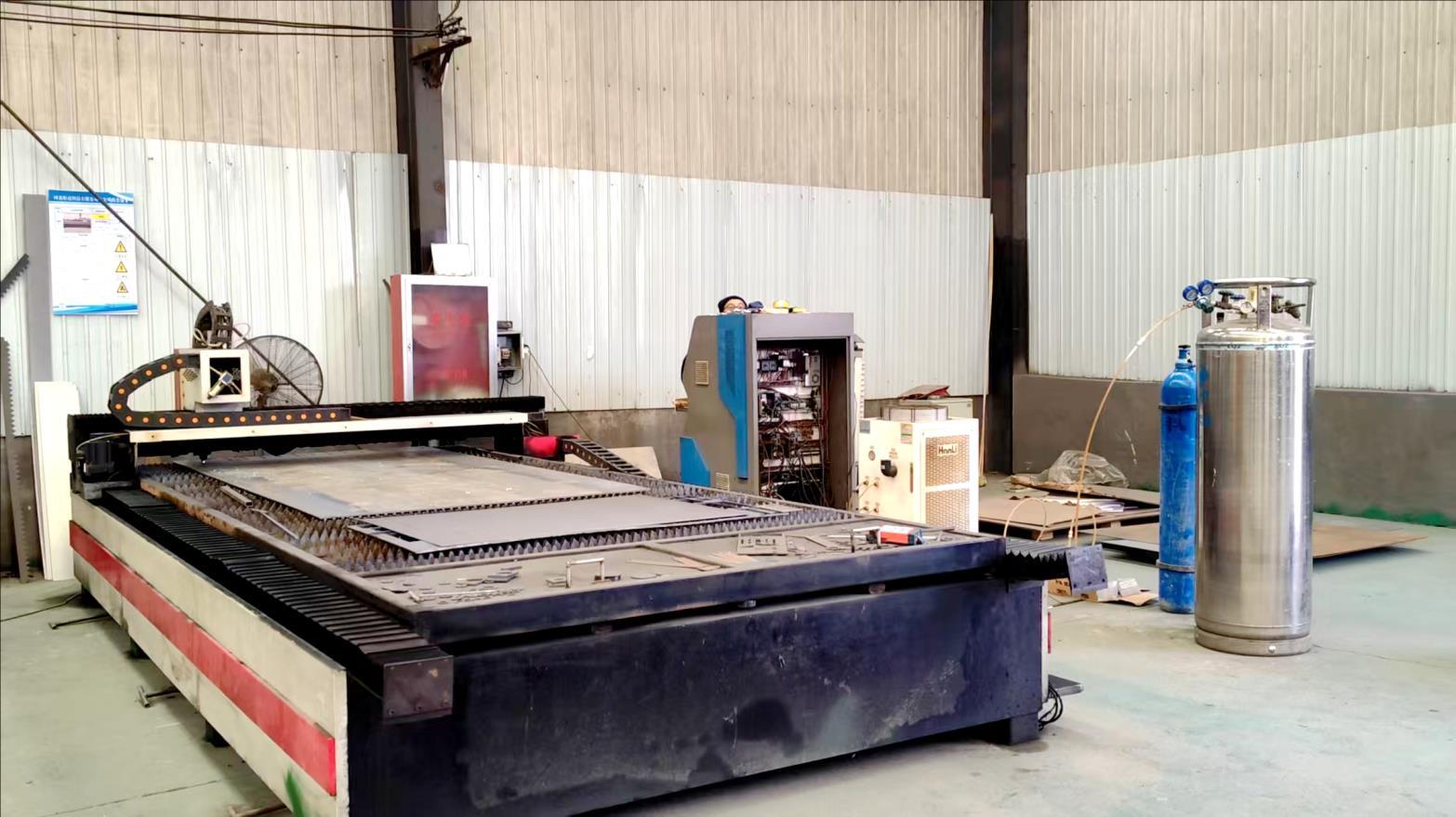
Laser Cutting Machine Equipment
8. Laser Cutting Machine
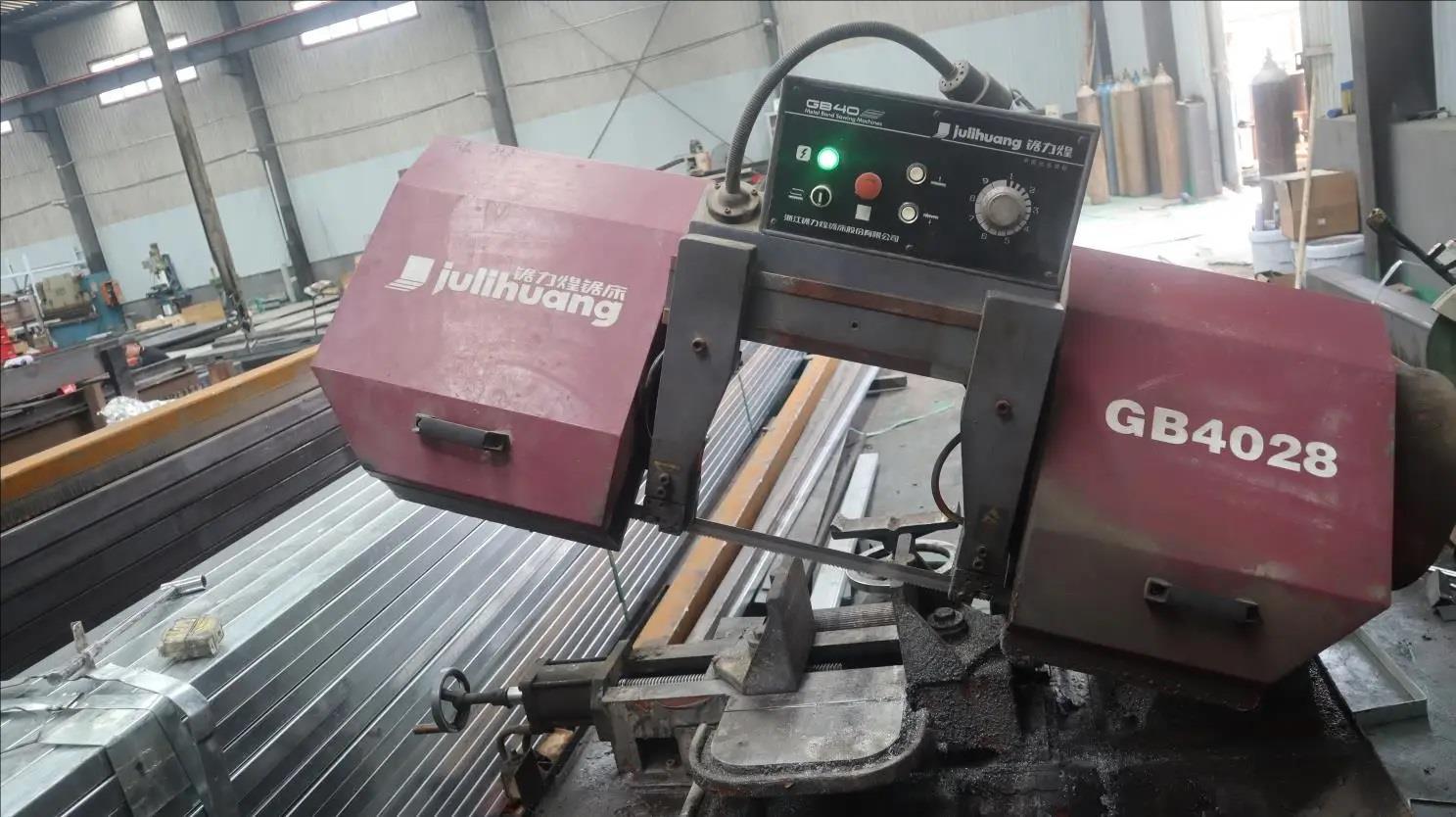
High-Speed Sawing Machine
9. Sawing Machine
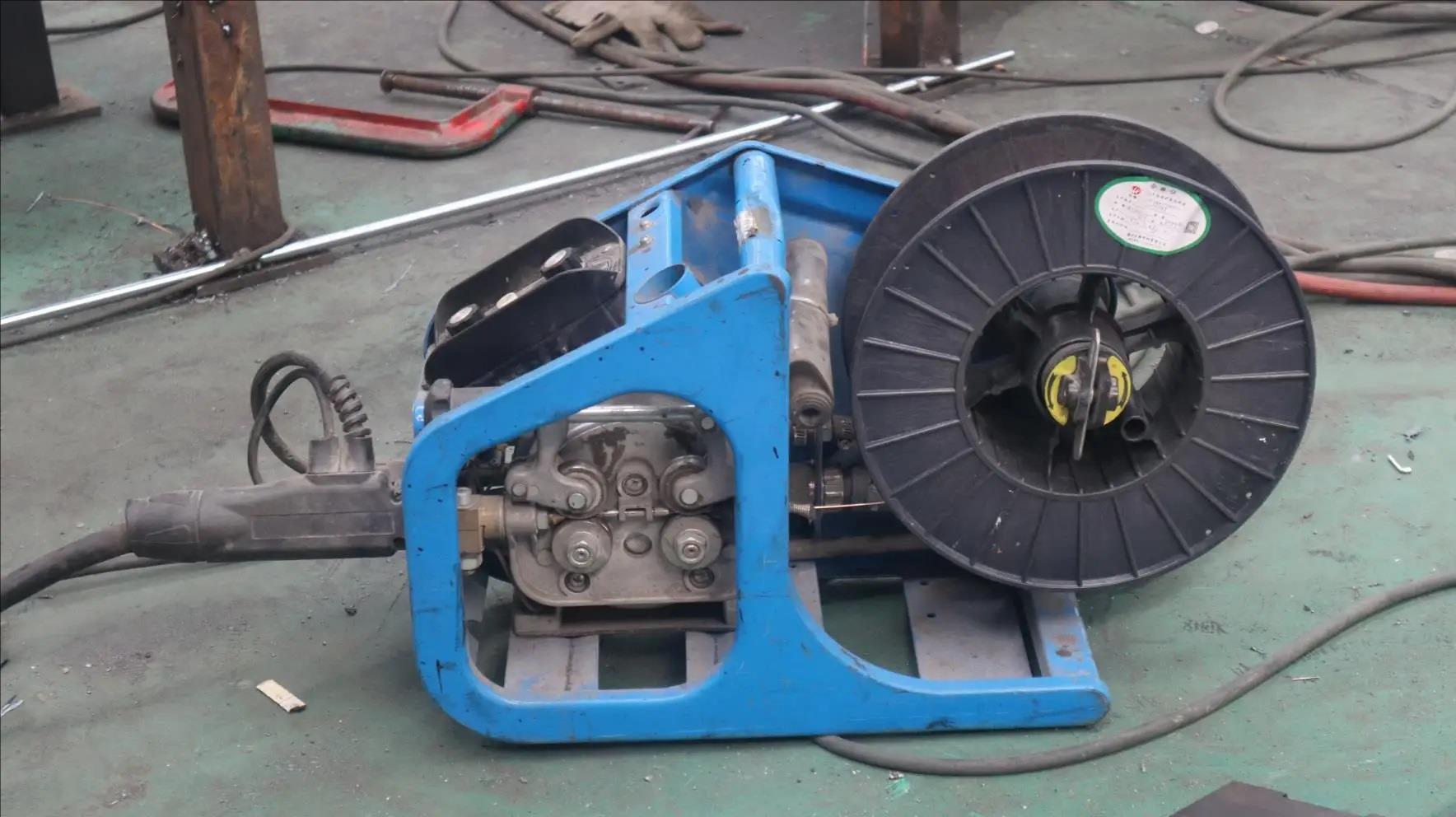
Automatic Welding Equipment
10. Welding Machine
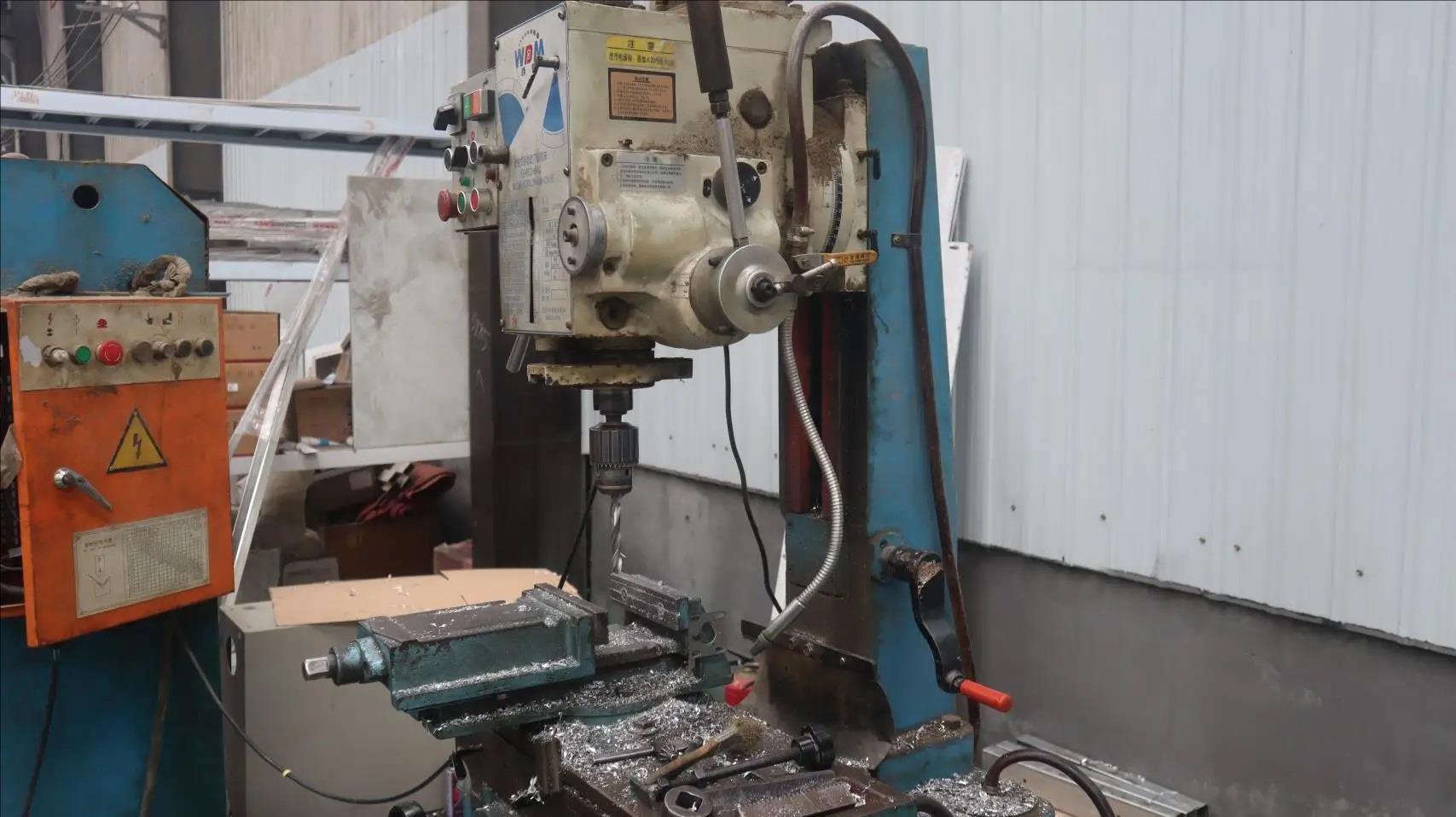
Precision CNC Drilling Machine
11. Drilling Machine

Macro Industry Solutions & Vertical Markets

The requirements for cutting tools vary significantly across industrial sectors. To maximize machining throughput and minimize surface degradation, tooling systems must be engineered to address the specific failure modes common to each material class.

1. Aerospace & Defense: Superalloy Machining

Materials such as Titanium alloys (Ti-6Al-4V) and Nickel-based superalloys (Inconel 718) exhibit low thermal conductivity and a high chemical affinity for cutting tool materials at elevated temperatures. This leads to rapid tool wear and compromised surface integrity. Zhejiang DentFix Tool Co., Ltd. addresses these challenges by optimizing edge geometry to reduce mechanical friction. We pair this with specialized AlCrSiN coatings that act as thermal barriers, protecting the underlying carbide substrate from rapid degradation.

2. Automotive Powertrains & EV Structural Castings

The automotive sector relies heavily on high-feed machining of cast irons, structural steels, and aluminum-silicon alloys. High-volume parts like engine blocks, gearbox housings, and electric vehicle battery trays require highly stable tooling to maintain tight dimensional tolerances across long production runs. Our indexable carbide inserts and multi-flute solid carbide reamers deliver the necessary stability, reducing cycle times and minimizing machine adjustments on automated transfer lines.

3. Die, Mold, and High-Precision Engineering

In high-precision mold making, machining hard materials (HRC50 to HRC65+) with micro-tolerances is a standard requirement. To achieve the mirror-like surface finishes needed for plastic injection molds, tool runout must be kept to a minimum. Our HRC65 Solid Carbide Endmills feature optimized core geometries and variable flute designs that suppress harmonic vibration, allowing operators to achieve fine surface finishes and eliminate secondary hand-polishing stages.

Technical Roadmap: Future Outlook for Grinding Tools & Materials

The manufacturing sector is transitioning toward smarter, more automated production models, commonly referred to as Industry 4.0. Within this framework, cutting tools are evolving from passive consumables into smart, data-integrated components.

Our research and development program focuses on several key technological areas:

  • Smart Tool Integration: Incorporating RFID and digital identification systems to track tool life, wear patterns, and usage histories directly within modern CNC tool management systems.
  • Ecological Machining: Optimizing flute profiles and rake geometries to support dry machining and Minimum Quantity Lubrication (MQL) techniques, reducing coolant consumption and environmental impact.
  • Nano-Structured Multi-Layer Coatings: Developing coatings with alternating nanometer-scale layers of different materials, which can arrest micro-cracks before they reach the carbide substrate, extending tool life in hard milling applications.

Technical Q&A / FAQ

Answers to complex engineering questions regarding tungsten carbide microstructures, tool wear, coating dynamics, and global sourcing parameters.

What defines the grain size selection (e.g. sub-micron vs. nano-grain) in your high-performance carbide tools?
Our selection is based on the application requirements. Sub-micron grain structures (0.5μm to 0.8μm) provide a good balance of hardness and toughness, suitable for general CNC milling and drilling. Nano-grain substrates (under 0.5μm) offer higher hardness and wear resistance, making them ideal for machining hardened steels (up to HRC65+) and abrasive composite materials, where maintaining a sharp cutting edge is critical.
How does the AlCrSiN coating compare to TiAlN in dry machining applications?
AlCrSiN coatings offer improved thermal and chemical stability compared to standard TiAlN coatings. The addition of silicon (Si) forms an amorphous silicon nitride matrix that helps block micro-crack propagation. AlCrSiN maintains its hardness and oxidation resistance up to 1100°C, while TiAlN begins to degrade around 800°C. This makes AlCrSiN-coated tools more suitable for dry, high-speed machining operations where high thermal loads are generated.
How does DentFix guarantee quality consistency across large manufacturing batches?
We use a multi-step quality control system. Our raw carbide materials undergo ultrasonic and metallurgical inspection to ensure they are free of voids and impurities. Grinding is performed on automated CNC grinding centers with active in-process gauging to maintain dimensional tolerances. Finished batches are then inspected using high-resolution optical metrology systems to verify edge prep geometries, core diameters, and coating thicknesses, ensuring consistent performance from tool to tool.
Can you produce custom tooling geometries for specialized industrial applications?
Yes. We offer comprehensive OEM/ODM services to design and manufacture custom cutting tools. This includes modifying flute counts, helix angles, step-drill profiles, and edge preps to optimize tool performance for specific workpiece materials and machining processes. Customers can provide CAD drawings or working parameters, and our engineering team will develop and produce a customized tooling solution.
What are the key design differences between tools meant for woodworking and those for metalworking?
Woodworking tools generally require sharper cutting edges with larger clearance angles to cleanly cut fibrous wood structures and prevent burning. They often use coarser carbide grades optimized for impact resistance. Metalworking tools require more robust cutting edges with controlled micro-honing (edge prep) to handle high cutting forces and thermal loads. They are typical coated with hard PVD coatings, whereas woodworking tools are often uncoated or use specific low-friction coatings.
How does the 8% Cobalt formulation in saw blades benefit extreme metal cutting?
The addition of 8% Cobalt to the matrix of high-speed steel (HSS-Co8) or carbide tool shanks increases the material's red hardness—its ability to maintain hardness at elevated temperatures. In heavy-duty sawing and reciprocating applications, this cobalt content prevents the teeth from softening under friction, maintaining wear resistance and extending blade life when cutting tough materials like stainless steel and structural alloys.

Featured Precision Tooling Solutions (Part II)

Complete your tooling optimization with our high-end reamers, insert assemblies, thread mills, and heavy-duty drilling units.
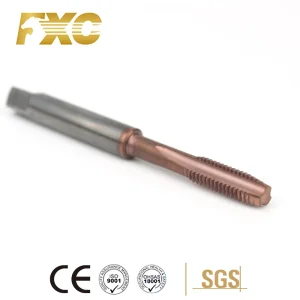
Solid Carbide Screw Tap

Solid Carbide Screw Tap CNC Taps Thread Milling Cutter for Steel with Coating

View Product Specification
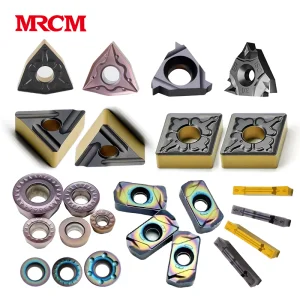
MRCM Indexable CNC Lathe Carbide Inserts

MRCM Indexable CNC Lathe Carbide Inserts Cutting Tool TNMG CNMG APMT RPMT LNMU ER Grooving Milling Turning Insert

View Product Specification
OEM Woodworking Bandsaw Blade

OEM Woodworking Sharp Quenching Bandsaw Blade Narrow Wood Cut Saw Blade Harden Tipped Band Saw Blades for Wood Processing

View Product Specification
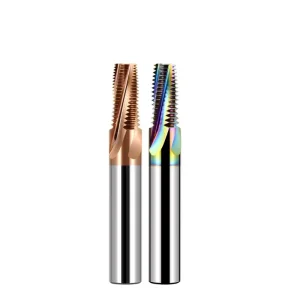
Full Teeth Threading Mill

1/8 Full Teeth Threading Mill Inch Pipe Thread Milling Cutter Supplier

View Product Specification
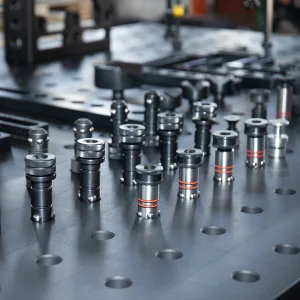
3D Welding Table Pins

3D Accessories Quick Locking Long Bolts With Five Steel Ball Positioning 3D Welding Table Pins

View Product Specification
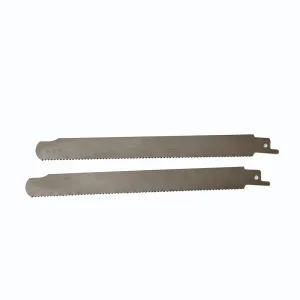
Cobalt Sawzall Blades

8% Cobalt Sawzall Blades - Universal Shank Reciprocating Saw Blade for Extreme Metal Cutting

View Product Specification
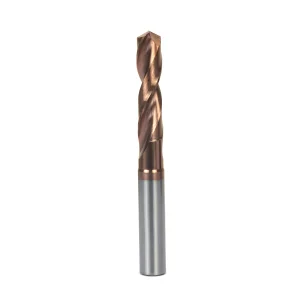
Carbide Drill Bits

High Hardness Coated Carbide Drill Bits Straight Shank 45HRC 12x75mm Anti-Wear Hardware Tools for Hardened Metal Machining

View Product Specification
Custom Tungsten Carbide End Mills

Custom Durable Solid Tungsten Carbide Deep Hole End Mills-Any Diameter & Length (5D-30D) For Hardened Steel Lathe Use-Made Order

View Product Specification