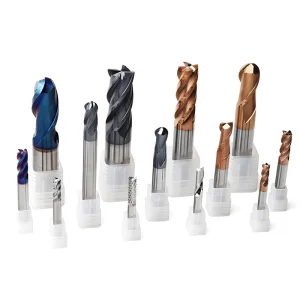
Explore our premier product portfolio engineered to maximize metal removal rates, tool longevity, and dimensional accuracy in demanding CNC environments.
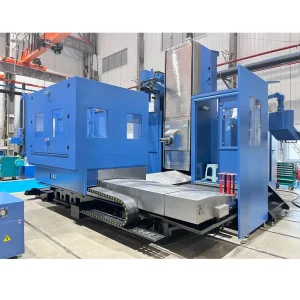
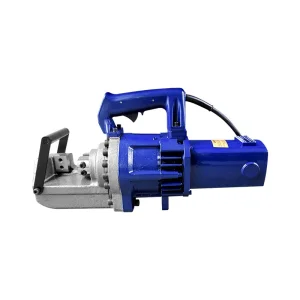
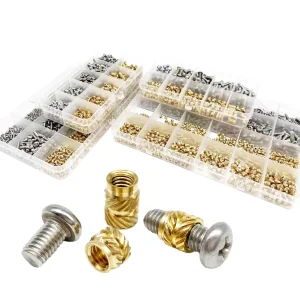
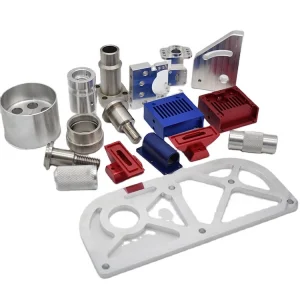
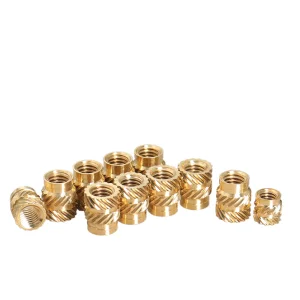
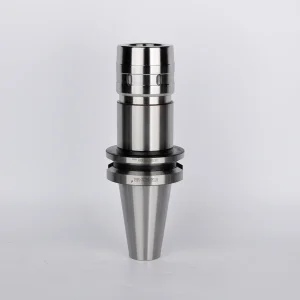
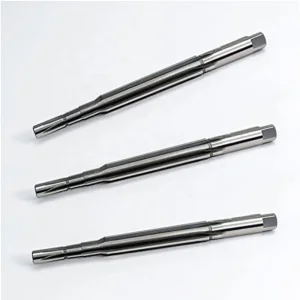
Zhejiang DentFix Tool Co., Ltd. is a professional manufacturer specializing in the research, development, production, and global distribution of precision CNC cutting tools and carbide solutions. Since its establishment, the company has been committed to providing high-performance tooling products for the metalworking industry, serving customers across automotive, aerospace, mold & die, general engineering, energy, and precision manufacturing sectors.
Driven by continuous innovation and customer-focused development, DentFix has grown into a modern manufacturing enterprise that integrates R&D, intelligent production, quality control, sales, and technical support. The company has built a strong reputation for delivering reliable products, consistent quality, and professional services to customers in both domestic and international markets.
With advanced manufacturing technologies, experienced engineering teams, and strict quality management systems, DentFix continuously improves its product performance and production efficiency. The company is dedicated to helping customers achieve higher machining accuracy, longer tool life, greater productivity, and lower manufacturing costs.
Today, Zhejiang DentFix Tool Co., Ltd. continues to strengthen its investment in technological innovation, intelligent manufacturing, and international cooperation, striving to become a trusted global supplier of precision cutting tool solutions.
DentFix has established a comprehensive manufacturing system supported by experienced engineers, skilled production personnel, and a professional sales and technical service team. Our engineering department focuses on the development of innovative cutting tool solutions that meet the evolving requirements of modern CNC machining.
Our manufacturing facility is equipped with advanced CNC grinding machines, high-precision inspection equipment, automated production systems, and modern quality testing laboratories. Every product undergoes rigorous inspection throughout the manufacturing process to ensure exceptional dimensional accuracy, durability, and stable machining performance.
Uncovering the manufacturing advantages, raw material integrations, and precision engineering that drive global tooling efficiencies.
China is home to the world's most complete tungsten carbide supply chain. Chinese factories like DentFix utilize ultra-fine and nano-grained tungsten carbide powder combined with dynamic cobalt binder contents to yield optimal balance between hardness (HV) and fracture toughness (K1c). This ensures the structural integrity of custom endmills and inserts under heavy impact load.
Tool life is fundamentally determined by the interface between the substrate and the workpiece. Modern Chinese factories implement premium physical vapor deposition (PVD) and chemical vapor deposition (CVD) coatings, such as AlTiN, TiAlN, DLC (Diamond-Like Carbon), and nACo (nanocomposite coatings), designed to resist thermal degradation at cutting temperatures exceeding 1000°C.
By using elite CNC grinding centers (like ANCA, Walter, and Rollomatic) paired with 3D design software (such as NUMROTO), China cutting tools manufacturers deliver precise micro-geometries, variable helix designs, and unequal indexing parameters that significantly mitigate machining harmonics and vibration.
Precision tools are not a one-size-fits-all product. Engineering specialized configurations according to application physics is critical to avoiding tool failure and ensuring surface finish integrity.
Machining complex components made of Titanium alloys (Ti-6Al-4V) and Nickel-based superalloys (Inconel 718) demands tooling solutions with high thermal fatigue resistance. Custom solutions featuring specific rake angles and internal coolant ducts prevent catastrophic thermal failure and optimize chip clearance.
The rise of Electric Vehicles (EVs) has introduced lighter materials like aluminum-silicon alloys (Al-Si) and fiber-reinforced plastics. Chinese tool factories build diamond-coated (PCD) custom reamers and profile milling tools that maintain edge sharpness across thousands of cycles to reduce setup costs.
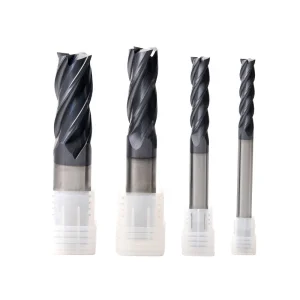
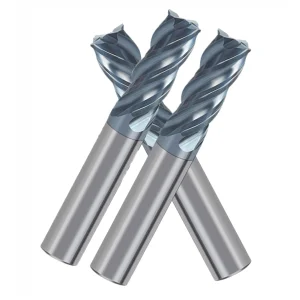
Die-mold cavities require milling in hardened steels up to HRC70. DentFix HRC70 4-Flute solid carbide endmills leverage unique tool tip protection radiuses and customized core diameters to deliver high structural stability during high-speed, light-depth milling.
Surgical implants, bone screws, and dental fixtures call for high surface finishes and bio-compatible manufacturing setups. Micro-endmills and custom reamers with polished flutes ensure there is zero adhesion, keeping workpieces completely clean and free of contamination.
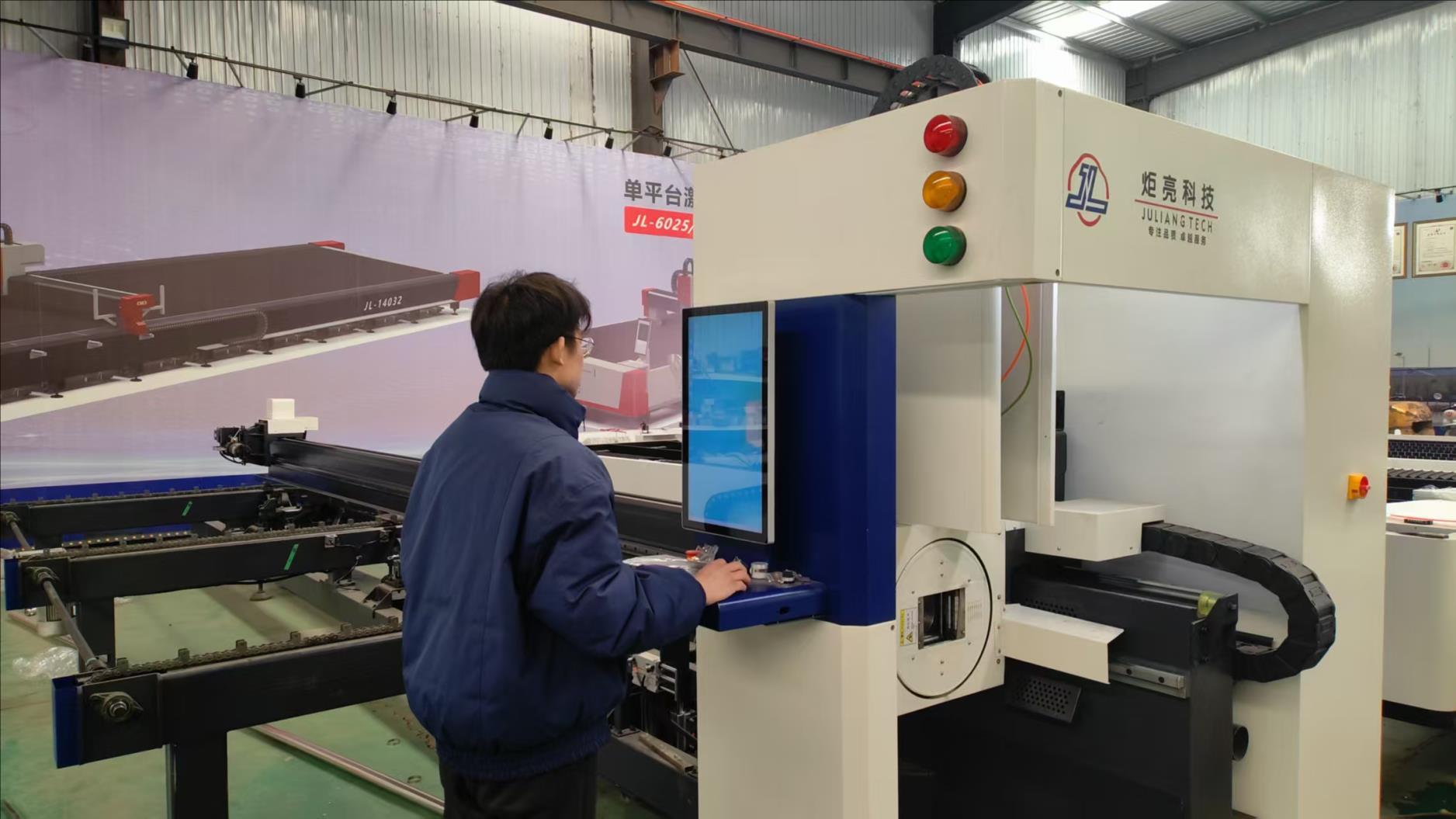
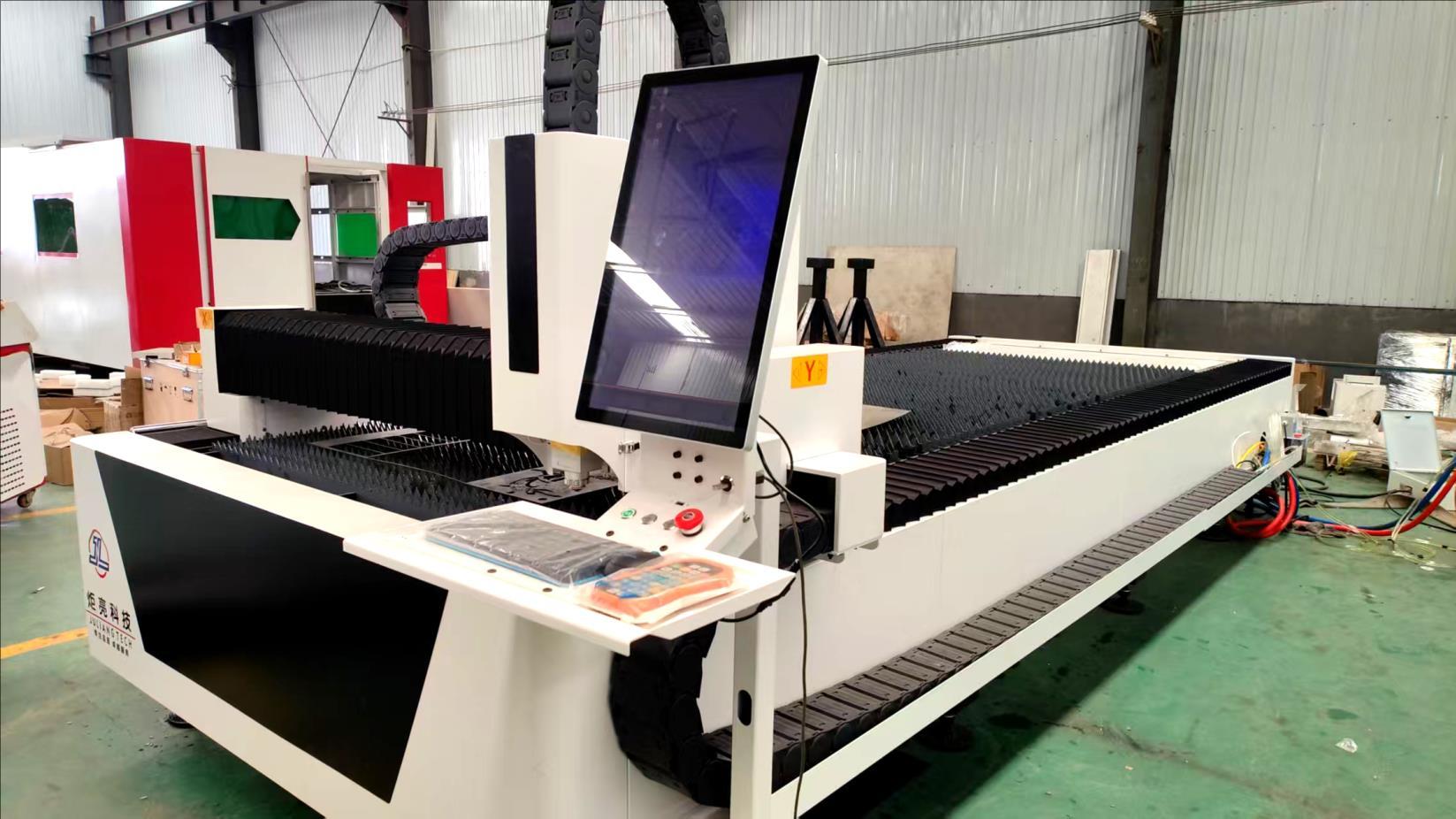
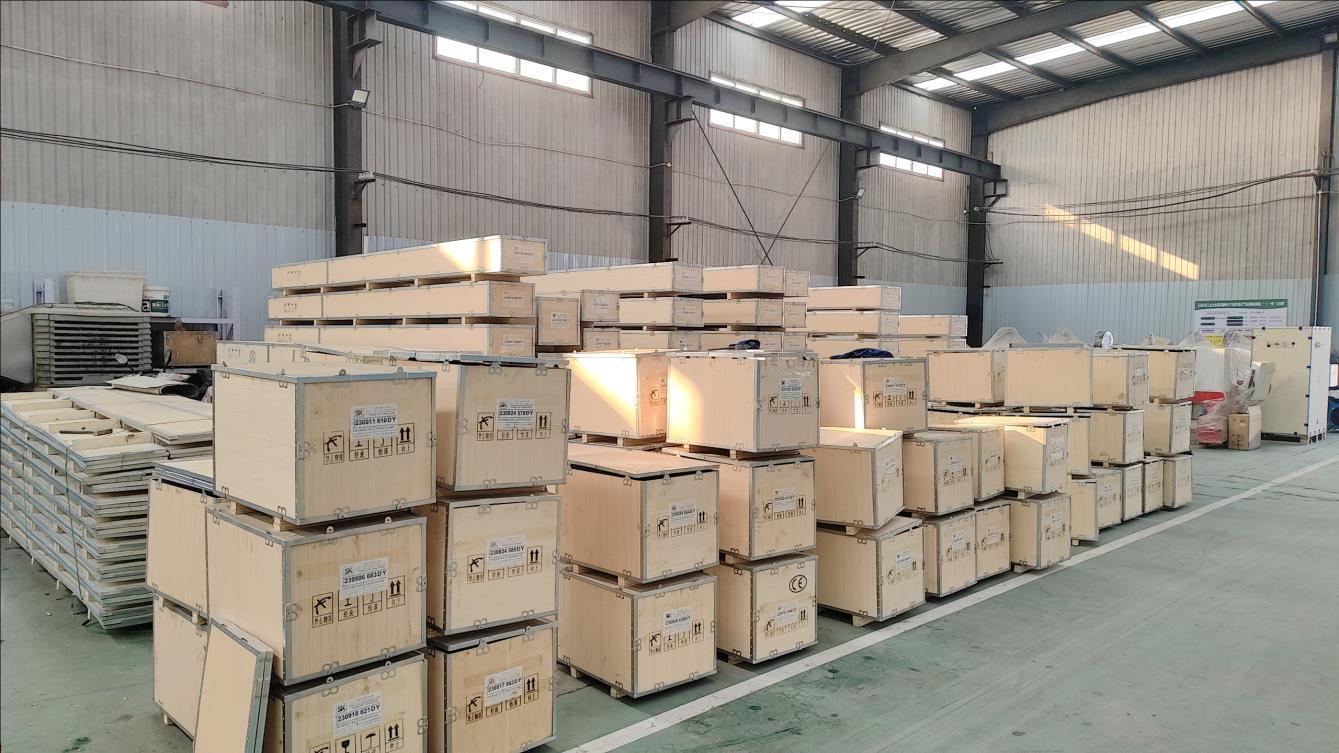
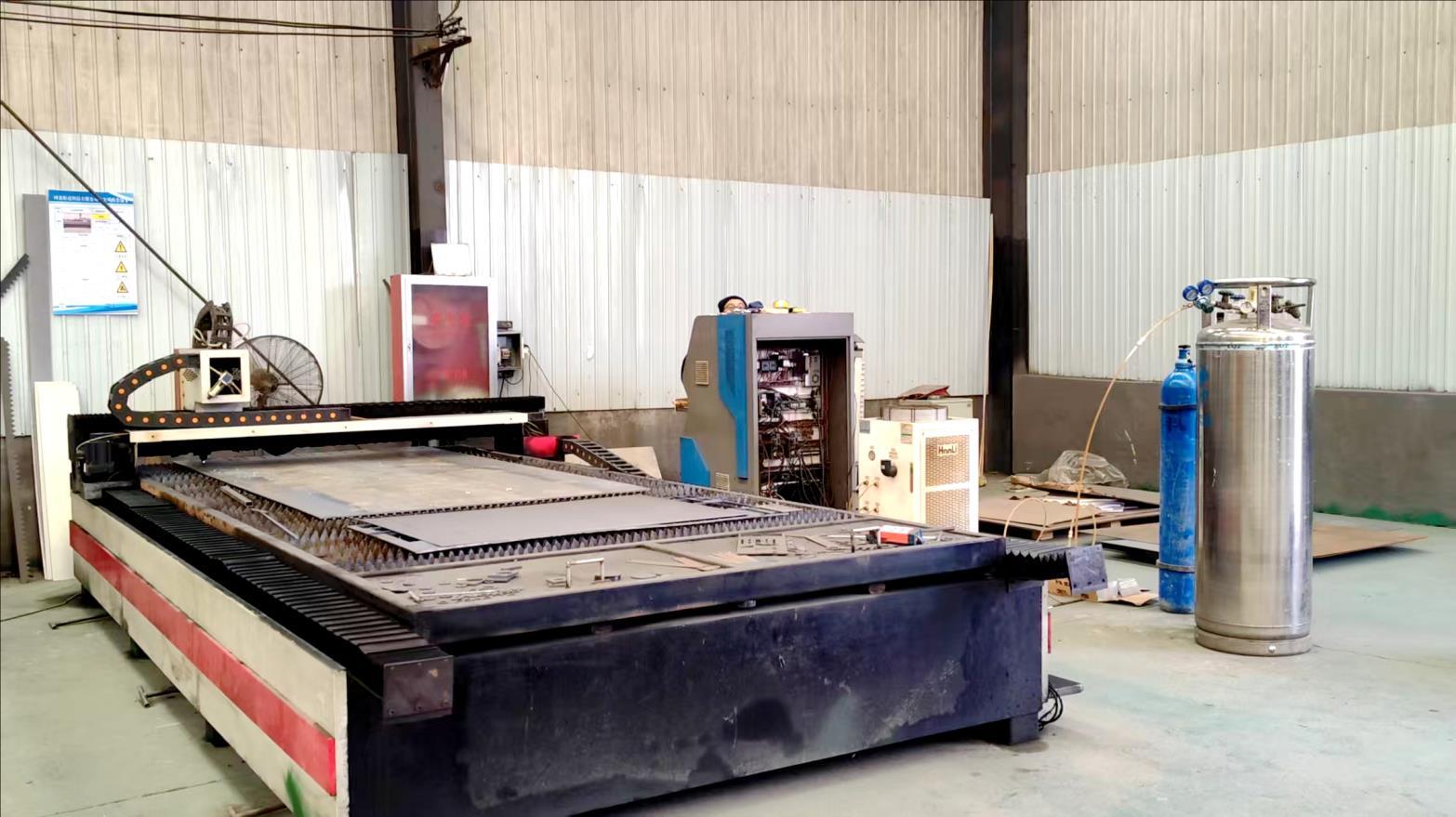
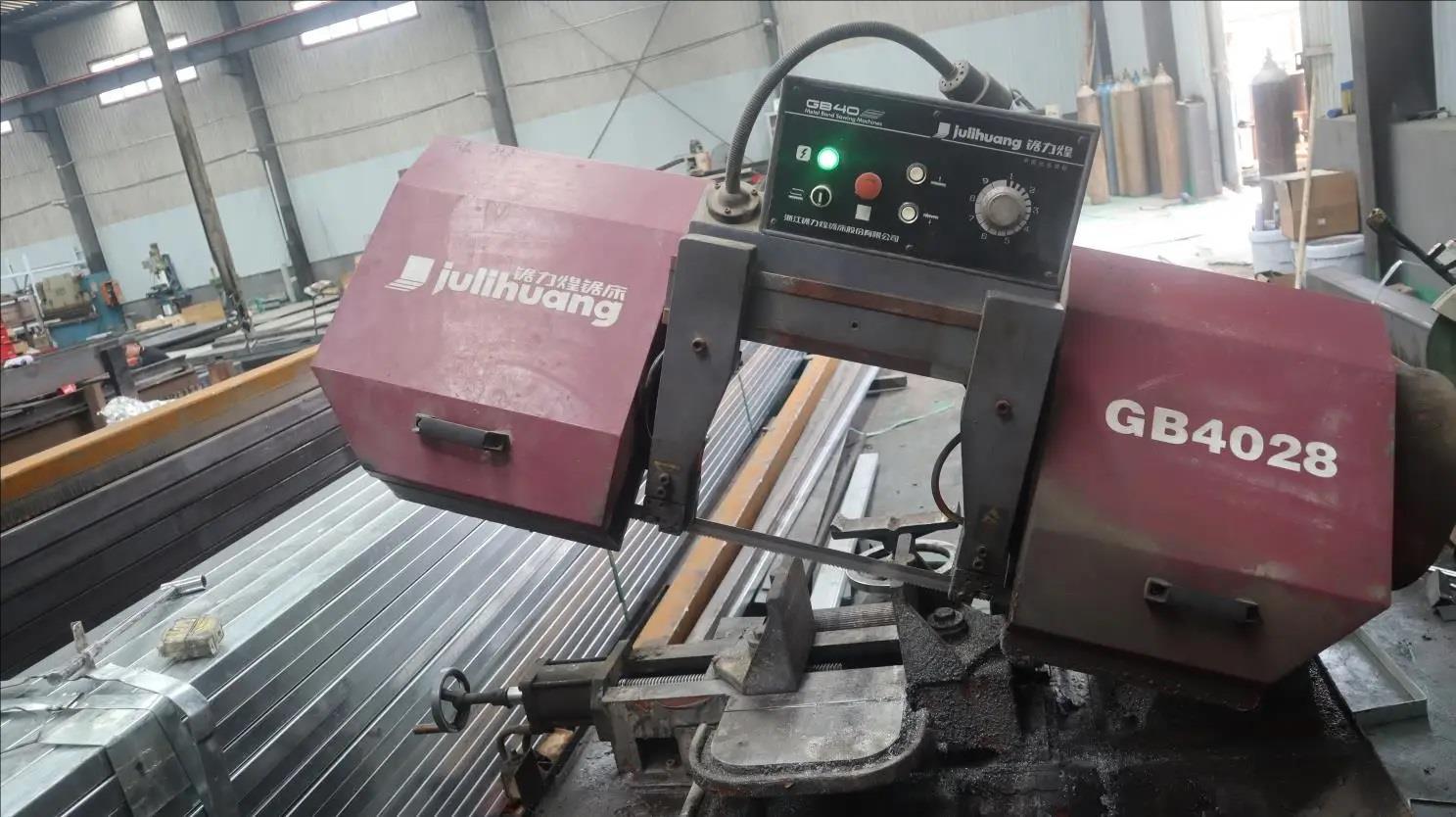
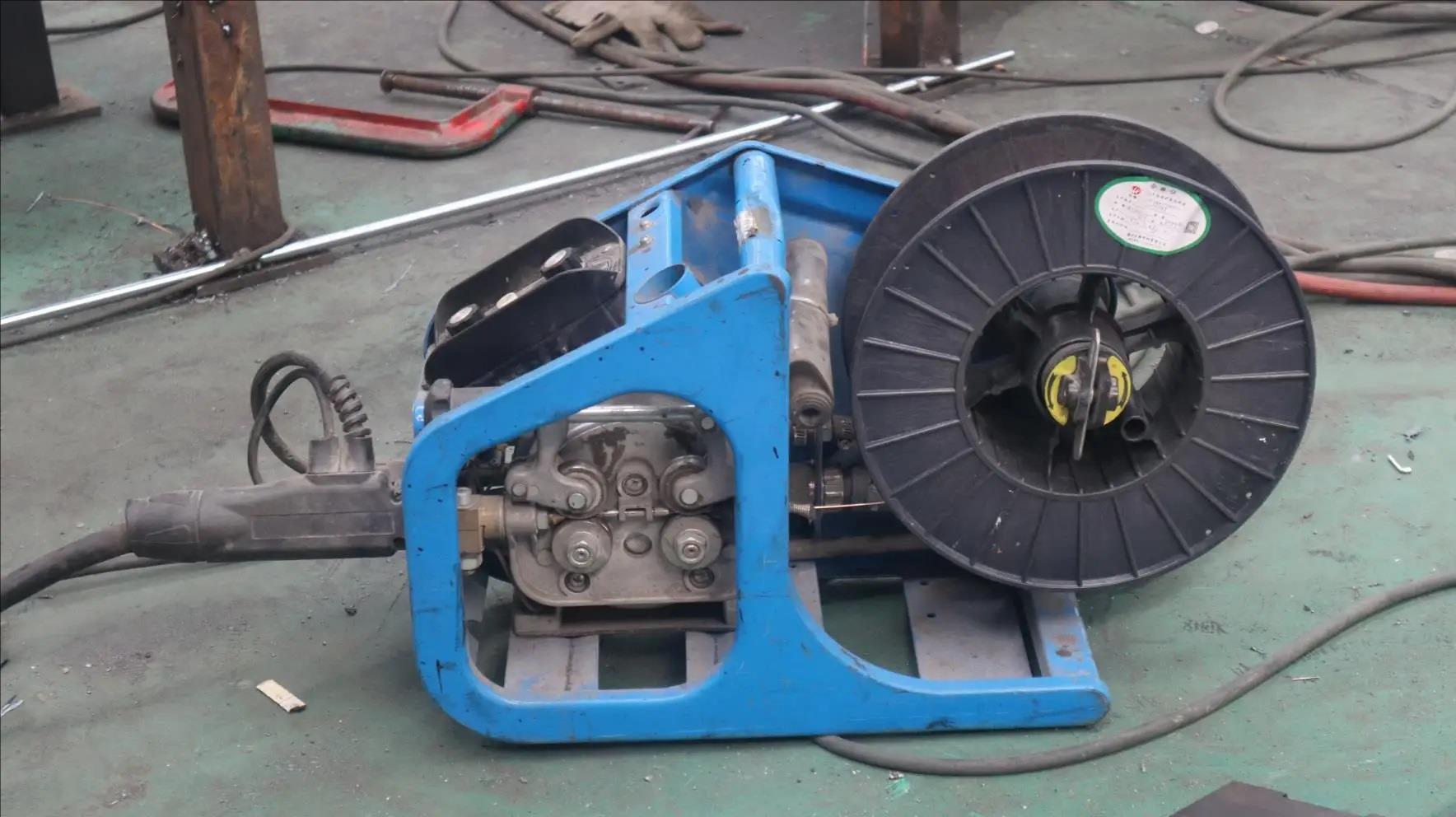
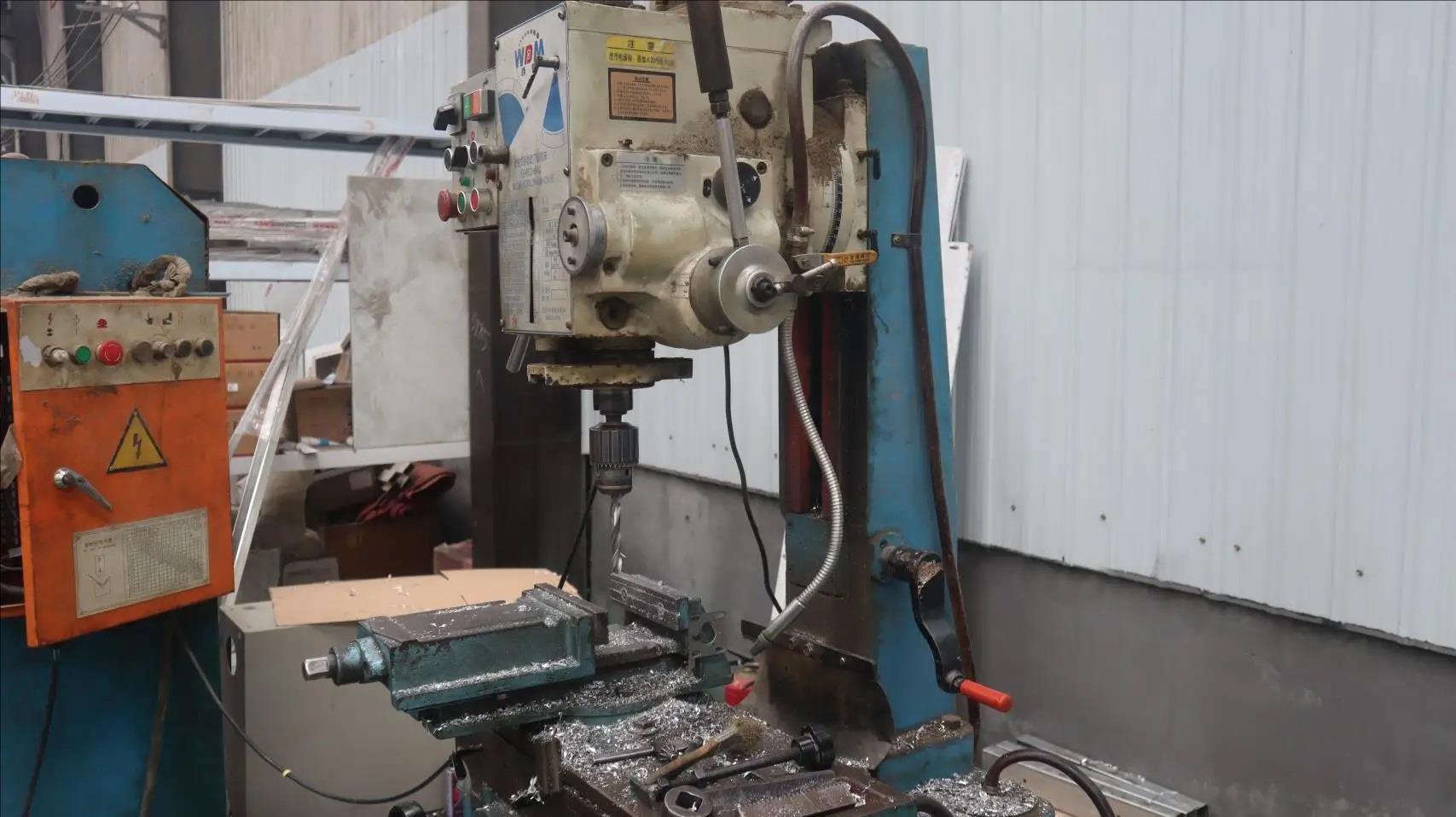
A transparent view inside our factory, showcasing our production standards from raw material sorting to precision machining, welding, and warehousing.
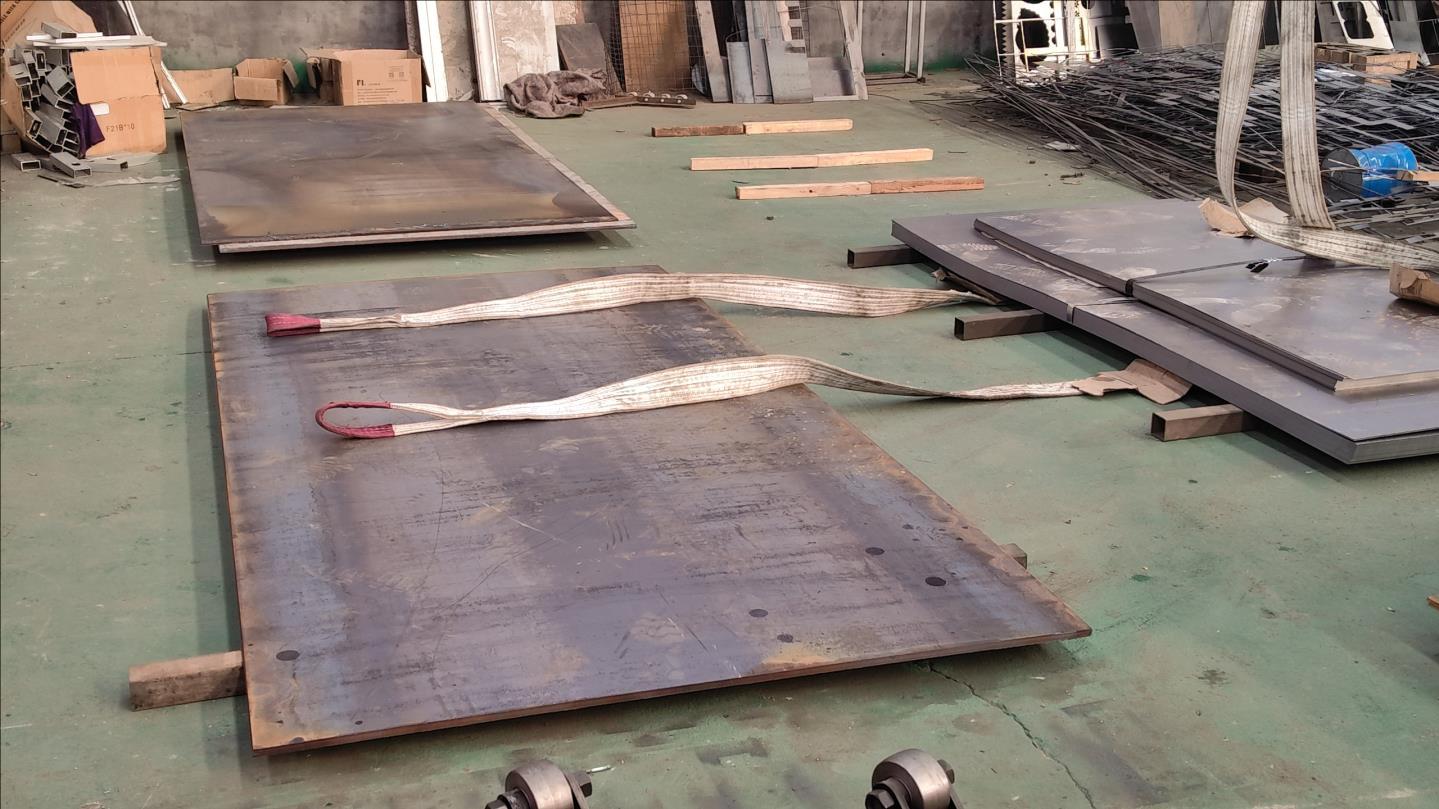
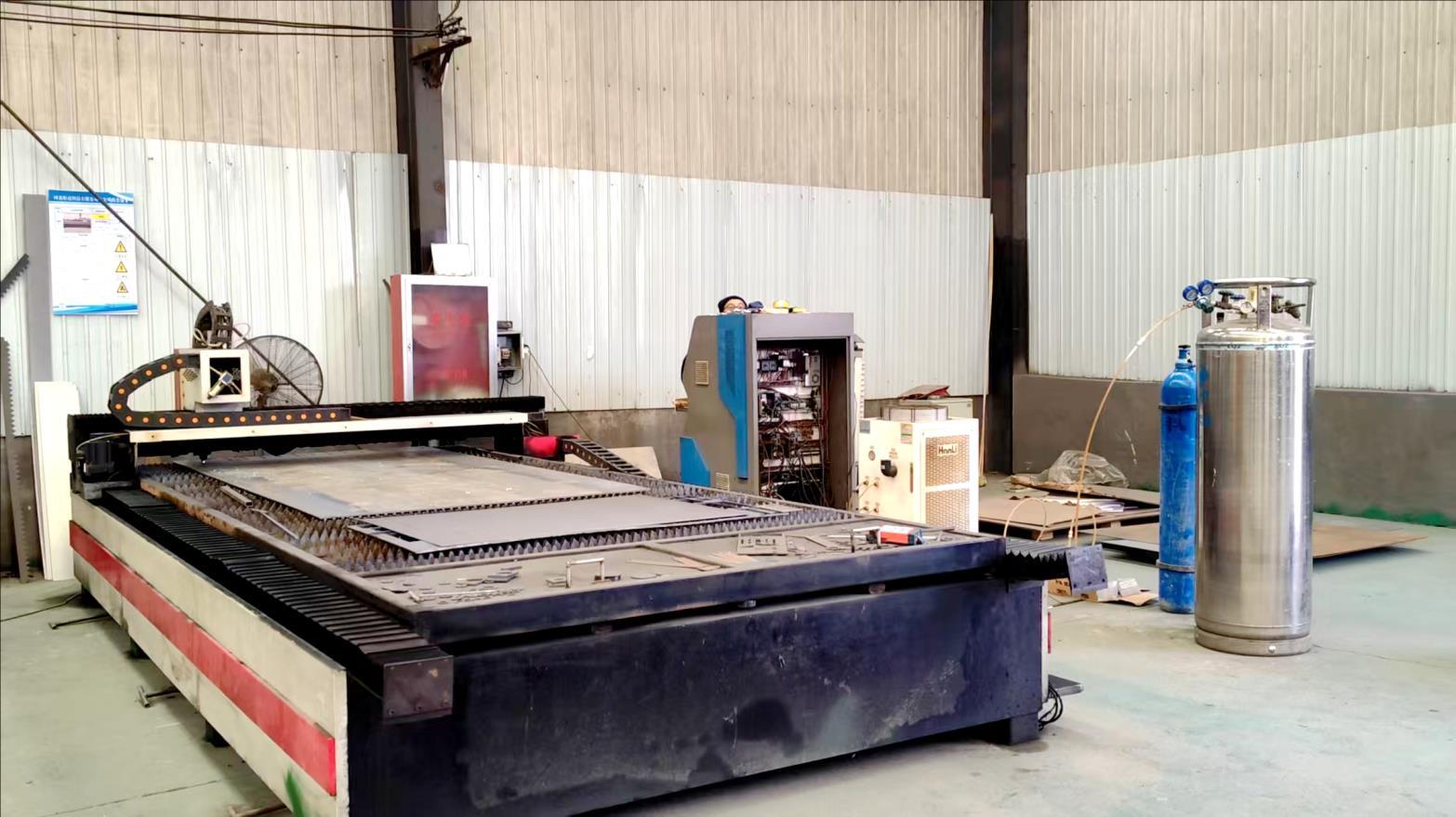
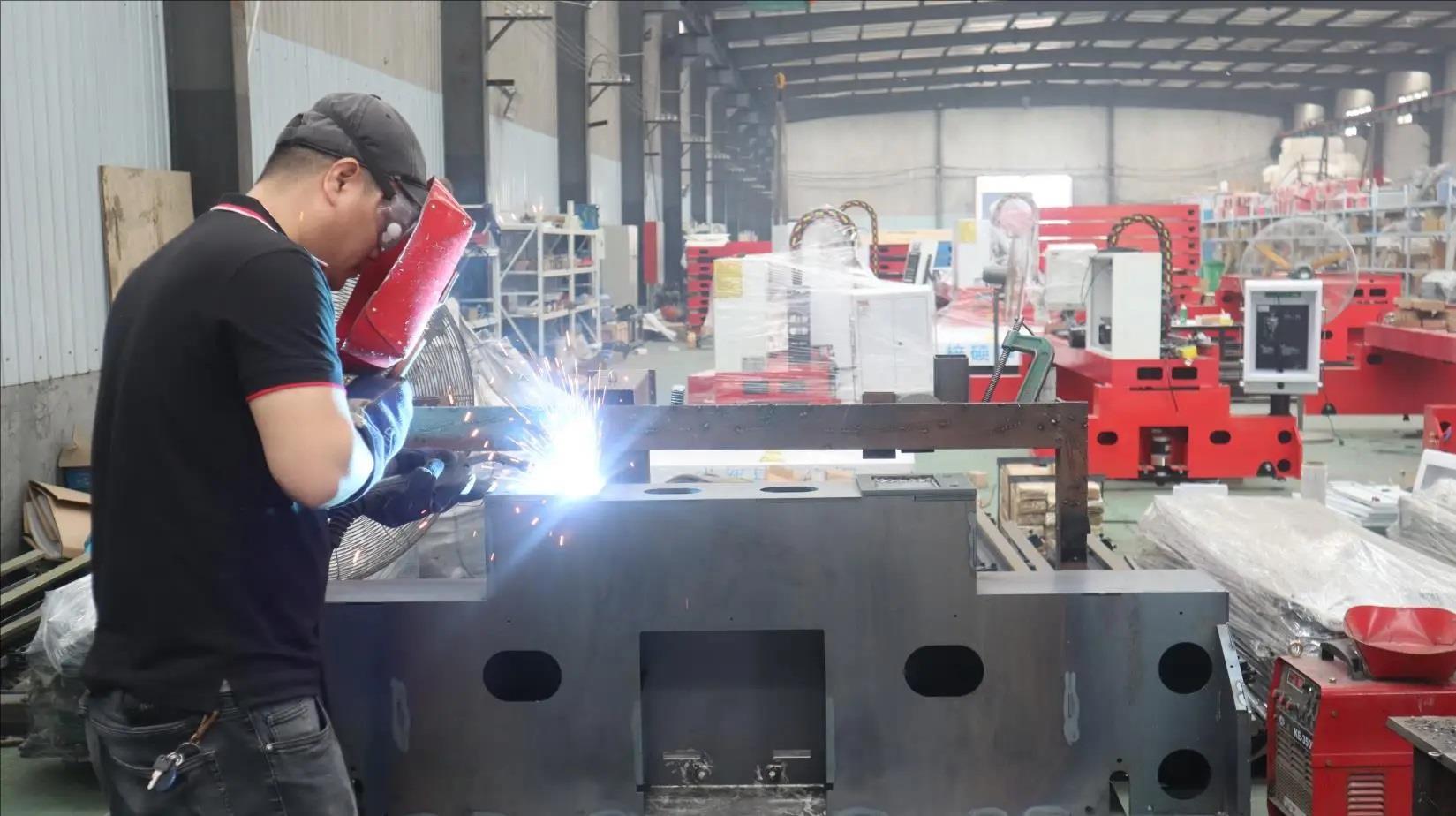
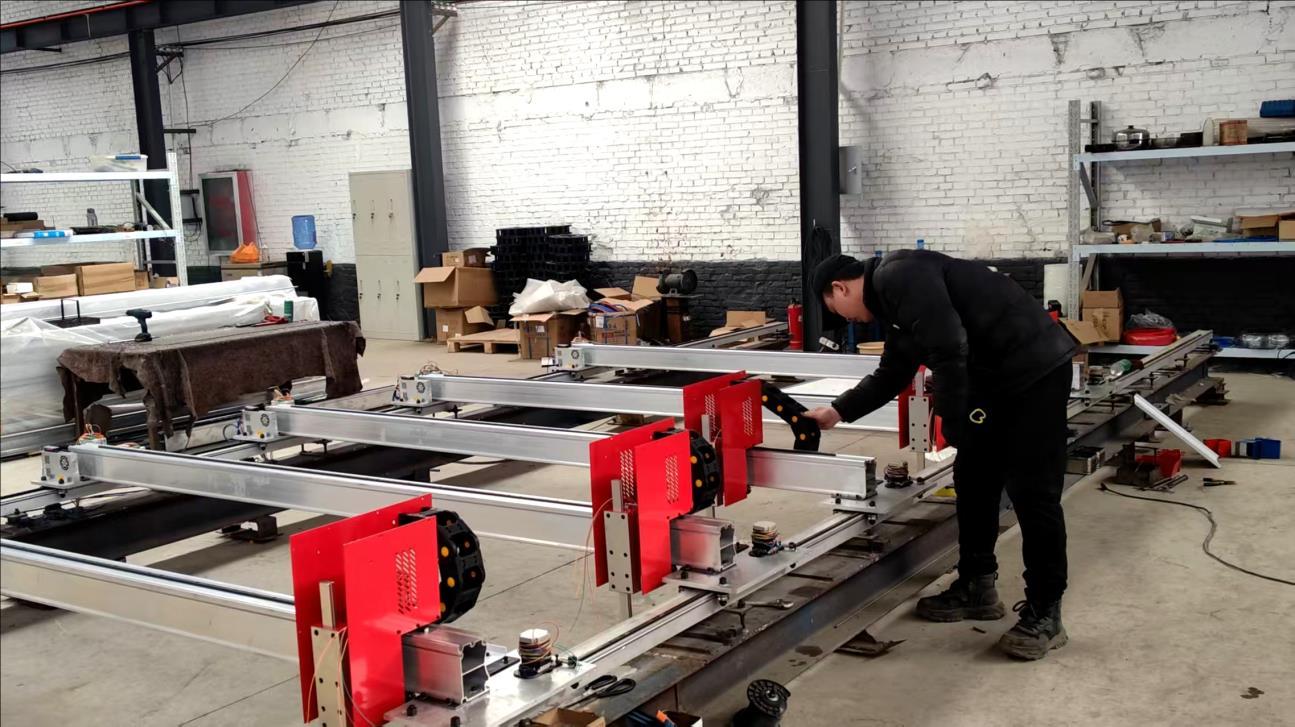
As industrial demands transition toward higher speeds, micro-scale accuracy, and carbon neutrality, the cutting tool sector is undergoing a rapid evolution. Sourcing partners must adapt to these trends to remain competitive.
The integration of sensorized tool holders and machine monitoring systems allows for real-time vibration and temperature data acquisition. Tool designs are shifting to support vibration damping (harmonic control) to fit with these automated feedback loops.
With stricter environmental laws, factories are moving away from flood coolants. Modern tools require advanced dry-cutting properties, demanding high-adhesion thermal-barrier coatings and optimized chip flute geometries that facilitate fast hot chip evacuation.
Fueled by the commercialization of 5G, semiconductor expansion, and microfluidics, custom micro-tools with diameters as small as 0.05 mm are scaling. Sourcing requires suppliers with advanced laser measuring and ultra-fine grinding machines to ensure sub-micron tolerances.
Optimizing total cost of ownership (TCO) requires a rigorous verification framework. Utilize this checklist to structure your vendor evaluations.
Validate the supplier's source for raw tungsten carbide rod. High-performance tools require virgin sub-micron carbide powder with uniform grain distribution. Ensure the manufacturer performs incoming material testing to verify cobalt percentage and hardness levels.
Ask for verification of the inspection equipment. A reputable factory must be equipped with non-contact optical inspection systems (like Zoller Genius, Keyence Digital Microscopes, or Walter Helicheck) to inspect core diameter, rake angle, relief angle, and edge radius deviation.
For custom profile cutting tools, evaluate the factory's engineering design loop. A fast engineering pipeline includes 3D simulation analysis, prototype production within 5-7 working days, and field testing before starting batch production.
Get immediate, engineering-focused answers regarding custom cutting tools selection, manufacturing tolerances, and operation optimization.
To design an optimized custom tool, you must specify: the workpiece material grade and its hardness (e.g., Inconel 718, 45 HRC), cutting environment (flood coolant, dry cutting, or MQL), spindle interface type (e.g., BT40, HSK63A), tool dimensions (cutting diameter, length of cut, total length), and target machine limits (max RPM, feed rate capacity).
A sharp edge on a cutting tool is brittle and prone to chipping under load. Edge preparation (honing) rounds or chamfers the cutting edge slightly (typically 5 to 30 microns). This stabilizes the cutting edge, distributes thermal loads, prevents micro-chipping, and ultimately improves tool life and consistent surface finish.
Milling hardened steel up to HRC70 generates high mechanical stress and thermal load. A 4-flute design provides a rigid core diameter to prevent tool deflection. Variable helix angles break the uniform frequency of tooth impacts during cutting, disrupting harmonic resonance (chatter) and improving surface finish quality.
High-precision custom reamers manufactured by premium Chinese suppliers like DentFix maintain outer diameter tolerances down to IT5-IT7 classes, which translates to a variance range of ±0.002mm to ±0.005mm. Runout (T.I.R) is verified below 0.002mm to ensure uniform cutting load on all teeth.
Our quality control involves three main stages: raw material validation using ultrasonic flaw detection, in-process dimension checks at every manufacturing step, and final QC using high-end optical metrology tools. This multi-stage approach ensures consistent quality for every batch.
Standard OEM/ODM design engineering and approval take 3 to 5 business days. Once the engineering drawings are approved, production is typically completed in 10 to 15 business days, depending on geometry complexity, coating specifications, and order volume.
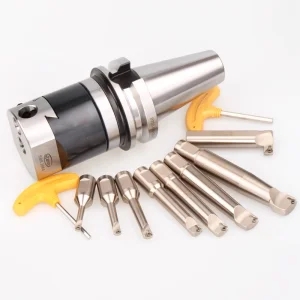
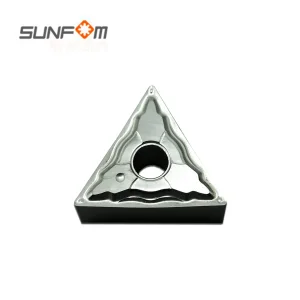
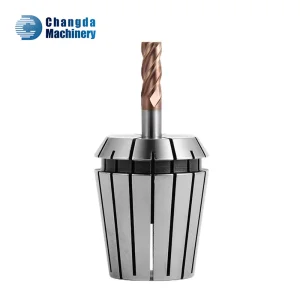
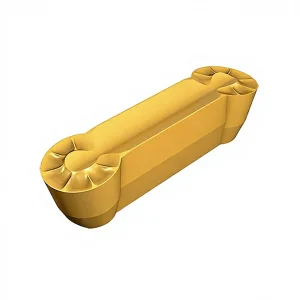
Explore our selection of high-durability inserts, sawzall blades, indexable boring heads, and precision tool holder systems.
 DentFix Tool