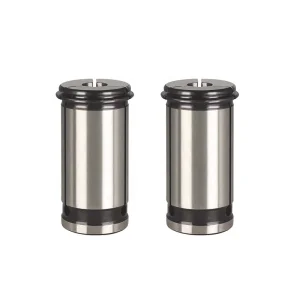
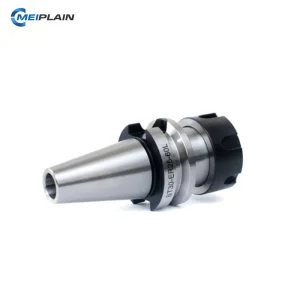
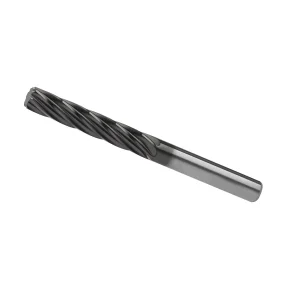
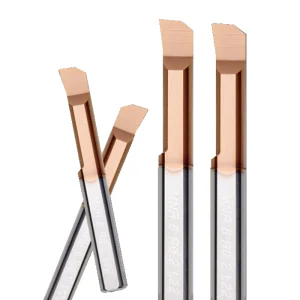
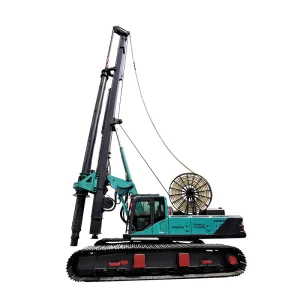
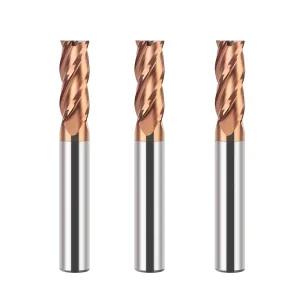
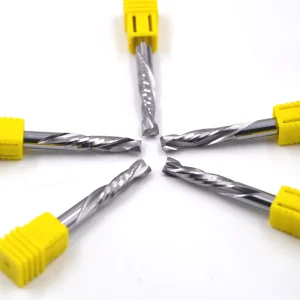
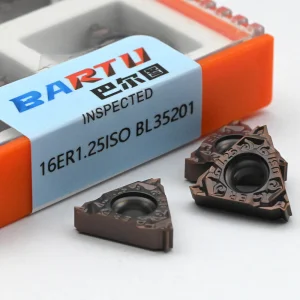
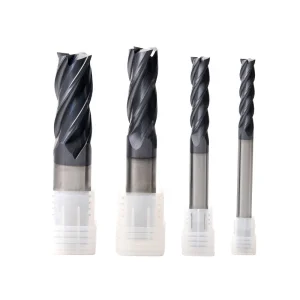
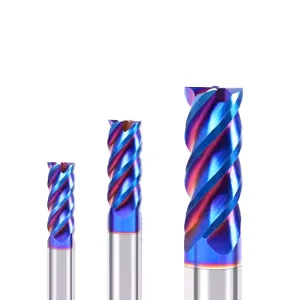
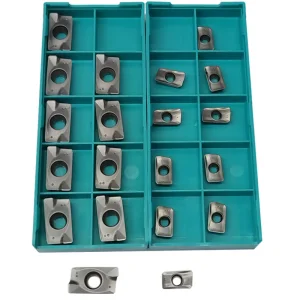
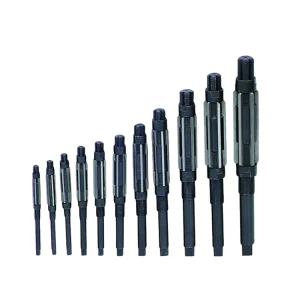
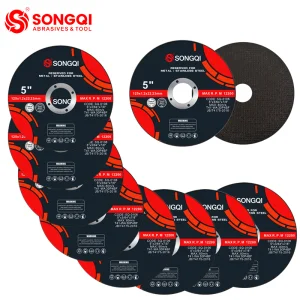
Explore our primary performance CNC tooling components designed to maximize machine spindle capabilities and cutting accuracies.
Aluminum alloys have consolidated their status as the cornerstone of modern lightweight engineering. Across the aerospace, automotive, electric vehicle (EV), and renewable energy sectors, the demand for fast, efficient, and precise aluminum machining has surged. Aluminum’s high thermal conductivity, low density, and high strength-to-weight ratio make it ideal for structural applications. However, cutting aluminum efficiently requires specialized tool geometries, advanced substrate chemistries, and tailored surface coatings.
As a leading OEM/ODM Aluminum Cutting Tools Manufacturer & Exporter, Zhejiang DentFix Tool Co., Ltd. is positioned at the intersection of material science and high-speed CNC execution. Machining aluminum at scale requires high-spindle speeds, frequently exceeding 20,000 RPM, which puts extreme dynamic stress on cutting edges. Tool failure in high-speed milling environments can result in catastrophic downtime. Therefore, optimization of structural parameters like radial rake angles, helix configurations, and polished flutes is critical to preventing tool wear and material adhesion.
Aluminum machining relies on high-speed cutting parameters. Our proprietary tools are designed to facilitate faster chip evacuation, enabling massive material removal without overloading the cutter.
Aluminum is notoriously soft and sticky at high cutting temperatures. By engineering micro-polished flute surfaces and specific clearance angles, we prevent raw chips from welding to the cutter edge.
Silicon content in cast aluminum (such as A356 or A380 alloys) is highly abrasive. We utilize premium sub-micron and ultra-micrograin tungsten carbide substrates with high HRA hardness values to combat wear.
Zhejiang DentFix Tool Co., Ltd. is a professional manufacturer specializing in the research, development, production, and global distribution of precision CNC cutting tools and carbide solutions. Since its establishment, the company has been committed to providing high-performance tooling products for the metalworking industry, serving customers across automotive, aerospace, mold & die, general engineering, energy, and precision manufacturing sectors.
Driven by continuous innovation and customer-focused development, DentFix has grown into a modern manufacturing enterprise that integrates R&D, intelligent production, quality control, sales, and technical support. The company has built a strong reputation for delivering reliable products, consistent quality, and professional services to customers in both domestic and international markets.
With advanced manufacturing technologies, experienced engineering teams, and strict quality management systems, DentFix continuously improves its product performance and production efficiency. The company is dedicated to helping customers achieve higher machining accuracy, longer tool life, greater productivity, and lower manufacturing costs.
Today, Zhejiang DentFix Tool Co., Ltd. continues to strengthen its investment in technological innovation, intelligent manufacturing, and international cooperation, striving to become a trusted global supplier of precision cutting tool solutions.
DentFix has established a comprehensive manufacturing system supported by experienced engineers, skilled production personnel, and a professional sales and technical service team. Our engineering department focuses on the development of innovative cutting tool solutions that meet the evolving requirements of modern CNC machining.
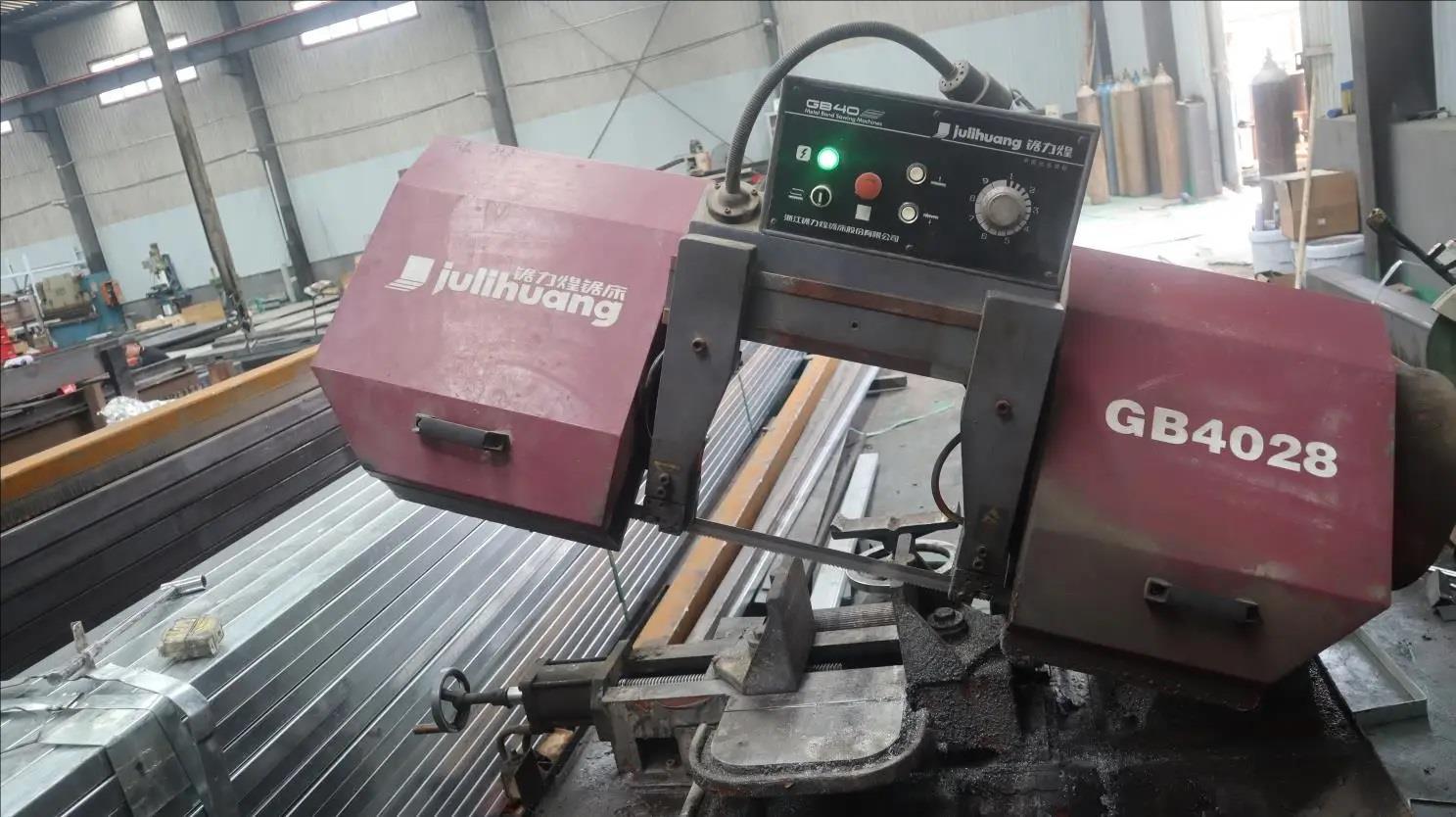
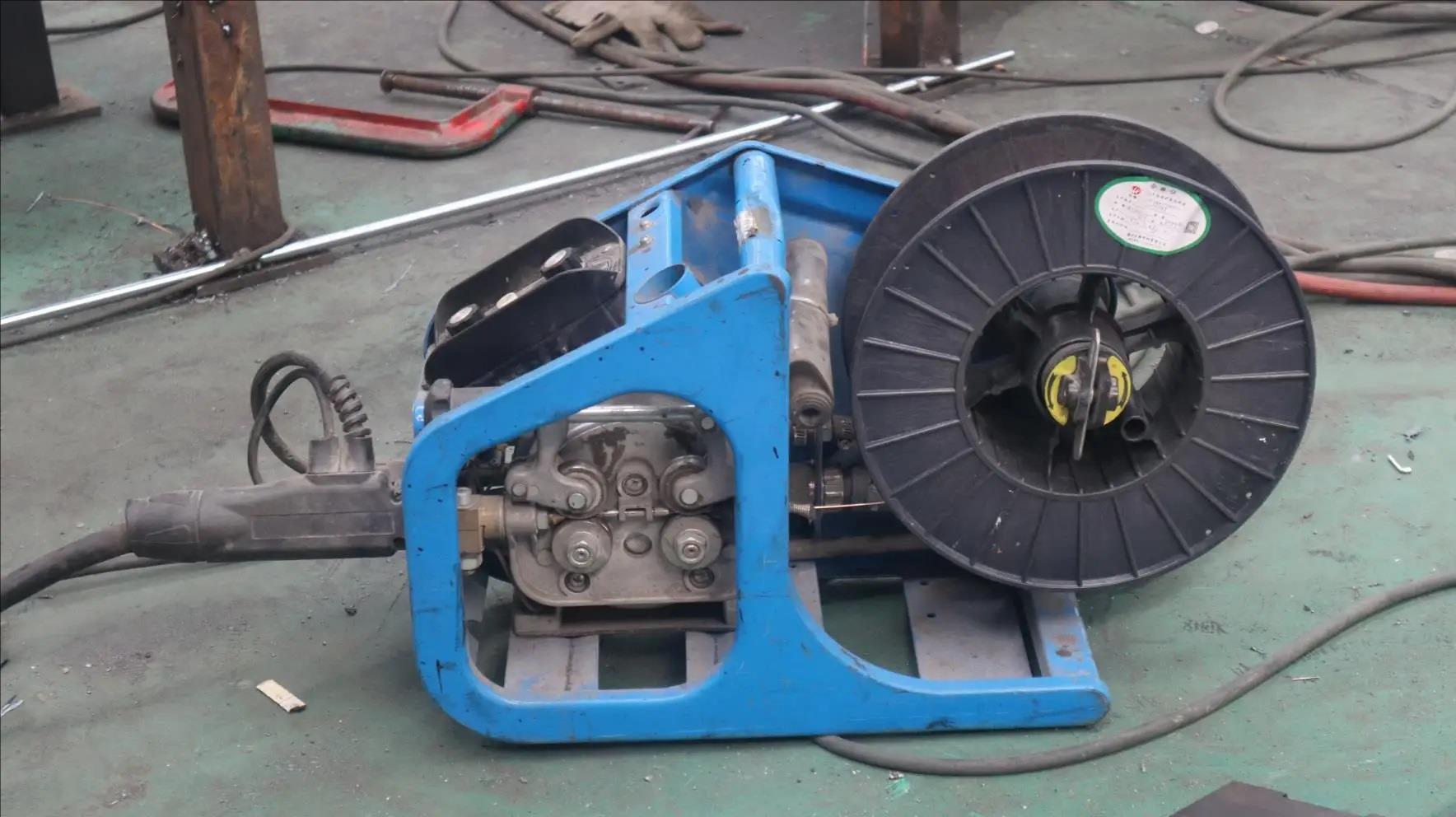
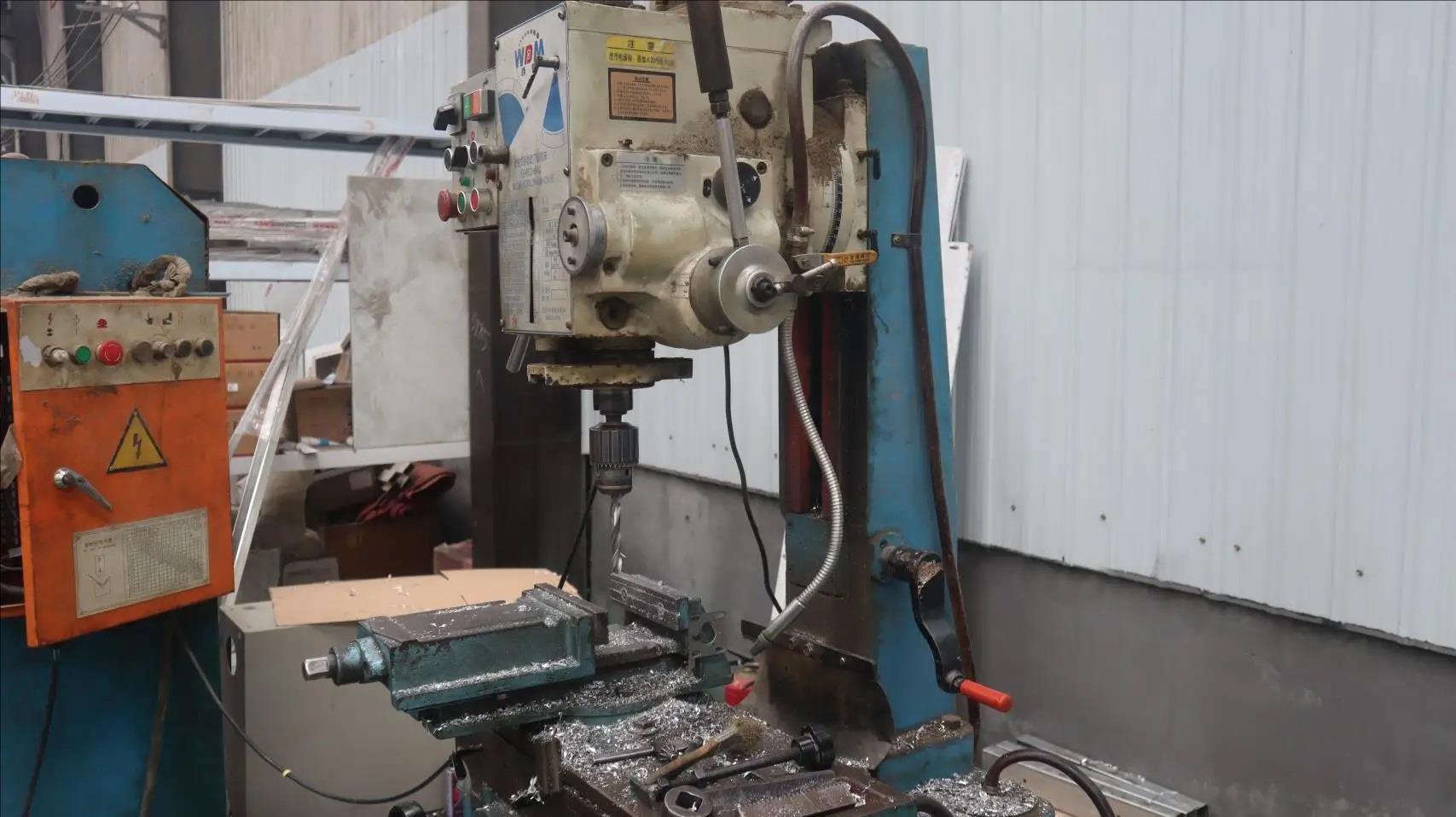
Our manufacturing facility is equipped with advanced CNC grinding machines, high-precision inspection equipment, automated production systems, and modern quality testing laboratories. Every product undergoes rigorous inspection throughout the manufacturing process to ensure exceptional dimensional accuracy, durability, and stable machining performance.
Innovation remains at the core of our business. DentFix continuously invests in new materials, coating technologies, and precision manufacturing processes to develop cutting tools with higher wear resistance, improved machining efficiency, and longer service life.
Guided by the principles of Quality First, Innovation, Reliability, and Customer Satisfaction, Zhejiang DentFix Tool Co., Ltd. is committed to building long-term partnerships with customers worldwide. We look forward to providing professional tooling solutions that help manufacturers improve productivity, reduce production costs, and achieve sustainable growth.
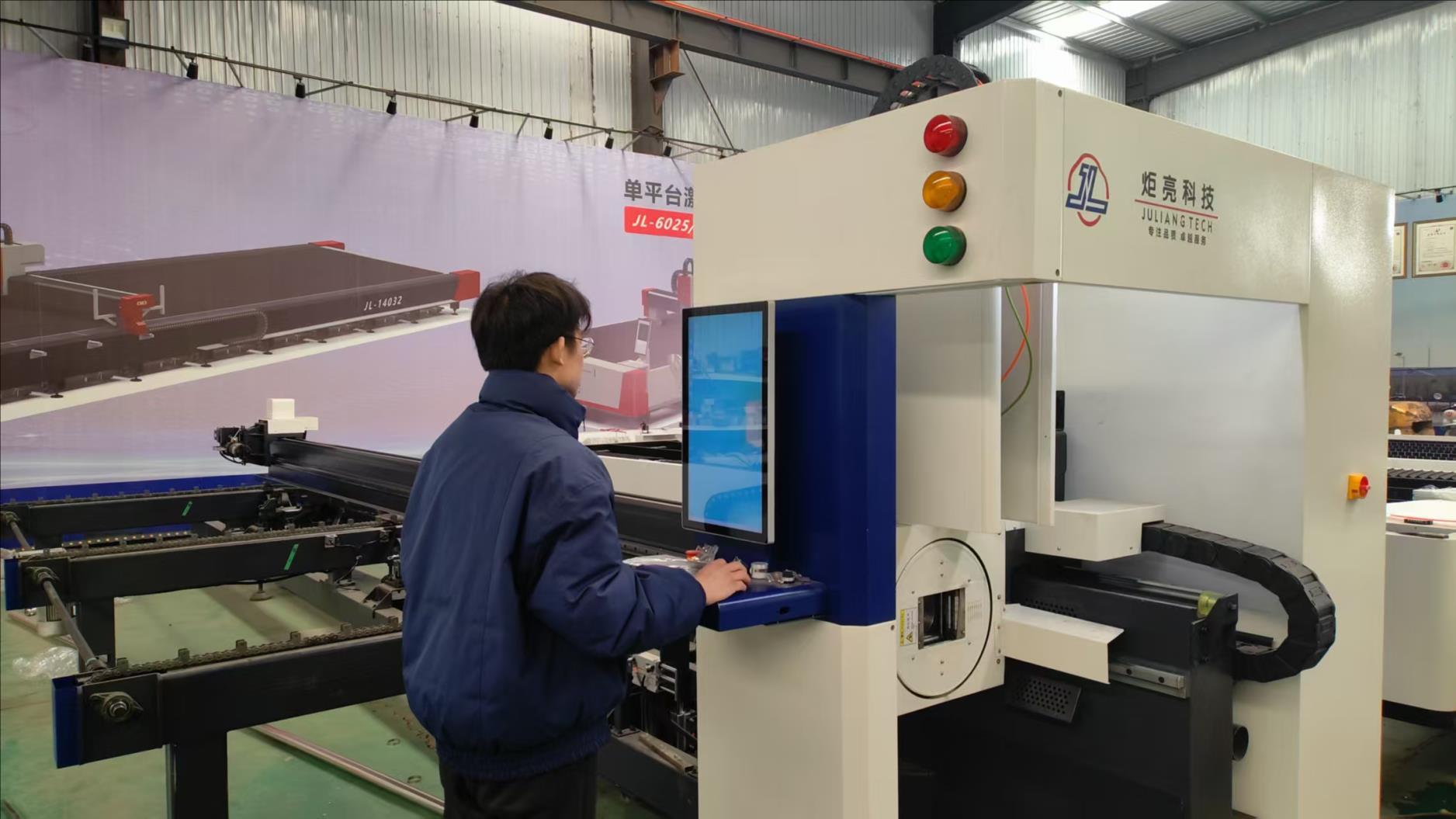
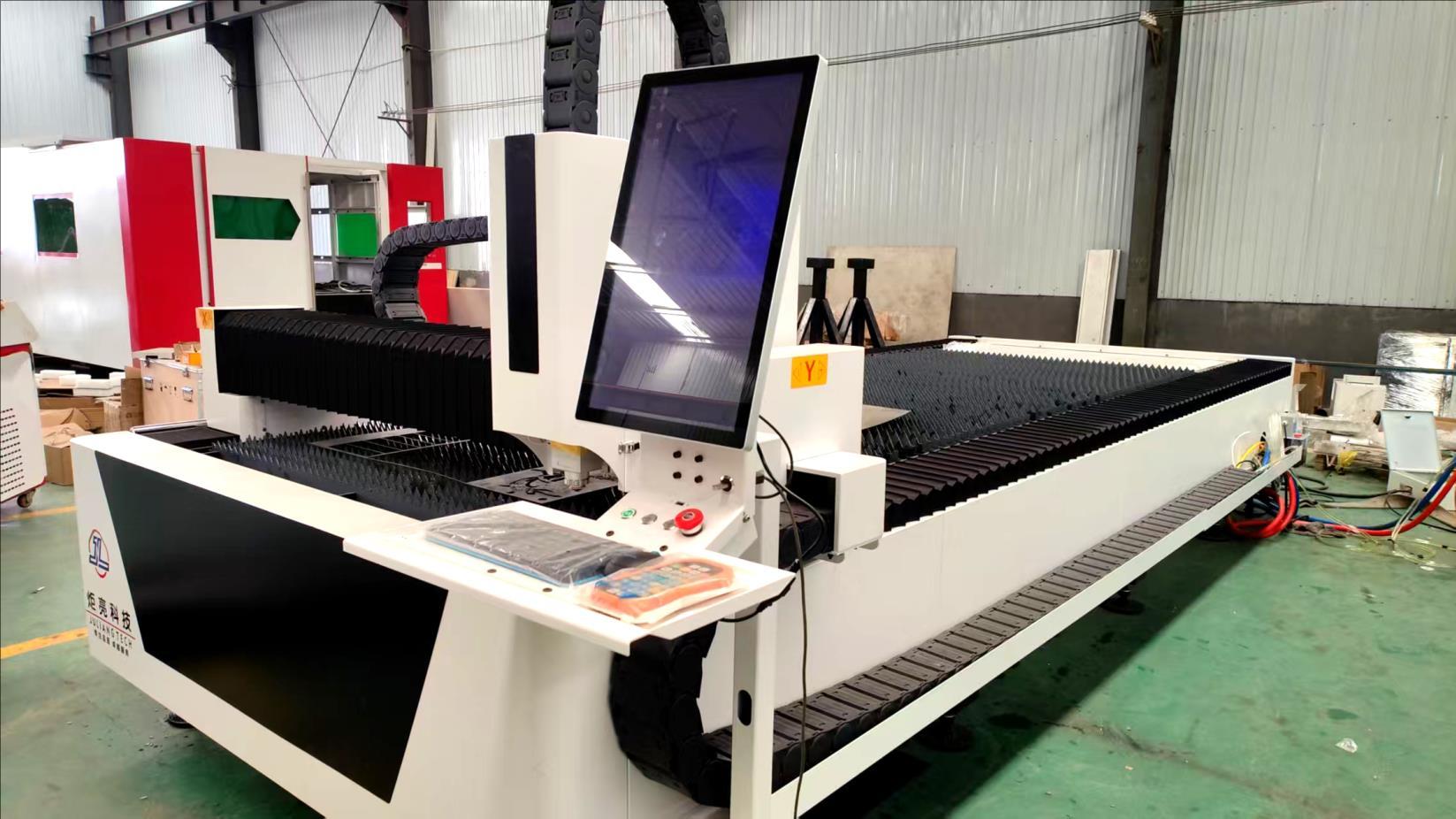
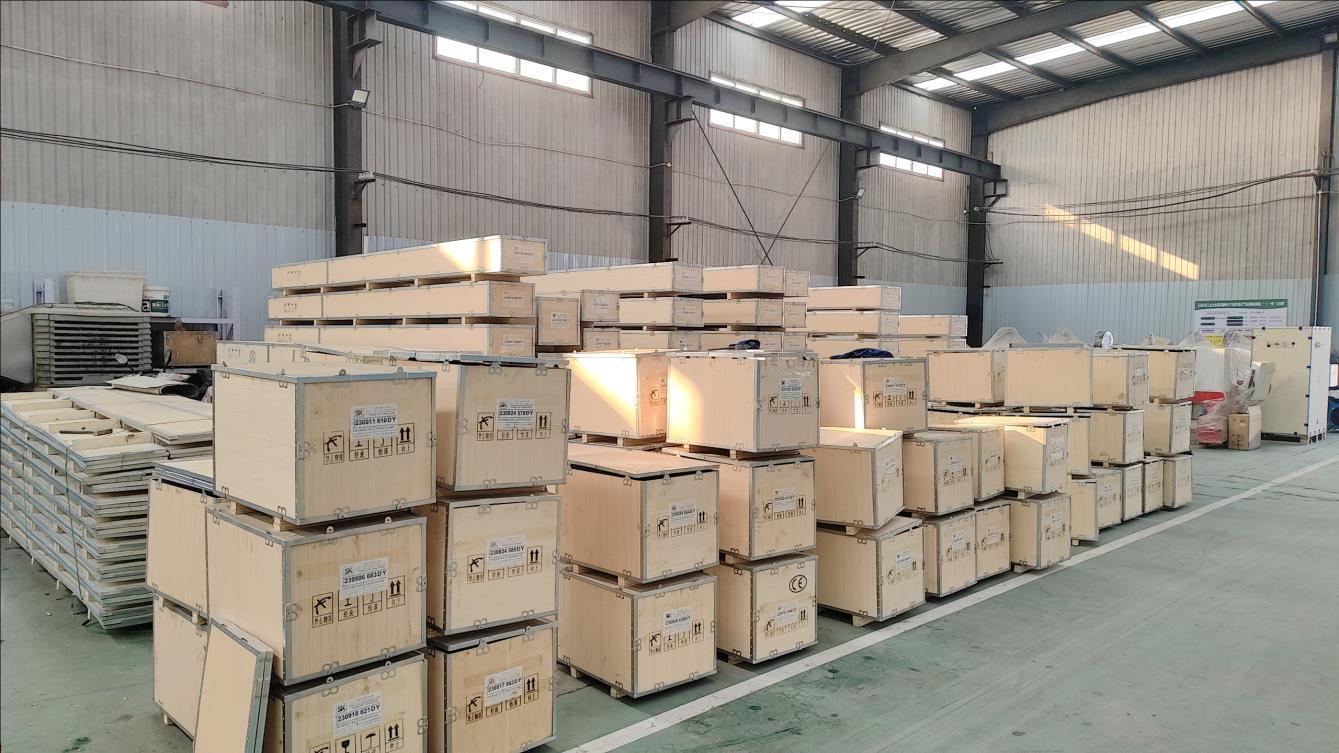
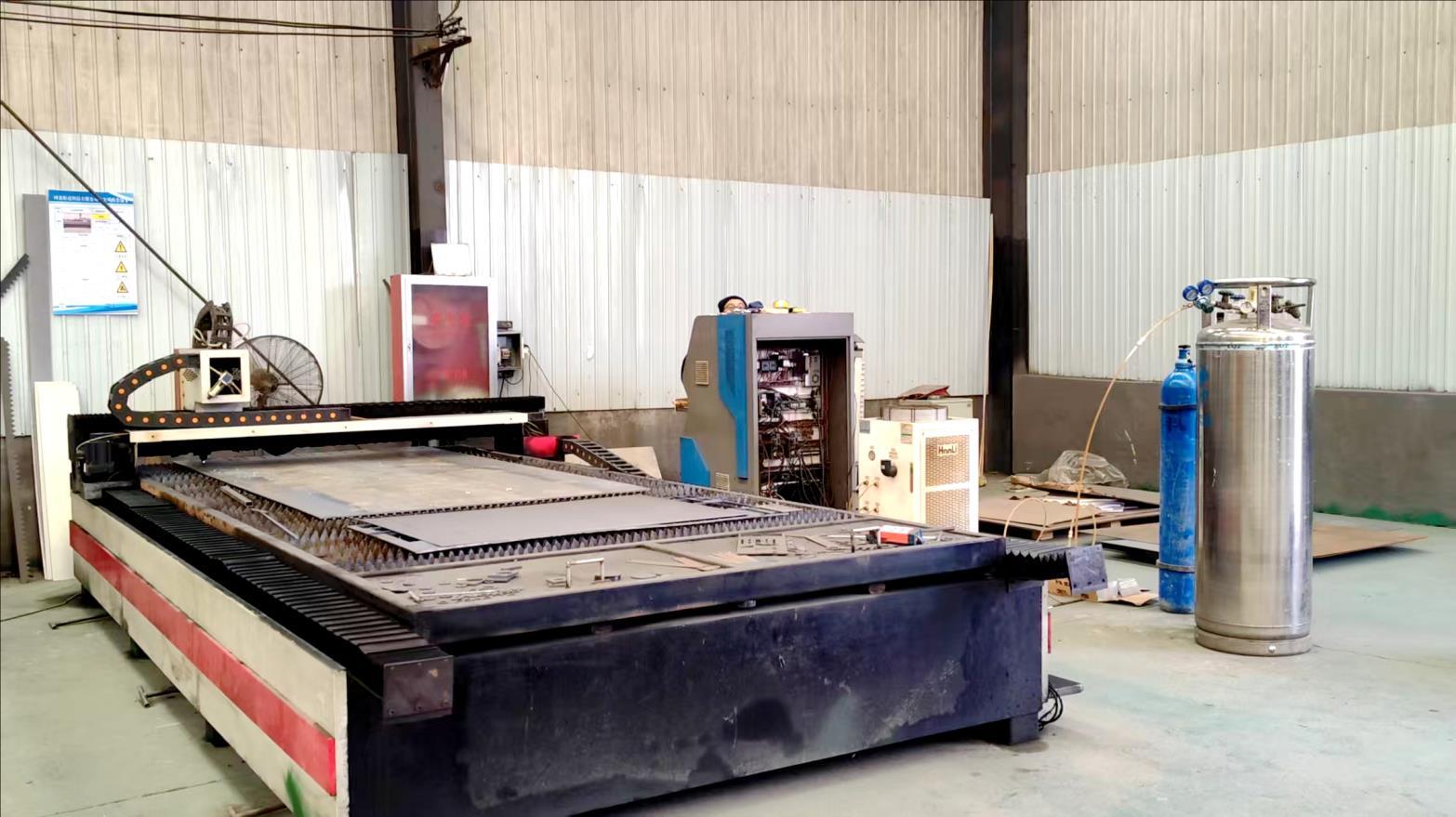
Every DentFix cutting tool is subjected to a strict, multi-step production protocol to guarantee absolute concentricity and edge toughness.
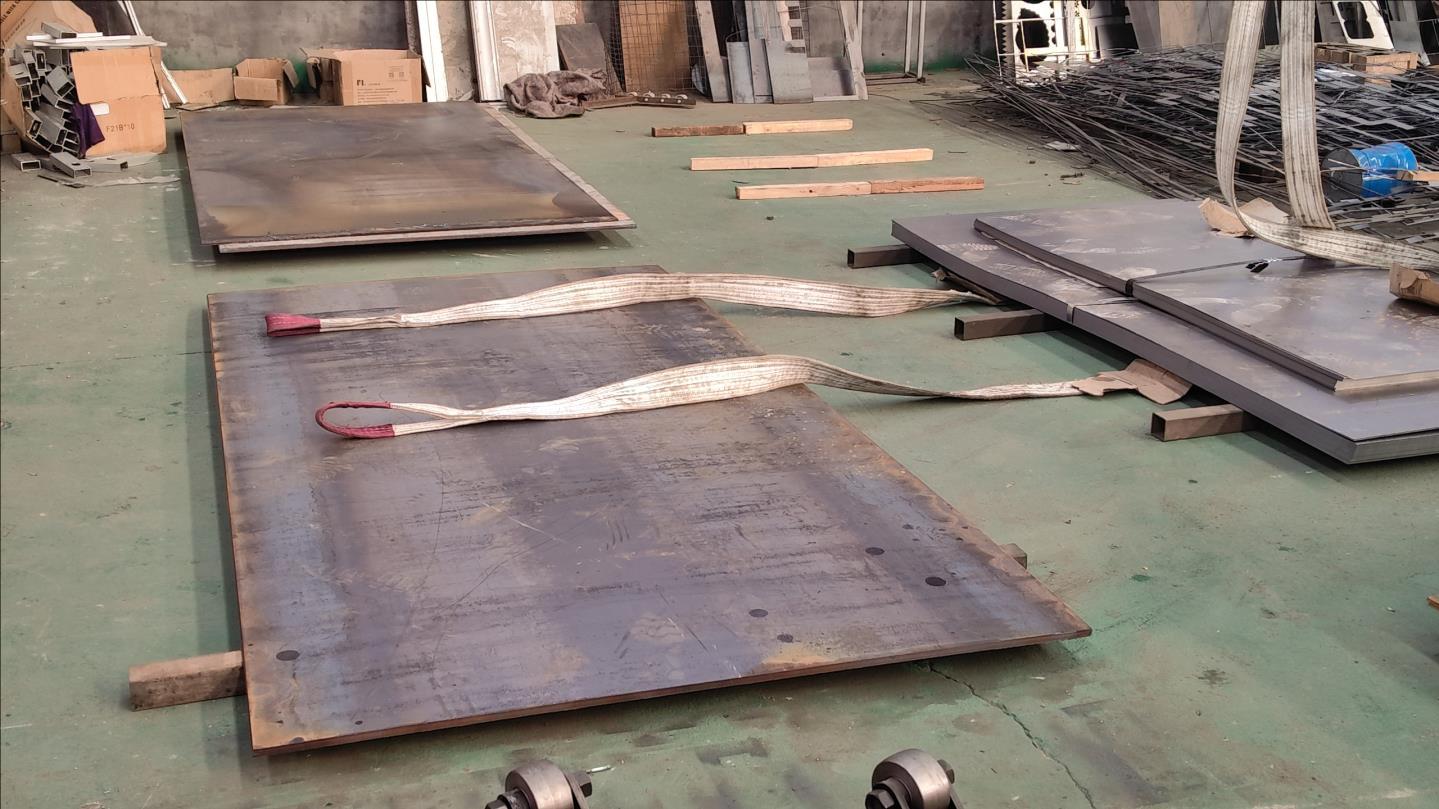
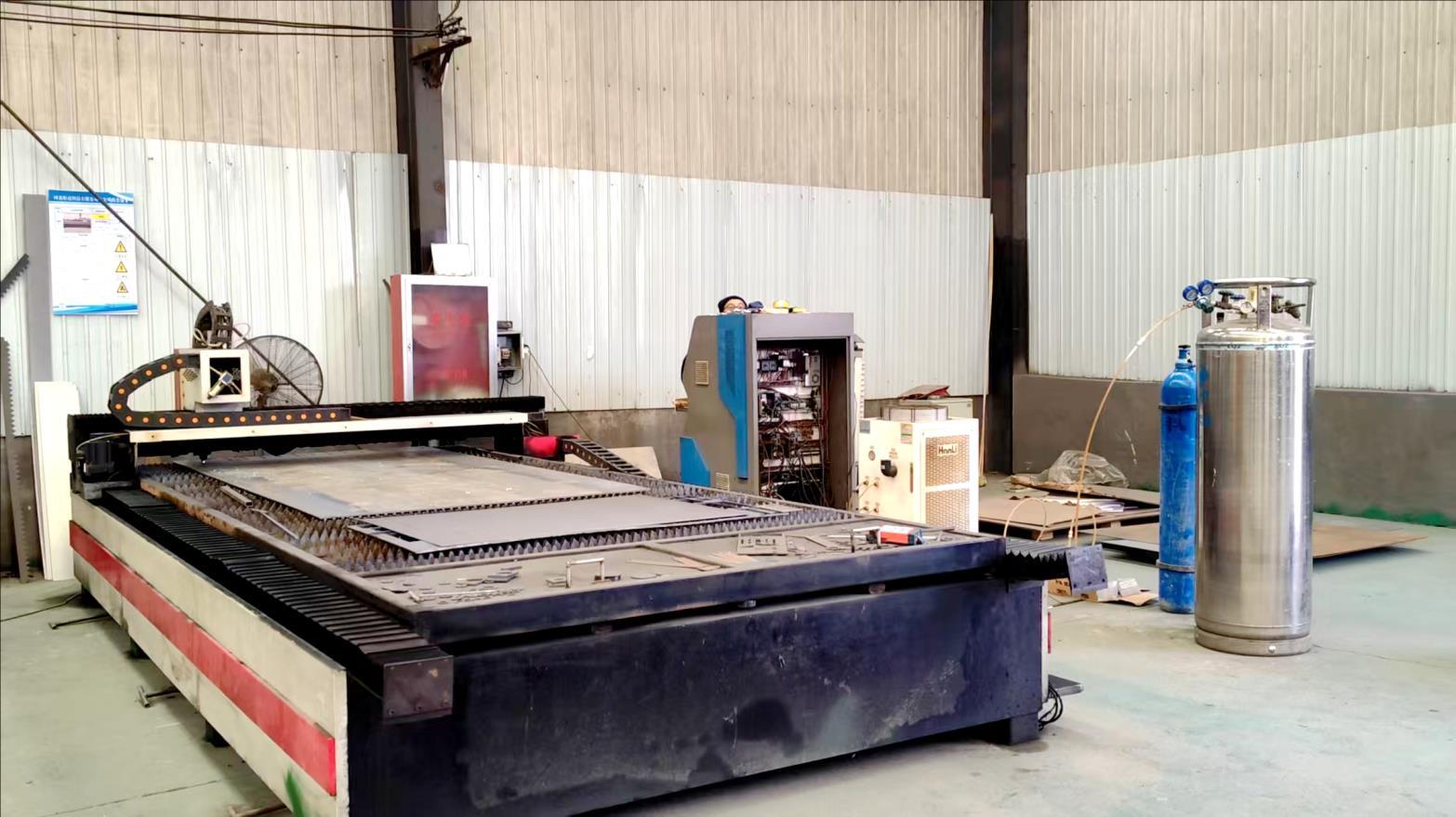
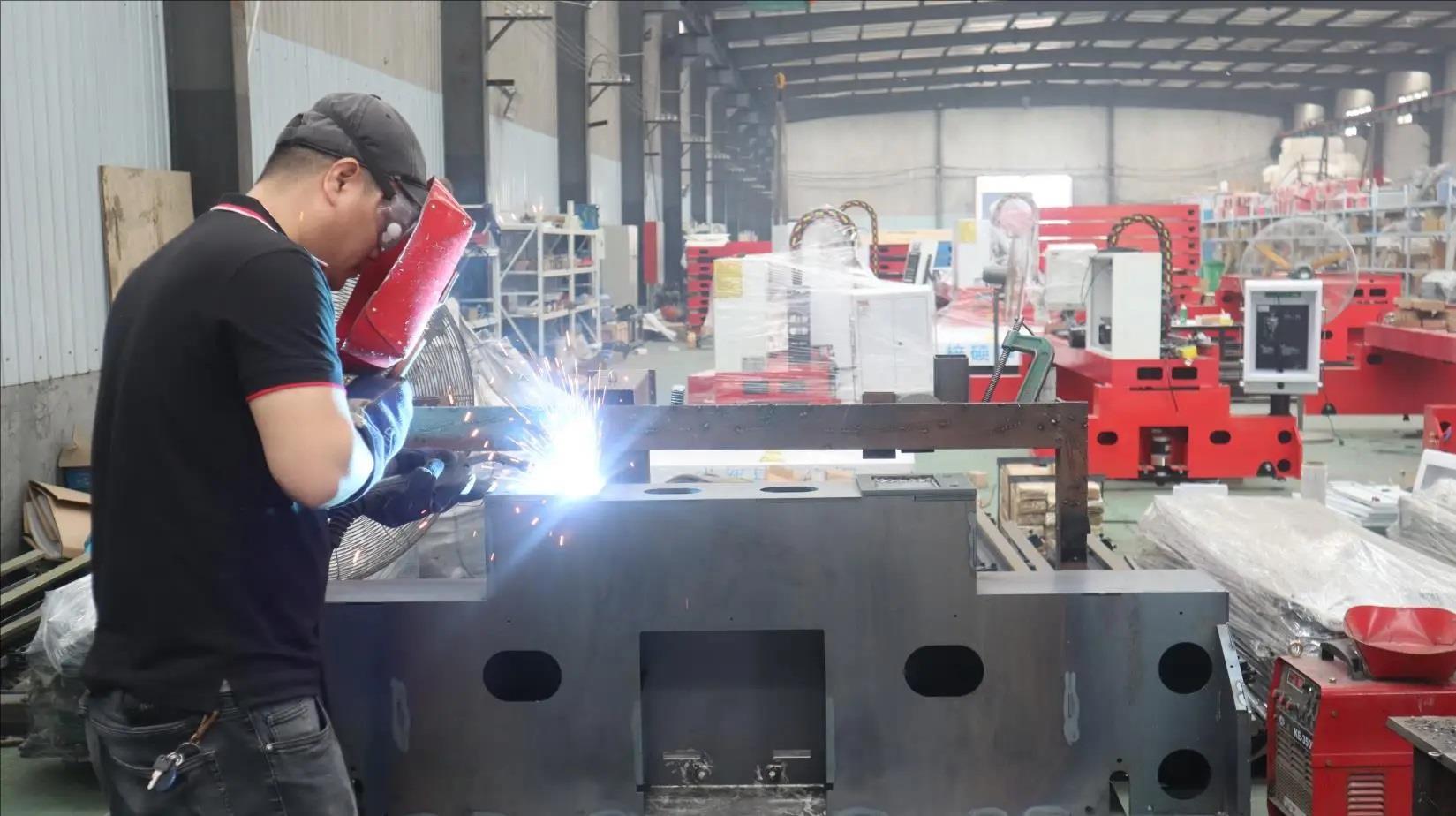
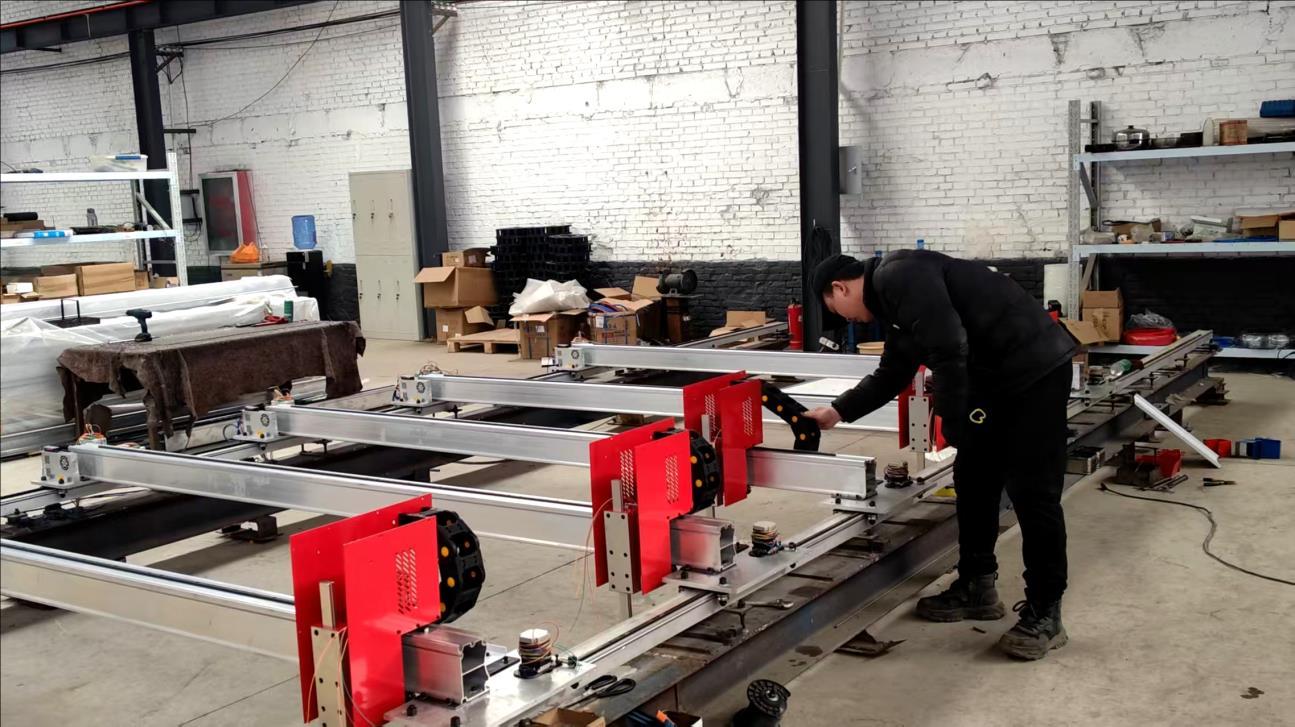
High-performance machining of non-ferrous materials requires tools designed specifically to prevent chip welding. Standard TiAlN or AlTiN coatings, while highly effective for steels, contain aluminum, which displays a strong chemical affinity to the workpiece itself. Under the heat and pressure of machining, this affinity leads to rapid alloy adhesion. To circumvent this, DentFix tools employ alternative physical vapor deposition (PVD) barrier coats, diamond-like carbon (DLC) films, or highly polished uncoated surfaces.
Our premium DLC coatings provide a micro-thin, amorphous carbon barrier with a coefficient of friction of less than 0.1. The extremely low friction reduces cutting temperatures, facilitates instantaneous chip flow, and prevents build-up on the rake face. With a surface hardness reaching up to 80 GPa, DLC coated tools outlast standard carbide counterparts in highly abrasive cast-aluminum alloys containing over 10% silicon.
For applications where coating tolerances cannot be compromised, our uncoated carbide cutters undergo a proprietary mechanical polishing process. By achieving a mirror-like finish on the rake and relief faces (roughness Ra < 0.1μm), raw chips flow over the cutting zone with zero mechanical resistance. Furthermore, our variable-helix geometries break up harmonic vibrations, allowing for deep axial cuts during slotting and pocketing operations without risk of chatter.
For specialized industrial applications, standard tool shapes may fall short of target cycle times. DentFix delivers comprehensive OEM/ODM customization services:
Aluminum machining requirements differ by industry. The structural components of passenger aircraft demand high-strength aerospace-grade aluminum alloys, while modern electric vehicle platforms rely heavily on lightweight cast components for battery trays and motor housings. Our tooling solutions are tailored to these distinct requirements, ensuring optimal cutting speed and surface finish.
In aerospace component manufacturing, massive raw aluminum blocks are frequently machined down to structural ribs, webs, and brackets where up to 90% of the raw material is converted into chips. This requires long end mills with excellent rigidity, vibration dampening, and deep flute pockets. DentFix tools maintain structural integrity under high radial loads, preventing flex and ensuring strict dimensional compliance with strict aviation tolerances.
EV structural casings require high-precision boring, threading, and milling across complex multi-axis configurations. The integration of high-speed machining (HSM) centers necessitates cutters that run smoothly at speeds up to 30,000 RPM. Our dynamic balancing processes verify that each cutter operates with minimal vibration, protecting spindle bearings and maximizing tool life.
Looking forward, the metalworking industry is shifting toward green manufacturing and minimal quantity lubrication (MQL). Standard flood coolant systems consume high quantities of energy and resources. DentFix is actively developing tools with optimized internal coolant channels that direct air and micro-lubricants directly to the cutting zone. This cooling mechanism preserves the tool edge, reduces heat, and enables dry-cutting of aluminum in eco-conscious facilities.
Technical advice and troubleshooting recommendations from our engineering team regarding high-speed aluminum cutting and CNC configurations.
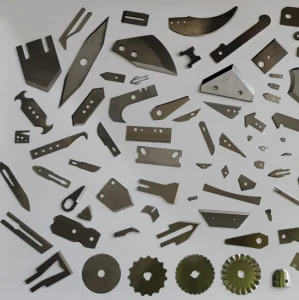
Select from our range of highly wear-resistant indexable inserts, custom blades, drills, and heavy duty workshop cutting accessories.
 DentFix Tool