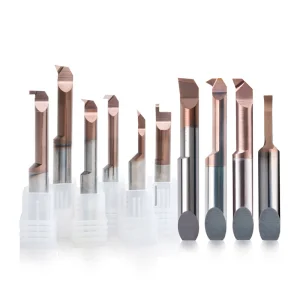
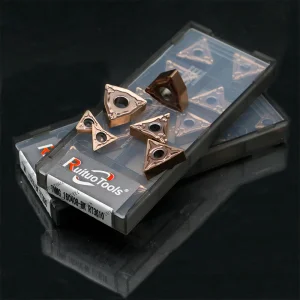
Browse our top-tier precision CNC components, carbide milling inserts, high-rigidity tool holders, and specialized machinery engineered for dynamic manufacturing operations.
Integration of sensorized fixtures, hydraulic zero-point clamping blocks, and pneumatically driven collets directly compatible with robotic arm autoloaders to sustain unmanned, lights-out shifts.
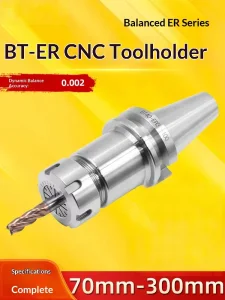
Maintaining runout tolerances below 0.002mm at high rotational velocities is standard for contemporary mold processing, preventing premature cutter wear and costly part scrap rates.
Replacing standard catalog items with tailor-made modular components that map directly to the work envelope of specified 5-axis vertical and horizontal machining centers.
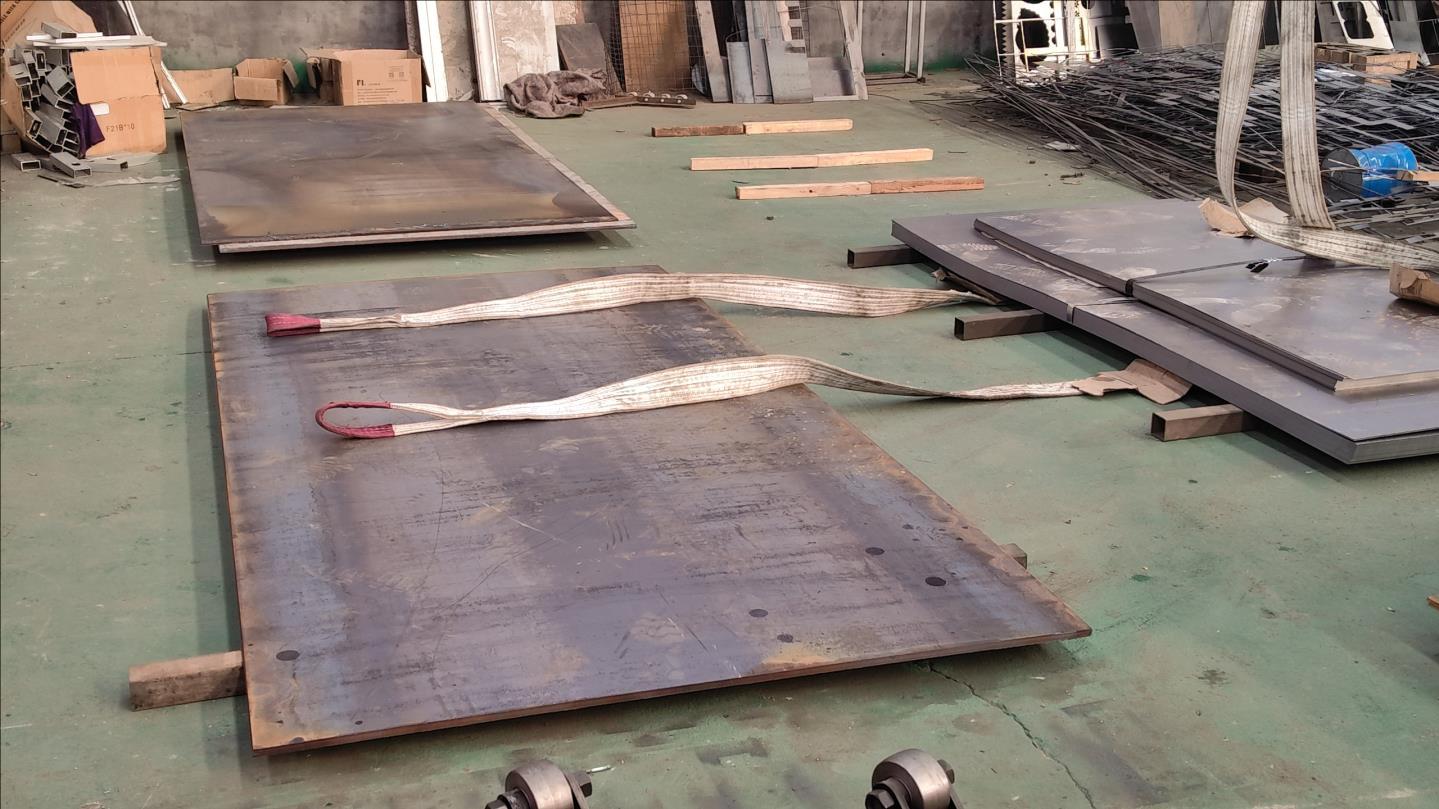
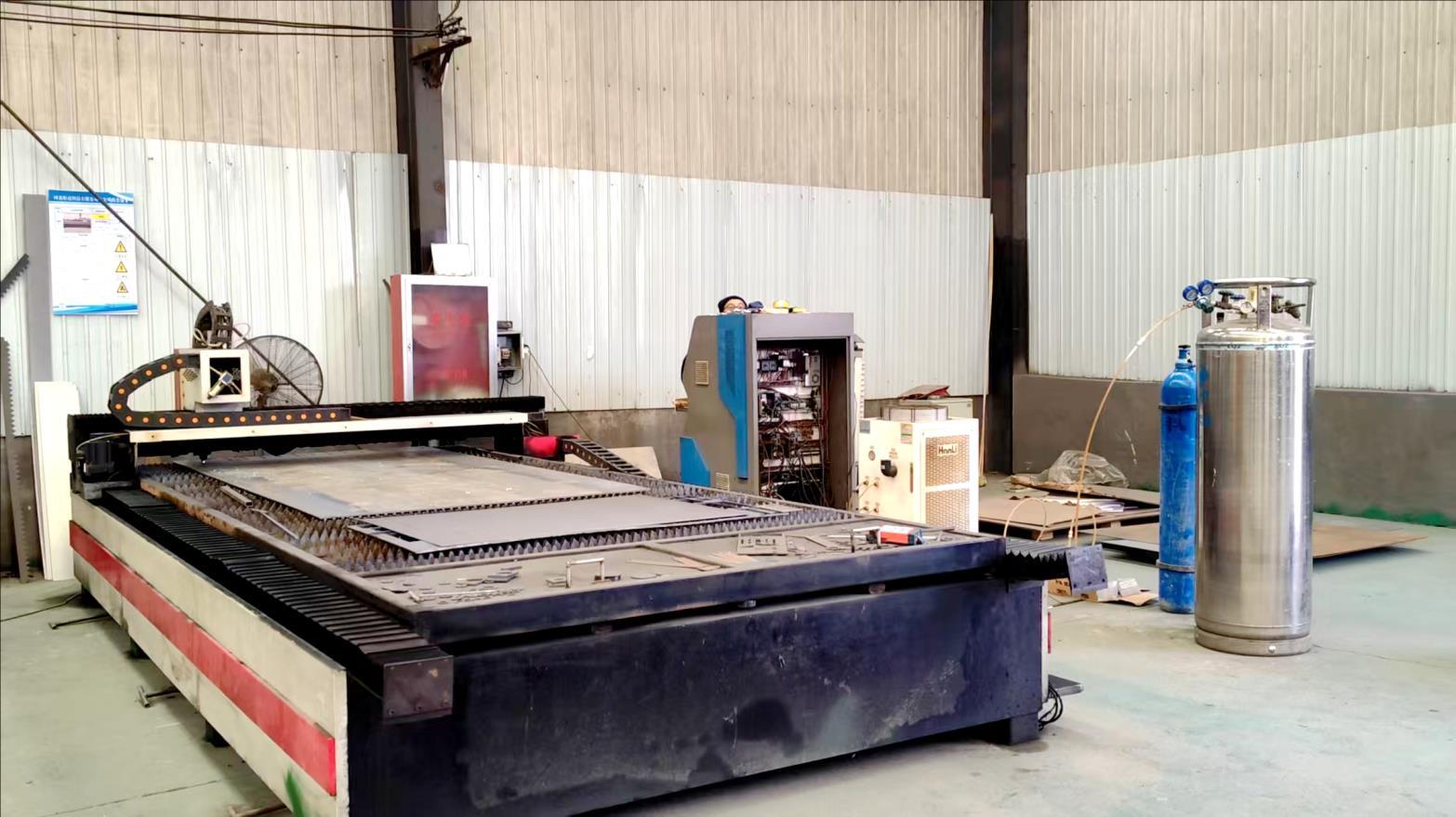
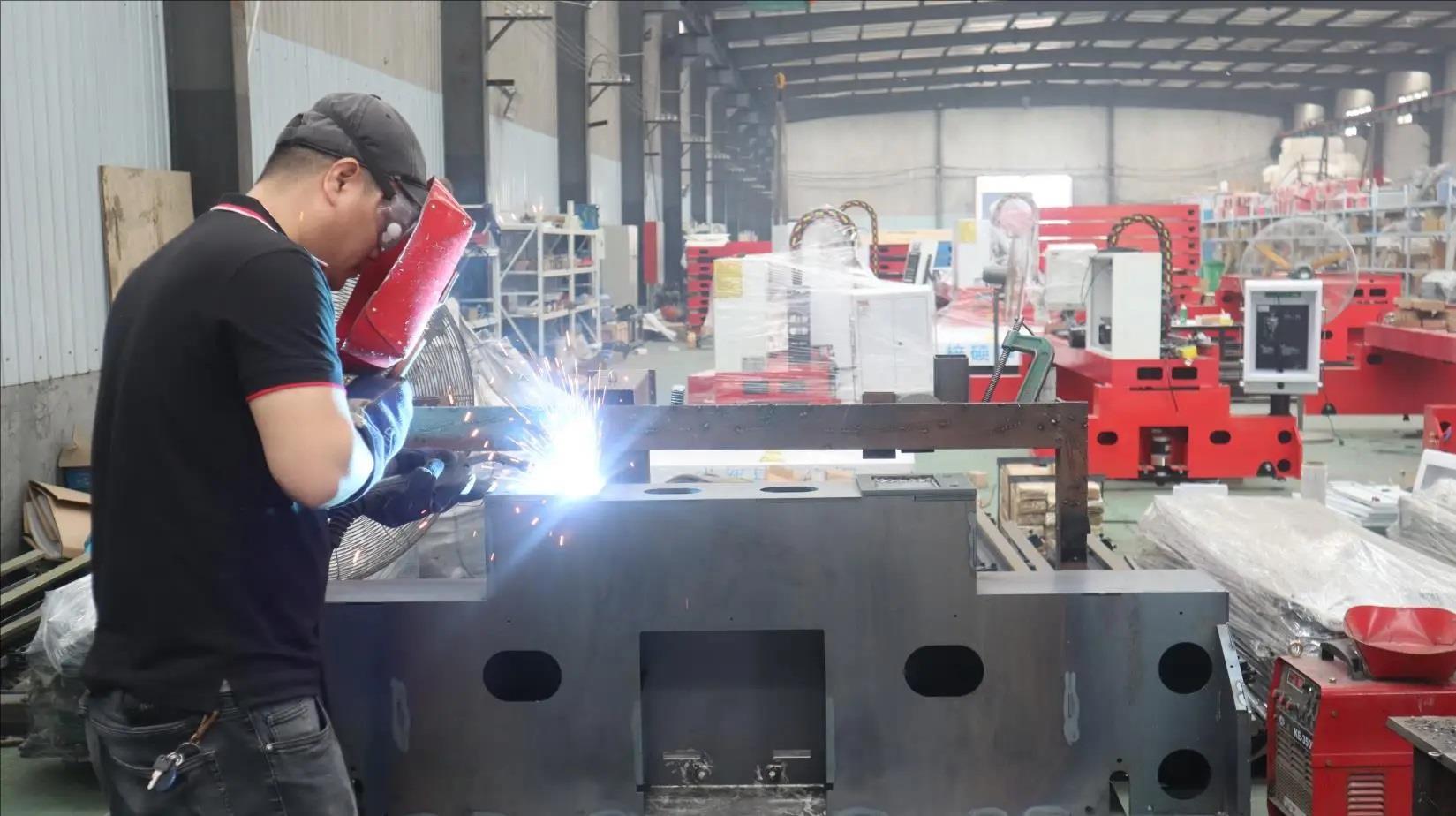
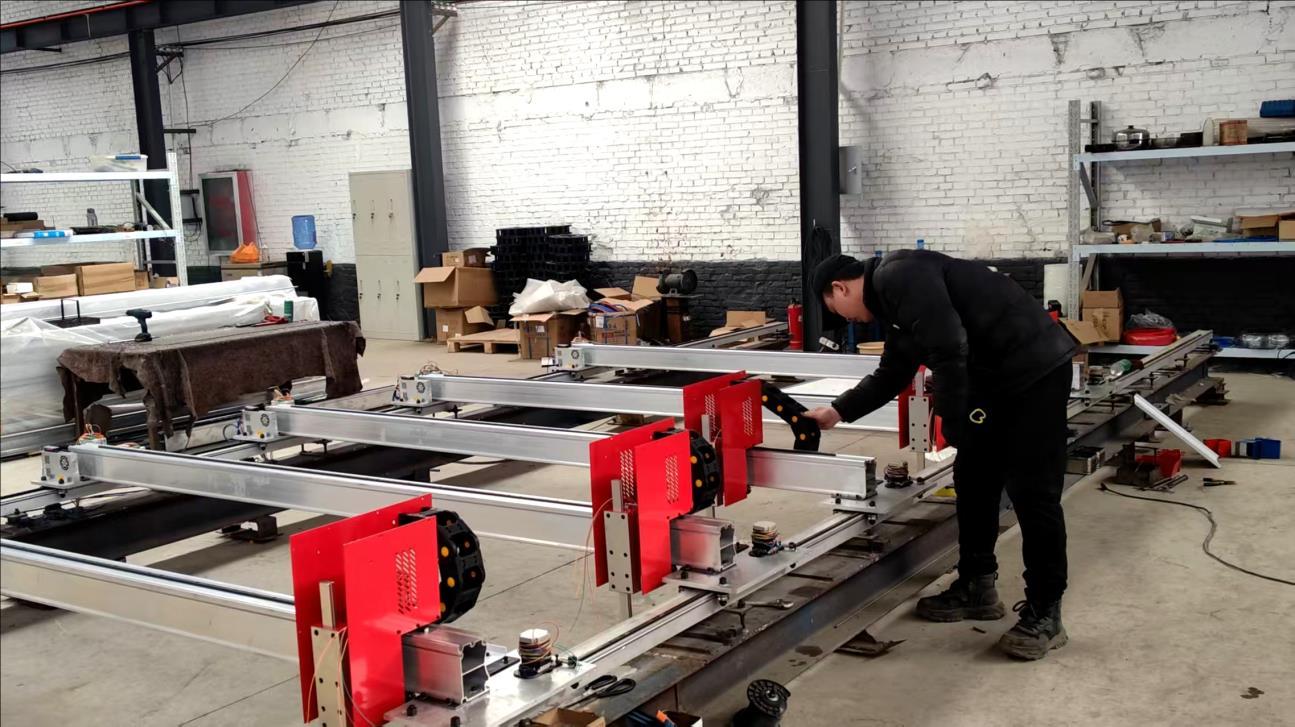
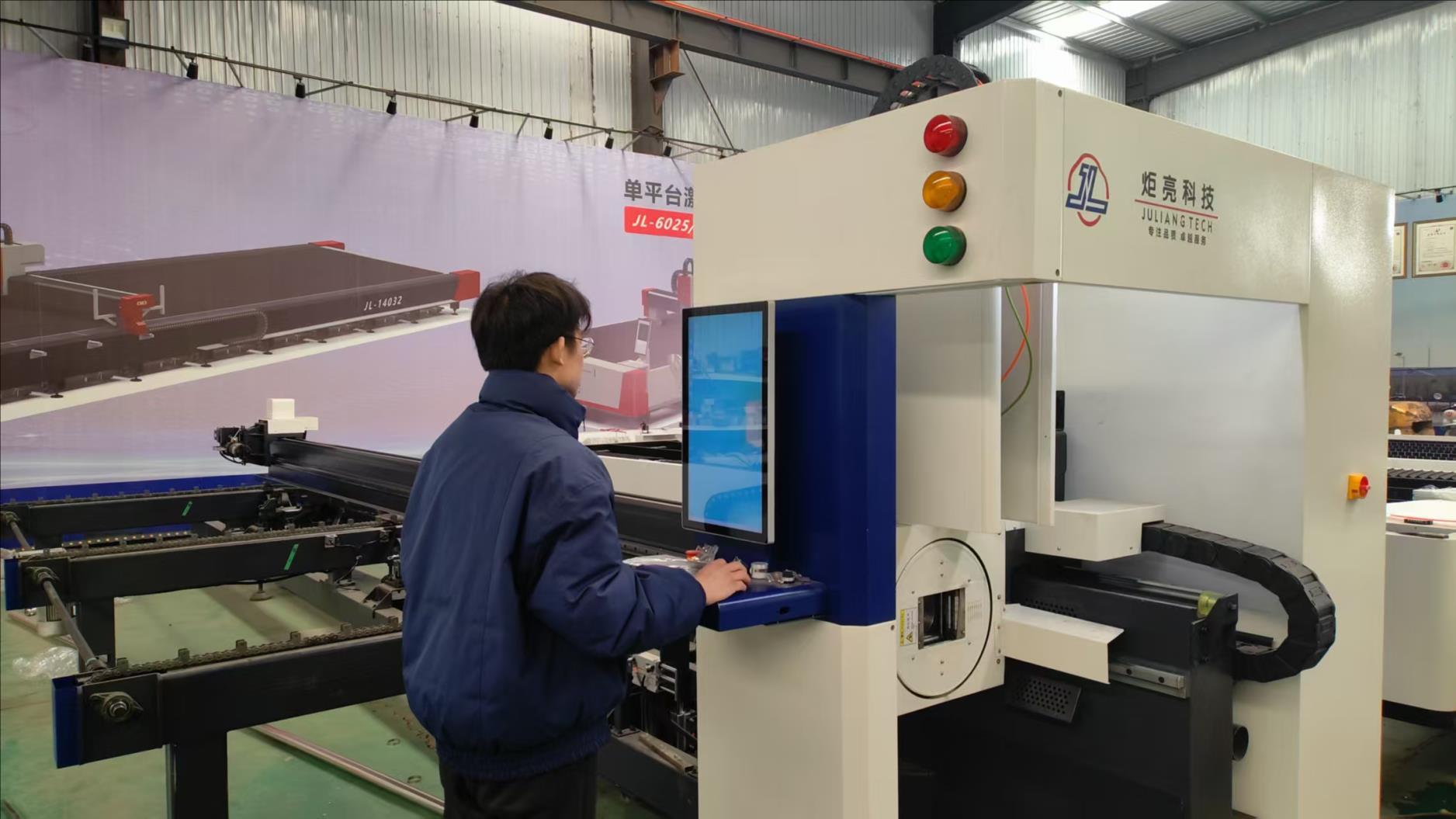
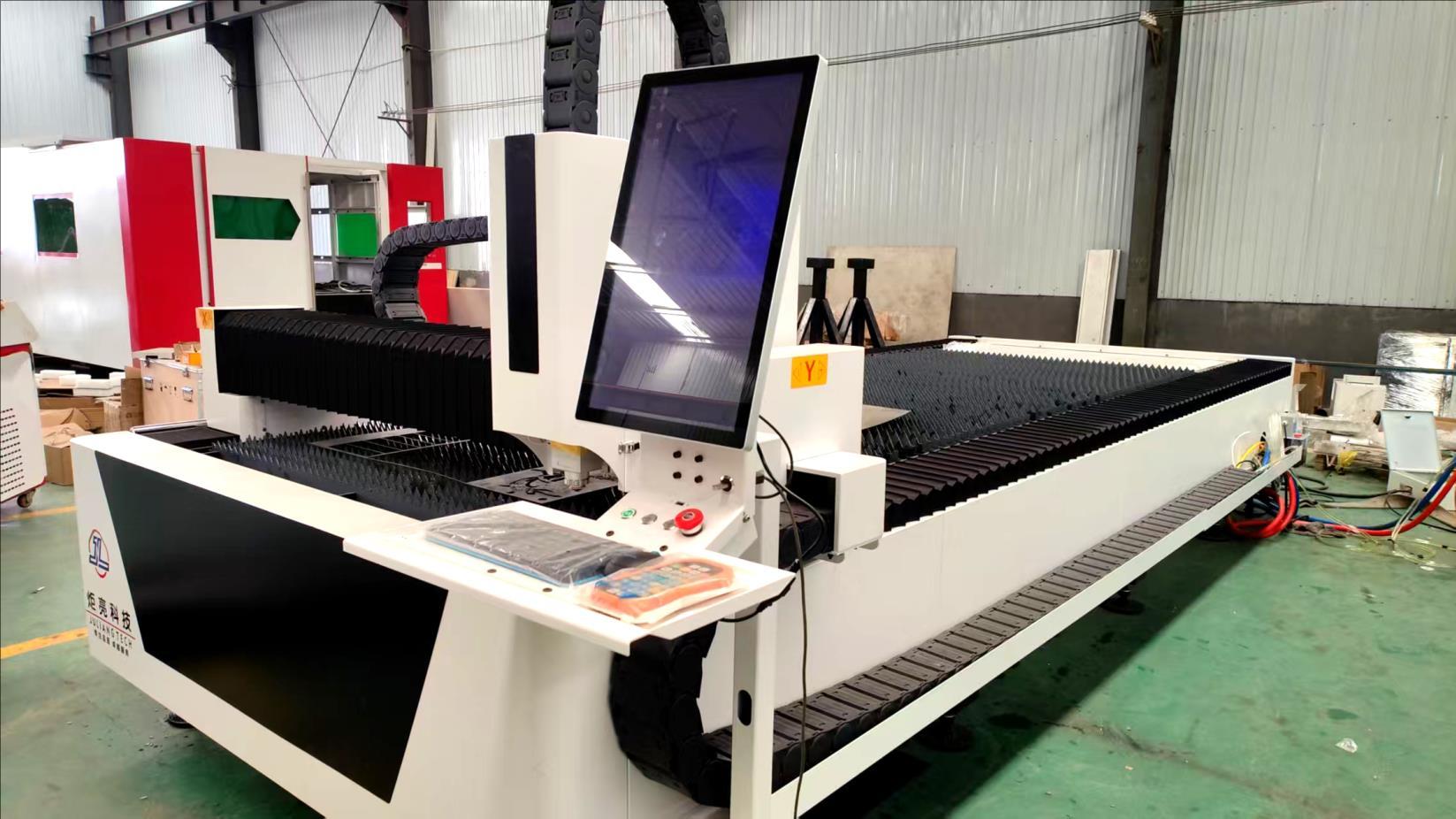
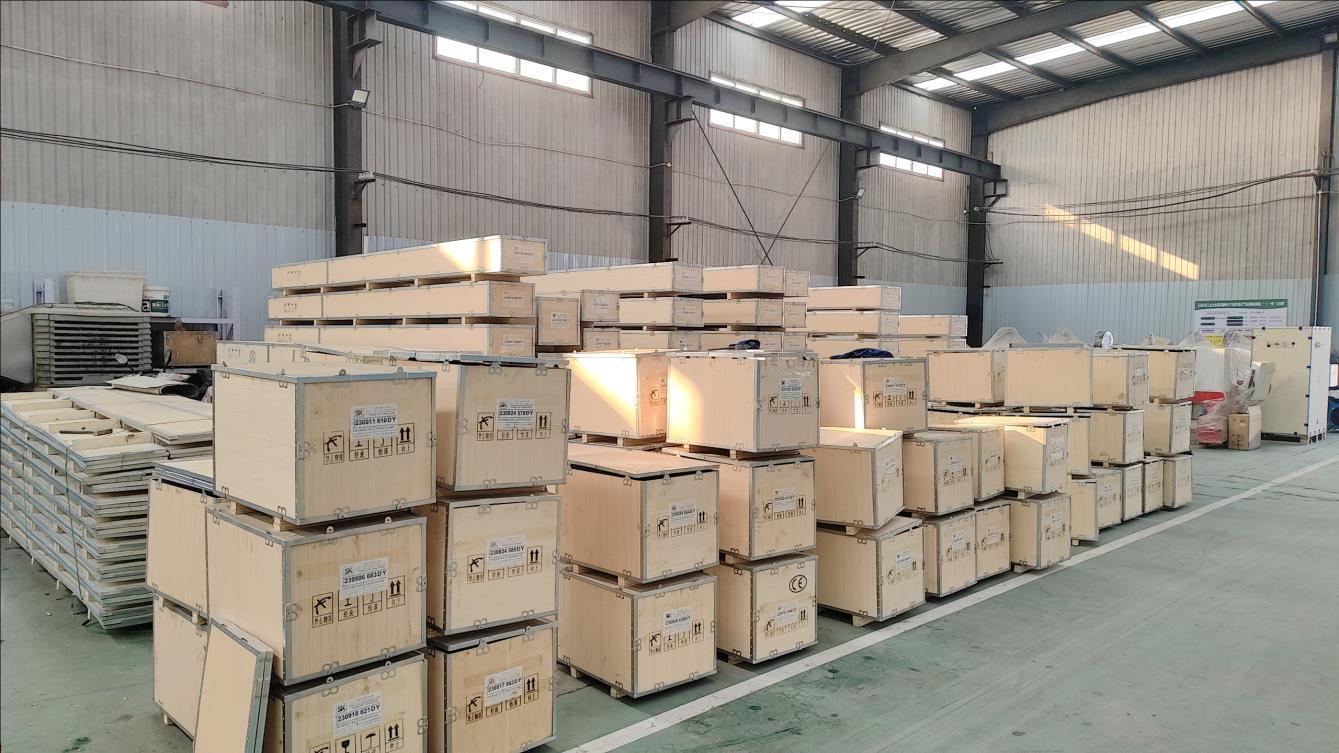
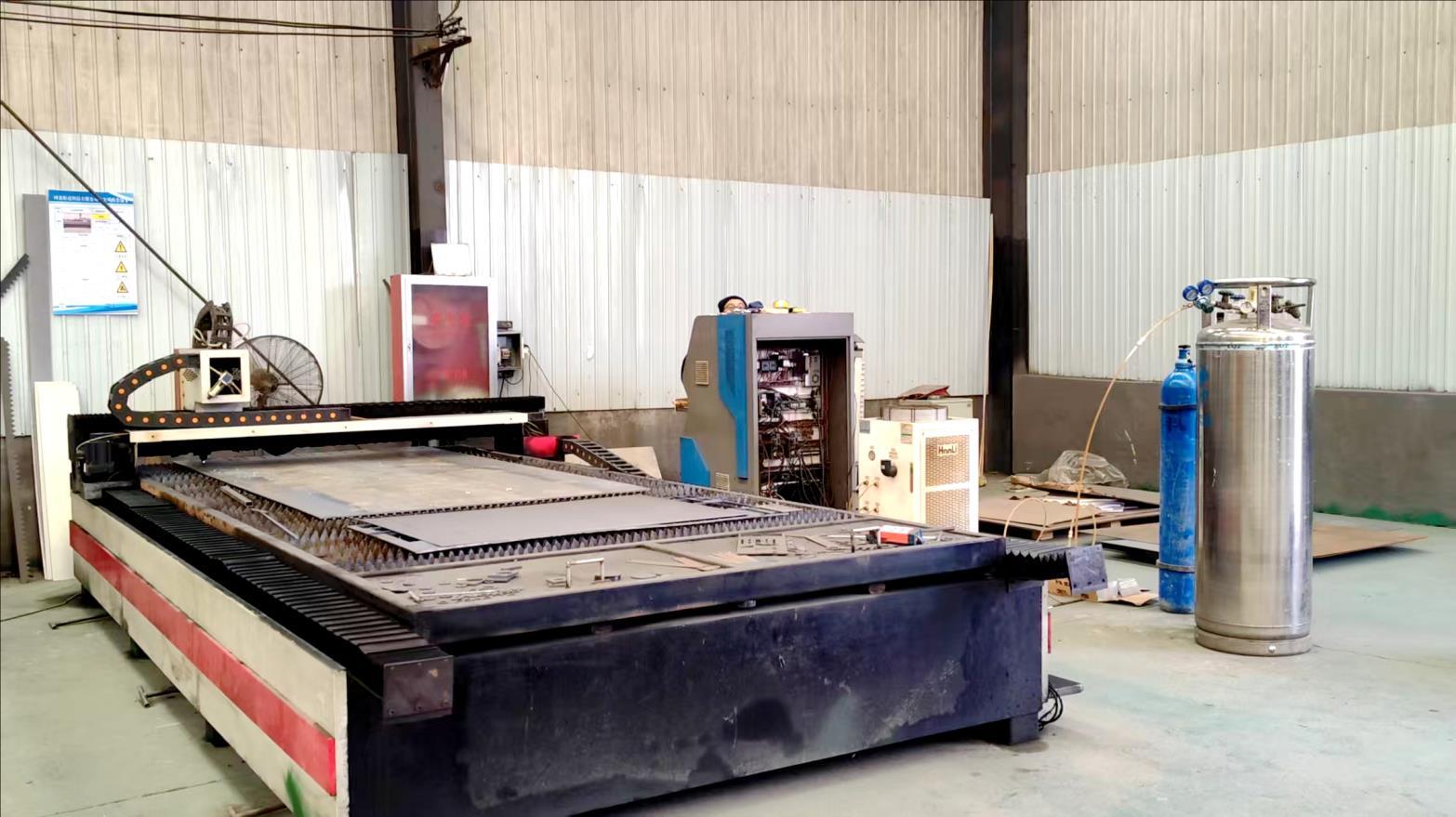
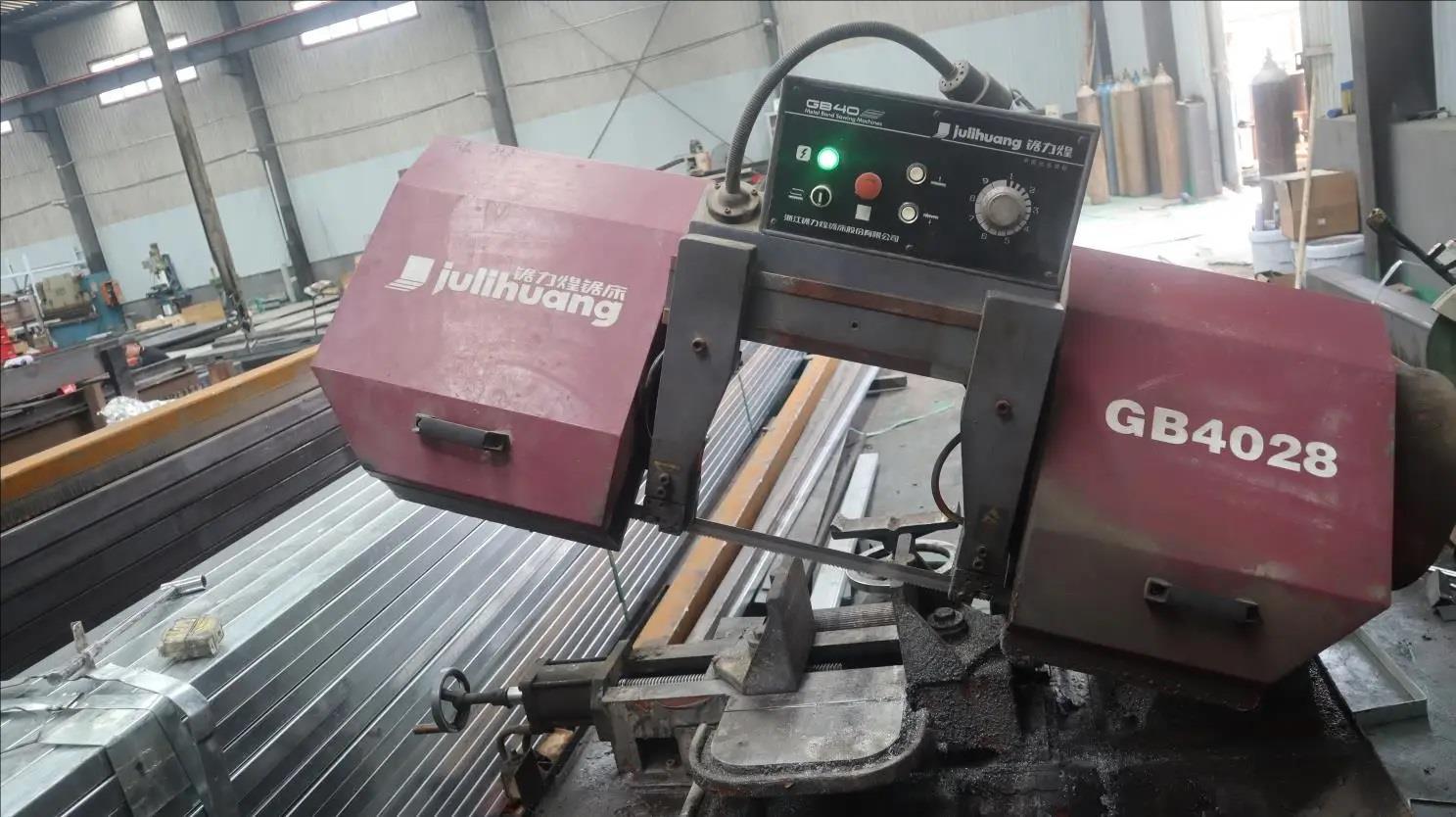
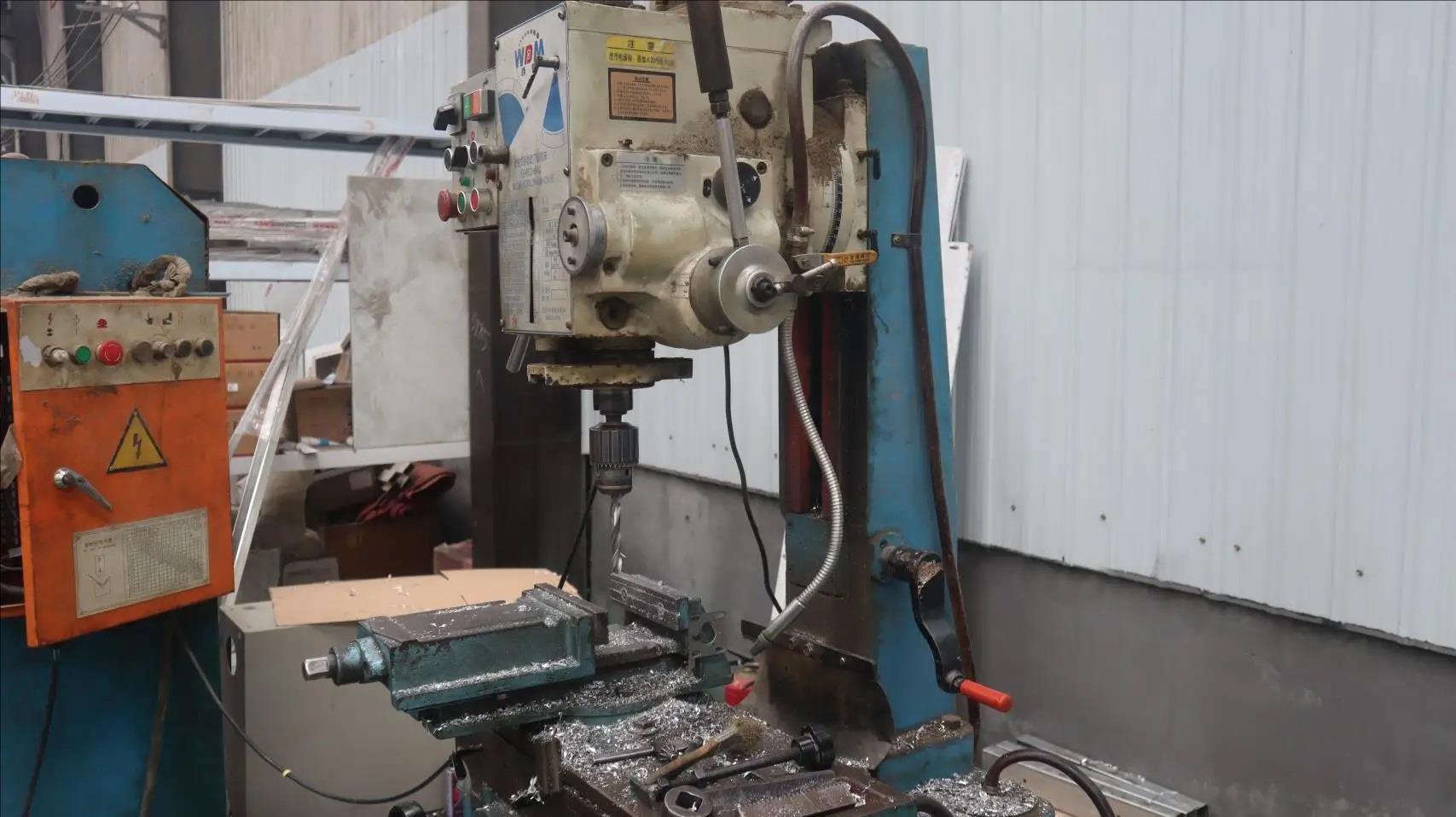
From premium metallurgy raw materials to finished products, our integrated facility employs automated machinery and certified quality checkpoints to assure high structural integrity.
In European and American engine component production lines, our BT40 and BT50 ER Collet Chucks run in highly repetitive, automated operations. High dynamic stability ensures that critical bore tolerances for engine blocks remain within sub-micron ranges during long shifts, reducing downtime and maintenance.
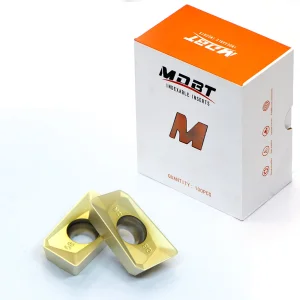
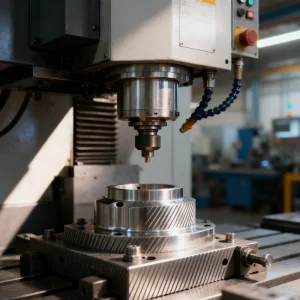
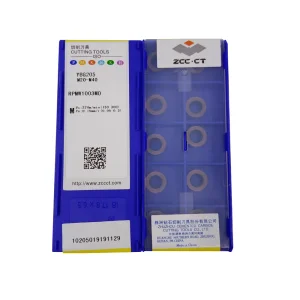
Machining tough titanium alloys like Ti-6Al-4V generates high heat and cutting forces. Our indexable milling cutter inserts and heavy-duty tool holders feature advanced heat dissipation geometries. This helps absorb vibrations and prevents workpiece deformation during high-depth pocket milling.
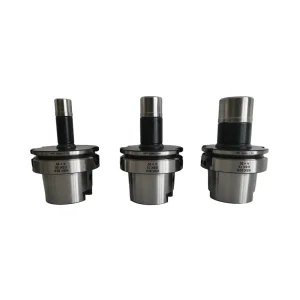
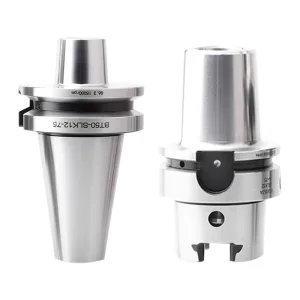
For high-accuracy plastic injection molds, our HSK63A and HSK63F collet tool holders deliver high dimensional consistency. The balanced system ensures clean surface finishes, minimizing manual polishing times and shortening delivery lead times for precision mold manufacturing.
As global manufacturing moves toward automation and intelligent feedback loops, DentFix continuously updates its engineering roadmap to support advanced processing environments.
Embedding pressure sensors, thermal couples, and RFID chips into custom fixture assemblies. This enables real-time tracking of clamping force variations and temperature changes during high-velocity milling, preventing part slippage and helping operators monitor tool wear before failure occurs.
Using metal 3D printing (Direct Metal Laser Sintering) to build lightweight, high-strength clamping jaws with internal conformal cooling channels. This technology improves thermal management in hard-metal milling and helps prevent thermal distortion in high-precision workpieces.
Combining high-rigidity structural steel with carbon-fiber reinforced polymers (CFRP) to reduce structural weight. This weight reduction allows robotic loading arms to cycle faster and improves damping properties, helping suppress harmonic resonance in thin-walled workpiece designs.
Runout accuracy is critical for extending cutting tool life. When runout exceeds 0.005mm, the load distribution across the cutter's flutes becomes uneven. This causes one edge to take a larger chip load, leading to rapid micro-chipping, poor surface finish, and premature tool failure. Our BT40 and BT30 ER tool holders maintain runout under 0.002mm, which balances the cutting force across all flutes and helps maximize cutter service life.
Standard workholding tools often require compromise on reach, clearances, or clamping forces, which can increase vibration and cycles. Custom OEM designs are built to match the specific geometry of your workpiece and the exact envelope of your CNC machine. This reduces setup times, improves rigidity, allows for optimized tool paths, and enables higher metal removal rates (MRR) without chatter.
At speeds above 10,000 RPM, any slight mass asymmetry in the tool holder creates centrifugal force that grows exponentially with speed. This imbalance causes spindle vibration, wears out spindle bearings, and leaves chatter marks on the workpiece. Dynamic balancing to G2.5 at 25,000 RPM ensures steady operation, preserves spindle integrity, and supports clean surface finishes.
We use a multi-stage quality control process: checking raw materials for purity, verifying dimensions after cutting and rough machining, inspecting critical surfaces after heat treatment, and measuring runout and balance on advanced inspection machines. Every batch is traceable, and we keep test data on file to ensure consistent performance for all exported products.
We apply a range of advanced PVD and CVD coatings, including Titanium Aluminum Nitride (TiAlN) for general steel and cast iron, Diamond-Like Carbon (DLC) for non-ferrous metals and aluminum, and multi-layer AlTiN for high-temp alloys. These coatings act as thermal barriers, reducing heat transfer into the carbide substrate and improving tool life under dry-cutting conditions.
For standard customized configurations, engineering designs are finalized within 3 to 5 business days. Once drawings are approved, manufacturing, heat treatment, precision grinding, and final balancing take between 15 and 25 days, depending on geometry complexity. We coordinate logistics closely to ensure reliable, on-time delivery.
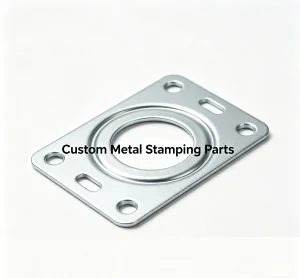
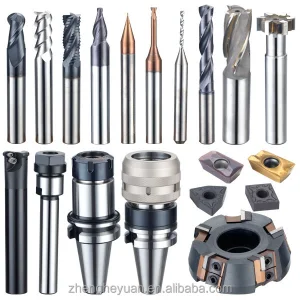
From custom sheet metal fabrication to specialized high-speed tool holders and indexable milling inserts, explore our complete inventory of industrial manufacturing components.
 DentFix Tool