Engineered to meet the exact tolerances required by high-speed CNC machinery across global manufacturing lines.
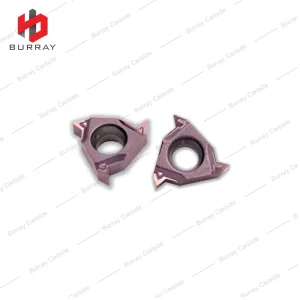
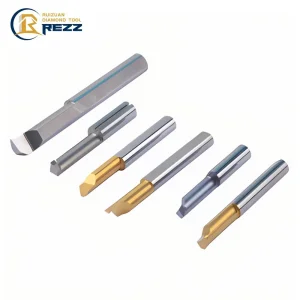
Analyzing structural innovations, powder metallurgy advances, and machining demands shaping the modern subtractive tooling market.
Modern CNC tool inserts rely on micro-grain and sub-micron tungsten carbide (WC) substrates paired with optimized cobalt binders. Lowering binder phase content increases hardness and thermal resistance, vital for titanium alloys. High-cobalt structures enhance shock absorption for interrupted cuts, guaranteeing stability under heavy-duty loads.
PVD (Physical Vapor Deposition) coatings like AlCrSiN and TiAlN protect tooling margins from abrasive and adhesive wear. Under high cutting speeds, these multi-layered nanostructured coatings form a thermal barrier oxide layer, preventing heat from penetrating the substrate and reducing tool degradation.
Proper chip evacuation prevents work hardening and tool failure. Custom CAD-modeled chipbreaker profiles deform and fracture metal chips at controlled intervals. Modern geometries accommodate varied feed rates and depths of cut, ensuring smooth operations in automated manufacturing environments.
Insights on high-feed tooling, sustainable machining, and digital twin physical-model designs.
The manufacturing sector is shifting toward ultra-precision machining, driving the demand for specialized, high-performance OEM tooling. Standard catalog options often fall short when working with complex alloys, high-hardened tool steels, or composite aerospace components. Custom-engineered geometries are essential to maximize Material Removal Rates (MRR) while extending tool life.
High-precision micro-machining requires cutting edges with sub-micron dimensions. Using advanced powder metallurgical systems, manufacturers can produce grain sizes smaller than 0.5 microns. This micro-grain structure increases wear resistance and edge strength, preventing micro-chipping in materials like medical-grade titanium and PCB fiberglass composites.
Coolant consumption is a major operational cost and environmental concern in modern metalworking. The industry is moving toward Minimum Quantity Lubrication (MQL) and dry machining. Achieving these dry runs requires inserts with low friction coefficients, high thermal stability, and thermal barrier coatings. Modern CVD alumina (Al2O3) and PVD silicon-doped coatings allow inserts to function without coolant, cutting overhead and emissions.
Dimensional consistency is crucial for high-speed automated insert changes. Using advanced CNC powder presses and high-pressure Hot Isostatic Pressing (HIP) ovens ensures zero internal porosity. Eliminating microscopic air pockets prevents catastrophic fracturing, securing process security during lights-out manufacturing operations.
Your Trusted Strategic OEM Partner in Premium Carbide Inserts & Precision CNC Tooling Solutions
We continually invest in proprietary powder formulas, binder alloys, and nano-coatings to meet the demands of aerospace, automotive, and heavy machinery industries.
From raw powder testing to multi-axis grinding, dynamic balancing, and laser marking, we control the entire process to guarantee quality and traceability.
Using advanced metrology systems, optical comparators, and performance test lathes, we keep dimensional deviations below ±0.002mm.
Take a look inside Zhejiang DentFix's manufacturing facility, highlighting our equipment and quality-first workflows.
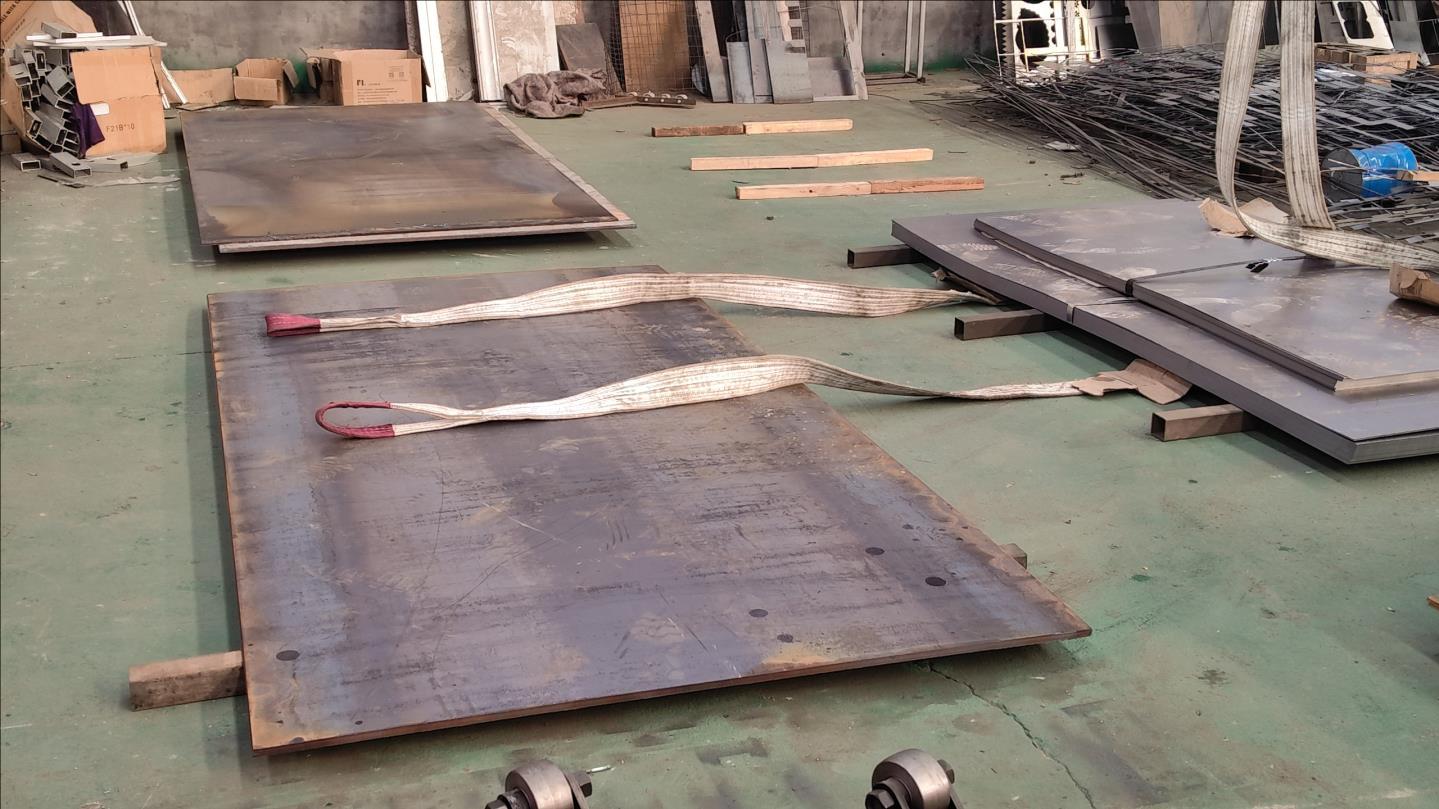
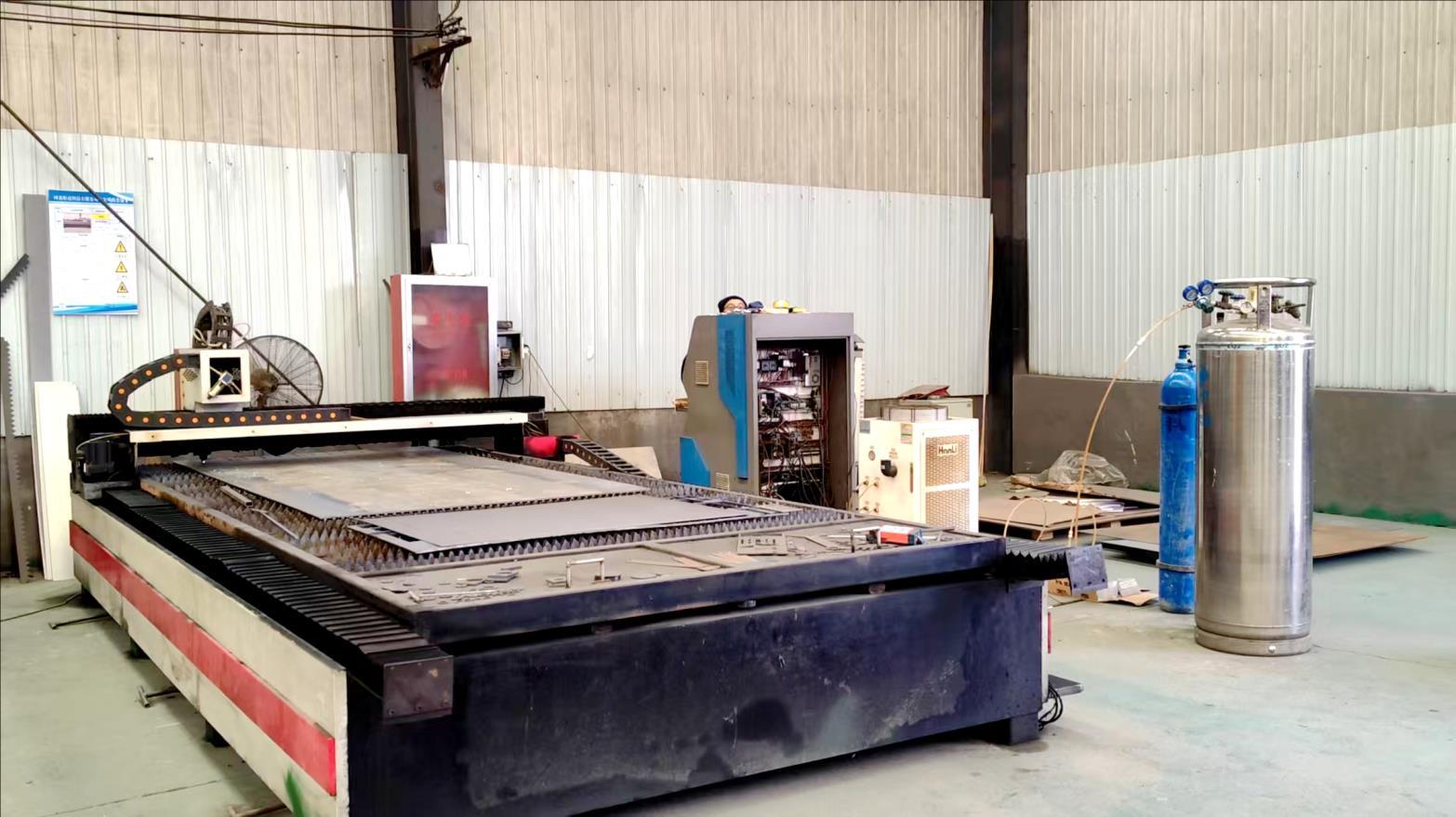
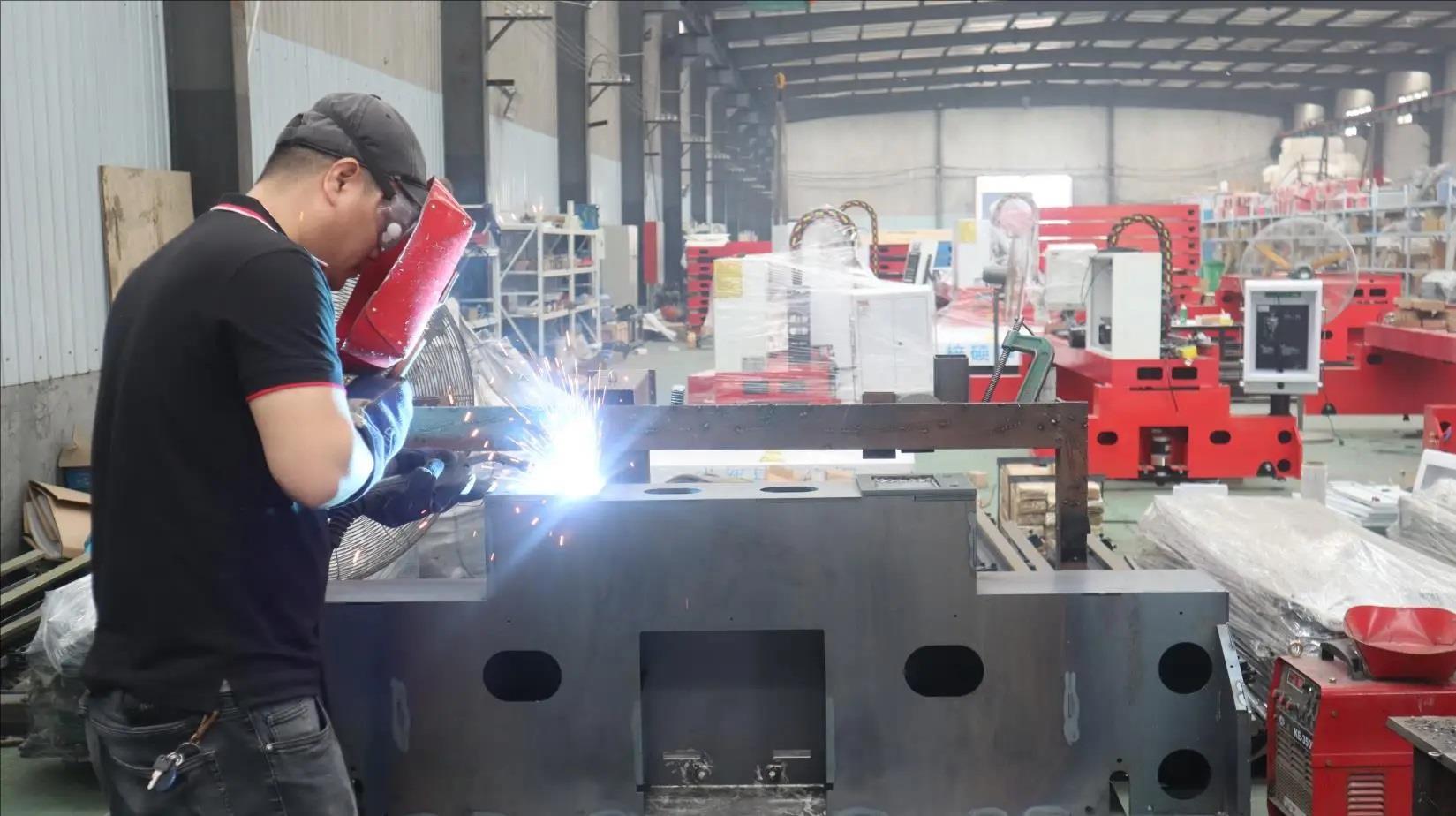
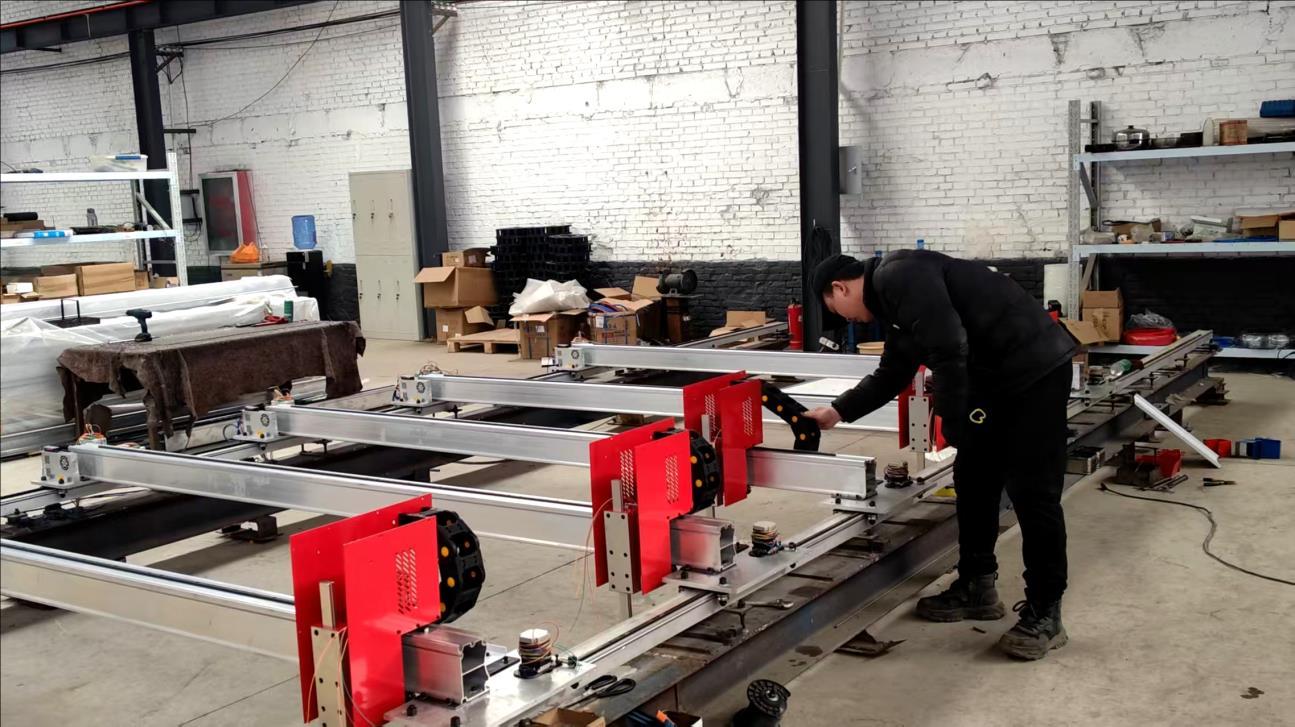
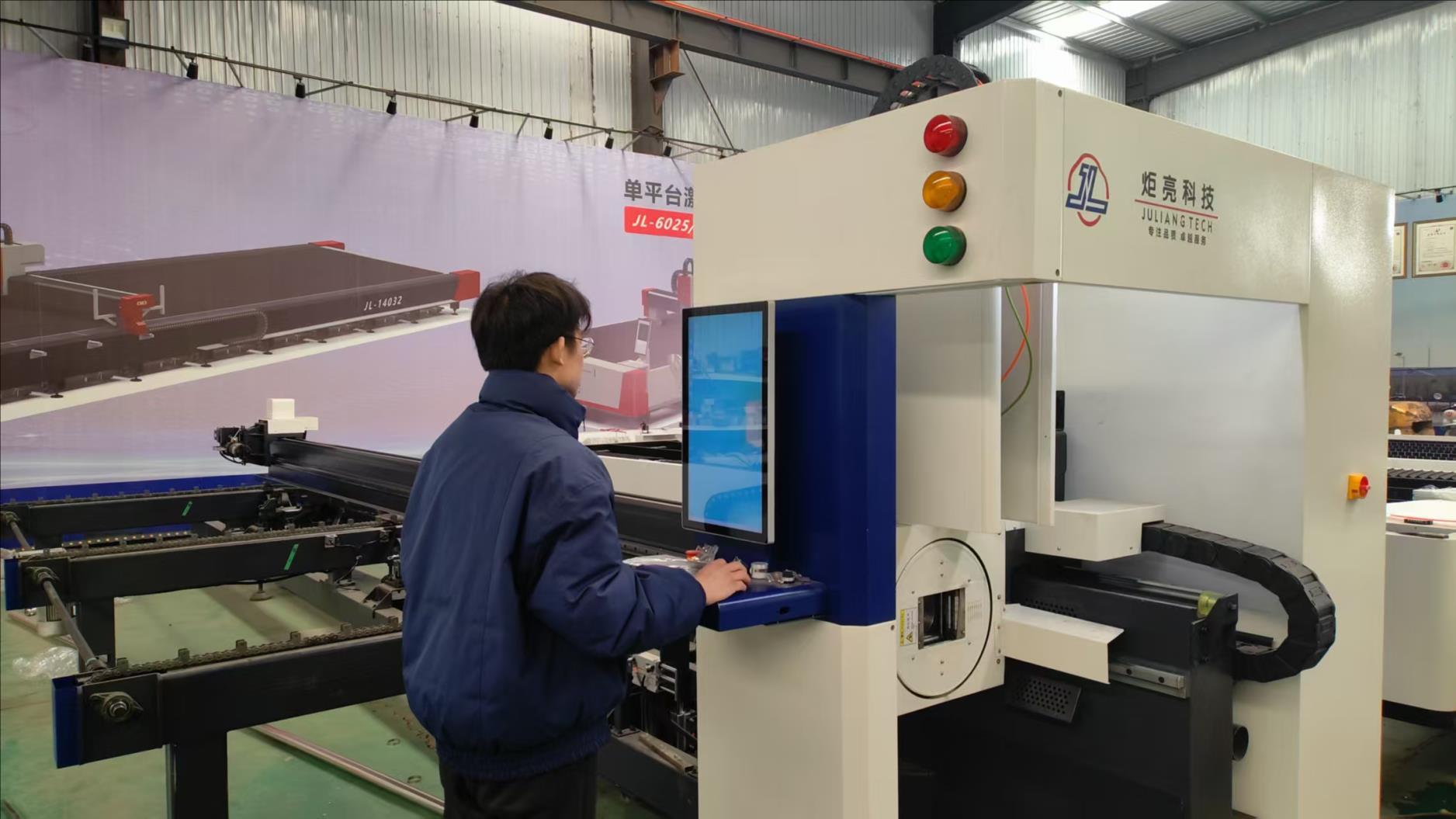
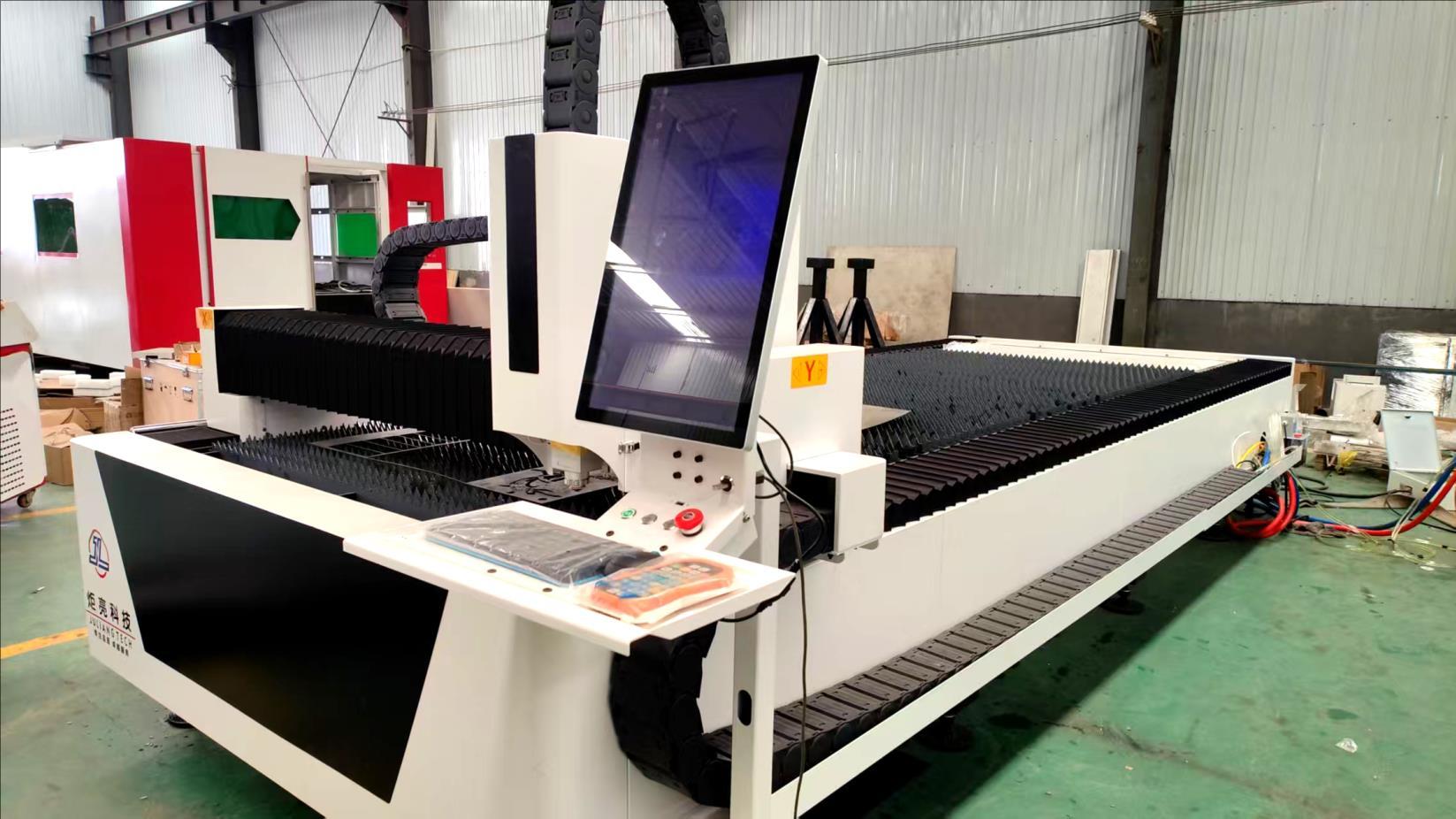
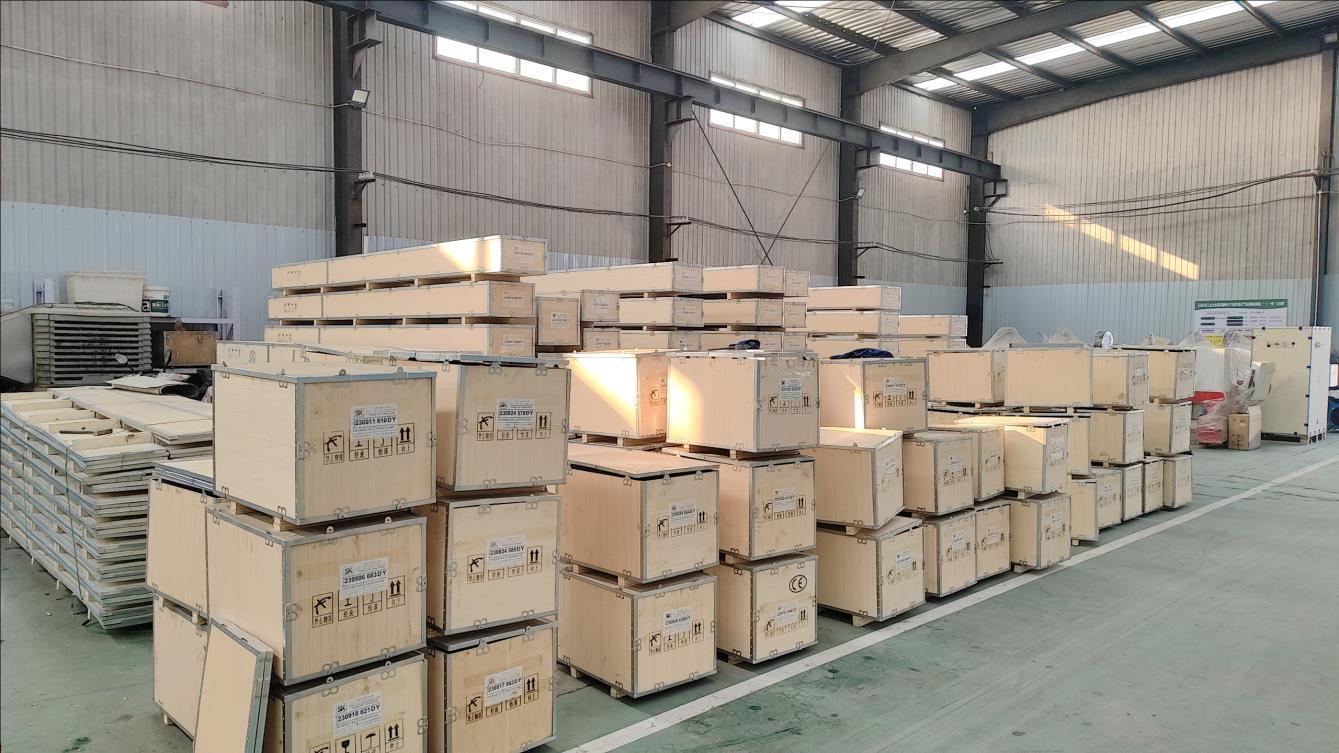
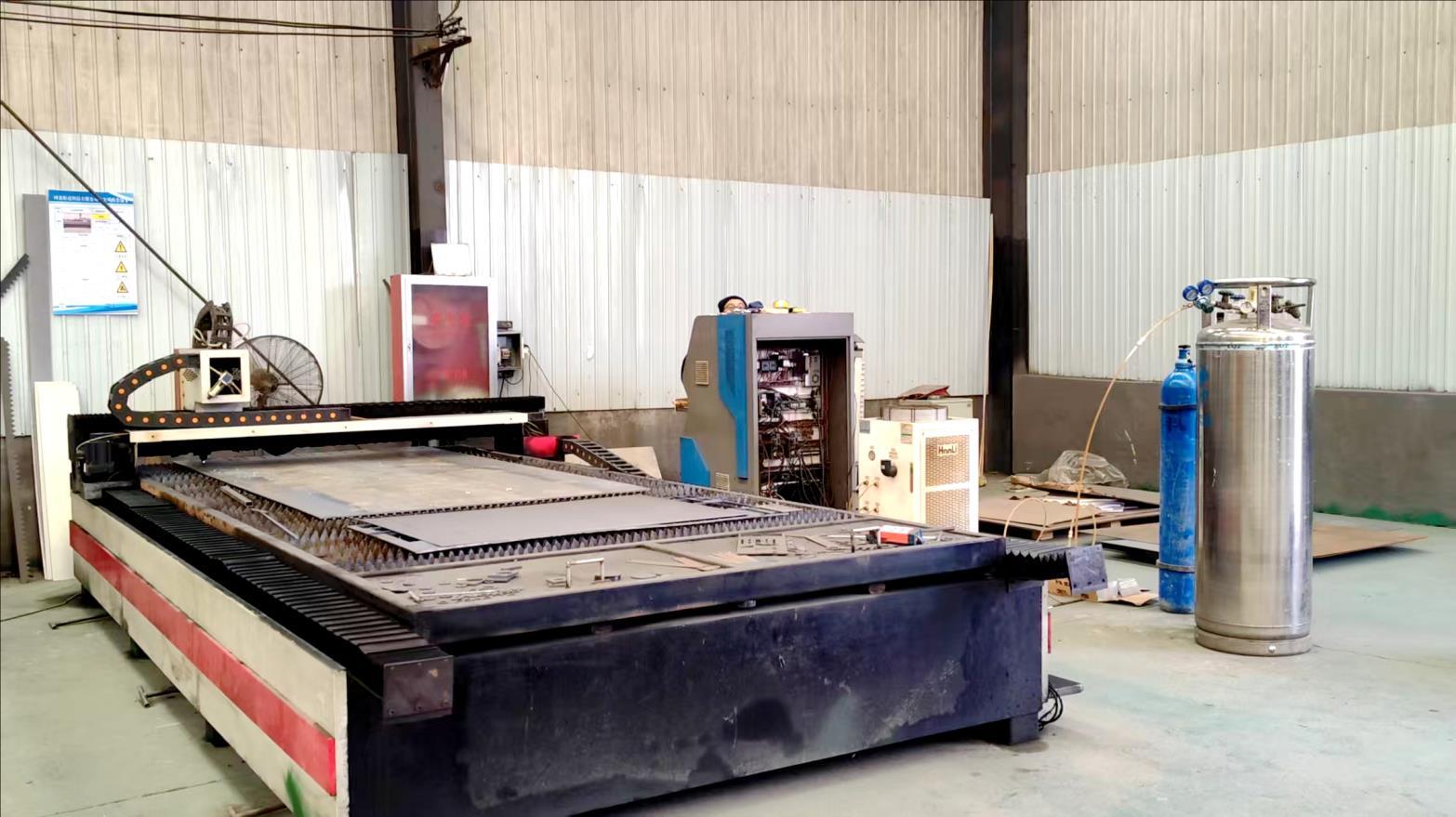
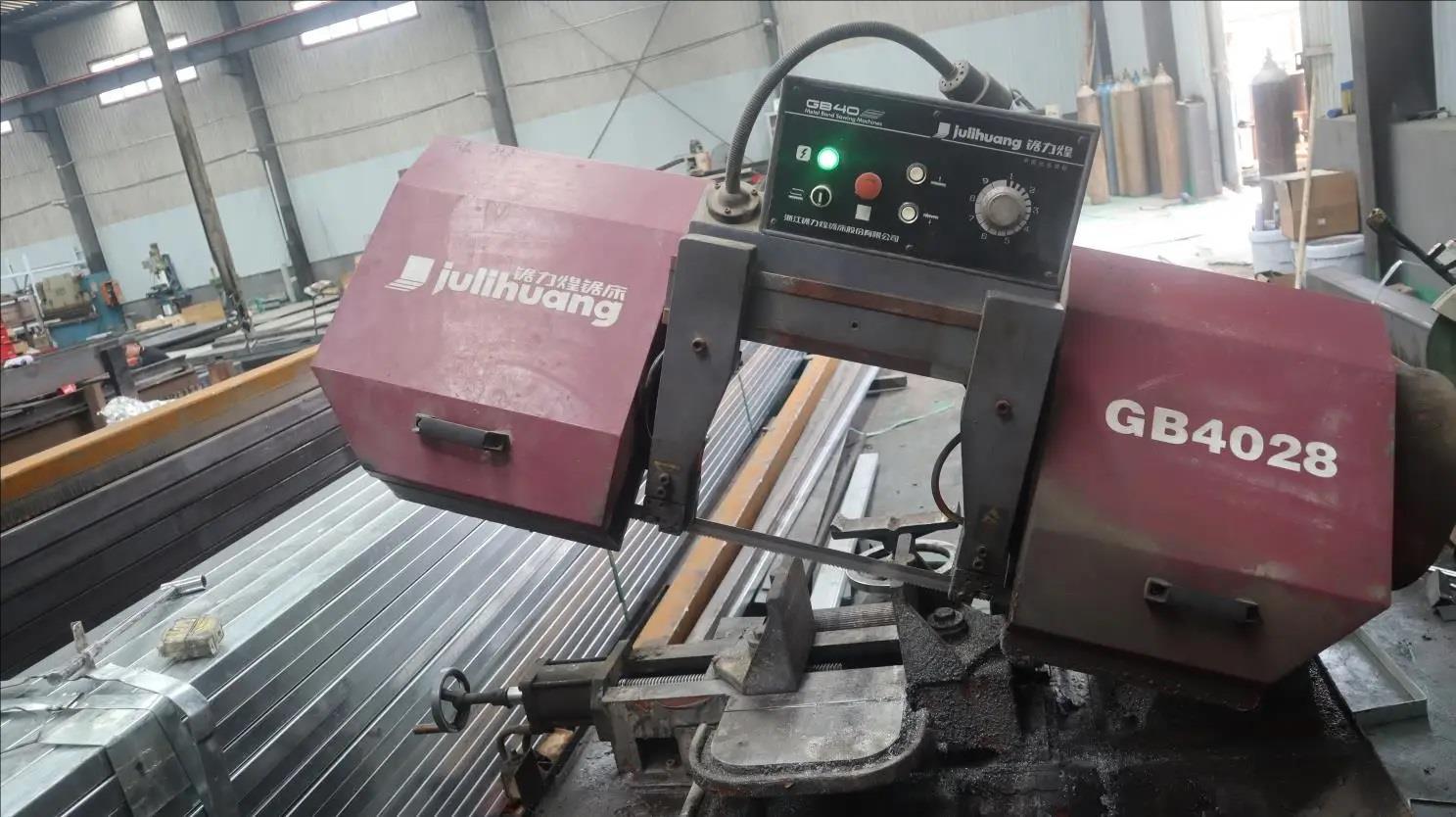
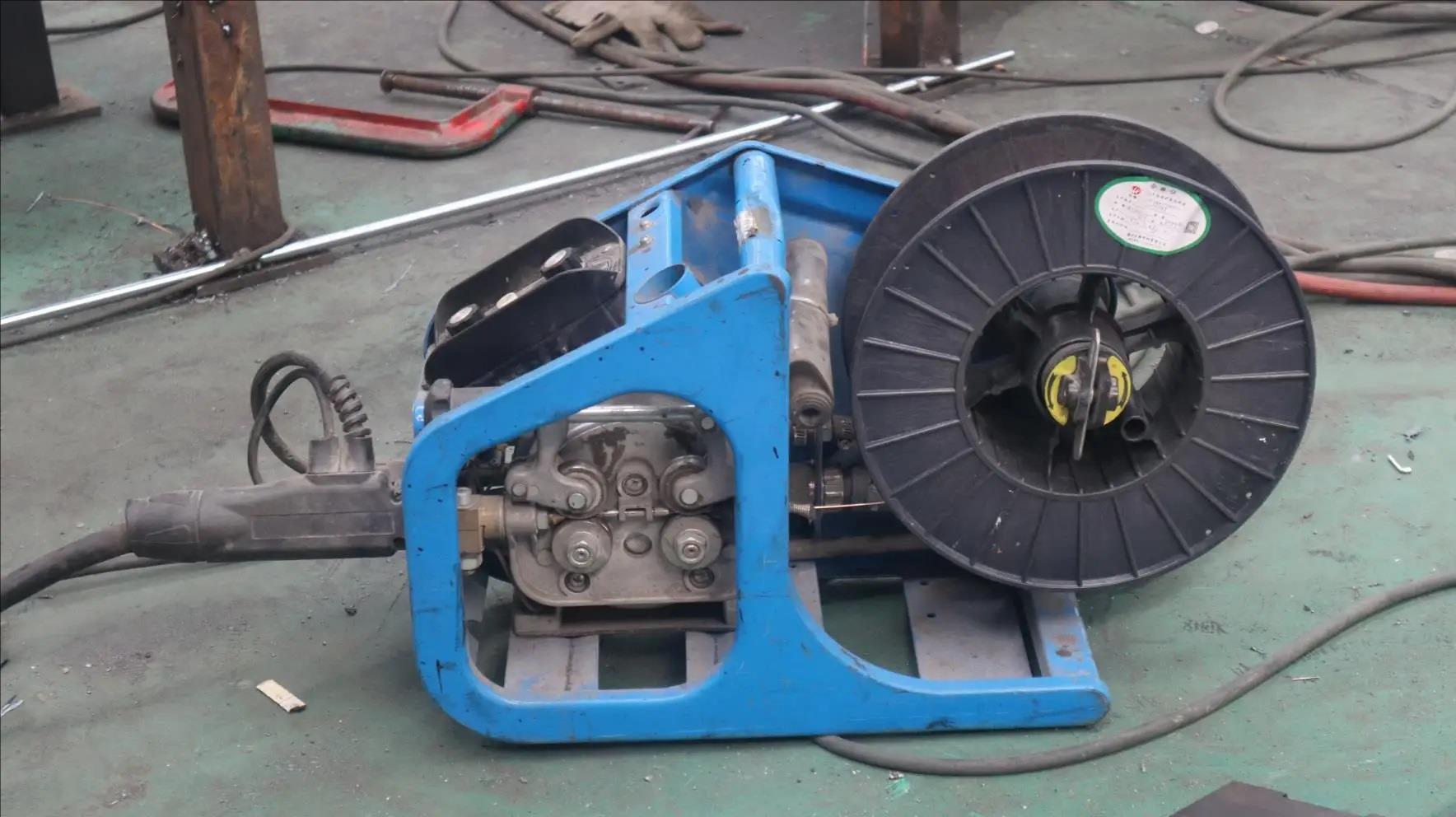
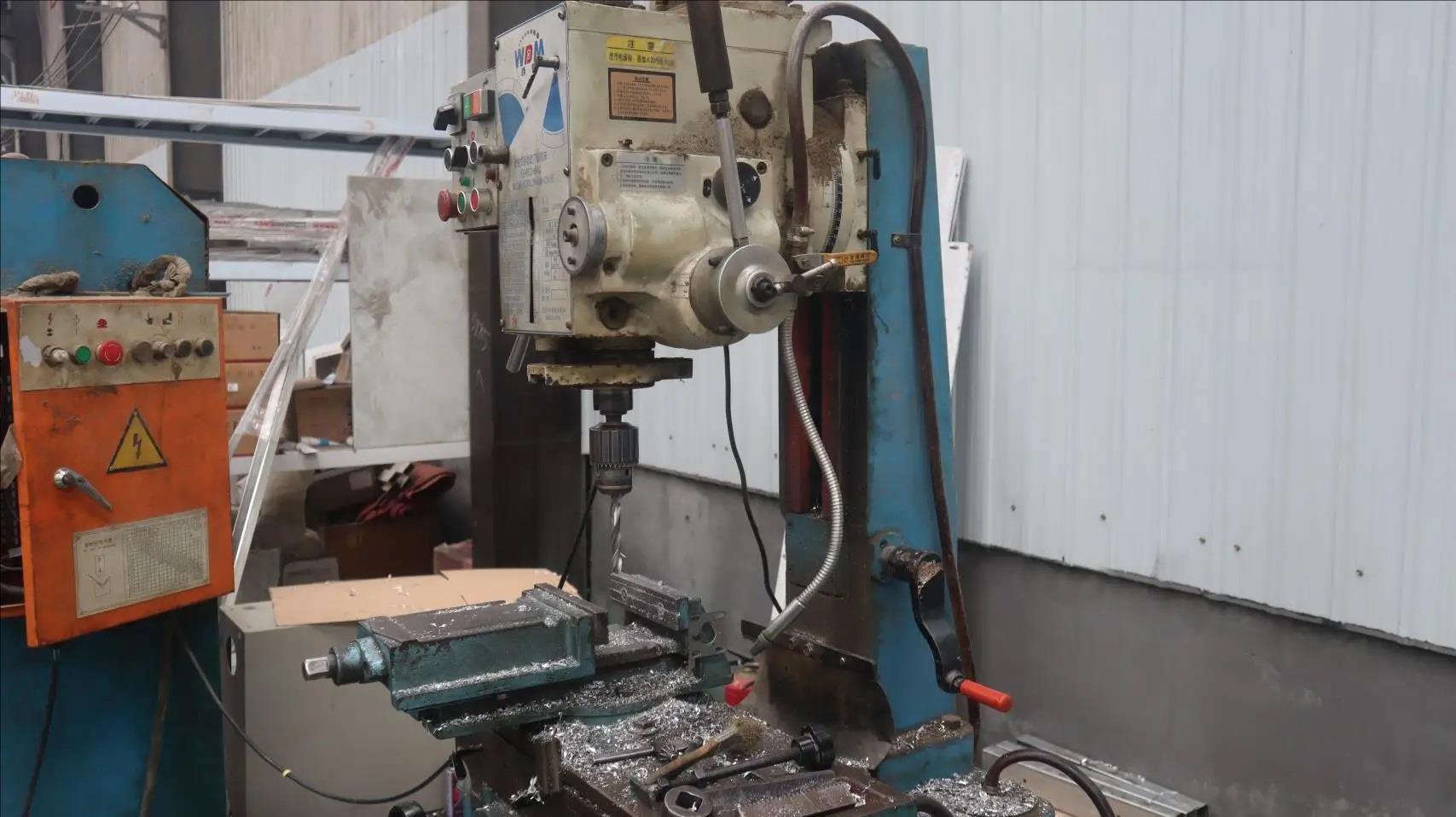
How Zhejiang DentFix implements modern manufacturing processes to maintain stability, flexibility, and quality.
In a volatile global market, secure material sourcing and cost stability are critical for large-scale operations. China's Factory 4.0 framework integrates advanced automation with end-to-end supply chain visibility. Zhejiang DentFix leverages these advancements to deliver high-performance tooling without the premium price tag.
For procurement officers, buying cutting tools involves assessing several key performance metrics. Total Cost of Ownership (TCO) is influenced by tool life, workpiece scrap rates, and indexable uptime. DentFix works with clients to evaluate tooling consumption and configure custom options that minimize down-time and overall project costs.
Our custom inserts and tool holders are designed for high-stress applications in modern manufacturing.
Titanium and Inconel alloys generate high cutting temperatures, leading to rapid tool wear. Our PVD AlCrSiN-coated inserts maintain structural integrity under high heat, helping aerospace clients increase tool life by 35% compared to standard titanium milling tools.
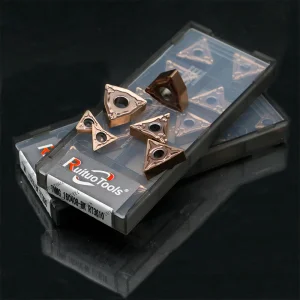
Heavy-duty cast iron and alloy steel shafts require consistent surface finish and dimensional stability. Our indexable turning inserts, like the TNMG series, utilize specific chipbreakers designed to manage high-volume chip flow and reduce manual inspection needs.
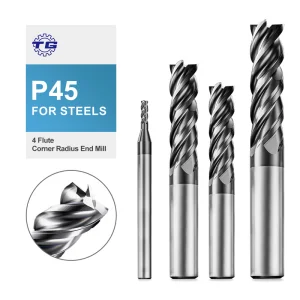
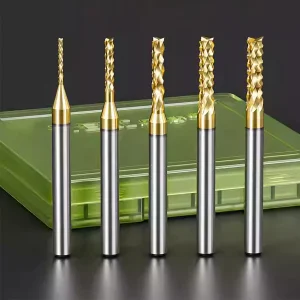
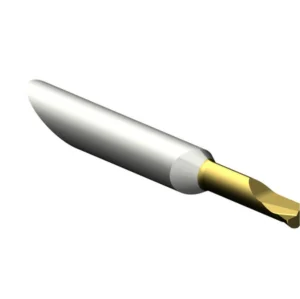
PCB routing and medical device components require clean, burr-free finishes. Our solid carbide micro end mills and routers deliver the sharpness and dimensional accuracy needed to work cleanly with delicate fiberglass and surgical steels.
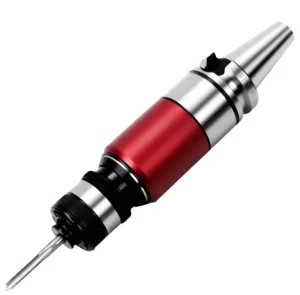
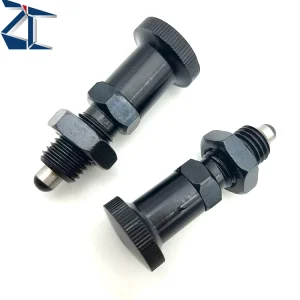
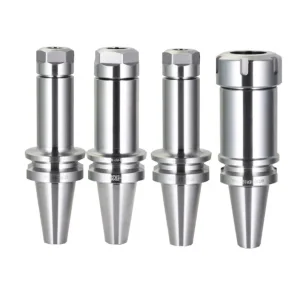
Explore more of our CNC tool holders, solid carbide end mills, and specialized industrial accessories.
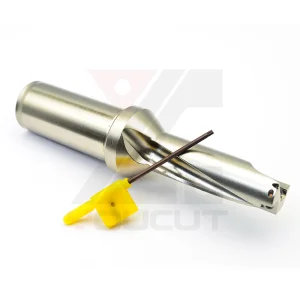
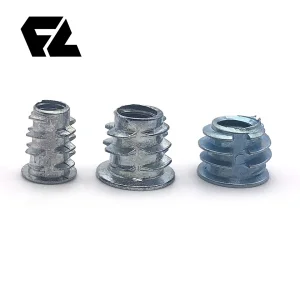
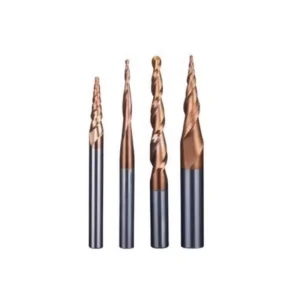
Engineering answers to critical queries from procurement teams, tooling engineers, and production managers.
 DentFix Tool