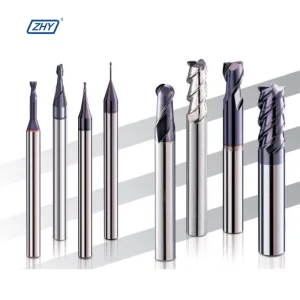
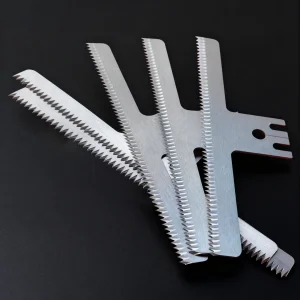
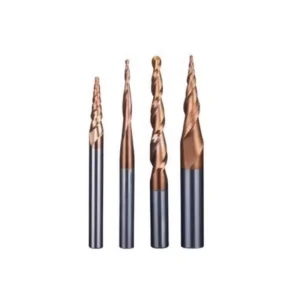
Precision Machining Solutions, Advanced Carbide Engineering, and Industrial Saw Blades Configured for Critical High-Output Environments Worldwide.
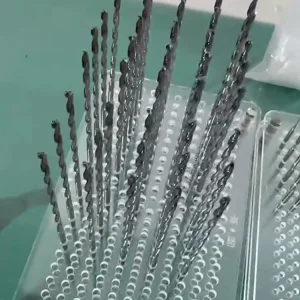
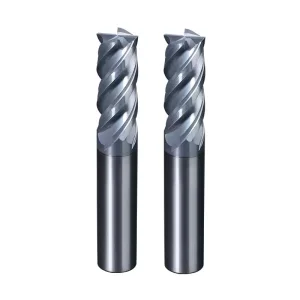
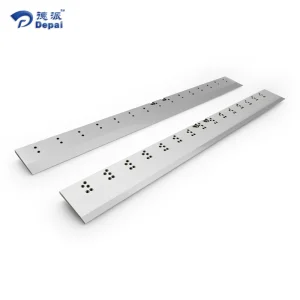
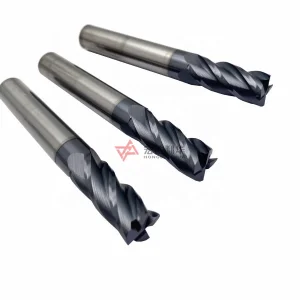
Explore our premium grade selection of industrial carbide drills, circular blades, and CNC-machined components engineered for maximum runout control and tool longevity.
Zhejiang DentFix Tool Co., Ltd. is a professional manufacturer specializing in the research, development, production, and global distribution of precision CNC cutting tools and carbide solutions. Since its establishment, the company has been committed to providing high-performance tooling products for the metalworking industry, serving customers across automotive, aerospace, mold & die, general engineering, energy, and precision manufacturing sectors.
Driven by continuous innovation and customer-focused development, DentFix has grown into a modern manufacturing enterprise that integrates R&D, intelligent production, quality control, sales, and technical support. The company has built a strong reputation for delivering reliable products, consistent quality, and professional services to customers in both domestic and international markets.
With advanced manufacturing technologies, experienced engineering teams, and strict quality management systems, DentFix continuously improves its product performance and production efficiency. The company is dedicated to helping customers achieve higher machining accuracy, longer tool life, greater productivity, and lower manufacturing costs.
DentFix has established a comprehensive manufacturing system supported by experienced engineers, skilled production personnel, and a professional sales and technical service team. Our engineering department focuses on the development of innovative cutting tool solutions that meet the evolving requirements of modern CNC machining.
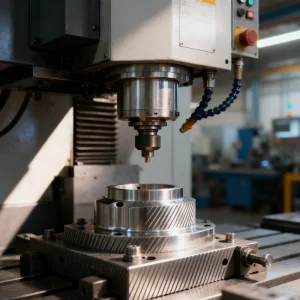
Our manufacturing facility is equipped with advanced CNC grinding machines, high-precision inspection equipment, automated production systems, and modern quality testing laboratories. Every product undergoes rigorous inspection throughout the manufacturing process to ensure exceptional dimensional accuracy, durability, and stable machining performance.
Innovation remains at the core of our business. DentFix continuously invests in new materials, coating technologies, and precision manufacturing processes to develop cutting tools with higher wear resistance, improved machining efficiency, and longer service life.
Multi-stage quality checkpoints verifying tolerances down to micrometers.
Proprietary heat-resistant coatings tailored for hardened alloys and titanium.
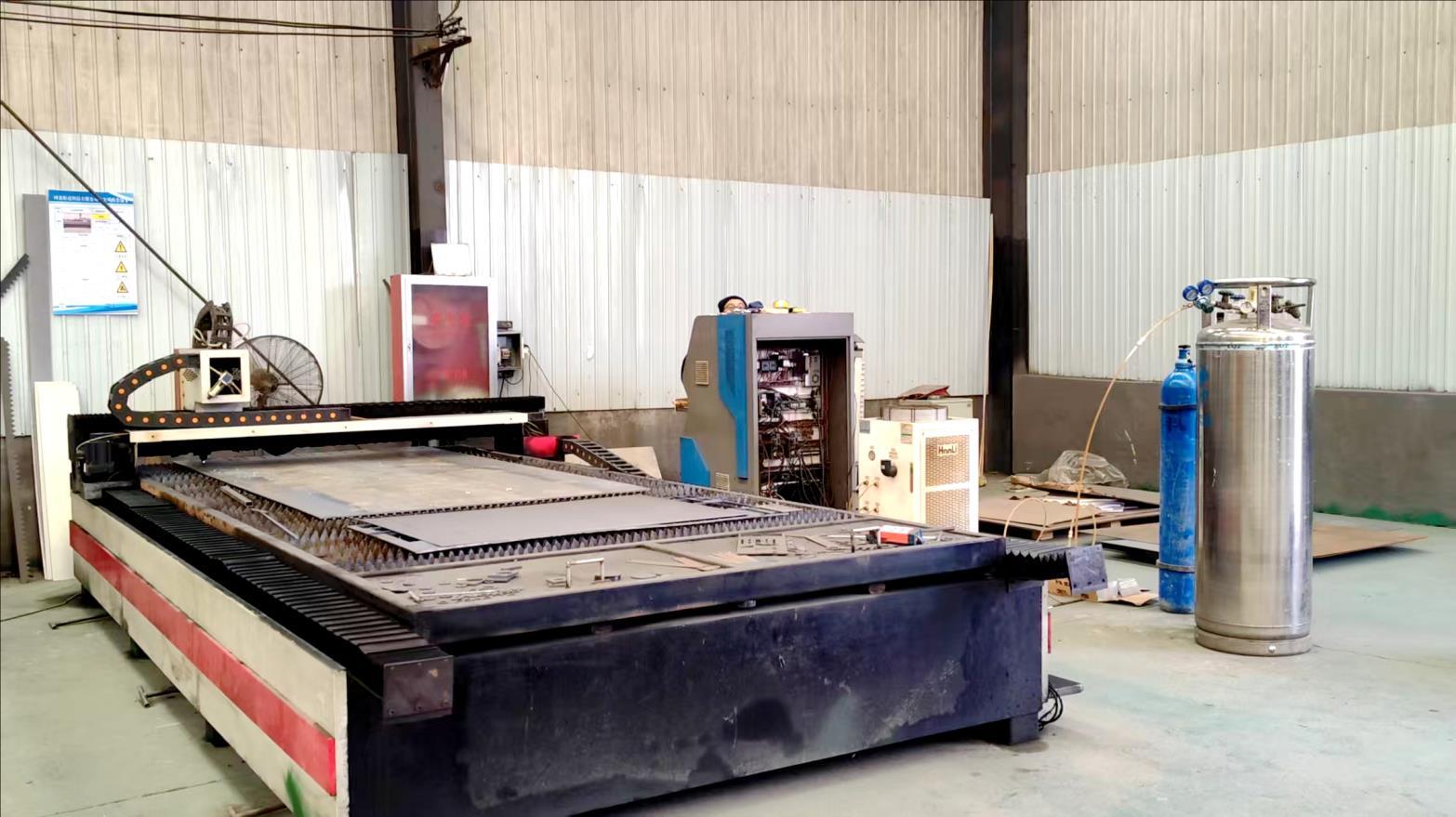
A transparent view of our metallurgical engineering, assembly protocols, and rigorous quality testing procedures deployed within our smart manufacturing facility.
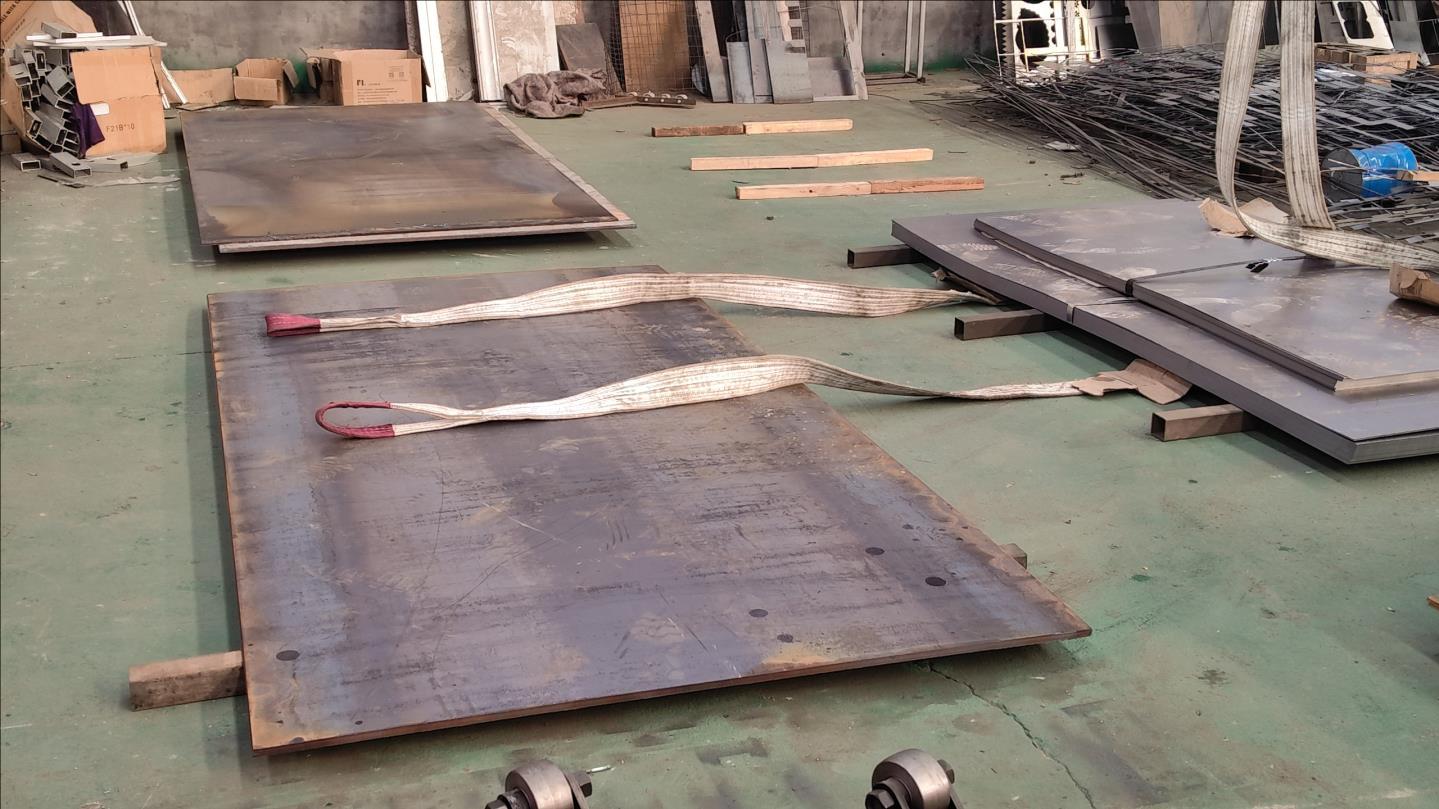
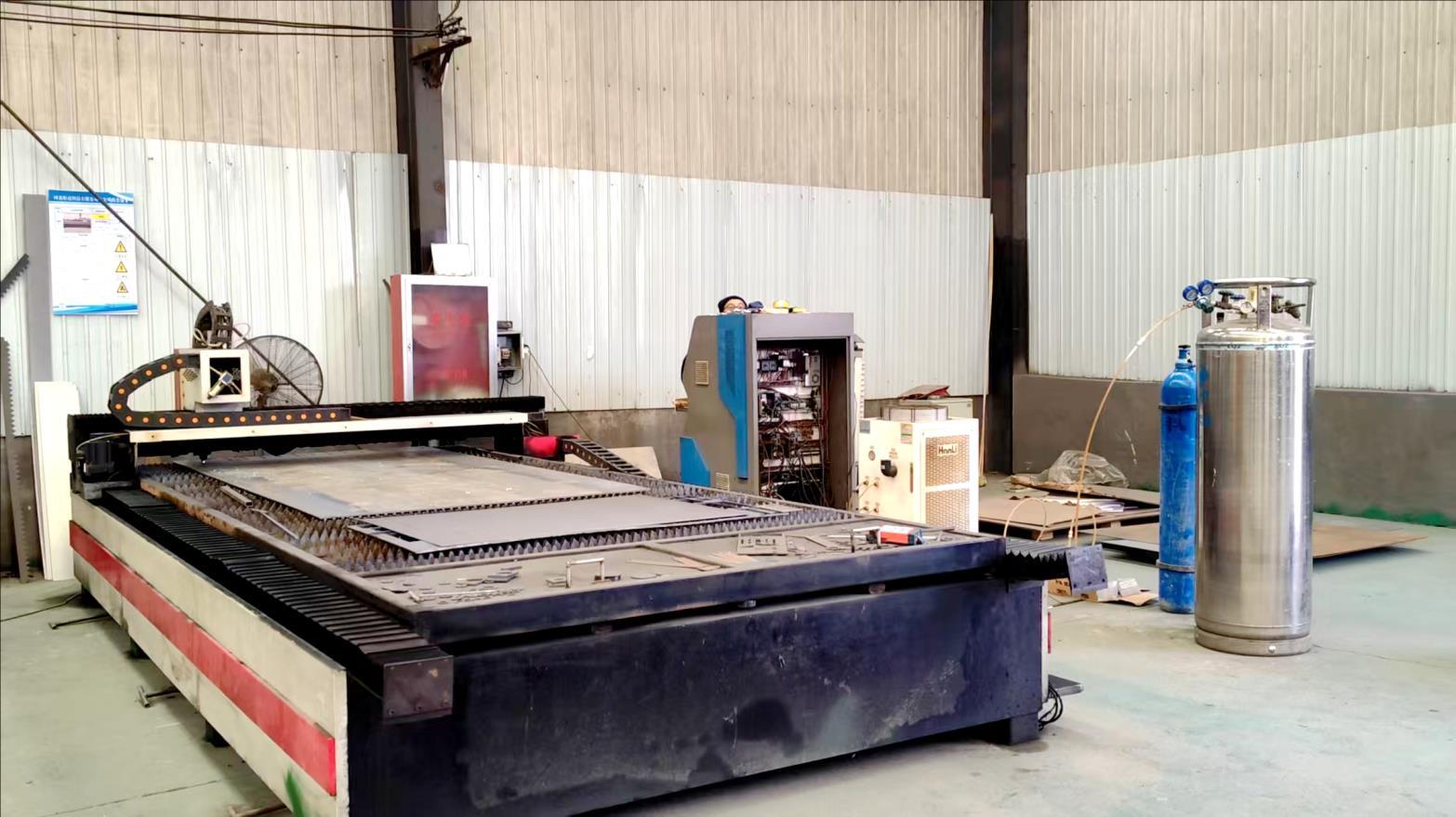
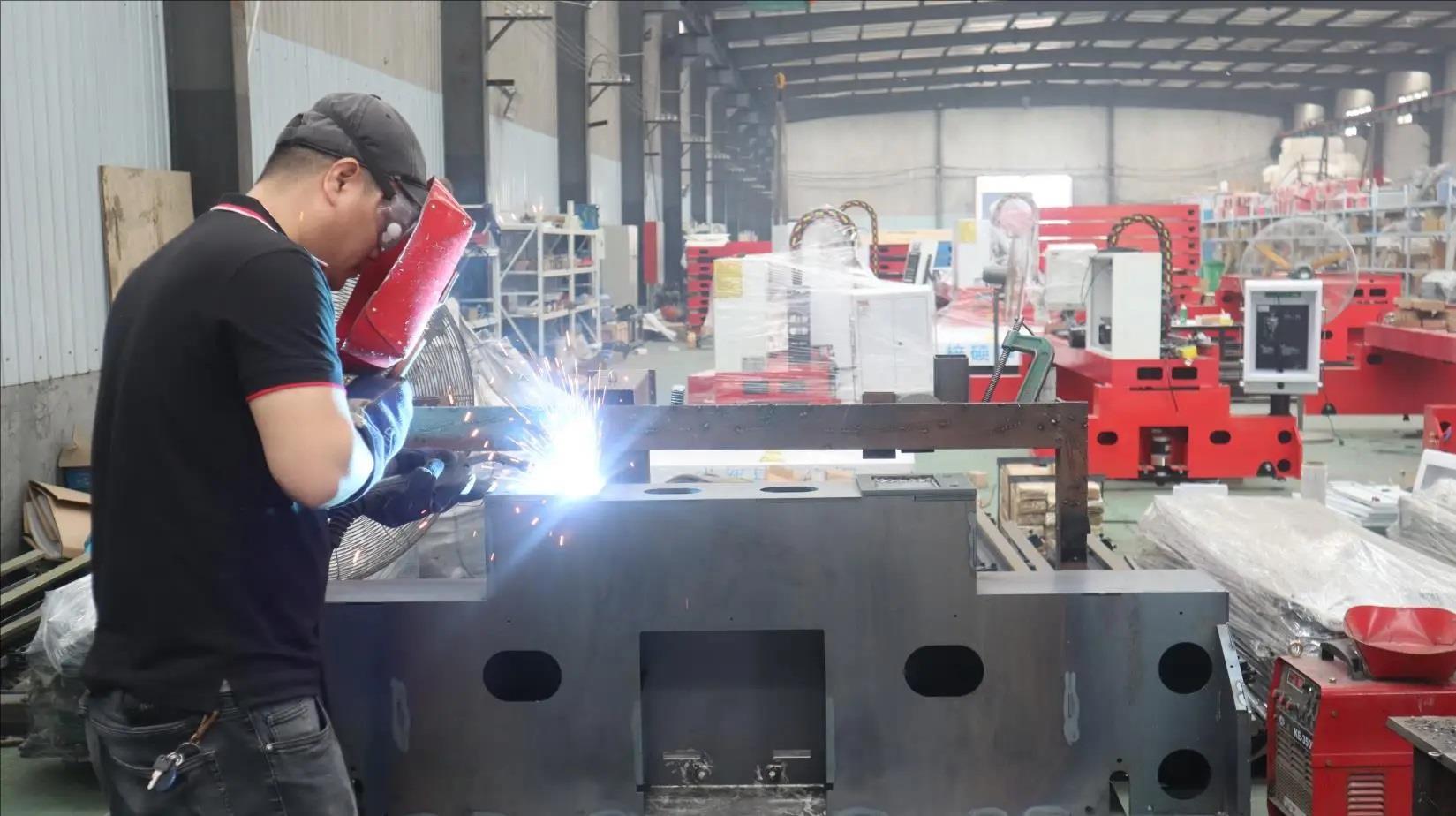
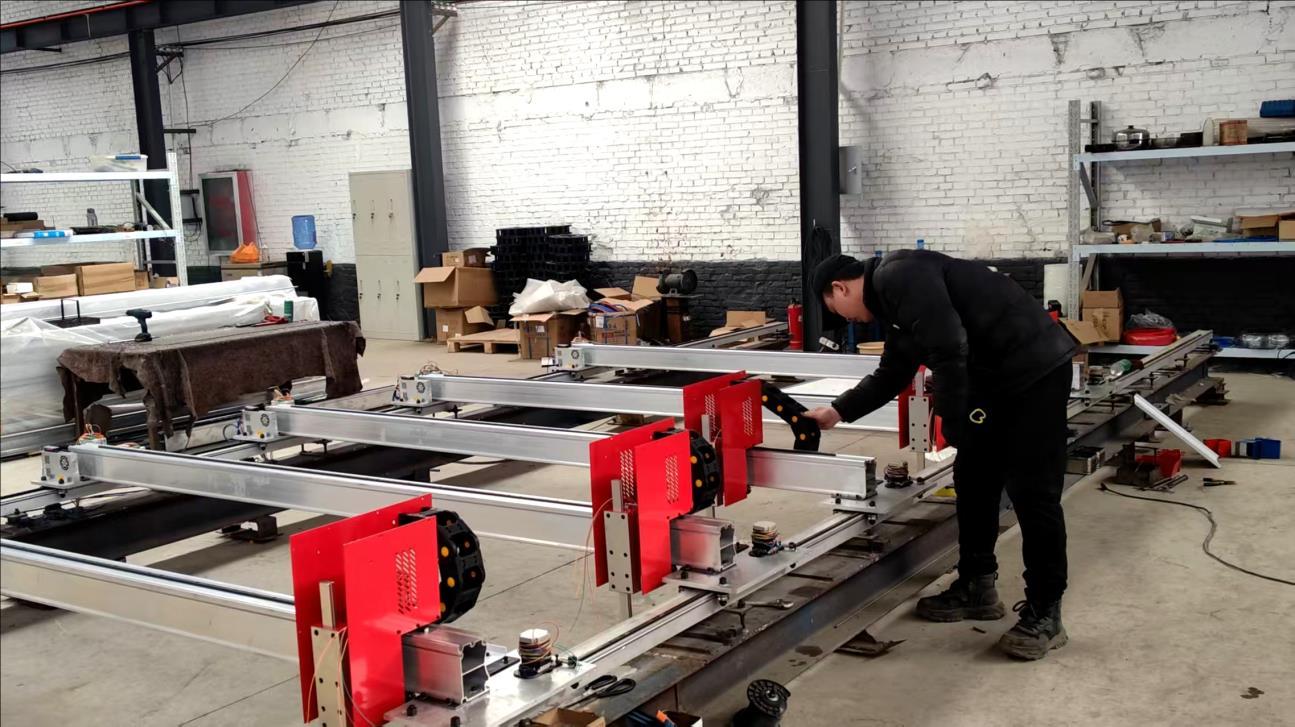
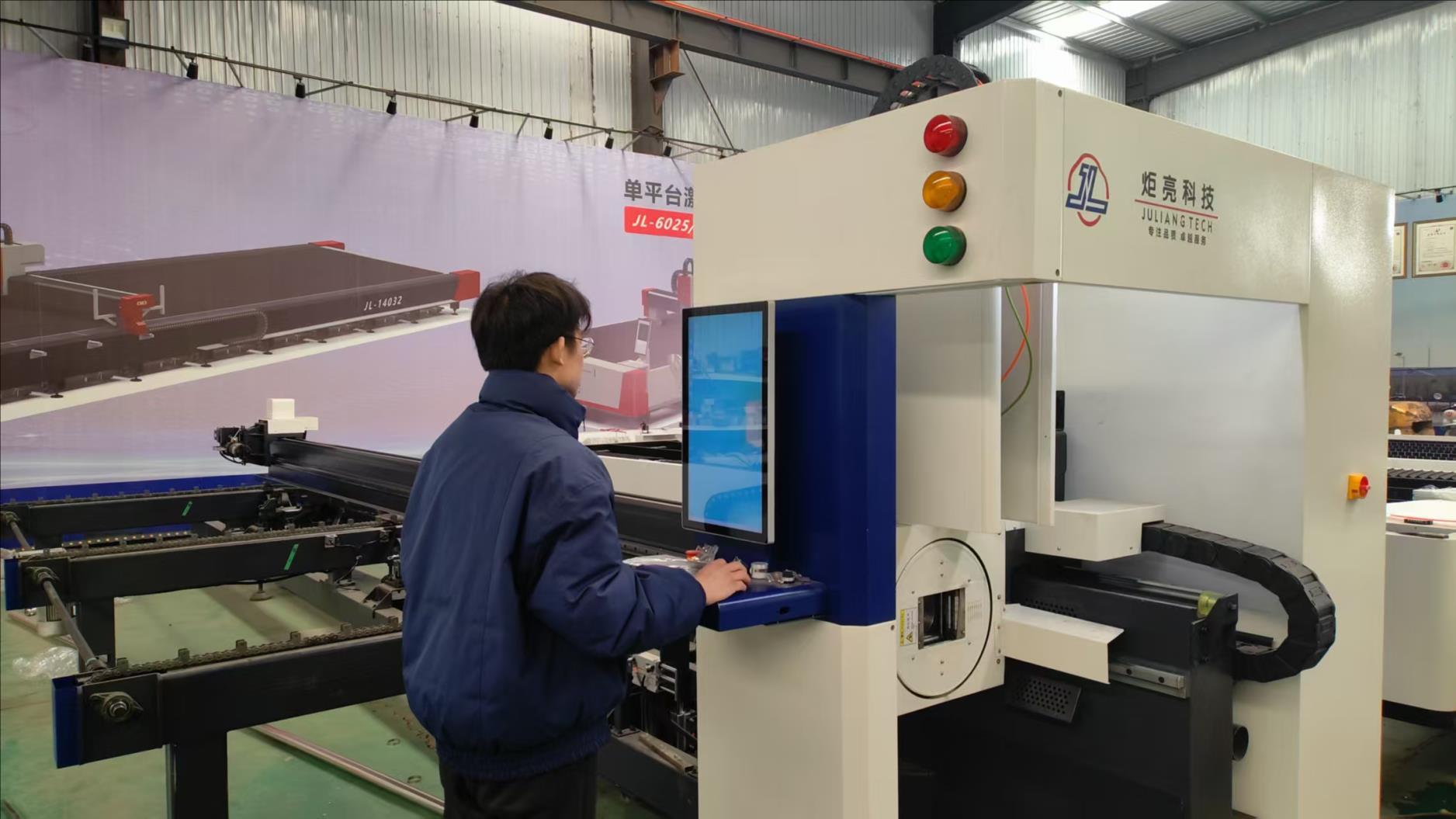
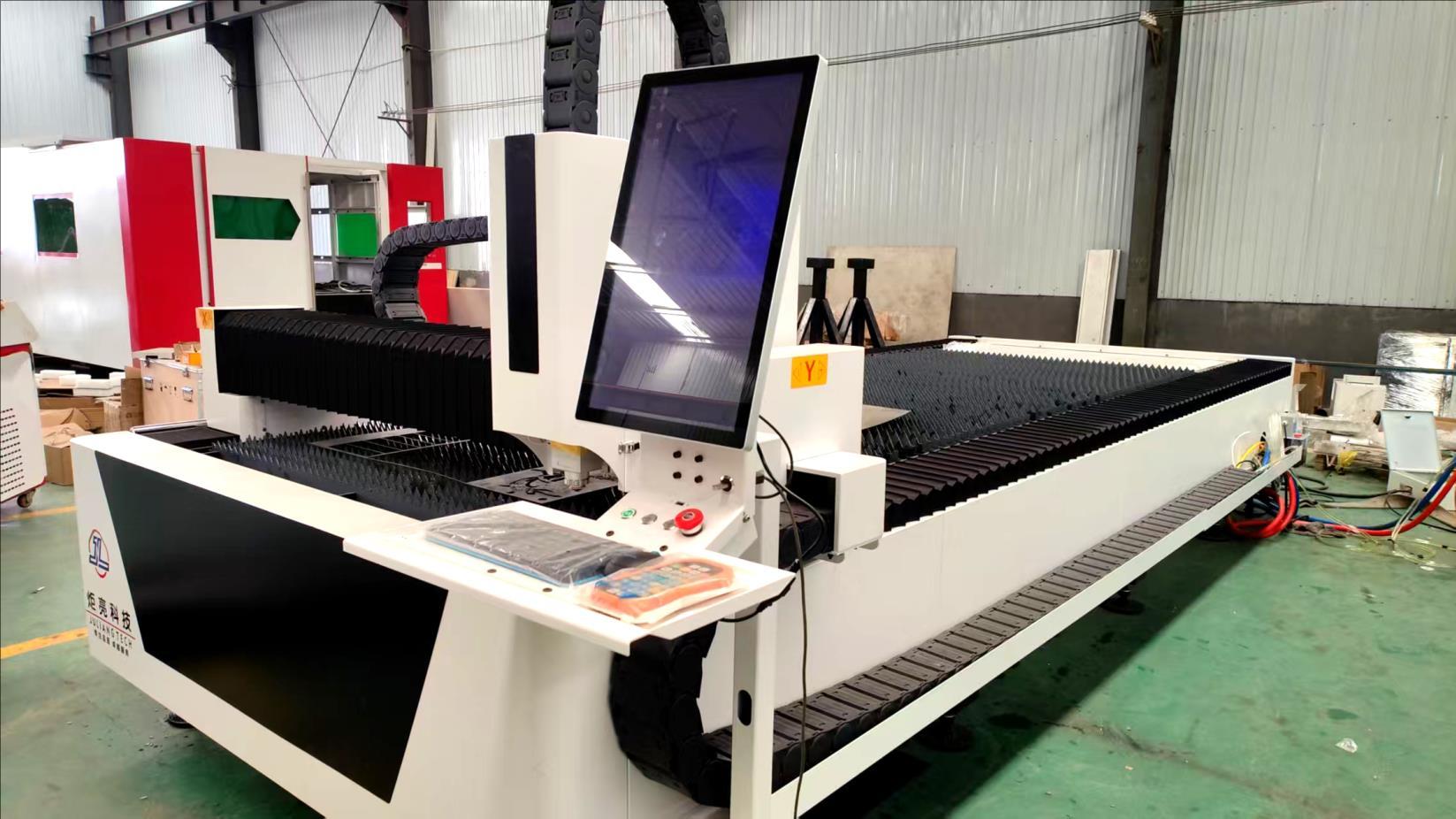
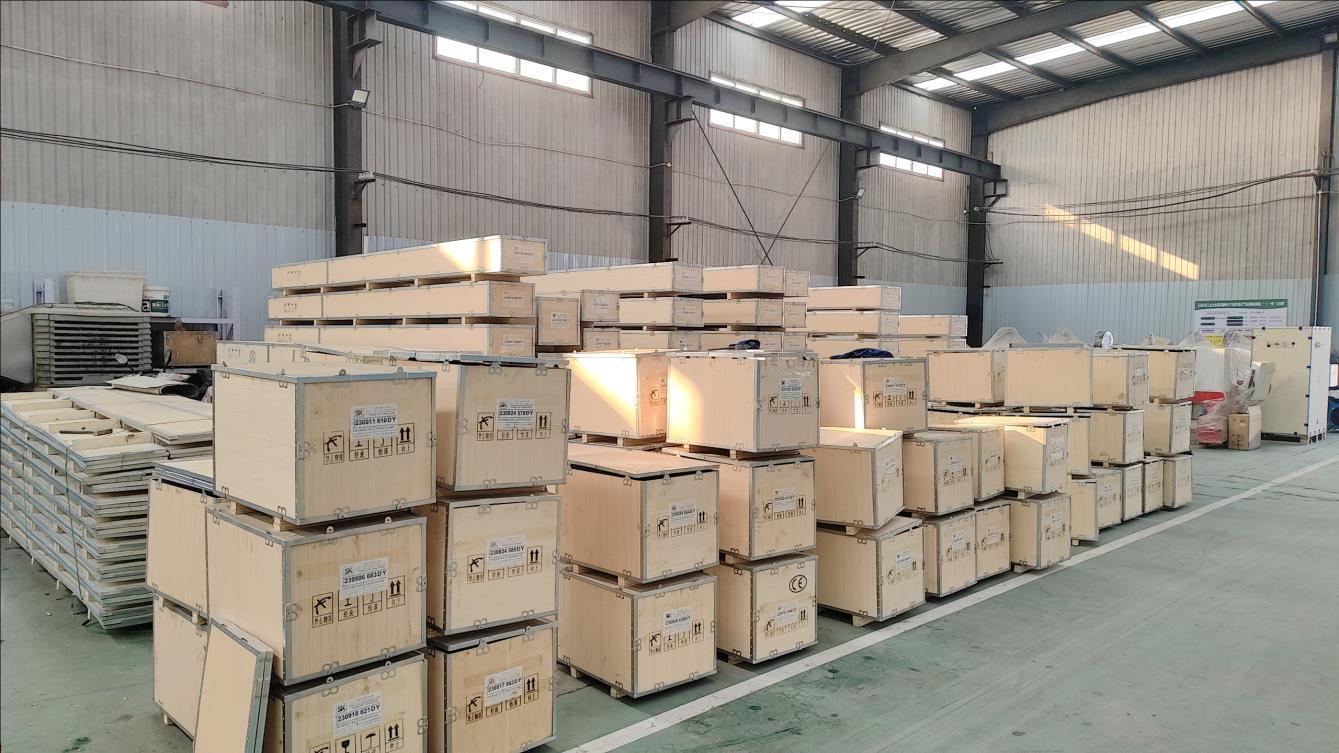
By keeping metallurgy, precision grinding, heat treatment, and QA testing in-house, DentFix ensures that every tool leaving our dock conforms to the absolute baseline tolerances demanded by heavy structural sawing and high-volume machining mills.
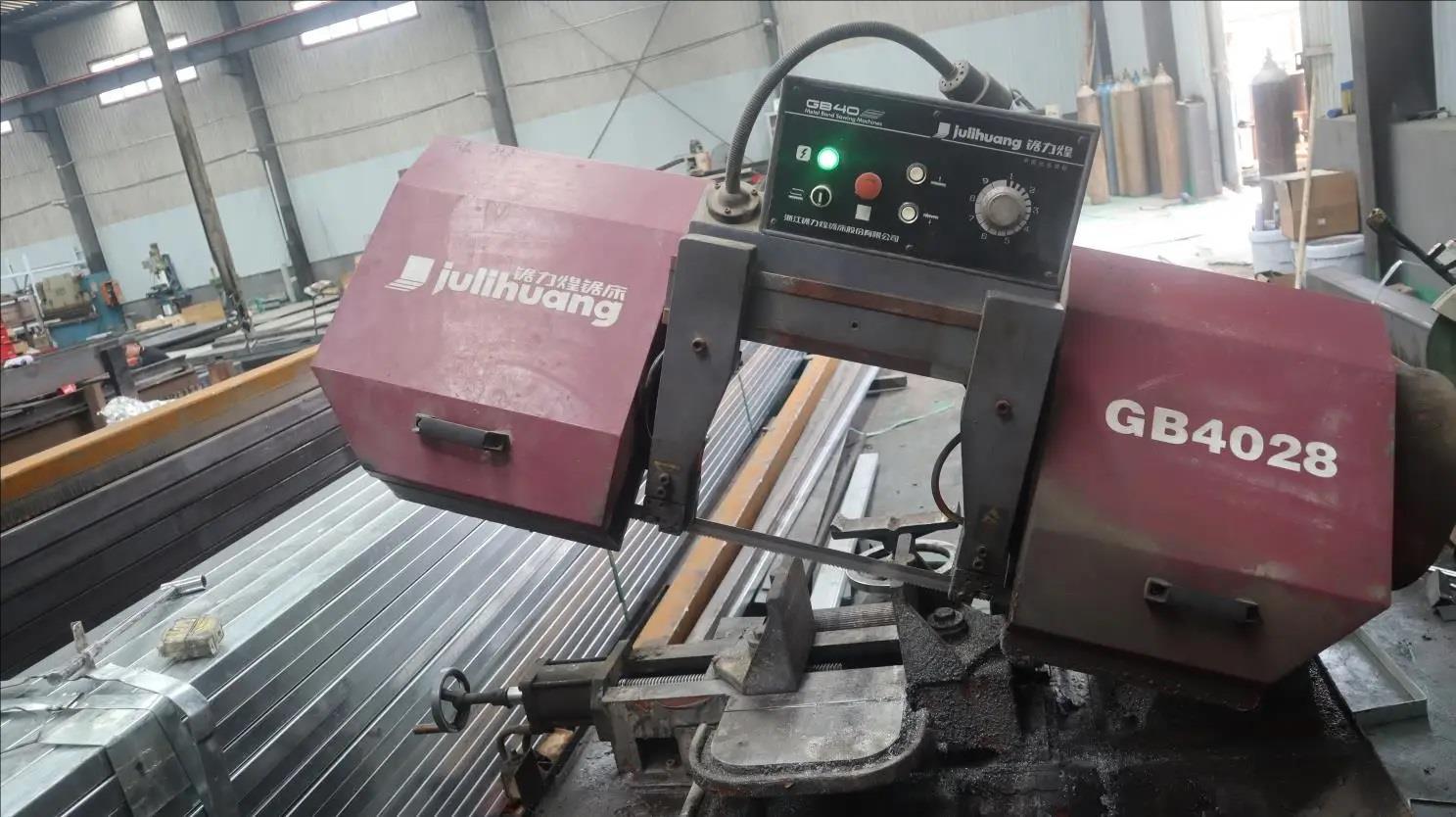
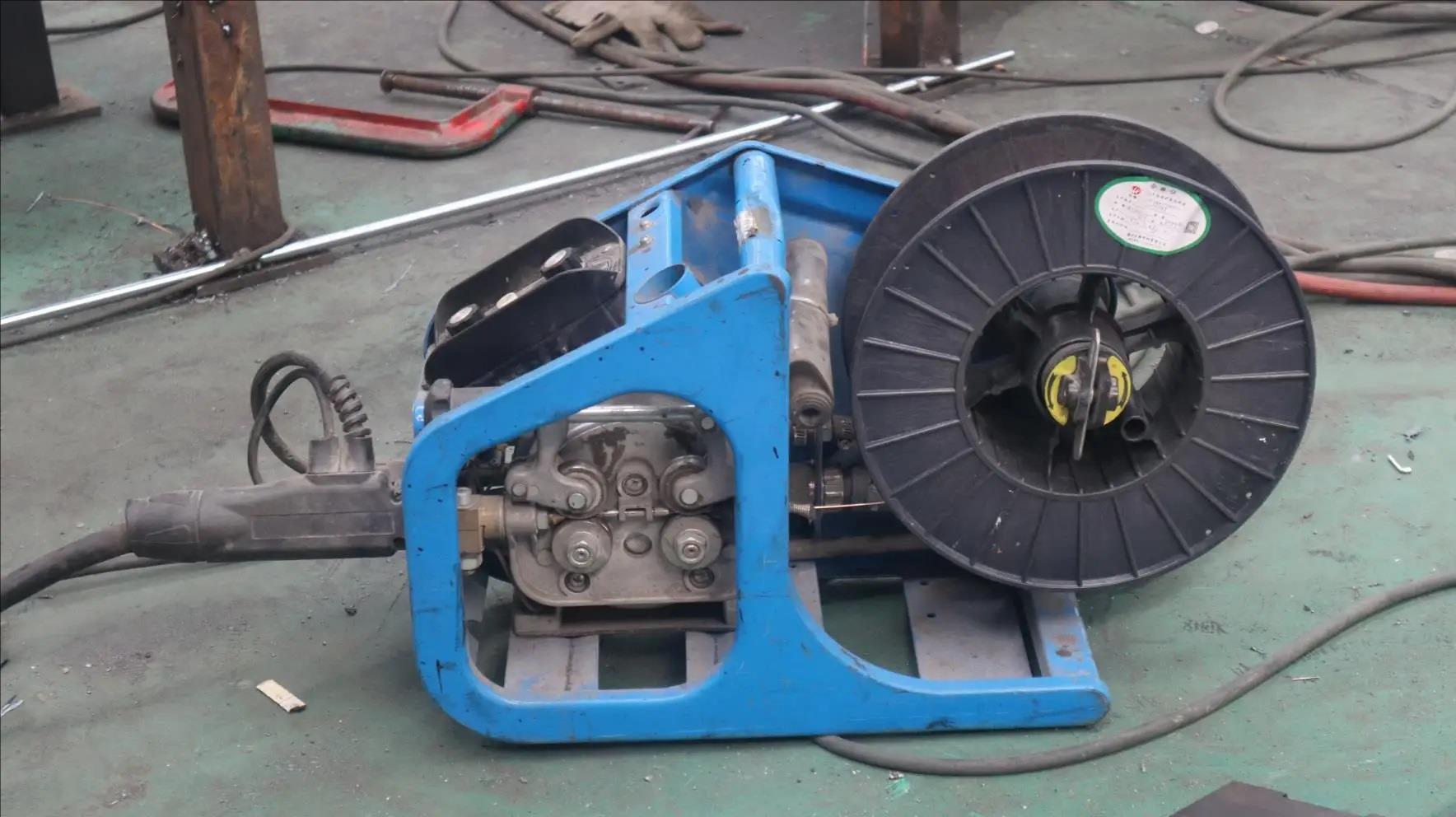
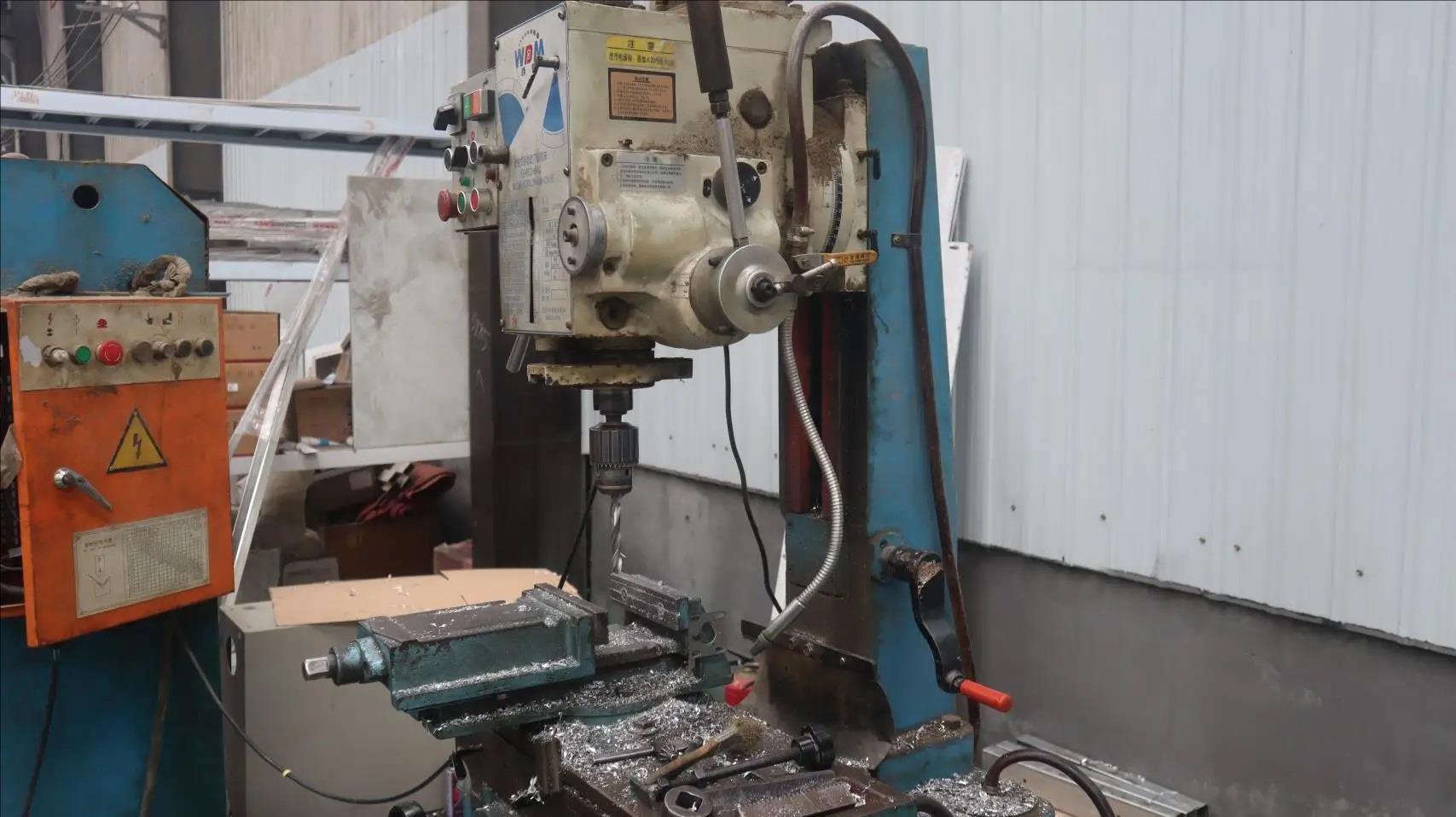
Exploring global procurement challenges, metallurgical evolution, and structural optimization paradigms within high-output machining sectors.
The manufacturing sector is witnessing a structural shift toward automation, high-speed output, and narrow-kerf sawing paradigms. Traditional manufacturing plants are upgrading to smart CNC sawing systems that leverage real-time parameter feedback, requiring cutting tools to offer high thermal resilience and minimum vibration profiles.
Industrial procurement departments in Europe, North America, and Southeast Asia are shifting focus from simple unit costs to Total Cost of Ownership (TCO). Tool wear, replacement downtime, and energy consumption during sawing are key factors in procurement equations.
High-volume primary manufacturing sectors—such as primary timber processing, structural steel distribution centers, automotive engine block casting mills, and aerospace machining facilities—face distinct challenges. At Zhejiang DentFix Tool Co., Ltd., we develop systems specifically configured to resolve these operational bottlenecks.
High tensile strength structural metals tend to generate elevated friction, which degrades standard tool teeth. We utilize custom carbide grades and specific tooth geometry configurations (such as Triple Chip Grind) to partition the chips, effectively reducing thermal transfer and protecting the structural core of the blade.
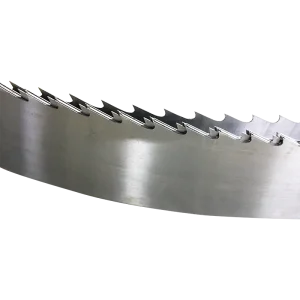
Log milling operations demand consistent runout control during continuous high-feed runs. Our wide band saw blades are manufactured to resist fatigue stresses, preventing microscopic micro-cracks along the gullet and maximizing operational safety at high speeds.
High-tech carbon composites can cause rapid tool abrasion. Using PCD saw blades with custom rake angles ensures clean, burr-free cuts, avoiding delamination along structural composite layers.
Operating a global export operation requires strict compliance with international manufacturing certifications and import guidelines. Every batch of tools shipped by DentFix is tracked and documented to facilitate simple customs clearances and meet regulatory safety audits.
Our research and development team continuously monitors emerging trends in tool design and material sciences. We focus on enhancing tool longevity through advanced material formulation and manufacturing technologies.
Addressing core technical questions from production engineers and purchasing directors looking to optimize tool performance and procurement strategies.
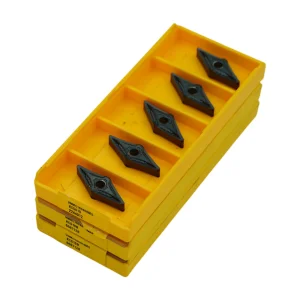
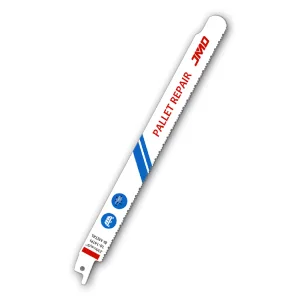
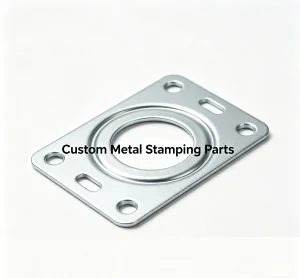
Explore our second category of advanced tools, CNC milling inserts, reciprocating blades, and custom metal fabrication solutions.
 DentFix Tool