Explore our top-performing industrial-grade components, manufactured to rigorous CE quality and dimensional standards.
A trusted name in precision manufacturing, providing robust tooling solutions across the globe.
Zhejiang DentFix Tool Co., Ltd. is a professional manufacturer specializing in the research, development, production, and global distribution of precision CNC cutting tools and carbide solutions. Since its establishment, the company has been committed to providing high-performance tooling products for the metalworking industry, serving customers across automotive, aerospace, mold & die, general engineering, energy, and precision manufacturing sectors.
Driven by continuous innovation and customer-focused development, DentFix has grown into a modern manufacturing enterprise that integrates R&D, intelligent production, quality control, sales, and technical support. The company has built a strong reputation for delivering reliable products, consistent quality, and professional services to customers in both domestic and international markets.
With advanced manufacturing technologies, experienced engineering teams, and strict quality management systems, DentFix continuously improves its product performance and production efficiency. The company is dedicated to helping customers achieve higher machining accuracy, longer tool life, greater productivity, and lower manufacturing costs. Today, Zhejiang DentFix Tool Co., Ltd. continues to strengthen its investment in technological innovation, intelligent manufacturing, and international cooperation.
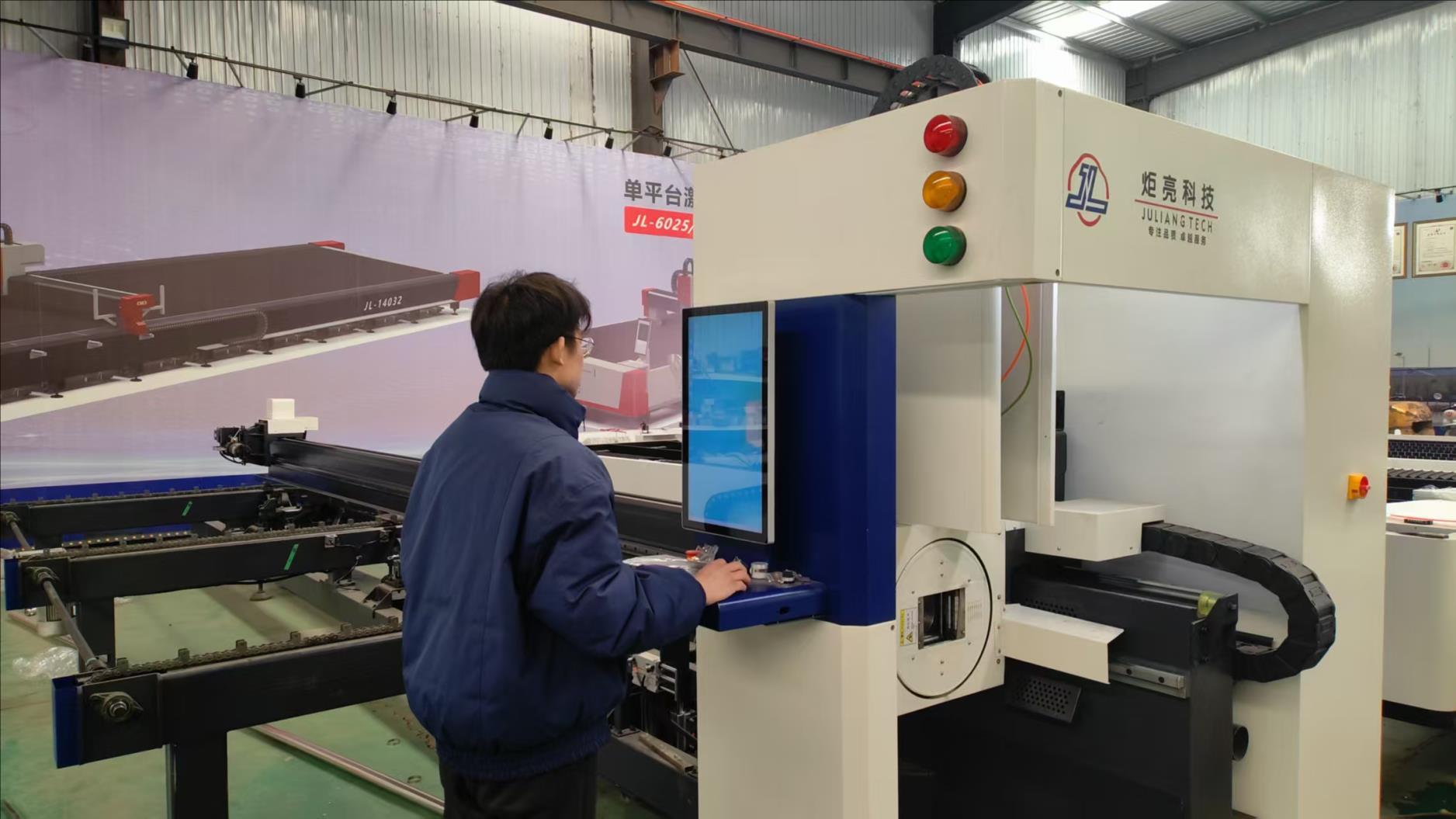
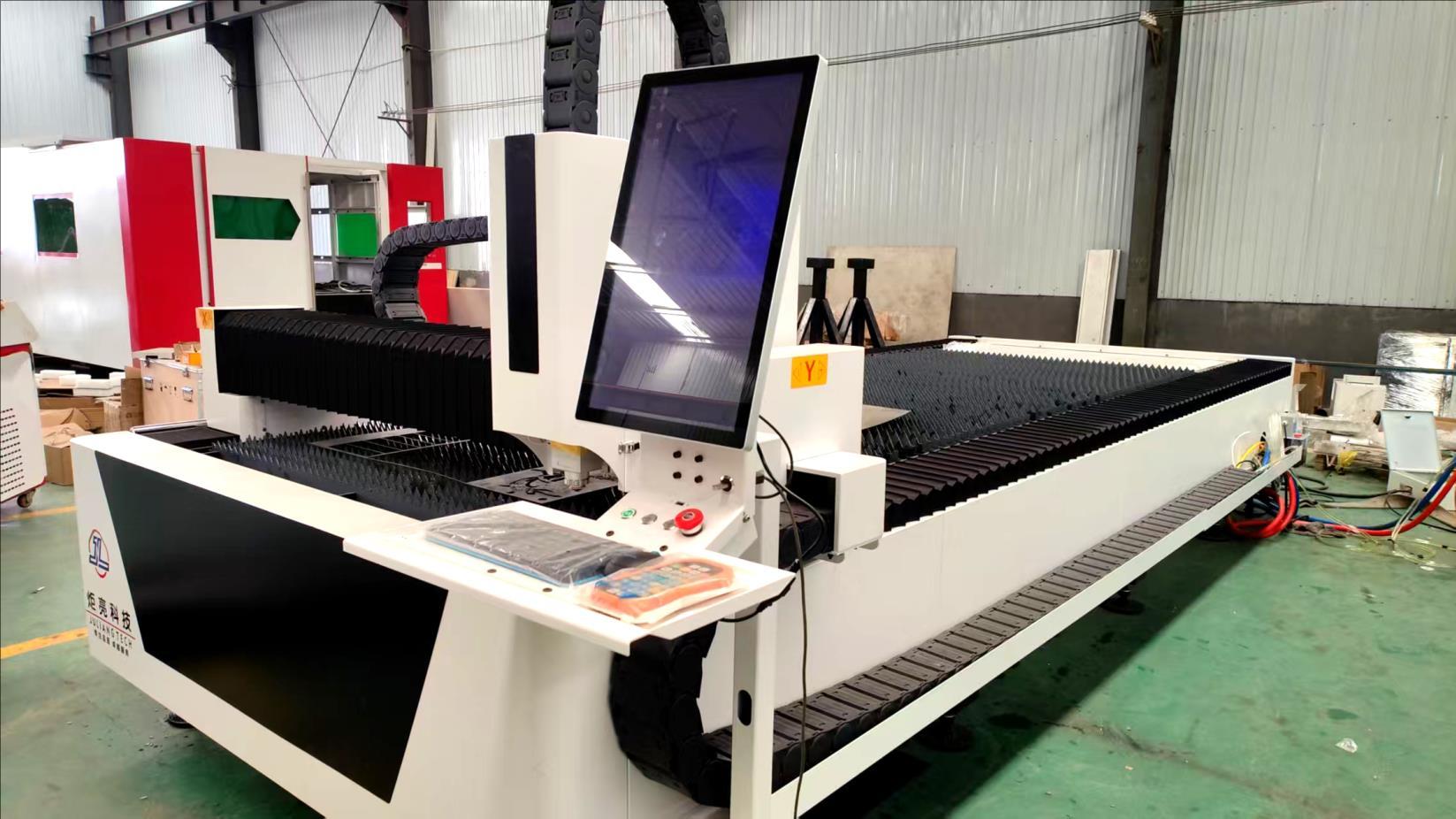
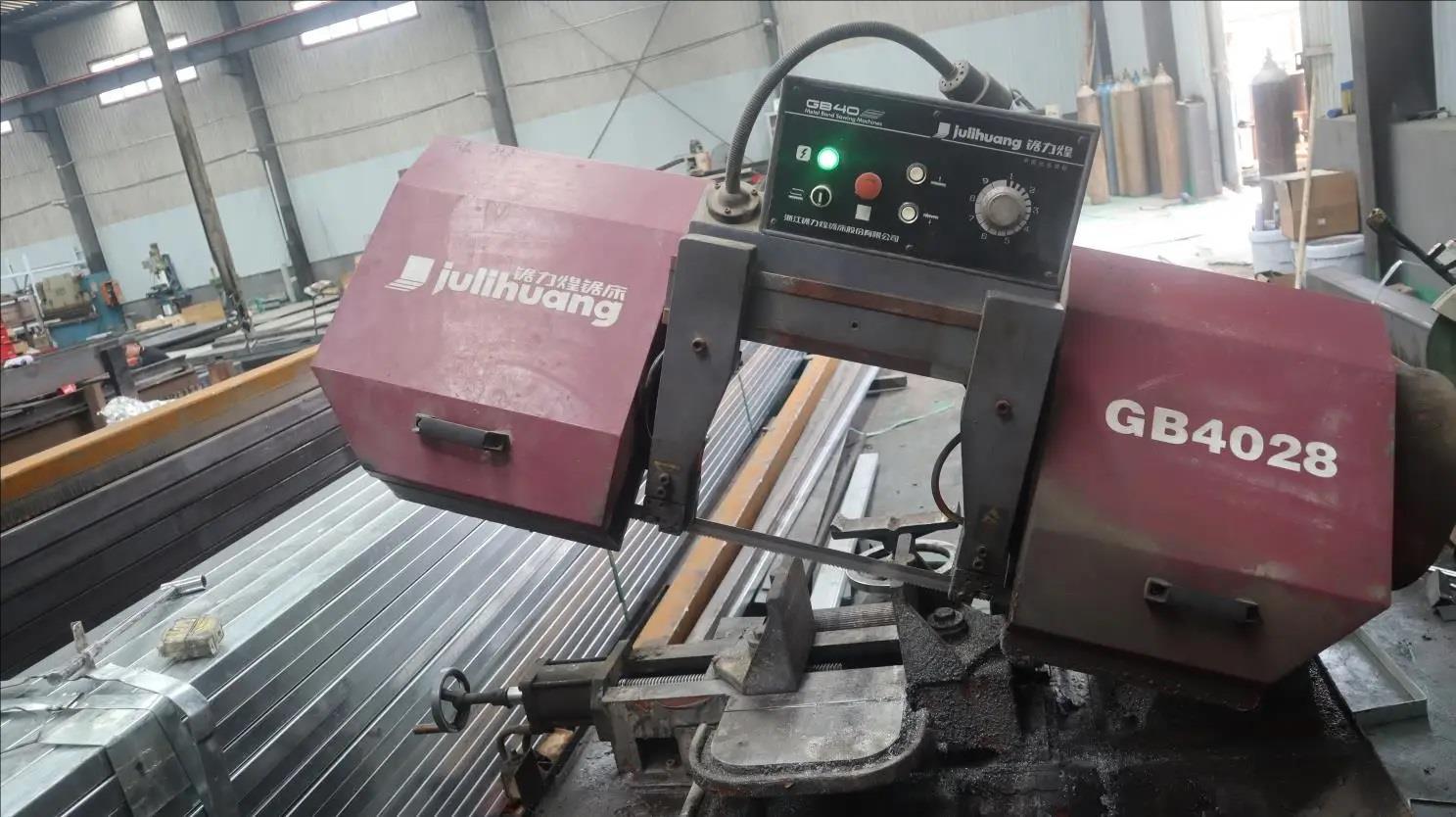
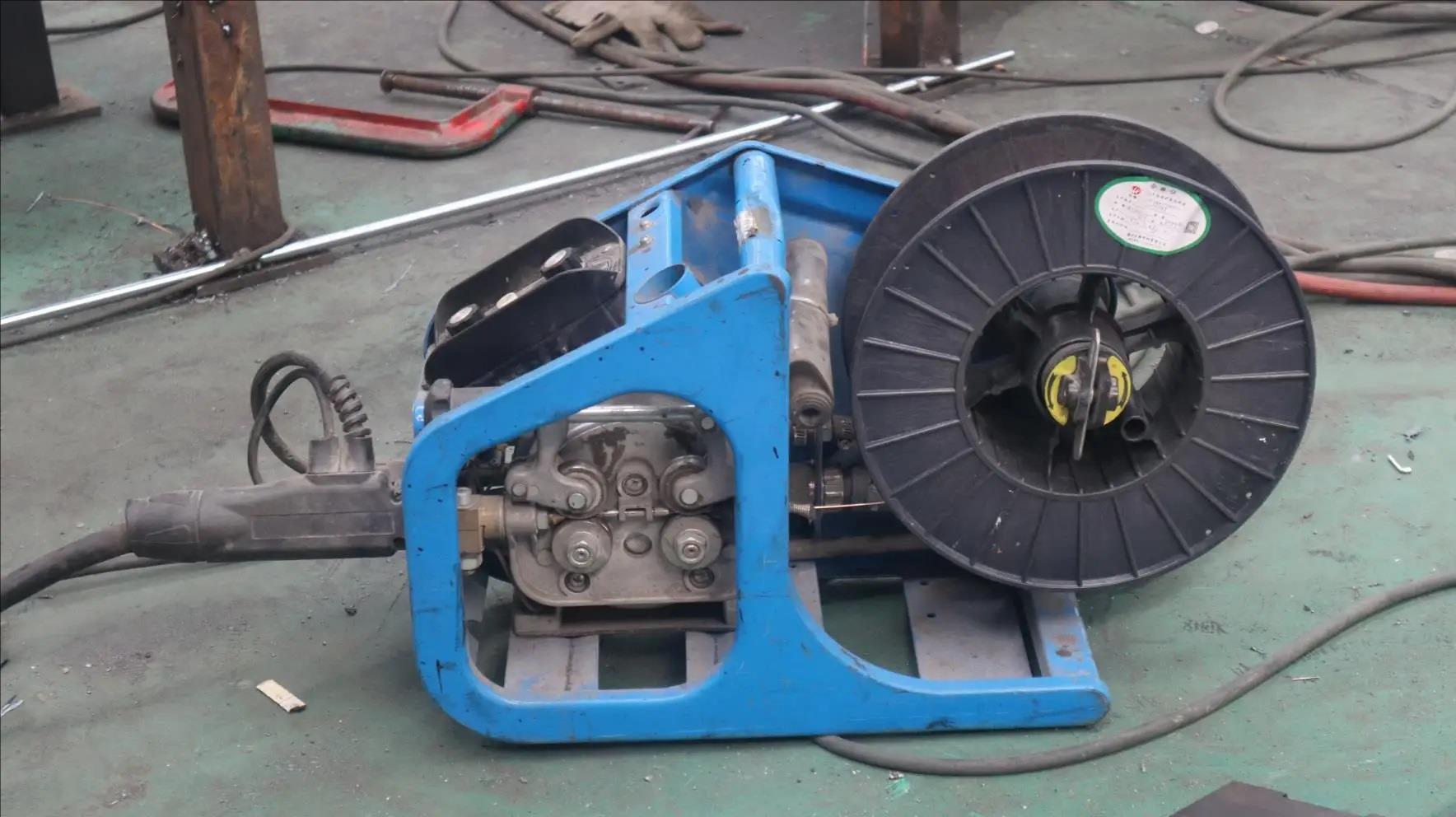
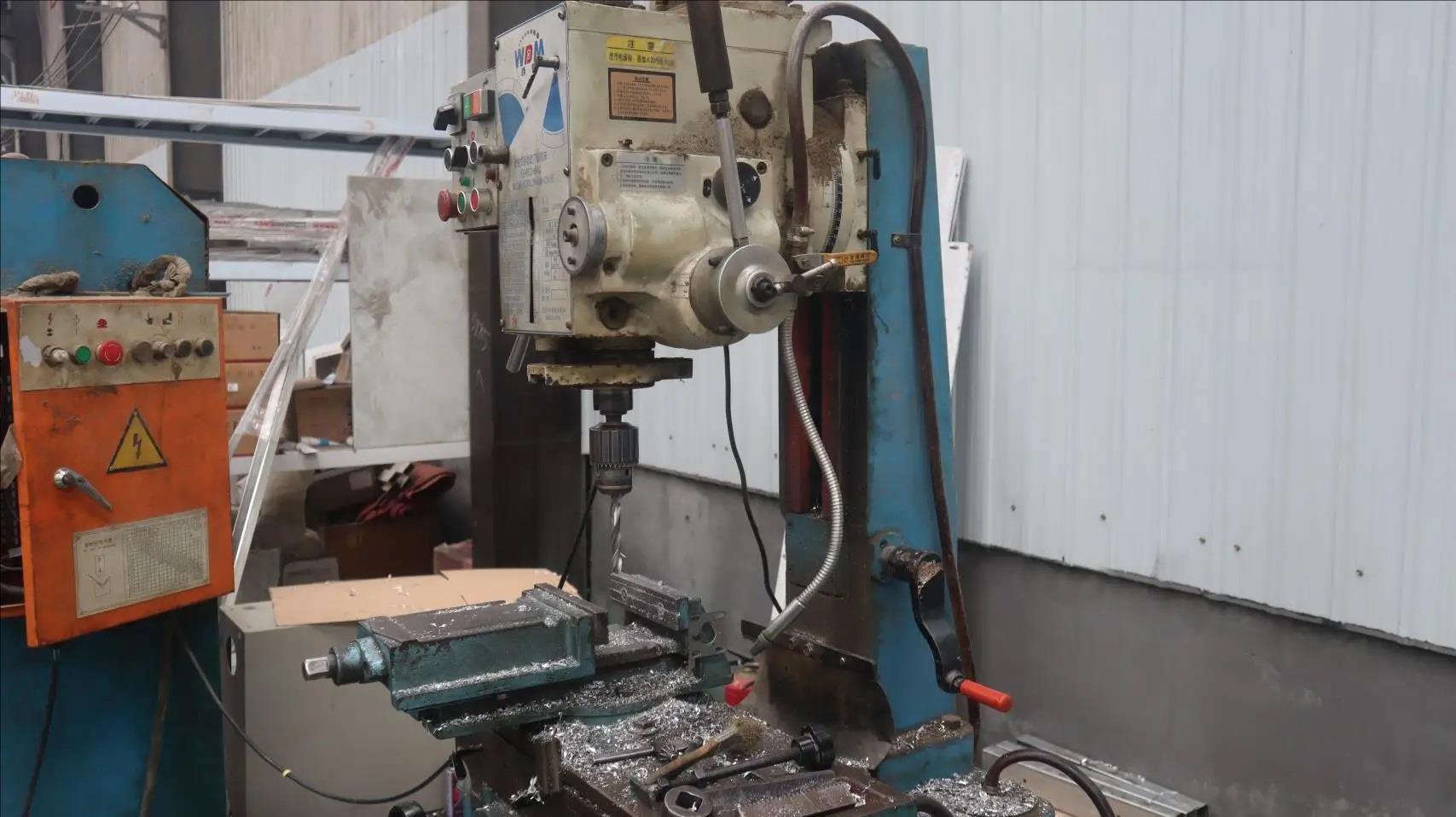
Our manufacturing facility is equipped with advanced CNC grinding machines, high-precision inspection equipment, automated production systems, and modern quality testing laboratories. Every product undergoes rigorous inspection throughout the manufacturing process to ensure exceptional dimensional accuracy and stable machining performance.
DentFix has established a comprehensive manufacturing system supported by experienced engineers, skilled production personnel, and a professional sales and technical service team. Our engineering department focuses on the development of innovative cutting tool solutions that meet the evolving requirements of modern CNC machining.
Guided by the principles of Quality First, Innovation, Reliability, and Customer Satisfaction, Zhejiang DentFix Tool Co., Ltd. is committed to building long-term partnerships with customers worldwide. We look forward to providing professional tooling solutions that help manufacturers improve productivity, reduce production costs, and achieve sustainable growth.
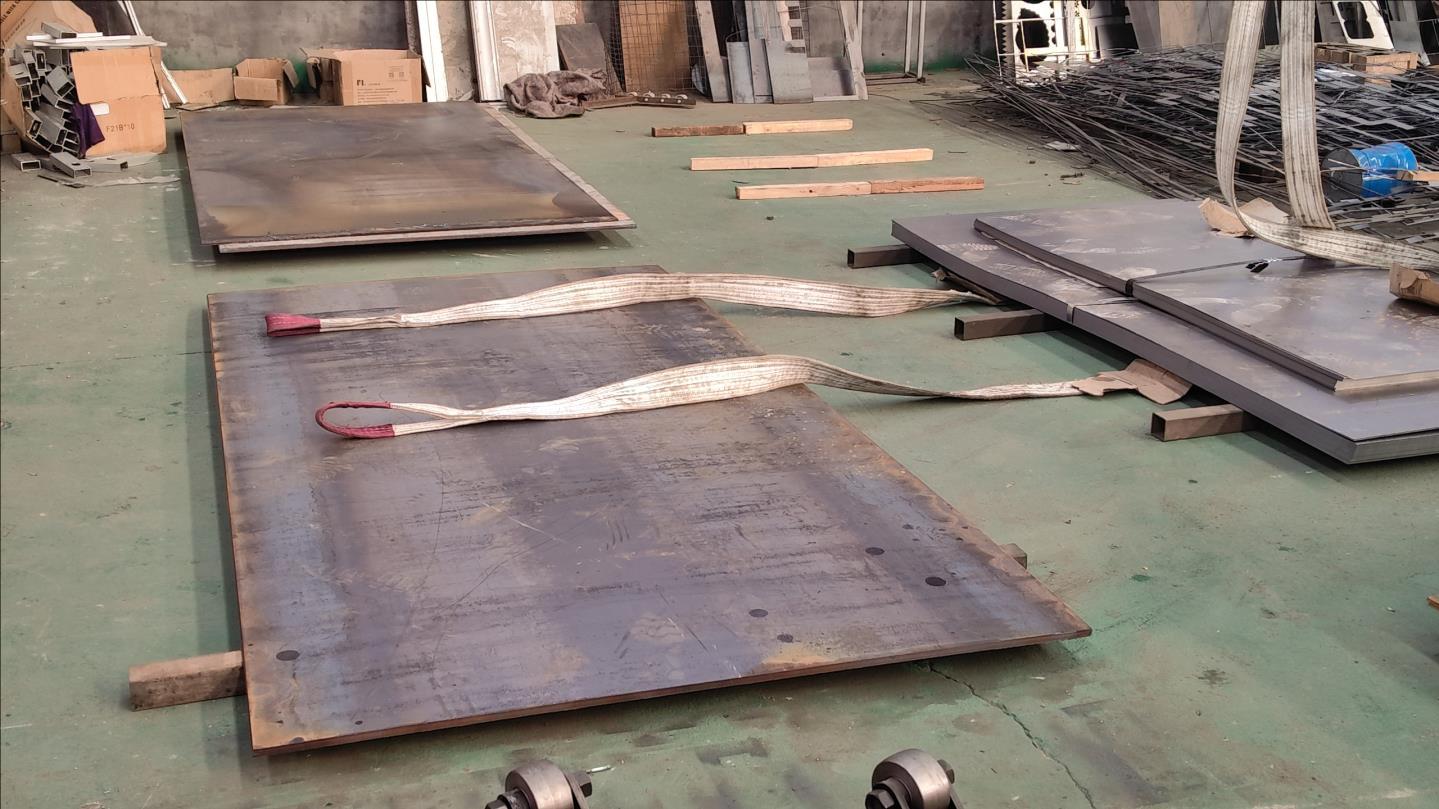
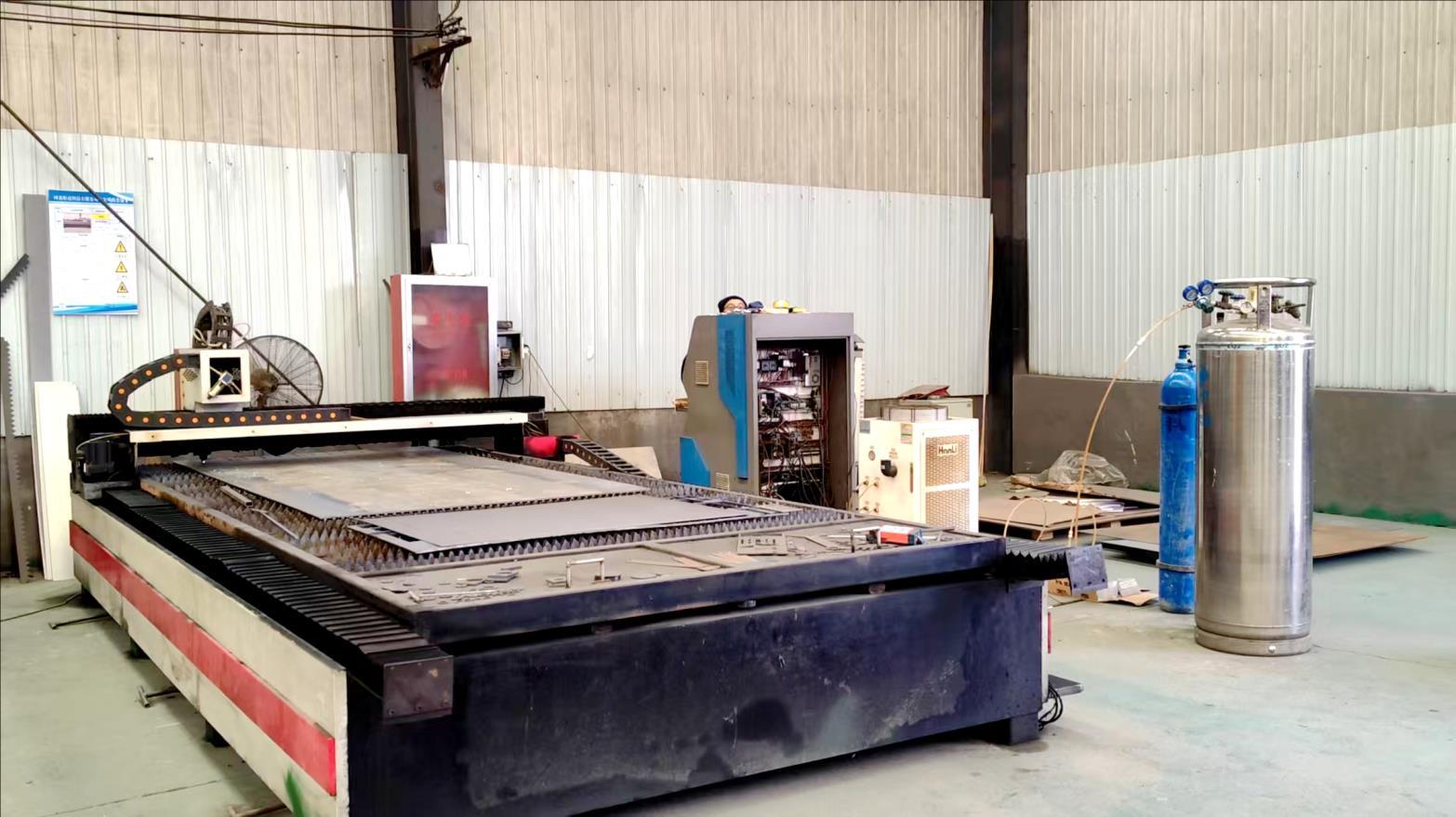
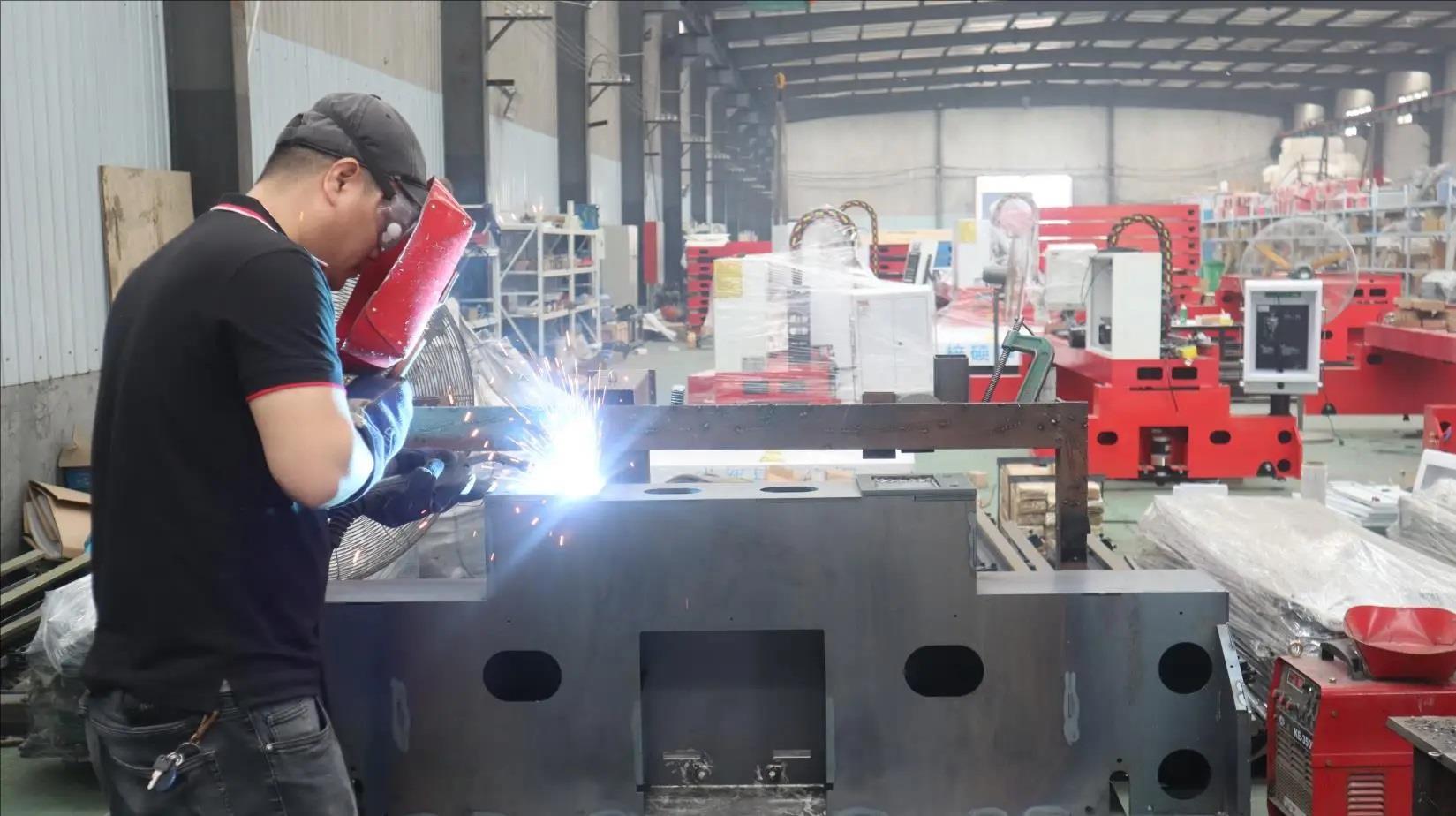
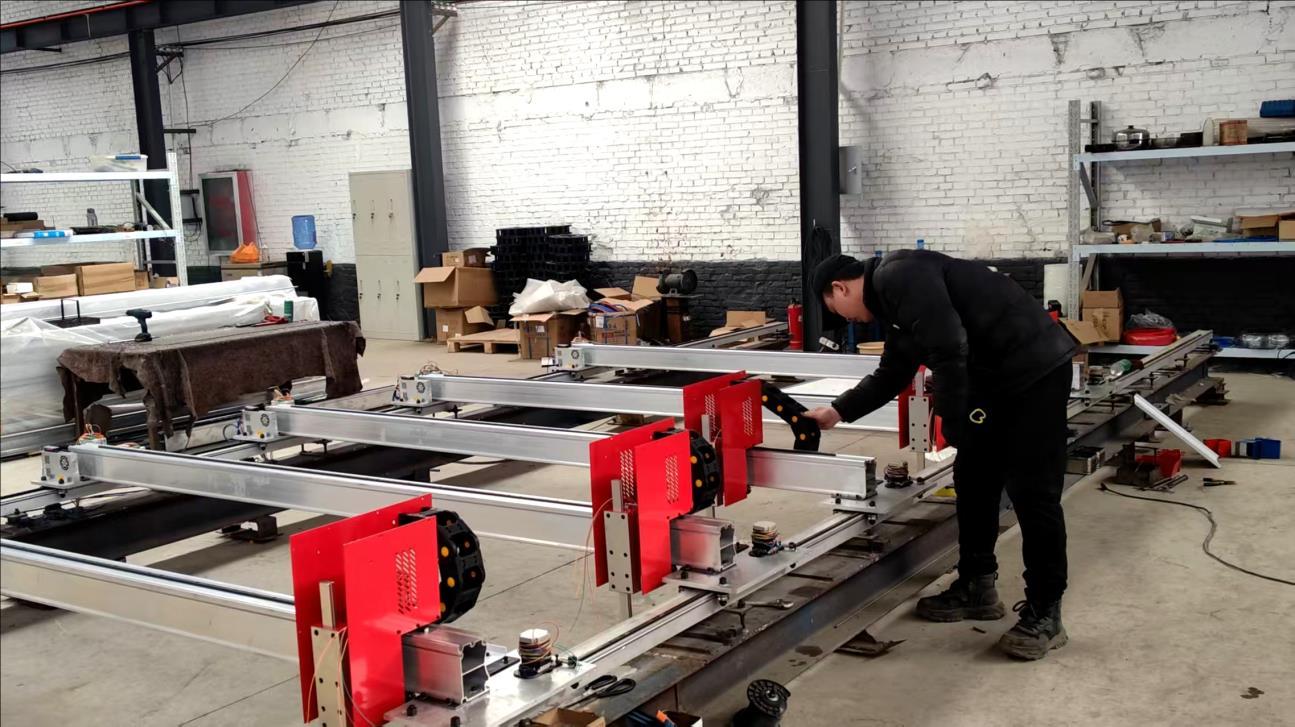
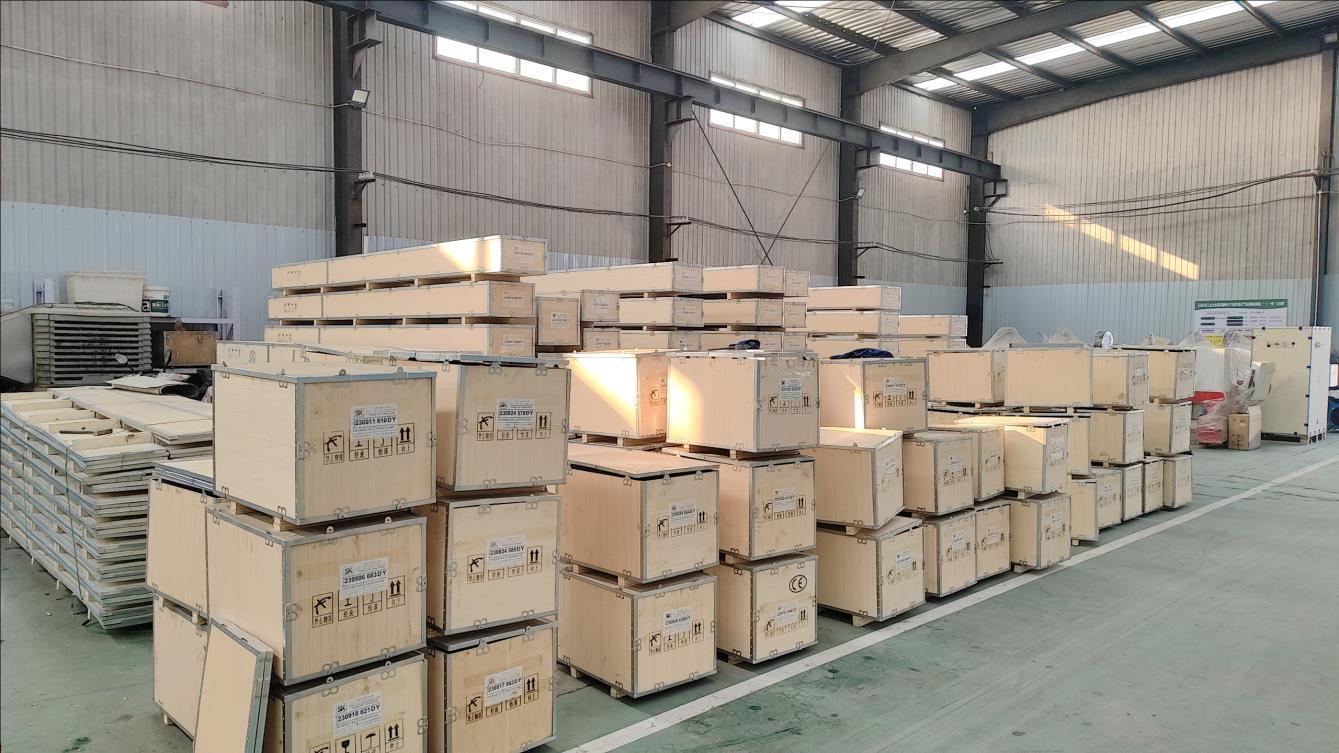
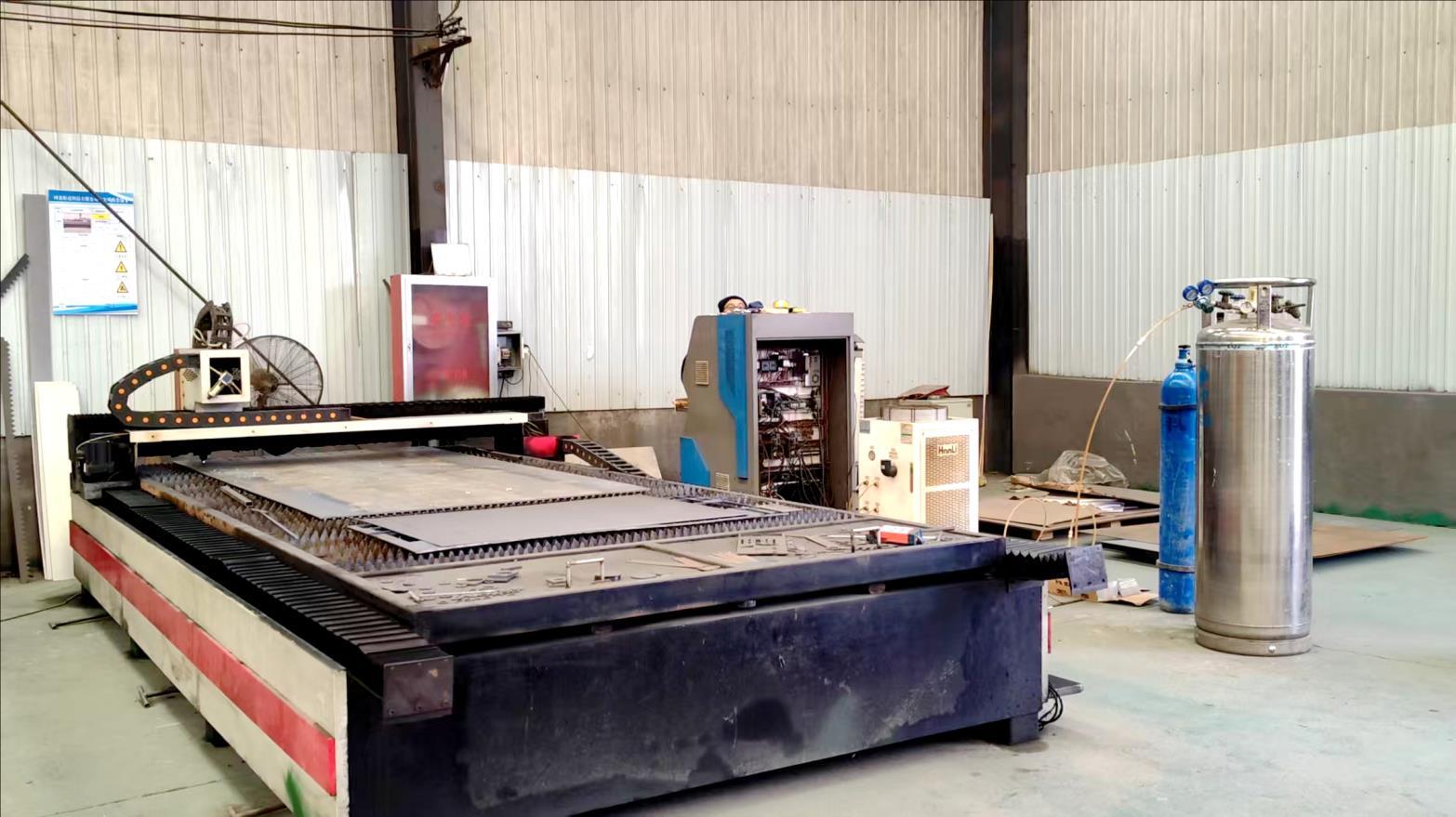
Experience the precision of our end-to-end manufacturing workflow. From premium raw material selection to advanced CNC machining, laser processing, and final inspection.
An in-depth whitepaper analysis on materials science, market growth drivers, and evolving industrial standards.
The global high-speed cutting tools market is experiencing a transformative shift, driven by the expanding requirements of aerospace engineering, automotive electrification (EV manufacturing), and medical technology components. High-speed cutting (HSC) and high-performance machining (HPM) necessitate cutting tools that maintain structural integrity under extreme thermal and mechanical stresses. Advanced manufacturing enterprises require tooling solutions that minimize cycle times while optimizing surface finish and dimensional tolerances.
As industrial automation deepens, CNC operators rely on sub-micron grain tungsten carbide and cobalt matrices to yield tool compositions with higher wear resistance and fracture toughness. Geopolitically, key manufacturing hubs across North America, Europe, and the Asia-Pacific region are prioritizing regional supply chain security. This focus has elevated the value of certified, reliable suppliers who can offer transparent manufacturing workflows, compliance with international certifications (such as the European CE Mark), and consistent micro-structural tool stability.
In high-speed cutting applications, tool-tip temperatures frequently exceed 1000°C. Under these harsh parameters, standard tool materials experience accelerated chemical diffusion, plastic deformation, and abrasive wear. Zhejiang DentFix Tool Co., Ltd. addresses these operational vulnerabilities through advanced metallurgical designs, utilizing substrates with optimal cobalt content combined with ultra-fine grain structures. This design achieves the ideal balance between hardness (up to HRC66) and toughness.
Furthermore, specialized thin-film coatings act as chemical and thermal barriers. Technologies such as physical vapor deposition (PVD) and chemical vapor deposition (CVD) are applied to deposit thin layers of Titanium Aluminum Nitride (TiAlN), Aluminum Titanium Nitride (AlTiN), and Diamond-Like Carbon (DLC). These coatings create a high micro-hardness layer and a low friction coefficient, which facilitates rapid chip evacuation, decreases cutting force variations, and mitigates the formation of built-up edges (BUE) in challenging materials like stainless steel, titanium alloys, and high-silicon aluminum.
Modern sustainability directives and worker safety protocols are pushing industrial manufacturers toward dry machining or Minimum Quantity Lubrication (MQL) techniques. Traditional flood coolant application presents environmental hazards, high disposal costs, and health risks to CNC operators. However, eliminating coolants increases thermal shock risk on the cutting edge. To combat this, DentFix tools incorporate optimized chip-breaker geometries and high-thermal-resistance coatings.
By engineering the tool to direct generated heat away from the workpiece and carry it out through the chips, dry machining becomes a viable and productive option. This design prevents micro-cracking due to rapid thermal cycles, resulting in longer tool life, lower cost-per-part ratios, and cleaner shop floor operations.
Our strategic vision for the next generation of cutting tools, incorporating digital manufacturing, smart monitoring, and advanced materials.
We are advancing our PVD coating technologies to include multilayered nano-structured films. These coatings alternate between hard and ductile nanolayers, arresting micro-cracks before they reach the tool substrate. This technology will significantly extend tool life when machining hard-to-cut superalloys used in critical aerospace applications.
Our future product roadmap includes research into smart tooling solutions. By incorporating embedded sensors and RFID chips into indexable tool holders, we aim to enable real-time data capture of tool wear, vibration frequencies, and temperature profiles. This data allows CNC control units to adjust feed rates dynamically, preventing catastrophic tool failure.
DentFix is integrating hybrid production methods to design complex internal cooling channels within our milling and drilling tools. Using selective laser melting (SLM) metal 3D printing combined with precision CNC grinding, we can route coolant directly to the primary cutting zone, enabling superior cooling efficiency in deep-cavity mold making.
Engineered tool portfolios tailored to meet the demanding technical standards of core manufacturing sectors.
Aerospace machining deals with high-strength-to-weight materials like titanium, Inconel, and carbon fiber reinforced polymers (CFRP). DentFix provides custom end mills with variable pitch and helix geometries designed to minimize harmonic vibrations and chatter. This ensures high-tolerance finishes on aerospace structural parts, engine casings, and turbine blades.
Die and mold production requires long machining hours on hardened tool steels (often exceeding HRC60). Our HRC66 Solid Tungsten Carbide end mills and ball nose cutters offer the necessary thermal stability. This allows mold makers to perform high-speed finish milling directly on hardened steel, eliminating the need for EDM processes and shortening lead times.
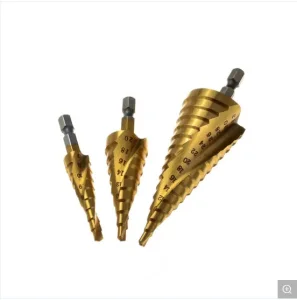
The manufacturing of electric vehicle battery trays, motor housings, and structural aluminum castings demands high material removal rates (MRR) and rapid tool paths. DentFix offers diamond-coated indexable inserts and high-speed step drills that prevent aluminum built-up edge, delivering clean cuts and maximizing cycle counts per tool.
In-depth responses to frequent technical queries regarding cutting tool physics, material selection, and optimization.
CE Certification ensures that the cutting tools comply with essential European safety, health, and environmental protection standards. In high-speed machining (where spindles rotate at speeds up to 40,000 RPM), any minor tool structural defect or balance failure can lead to catastrophic tool breakage. Our CE-certified tools undergo strict balance verification and rotational speed safety testing, providing a safe, reliable option for automated CNC environments.
The micro-grain size of the tungsten carbide (WC) phase directly affects the hardness and wear resistance of the tool. Sub-micron and nano-grain substrates contain smaller tungsten particles with a more uniform distribution of cobalt. This micro-structural composition enhances the tool's resistance to mechanical fracture, maintains sharp cutting edges longer, and prevents chipping under interrupted cut loads compared to coarser-grained alternatives.
Vibration can be mitigated by choosing tools with variable helix angles and unequal index flute spacings. These design features break the rhythmic frequency of the cutter striking the workpiece, disrupting harmonic build-up. Additionally, reducing tool overhang, utilizing high-rigidity tool holders (like shrink-fit systems), and adjusting feed rates relative to spindle speeds can further reduce chatter, resulting in cleaner surface finishes.
PVD coatings are thinner (typically 2-5 microns) and apply less thermal stress to the tool substrate during deposition, which helps preserve the sharpness of the cutting edge. This makes PVD ideal for operations requiring high precision, such as fine finishing, thread milling, and solid carbide end milling. CVD coatings are thicker (typically 5-20 microns) and offer superior thermal insulation and wear resistance, making them better suited for high-speed, heavy-duty turning and roughing operations in abrasive materials like cast iron.
Complementary precision products engineered to support high-efficiency manufacturing processes.
 DentFix Tool