Explore our high-performance carbide inserts, end mills, reamers, and custom brass injection components manufactured under strict industrial control parameters.
In high-speed precision manufacturing, the compliance of CNC milling cutters, engraving machines, and industrial rotary components is not merely a legal requirement; it is a fundamental benchmark of mechanical integrity, occupational safety, and operational reliability.
The "CE Certified Engraving Equipment Factories & Supplier" landscape represents the intersection of strict European safety directives (such as the Machinery Directive 2006/42/EC and Electromagnetic Compatibility Directive 2014/30/EU) and advanced manufacturing sciences. When processing high-hardness alloys, cast iron, or aerospace-grade aluminum, the thermal loads and structural vibrations generated require tooling and equipment that meet rigorous tolerance specifications. Non-certified equipment introduces unacceptable risks of structural failure, premature tool wear, and safety hazards on the production floor.
For organizations looking to deploy multi-axis CNC machines or specialized laser and mechanical engravers, CE certification indicates that the manufacturer has mitigated structural resonances, designed robust shielding, and implemented reliable emergency stop systems. This ensures seamless integration into automated, high-throughput assembly lines.
Leveraging industrial clusters, advanced metallurgy, and vertical supply chains to deliver precision at scale.
By utilizing sub-micron tungsten carbide powder matrices, Chinese factories create milling tools and inserts with balanced toughness and hardness. This micro-grain structure minimizes edge chipping when processing challenging materials like stainless steel and titanium alloys.
Through state-of-the-art PVD and CVD chambers, tools are coated with premium TiAlN, AlTiN, and PCD (Polycrystalline Diamond) layers. These coatings maintain high thermal stability and oxidation resistance, extending tool life even during dry, high-speed machining.
Proximity to key raw materials (including over 80% of the world's tungsten supply) and highly specialized industrial zones allows Chinese manufacturers to offer customized profiles, specialized thread mills, and rapid prototyping without long lead times.
Engineered for Precision, Optimized for Productivity.
Zhejiang DentFix Tool Co., Ltd. is a professional manufacturer specializing in the research, development, production, and global distribution of precision CNC cutting tools and carbide solutions. Since our establishment, we have been committed to providing high-performance tooling products for the metalworking industry, serving customers across automotive, aerospace, mold & die, general engineering, energy, and precision manufacturing sectors.
Driven by continuous innovation and customer-focused development, DentFix has grown into a modern manufacturing enterprise that integrates R&D, intelligent production, quality control, sales, and technical support. The company has built a strong reputation for delivering reliable products, consistent quality, and professional services to customers in both domestic and international markets.
With advanced manufacturing technologies, experienced engineering teams, and strict quality management systems, DentFix continuously improves its product performance and production efficiency. We are dedicated to helping our customers achieve higher machining accuracy, longer tool life, greater productivity, and lower manufacturing costs.
DentFix has established a comprehensive manufacturing system supported by experienced engineers, skilled production personnel, and a professional sales and technical service team. Our engineering department focuses on the development of innovative cutting tool solutions that meet the evolving requirements of modern CNC machining.
Our manufacturing facility is equipped with advanced CNC grinding machines, high-precision inspection equipment, automated production systems, and modern quality testing laboratories. Every product undergoes rigorous inspection throughout the manufacturing process to ensure exceptional dimensional accuracy, durability, and stable machining performance.
Guided by the principles of Quality First, Innovation, Reliability, and Customer Satisfaction, we look forward to providing professional tooling solutions that help manufacturers improve productivity, reduce production costs, and achieve sustainable growth.
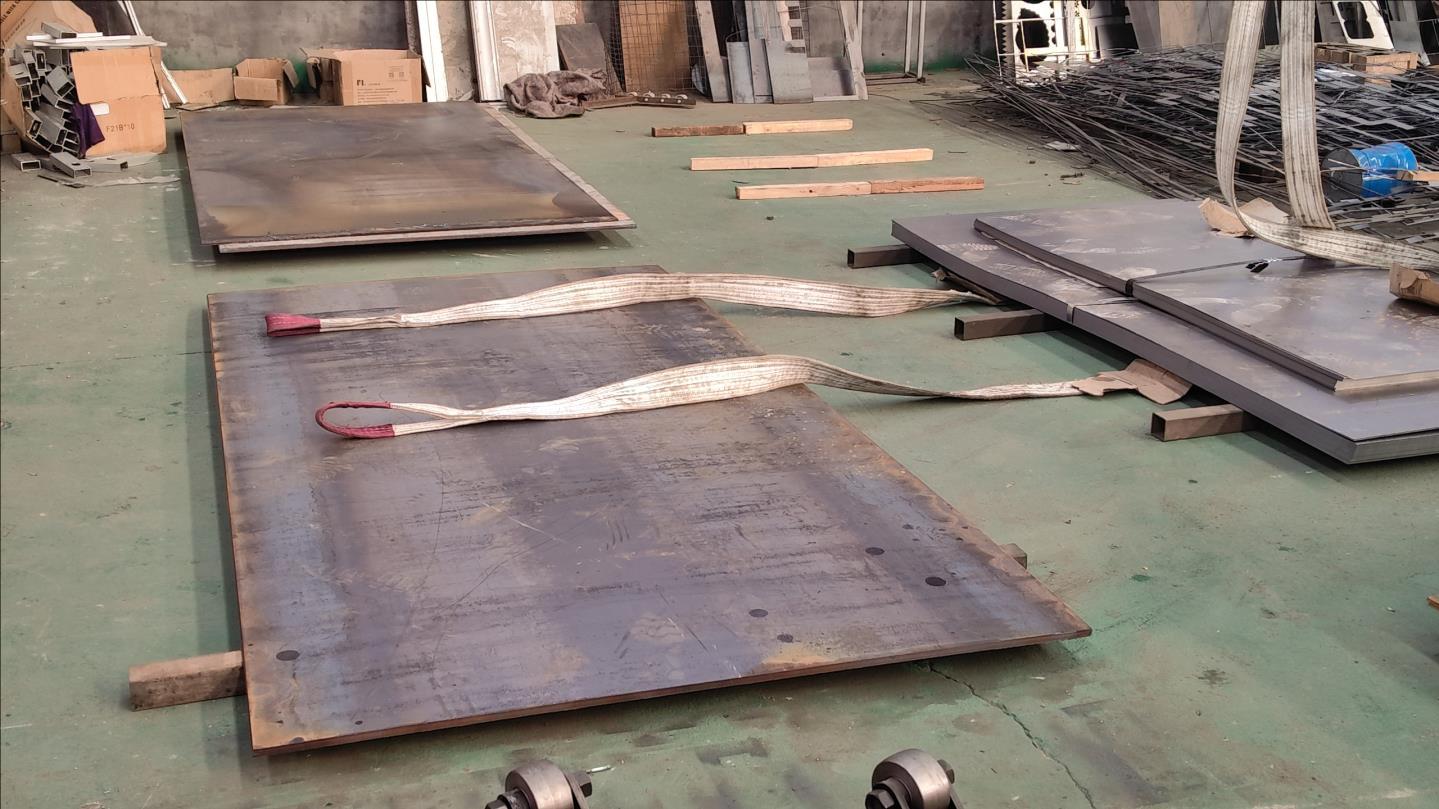
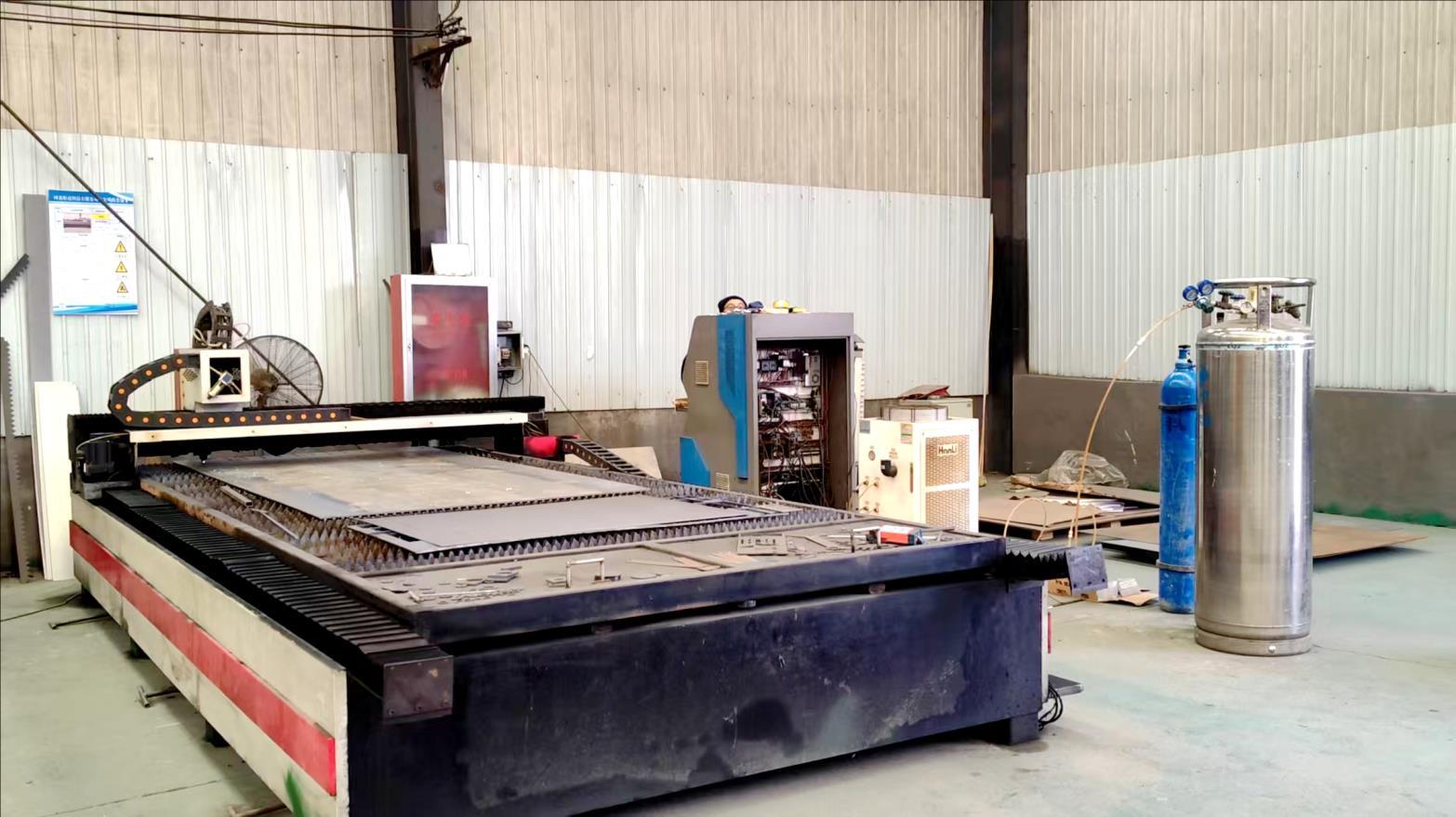
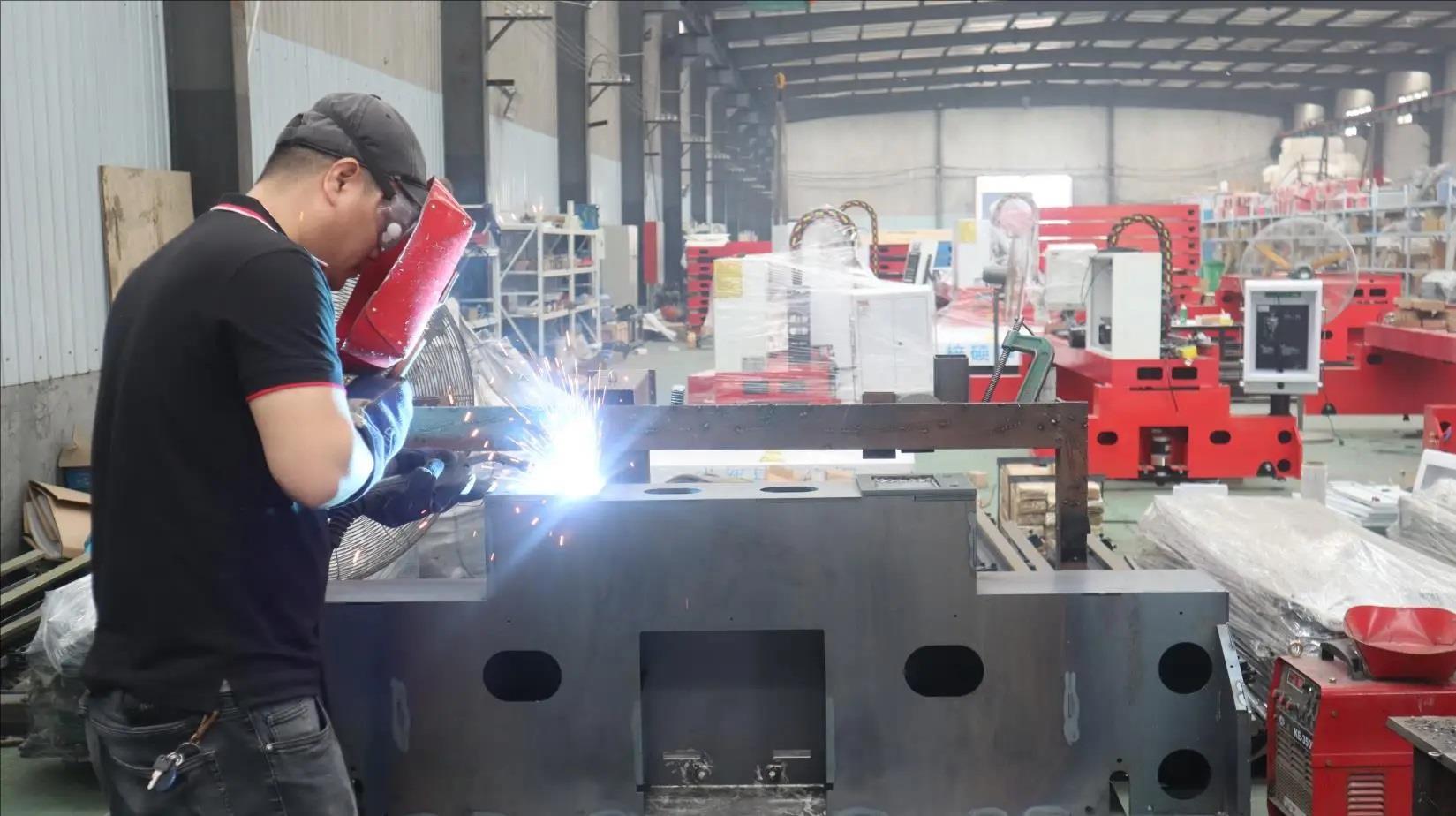
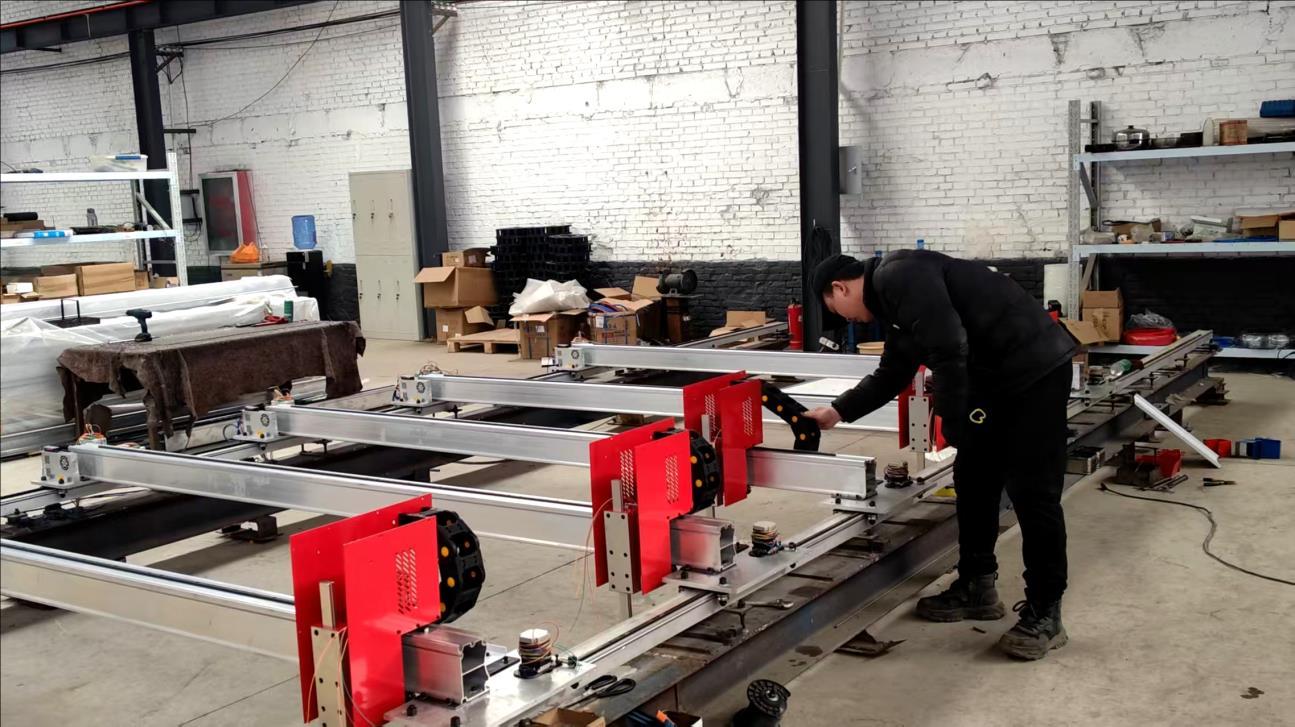
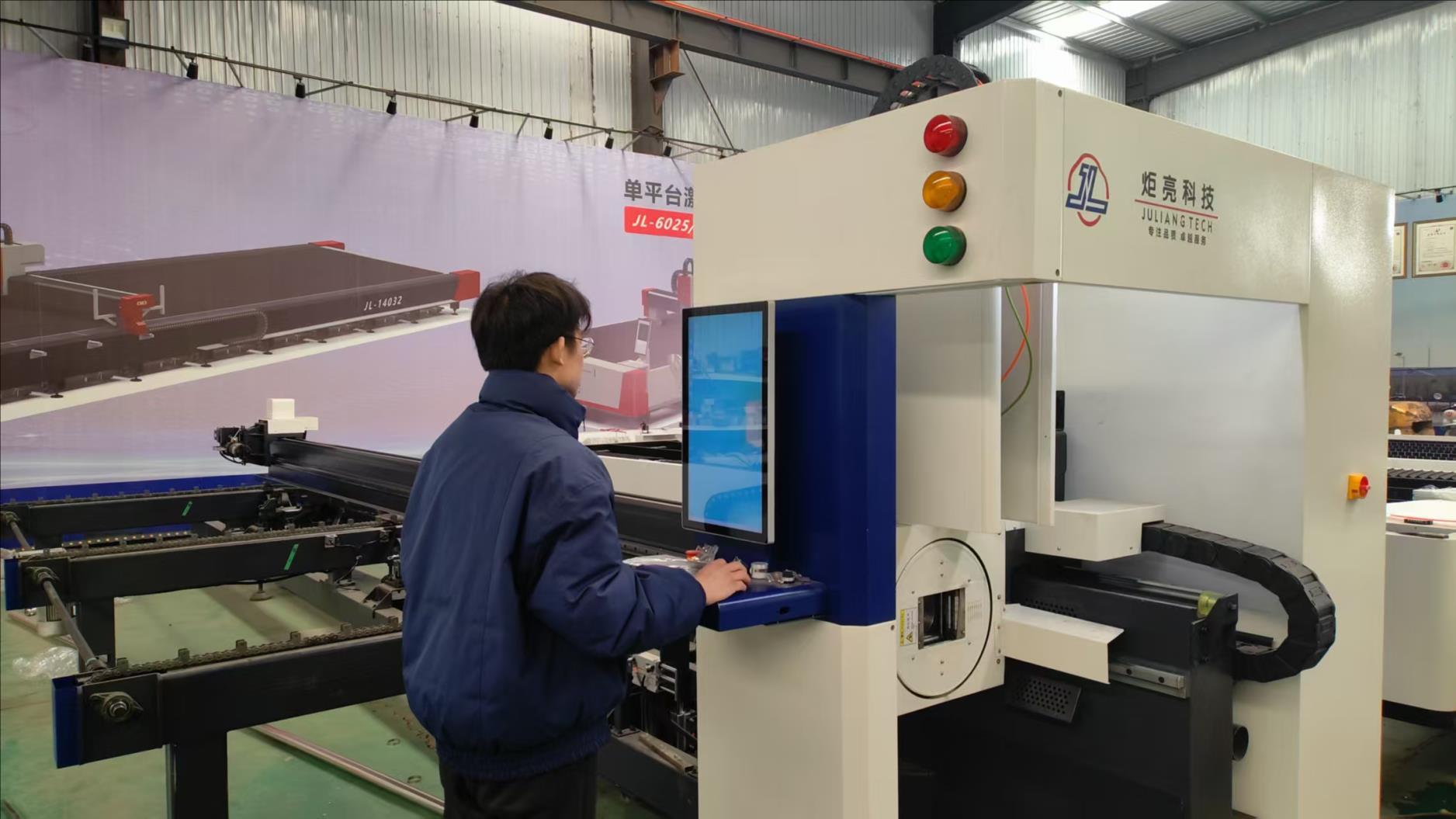
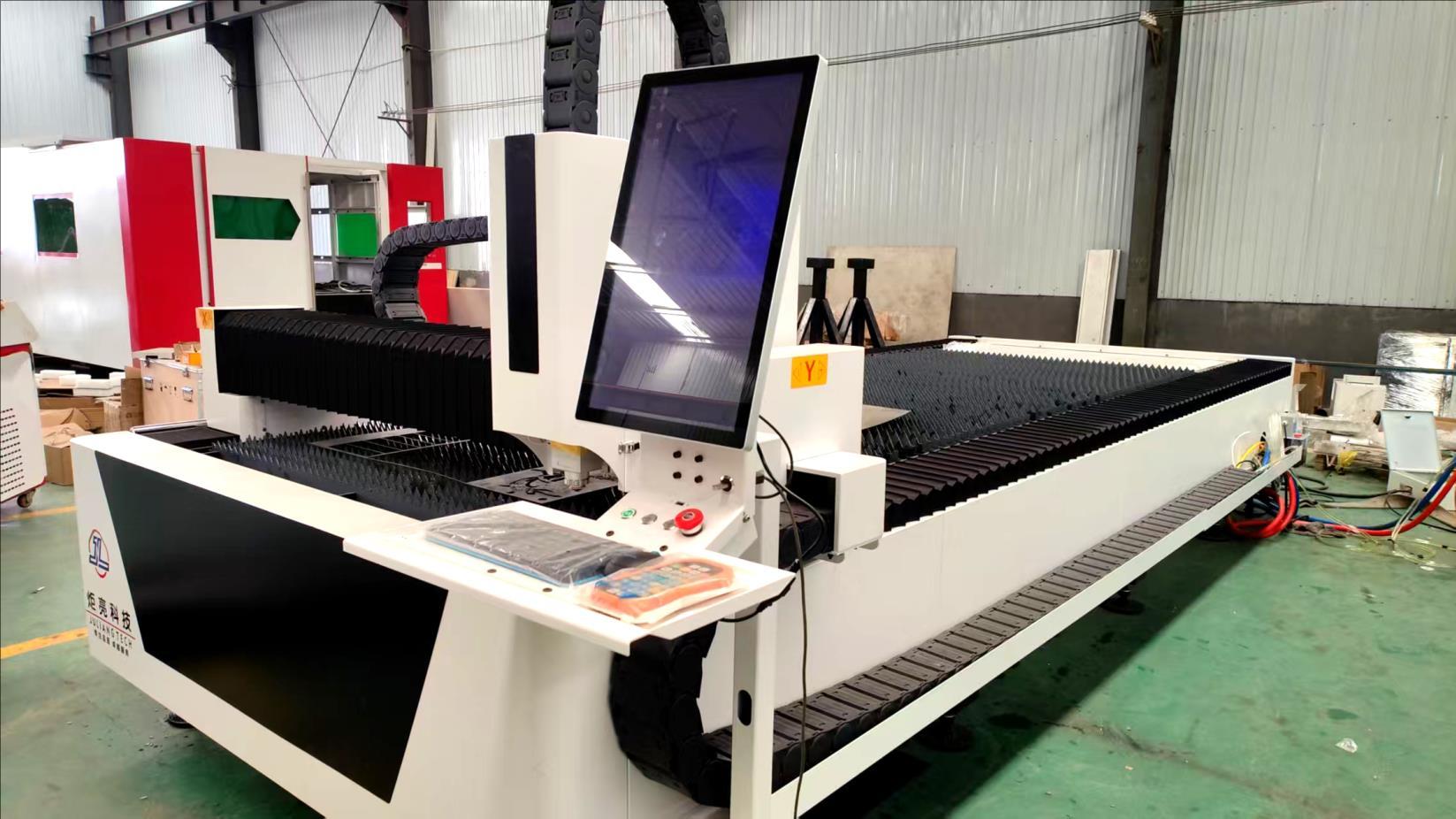
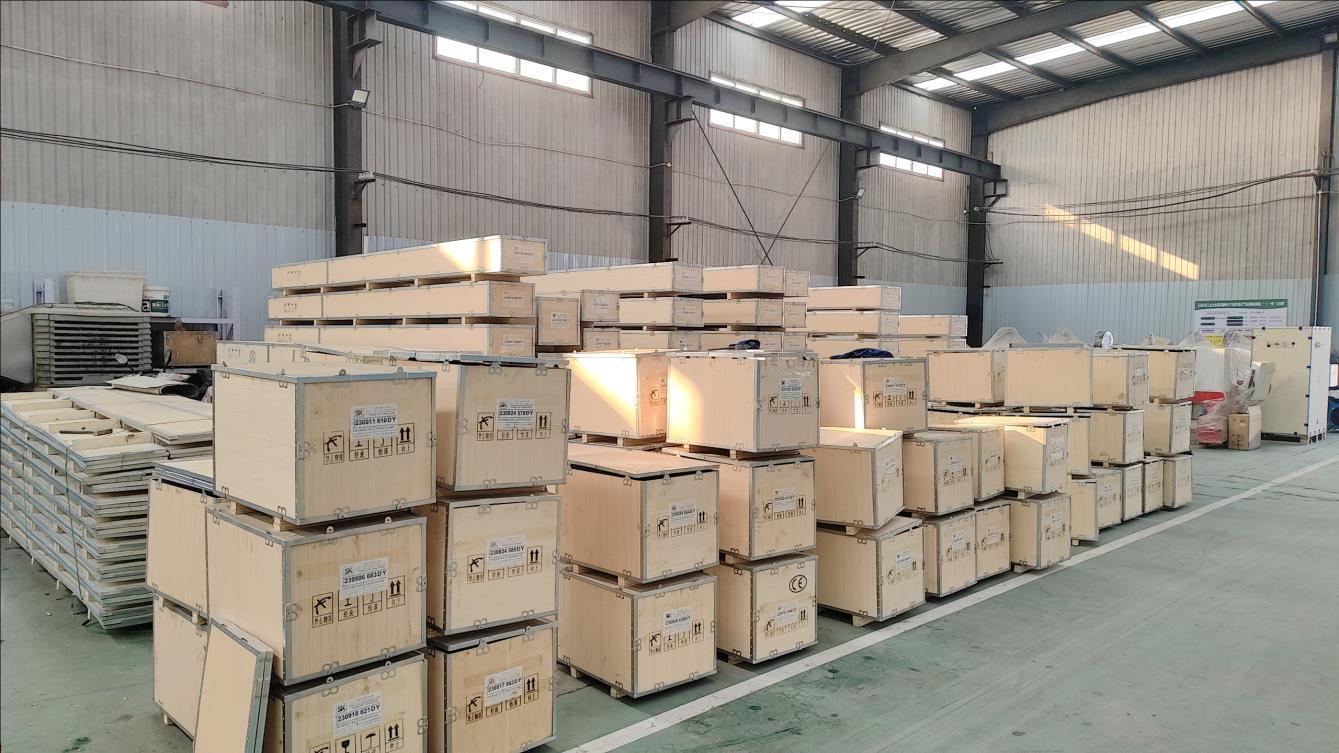
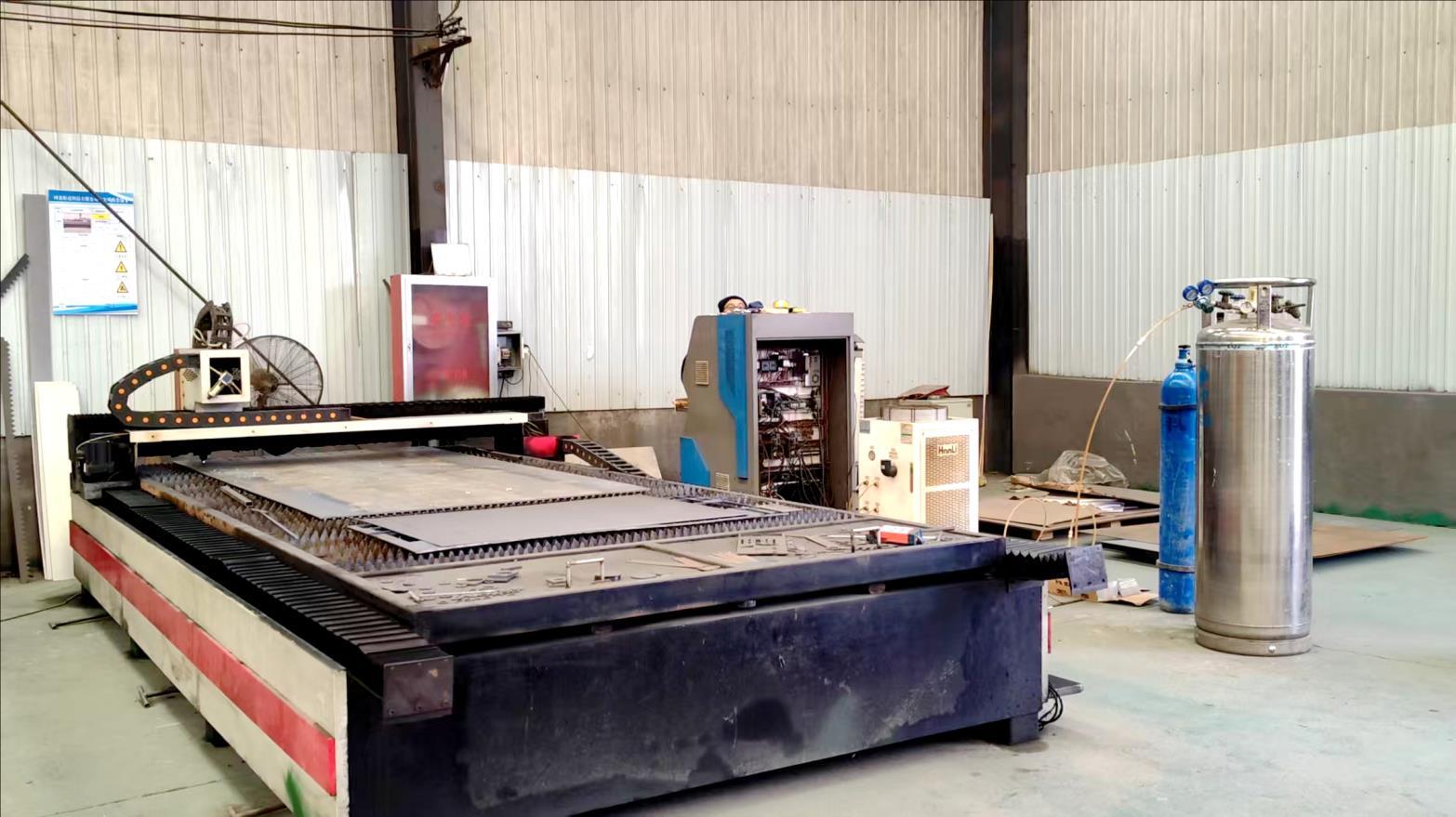
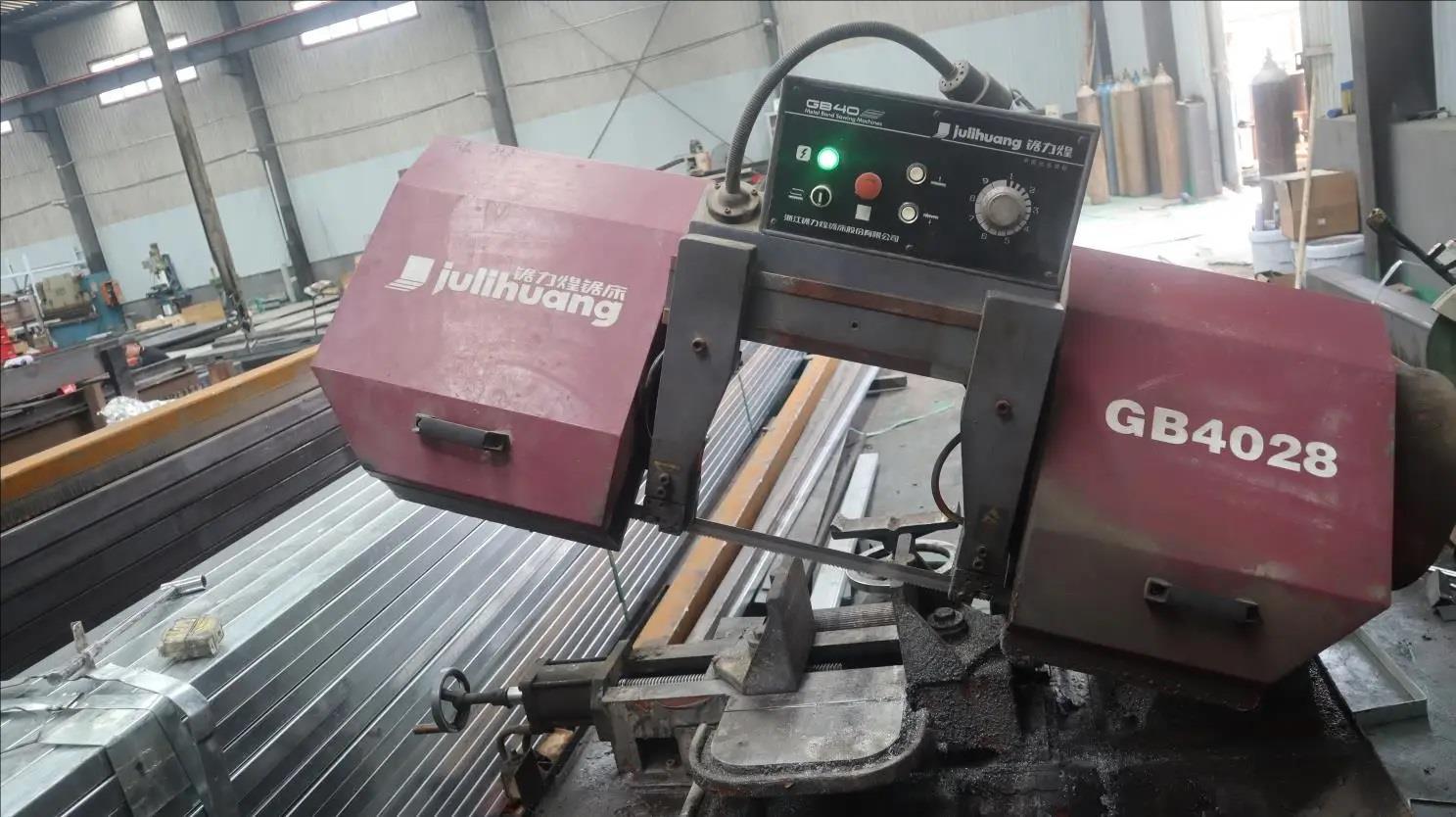
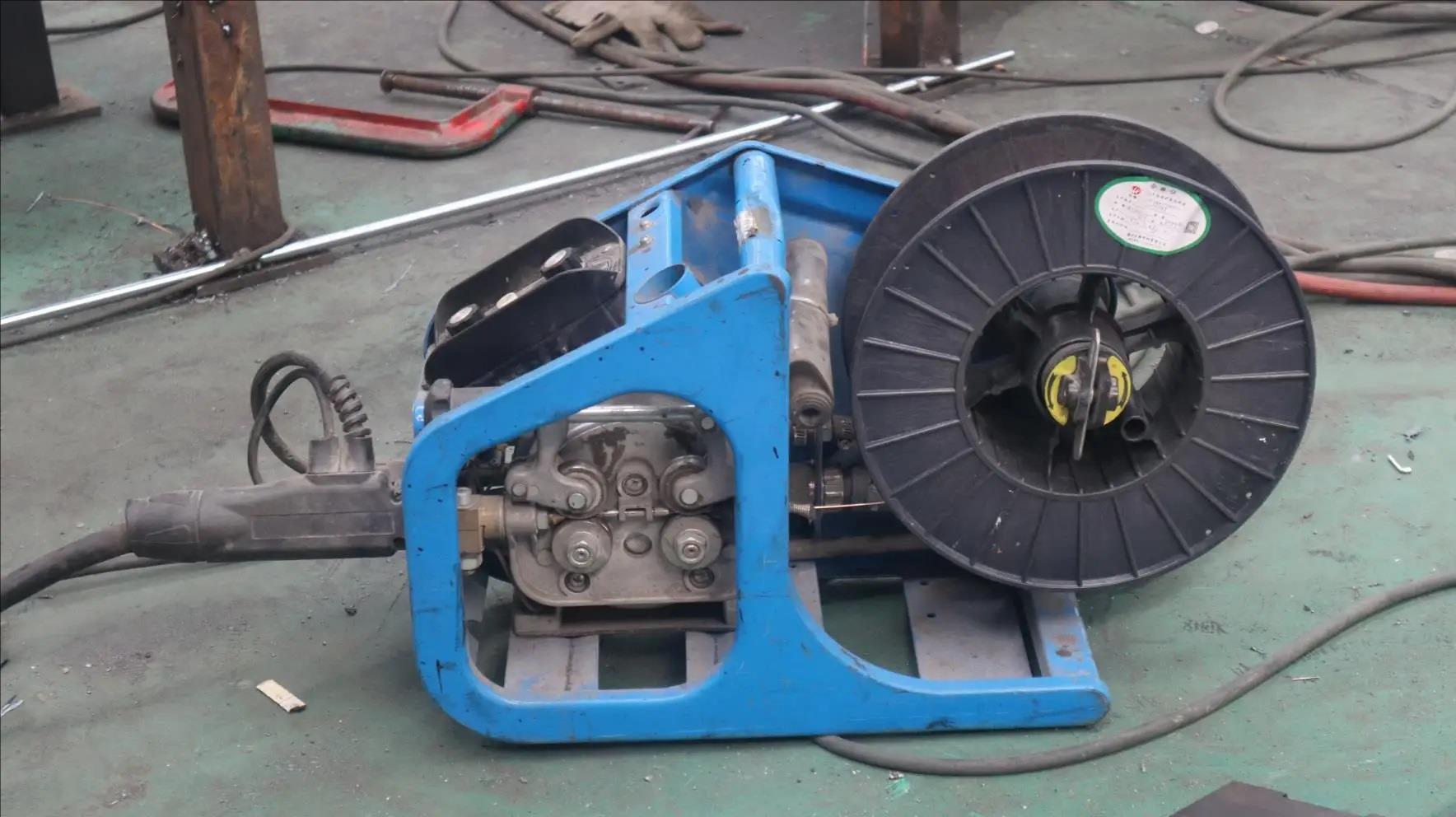
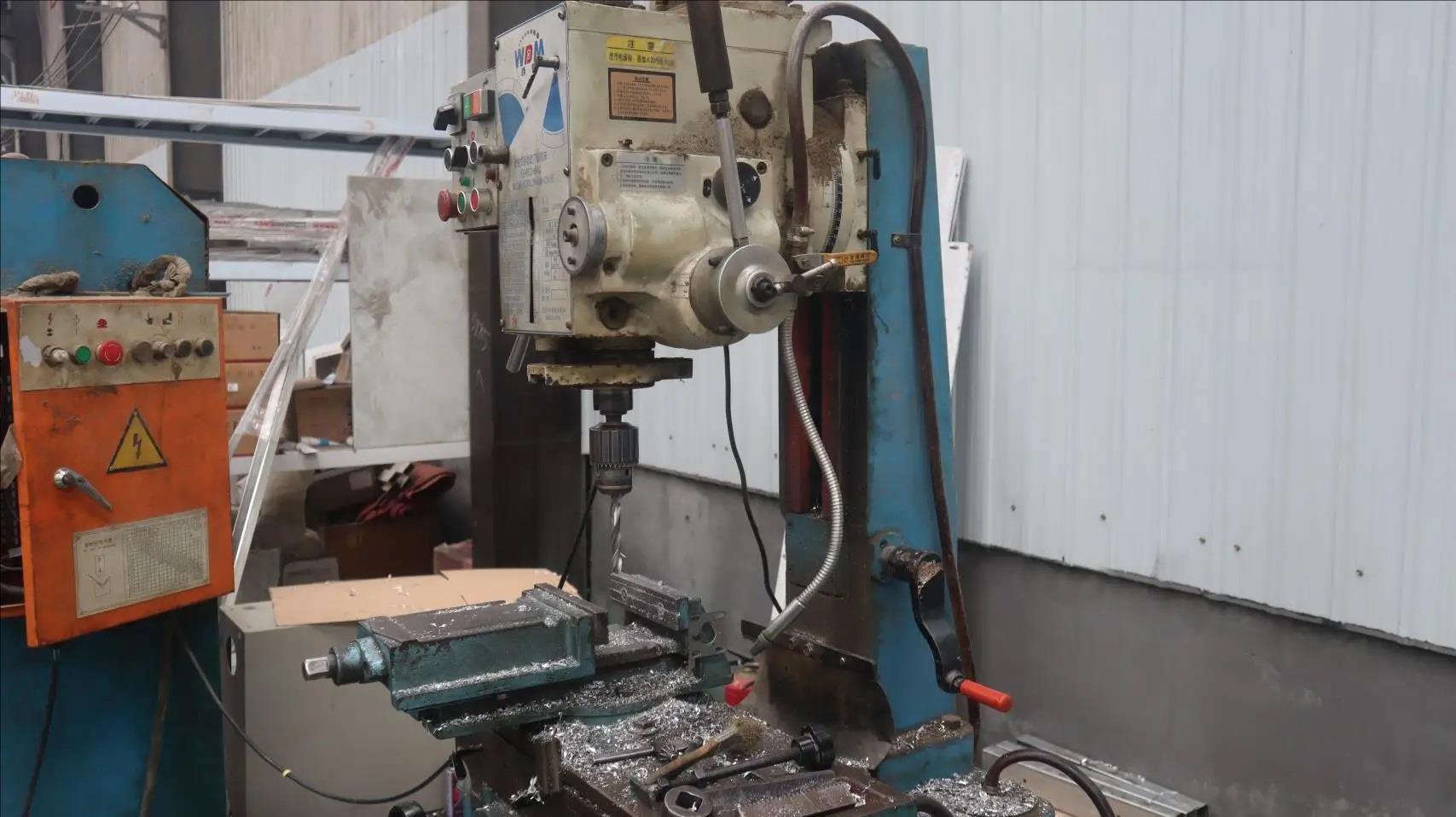
From aerospace component sizing to heavy-duty die making, discover how our custom tools adapt to modern factory floors.
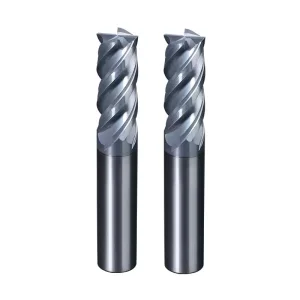
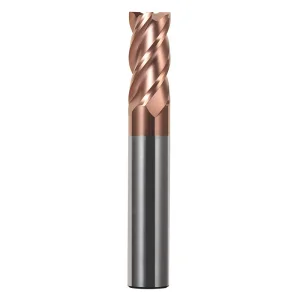
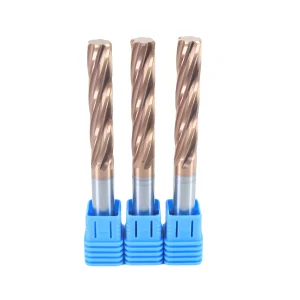
Requires sub-micron runout accuracy on high-temperature superalloys. Our TiAlN 4-flute end mills offer stable chip clearing and minimum thermal deformation.
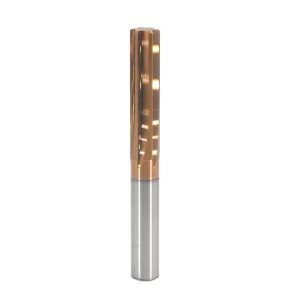
Processing hardened tool steels up to HRC70. The flat-bottomed alloy straight shank mills deliver stable tool life and precise profile finishing.
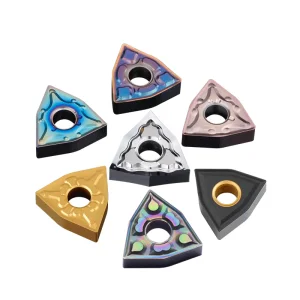
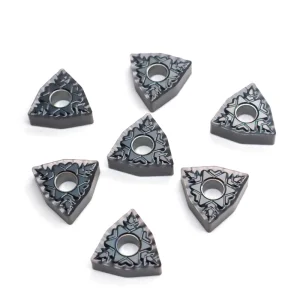
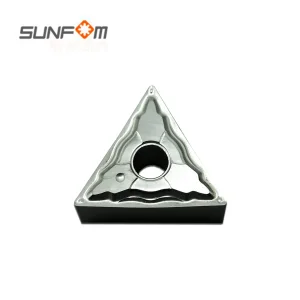
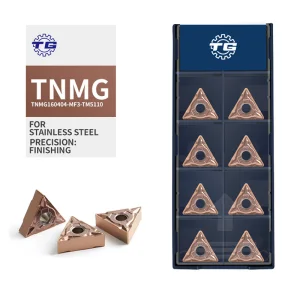
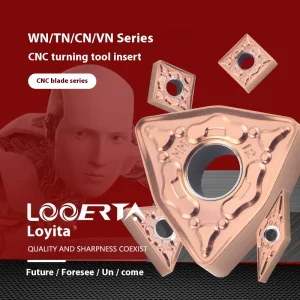
Continuous machining of brake discs and engine blocks using indexable WNMG/TNMG carbide inserts, reducing setup and tool change downtime.
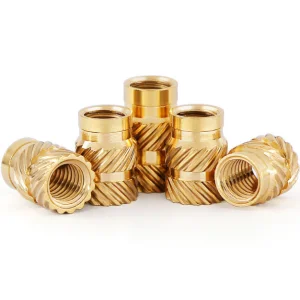
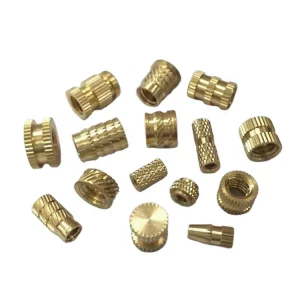
Miniature thread and brass knurled nut insertion for consumer electronics, guaranteeing flawless thermal assembly and mechanical pull-out strength.
Global procurement specialists face significant pressure regarding tool life predictability, dimensional consistency, and delivery timelines. When importing thousands of indexable inserts (like WNMG or TNMG geometries) or rotary broach holders, a minute defect rate can halt production lines, resulting in substantial losses.
By partnering with DentFix, sourcing agents can establish structured Service Level Agreements (SLAs) that define dimensional tolerances down to the single-digit micron level. Utilizing advanced automated grinding machines, our factory maintains a high degree of process capability (Cpk), ensuring that the first insert off the line performs identically to the ten-thousandth. Our QC lab measures edge radius consistency and coating thickness using optical comparators and scanning electron microscopy, providing transparent verification data for major corporate buyers.
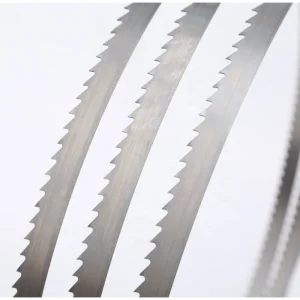
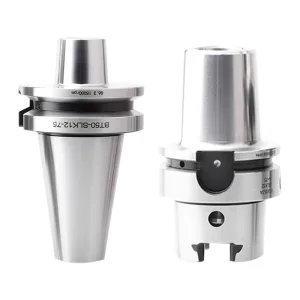
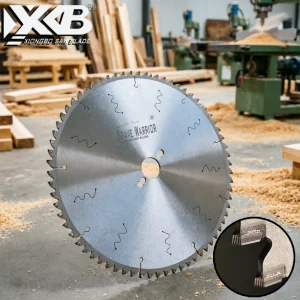
Additionally, our comprehensive tooling portfolio allows buyers to consolidate their vendor base. Instead of sourcing milling cutters, brass inserts, bandsaw blades, and tool holders from different suppliers, procurement managers can streamline their supply chain by ordering their entire requirements directly from our CE-certified facility in Zhejiang.
Insightful technical analysis of the industry trends shaping the future of manufacturing.
1. The Rise of Smart Tooling and Live Diagnostics: As manufacturing systems transition toward Industry 4.0, milling spindles and tool holders are integrating sensor arrays. These live systems detect cutting forces, temperature increases, and axis vibrations in real time, allowing the CNC controller to adjust feed rates dynamically and prevent tool breakage.
2. Advanced Super-Hard Coatings for Dry Machining: Environmental regulations are prompting a shift away from oil-based flood coolants toward Minimum Quantity Lubrication (MQL) or completely dry cutting. This requires coatings like high-aluminum TiAlN or CrN-based matrices to handle thermal barriers exceeding 1,000°C without losing hardness.
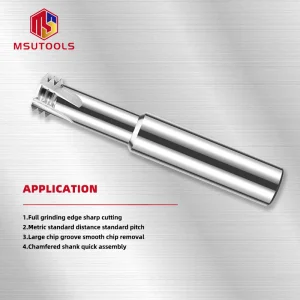
3. Customization of Macro-Geometries: Standardized end mills are increasingly being replaced by custom tools that perform multiple operations in a single pass. Step drills and combination chamfer-milling tools reduce tool changeover times, maximizing cycle efficiency in mass production lines.
4. Sustainable Powder Reclamation: As tungsten and cobalt face supply chain challenges, premium factories are adopting closed-loop reclamation programs. Recycling carbide tools lowers raw material costs while minimizing the environmental impact of extraction, aligning with global corporate sustainability goals.
Answers to common engineering questions regarding tool selection, materials, and international certification.
For cutting tools, CE certification guarantees compliance with safety standards regarding structural integrity under high centrifugal forces (EN 847-1). For full engraving machinery, it covers safety aspects including emergency braking systems, laser shielding (for laser engravers), dust extraction, and electromagnetic compliance to prevent operational failures.
For austenitic stainless steels (such as 304 and 316), high-aluminum TiAlN or AlTiN coatings are recommended. These coatings create a stable aluminum oxide barrier under high cutting temperatures, protecting the tungsten carbide core from abrasive wear and work-hardening.
Our custom brass threaded inserts utilize diamond, helical, or straight knurled designs. When heat-staked or injection-molded into plastics, the polymer flows into the knurl grooves, establishing strong physical engagement that resists axial pull-out and torsional loads.
For custom carbide tooling with modified geometries, the prototyping process (including drawing validation, CNC grinding, and coating) takes approximately 10 to 15 business days. Mass production lead times range between 20 and 30 days depending on raw material availability.
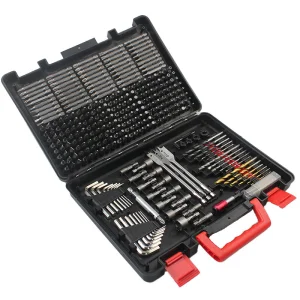
Select from our heavy-duty saw blades, rotary holders, and drill kits optimized for production facilities.
 DentFix Tool