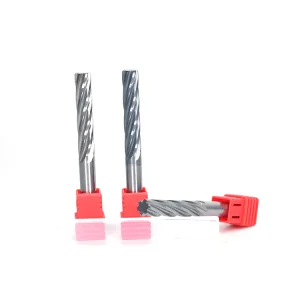
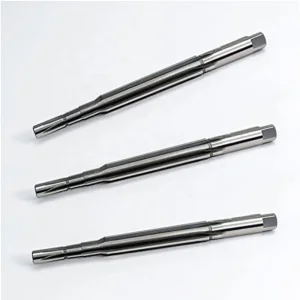
Engineered for absolute accuracy, optimized tool life, and superior surface finish in challenging material processing.
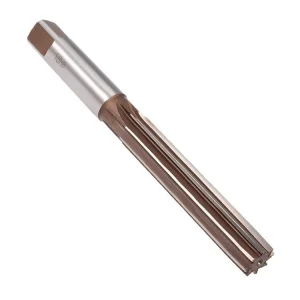
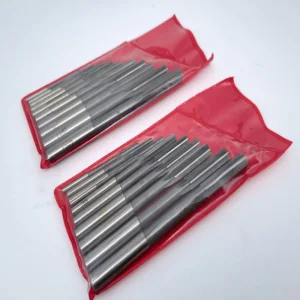
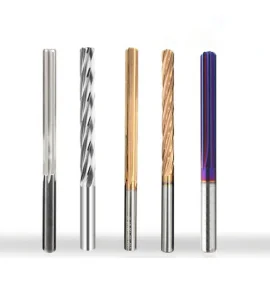
Insights into Ireland's industrial transition towards high-value medical device and aerospace manufacturing, and the crucial role of sub-micron boring tools.
Ireland has established itself as one of the world's premier hubs for advanced manufacturing, particularly in the fields of Medical Devices (MedTech), Aerospace, and Semiconductor components. Major industrial cities such as Galway, Cork, Shannon, Limerick, and Dublin host a vast concentration of multinational corporations and specialized precision engineering subcontractors. These operations rely heavily on CNC equipment to machine notoriously difficult materials, including 316L Stainless Steel, Titanium (Grade 5/Ti-6Al-4V), and Cobalt-Chromium alloys.
For orthopedic implants, cardiovascular components, and aerospace turbine assemblies, dimensional accuracy is paramount. A deviation of even 2 microns can render a part unusable. Reaming tools—specially designed for final sizing and finish control of pre-drilled holes—play an essential role in this high-specification workflow. The modern Irish CNC machine shop requires reamers that deliver consistent H7 tolerances, exceptionally low surface roughness ($R_a$), and long tool life to run automated shifts without tool wear interventions.
As manufacturing moves toward lean processes and Industry 4.0, Irish factories are shifting their tool matrix from traditional High-Speed Steel (HSS) to Solid Tungsten Carbide and Cermet reamers. Solid Carbide offers significant thermal stability, retaining its hardness at temperatures up to 900°C. This quality is crucial when machining tough materials with low thermal conductivity, such as Inconel 718 or Titanium alloys used by the aerospace clusters around Shannon. Furthermore, specialized PVD coatings such as AlTiN (Aluminum Titanium Nitride) and AlCrN (Aluminum Chromium Nitride) are used to combat built-up edge (BUE) and crater wear, ensuring consistent production runs.
One of the key technical requirements in modern reaming is proper chip evacuation. In blind-hole reaming—common in hydraulic valve bodies and medical manifold systems—chips can be trapped, causing severe scratching and dimension deviations. Through-coolant reamers direct high-pressure coolant straight to the cutting edges. This flushes the micro-chips backward along the straight flutes, cooling the cutting zone and maximizing the performance of the carbide substrate.
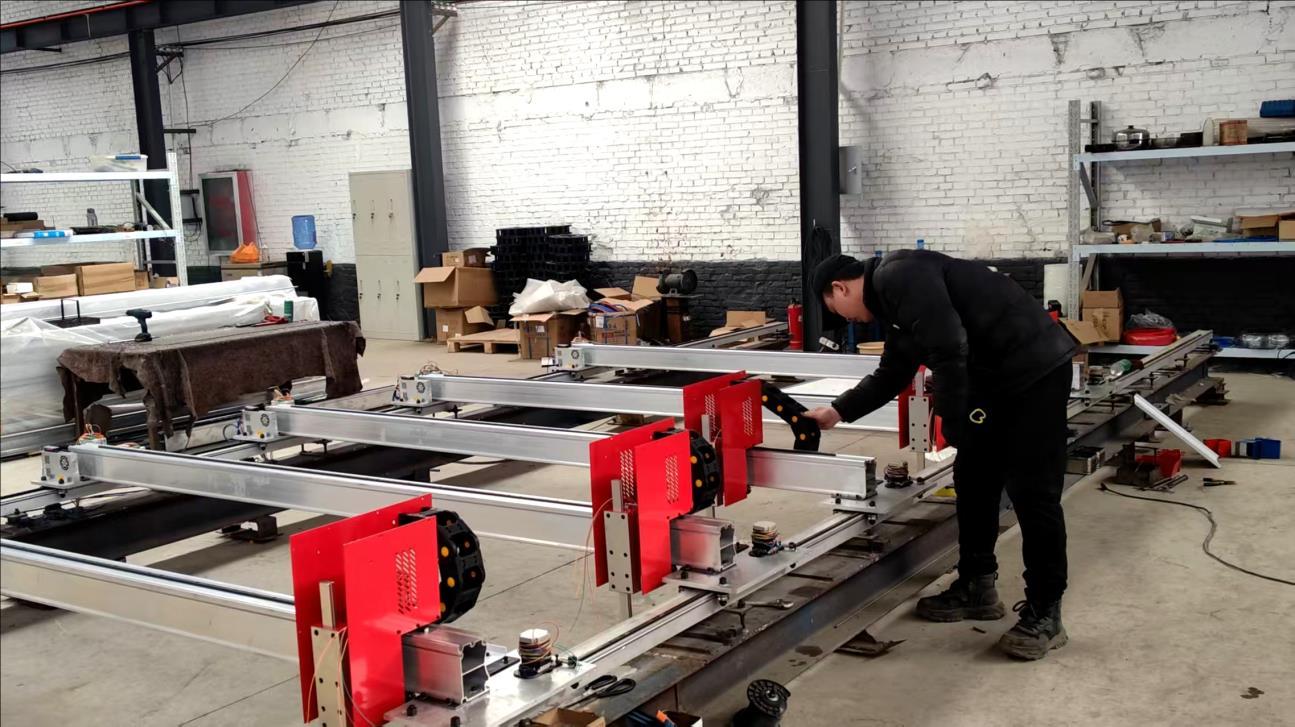
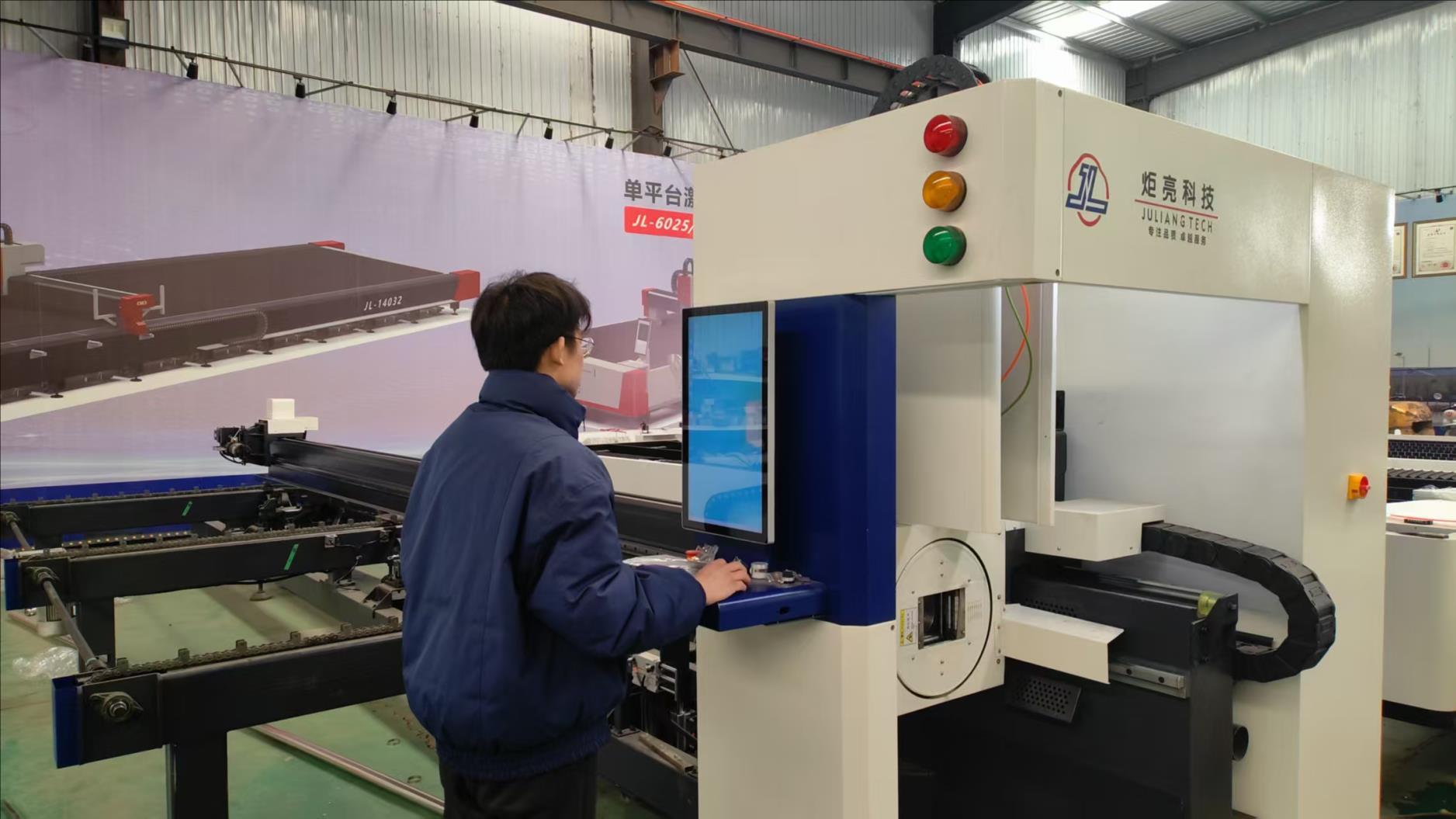
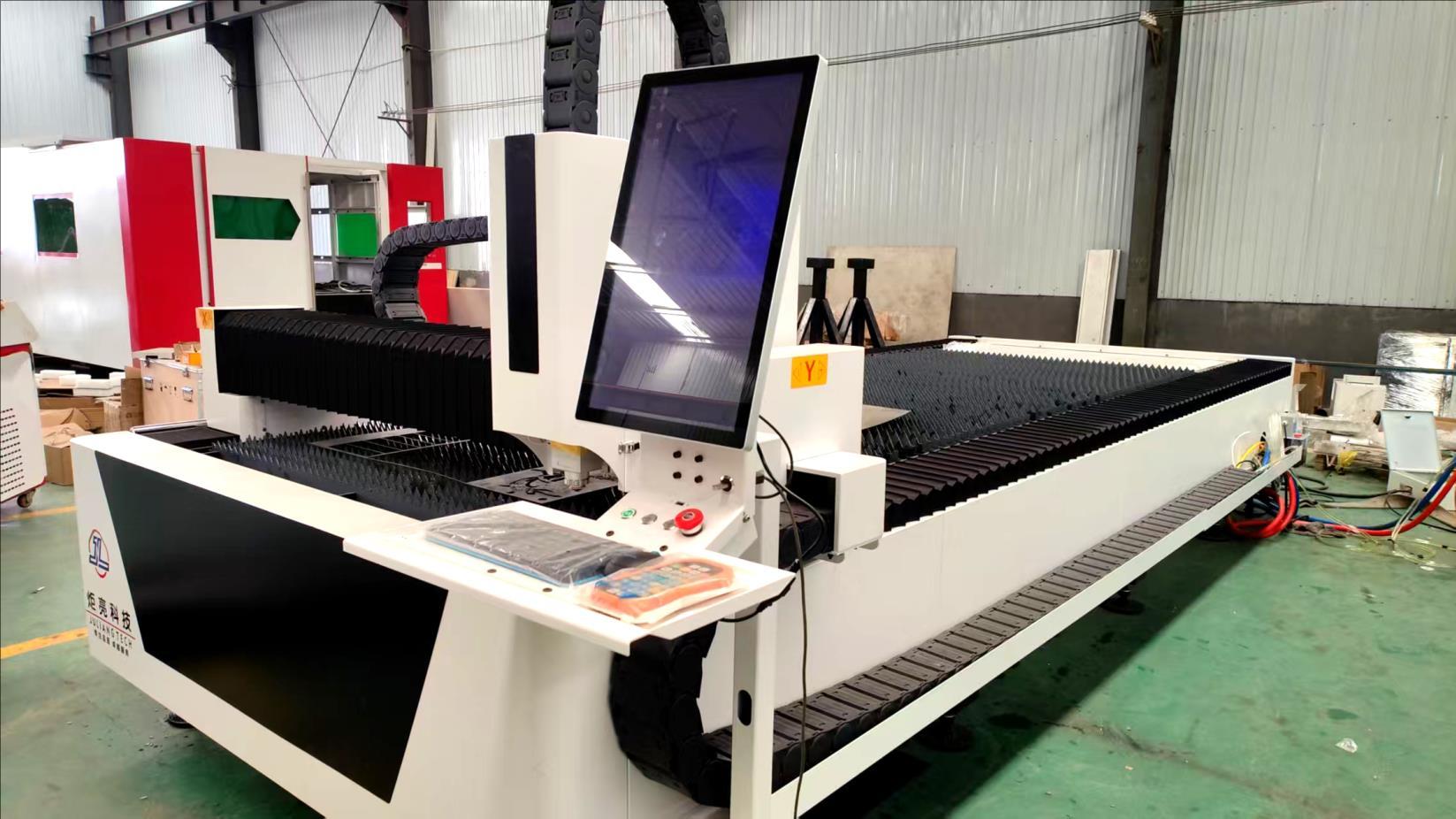
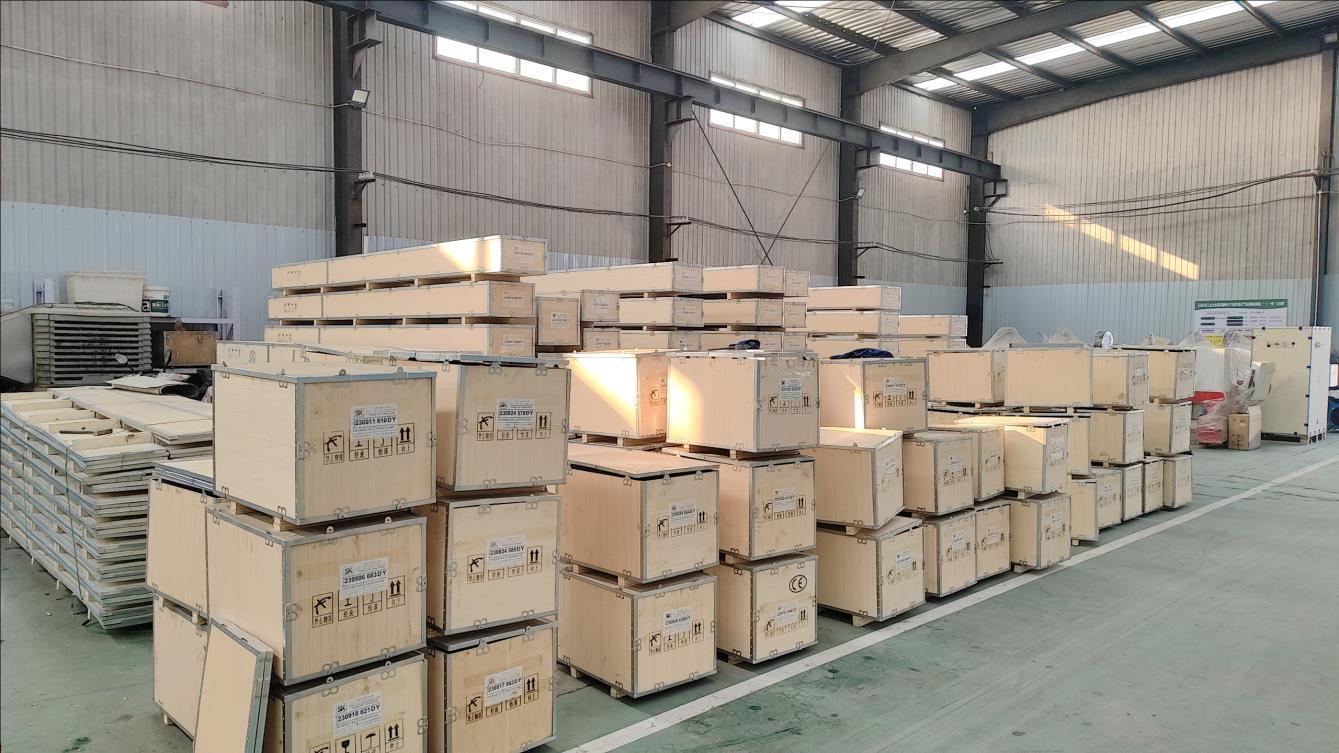
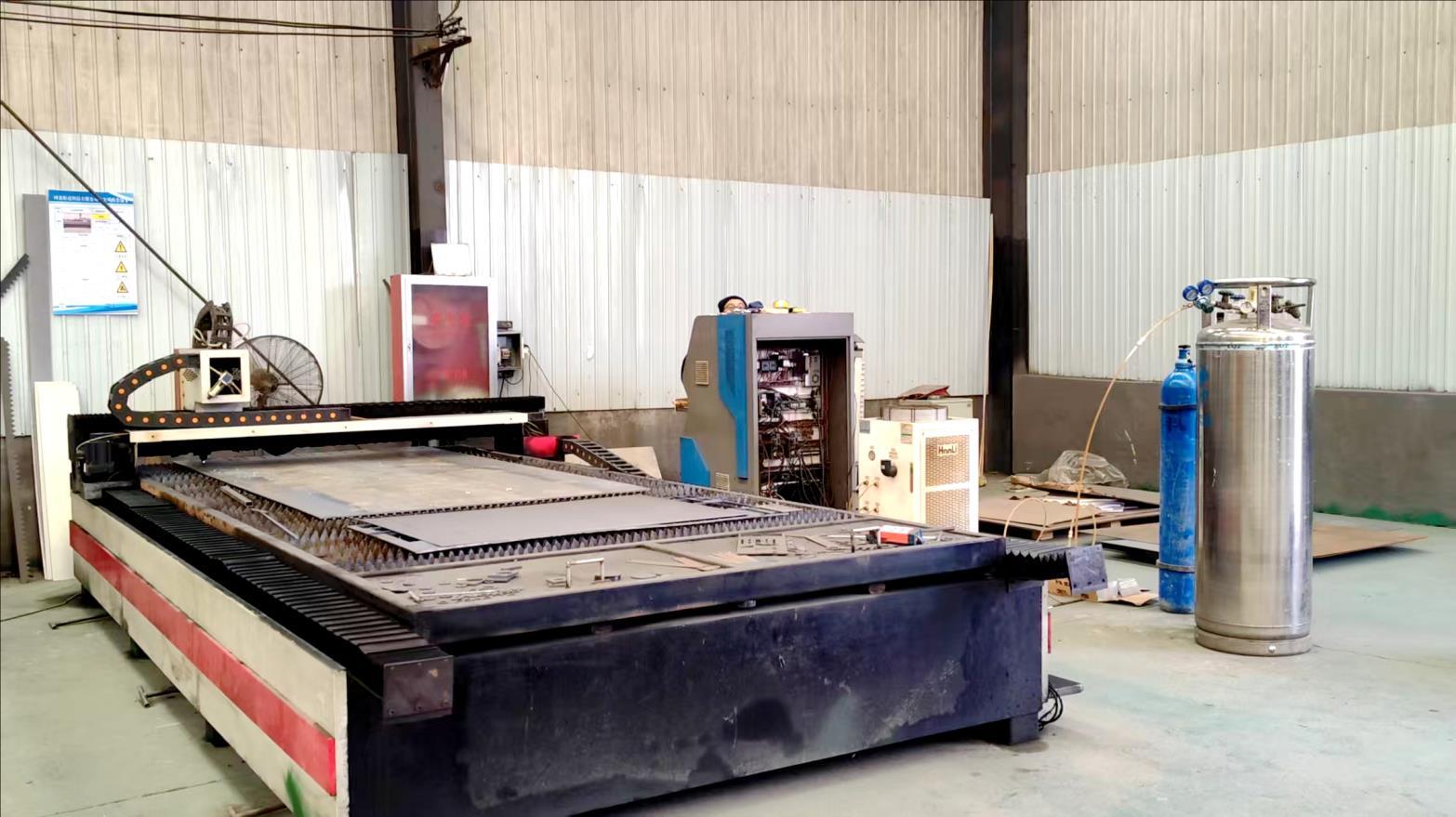
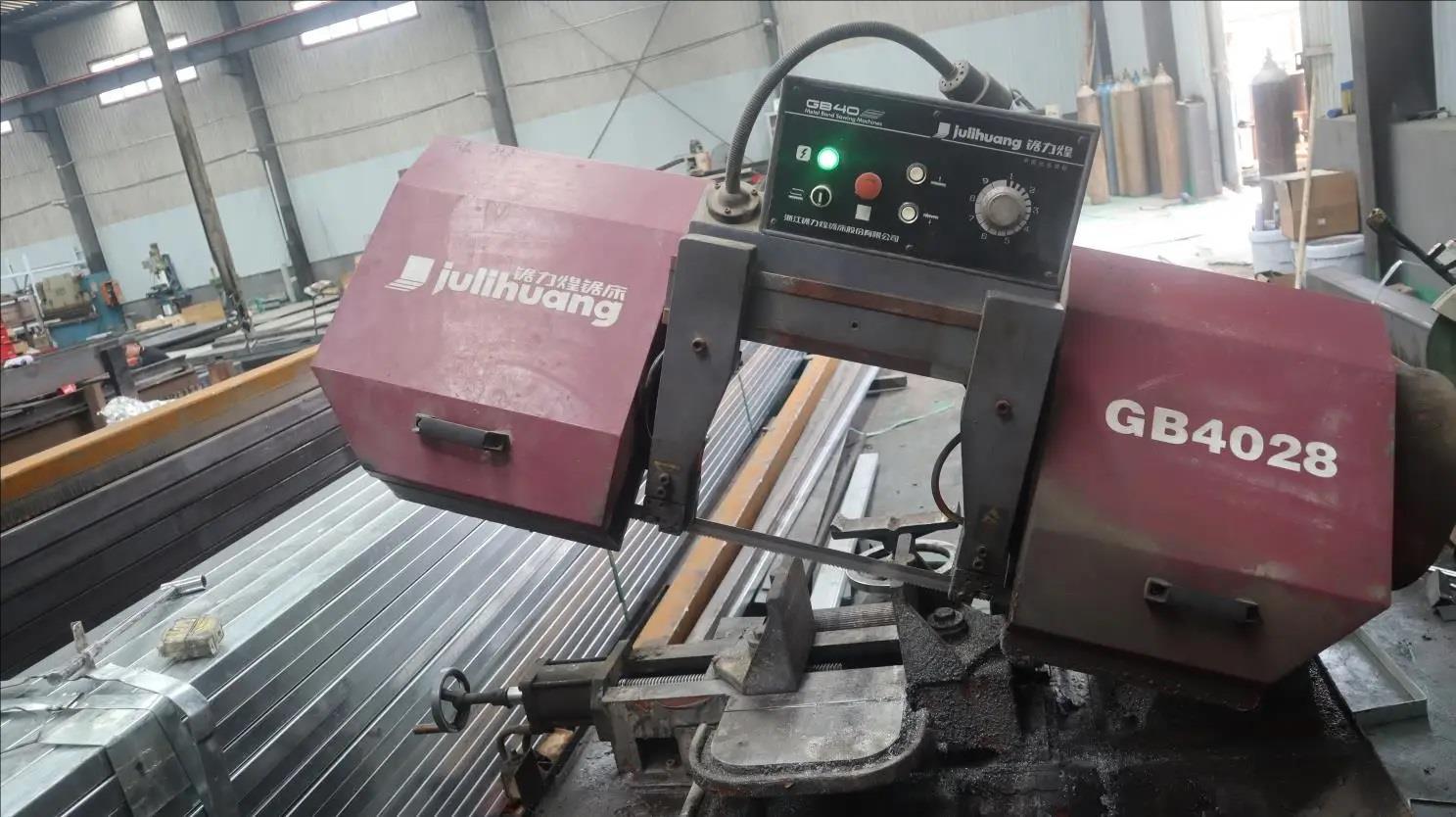
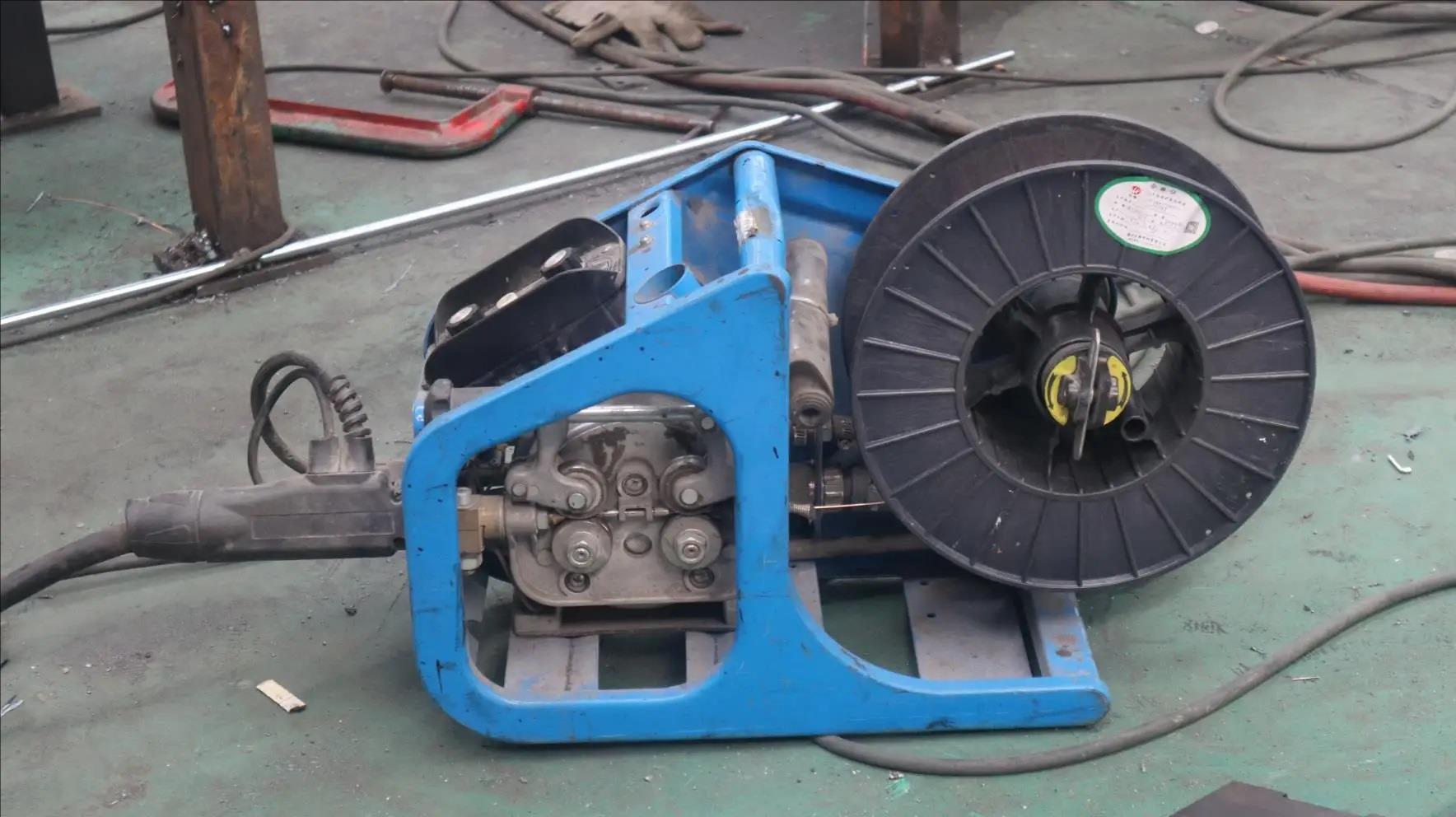
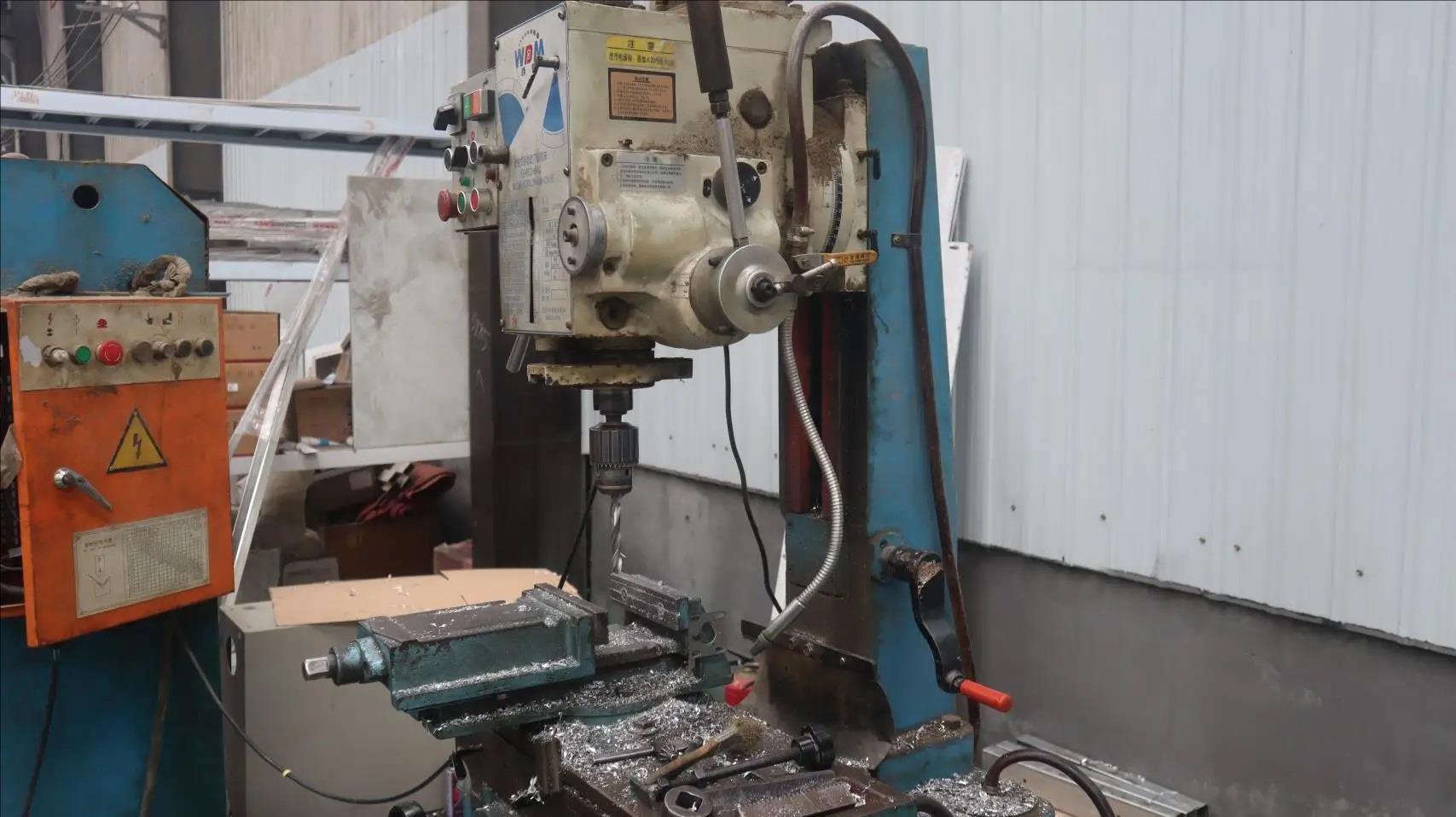
Take a look inside Zhejiang DentFix Tool Co., Ltd.'s modern manufacturing workflow. We trace our process from raw material inspection to final precision ground reamers.
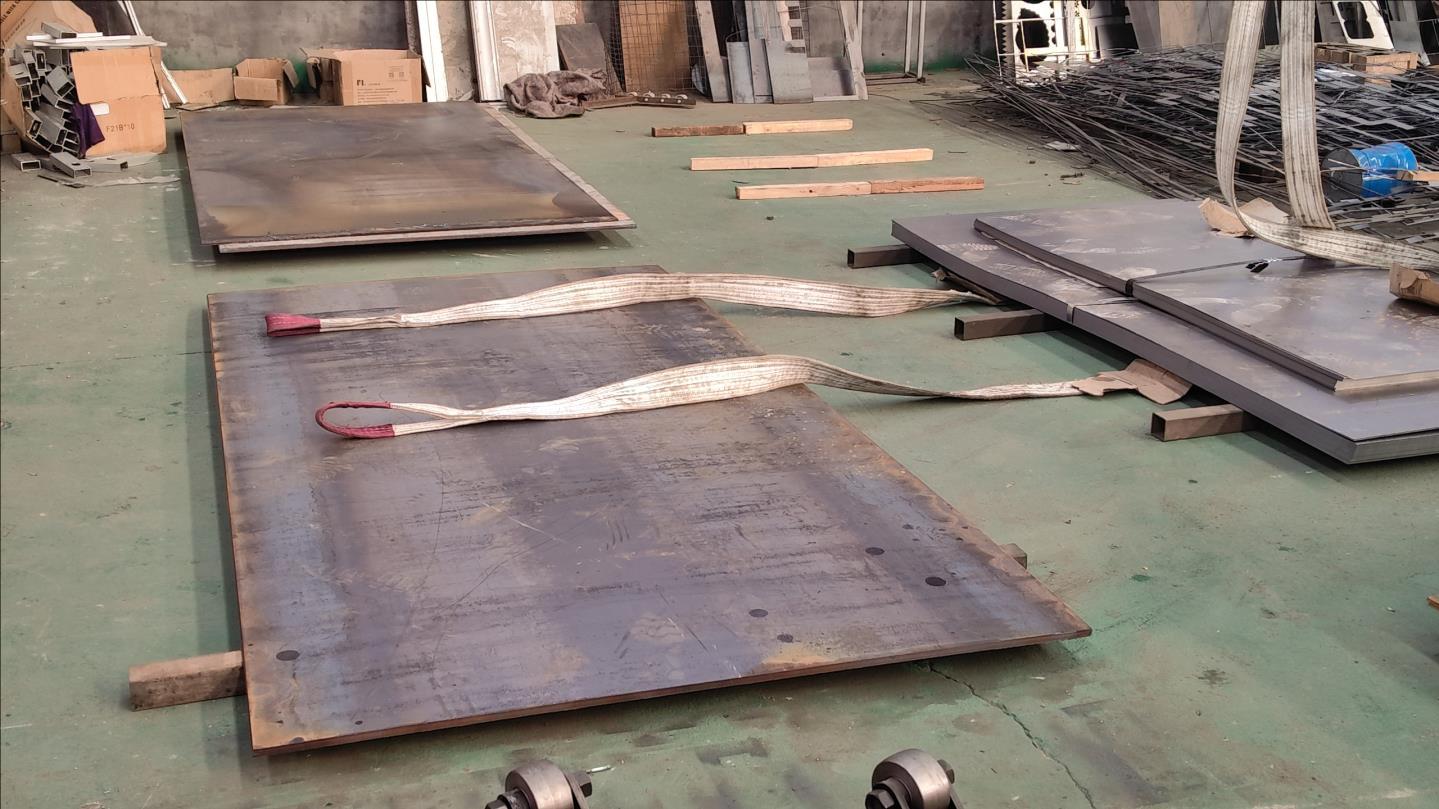
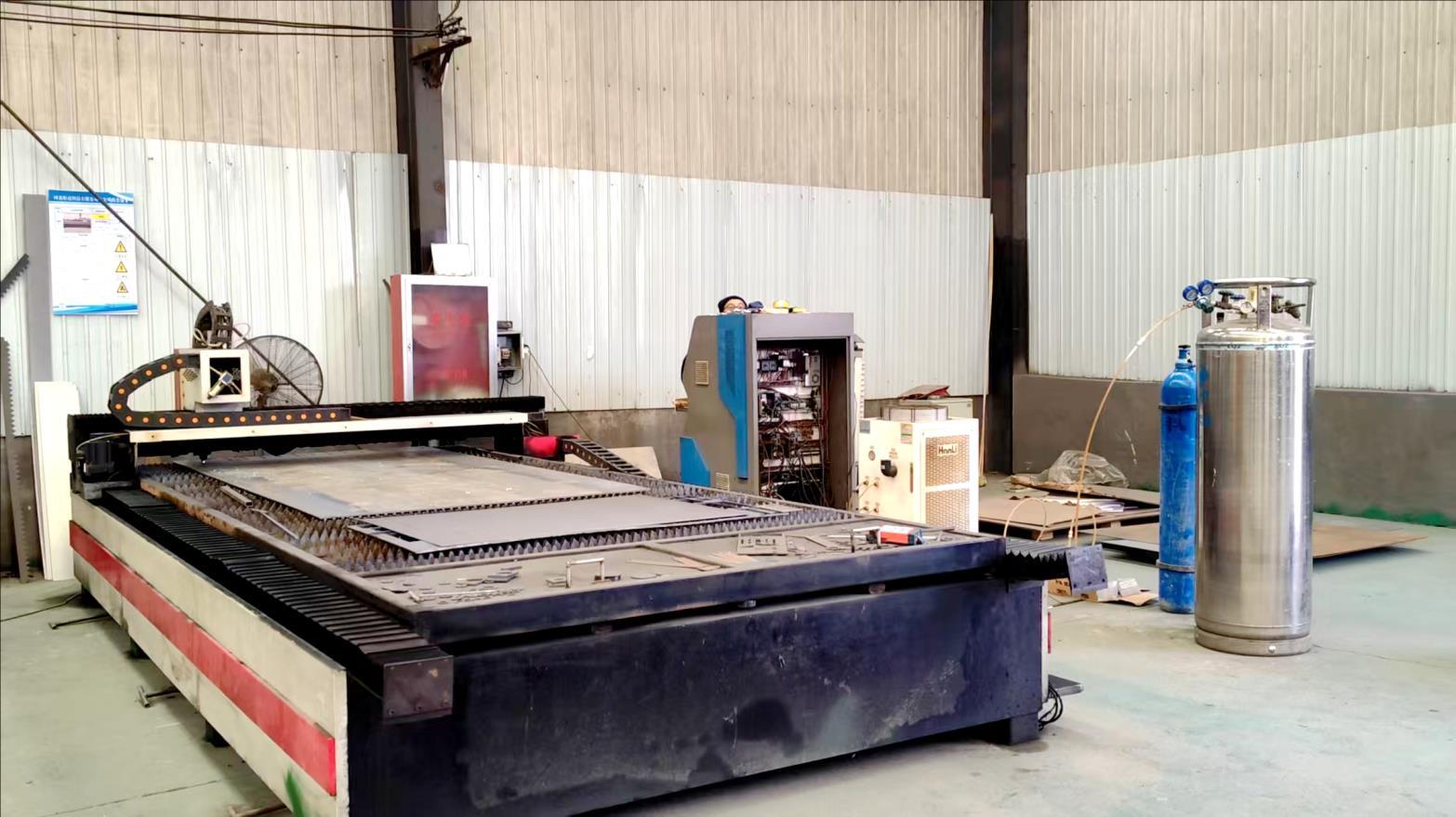
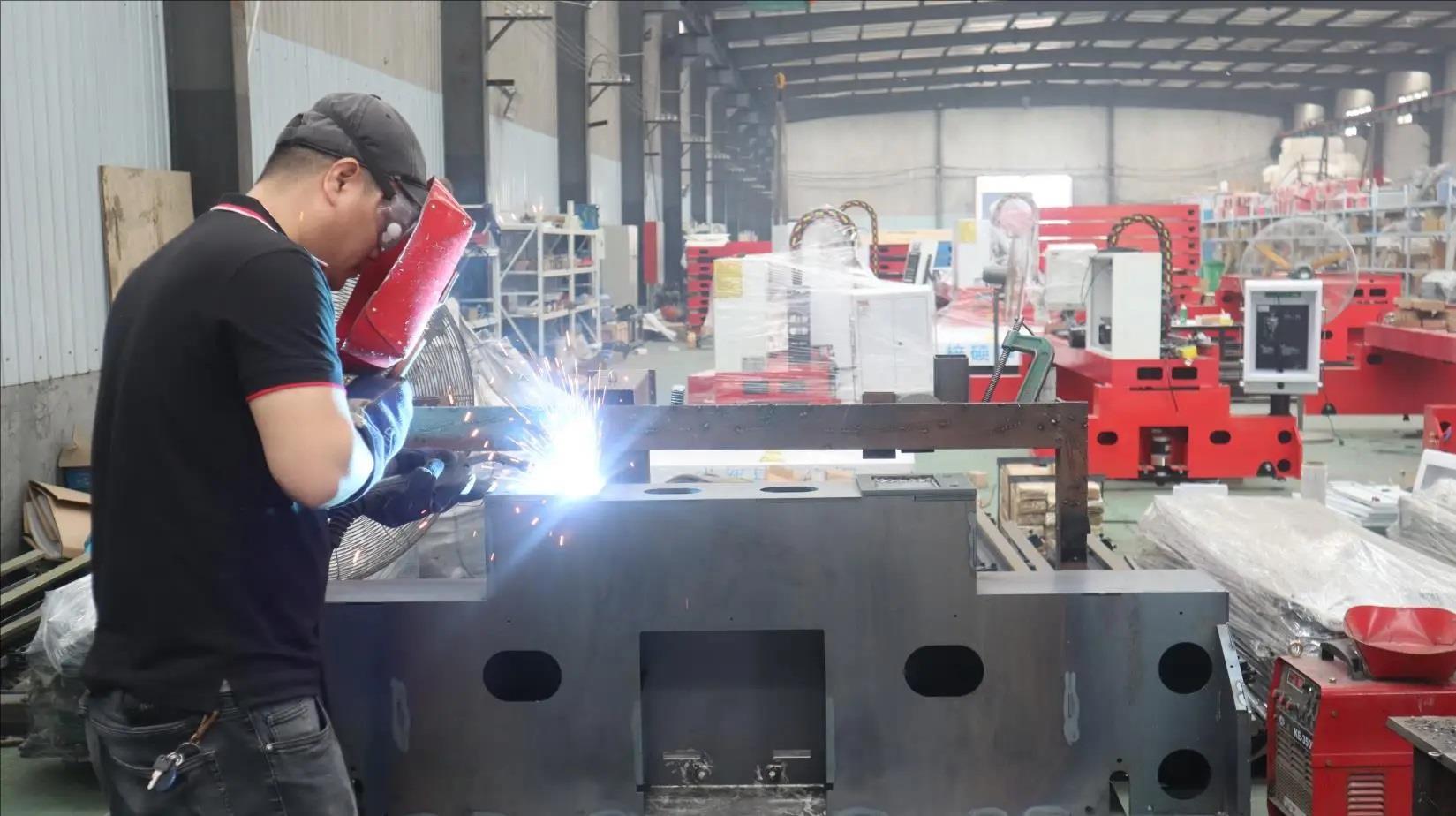
Solving critical production challenges across medical, aerospace, and general precision engineering fields.
For Galway orthopedics and medical device contract manufacturing: H7-tolerance solid carbide reamers engineered to finish bone plate pin-holes, surgical staples, and titanium orthopedic implant housings. Highly polished flutes minimize heat generation, preventing metallurgical degradation of Ti-6Al-4V ELI (Extra Low Interstitial).
Addressing strict tolerances required by Shannon aerospace components. Custom long solid-carbide and AlTiN-coated machine reamers, designed to cut through tough nickel-chrome superalloys like Inconel 718. Designed to eliminate bore tapering and tool deflection in deep rivet holes and fuel injector nozzles.
For Dublin high-volume industrial pump manufacturers and hydraulic component builders. Through-coolant spiral fluted machine reamers provide fast chip evacuation, helping to maintain H7 bore tolerances in ductile and grey cast iron castings.
A premier global manufacturing enterprise focused on research, design, production, and distribution of high-performance CNC cutting tools and custom carbide reaming solutions.
Zhejiang DentFix Tool Co., Ltd. is a professional manufacturer specializing in the research, development, production, and global distribution of precision CNC cutting tools and carbide solutions. Since its establishment, the company has been committed to providing high-performance tooling products for the metalworking industry, serving customers across automotive, aerospace, mold & die, general engineering, energy, and precision manufacturing sectors.
Driven by continuous innovation and customer-focused development, DentFix has grown into a modern manufacturing enterprise that integrates R&D, intelligent production, quality control, sales, and technical support. The company has built a strong reputation for delivering reliable products, consistent quality, and professional services to customers in both domestic and international markets.
With advanced manufacturing technologies, experienced engineering teams, and strict quality management systems, DentFix continuously improves its product performance and production efficiency. The company is dedicated to helping customers achieve higher machining accuracy, longer tool life, greater productivity, and lower manufacturing costs.
DentFix has established a comprehensive manufacturing system supported by experienced engineers, skilled production personnel, and a professional sales and technical service team. Our engineering department focuses on the development of innovative cutting tool solutions that meet the evolving requirements of modern CNC machining.
Our manufacturing facility is equipped with advanced CNC grinding machines, high-precision inspection equipment, automated production systems, and modern quality testing laboratories. Every product undergoes rigorous inspection throughout the manufacturing process to ensure exceptional dimensional accuracy, durability, and stable machining performance.
Innovation remains at the core of our business. DentFix continuously invests in new materials, coating technologies, and precision manufacturing processes to develop cutting tools with higher wear resistance, improved machining efficiency, and longer service life.
Guided by the principles of Quality First, Innovation, Reliability, and Customer Satisfaction, Zhejiang DentFix Tool Co., Ltd. is committed to building long-term partnerships with customers worldwide. We look forward to providing professional tooling solutions that help manufacturers improve productivity, reduce production costs, and achieve sustainable growth.
Our full catalog of solid carbide, coated, and customized machine reaming solutions designed for demanding metalworking environments.
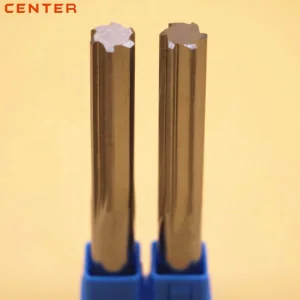
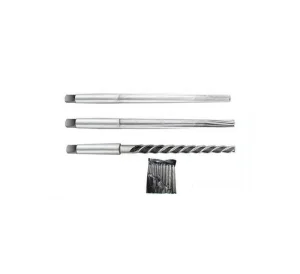
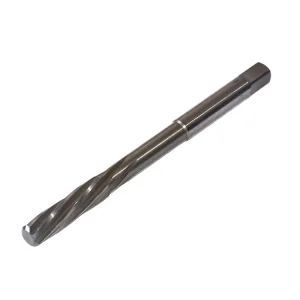
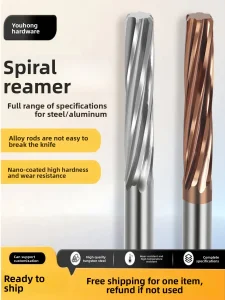
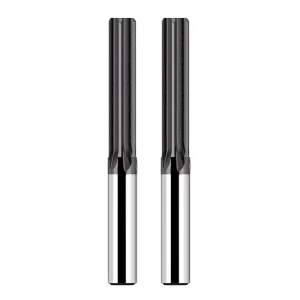
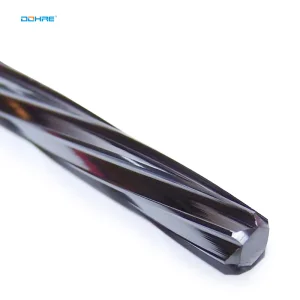
Helpful reference guide to choose parameters for solid carbide reamer operations on typical Irish manufacturing alloys.
| Material Class | Common Alloy Grade | Cutting Speed ($V_c$ m/min) | Feed per Rev ($f$ mm/rev) | Recommended Coating |
|---|---|---|---|---|
| Austenitic Stainless Steel | 316L, 304L | 20 - 45 m/min | 0.10 - 0.25 mm/rev | AlTiN / TiAlN PVD Coating |
| Titanium Alloys | Ti-6Al-4V (Grade 5) | 15 - 30 m/min | 0.08 - 0.20 mm/rev | Uncoated (Micro-Grain Carbide) |
| Nickel Superalloys | Inconel 718, Hastelloy | 8 - 15 m/min | 0.05 - 0.15 mm/rev | Advanced AlCrN PVD |
| Carbon / Structural Steel | S355JR, Mild Steel | 40 - 80 m/min | 0.15 - 0.35 mm/rev | TiN / TiAlN PVD Coating |
| Aluminum Alloys | Al6061-T6, Al7075 | 80 - 150 m/min | 0.20 - 0.50 mm/rev | DLC (Diamond-Like Carbon) |
Find expert answers to common questions about selecting and running carbide and HSS reamers, prepared by the DentFix technical application team.
The choice depends on whether you are reaming blind holes or through-holes. Straight flute reamers are best for through-holes as they allow chips to push out ahead of the tool. However, they should not be used on holes with keyways or split-interruptions, as the flutes can catch. Spiral flute (left-hand spiral, right-hand cut) reamers push chips backward out of the hole, making them the preferred choice for blind holes. The spiral action also helps bridge interruptions like keyways, preventing tool breakage.
Oversized holes are usually caused by three factors: tool runout, excessive cutting speeds, or improper tool alignment. Ensure your tool holder has a radial runout below 0.005mm (high-precision hydraulic or shrink-fit holders are recommended). If you are using a standard chucking holder on an older CNC lathe, slight misalignment can cause the reamer to cut with its outer edges. Lowering your feed rates and cutting speeds, or switching to floating holder designs, can help resolve this issue.
Leaving the correct amount of material is critical. If you leave too little, the reamer will rub against the material rather than cutting, causing rapid wear. If you leave too much, the tool will deflect, leading to oversized holes and poor surface finish. As a general rule of thumb:
• For holes under 6mm: Leave 0.10mm to 0.15mm on the diameter.
• For holes 6mm to 20mm: Leave 0.15mm to 0.25mm on the diameter.
• For high-work-hardening materials like stainless steels or titanium: Ensure a positive feed engagement, leaving at least 0.20mm to prevent rubbing.
Yes. Through our ODM/OEM division, Zhejiang DentFix Tool Co., Ltd. routinely manufactures custom carbide chamber reamers, tapered reamers, and step-reamers based on detailed CAD schematics. We work closely with medical manufacturing companies in Dublin and Galway to ensure full material compliance, including certification and traceability reports.
Contact our engineering team today for technical advice, custom tool design blueprints, or to request a quote for your production line.
Send Inquiry Now DentFix Tool