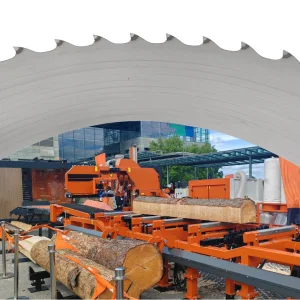
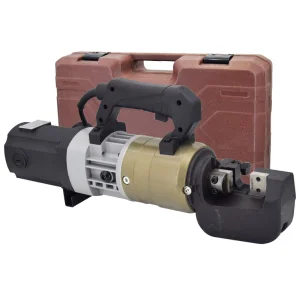
Engineered for extreme performance and absolute precision. Developed specifically for CNC machining demands across mining equipment and steel component processing in Kazakhstan.
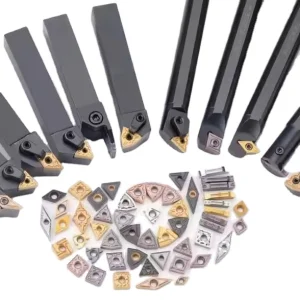
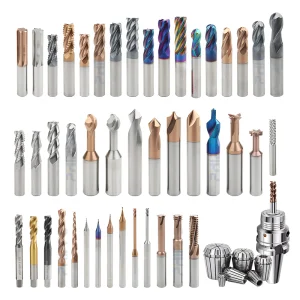
As the economic powerhouse of Central Asia, Kazakhstan is experiencing a massive wave of industrial diversification. While historically known for mineral resources extraction, state initiatives such as the Development Plan of the Republic of Kazakhstan have catalyzed a structural shift toward heavy machinery fabrication, local metallurgical processing, automotive assembly, and sophisticated railway infrastructure manufacture.
This rapid shift from raw material export to domestic value-added production creates severe challenges in tool selection. Regions like Karaganda (heavy engineering and steel mill clusters), Pavlodar (aluminum and machinery hubs), and Ust-Kamenogorsk (non-ferrous metallurgy and mining machinery fabrication) now demand cutting tools that can withstand highly abrasive alloys, heat-treated structural steels, and titanium castings.
Our localized research indicates that the continental climate of Central Asia, where temperature fluctuations are extreme, also influences workshop conditions and fluid maintenance. Therefore, local operators require tooling solutions that exhibit superior thermal shock stability and extended flank wear resistance under both dry and minimal-quantity lubrication (MQL) processing systems.
Modern machining operations are shifting towards high-speed and ultra-precision regimes. Keeping pace requires deep insights into advanced coatings, micro-geometries, and structural carbide metallurgy.
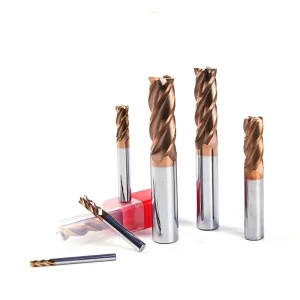
Applying advanced PVD coatings like AlTiSiN and TiAlN increases tool surface hardness up to 3300HV. This layer provides a thermal barrier protecting the carbide substrate under extreme cutting temperatures reaching up to 1000°C.
By controlling tungsten carbide grain size to sub-micron dimensions (0.4μm - 0.6μm), we achieve an optimal balance of high transverse rupture strength (TRS) and wear resistance, crucial for avoiding edge chipping during heavy interruptions.
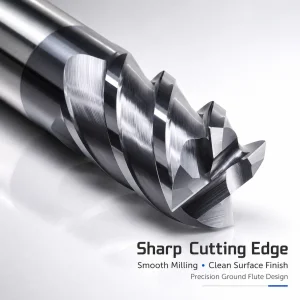
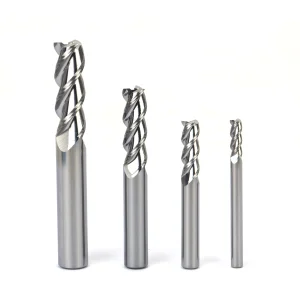
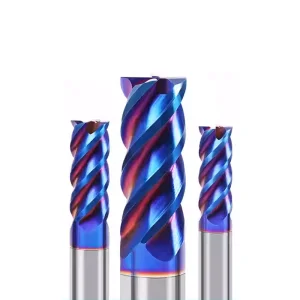
By engineering variable pitch angles and unequal helix geometries into solid carbide mills, harmonics and vibration are dynamically suppressed, stabilizing machining conditions during high-feed milling (HFM).
Your reliable production partner. Specializing in advanced engineering and manufacture of premium-quality metal cutting systems with globally proven performance standards.
Zhejiang DentFix Tool Co., Ltd. is a professional manufacturer specializing in the research, development, production, and global distribution of precision CNC cutting tools and carbide solutions. Since its establishment, the company has been committed to providing high-performance tooling products for the metalworking industry, serving customers across automotive, aerospace, mold & die, general engineering, energy, and precision manufacturing sectors.
Driven by continuous innovation and customer-focused development, DentFix has grown into a modern manufacturing enterprise that integrates R&D, intelligent production, quality control, sales, and technical support. The company has built a strong reputation for delivering reliable products, consistent quality, and professional services to customers in both domestic and international markets.
With advanced manufacturing technologies, experienced engineering teams, and strict quality management systems, DentFix continuously improves its product performance and production efficiency. The company is dedicated to helping customers achieve higher machining accuracy, longer tool life, greater productivity, and lower manufacturing costs.
DentFix has established a comprehensive manufacturing system supported by experienced engineers, skilled production personnel, and a professional sales and technical service team. Our engineering department focuses on the development of innovative cutting tool solutions that meet the evolving requirements of modern CNC machining.
Our manufacturing facility is equipped with advanced CNC grinding machines, high-precision inspection equipment, automated production systems, and modern quality testing laboratories. Every product undergoes rigorous inspection throughout the manufacturing process to ensure exceptional dimensional accuracy, durability, and stable machining performance.
Innovation remains at the core of our business. DentFix continuously invests in new materials, coating technologies, and precision manufacturing processes to develop cutting tools with higher wear resistance, improved machining efficiency, and longer service life. Guided by the principles of Quality First, Innovation, Reliability, and Customer Satisfaction, Zhejiang DentFix Tool Co., Ltd. is committed to building long-term partnerships with customers worldwide.
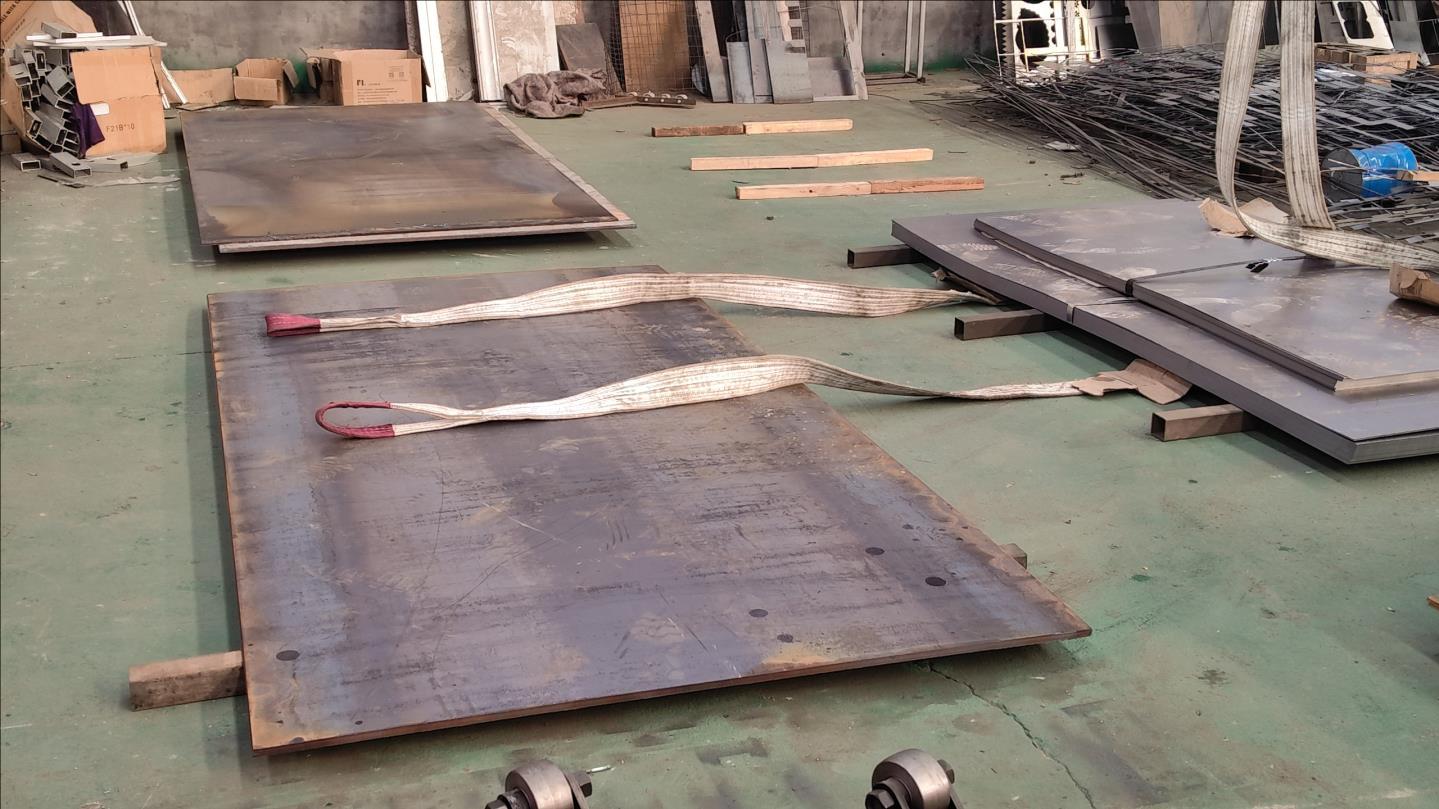
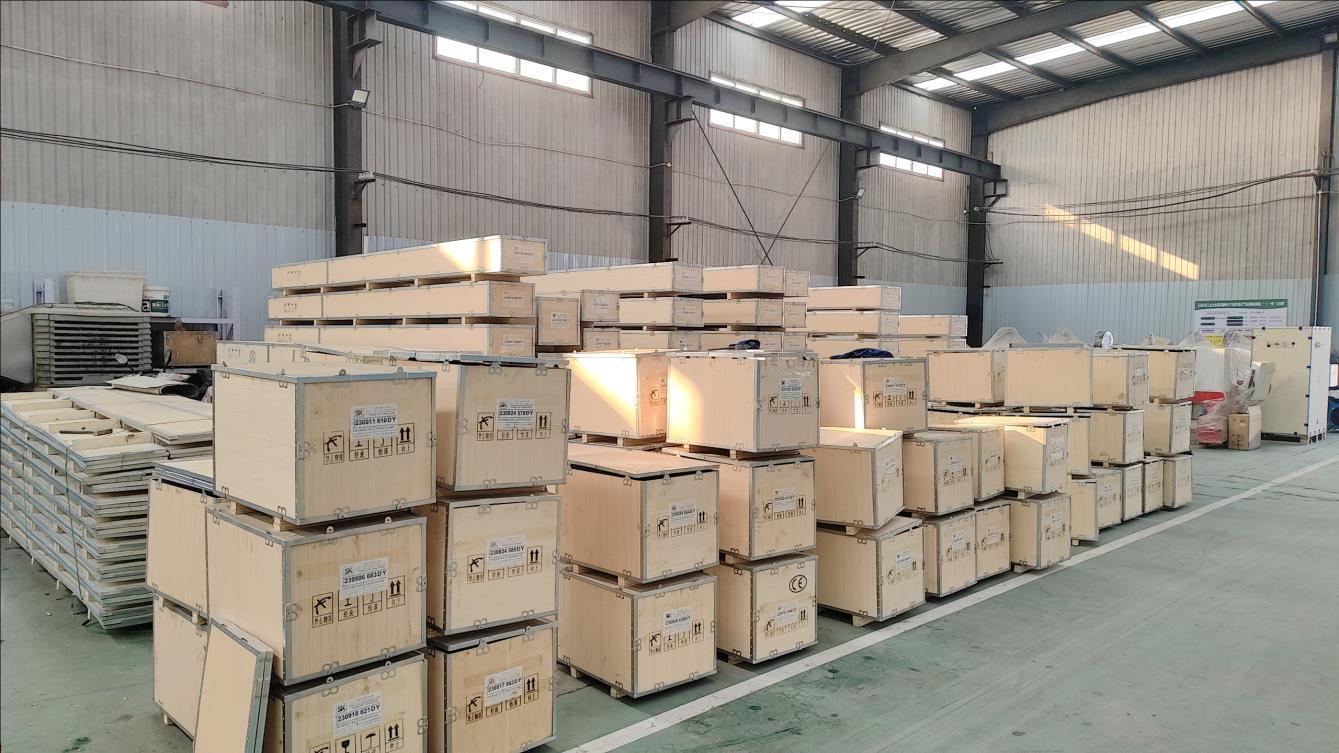
Raw material
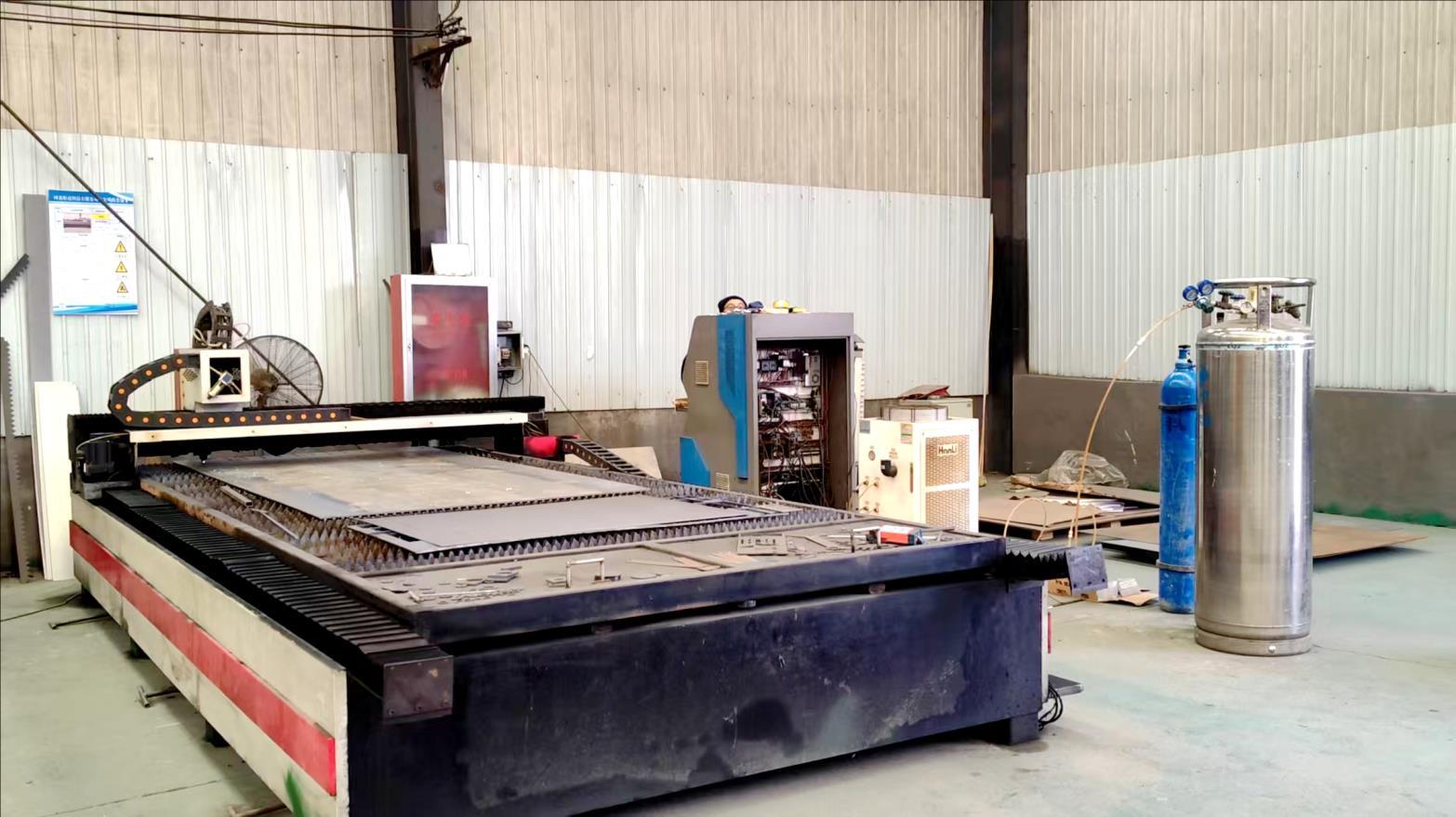
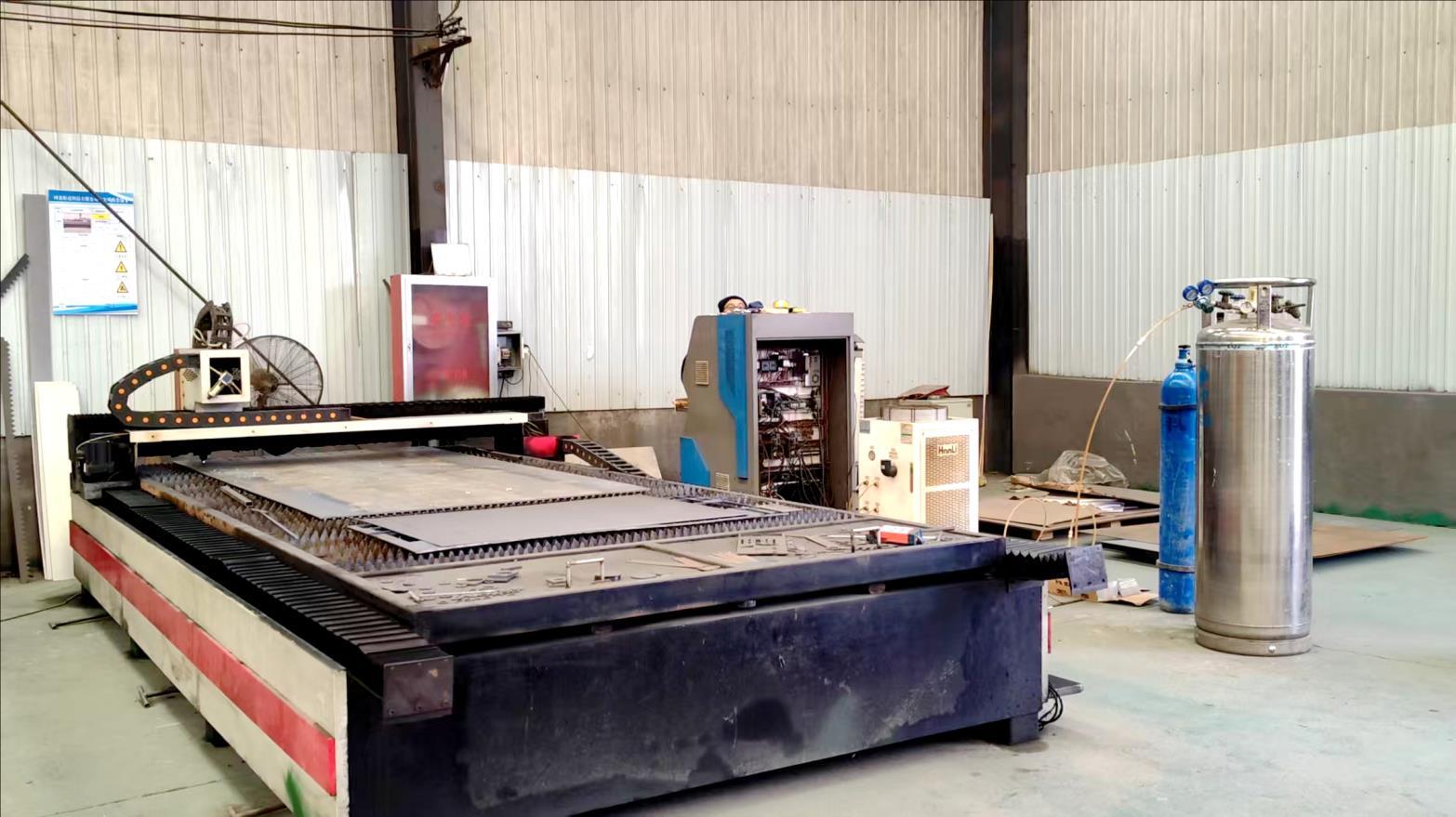
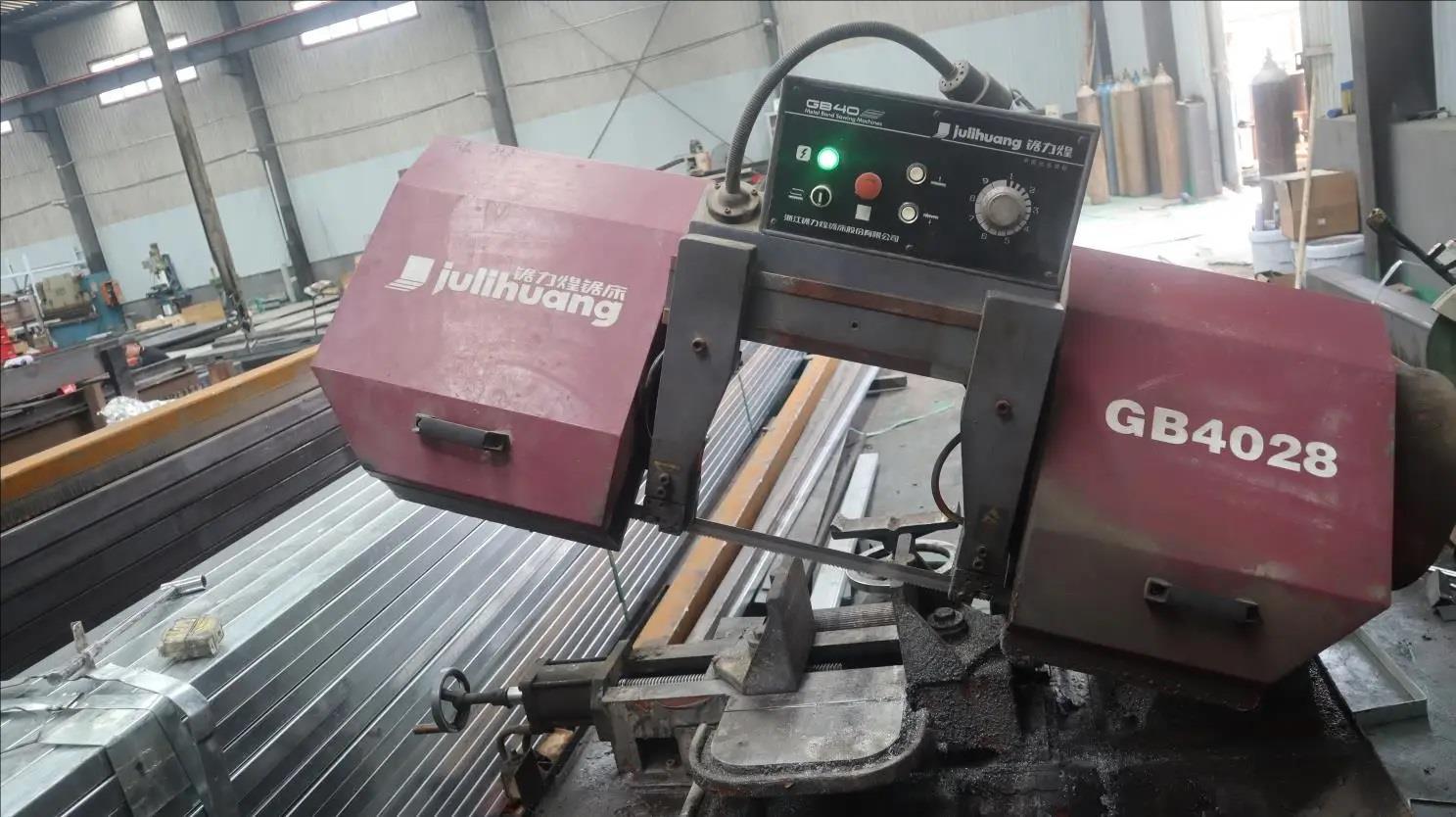
Cutting
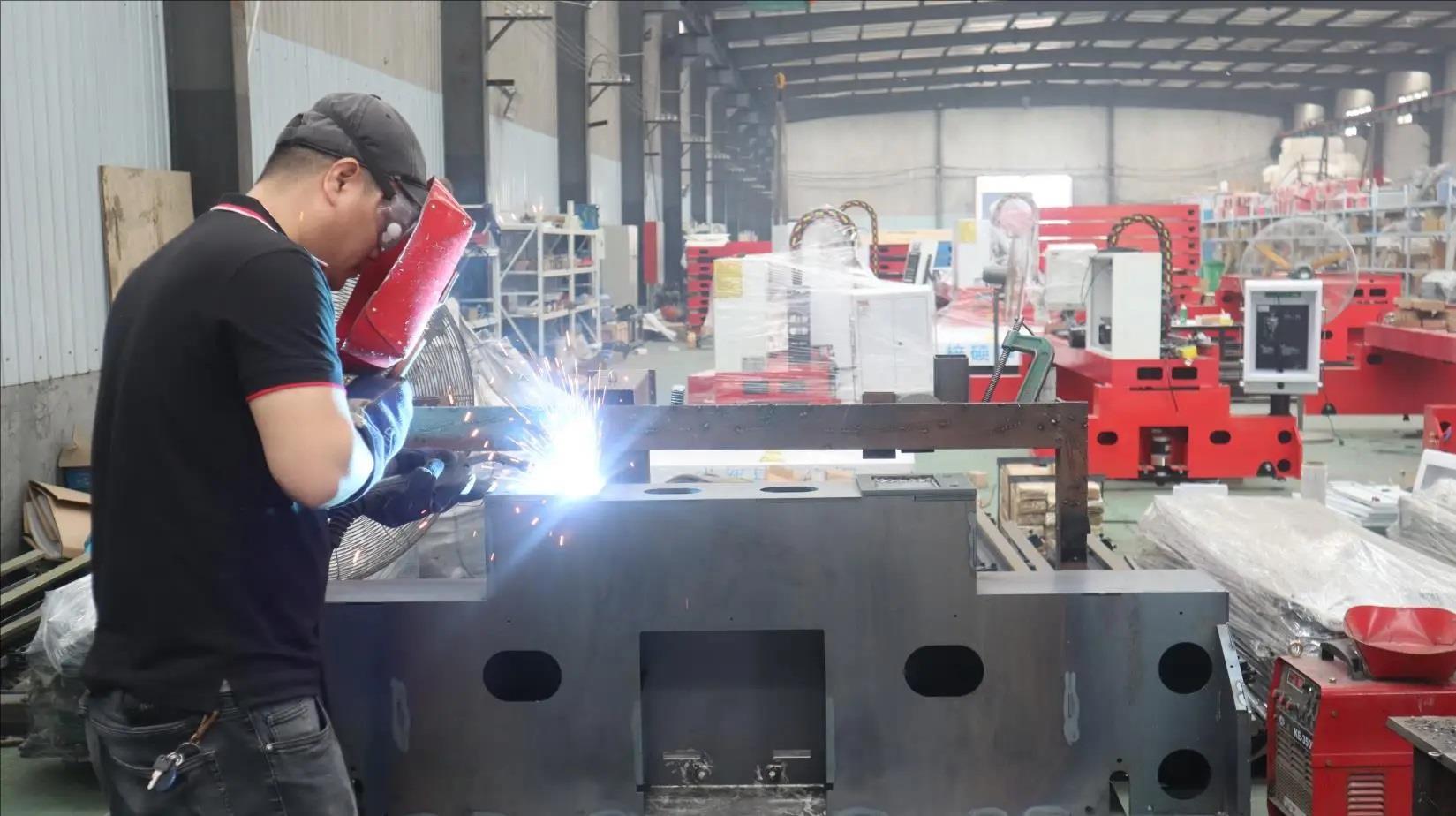
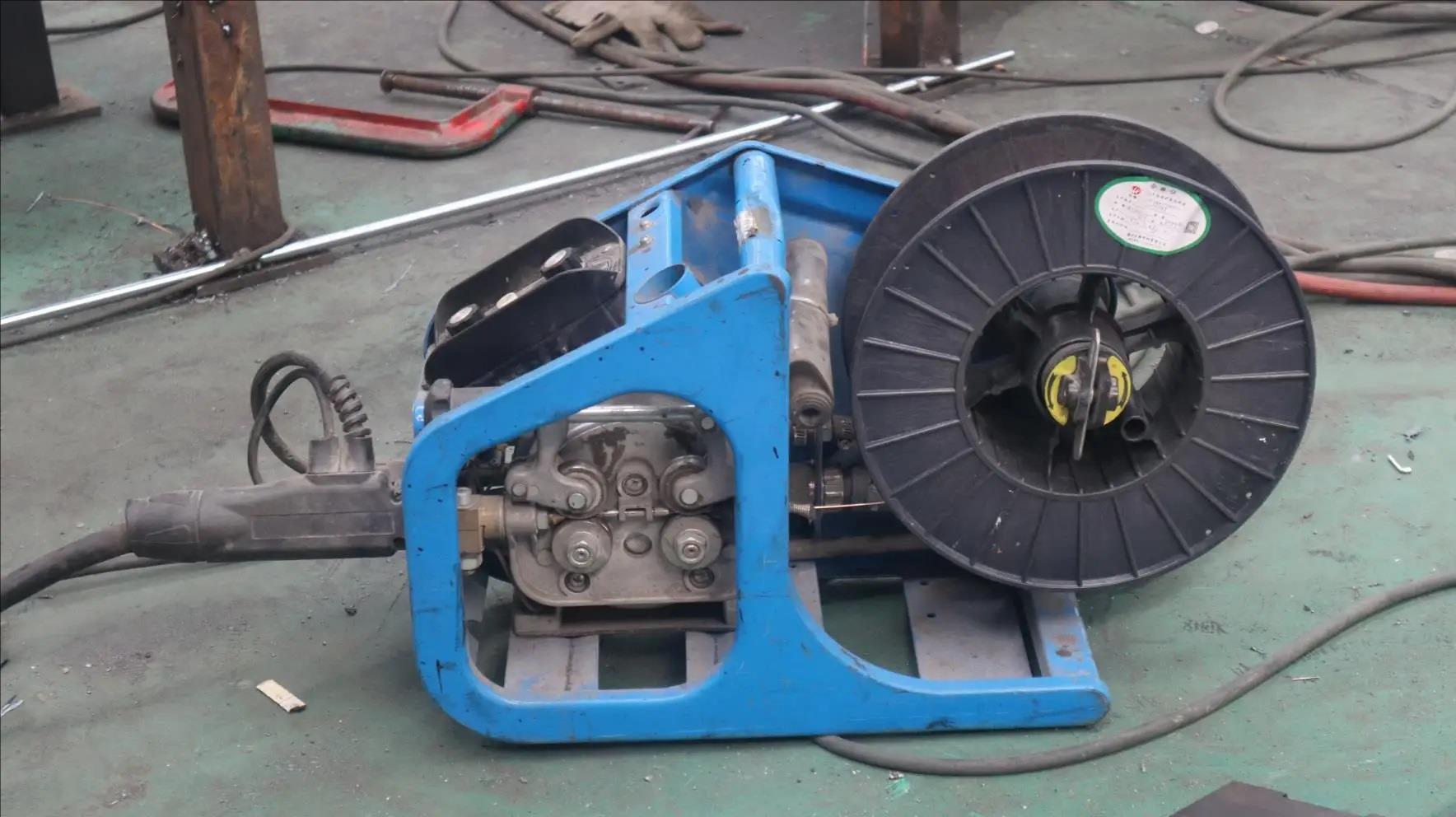
Welding
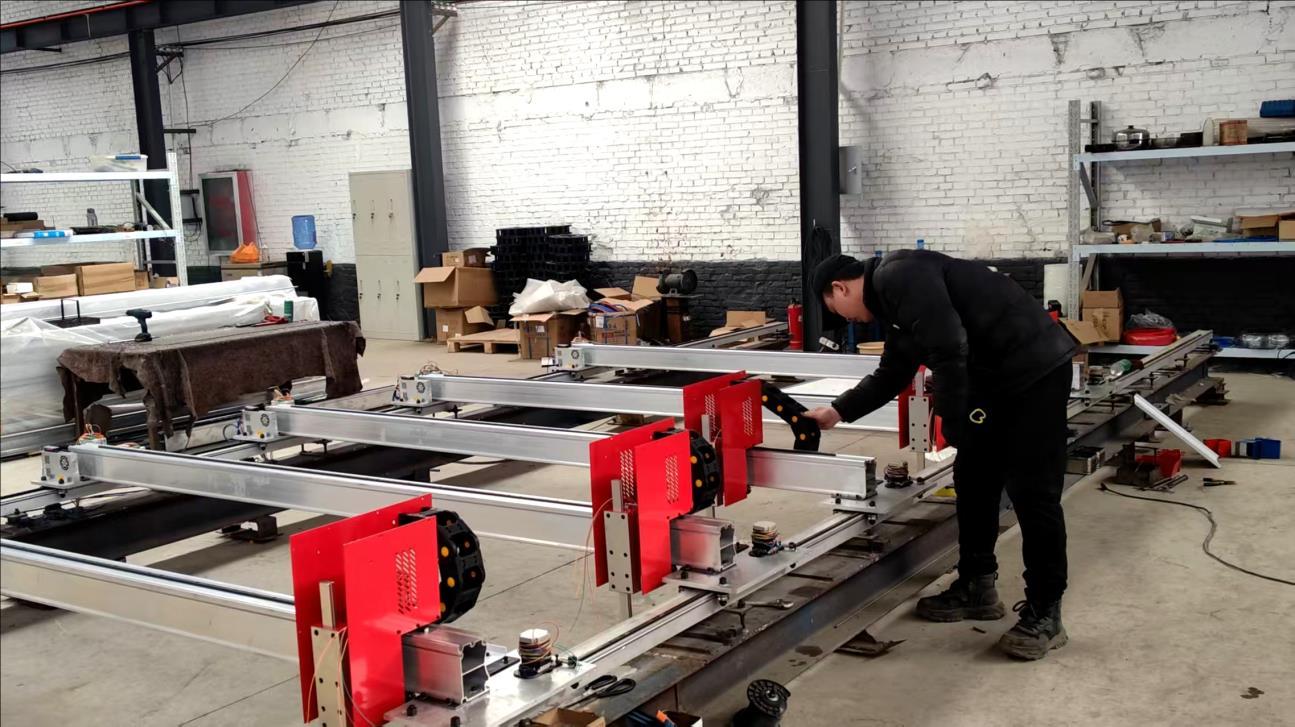
Assembling
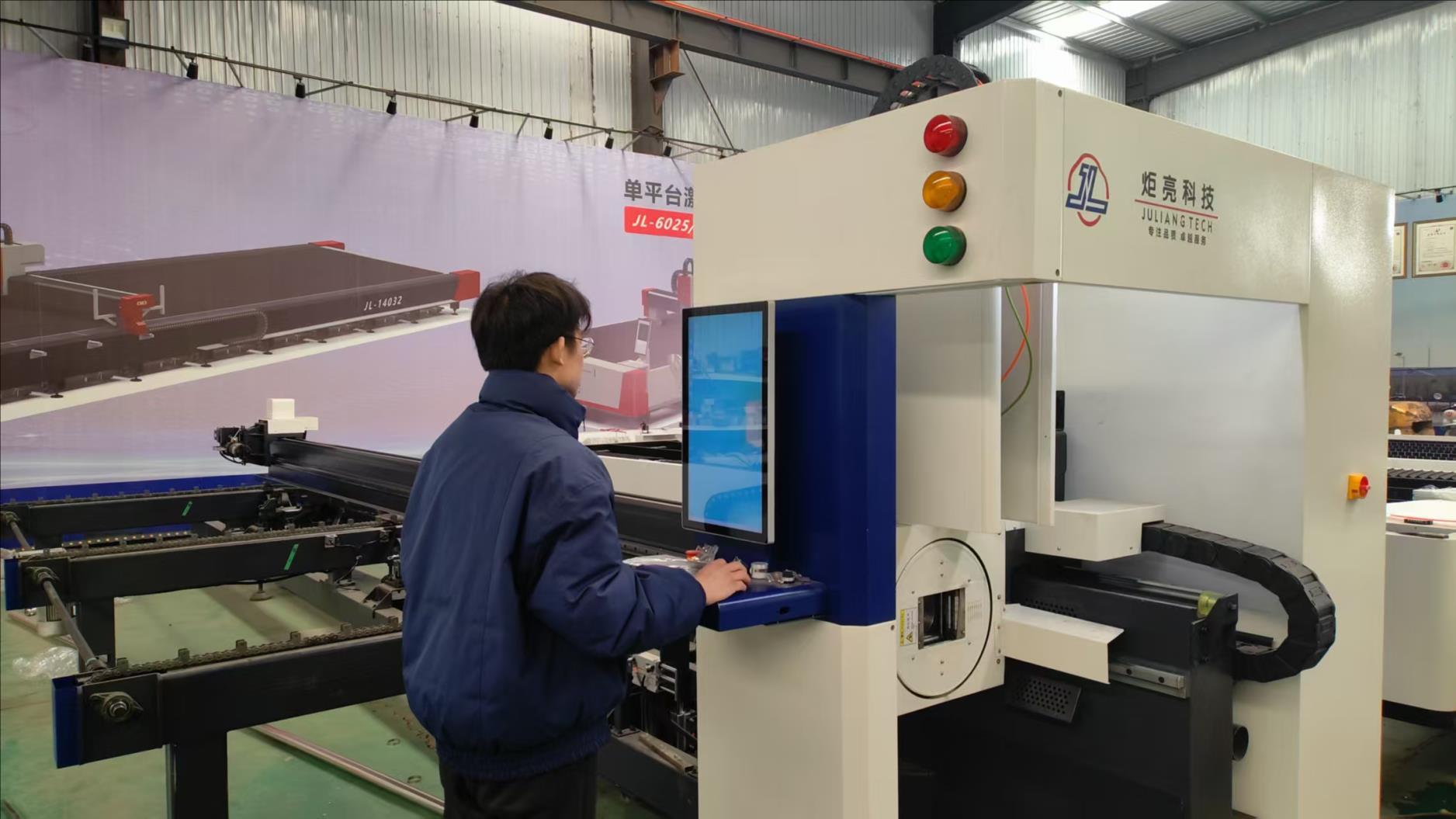
Debugging
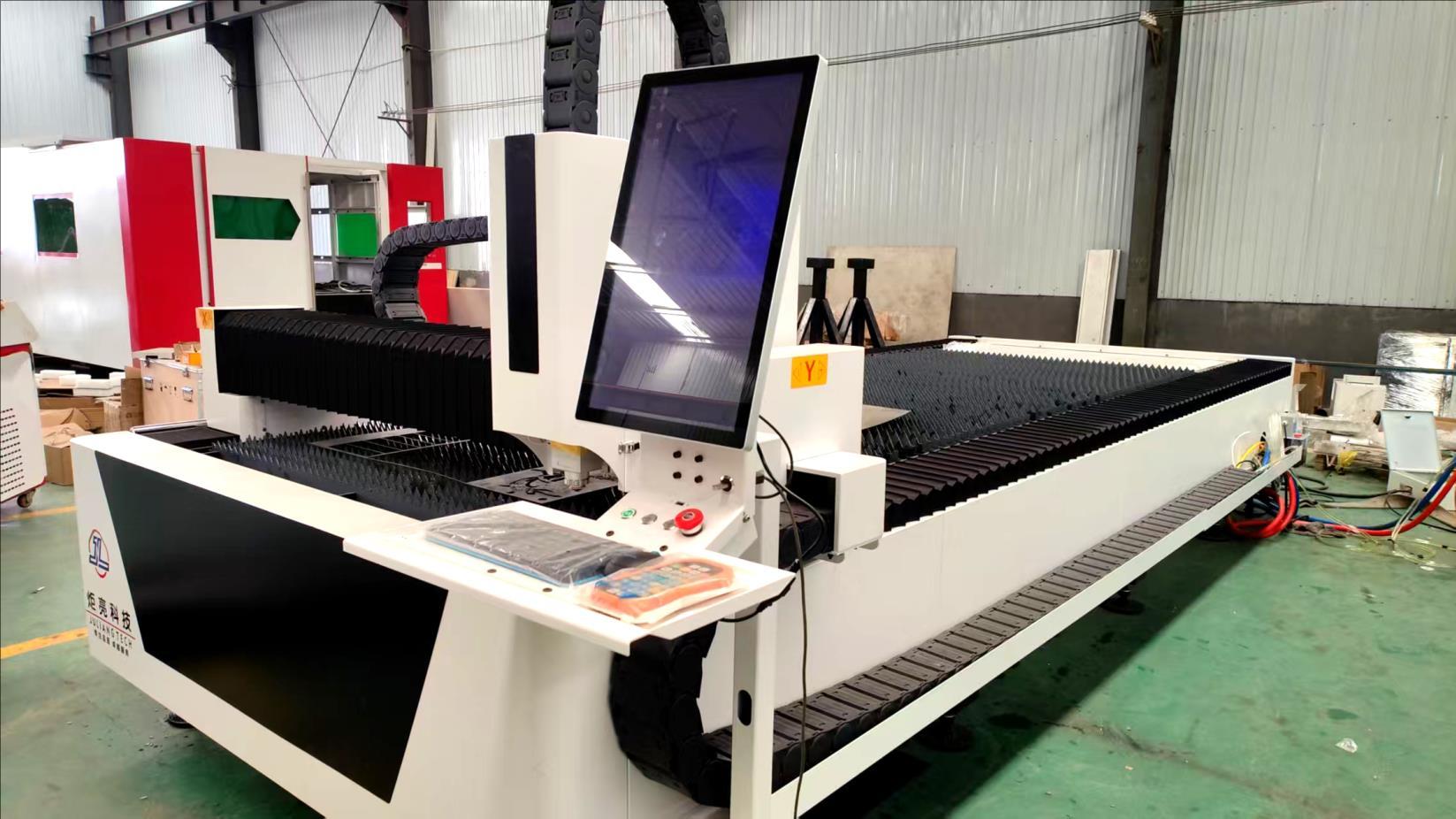
Finished Product
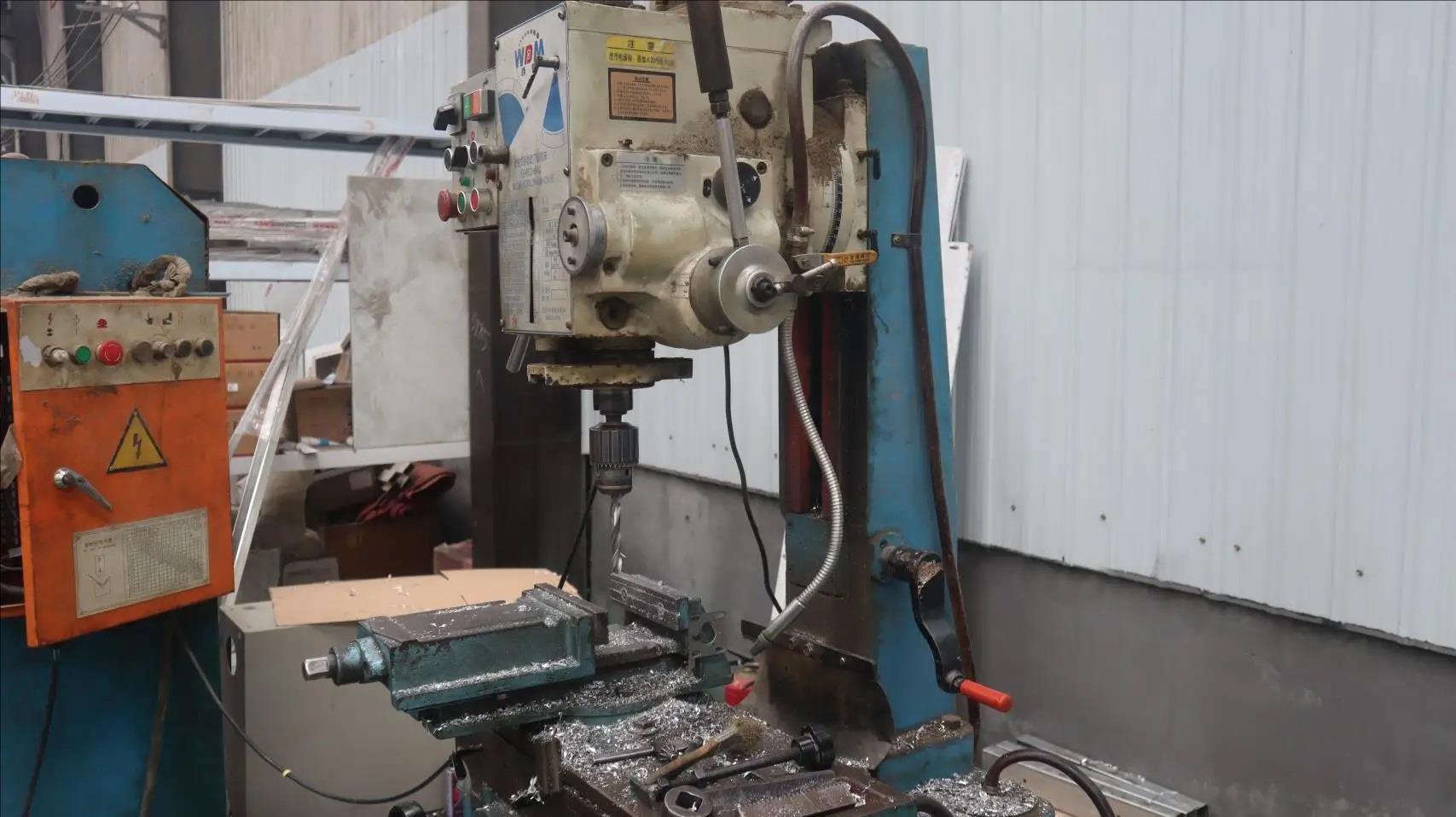
Choosing a Chinese supplier for industrial tooling like DentFix provides significant operational and economic advantages for enterprises in Kazakhstan. Leveraging the geographical proximity and the integrated Belt and Road Corridor, we guarantee high-efficiency customs clearing via the Khorgos Dry Port and Altynkol railway checkpoints.
Here is why Kazakhstan manufacturing operations trust Zhejiang DentFix:
Specifically optimized tool geometries engineered to handle complex materials like high-strength structural plates, cast alloys, and high-frequency welded assemblies.
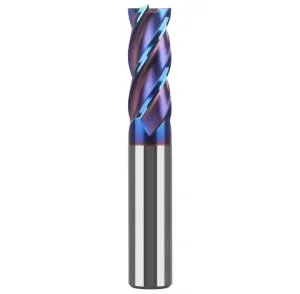
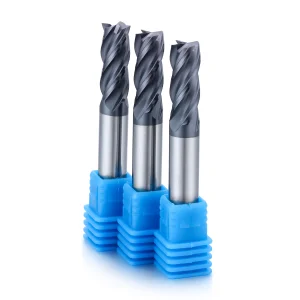
To achieve optimal tool life and reduce tool breakage, production managers should match their feed rates, cooling methods, and speeds to the specific material grades commonly processed in regional workshops.
In heavy industries located around Karaganda and Ust-Kamenogorsk, the machining of manganese steel ore chutes, mining gears, and hydraulic cylinder shafts represents a primary operational bottleneck. The table below presents optimized parameters when using DentFix premium solid carbide mills for these specific tasks.
| Workpiece Material | Hardness | Recommended Coating | Cutting Speed (Vc m/min) | Feed per Tooth (fz mm/t) | Cooling Mode |
|---|---|---|---|---|---|
| High-Manganese Mining Steel (e.g., Hadfield steel) | HRC 48 - 52 | AlTiN / AlTiSiN Composite | 80 - 110 | 0.04 - 0.08 | Dry / Air Blast (prevent thermal cracks) |
| Chrome-Nickel-Molybdenum Gear Alloys | HRC 55 - 58 | High-Density PVD TiAlN | 120 - 150 | 0.05 - 0.10 | High-Pressure Soluble Oil |
| Titanium Grade 5 (Aerospace & Chemical parts) | HRC 36 - 40 | Uncoated / Ultra-thin TiAlN | 50 - 70 | 0.03 - 0.06 | Flood Coolant (high volume) |
| High-Tensile Structural Steel (Heavy structures) | HB 250 - 320 | TiAlN / AlTiN | 160 - 220 | 0.08 - 0.15 | Emulsion (8% - 10%) |
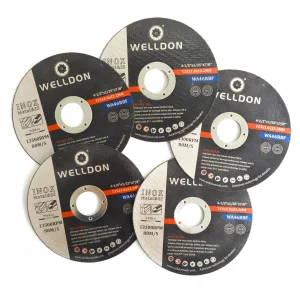
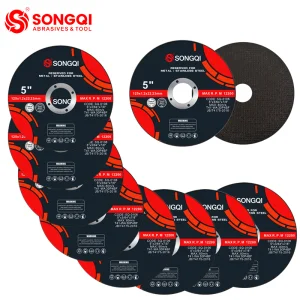
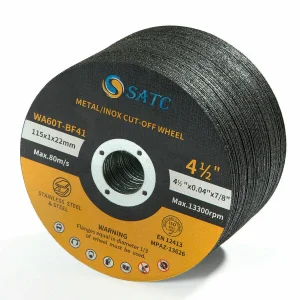
Additionally, for sheet metal processing and structure assembly in Almaty and Pavlodar, utilizing cutting wheels with reinforced double-fiberglass layers prevents wheel burst events during manual angle-grinder operations. Under high ambient heat conditions during summer, standard cutting wheels dry out and crumble; our specialized resin formulas are custom-modified to survive seasonal storage and heavy friction heat.
How purchasing departments can optimize their Total Cost of Ownership (TCO) by validating structural specifications, supply contracts, and engineering consistency.
Always request chemical validation reports confirming cobalt percentage (typically 10-12% for general milling) and trace element distributions. Premium suppliers verify substrates through metallurgical grain sizing scanners.
High-speed CNC machinery requires tools with a maximum run-out tolerance of 0.005mm. Any higher deviation leads to asymmetric force distribution, rapid flank chipping, and eventual spindle damage.
For Kazakhstan delivery, select suppliers capable of coordinating DAP or DDP terms. Verify the supplier's experience dealing with Eurasian Economic Union (EAEU) compliance certificates and custom clearance rules.
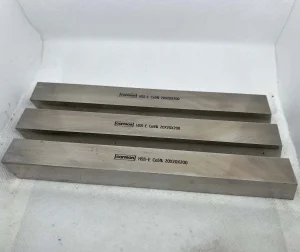
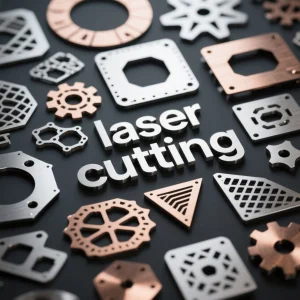
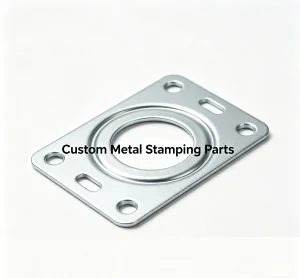
Explore our highly integrated solutions catalog, featuring industrial abrasive wheels, variable flute milling cutters, customized sheet metal stamping components, and high-precision HSS turning blades.
Detailed mechanical solutions and purchasing instructions for operating CNC tooling lines in challenging environments.
 DentFix Tool