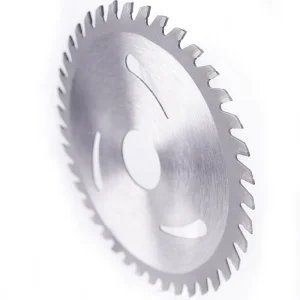
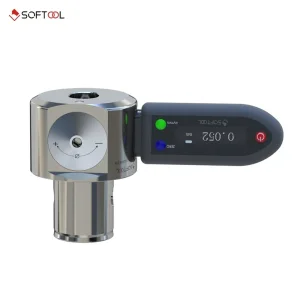
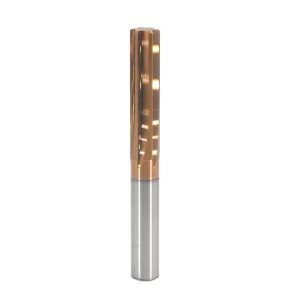
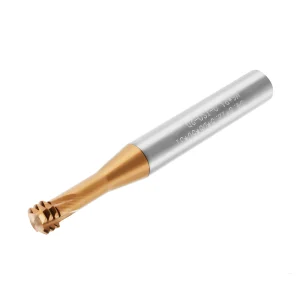
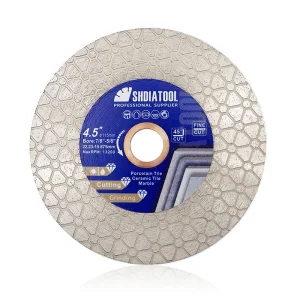
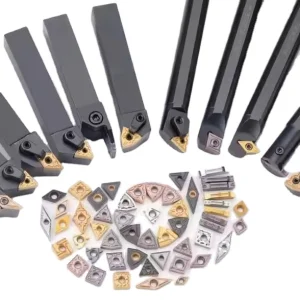
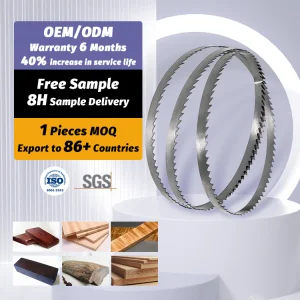
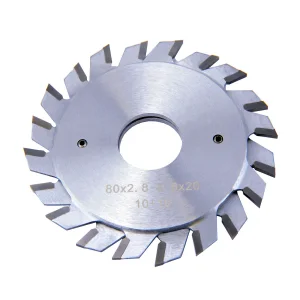
Discover high-performance slotting cutters, indexable inserts, and circular saw blades manufactured to exact ISO tolerance profiles.
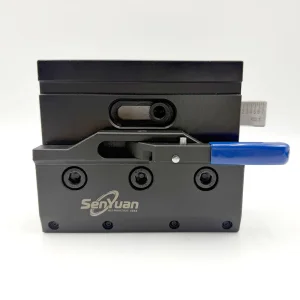
Understanding the complex mechanics of slot milling and keyway machining to achieve optimal material removal rates (MRR) and surface integrity.
The foundation of premium slotting performance lies in the sub-micron tungsten carbide matrix. Formulated with precise cobalt fractions (8-12%) and micro-grain structural matrices, these alloys balance high hardness (up to 92 HRA) with the fracture toughness needed for aggressive, high-feed radial cut loads.
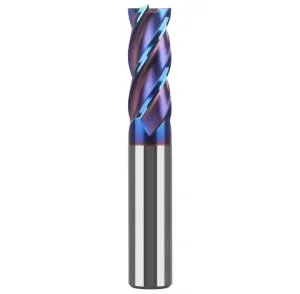
To resist thermal degradation and oxidative wear at high cutting temperatures (up to 1100°C), our tools leverage advanced Physical Vapor Deposition (PVD) coatings. Compositions like AlTiN (Aluminum Titanium Nitride) and nanocomposite TiAlSiN reduce friction and prevent built-up edge (BUE) formation.
Slotting forces are unique: the tool experiences 180-degree engagement, restricting path options for chip removal. We engineer wide chip flutes, variable helix configurations, and polished core areas to rapidly push chips out of the cutting zone, eliminating chip recutting and catastrophic tool breakage.
In slotting applications, the radial width of cut (ae) equals the cutting diameter (D). Unlike peripheral or side milling, this setup subjects the tool center to bending stress and limits cooling access. Overcoming these challenges requires optimized feed rates, robust tool holders with minimal runout (under 3 microns), and specialized tool geometries that break chips into manageable, short segments.
A Premier Hub for Global CNC Precision Tool Engineering and Manufacturing Excellence
Zhejiang DentFix Tool Co., Ltd. is a professional manufacturer specializing in the research, development, production, and global distribution of precision CNC cutting tools and carbide solutions. Since its establishment, the company has been committed to providing high-performance tooling products for the metalworking industry, serving customers across automotive, aerospace, mold & die, general engineering, energy, and precision manufacturing sectors.
Driven by continuous innovation and customer-focused development, DentFix has grown into a modern manufacturing enterprise that integrates R&D, intelligent production, quality control, sales, and technical support. The company has built a strong reputation for delivering reliable products, consistent quality, and professional services to customers in both domestic and international markets.
With advanced manufacturing technologies, experienced engineering teams, and strict quality management systems, DentFix continuously improves its product performance and production efficiency. The company is dedicated to helping customers achieve higher machining accuracy, longer tool life, greater productivity, and lower manufacturing costs. Today, Zhejiang DentFix Tool Co., Ltd. continues to strengthen its investment in technological innovation, intelligent manufacturing, and international cooperation, striving to become a trusted global supplier of precision cutting tool solutions.
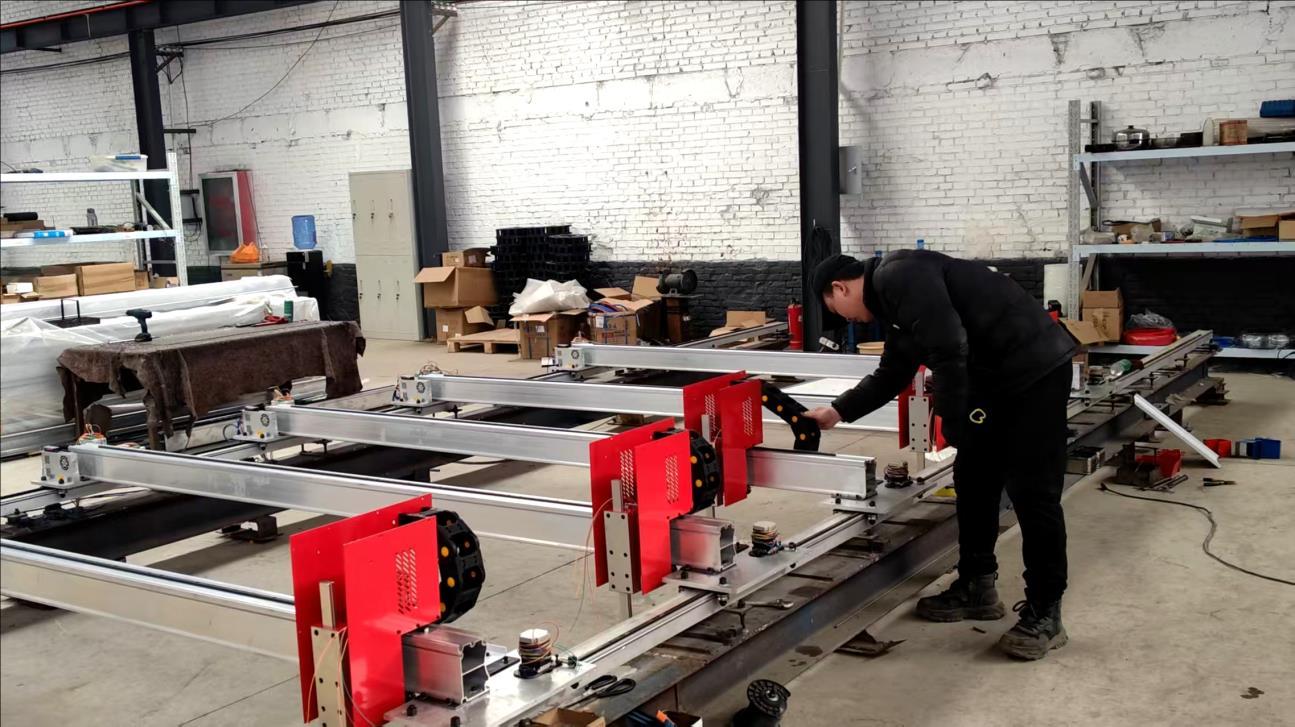
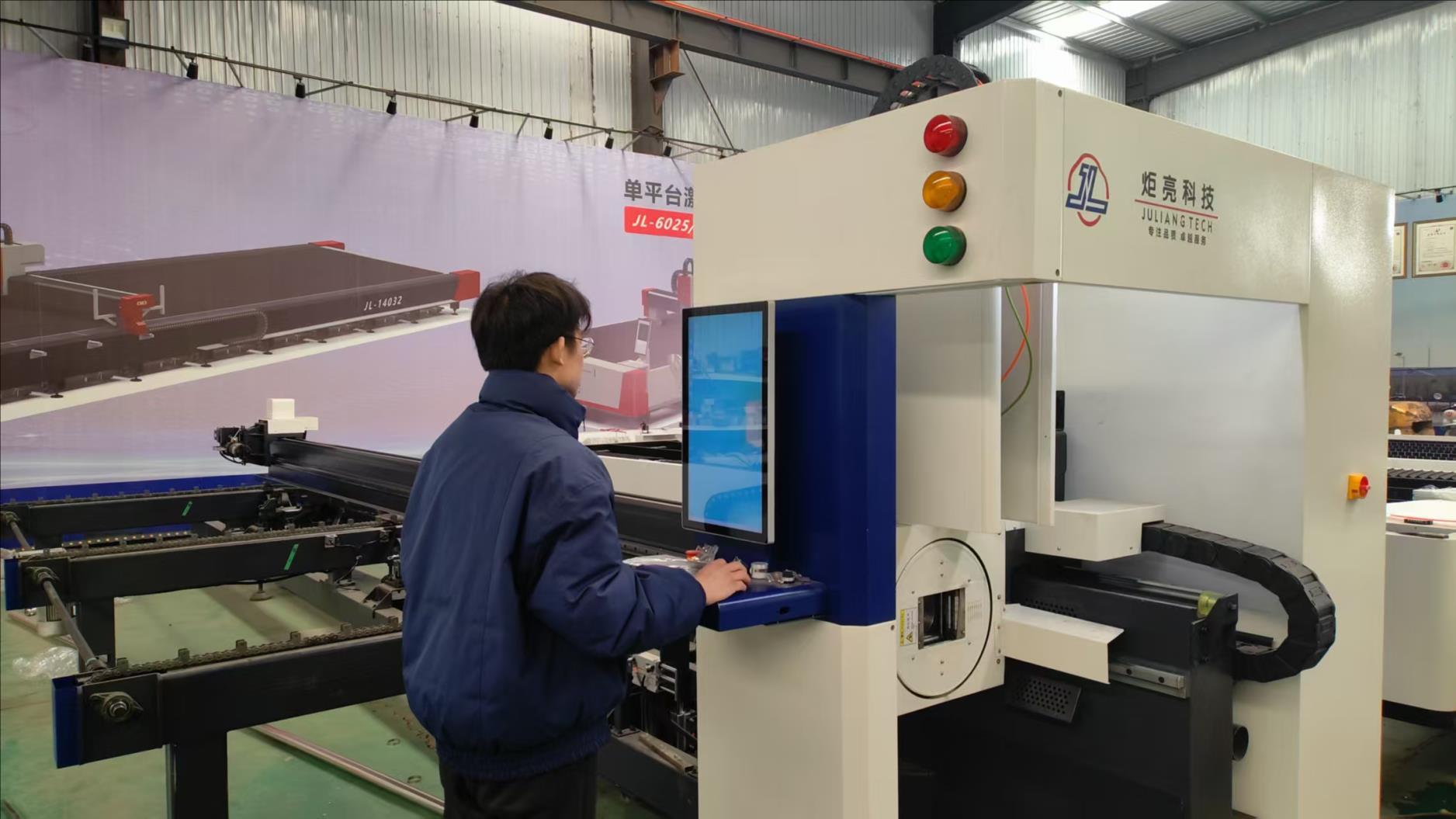
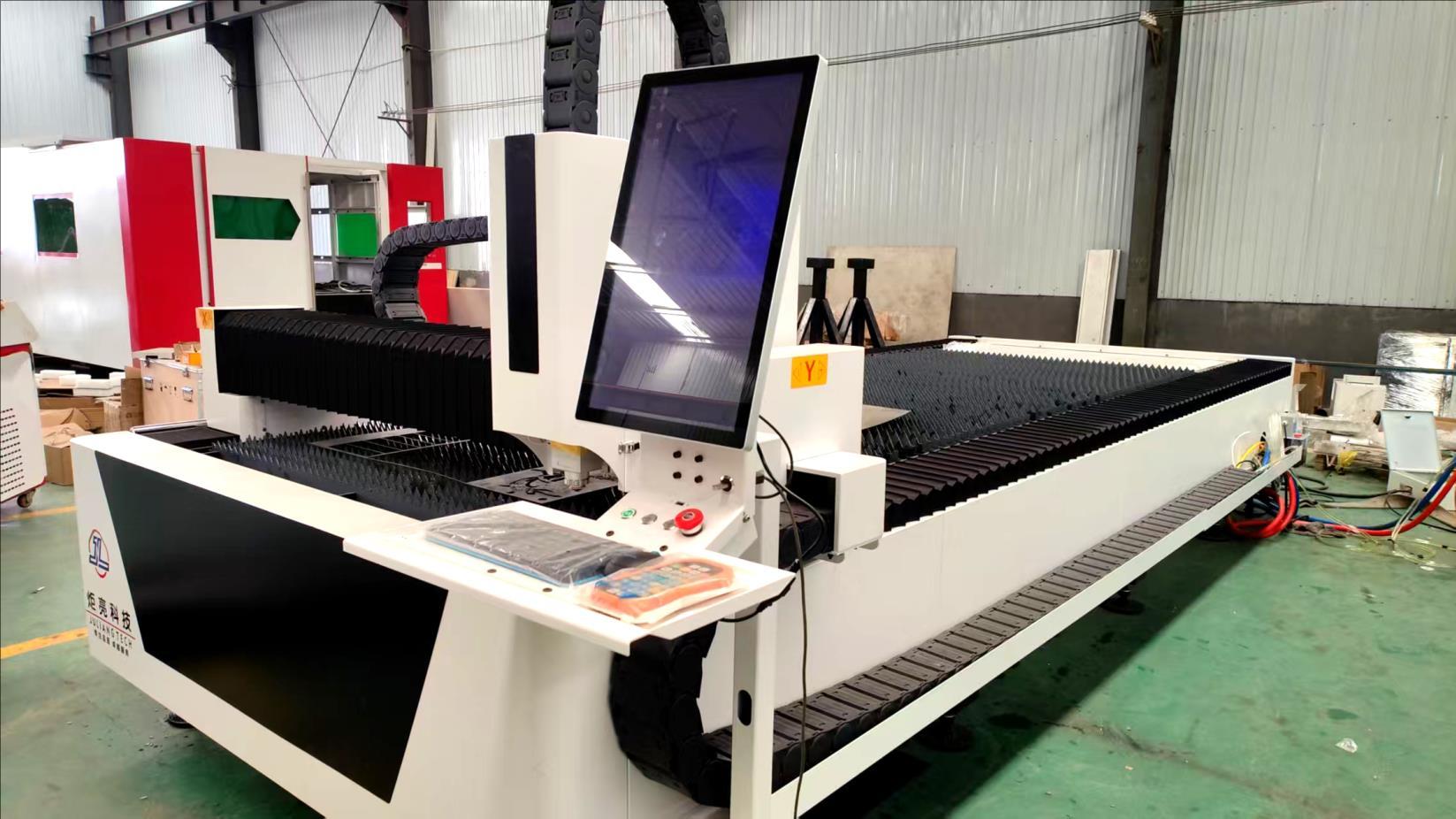
Our manufacturing facility is equipped with advanced CNC grinding machines, high-precision inspection equipment, automated production systems, and modern quality testing laboratories.
Innovation remains at the core of our business. DentFix continuously invests in new materials, coating technologies, and precision manufacturing processes to develop cutting tools with higher wear resistance.
Every product undergoes rigorous inspection throughout the manufacturing process to ensure exceptional dimensional accuracy, durability, and stable machining performance.
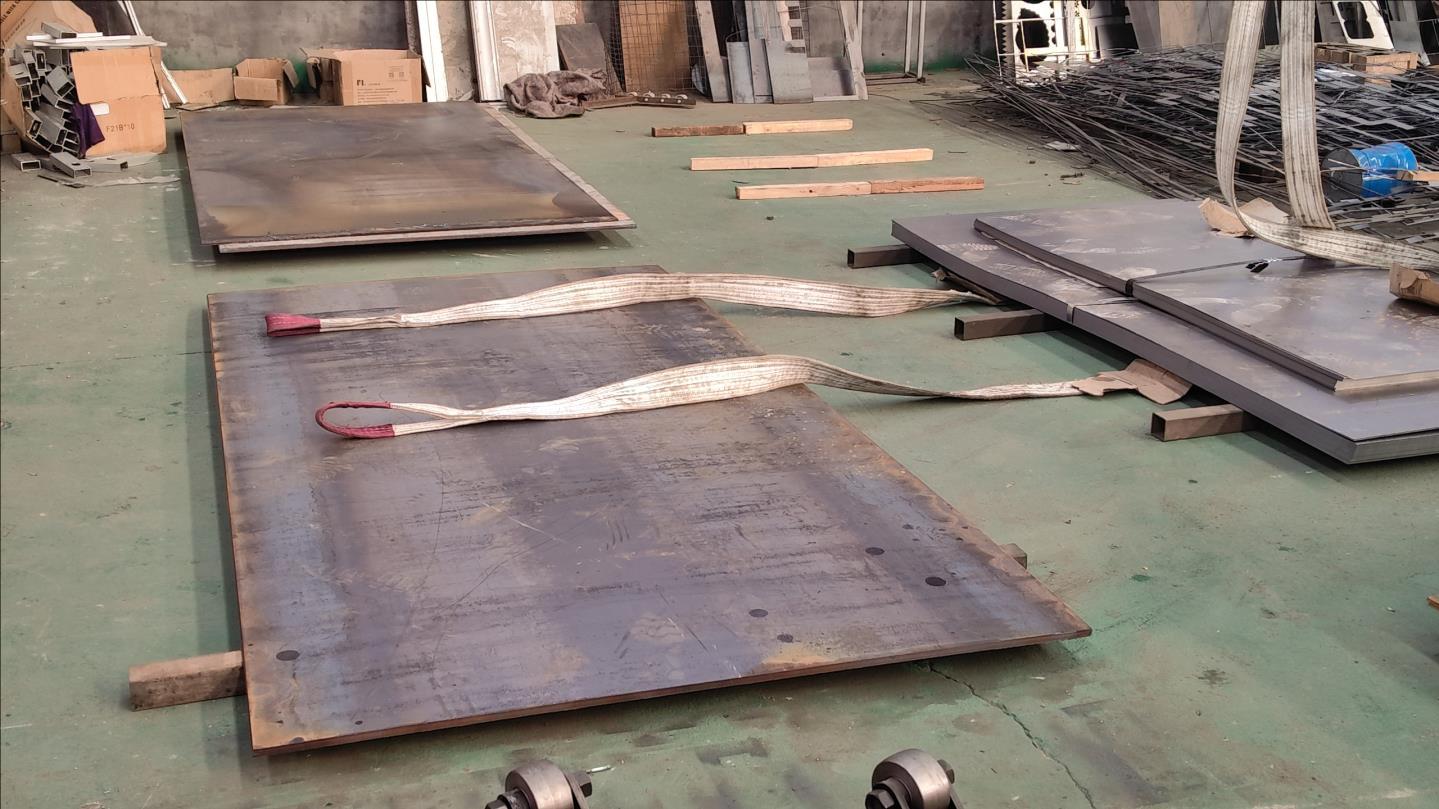
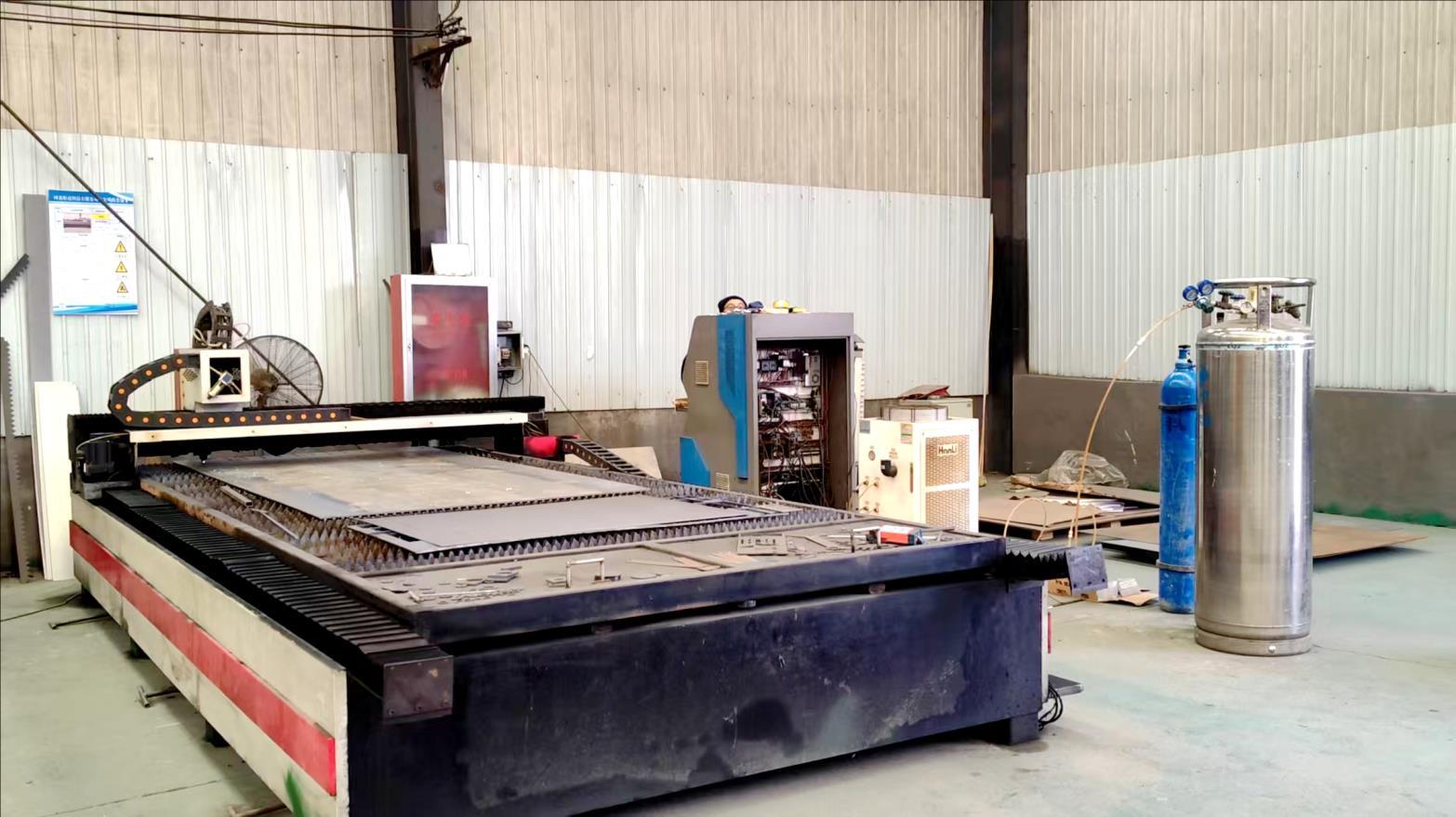
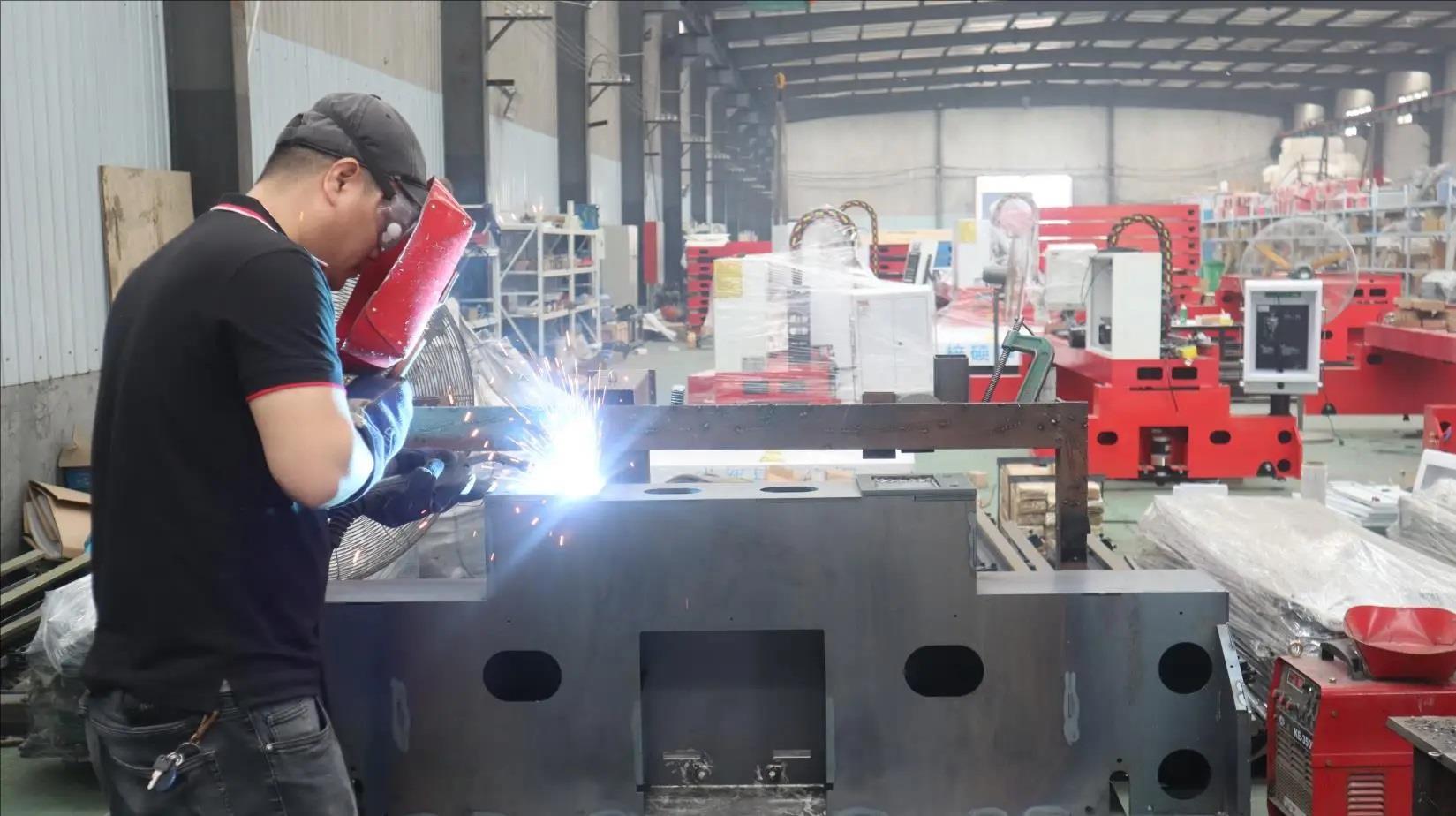
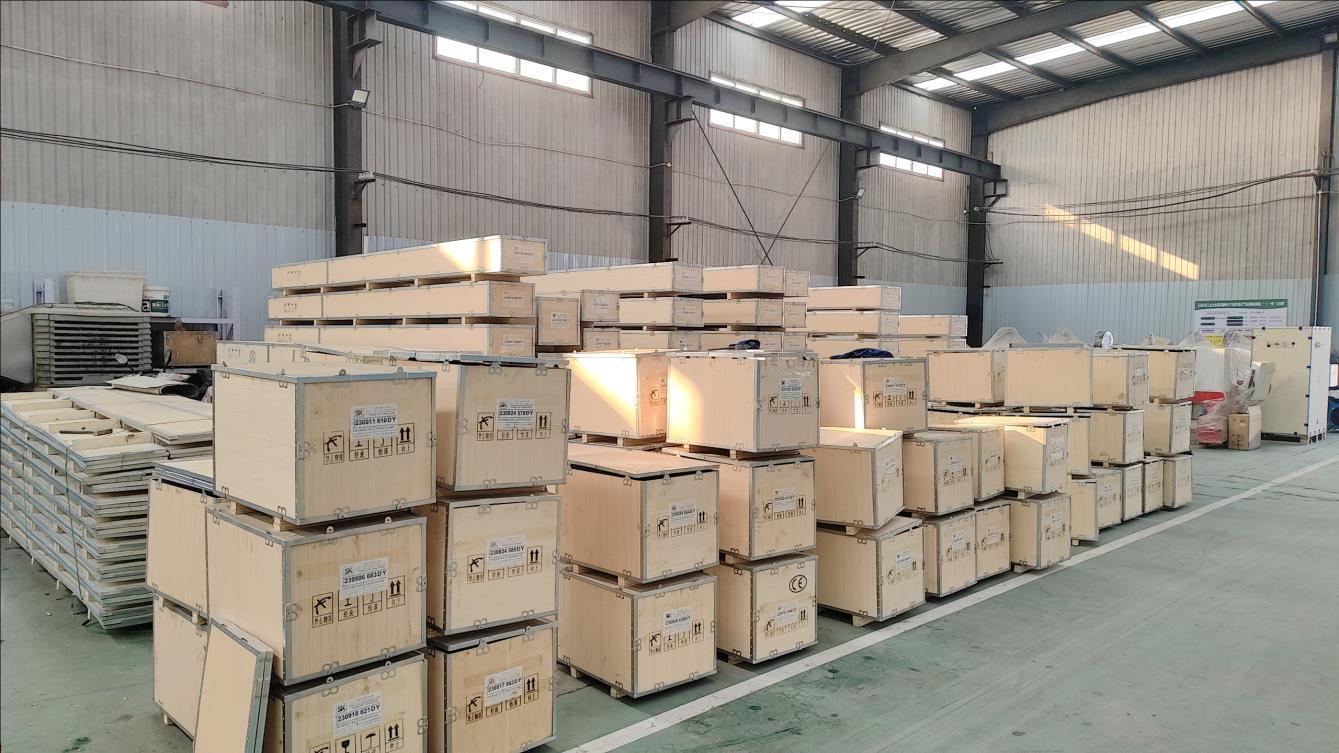
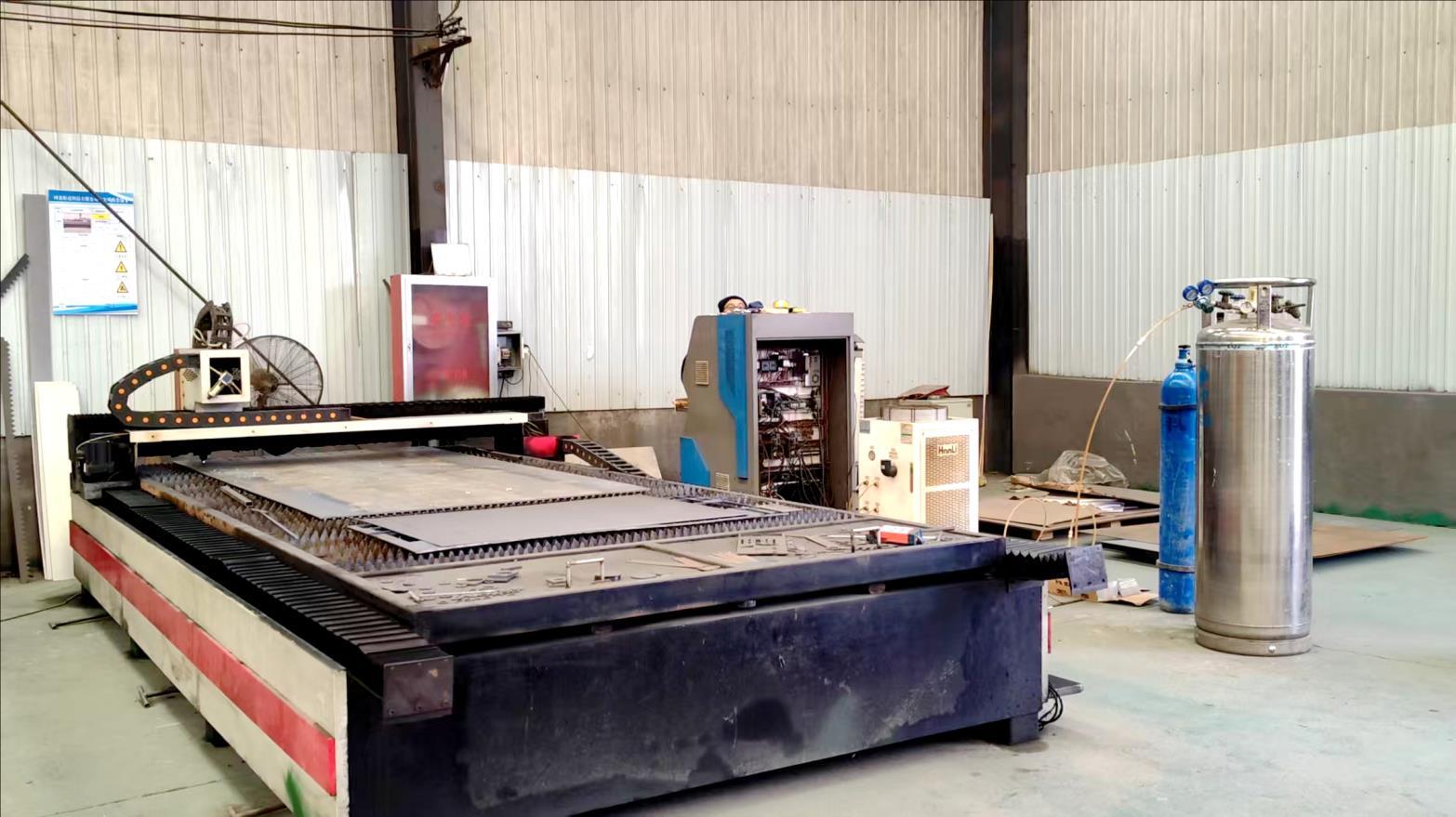
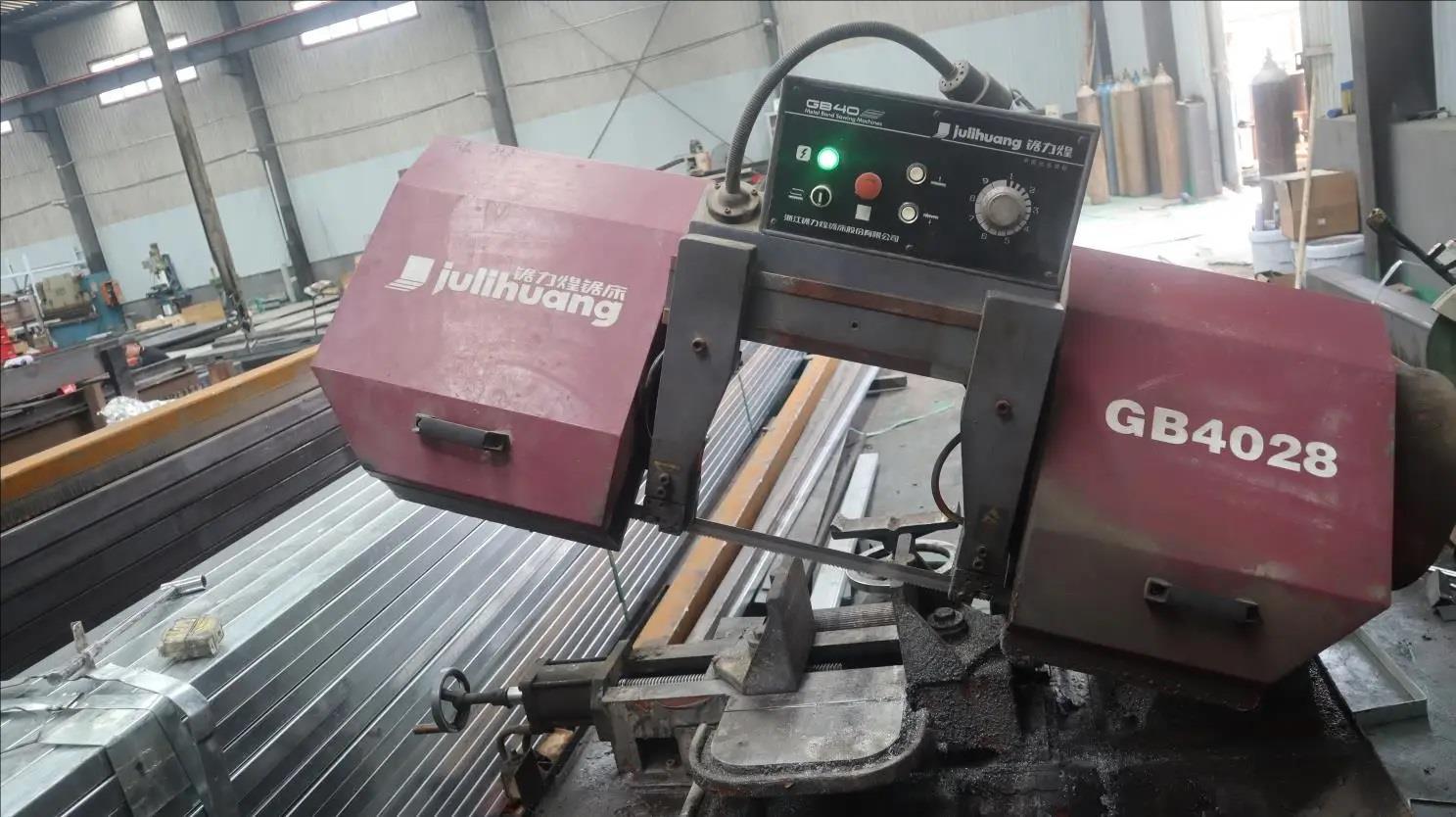
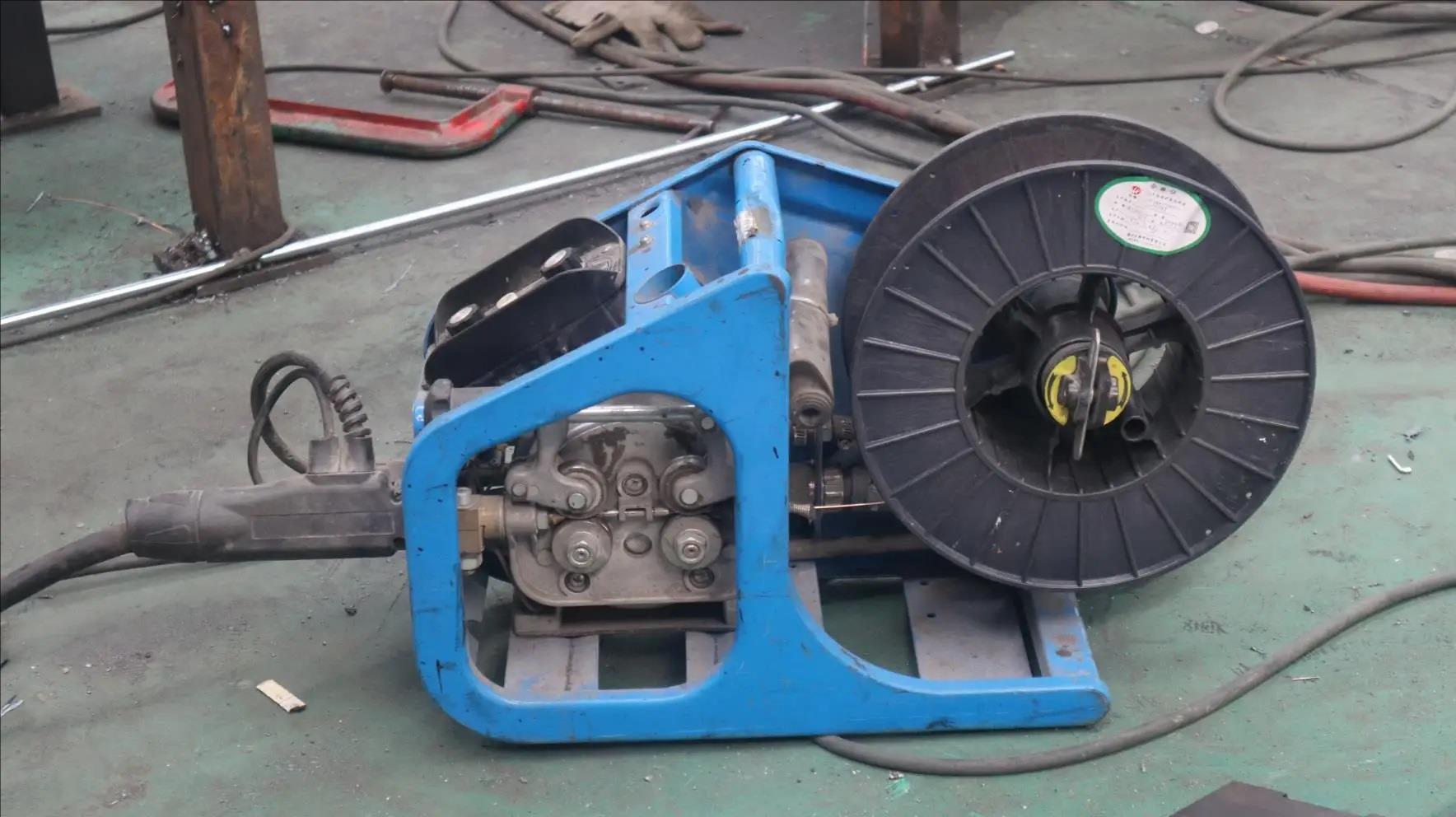
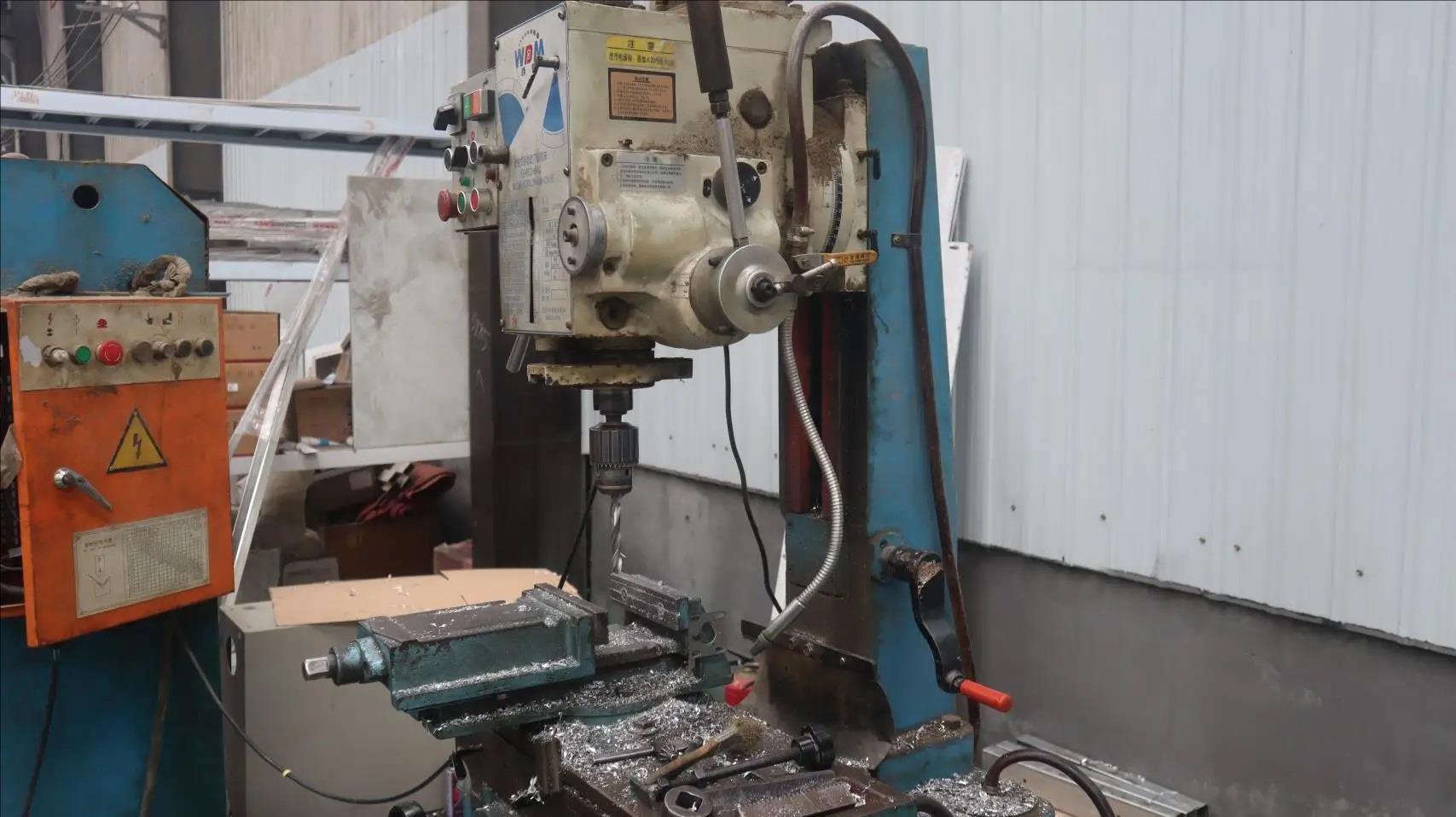
Step-by-step visual inside our advanced manufacturing facility, highlighting raw material handling, welding, precision machining, and final quality check.
Addressing emerging trends in modern manufacturing, including smart sensors, nanostructured coatings, and sustainable machining paths.
As advanced materials like carbon fiber composites, high-entropy alloys, and aerospace-grade titanium become mainstream, traditional tool path strategies and tooling parameters are no longer sufficient. Our research and development department is currently executing a multi-generational product development cycle targeting three pillars of tooling science:
Developing silicon-doped, multi-layer nanocomposite coatings that increase the thermal oxidation threshold up to 1200°C. This allows operators to transition away from traditional flood cooling to Minimal Quantity Lubrication (MQL) and true dry cutting configurations, decreasing environmental footprints.
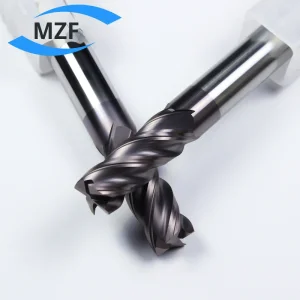
Utilizing variable pitch structures combined with unequal index configurations on solid carbide slotting mills. By breaking up periodic resonance frequencies during slotting, we can reduce vibration-induced chatter, stabilize finish values, and extend machine spindle bearing lifetime.
Integrating RFID chips and specialized tracking tags directly into the tool holders. This prepares our tools for Industry 4.0 integration, allowing CNC control panels to read feed history, track accumulated run time, and deploy predictive replacement protocols before edge chipping occurs.
By investing heavily in multi-physics simulation software (such as Finite Element Method, FEM) and test cells, DentFix engineers can predict wear behaviors, heat propagation zones, and mechanical stresses on custom tools before the raw carbide ever meets the grinding wheel. This reduces development time for specialized tooling and ensures higher performance upon deployment.
Customized tooling options designed to resolve technical bottlenecks and improve reliability in target heavy industrial sectors.
| Industrial Sector | Common Technical Bottlenecks | DentFix Recommended Tooling Strategy | Measured Productivity ROI |
|---|---|---|---|
| Aerospace Manufacturing | Rapid tool wear in Ti-6Al-4V, work hardening during machining, poor surface finish on deep engine components. | Variable helix solid carbide mills with micro-honed edges and AlTiN nanocomposite coatings. | +40% increase in tool life; stable surface finishes below Ra 0.8μm. |
| Automotive Powertrain | High manufacturing volumes, strict requirements for cycle time optimization, burr formation in cast irons. | Custom PCD (Polycrystalline Diamond) and specialized indexable carbide inserts configured for high feeds. | Cycle time reduction of 25%; significant reduction in post-machining cleanups. |
| Energy & Heavy Power | Machining large spline slots and deep keyways in stainless alloys and heavy structural steel forgings. | Heavy-duty indexable side and face milling cutters with positive rake geometries and robust tool bodies. | Metal removal rates (MRR) elevated by 35%; reduced machine power draw. |
| High-Precision Die & Mold | Extremely hard tool steel slotting (up to HRC65), high demands for geometric accuracy and tight dimensional tolerances. | Ultra-micro grain solid carbide end mills with spherical ball noses and HRC65 special coatings. | Elimination of secondary EDM processes; maintains tolerances within ±0.005mm. |
Leveraging industrial clusters, intelligent automation, and raw material access to optimize procurement cycles and pricing structures.
Operating a modern factory in Zhejiang allows DentFix to access the world's most concentrated precision tool supply chains and metallurgical engineering hubs. Our production facility is designed to convert raw tungsten carbide rods to fully packaged, coated, and certified cutting tools within a streamlined, lean workflow. This optimization results in several key benefits for our international purchasing partners:
Through strategic partnerships with China's top ammonium paratungstate (APT) refiners, we secure high-grade tungsten carbide powders without exposing our production lines to global raw material fluctuations.
Our production floor uses interconnected CNC grinding centers operating in 24/7 cycles. Automated robotic loading ensures high accuracy from tool to tool, keeping batch dimensions uniform and lowering labor costs.
Located near major ocean cargo ports in Ningbo and Shanghai, we ship directly to international warehouses. Standard transit documentation, custom tariff classifications, and tracking codes are processed automatically.
Ensuring transparent procurement pipelines, custom OEM/ODM tool profiles, and localized engineering support.
Every phase of our production, from initial raw material audit to dimensional verification on Zoller optical measuring equipment, follows strict ISO protocols. Material test reports (MTR) and coating thickness validations are provided with every wholesale shipment.
We work with international tool distributors and high-volume machining shops to supply tailored geometries, custom step-angles, specific slot radii, and private label laser etchings. CAD designs are finalized and verified within 48 hours.
DentFix tooling processes comply fully with REACH and RoHS standards. We prioritize eco-friendly cleaning solutions and resource recycling systems, helping our corporate clients meet their internal ESG benchmarks.
Direct answers to common technical and logistical questions asked by global tooling engineers and procurement officers.
Vibration or chatter in deep slotting is typically caused by insufficient tool stiffness, excessive overhang, or a constant helix design. To resolve this, keep tool projection as short as possible, switch to variable-helix or uneven-pitch end mills, and apply climb milling instead of conventional milling when conditions permit. Adjusting the feed per tooth (fz) downward while maintaining stable cutting speed can also stabilize the cut.
In slotting, the tool has a high arc of contact (180 degrees), meaning chips are easily trapped. If chips are not removed, they are crushed and recut by the following flutes. This recutting increases heat, causes edge chipping, and can lead to sudden tool failure. Using high-pressure coolant, chip blowers, or through-coolant pathways, combined with polished flutes, helps ensure chips are removed effectively.
For stainless steel, high-temperature PVD coatings like AlTiN or TiAlSiN are ideal, as they form a protective aluminum oxide layer at higher heat ranges. For aluminum alloys, an uncoated, highly polished carbide surface or a Diamond-Like Carbon (DLC) coating is preferred. The low affinity of aluminum to carbon prevents built-up edge (BUE) and keeps the tool surface clean.
Standard catalogue orders are shipped from our inventory within 3-5 business days. Custom OEM/ODM designs take approximately 15-25 days for production, depending on geometry complexity and coating requirements. We offer FOB, CIF, and DDP terms via major sea routes, air freight, and express couriers like DHL/UPS.
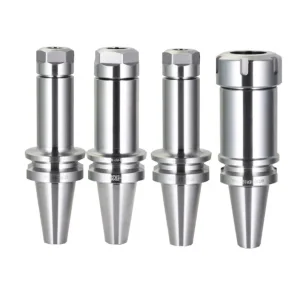
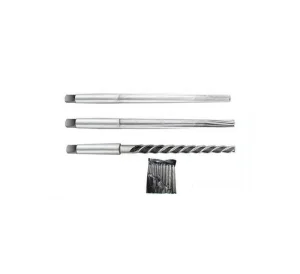
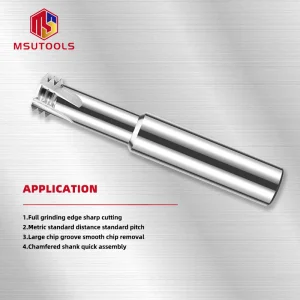
Discover more high-grade circular cutting disks, end mills, insert chucks, and reamers optimized for CNC applications.
 DentFix Tool