Deploying micro-grain structure design and high-durability coatings optimized for severe cutting parameters across steel, cast iron, and high-performance alloys.
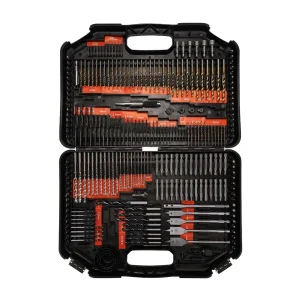
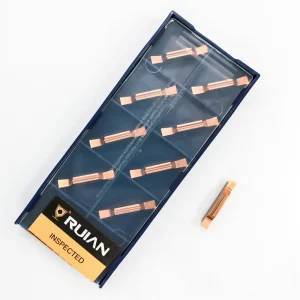
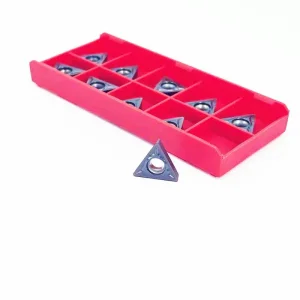
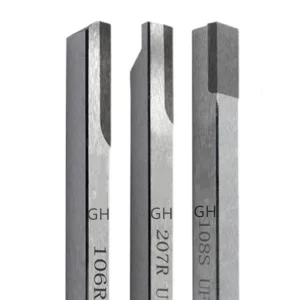
In the modern manufacturing sector, heavy-duty industrial boring equipment and micro-boring tooling represent the pinnacle of dimensional precision and mechanical engineering. As aerospace, heavy defense, automotive powertrains, and energy generation systems demand tighter geometrical tolerances, the tooling required to process interior cylinder walls and complex bores must exhibit exceptional structural integrity. High-precision boring equipment works under variable radial deflection and thermal expansion, making selection of carbide substrates and coating structures critical for modern industrial operations.
With the rise of Industry 4.0 and cyber-physical systems, CNC boring tools are expected to deliver continuous service with zero component failure. Industrial enterprises are replacing legacy tools with advanced multi-flute indexable systems designed to handle high surface speed (Vc) and deep feed-per-revolution (Fn) indices. For instance, finishing operations inside engine blocks require tolerances within sub-micron ranges, where any tool deflection or premature flank wear leads to structural rejection and material waste.
The base of modern boring equipment inserts relies heavily on Tungsten Carbide (WC-Co) systems. By optimizing cobalt binder ratios and reducing carbide grain size to sub-micron dimensions (below 0.5 μm), tool manufacturers achieve a critical balance between transverse rupture strength (TRS) and hardness. This prevents micro-chipping along cutting margins during interrupted cuts and minimizes thermal fatigue under wet-cutting cycles.
Zhejiang DentFix Tool Co., Ltd. is a professional manufacturer specializing in the research, development, production, and global distribution of precision CNC cutting tools and carbide solutions. Since its establishment, the company has been committed to providing high-performance tooling products for the metalworking industry, serving customers across automotive, aerospace, mold & die, general engineering, energy, and precision manufacturing sectors.
Driven by continuous innovation and customer-focused development, DentFix has grown into a modern manufacturing enterprise that integrates R&D, intelligent production, quality control, sales, and technical support. The company has built a strong reputation for delivering reliable products, consistent quality, and professional services to customers in both domestic and international markets.
With advanced manufacturing technologies, experienced engineering teams, and strict quality management systems, DentFix continuously improves its product performance and production efficiency. The company is dedicated to helping customers achieve higher machining accuracy, longer tool life, greater productivity, and lower manufacturing costs. Today, Zhejiang DentFix Tool Co., Ltd. continues to strengthen its investment in technological innovation, intelligent manufacturing, and international cooperation, striving to become a trusted global supplier of precision cutting tool solutions.
DentFix has established a comprehensive manufacturing system supported by experienced engineers, skilled production personnel, and a professional sales and technical service team. Our engineering department focuses on the development of innovative cutting tool solutions that meet the evolving requirements of modern CNC machining.
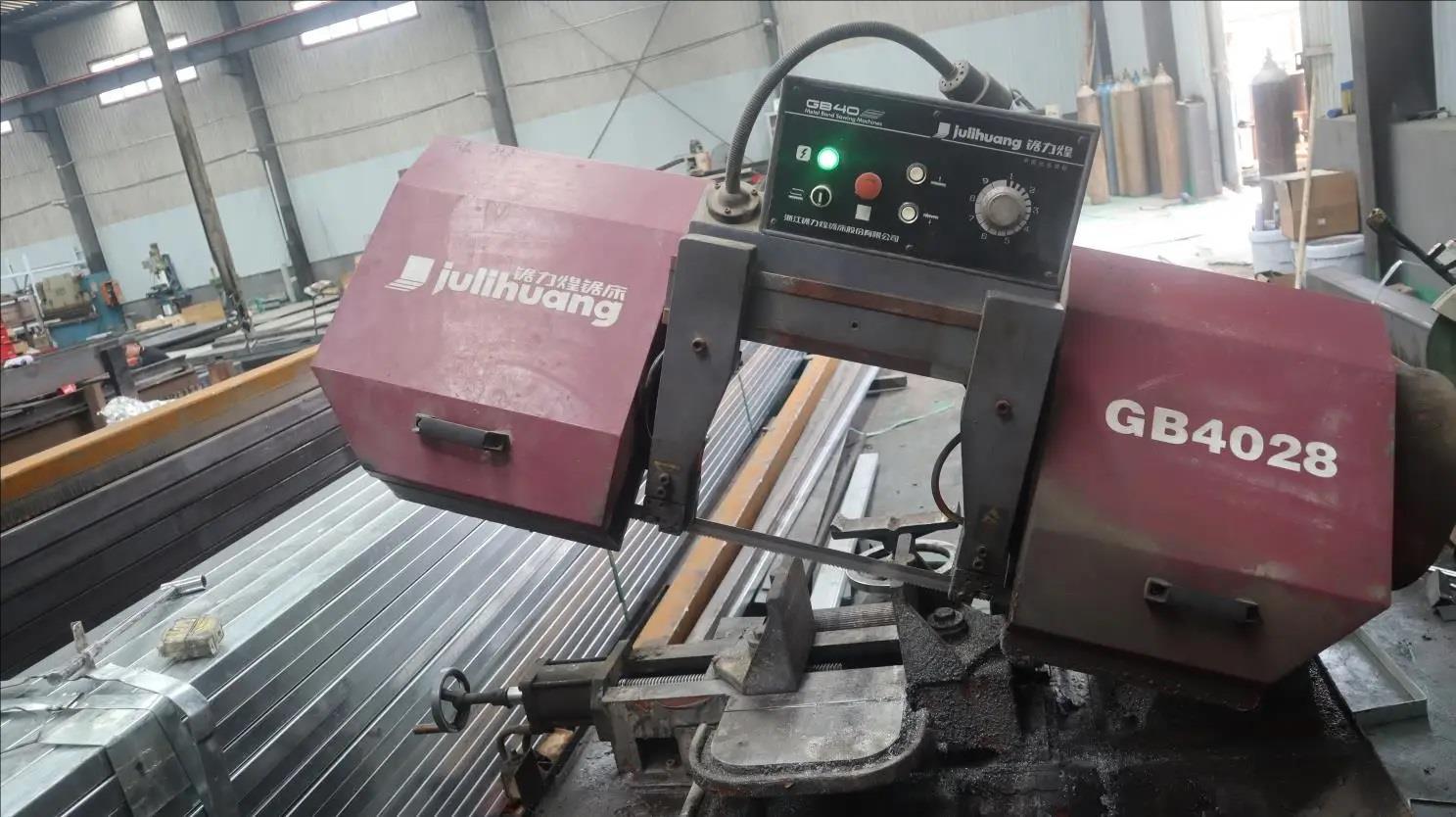
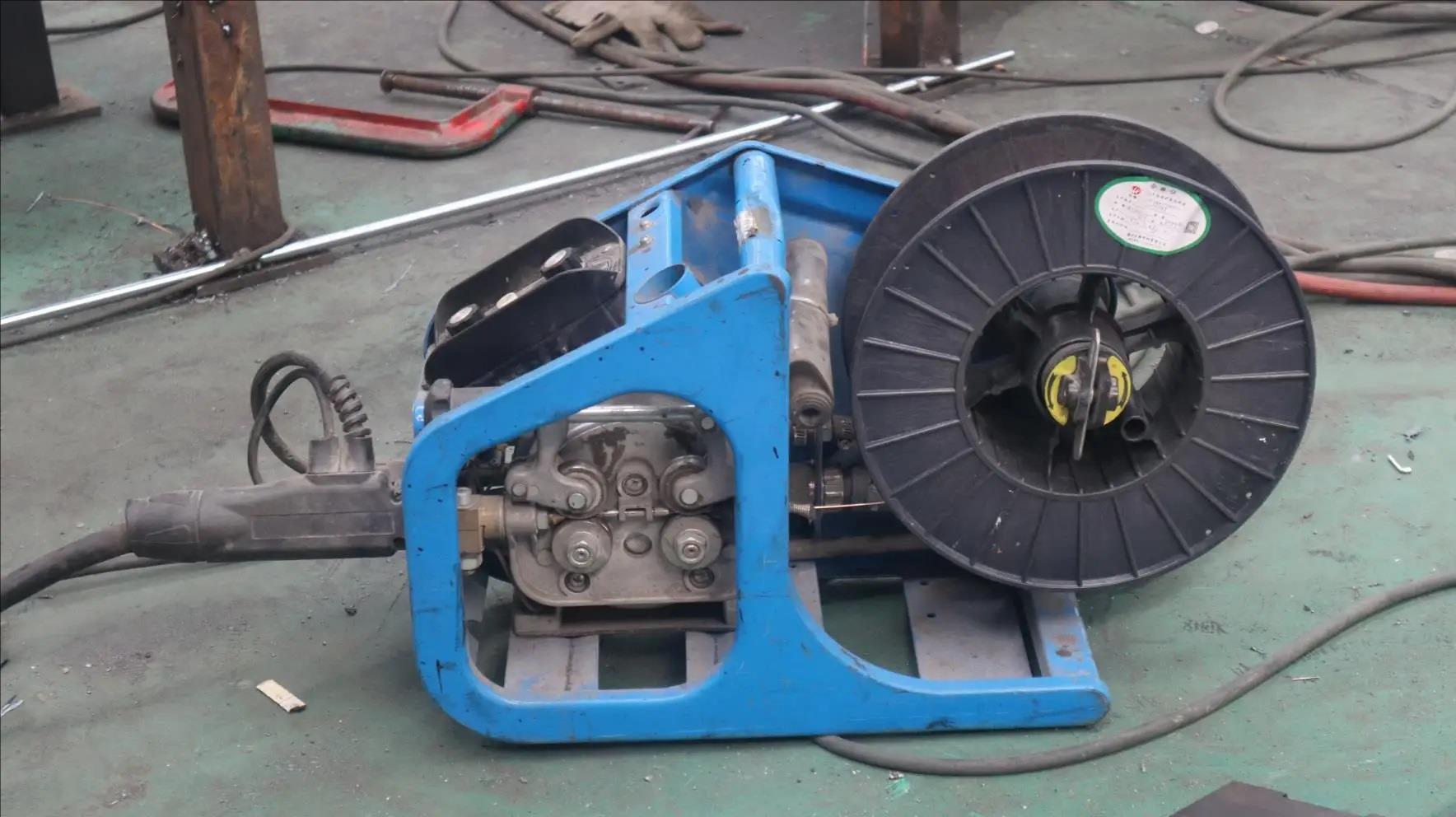
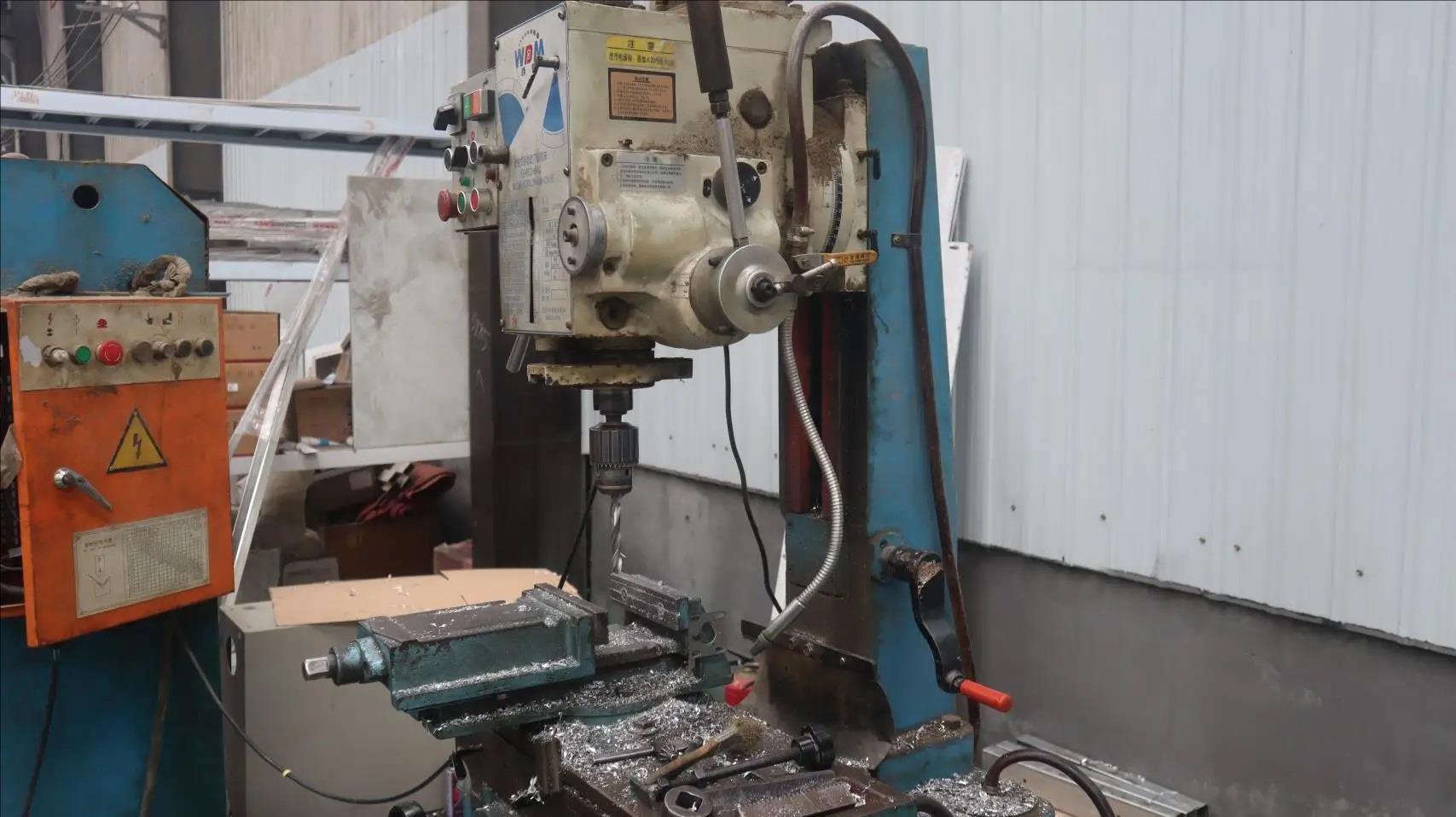
Our manufacturing facility is equipped with advanced CNC grinding machines, high-precision inspection equipment, automated production systems, and modern quality testing laboratories. Every product undergoes rigorous inspection throughout the manufacturing process to ensure exceptional dimensional accuracy, durability, and stable machining performance. Innovation remains at the core of our business. DentFix continuously invests in new materials, coating technologies, and precision manufacturing processes to develop cutting tools with higher wear resistance, improved machining efficiency, and longer service life.
A step-by-step visual overview of our industrial manufacturing cycle, from raw carbide raw materials through processing, assembling, and final QA verification. Each stage is tracked under strict ERP and quality-assurance systems to guarantee performance consistency.
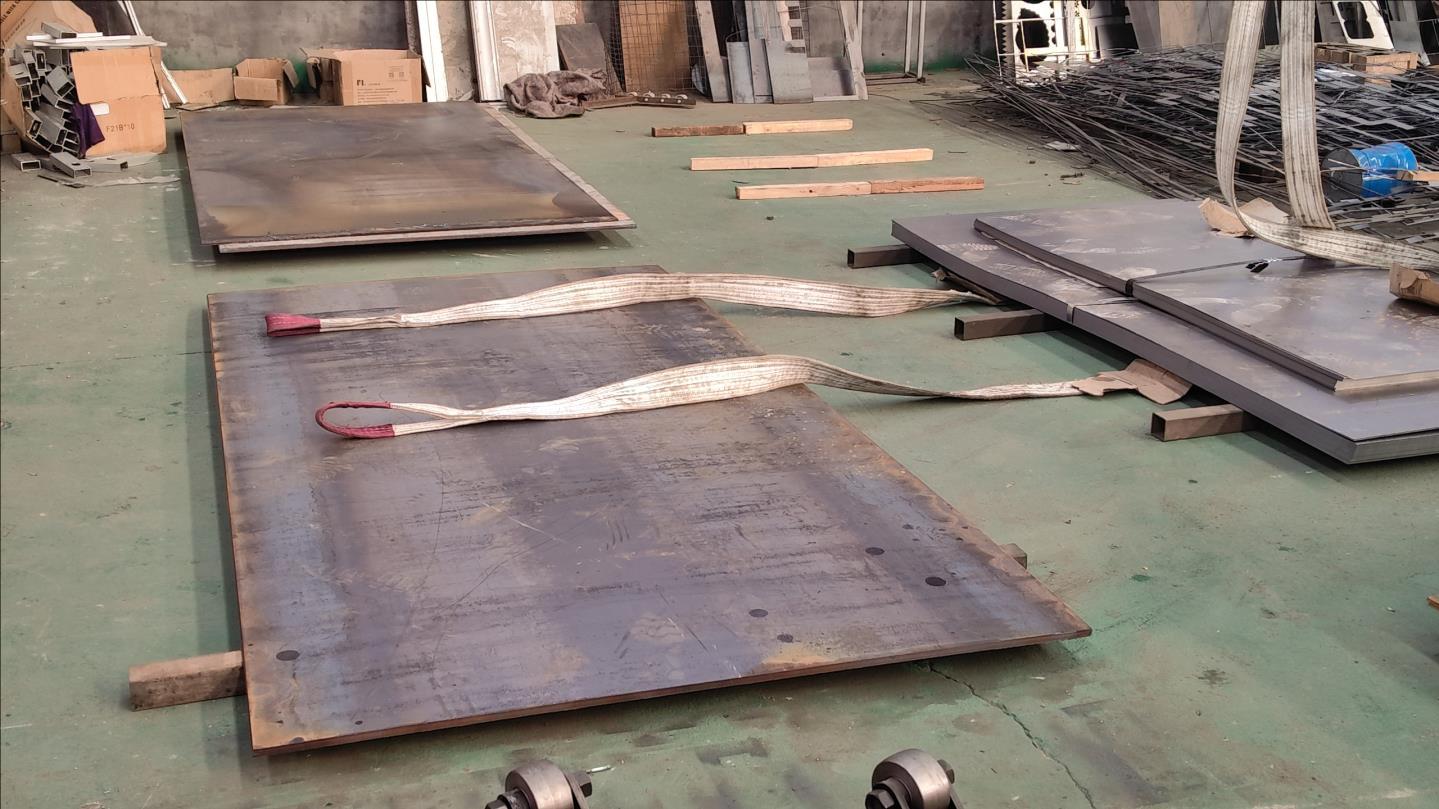
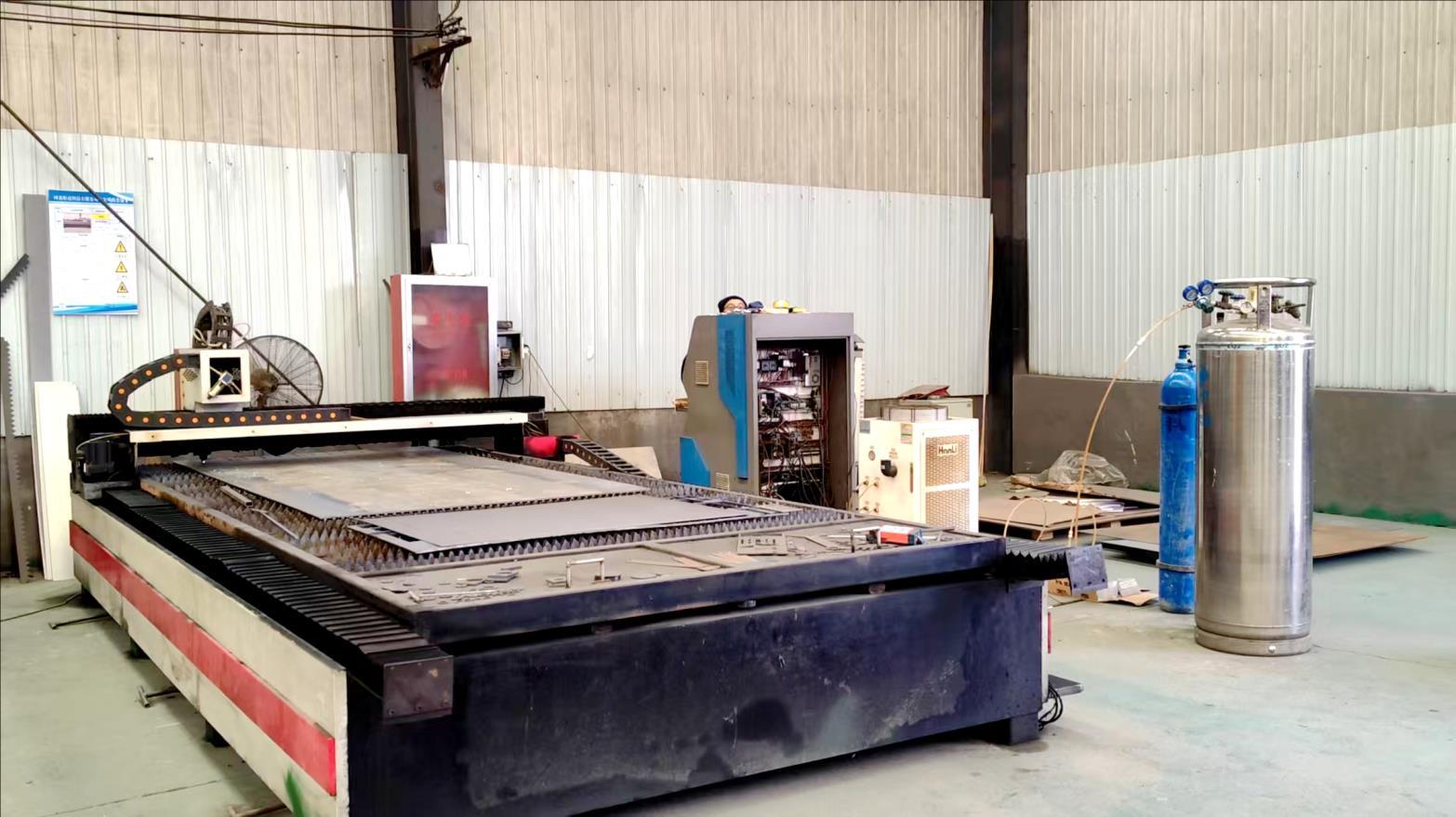
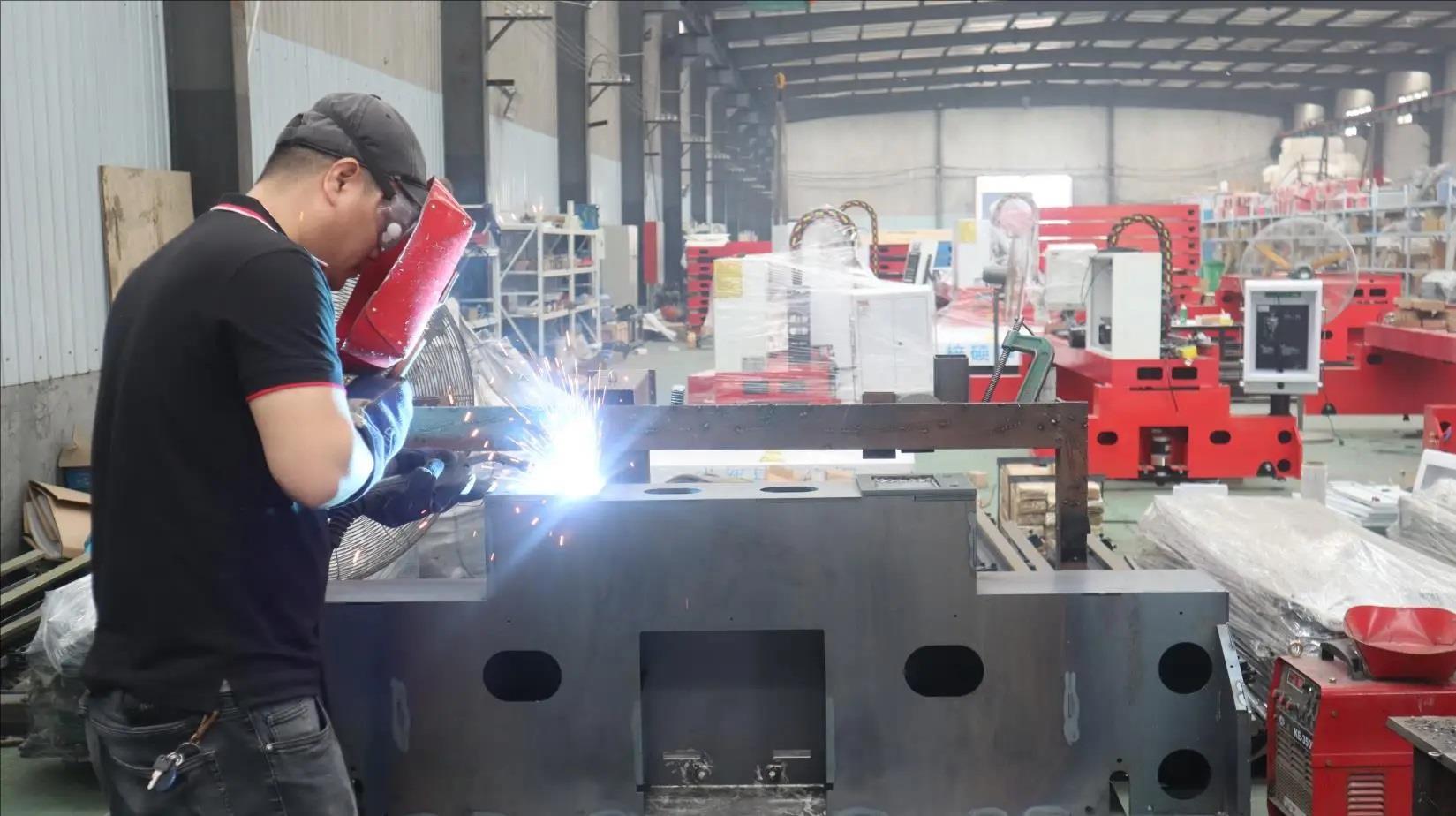
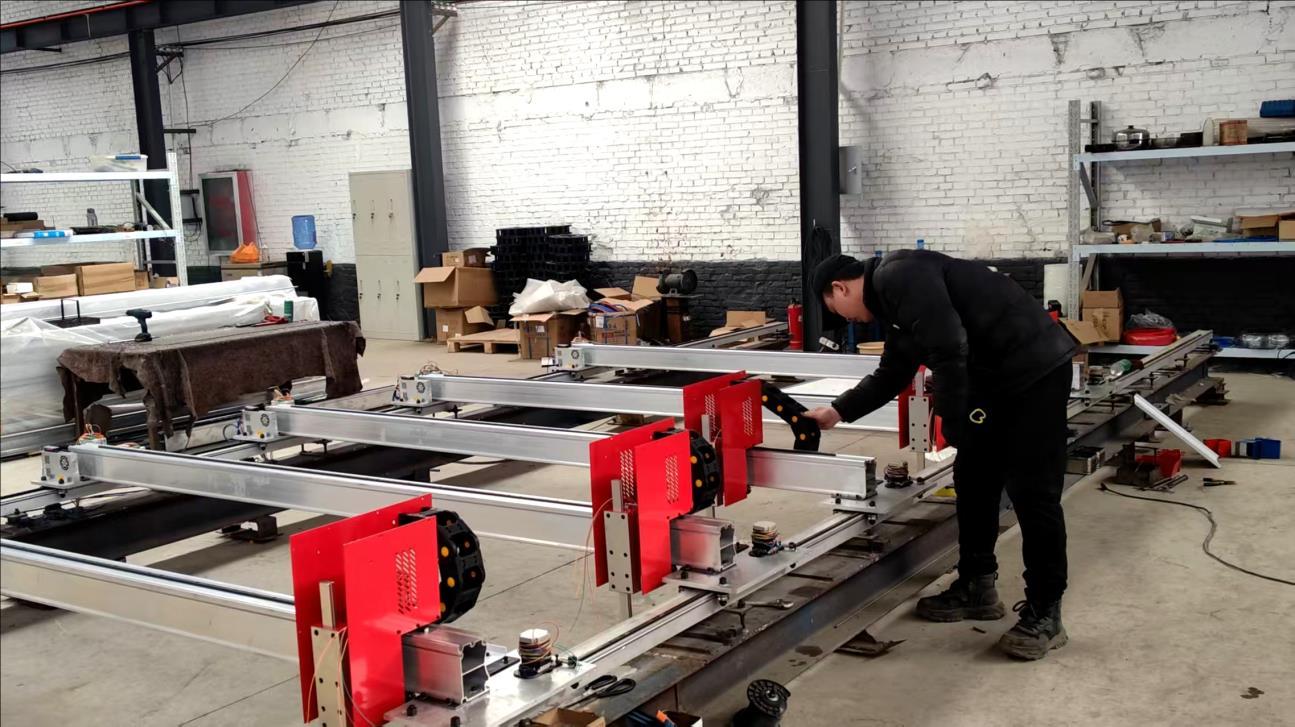
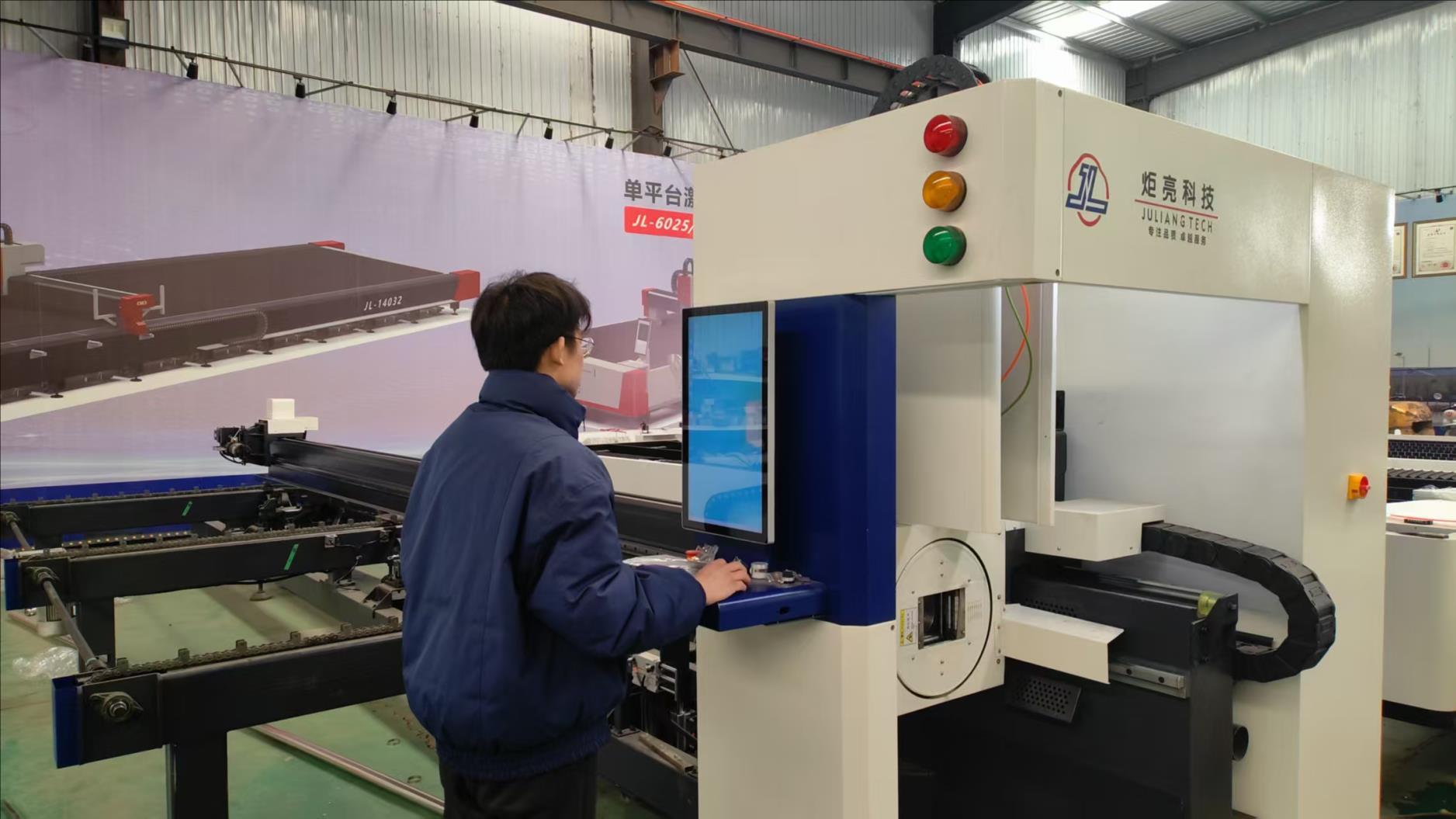
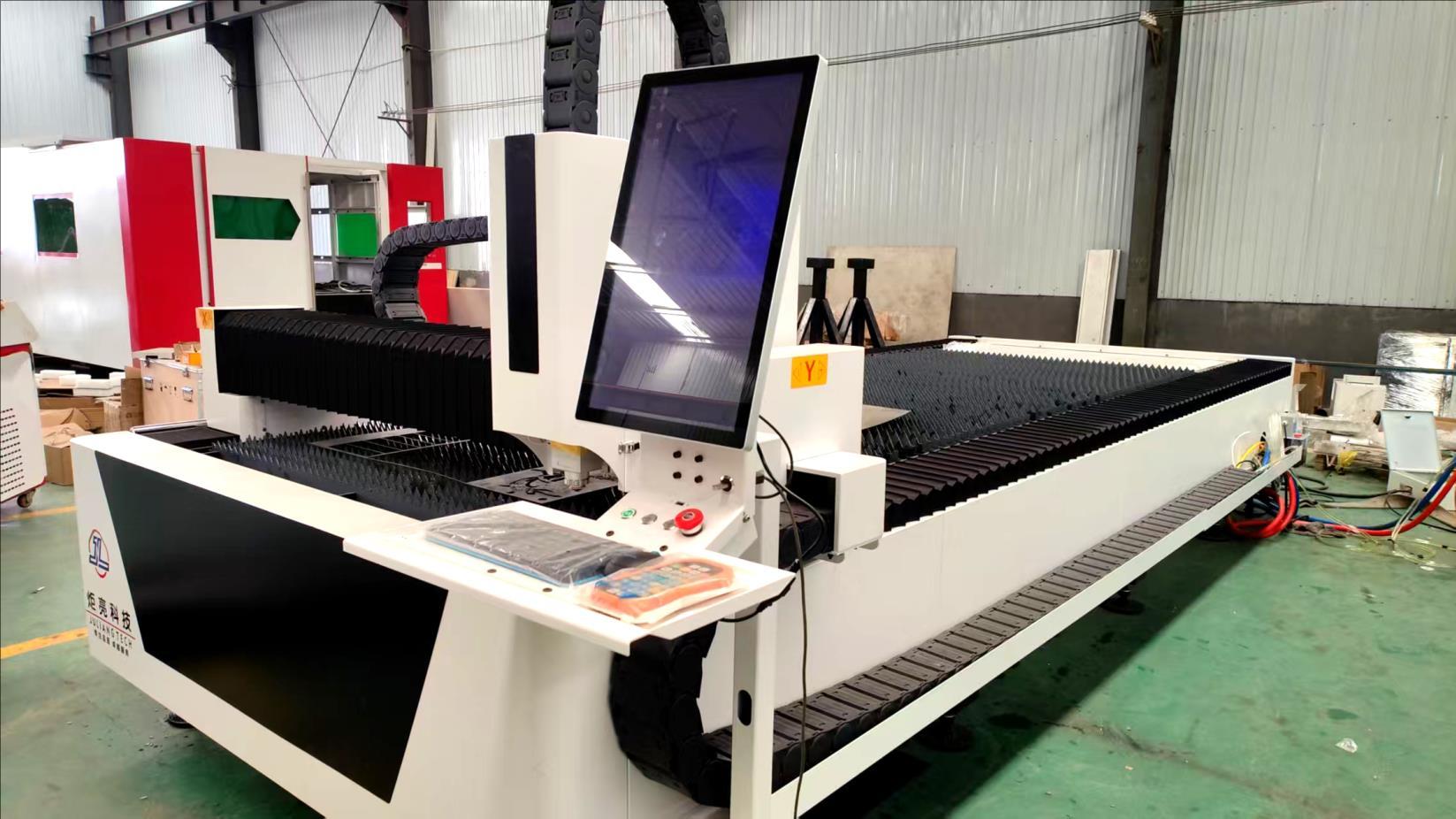
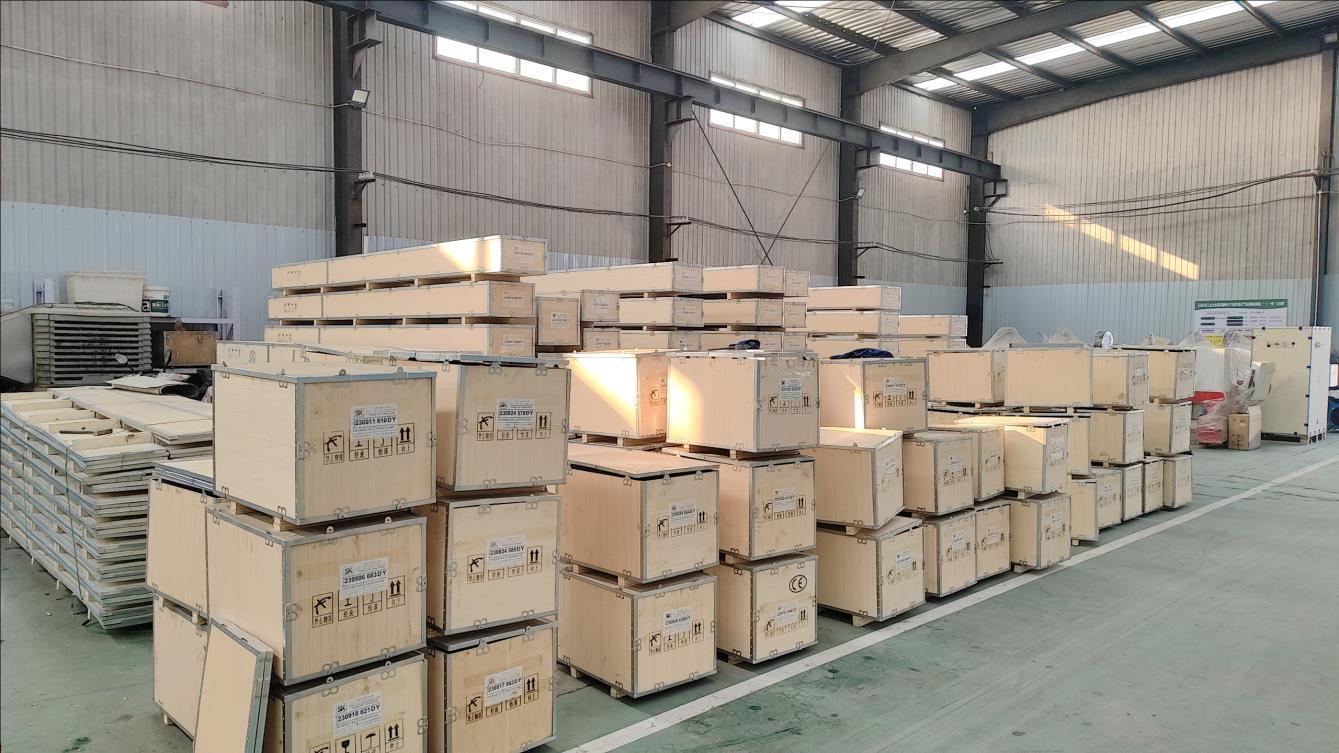
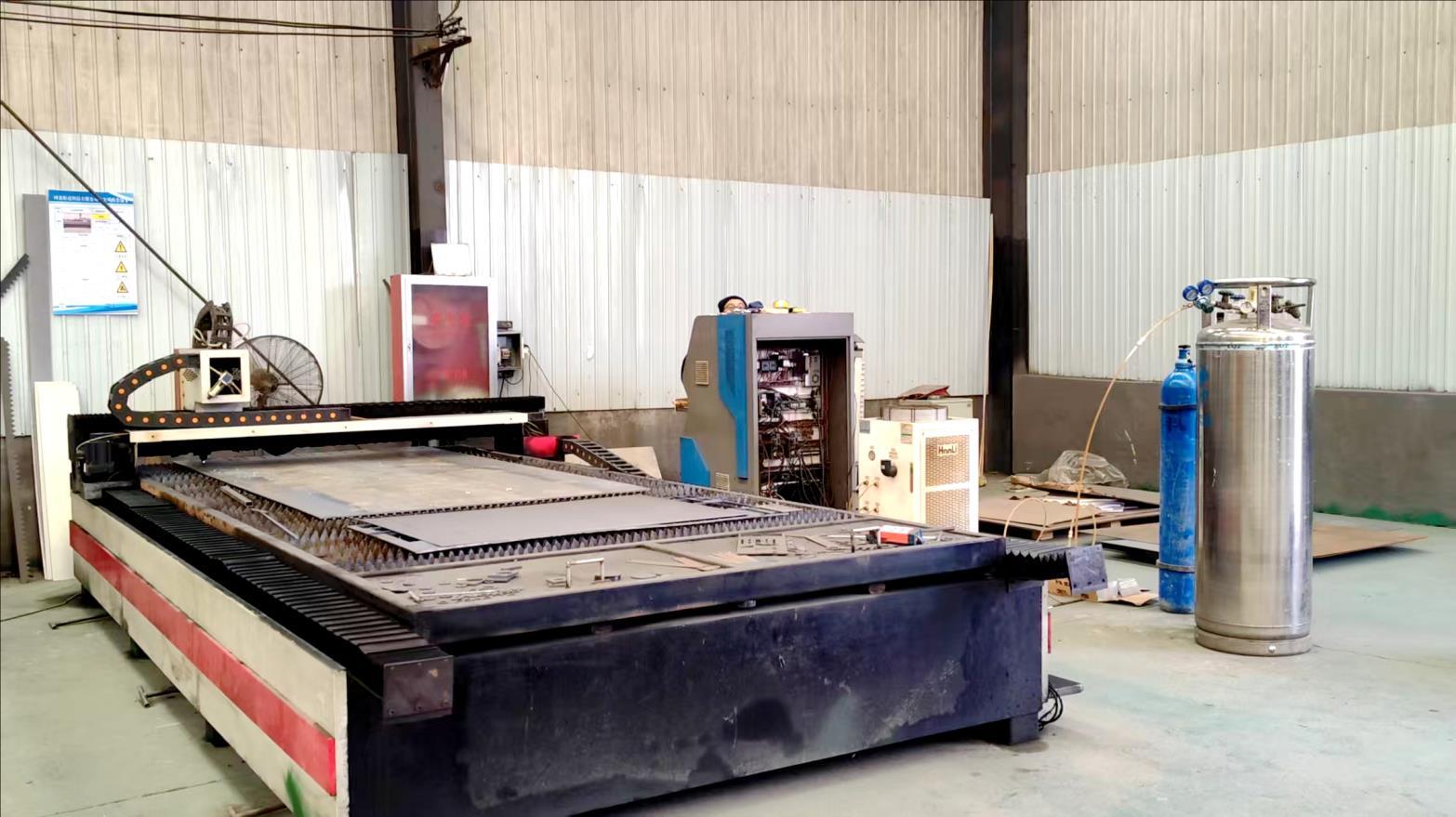
In global supply chains, procuring tooling products from Chinese manufacturers provides structural cost efficiencies. However, DentFix elevates this model from standard pricing advantages to engineering-led manufacturing efficiency. Our production framework utilizes automated tooling lines, which minimizes human handling errors and maintains batch-to-batch repeatability within micro-millimeter tolerances.
Direct proximity to the world's most stable tungsten chemical supply chains guarantees that our ultra-fine tungsten carbide powder formulations are sourced with optimal cost stability and strict purity standards.
Using physical vapor deposition (PVD) to apply specialized coatings, such as TiCN, AlTiN, and composite multi-layer structures, ensures high thermal stability and chemical wear resistance during dry and high-speed cutting.
With specialized CAD/CAM simulation software and flexible production lines, we design, test, and ship custom boring bar configurations and special geometry insert profiles within weeks, rather than months.
Zhejiang DentFix Tool Co., Ltd. works directly with clients to lower their tooling cost per component. By analyzing cutting dynamics, chip evacuation profiles, and wear patterns, our engineering team optimizes insert geometry to improve tool life by 30% to 50% compared to standard indexable alternatives.
High-precision boring tools are not generic solutions; they require design modifications to perform under different industrial environments and material classes. Below are the key applications where DentFix tooling excels:
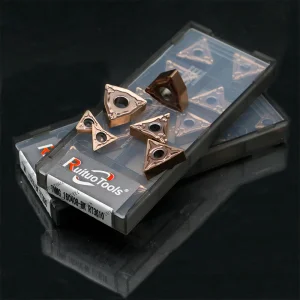
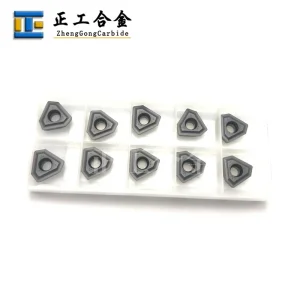
Machining cast-iron engine blocks and light-alloy aluminum cylinder heads requires boring bars that maintain long tool life and high thermal stability. DentFix TNMG series turning inserts and custom boring bars deliver the surface finish and circularity required to optimize piston compression.
Aerospace materials, such as titanium (Ti-6Al-4V) and heat-resistant superalloys (Inconel), are prone to work hardening during machining. Our solid carbide end mills and reamers are designed with specific positive rake angles and advanced heat-resistant coatings to prevent surface damage and microstructural alterations.
Large-scale gearboxes require precise bore alignments across several feet. DentFix heavy-duty indexable boring systems maintain rigidity and circularity over long reaches, preventing misalignment and vibration issues.
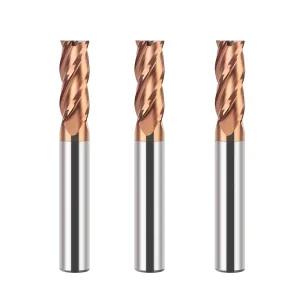
For injection molding inserts and stamping dies, machining hardened steel up to HRC60 requires stable milling and boring tools. Our double-fluted HRC60 solid carbide end mills provide high dimensional accuracy and clean surface finishes, reducing the need for secondary polishing processes.
Modern manufacturing demands higher cutting speeds, dry machining capabilities, and the integration of smart sensors. At DentFix, our research and development programs focus on these key industry trends:
Technical answers to common questions about indexable carbide selection, boring geometries, and production optimization.
For precision finishing operations, thin physical vapor deposition (PVD) coatings (typically 1.5 - 3 μm) are preferred over chemical vapor deposition (CVD) coatings. PVD coatings protect the cutting edge from wear while keeping it sharp, which reduces cutting forces and minimizes tool deflection.
Tool chatter is typically caused by insufficient tool holder rigidity, excessive tool overhang (length-to-diameter ratio greater than 4:1), or using an insert with a nose radius that is too large. Using carbide-reinforced boring bars, dampening systems, and inserts with a smaller nose radius can reduce vibration.
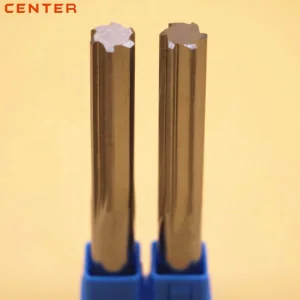
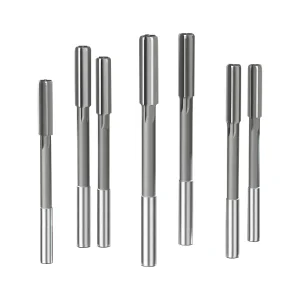
The H7 tolerance class ensures reliable fit clearance for shafts and bearings. Utilizing our H7-rated solid tungsten carbide straight flute reamers guarantees minimal bore variance, maintaining consistency across high-volume production cycles.
We subject every sintering batch to metallographic testing, checking magnetic saturation, coercive force, density, and hardness. Finished tools undergo laser measurements and 3D optical profile verification to ensure compliance with our strict design specifications.
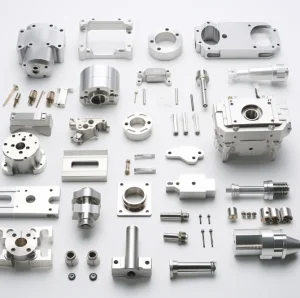
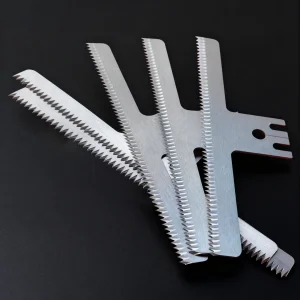
Explore our technical tooling selection, designed for reliable performance in demanding metalworking and manufacturing applications.
 DentFix Tool