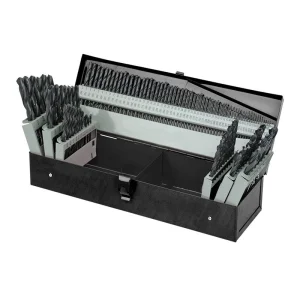
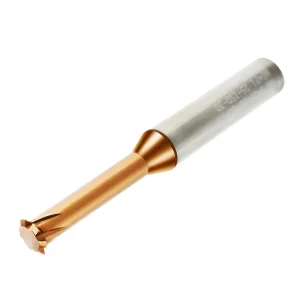
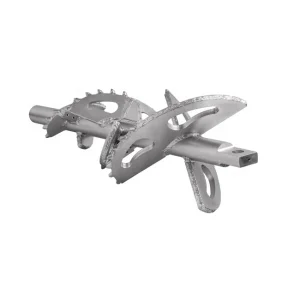
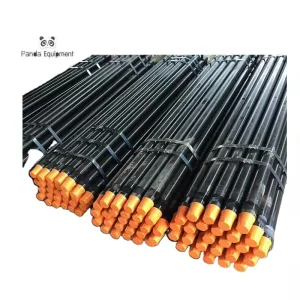
Super-Hard Alloy Capability
Ultra-Precision Tolerance Control
Custom Coating & Geometry
Global Industrial Export Network
In modern manufacturing, cutting tools are often referred to as the "teeth of industry." As components in the aerospace, automotive, energy, and medical instrument sectors become increasingly complex and use materials that are harder to machine—such as titanium alloys, nickel-based superalloys, carbon fiber composites, and hardened tool steels—the performance limits of standard off-the-shelf tools are being reached. The global industrial sector is experiencing a significant shift toward custom-engineered, application-specific cutting tools. Custom OEM cutting tools are designed with specific substrate configurations, specialized micro-geometries, and targeted multi-layer coatings to address issues like structural deformation, thermal stresses, and premature wear, helping manufacturers minimize cost-per-part ratios.
High-efficiency machining demands high performance from solid carbide, high-speed steel (HSS), and super-hard material tools (such as PCD and CBN). Standard tool geometries often fail when faced with deep-cavity dies, micro-hole drilling, or thin-walled components. Optimization of variables—including helix angles, variable pitch designs, chip breaker shapes, and core thickness reinforcement—is necessary to control chatter, manage heat generation, and improve chip evacuation.
Engineered high-performance cutting solutions for milling, drilling, reaming, and boring applications.
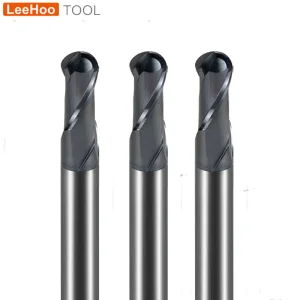
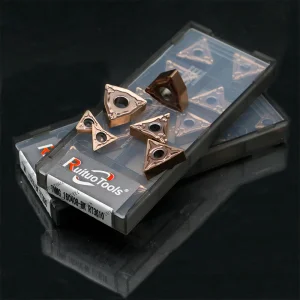
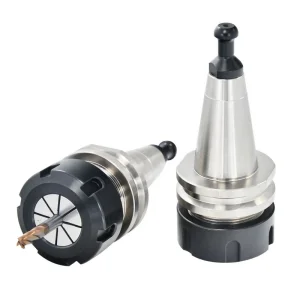
Zhejiang DentFix Tool Co., Ltd. is a specialized manufacturer focused on the research, development, production, and global distribution of precision CNC cutting tools and carbide solutions. Since our founding, we have aimed to provide high-performance tooling products for the metalworking industry, serving customers across the automotive, aerospace, mold & die, general engineering, energy, and precision manufacturing sectors.
Equipped with CNC grinding centers, high-resolution inspection systems, and automated production machinery, DentFix monitors and adjusts tooling parameters dynamically. Our engineering team designs custom cutting tools with specific micro-geometries, variable core thicknesses, and tailored chip breakers. We also use advanced coating systems, such as AlTiN, TiSiN, DLC, and diamond coatings, to enhance the thermal stability and wear resistance of our tooling solutions.
Custom variable helix angles and eccentric relief land structures distribute chip loads evenly, helping to control structural vibration (chatter) during high-speed machining.
We source sub-micron and ultra-fine grain tungsten carbide powders from reliable suppliers, ensuring an optimal balance of hardness, toughness, and wear resistance.
PVD (Physical Vapor Deposition) and CVD (Chemical Vapor Deposition) processes apply thin coatings (2–5 microns) that act as thermal barriers to protect cutting edges.
Under the standards of ISO 9001 and high-precision production control, every step is traceably tracked from raw materials to final shipment.
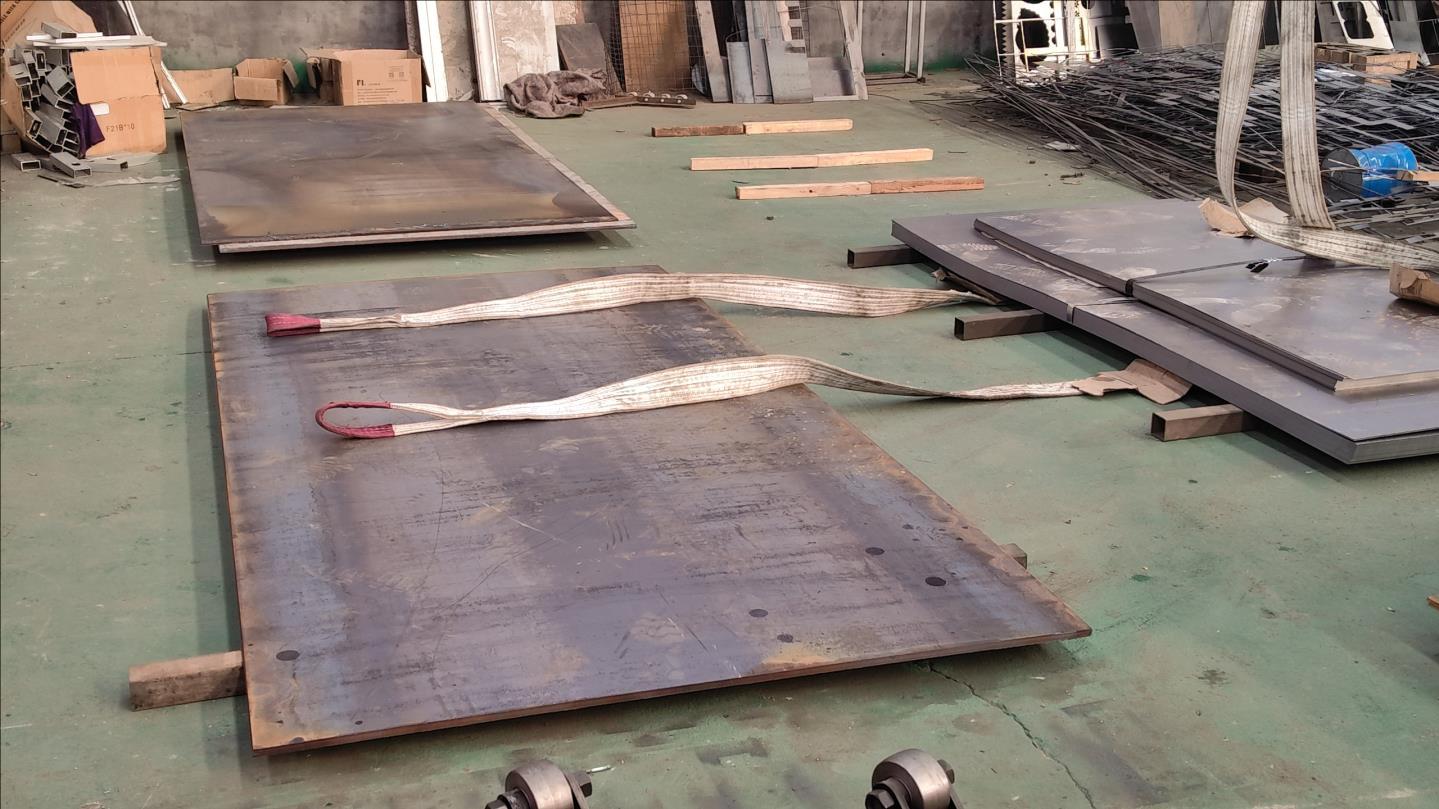
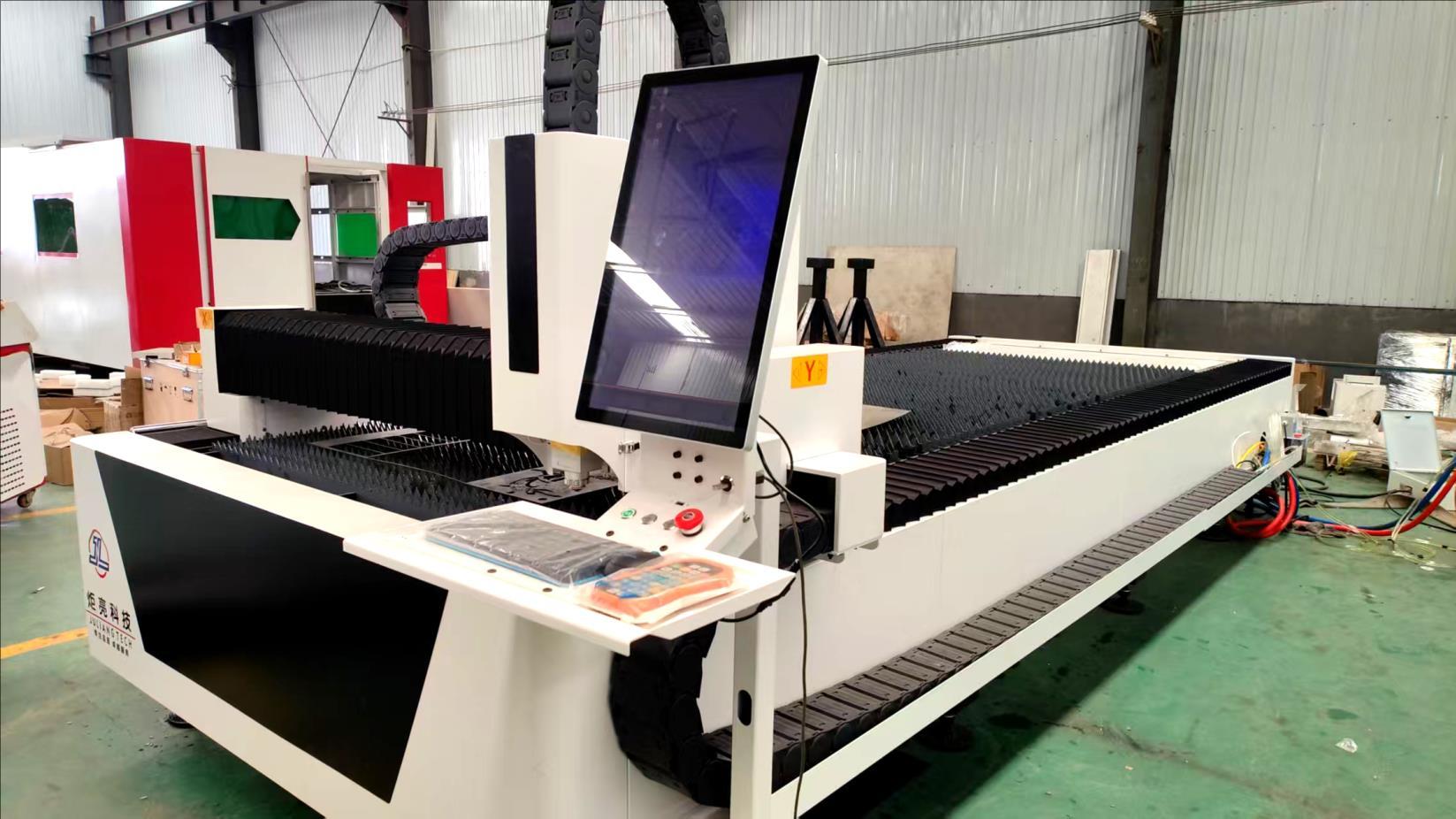
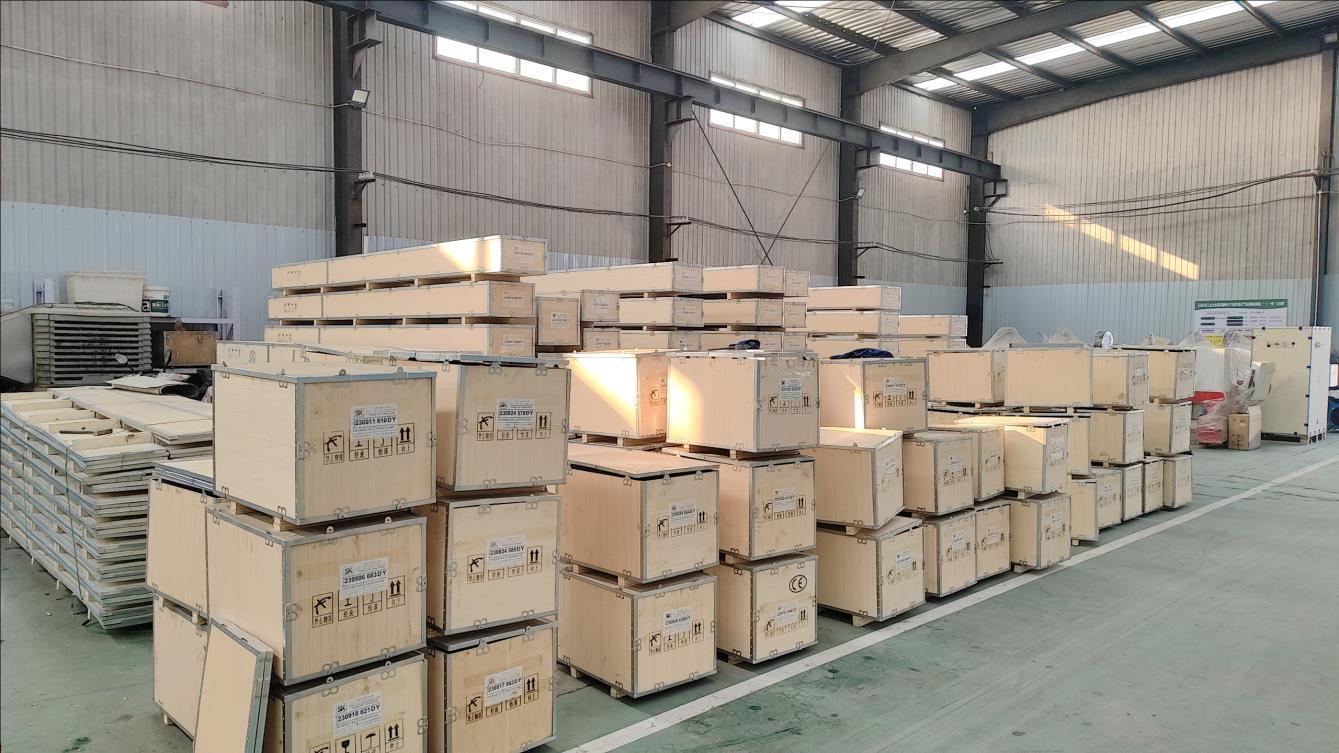
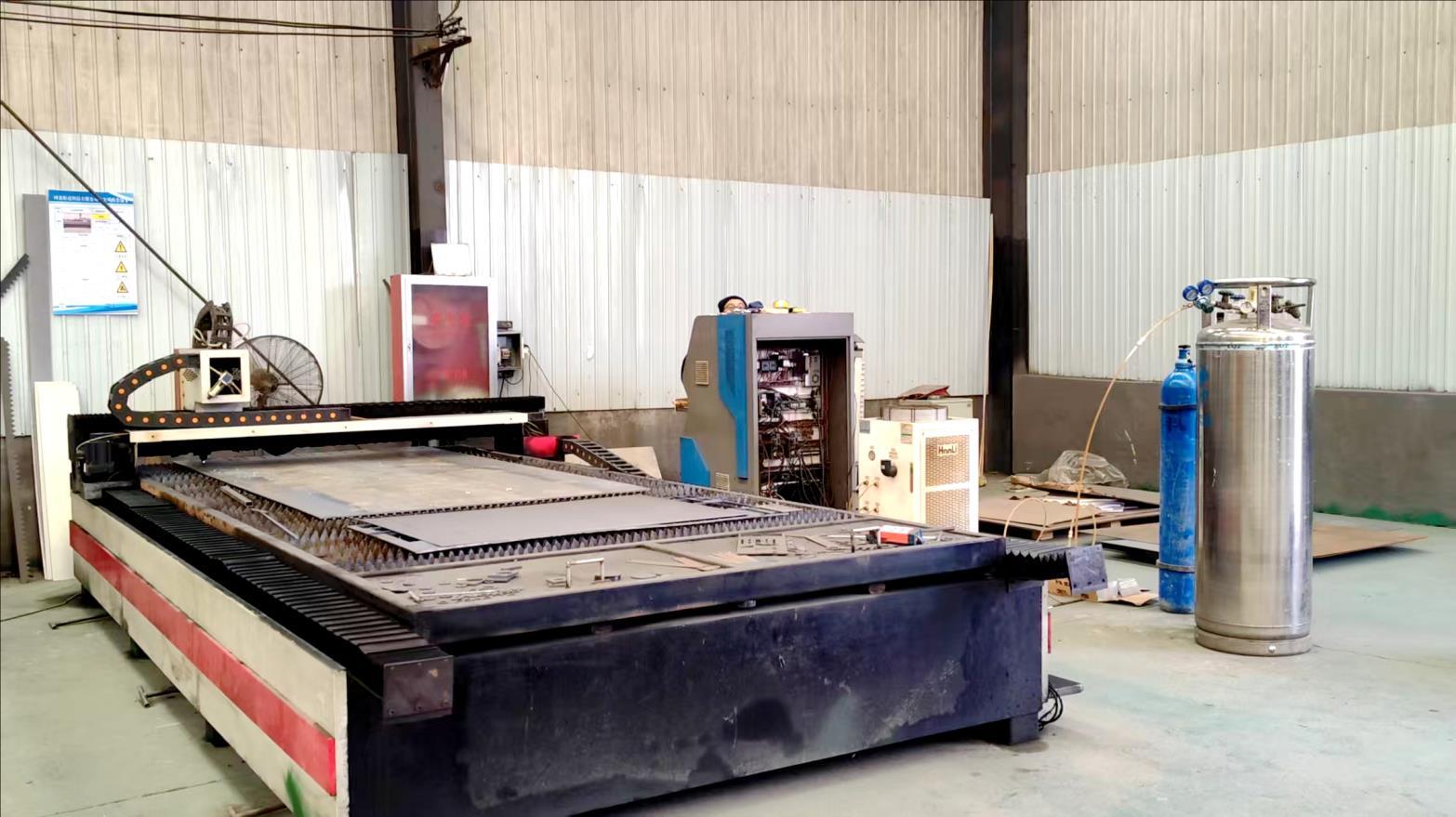
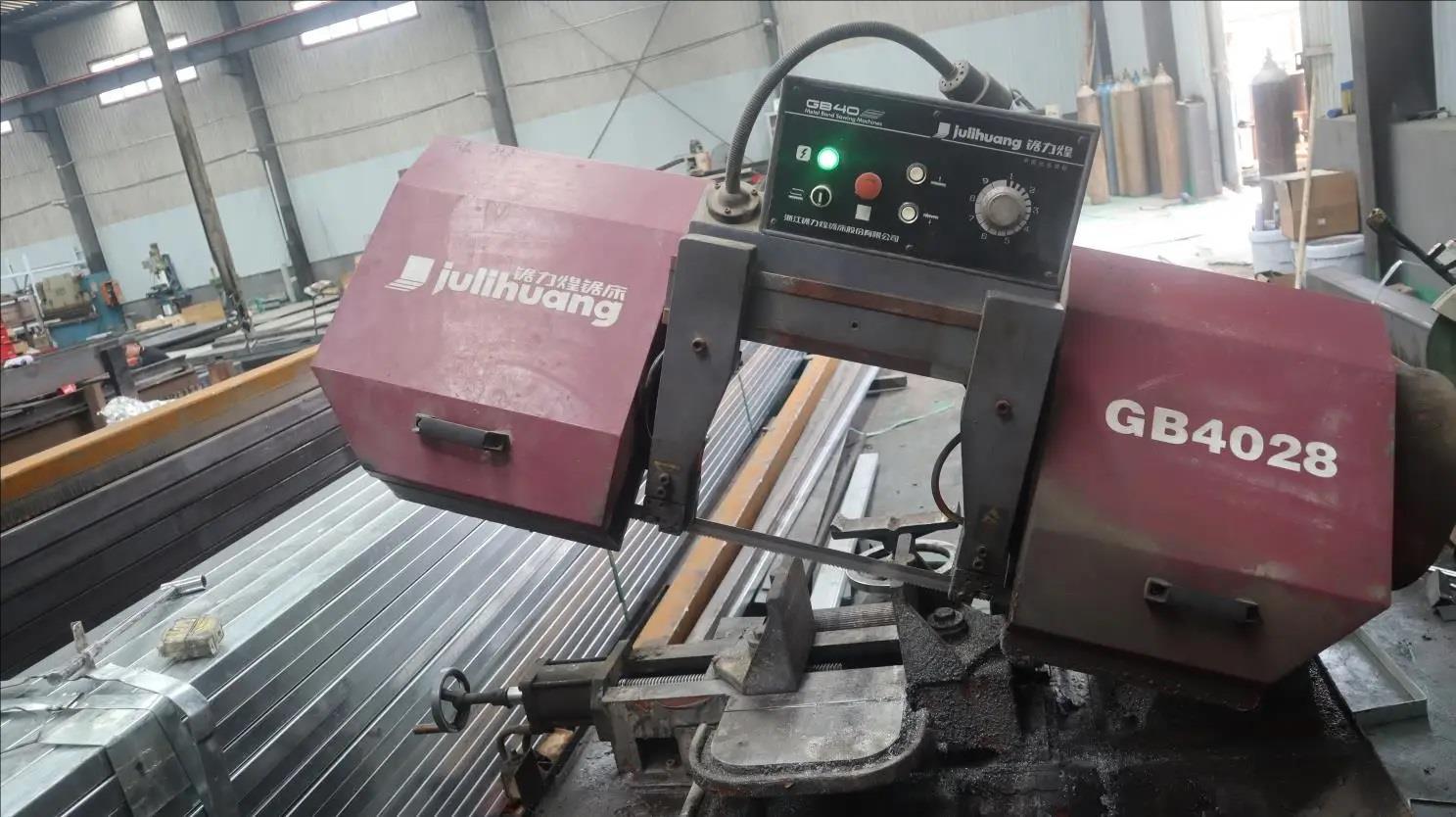
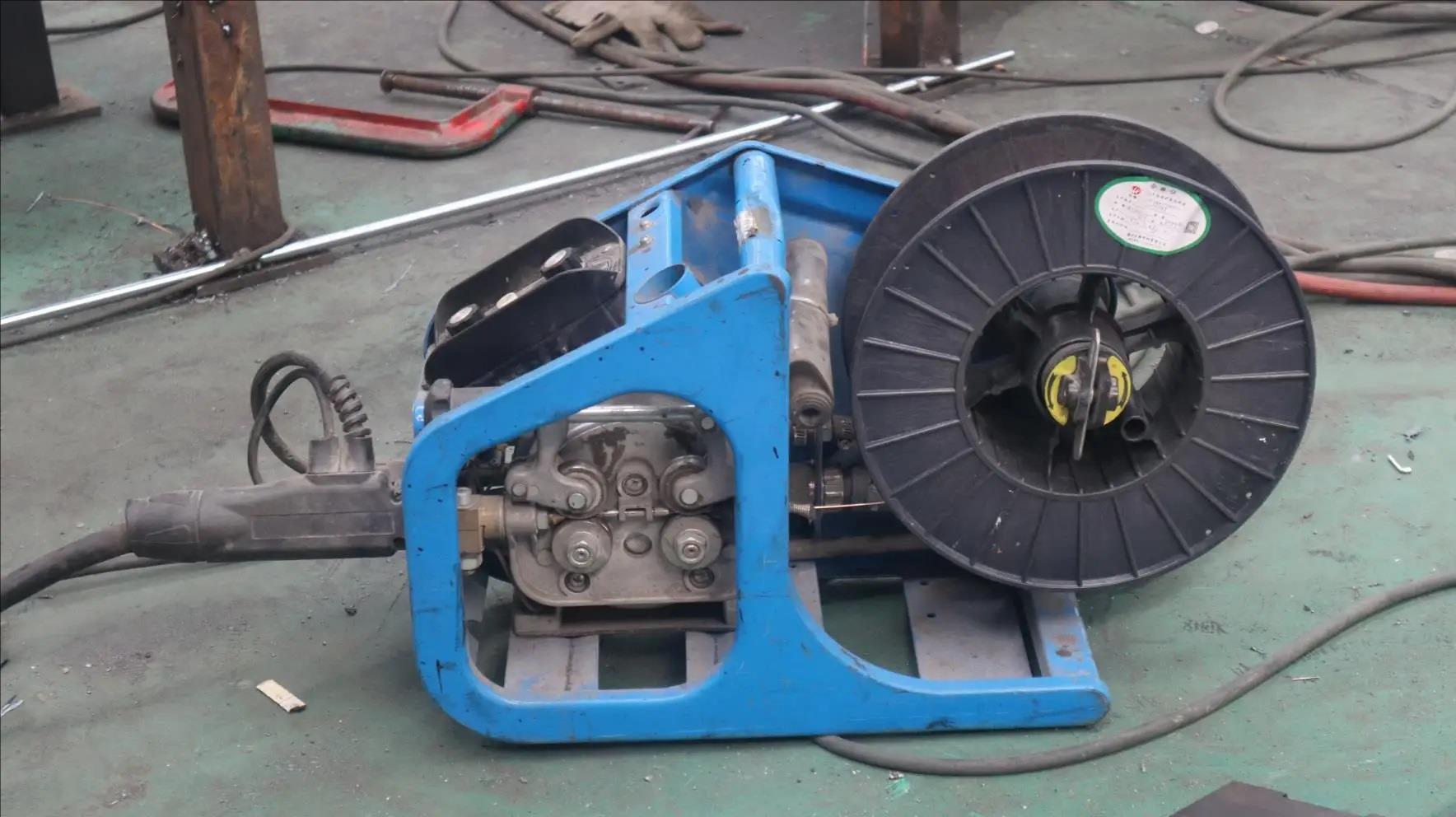
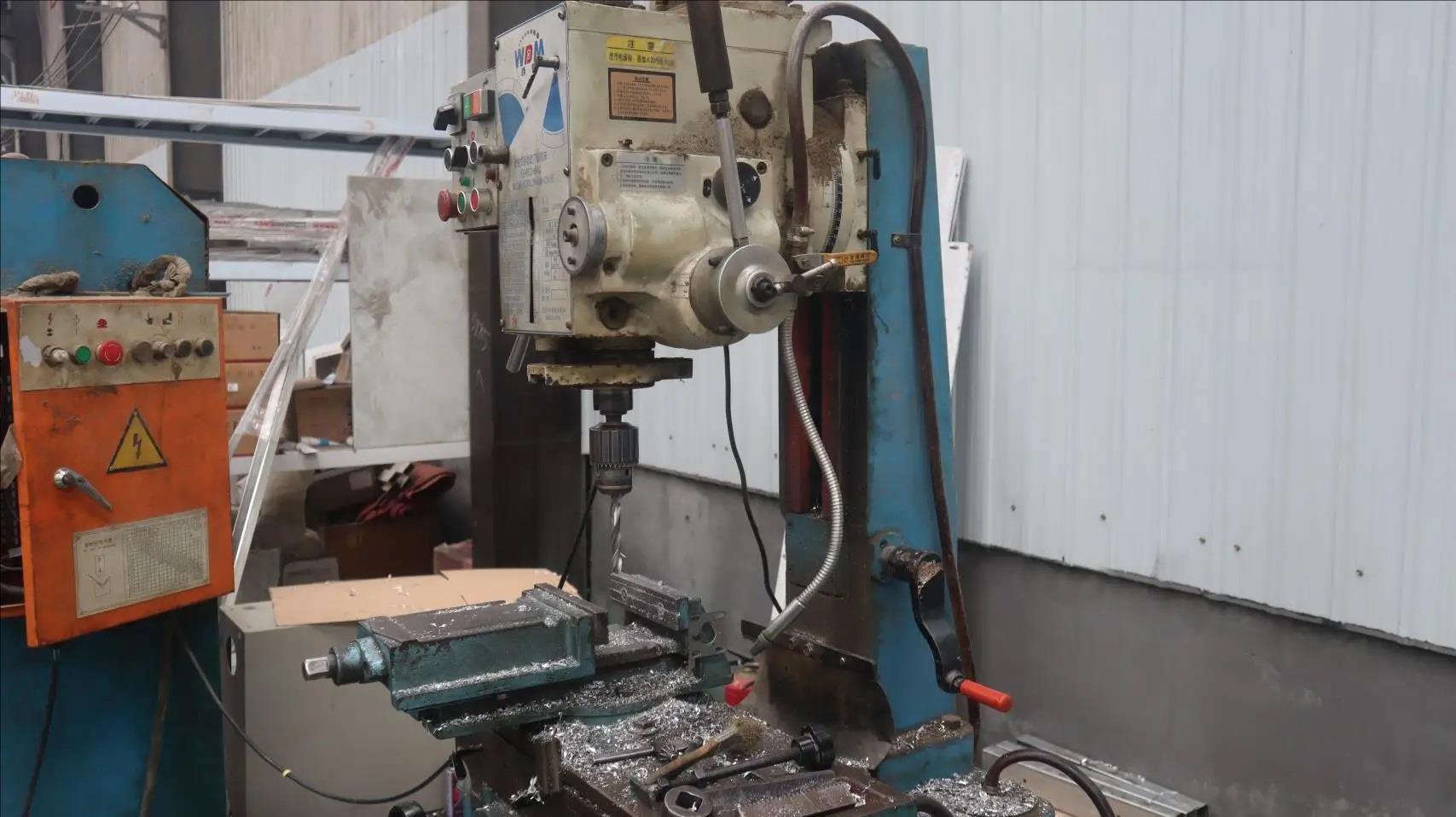
In the global industrial tool chain, Chinese manufacturers, particularly in Zhejiang's manufacturing hubs, offer a combination of specialized clustering and technological efficiency. Over the past decade, Chinese tooling factories have transitioned from low-value duplication to high-precision manufacturing. This shift has been driven by capital investments in imported multi-axis CNC grinding centers (such as ANCA, Walter, and Rollomatic) and advanced inspection equipment (such as Zoller Genius).
This structural transformation allows manufacturers to offer pricing advantages while meeting international precision standards. Key factors driving this cost-efficiency include:
Our proximity to carbide refineries, packaging facilities, and surface treatment providers minimizes logistical delays and transit costs during the manufacturing cycle.
We provide design iterations and prototype testing within 7–15 working days, helping industrial distributors respond quickly to changing customer demands.
We utilize automated robotic loaders and unattended night shifts to control manufacturing costs for high-volume orders, passing the savings to our global partners.
DentFix integrates these advantages into our daily operations. We import raw micro-grain materials, process them on high-precision CNC equipment, and apply targeted physical vapor deposition coatings. This allows us to supply industrial distributors and large machinery manufacturers with quality tools that offer cost-effective tool-life-per-dollar values.
Custom cutting tools designed to perform in challenging operational conditions.
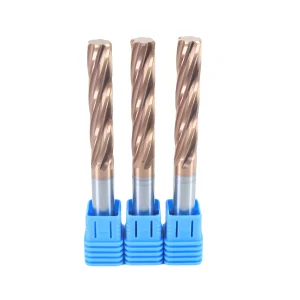
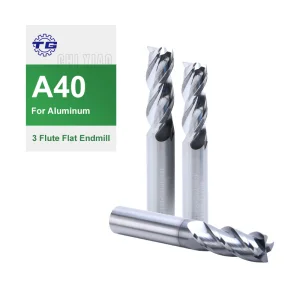
We manufacture solid carbide end mills and reamers designed for machining titanium alloys, nickel-based superalloys, and high-strength aluminum. The tools are engineered to handle high temperatures and minimize work-hardening of the workpiece surface.
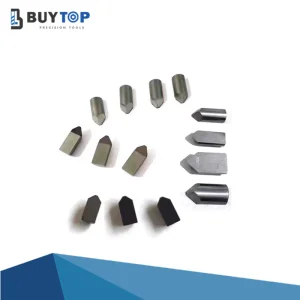
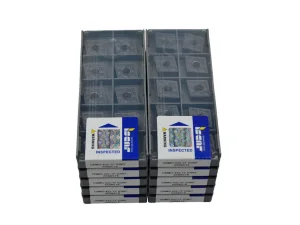
We produce custom indexable carbide inserts, PCD boring tools, and high-speed twist drills. These tools are engineered to maintain tight dimensional tolerances and surface finishes under high-volume, automated production conditions.
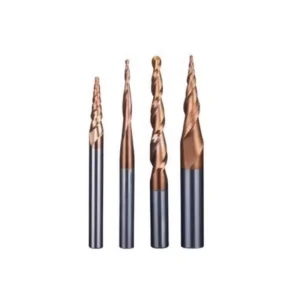
Our ball-nose end mills and taper rib cutters are optimized for 3D profile milling of hardened tool steels (up to HRC 65). The tool geometry and coating formulations are selected to resist wear and maintain dimensional accuracy over long cutting cycles.
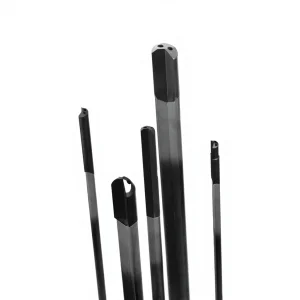
We supply DTH drill pipes, cyclone reamers for HDD, and large-diameter gun drills for deep-hole drilling in oil extraction, mining, and geothermal exploration equipment.
Procurement professionals and tool engineers prioritize several key performance criteria when evaluating a custom OEM cutting tool factory. The total cost of ownership is determined by tool life predictability, cycle times, workpiece surface finish, and quality consistency across batches, rather than just the initial purchase price.
Zhejiang DentFix Tool Co., Ltd. addresses these requirements by employing quality assurance measures at each stage of production:
We utilize raw materials with cobalt content tailored to the application. For high-speed milling of hardened steel, we select low-cobalt, high-hardness substrates; for heavy, interrupted cuts, we select higher cobalt content to improve toughness.
We process cutting edges through precision brush-honing or drag finishing. This process eliminates microscopic grinding defects and strengthens the edge, preventing micro-chipping during initial machining passes.
Our PVD and CVD coatings are inspected for adhesion strength and layer thickness using scratch testers and optical measuring systems. This prevents coating flaking under high thermal loads.
For high-speed machining (HSM) applications, we verify that tools are balanced and show runout within 0.003 mm, helping to protect machine spindles and improve workpiece surface finish.
Engineered high-performance cutting solutions for turning, deep-hole drilling, boring, and special machining.
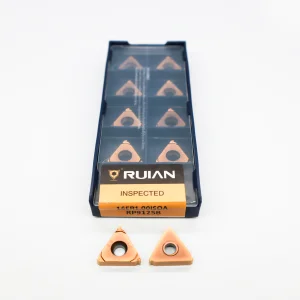
Technical details and purchasing insights for procurement managers and machining engineers.
 DentFix Tool