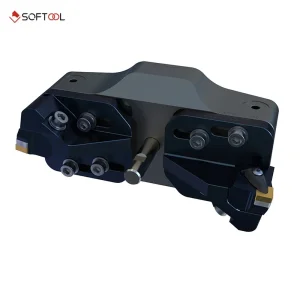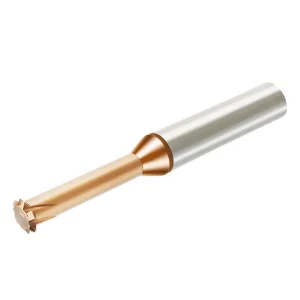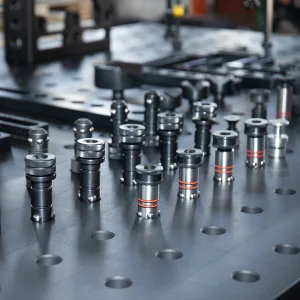
In modern subtractive manufacturing, the interface between the machine spindle and the cutting tool is critical. Cutting chucks (tool holders) act as the foundational transmission medium that guarantees the accurate transfer of torque, rotational velocity, and axial forces. As rotational speeds routinely exceed 20,000 RPM in modern high-speed machining (HSM) centers, even a sub-micron geometric deviation can result in catastrophic harmonic vibration, accelerated tool wear, and poor surface finishes.
For international industrial procurement managers, sourcing custom OEM cutting chucks is not merely about finding a vendor; it is about establishing partnerships with manufacturers that possess deep metallurgical expertise, advanced thermodynamic modeling capabilities, and uncompromising quality assurance systems. Choosing the right tooling system significantly impacts operational efficiency, total cost of ownership (TCO), and overall product quality.
When evaluating high-performance chucking systems—whether they are ER collet chucks, hydraulic expansion tool holders, shrink-fit systems, or high-torque power milling chucks—engineers prioritize concentricity (runout tolerance), clamping force stability, and dampening capacity. In terms of information gain, high-precision chuck design must balance high gripping force with vibration damping, preventing micro-chatter during heavy-duty roughing or fine-finishing operations.
Zhejiang DentFix Tool Co., Ltd. is a professional manufacturer specializing in the research, development, production, and global distribution of precision CNC cutting tools and carbide solutions. Since its establishment, the company has been committed to providing high-performance tooling products for the metalworking industry, serving customers across automotive, aerospace, mold & die, general engineering, energy, and precision manufacturing sectors.
Driven by continuous innovation and customer-focused development, DentFix has grown into a modern manufacturing enterprise that integrates R&D, intelligent production, quality control, sales, and technical support. The company has built a strong reputation for delivering reliable products, consistent quality, and professional services to customers in both domestic and international markets.
Guided by the principles of Quality First, Innovation, Reliability, and Customer Satisfaction, Zhejiang DentFix Tool Co., Ltd. is committed to building long-term partnerships with customers worldwide. We look forward to providing professional tooling solutions that help manufacturers improve productivity, reduce production costs, and achieve sustainable growth.
Our engineering department focuses on the development of innovative cutting tool solutions that meet the evolving requirements of modern CNC machining. With advanced manufacturing technologies, experienced engineering teams, and strict quality management systems, DentFix continuously improves its product performance and production efficiency. The company is dedicated to helping customers achieve higher machining accuracy, longer tool life, greater productivity, and lower manufacturing costs.
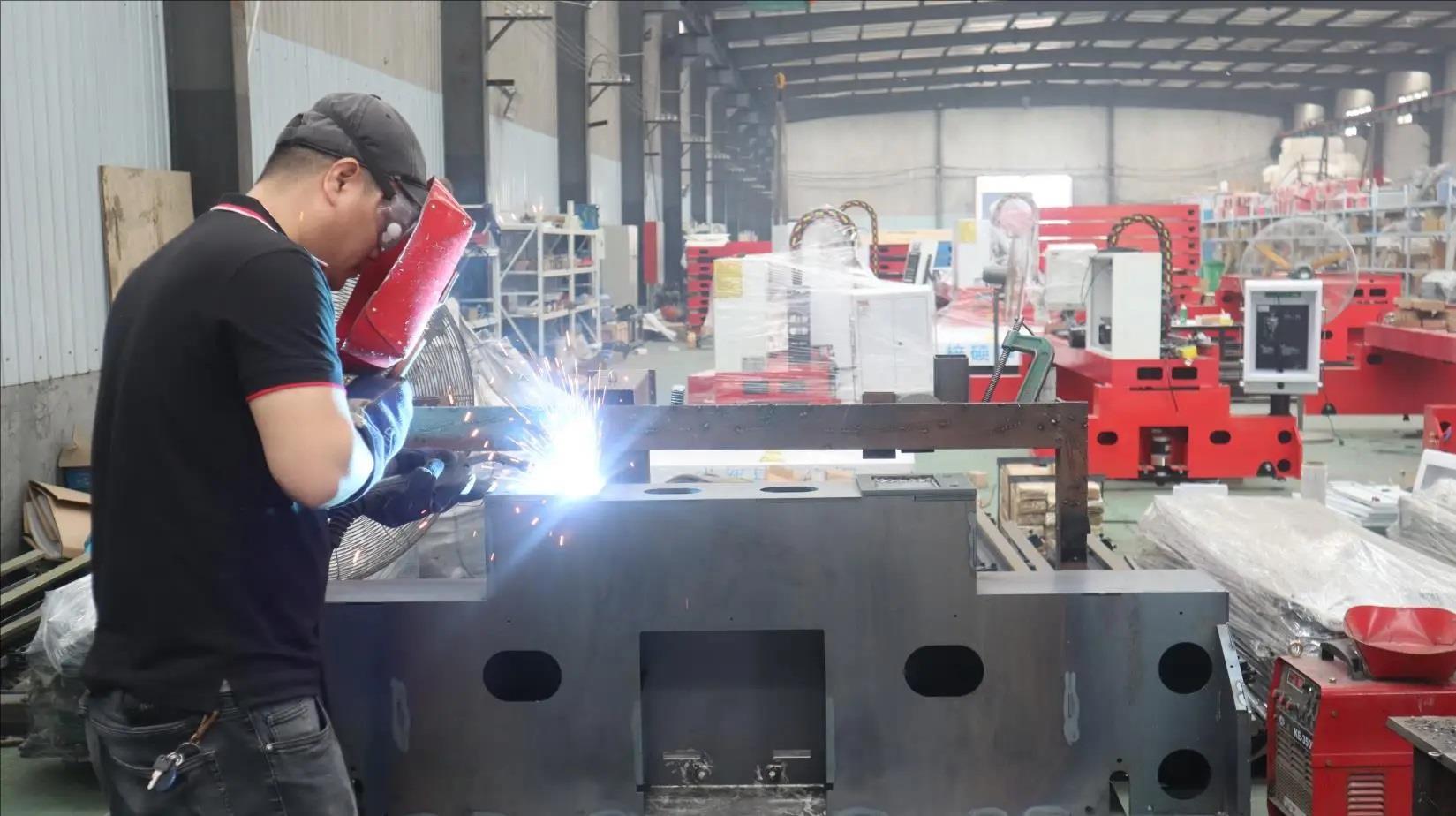
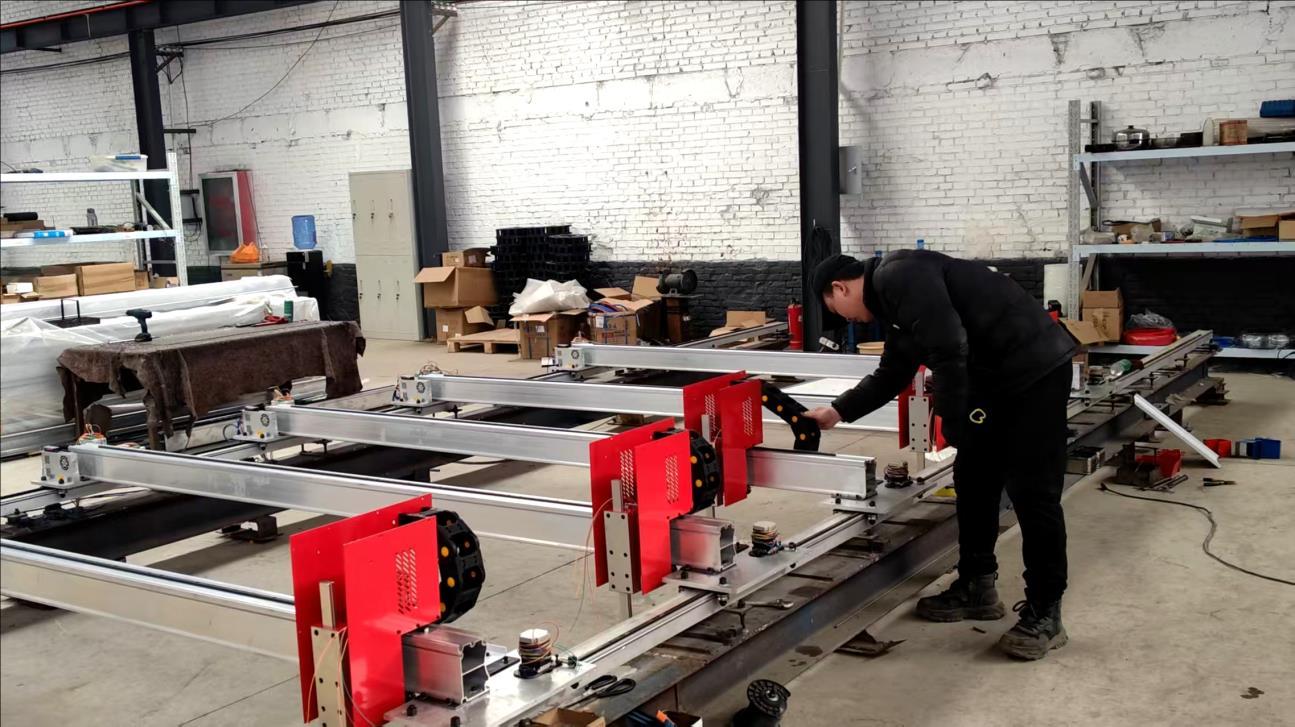
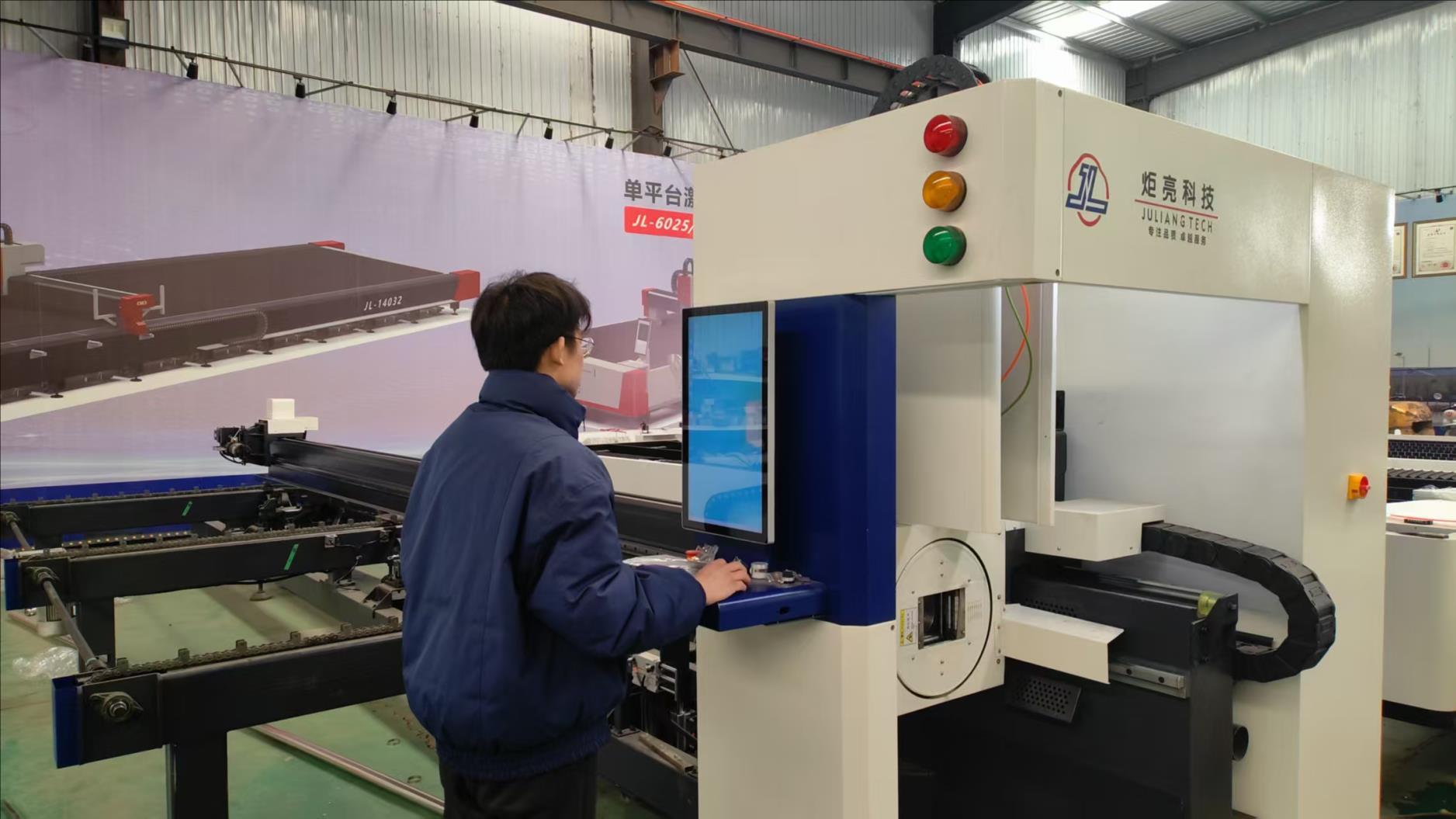
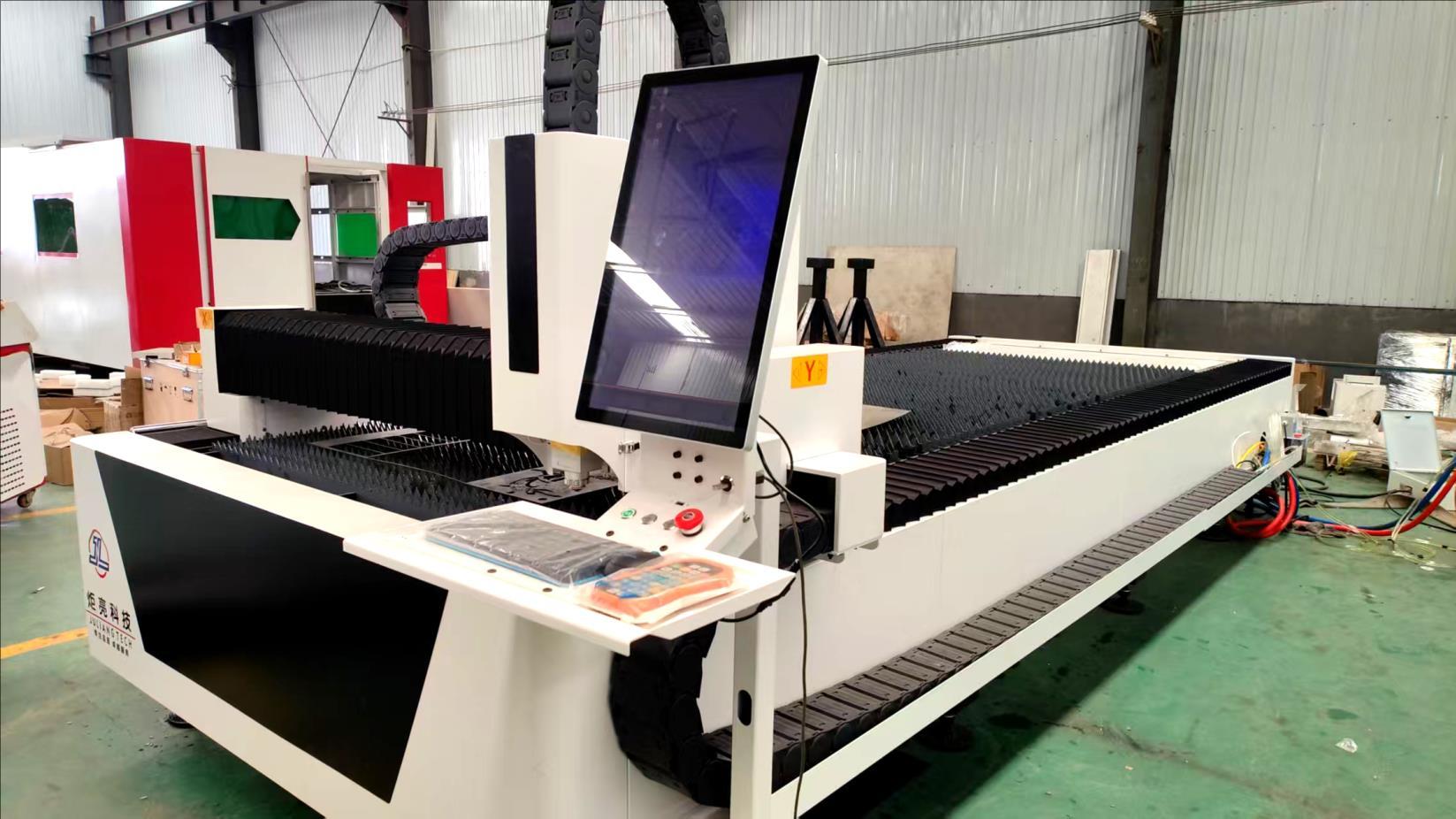
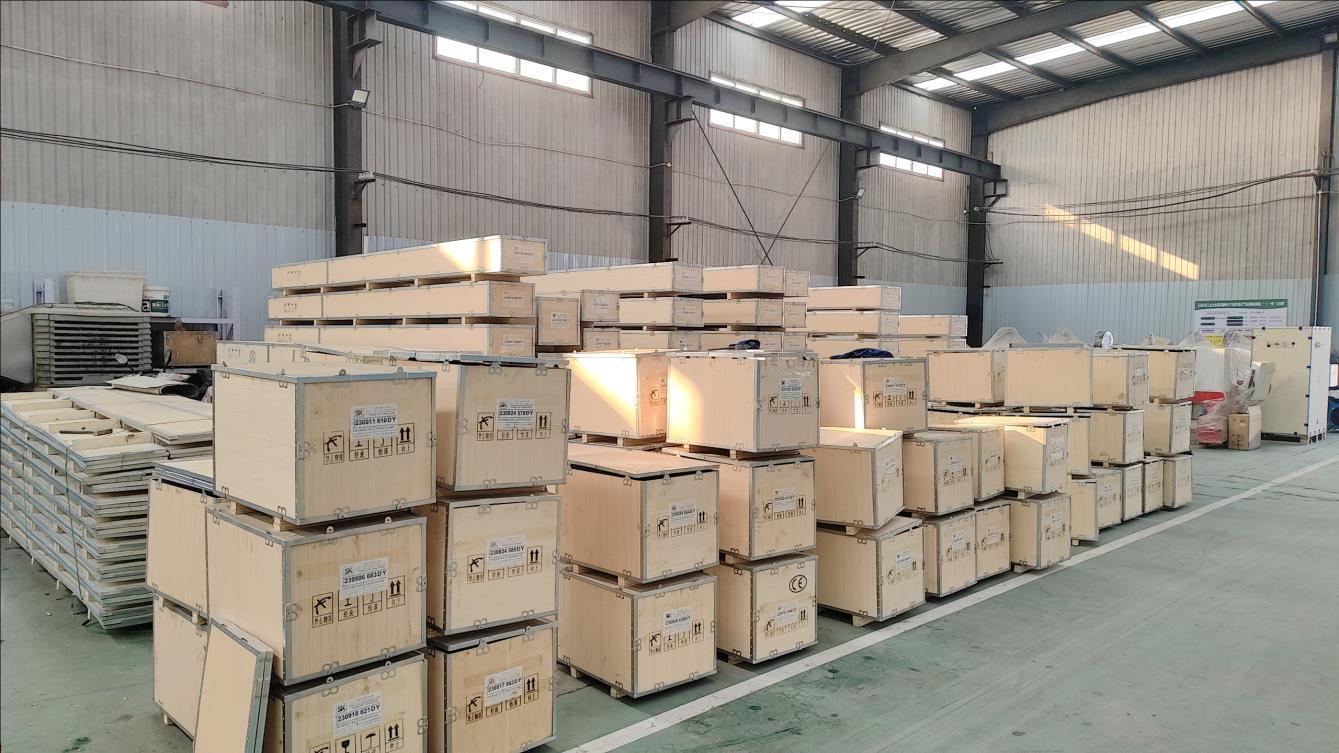
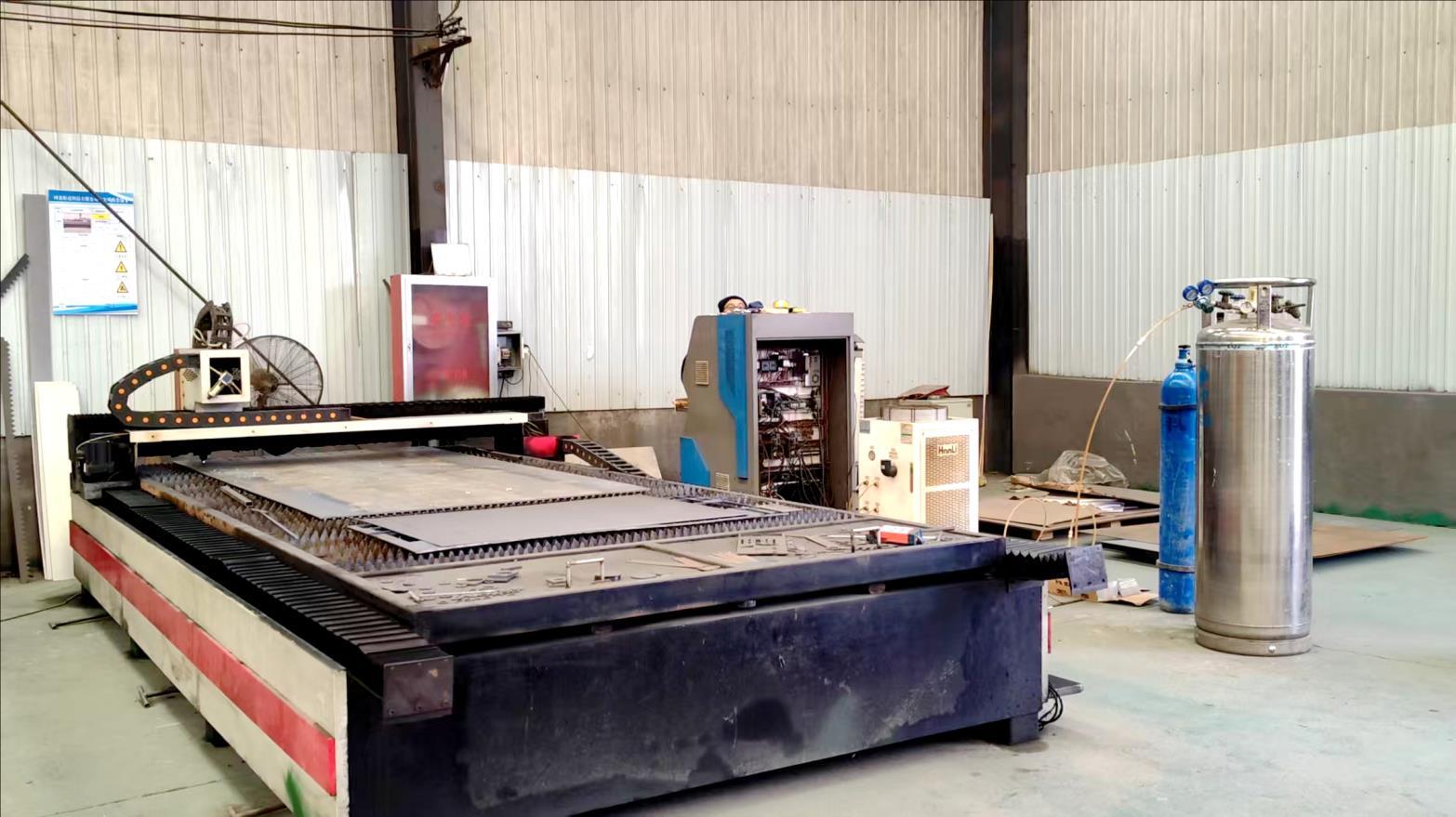
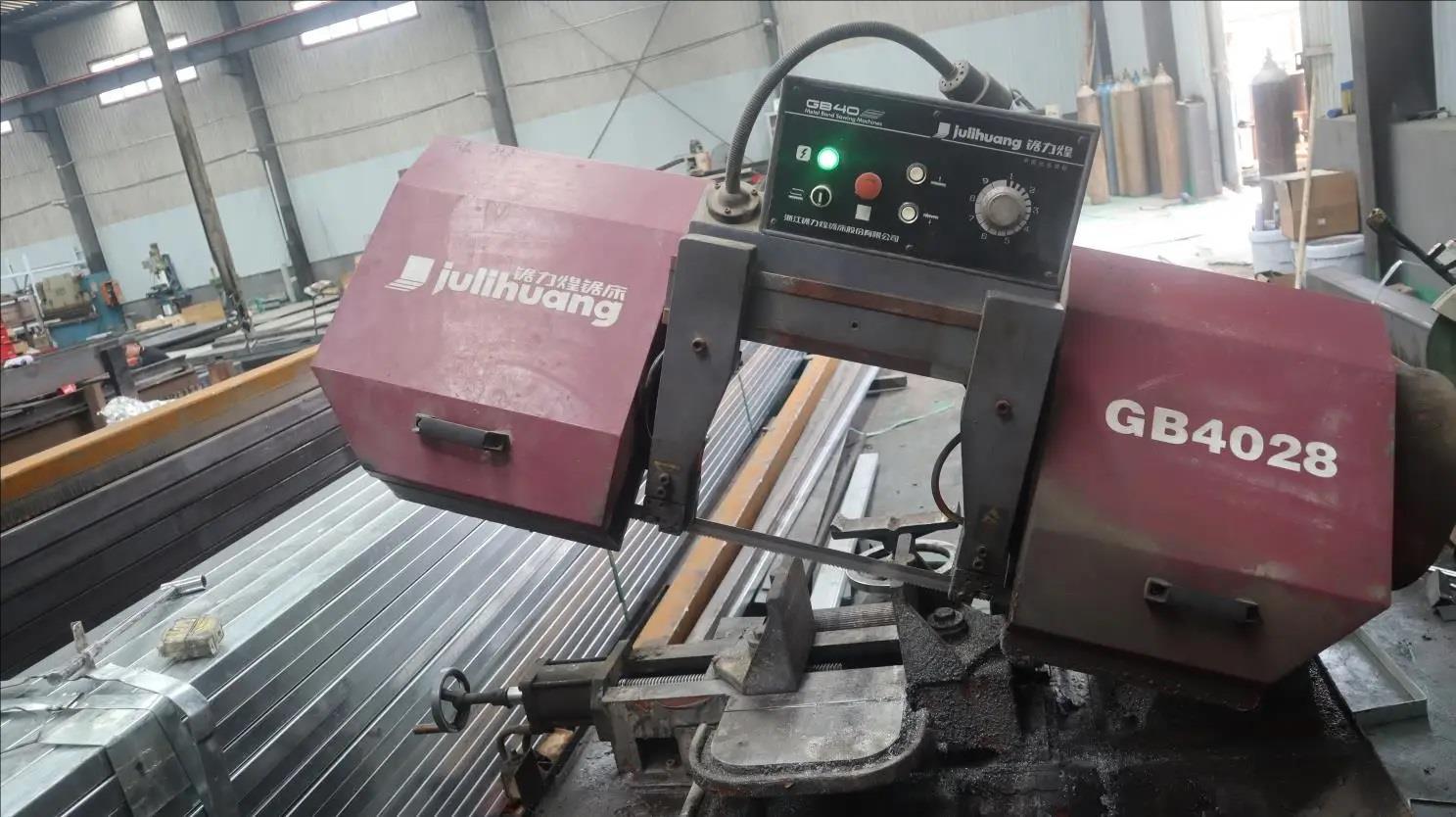
DentFix's manufacturing facility is equipped with advanced CNC grinding machines, high-precision inspection equipment, automated production systems, and modern quality testing laboratories. Every product undergoes rigorous inspection throughout the manufacturing process to ensure exceptional dimensional accuracy, durability, and stable machining performance.
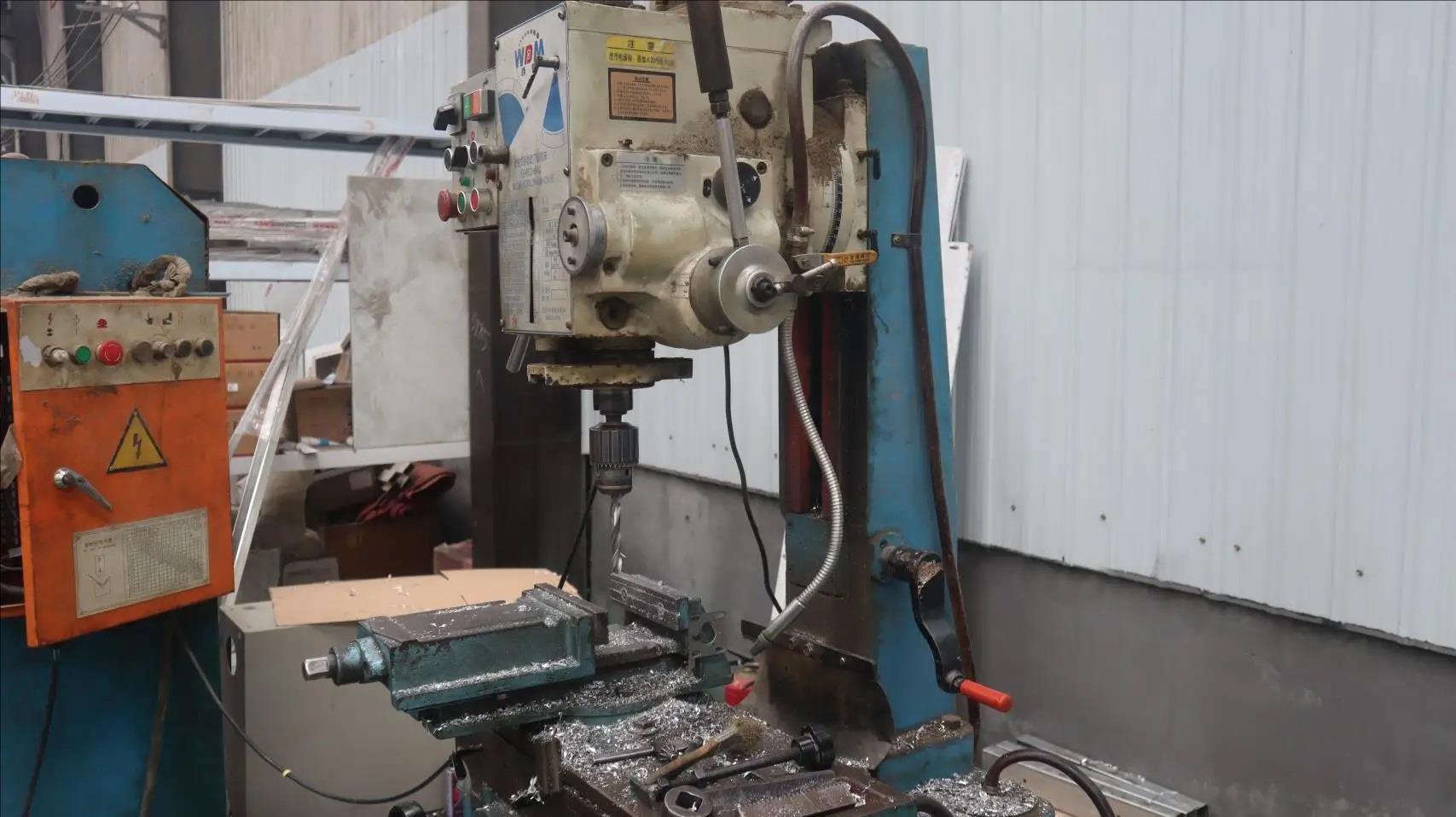
Industrial procurement departments face complex challenges when sourcing custom chucks and cutting systems. Beyond basic pricing, procurement engineers must evaluate compliance with international machine interfaces. Below is an engineering overview of standard taper formats and their target applications:
| Spindle Interface Standard | Primary Machine Types | Maximum Speed Range | Recommended Applications |
|---|---|---|---|
| BT Series (MAS 403) | BT30, BT40, BT50 CNC Centers | 10,000 - 20,000 RPM | General milling, drilling, tapping. Highly popular in Asian markets. |
| HSK Series (DIN 69893) | HSK-A63, HSK-A100, HSK-E40 | 20,000 - 40,000+ RPM | High-speed cutting, aerospace machining, dynamic 5-axis mold contours. |
| SK Series (DIN 69871) | SK40, SK50 European Machining | 12,000 - 18,000 RPM | Heavy milling, robust metal removal rates (MRR) in structural steel. |
| CAT Series (ANSI B5.50) | CAT40, CAT50 VMCs & HMCs | 10,000 - 15,000 RPM | North American general machinery, high radial load operations. |
Global industrial supply chains demand more than off-the-shelf components. To mitigate risks associated with tool failure and production downtime, buyers require a complete OEM customization framework:
The production of Electric Vehicle (EV) components—such as thin-walled aluminum battery enclosures and high-speed rotor shafts—demands low tool runout. DentFix's custom OEM hydraulic chucks dampen structural resonance, ensuring thin walls do not deform during high-feed milling.
Hard-metal machining of Titanium (Ti-6Al-4V) and Inconel components generates significant cutting force. Standard chucks are prone to pull-out failures. Our customized tooling solutions utilize anti-pullout locking pins and high-torque mechanical clamping mechanisms to secure tool shanks during heavy roughing operations.
Achieving mirror-like surface finishes requires tooling configurations with high runout accuracy. DentFix custom-built shrink-fit chucks feature ultra-slim profiles, allowing access to deep cavity profiles while maintaining clamping concentricity within 3 microns.
The cutting tool industry is transitioning towards digital integration, enhanced sustainability, and smart system optimization. DentFix's R&D department continues to monitor and incorporate emerging technologies to address new industry challenges:
Modern manufacturing relies on real-time data. Next-generation cutting chucks incorporate built-in piezoelectric sensors, micro-telemetry transmitters, and kinetic energy harvesters. These smart chucks continuously monitor gripping forces, vibration levels, and cutting temperatures at the interface, transmitting real-time diagnostics directly to the CNC controller. This data is critical for predictive maintenance and automatic tool life adjustments.
Direct metal laser sintering (DMLS) allows tool engineers to design internal cooling channels within custom chucks. Unlike conventional straight-drilled holes, conformal channels curve around the internal clamping chamber, delivering coolant directly to the cutting zone. This optimizes heat dissipation, improves chip evacuation, and extends tool life.
To prevent chatter in long-overhang setups, future tool holders will utilize hybrid material designs. High-density anti-vibration polymers are integrated within tool-steel bodies, combining structural rigidity with excellent dampening capabilities.
Zhejiang DentFix Tool Co., Ltd. operates under strict quality standards. Our manufacturing facilities are ISO 9001:2015 certified, and every production step is documented and traceable. This strict process control ensures that all custom products consistently perform under high cutting speeds and demanding operating conditions.
Our international sales and technical support teams provide comprehensive assistance for worldwide deliveries. Through established logistics networks, we offer delivery services (DDP, CIF, FOB) that simplify custom clearance and importation processes for international buyers.
Runout (Total Indicator Reading) describes the deviation of the tool's rotational axis from the spindle's central axis. Every 0.01 mm of runout can reduce carbide tool life by up to 50%. The off-center rotation causes uneven chip loads on the cutting edges, leading to micro-chipping, accelerated wear, and poor surface finishes. DentFix guarantees runout accuracy of less than 0.003 mm on premium custom chuck lines.
At high speeds, any mass asymmetry in the chuck generates centrifugal force that leads to structural vibration. A balance grade of G2.5 at 25,000 RPM specifies that the permissible residual unbalance is calculated to prevent spindle damage and harmonic vibration. Dynamic balancing improves machining accuracy, protects spindle bearings, and prevents cutting tool breakage.
Hydraulic chucks use internal oil chambers to clamp the tool shank, providing excellent damping properties that minimize micro-vibrations and extend tool life during finishing operations. Shrink-fit chucks rely on thermal contraction for clamping, providing high gripping force and a slim design suitable for tight cavities and high-speed roughing. However, they lack the dampening capabilities of hydraulic systems.
We primarily use premium alloy steel, such as 40CrMnTi (Chromium-Manganese-Titanium alloy) or high-grade tool steels. These materials undergo vacuum carburizing, hardening, and tempering processes (surface hardness reaching HRC 58-62, with core toughness preserved at HRC 35-45) to ensure durability, high wear resistance, and long-term geometric stability.
 DentFix Tool