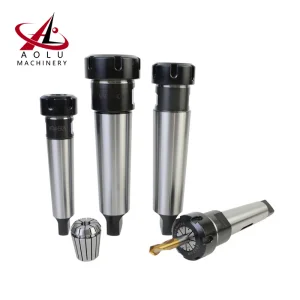
Explore our core high-efficiency tool holders, CNC custom metal components, and tungsten carbide indexable inserts engineered for flawless finishing.
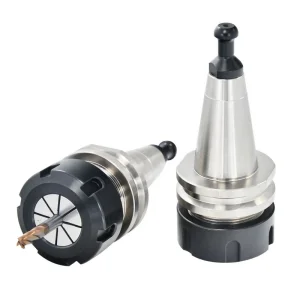
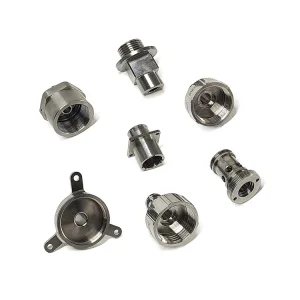
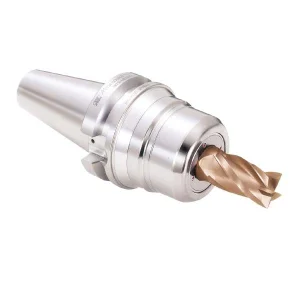
In modern high-precision mechanical manufacturing, the edge-finishing phase is no longer merely a post-processing cosmetic treatment. It is a critical variable governing structural integrity, fatigue strength, and component lifetime. From aerospace structural components to automotive drivetrain components and medical implants, the presence of microscopic burrs can result in catastrophic product failures, stress-concentration cracks, and electrical short circuits. Consequently, selecting a dedicated manufacturer and supplier of advanced deburring solutions is a primary procurement decision for manufacturing centers worldwide.
As a leading supplier in China, Zhejiang DentFix Tool Co., Ltd. addresses these challenges by developing specialized solid carbide tools, rotary burrs, indexable chamfering mills, and customized edge-breaking setups. By managing micro-geometries at the micrometer level, we help high-volume machine shops achieve predictable, reliable edge quality without compromising cycle times or throughput.
Burrs are unwanted protrusions of material formed during metal cutting operations such as milling, drilling, turning, and grinding. In general engineering, burrs are categorized based on their formation mechanism:
Removing these micro-imperfections requires precise abrasive force and tool geometry. The application of high-precision sub-micron carbide cores combined with optimized tool designs ensures clean material shear instead of further deformation, providing clean, burr-free edges directly from the machine tool.
Zhejiang DentFix Tool Co., Ltd. is a professional manufacturer specializing in the research, development, production, and global distribution of precision CNC cutting tools and carbide solutions. Since our establishment, we have been committed to providing high-performance tooling products for the metalworking industry, serving customers across automotive, aerospace, mold & die, general engineering, energy, and precision manufacturing sectors.
Driven by continuous innovation and customer-focused development, DentFix has grown into a modern manufacturing enterprise that integrates R&D, intelligent production, quality control, sales, and technical support. The company has built a strong reputation for delivering reliable products, consistent quality, and professional services to customers in both domestic and international markets.
With advanced manufacturing technologies, experienced engineering teams, and strict quality management systems, DentFix continuously improves product performance and production efficiency. We help customers achieve higher machining accuracy, longer tool life, greater productivity, and lower manufacturing costs.
At DentFix, our capability is anchored in our comprehensive manufacturing system supported by experienced engineers, skilled production personnel, and a professional sales and technical service team. Our engineering department focuses on the development of innovative cutting tool solutions that meet the evolving requirements of modern CNC machining.
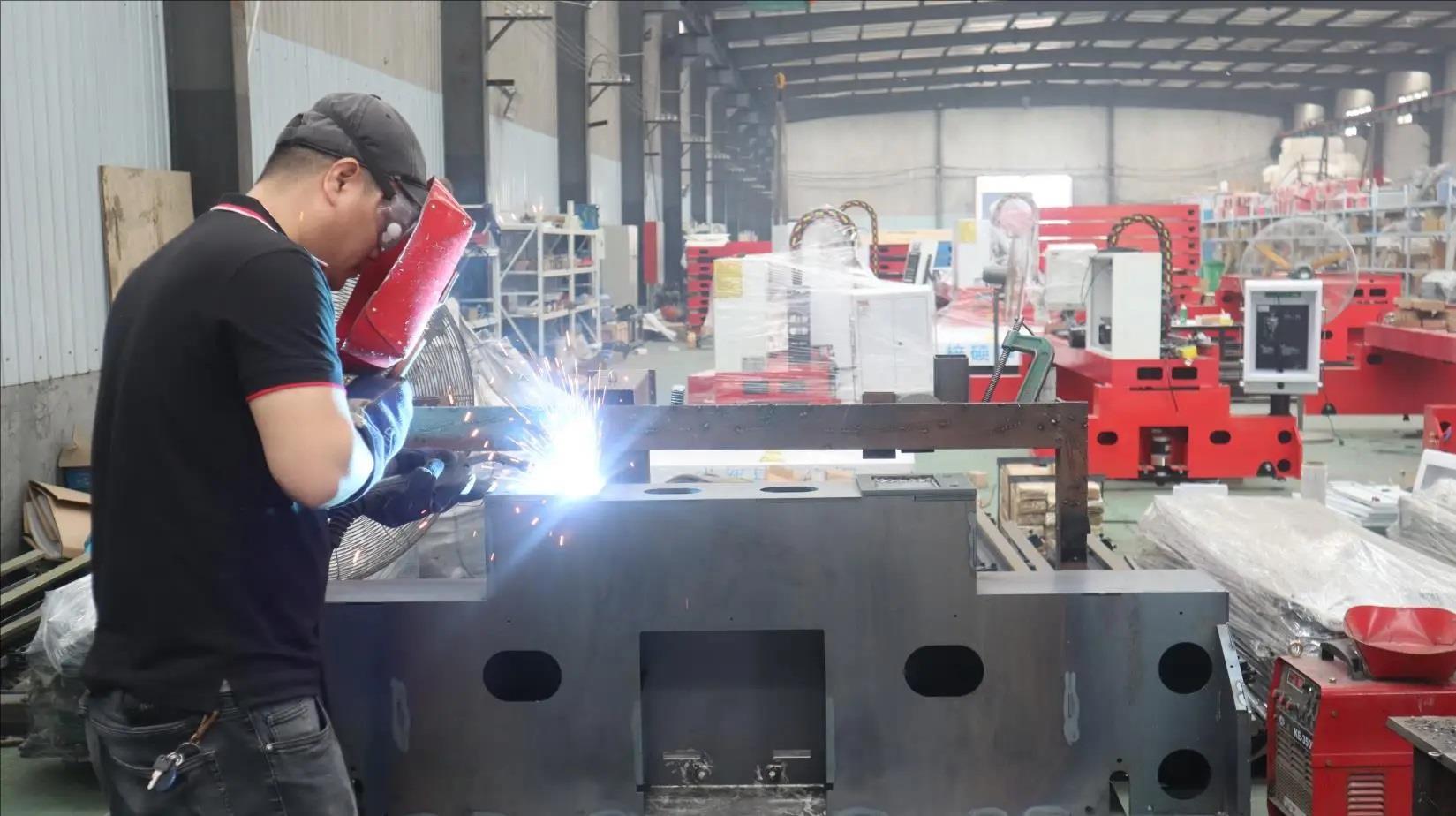
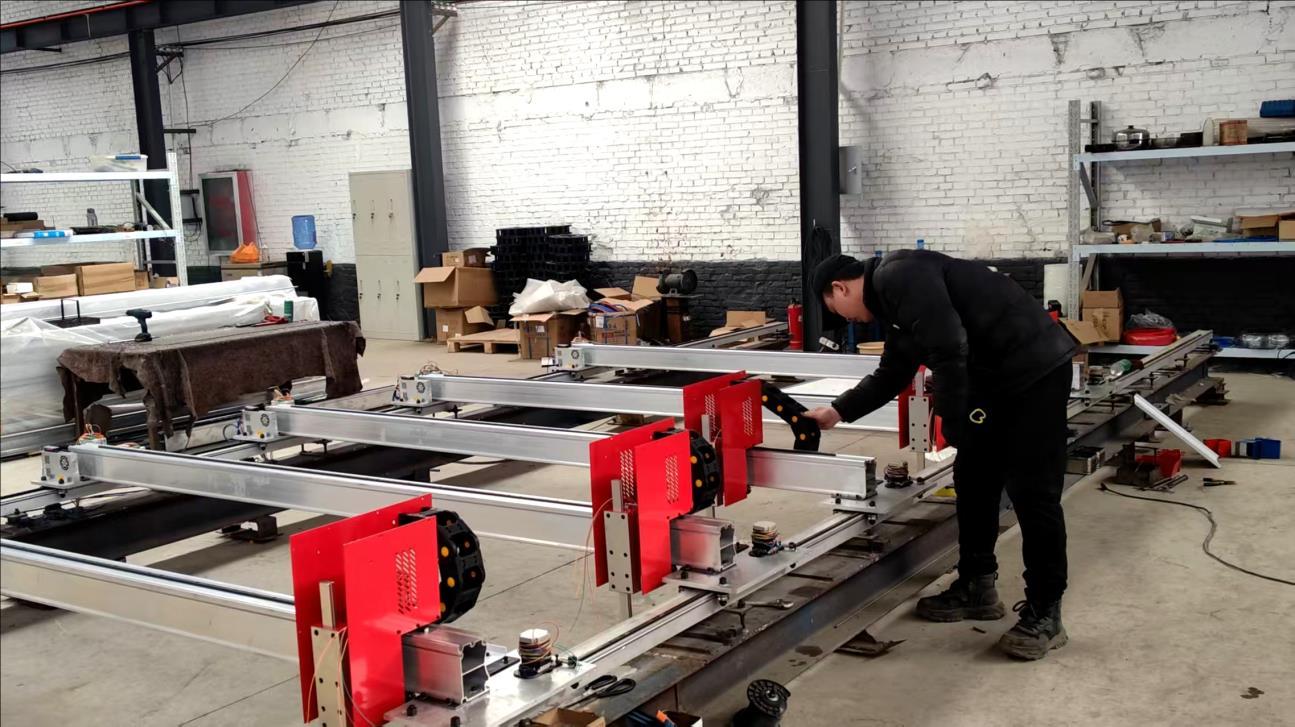
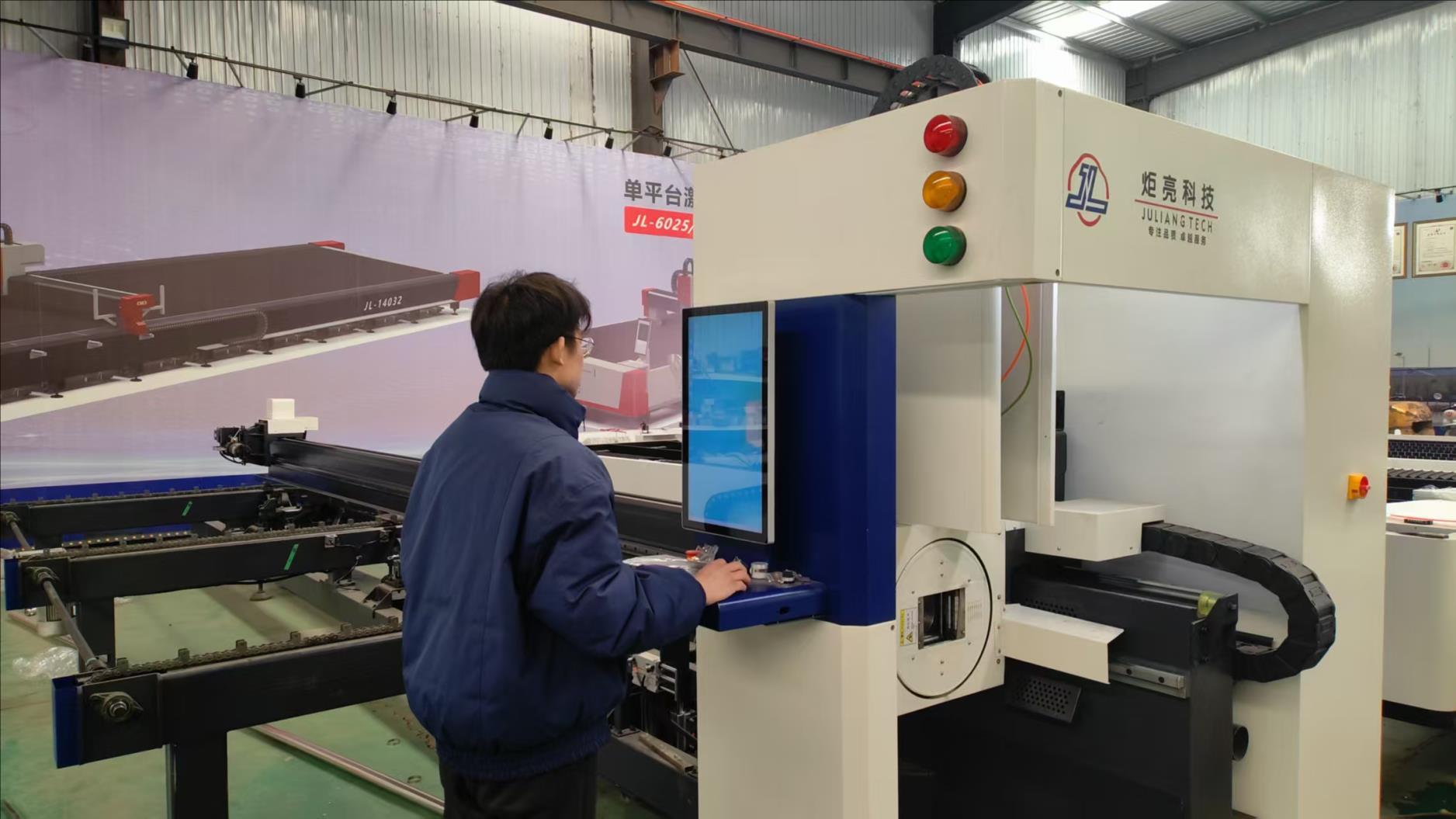
Under the E-E-A-T guidelines for transparency and manufacturing authority, we document our complete production cycle from raw material validation to final product testing.
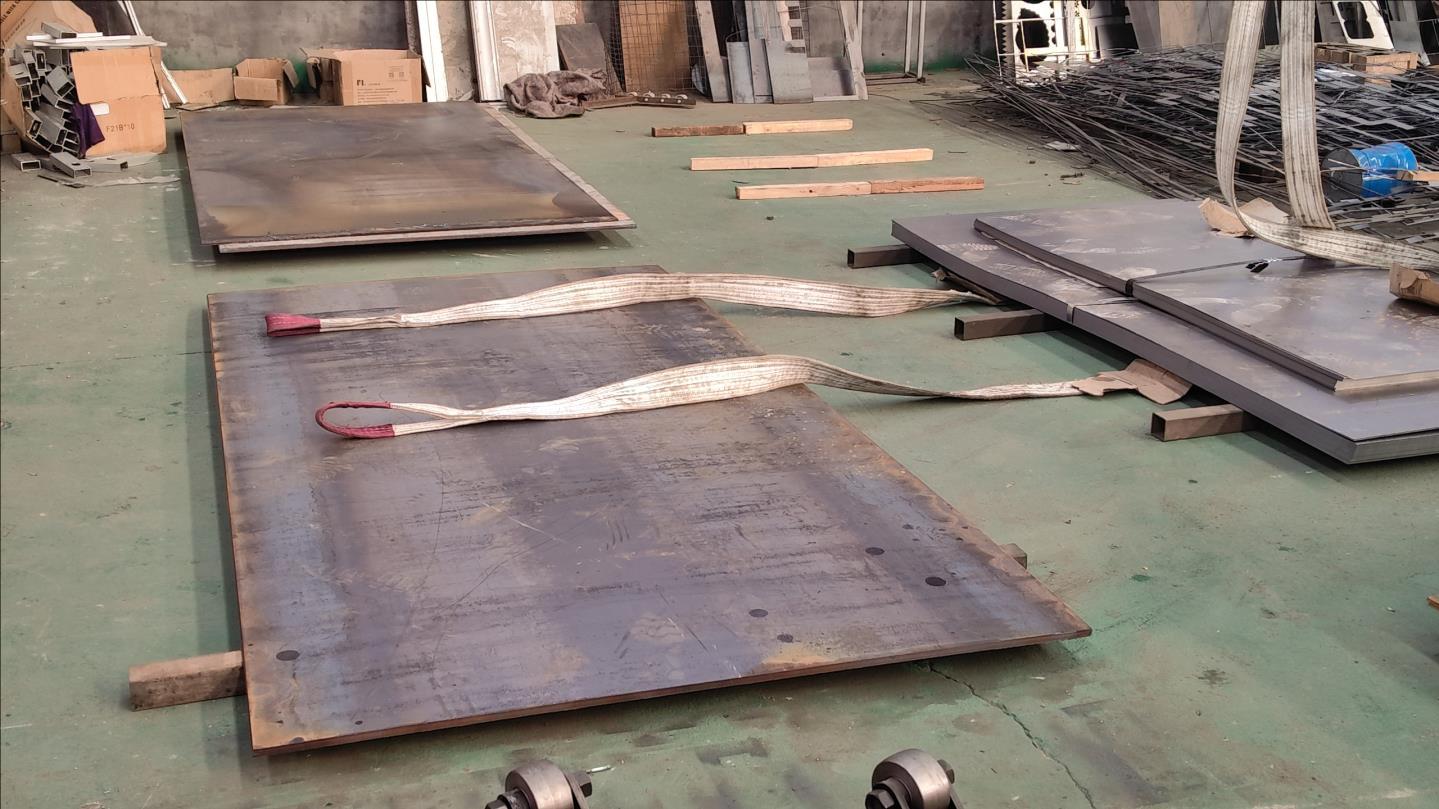
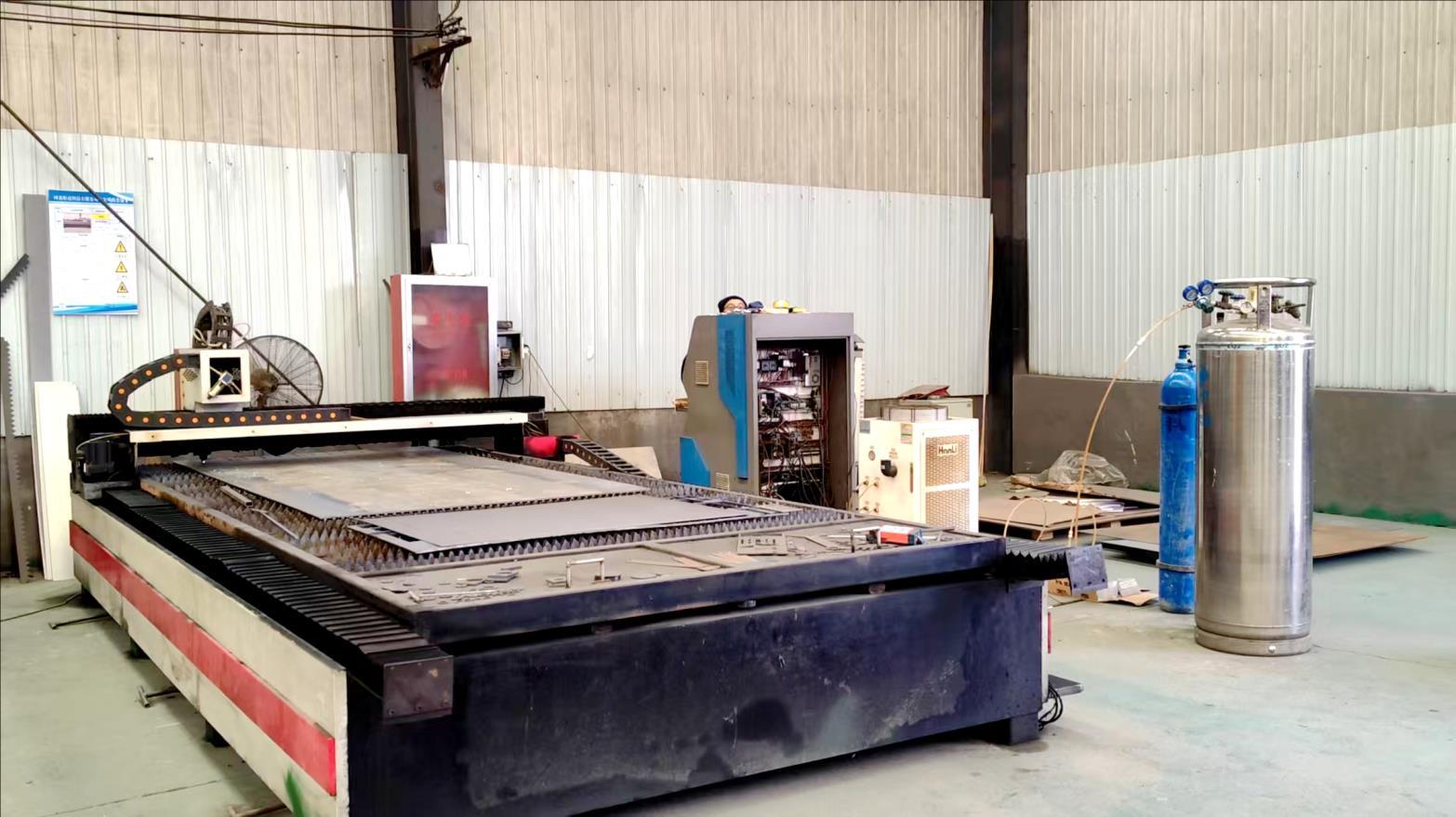
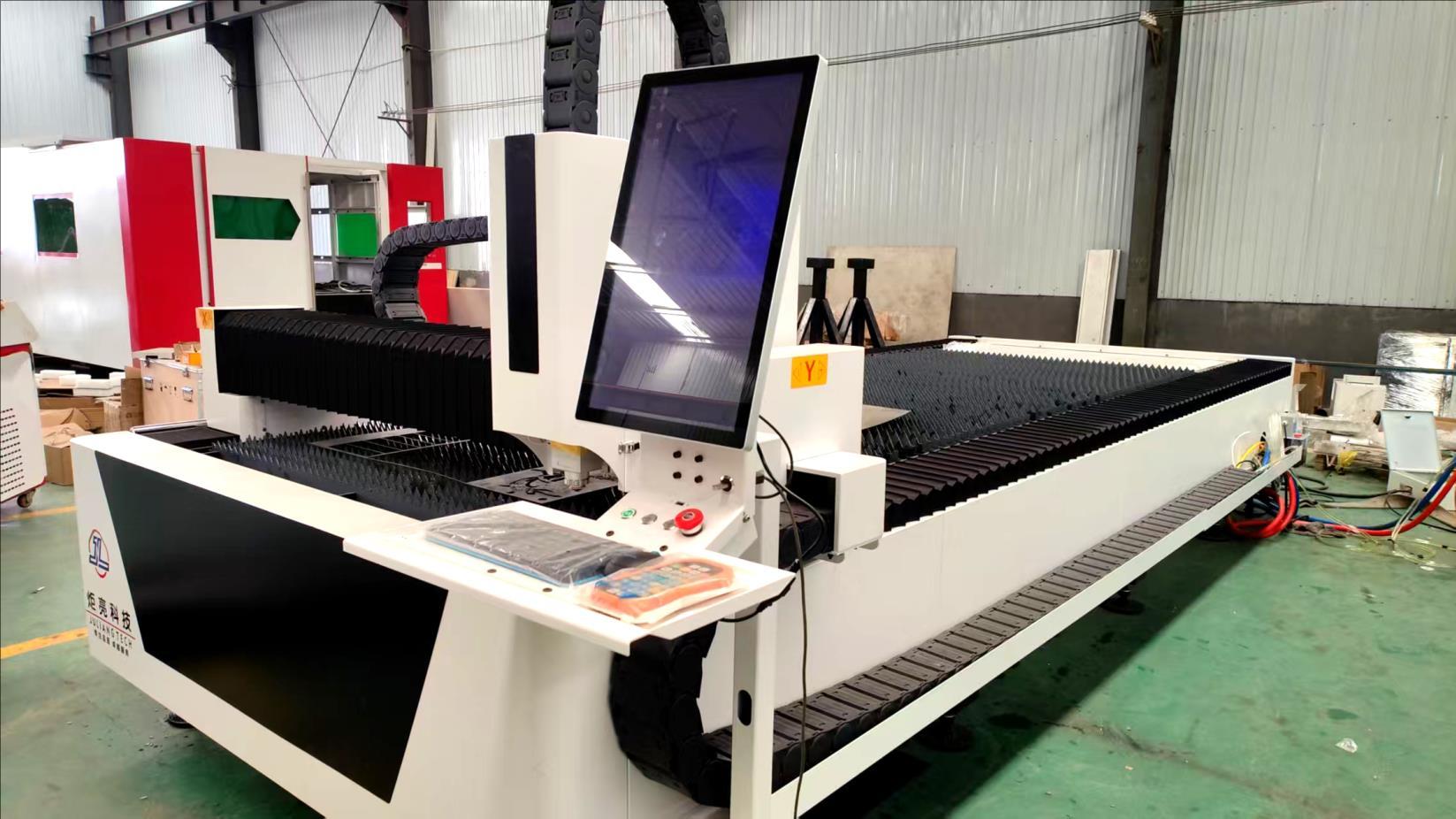
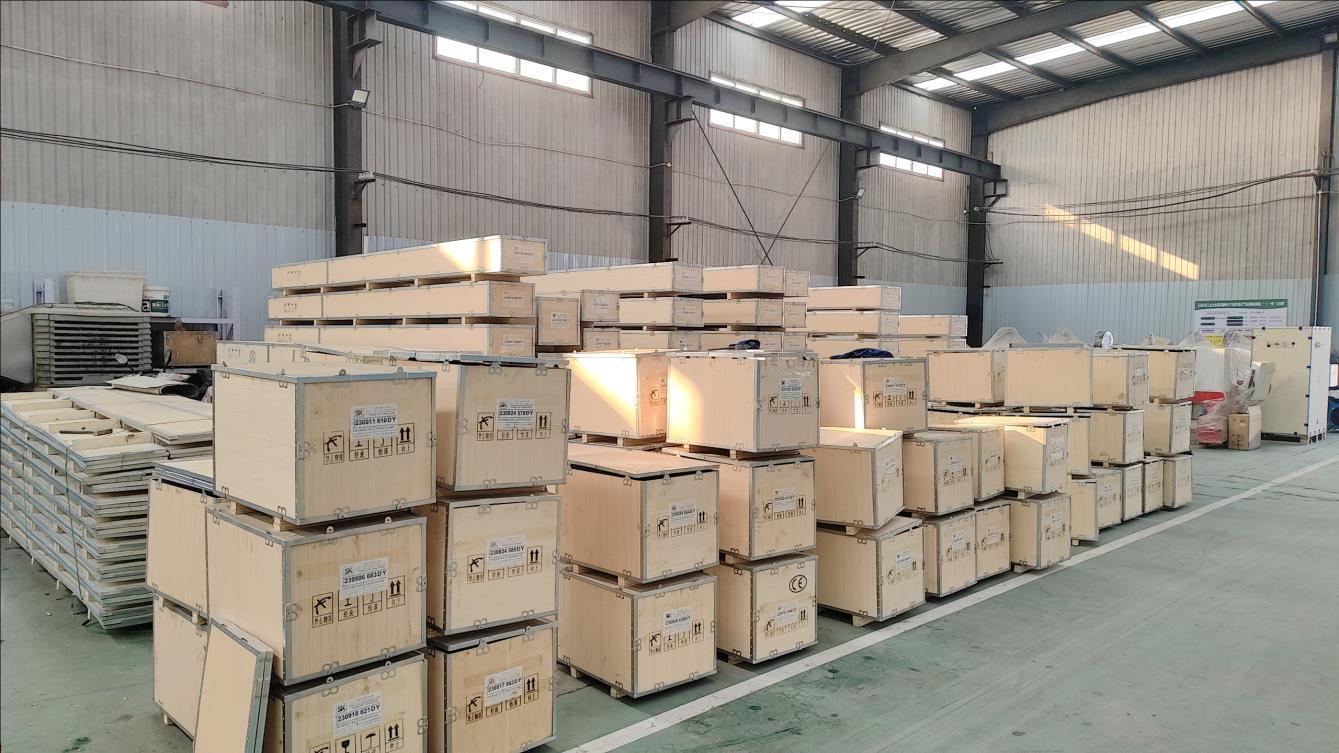
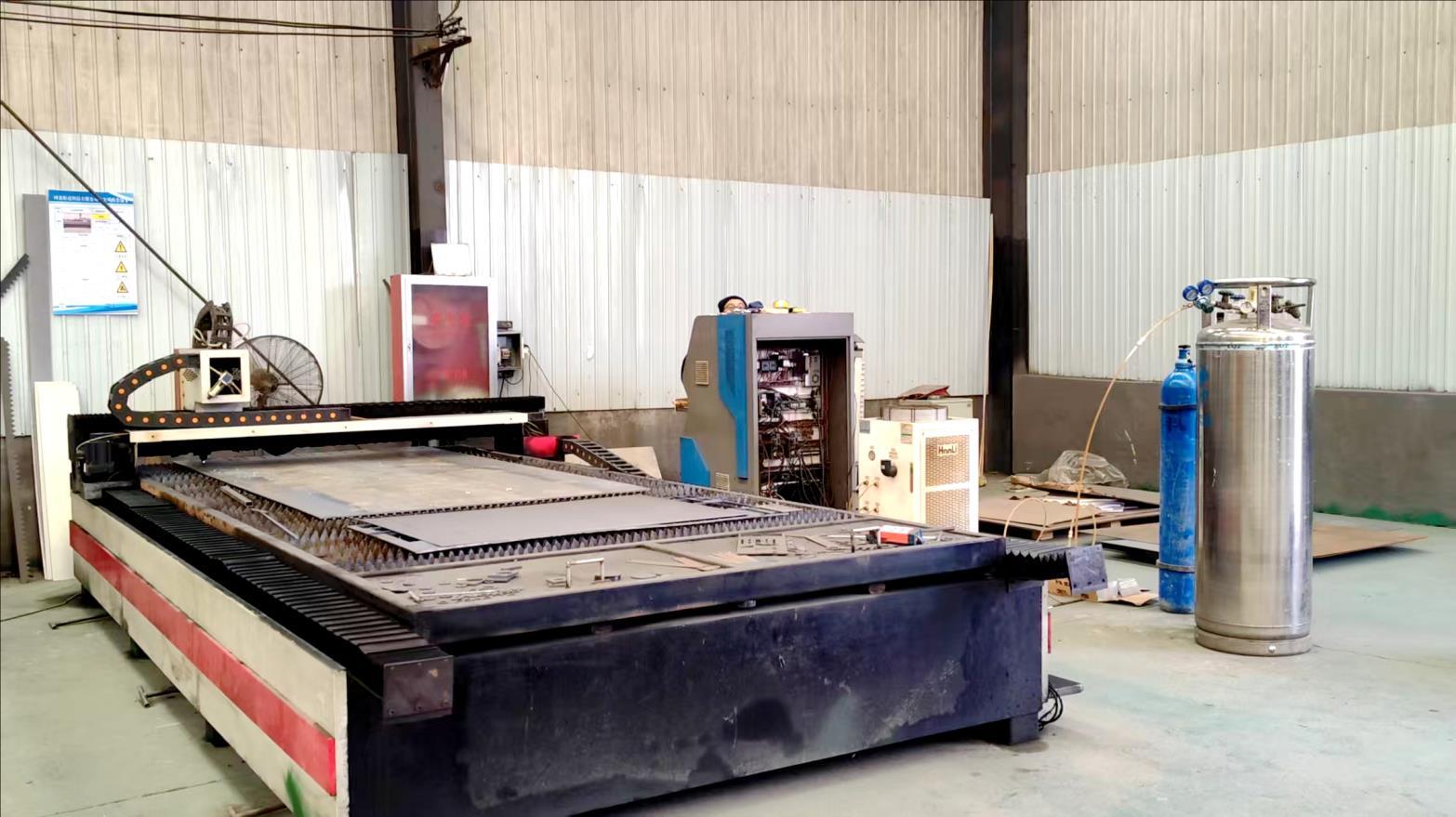
High-precision plate cutting and structural shaping.
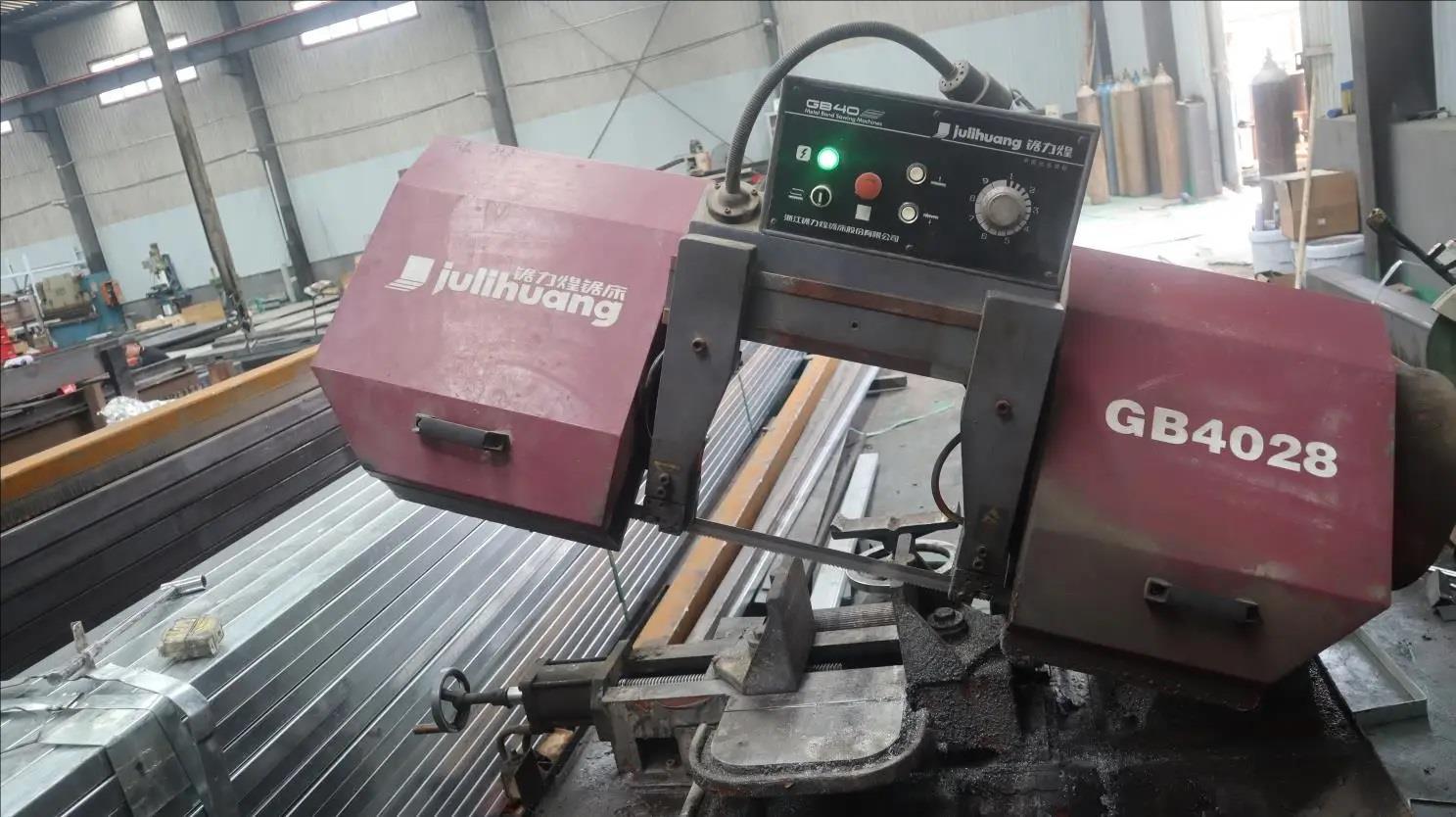
High-speed metal raw material stock cutting.
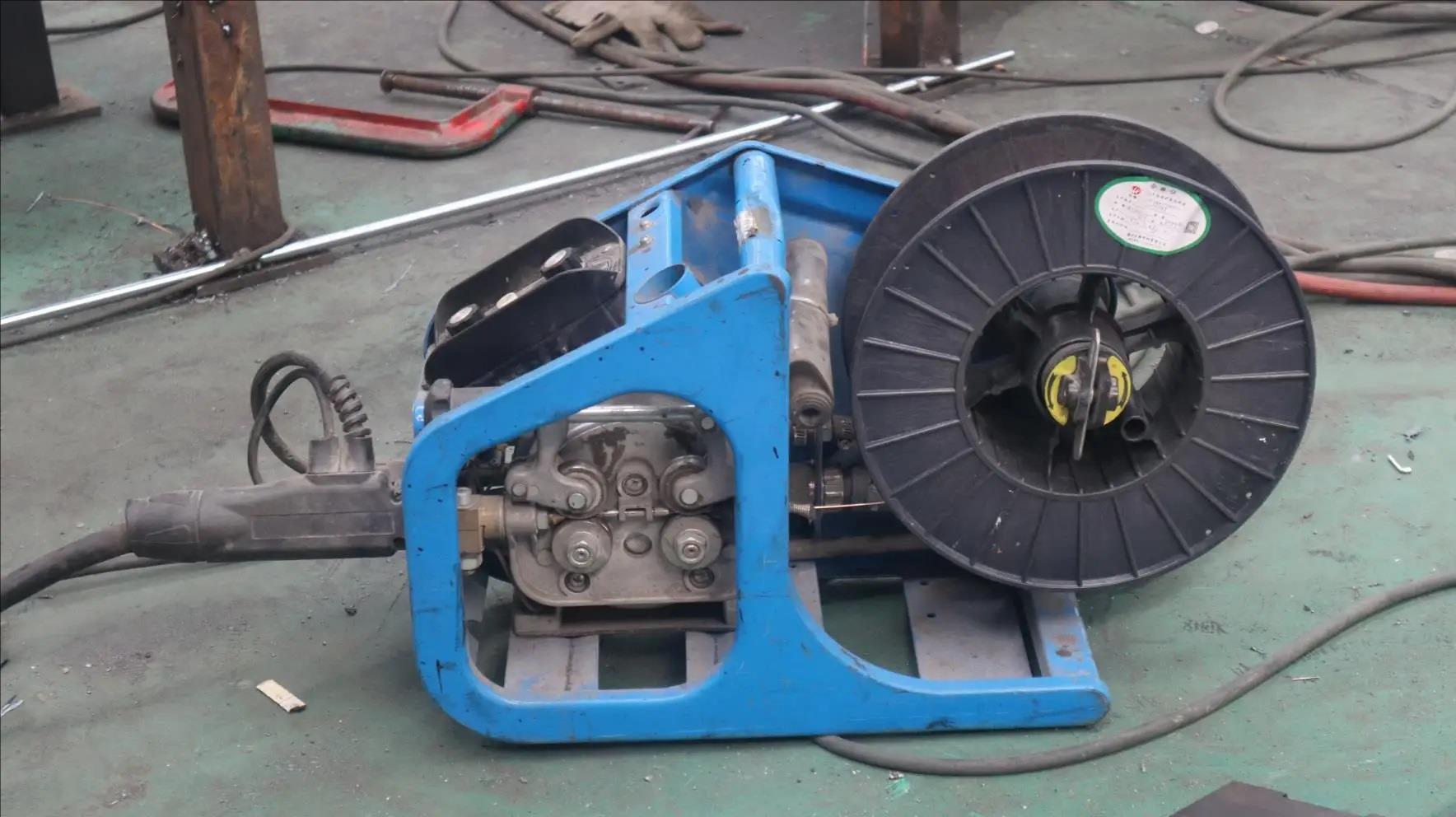
Automated fusion systems for composite tooling.
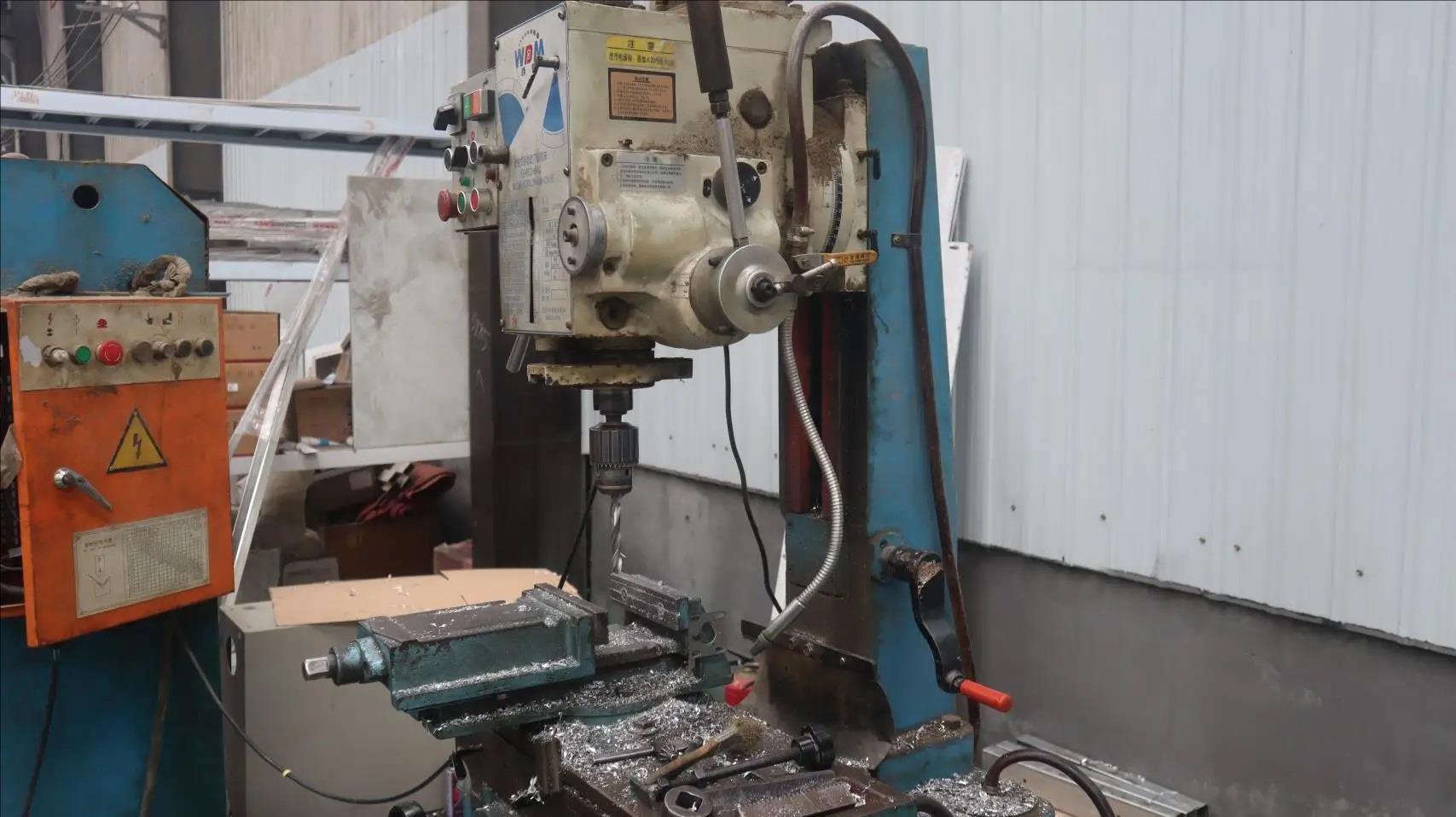
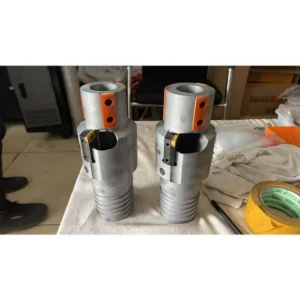
Heavy-duty precision drilling and boring.
As modern manufacturing evolves towards Industry 4.0, several technology shifts are dictating how global industrial facilities select deburring tools:
Manual deburring is labor-intensive and leads to inconsistent edge profiles. Modern factories integrate industrial robotic arms equipped with compliance tool-holders. These systems require highly consistent solid-carbide tools to handle varying pressures and ensure continuous cycle stability without structural failure.
Machining complex metals like stainless steel, titanium, and high-temperature superalloys creates significant heat at the tool edge. Applying specialized coatings, such as Titanium Aluminum Nitride (TiAlN) and diamond coatings (DLC), protects the tool, reduces tool wear, and extends tool life.
As micro-fluidics, precision electronics, and complex medical gear continue to shrink in scale, components call for edge radiusing down to sub-micron scales. Our micro-deburring mills are custom-engineered to chamfer features smaller than 0.1 mm, preventing critical functional failures.
Purchasing departments face a complex matrix of choices when choosing a Chinese supplier. To optimize the total cost of ownership (TCO), evaluate suppliers against these parameters:
Ensure the supplier uses validated, high-density carbide substrates (such as Sandvik or Ceratizit grades) or certified domestic equivalents to avoid internal micro-voids.
Verify that the factory uses high-end multi-axis CNC grinding machines (e.g., Walter, Rollomatic, or Anca) to secure run-out tolerances within 0.005 mm.
Confirm the supplier operates in-house physical vapor deposition (PVD) systems or partners with industry-leading coating firms (such as Oerlikon Balzers) to guarantee adhesion quality.
Expert insights into deburring tool selection, processing parameters, and international procurement standards.
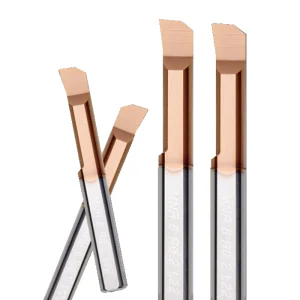
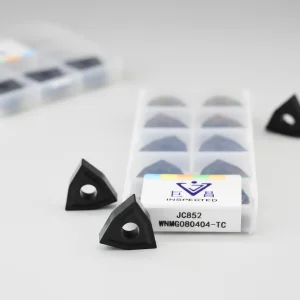
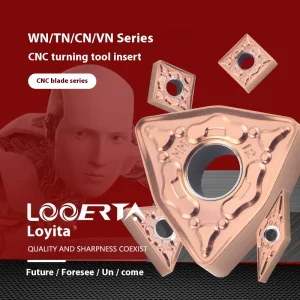
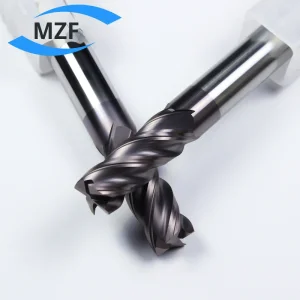
High-performance boring bars, specialized external turning plates, and multi-flute end mills for extreme machining environments.
 DentFix Tool