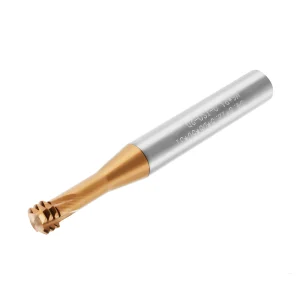
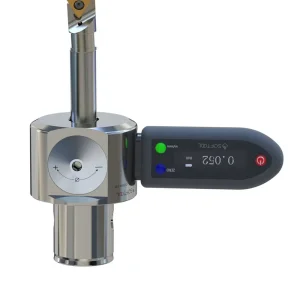
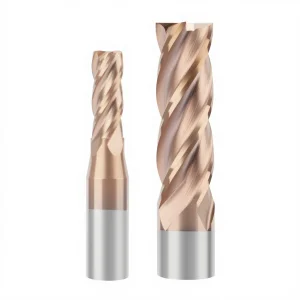
Explore our foundational selection of high-hardness carbide endmills, mini-boring tools, and robust mining drill bits engineered to optimize chip removal and dimensional stability.
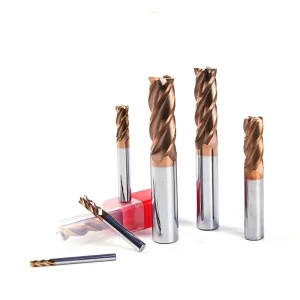
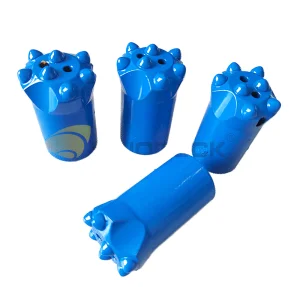
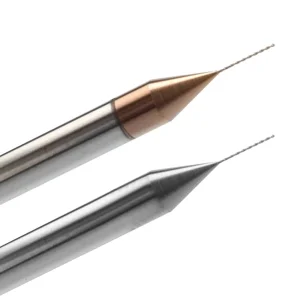
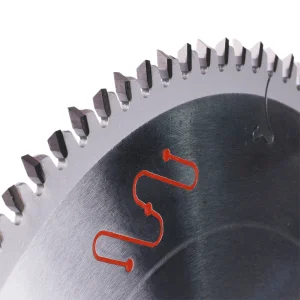
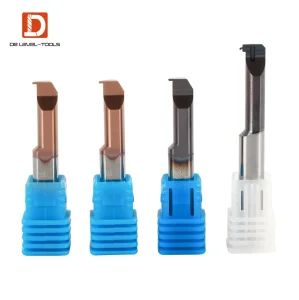
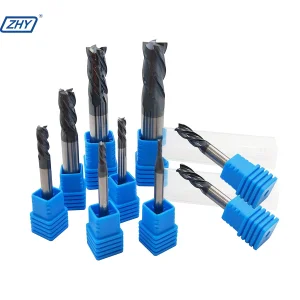
In modern industrial manufacturing, the definition of performance has shifted from structural volume to micro-accuracy and material endurance. Machining accessories, particularly carbide cutting tools, mini-boring bars, and milling cutter heads, constitute the primary interface of physical transformation. With high-speed machining (HSM) and multi-axis milling centers dictating modern line outputs, accessories must maintain mechanical stability under extreme thermomechanical stress.
The core limitation of typical CNC processes has always been heat dissipation and deflection. Through strategic geometry optimization (such as eccentric relief angles, variable helix flutes, and edge preparation), China's advanced factories are manufacturing accessories capable of handling up to HRC70 workpieces. The integration of advanced metallurgical substrates ensures that these components resist adhesive wear, thermal cracking, and plastic deformation under variable feed rates.
The manufacturing capability of Zhejiang's machining accessories industry rests upon a mature, vertically integrated industrial cluster. By positioning factories in proximity to major metallurgical raw material refining centers, supply chains are protected from global feedstock price fluctuations. Factory 4.0 initiatives mean that CNC grinding centers, laser profiling setups, and automated inspection gates are interlinked via IoT protocols to track and adjust production tolerances in real-time.
Our raw material procurement leverages top-tier cemented tungsten carbide formulations characterized by sub-micron grain sizing. This micro-grain structure increases cobalt dispersion density, providing a unique combination of high hardness (for abrasive wear resistance) and toughness (for crack resistance during interrupted cuts). Automated sintering and pressing stages minimize internal porosity, ensuring that batches of drills, reamers, and inserts operate within identical tolerance bands.
Additionally, logistics optimization through specialized ports (such as Ningbo and Shanghai) ensures that global clients receive components with reduced lead times. Vertical integration from powder metallurgy to final coating application reduces unnecessary transportation overhead, creating cost advantages that are passed on to the end user.
To keep pace with materials like Inconel, Titanium alloys (Ti-6Al-4V), and carbon-fiber-reinforced polymers (CFRP), the technology roadmap for machining accessories points toward multi-component coating synthesis and structural optimization:
A specialized manufacturer focusing on research, development, manufacturing, and global distribution of precision CNC cutting tools and carbide solutions.
Zhejiang DentFix Tool Co., Ltd. is a professional manufacturer specializing in the research, development, production, and global distribution of precision CNC cutting tools and carbide solutions. Since its establishment, the company has been committed to providing high-performance tooling products for the metalworking industry, serving customers across automotive, aerospace, mold & die, general engineering, energy, and precision manufacturing sectors.
Driven by continuous innovation and customer-focused development, DentFix has grown into a modern manufacturing enterprise that integrates R&D, intelligent production, quality control, sales, and technical support. The company has built a strong reputation for delivering reliable products, consistent quality, and professional services to customers in both domestic and international markets.
With advanced manufacturing technologies, experienced engineering teams, and strict quality management systems, DentFix continuously improves its product performance and production efficiency. The company is dedicated to helping customers achieve higher machining accuracy, longer tool life, greater productivity, and lower manufacturing costs.
Today, Zhejiang DentFix Tool Co., Ltd. continues to strengthen its investment in technological innovation, intelligent manufacturing, and international cooperation, striving to become a trusted global supplier of precision cutting tool solutions.
DentFix has established a comprehensive manufacturing system supported by experienced engineers, skilled production personnel, and a professional sales and technical service team. Our engineering department focuses on the development of innovative cutting tool solutions that meet the evolving requirements of modern CNC machining.
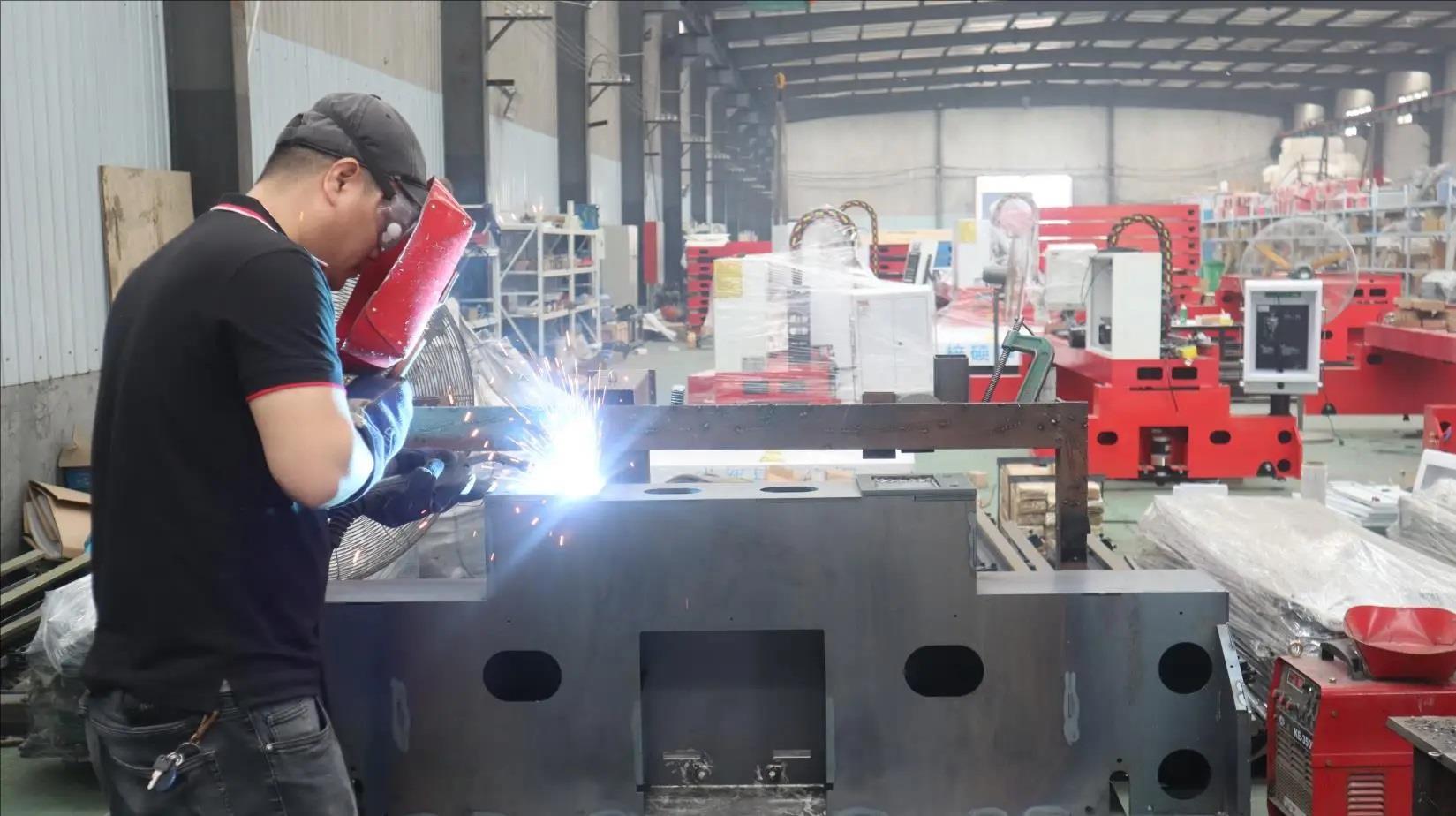
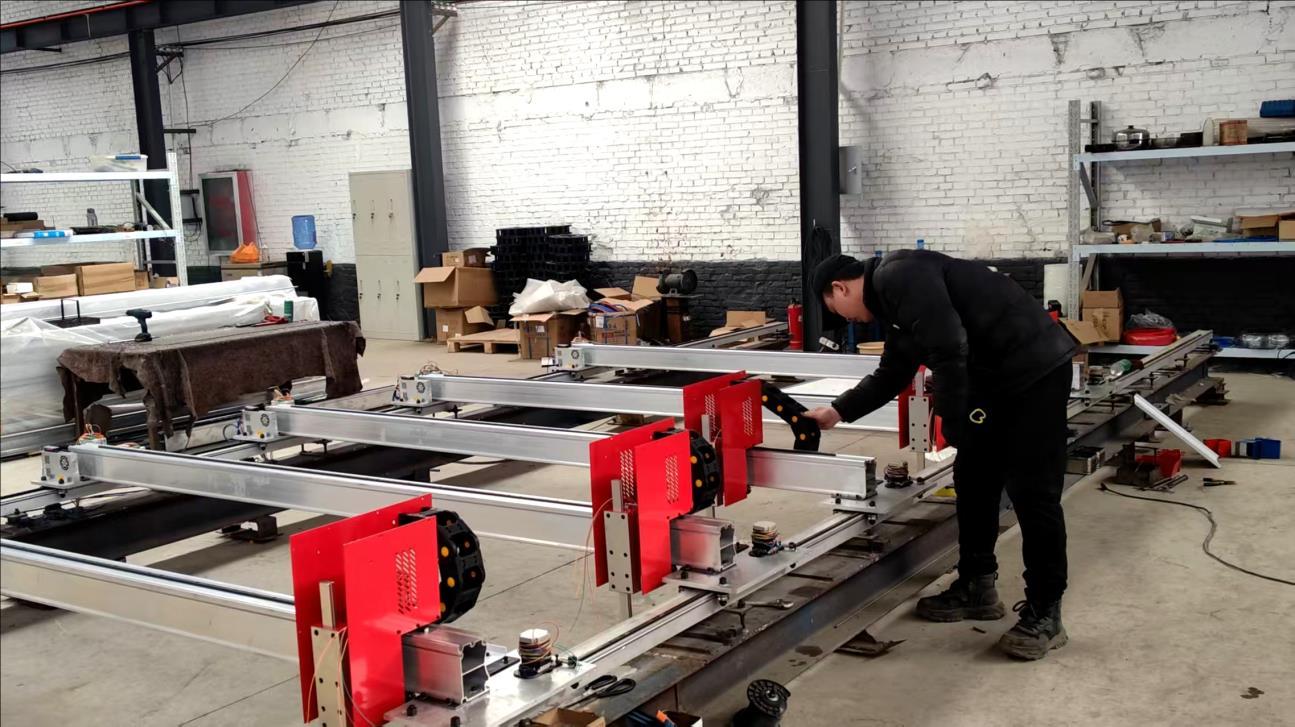
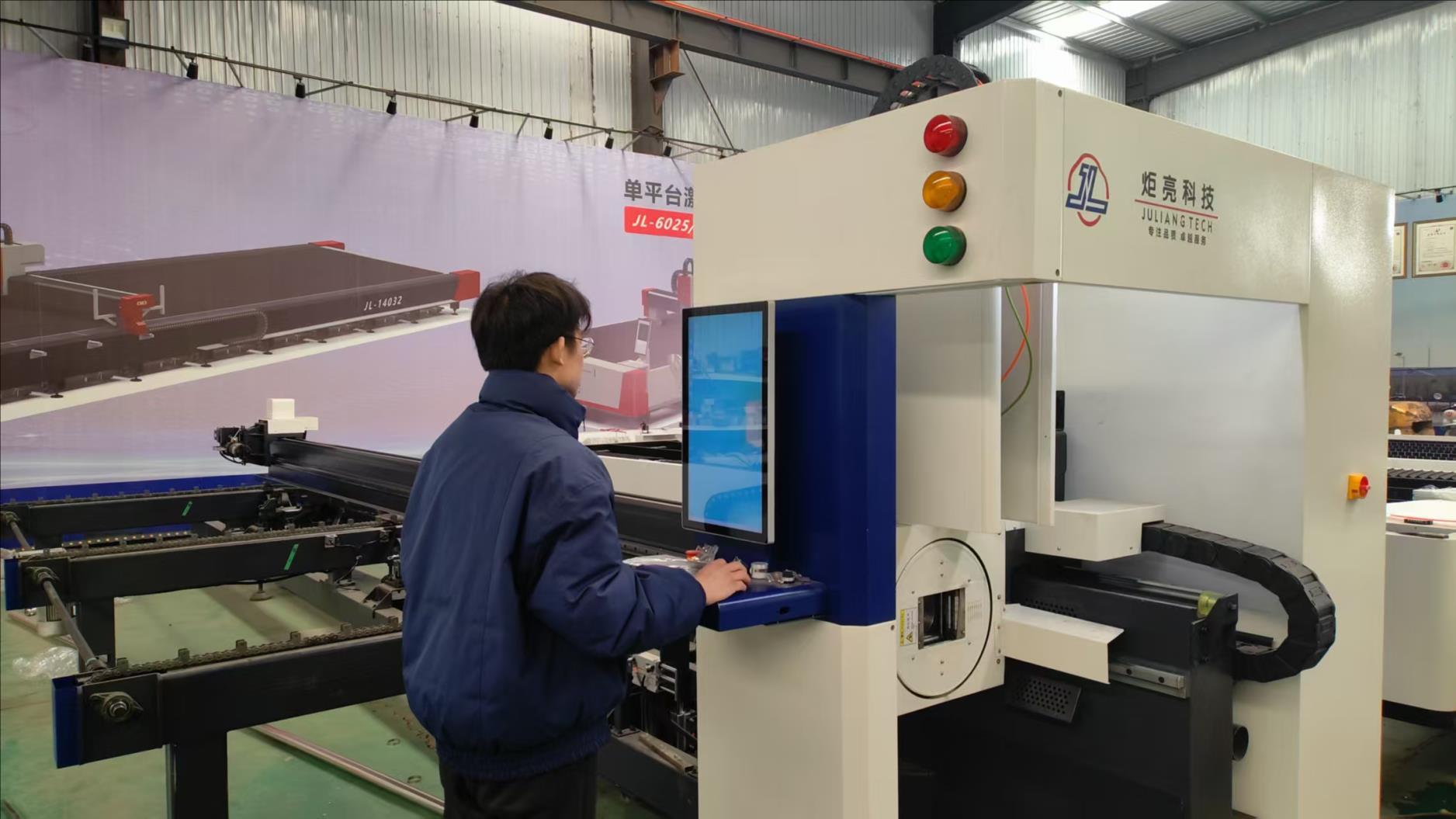
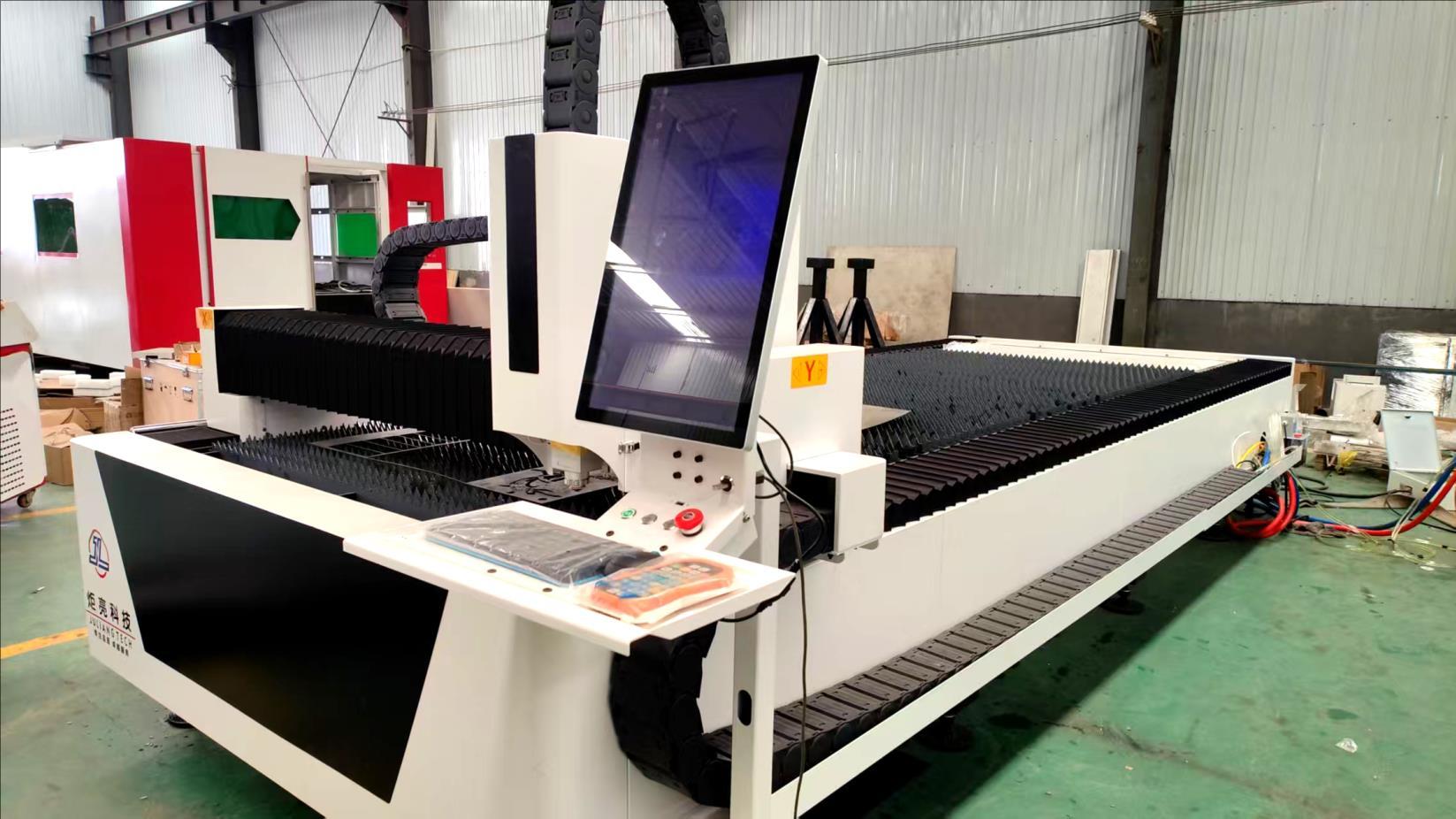
Our manufacturing facility is equipped with advanced CNC grinding machines, high-precision inspection equipment, automated production systems, and modern quality testing laboratories. Every product undergoes rigorous inspection throughout the manufacturing process to ensure exceptional dimensional accuracy, durability, and stable machining performance.
Innovation remains at the core of our business. DentFix continuously invests in new materials, coating technologies, and precision manufacturing processes to develop cutting tools with higher wear resistance, improved machining efficiency, and longer service life.
Guided by the principles of Quality First, Innovation, Reliability, and Customer Satisfaction, Zhejiang DentFix Tool Co., Ltd. is committed to building long-term partnerships with customers worldwide. We look forward to providing professional tooling solutions that help manufacturers improve productivity, reduce production costs, and achieve sustainable growth.
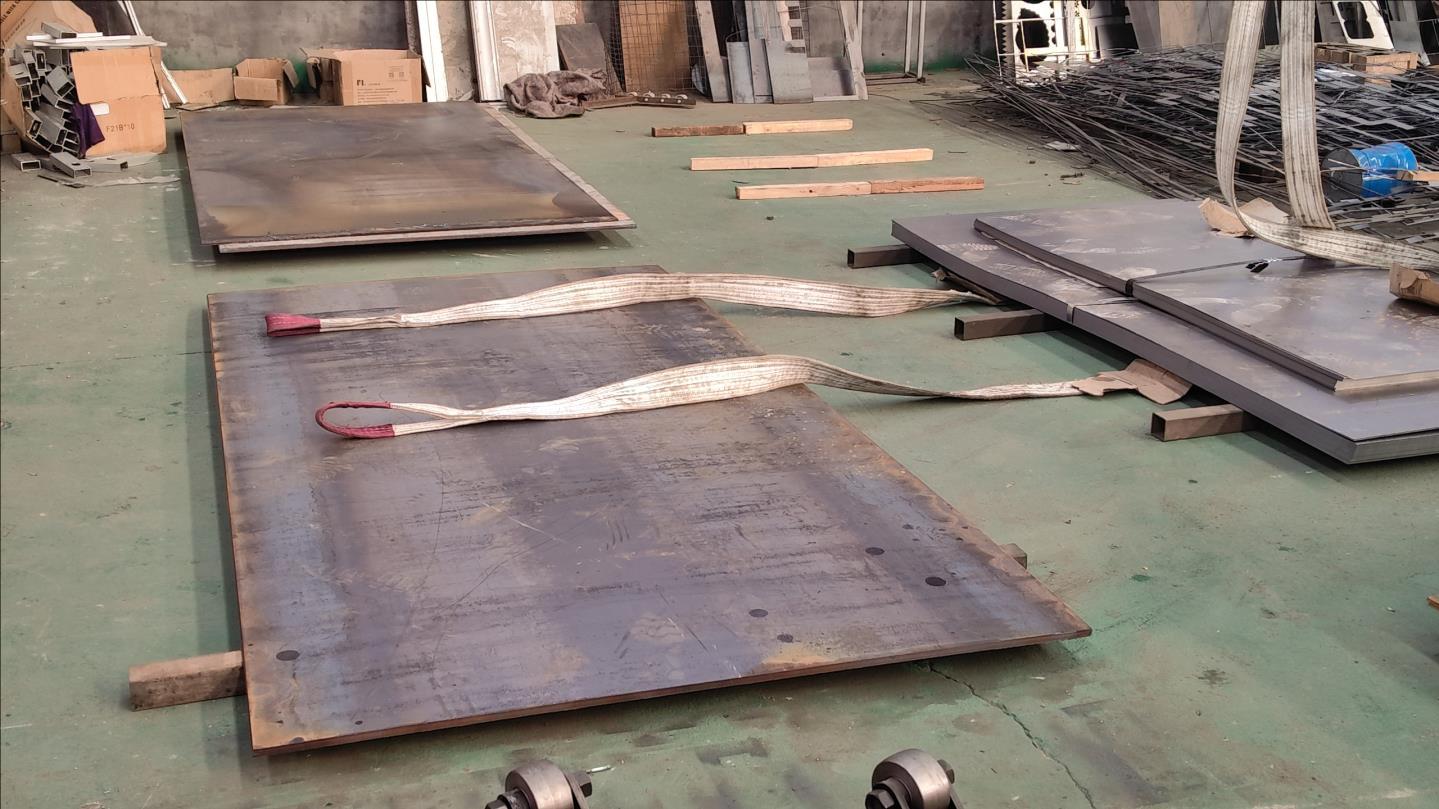
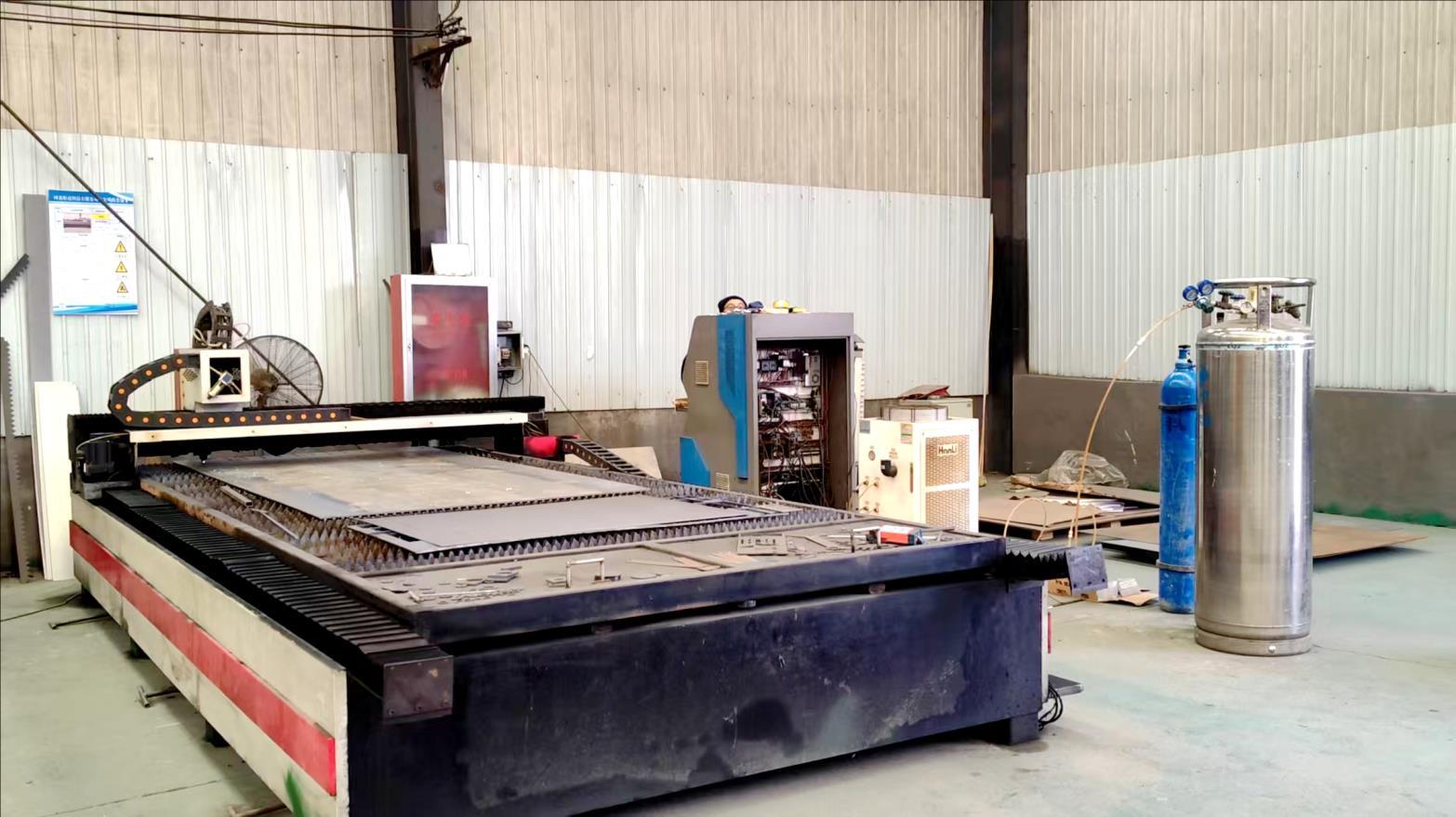
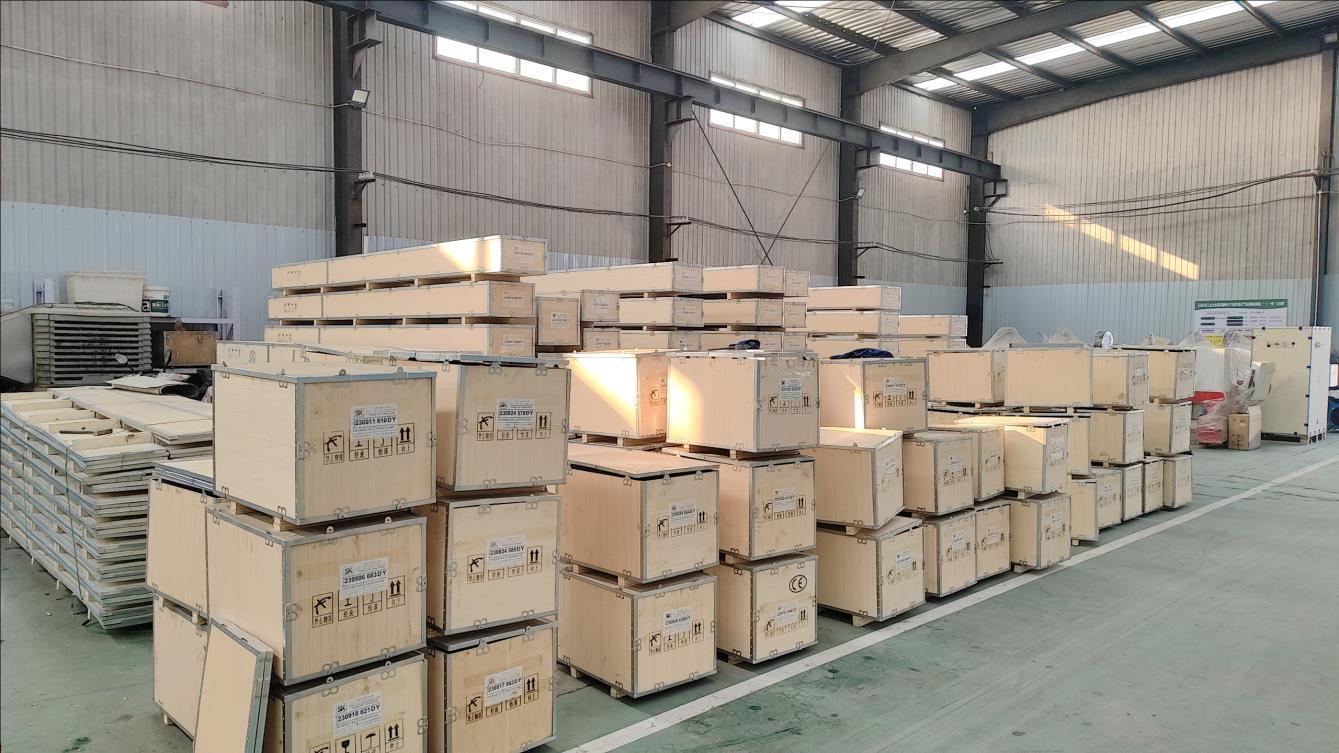
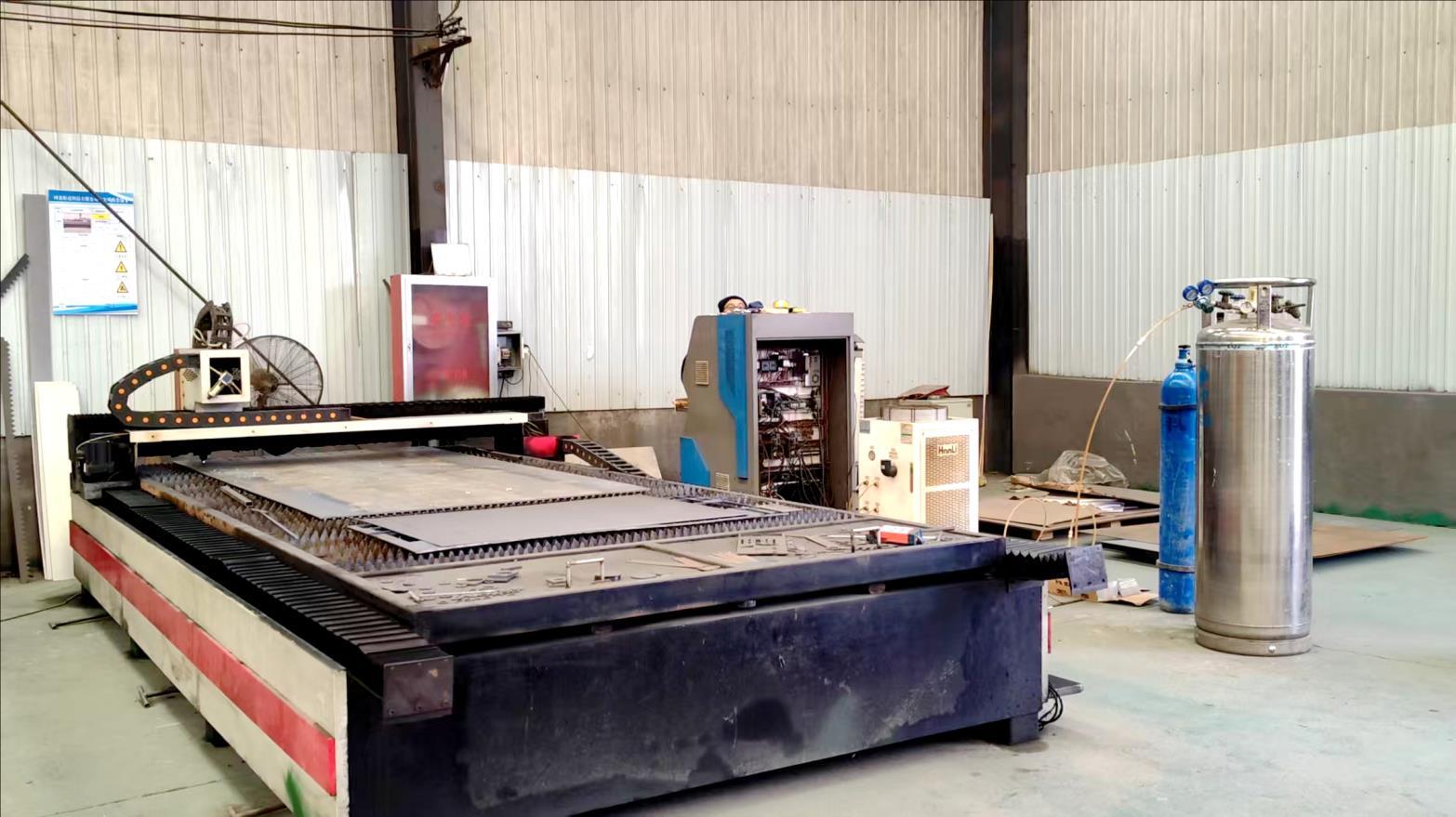
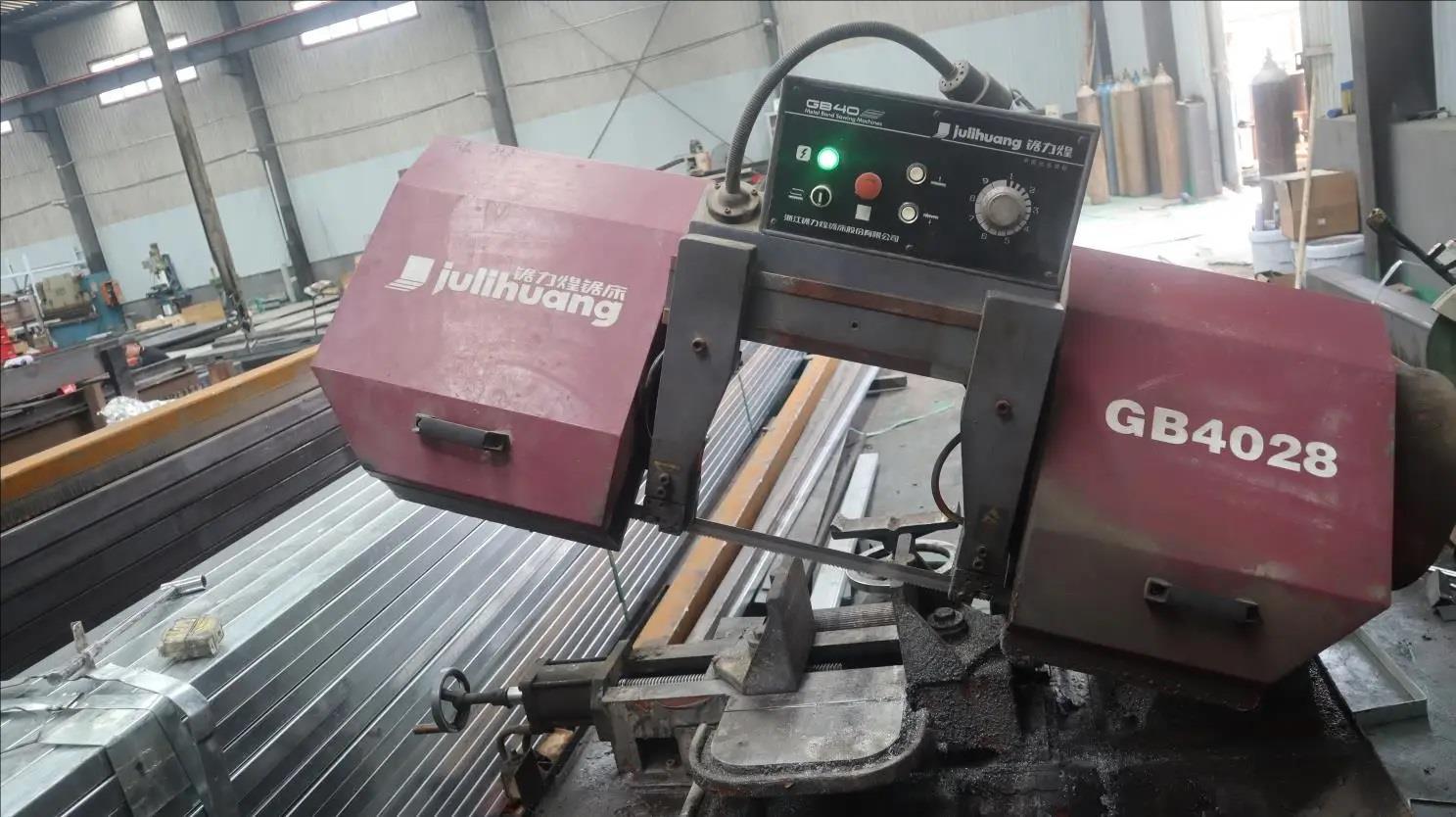
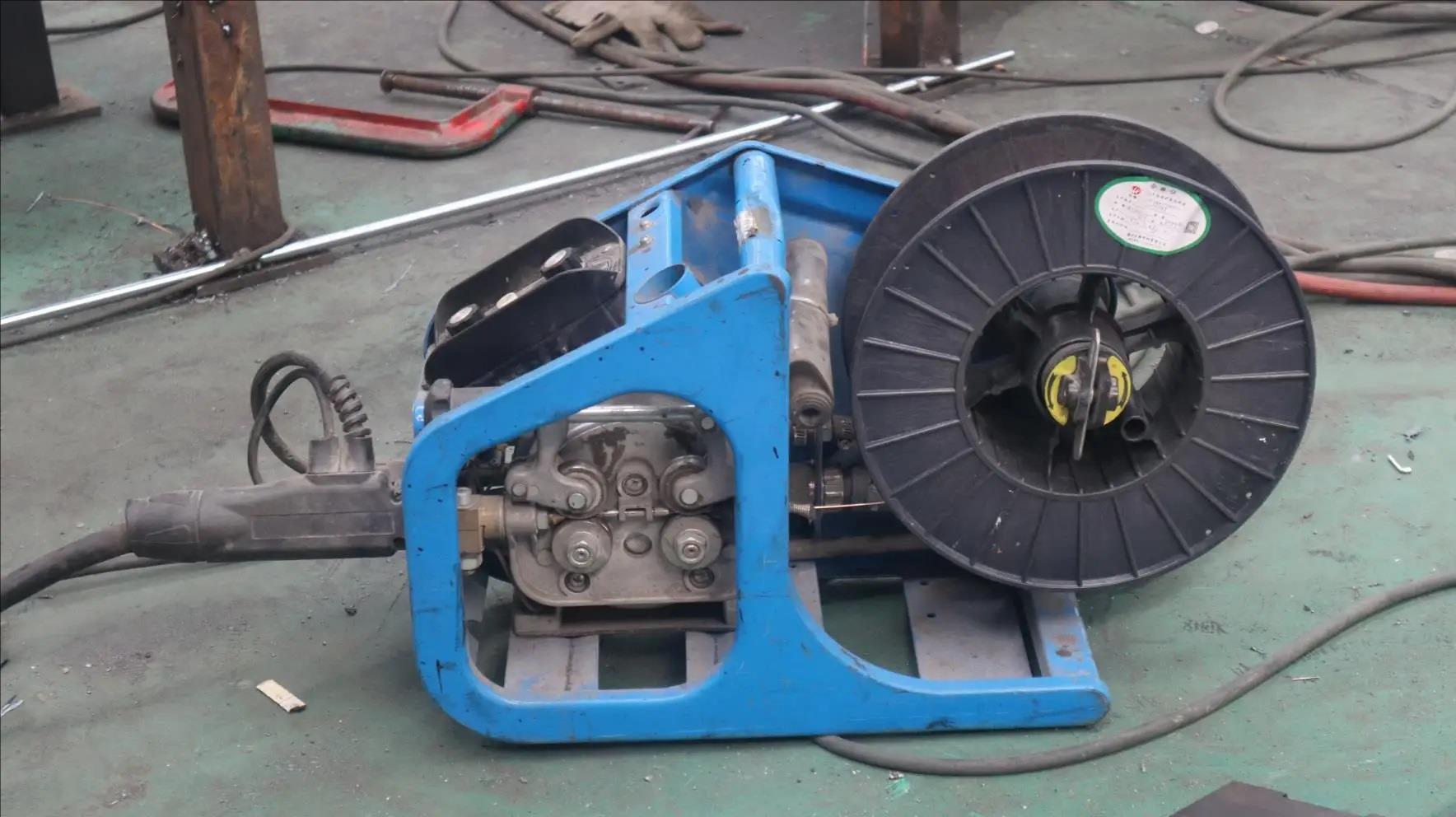
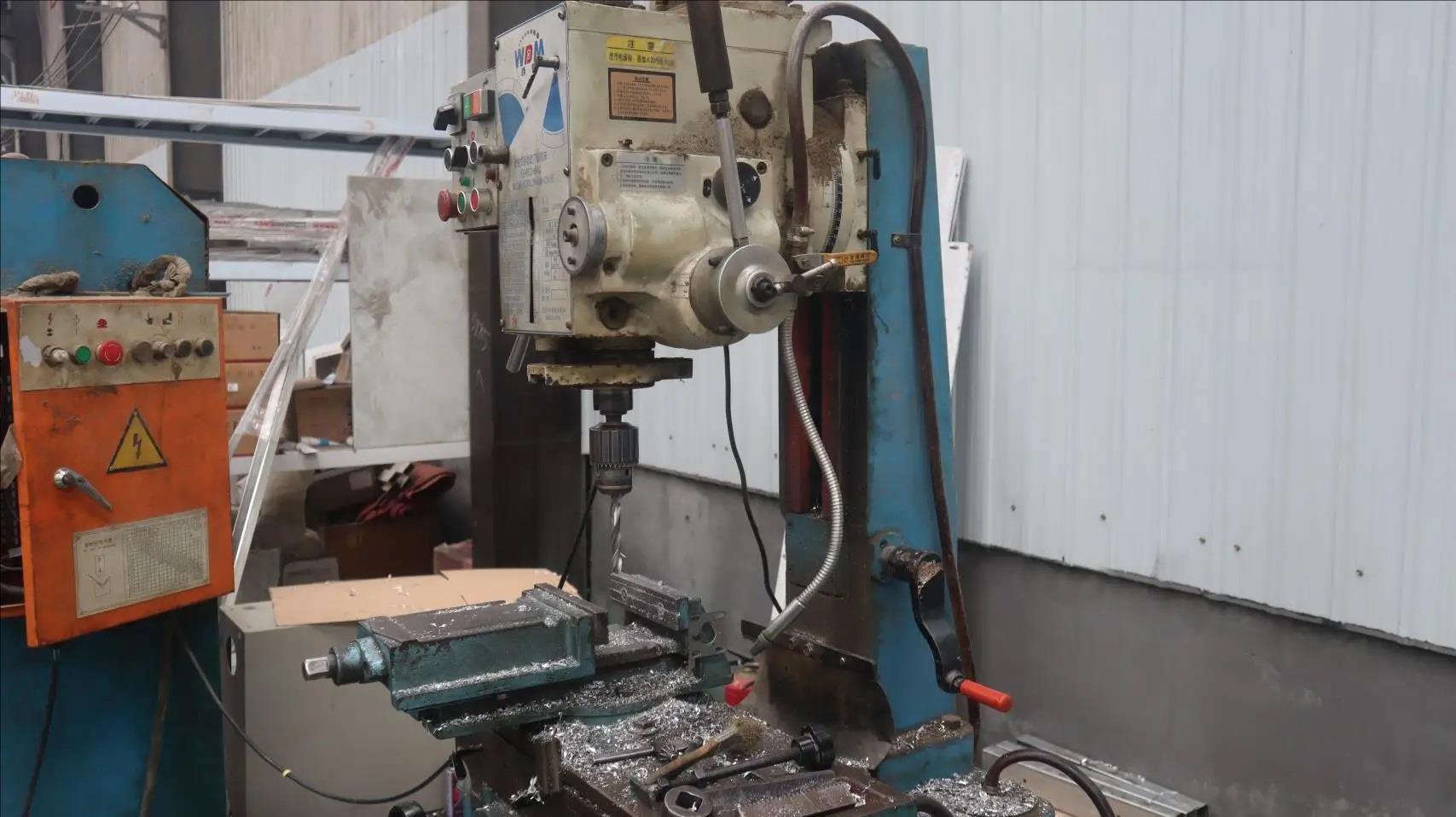
Our engineering division tailors dimensional tolerances and coating thicknesses to fit specific application environments across international industrial clusters.
Components configured with variable core thickness and high-helix profiles to prevent heat buildup when machining titanium alloys and structural aluminum profiles.
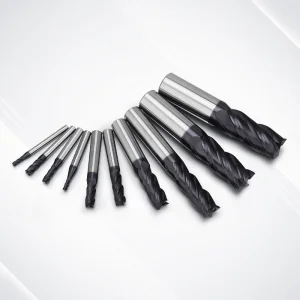
Our HRC60 to HRC70 end mills feature mirror-polished flute surfaces to ensure excellent surface roughness (Ra) in hardened tool steels and cavity profiles.
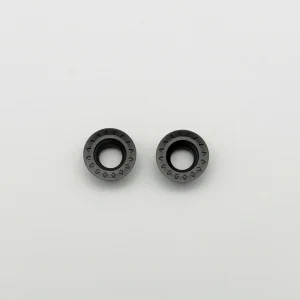
Optimized indexable carbide inserts and drilling bits designed for continuous production, minimizing tool change cycles on automated cast iron block milling lines.
Full support for ISO 9001 quality audits, material composition traceability reports, and CE certifications to ensure seamless importation and custom clearing.
Addressing the complex engineering queries of procurement managers and machining operators regarding cutting parameters and tool customization.
The HRC rating indicates the maximum hardness of the workpiece material that the tool can machine effectively. HRC55 tools are optimized for structural carbon steels and soft alloys. HRC60 to HRC65 tools are suitable for hardened steels and cast iron. HRC70 tools utilize ultra-fine sub-micron carbide substrates paired with high thermal-stability coatings (like TiSiN) to mill heat-treated tool steels, avoiding structural damage to both the tool and the workpiece.
We use high-purity tungsten carbide powder blended with a precise cobalt binder matrix (typically ranging from 8% to 12% depending on the required toughness-to-hardness ratio). The micro-grain structure prevents cutting-edge chipping and maintains geometric consistency across production batches, keeping run-out (T.I.R.) under 0.003mm.
AlTiN (Aluminum Titanium Nitride) forms a protective aluminum oxide (alumina) layer at the tool's cutting edge when exposed to temperatures exceeding 800°C. This layer acts as a heat barrier, directing thermal energy into the chips rather than the tool core. This allows for dry-cutting operations and increases cutting speed capabilities (Vc).
Our technical team receives customer CAD drawings or workpiece specifications to design custom step-drills, specialized profile cutters, or custom reamers. We optimize rake angles, relief geometries, and flute numbers using advanced simulation software before producing prototypes on our CNC grinding machines.
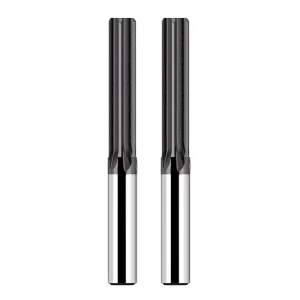
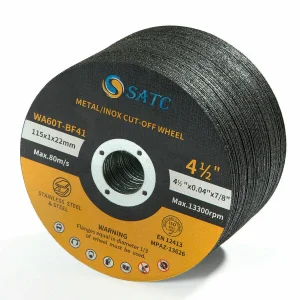
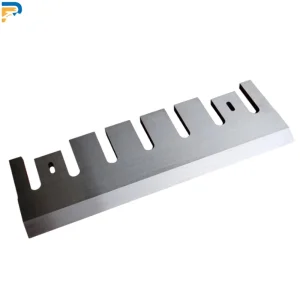
Explore our high-performance turning inserts, straight fluted machine reamers, ultra-thin cutting discs, and custom industrial blades.
 DentFix Tool