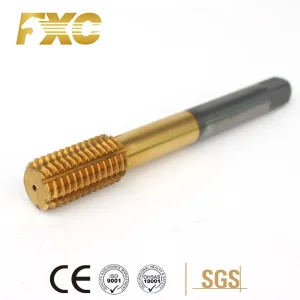
Engineered to deliver exceptional dimensional stability, high wear resistance, and minimized machining downtime across challenging industrial tasks.
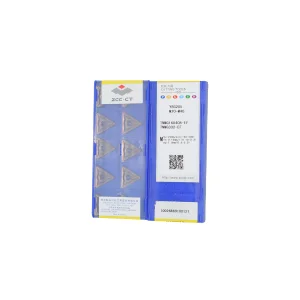
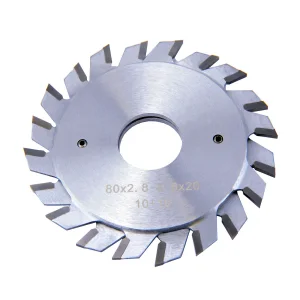
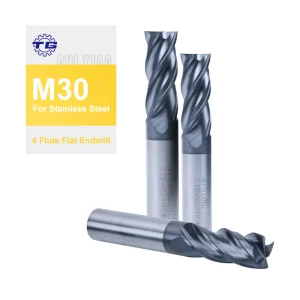
As a professional manufacturer specializing in the research, development, production, and global distribution of precision CNC cutting tools and carbide solutions, DentFix has established a leading reputation since its inception. We are committed to providing high-performance tooling products for the modern metalworking industry, serving world-class customers across automotive, aerospace, mold & die, general engineering, energy, and precision manufacturing sectors.
Driven by continuous technological innovation and customer-focused development, our facility integrates raw material selection, intelligent multi-axis grinding, dynamic process control, and rigid quality testing under one roof. Our goal is to enable global operators to achieve superior machining parameters, longer tools' operating lifetimes, and enhanced cost efficiency.
An In-depth Analysis of Cutting Tool Metallurgy, Micro-Geometry, and Smart Manufacturing Paradigms for Global Procurement and Sourcing Officers.
Modern manufacturing demands tools capable of sustaining prolonged shear stress under extreme thermal conditions. Cemented carbide (WC-Co) represents the backbone of this capability, balancing hardness (hardness levels exceeding HV1600) with fracture toughness. By refining the grain size of the tungsten carbide phase to sub-micron and nano-scales, manufacturers have dramatically improved the transverse rupture strength (TRS) of turning and milling inserts.
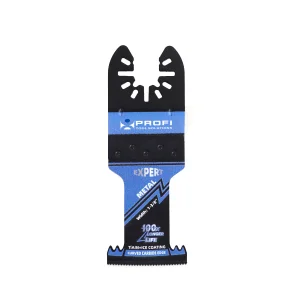
In portable applications, tools face unique challenges: manual operations or non-rigid setups introduce erratic vibrations and fluctuating chip loads. Consequently, the microstructure of portable carbide substrates must utilize specialized binder contents (typically between 6% to 12% Cobalt) to absorb dynamic impacts. Advanced Sinter-HIP (Hot Isostatic Pressing) technology is employed by top-tier manufacturers like DentFix to eliminate microscopic porosity, ensuring that every batch of raw material exhibits isotropic mechanical properties.
The interface between the tool edge and the workpiece material experiences temperatures exceeding 1000°C. To prevent thermal degradation and crater wear, thin-film deposition techniques have evolved from simple titanium nitrides (TiN) to multi-layered, nanostructured compositions.
For instance, AlCrSiN (Aluminum Chromium Silicon Nitride) coatings applied via Physical Vapor Deposition (PVD) form a highly stable, self-healing aluminum oxide (Al2O3) passive layer at high temperatures. The addition of silicon elements refines the grain structure of the coating, creating a barrier against oxygen diffusion. This makes tools like HRC65 solid carbide endmills exceptionally resilient when dry machining hardened tool steels.
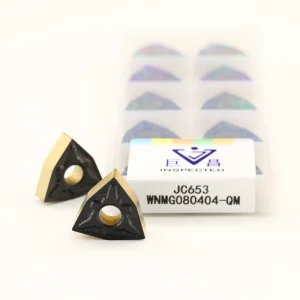
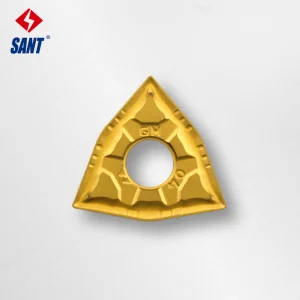
Alternatively, Chemical Vapor Deposition (CVD) coatings featuring thick layers of titanium carbonitride (TiCN) and aluminum oxide are best suited for continuous external turning (e.g., WNMG and CNMG inserts) on cast irons and high-alloy steels, providing the necessary thermal isolation to extend cutting tool life tenfold.
Procurement officers in key regions (North America, Western Europe, and Southeast Asia) are moving away from simply comparing unit costs. Instead, they focus heavily on Total Cost of Ownership (TCO) and batch-to-batch consistency. Tool failure on automated transfer lines can lead to hourly losses running into thousands of dollars. Thus, verifying that a manufacturer operates under ISO 9001:2015 frameworks and employs multi-axis CNC grinding machines (e.g., Walter, Anca) is essential for risk mitigation.
Furthermore, procurement agents require flexible OEM/ODM capabilities, localized technical support for customized tooling geometries, and seamless customs documentation. Partnering directly with qualified Chinese factories ensures direct technical communications, minimizing errors in translating design requirements into finished products, and accelerating prototyping cycles.
Cutting tool selection is strictly governed by the specific material characteristics of the workpiece:
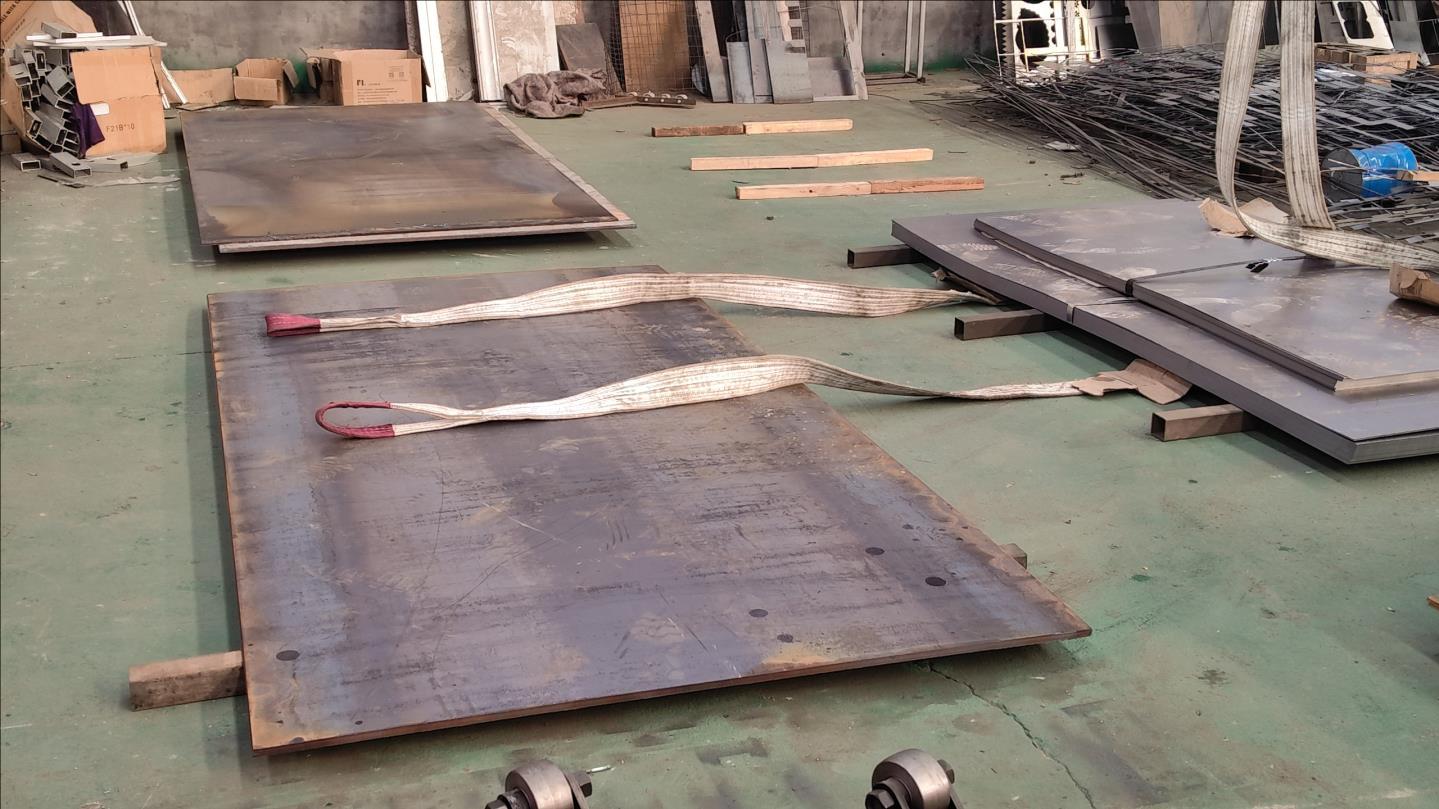
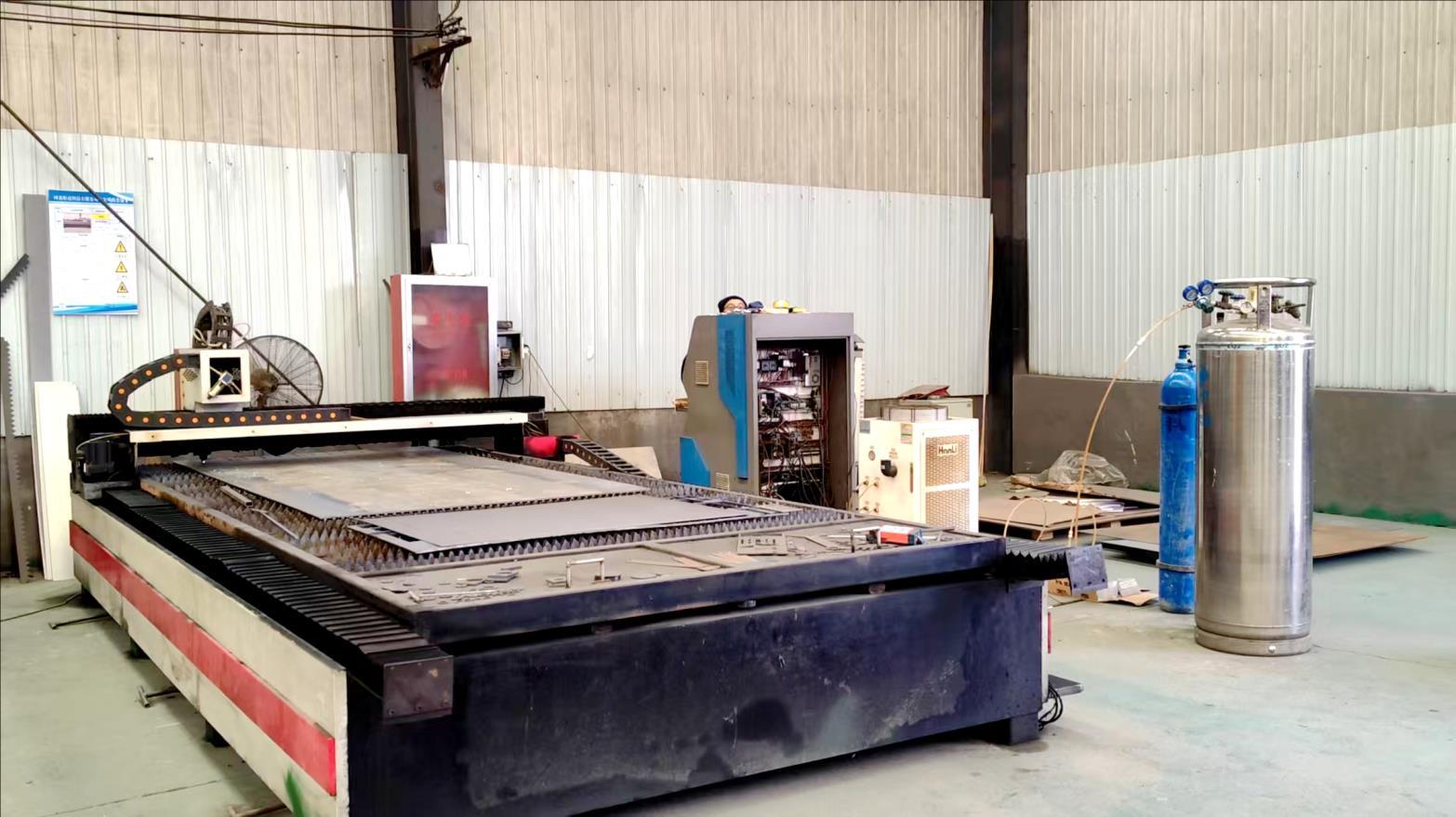
From metallurgical verification to final quality control, our production line uses state-of-the-art machinery to guarantee absolute precision.
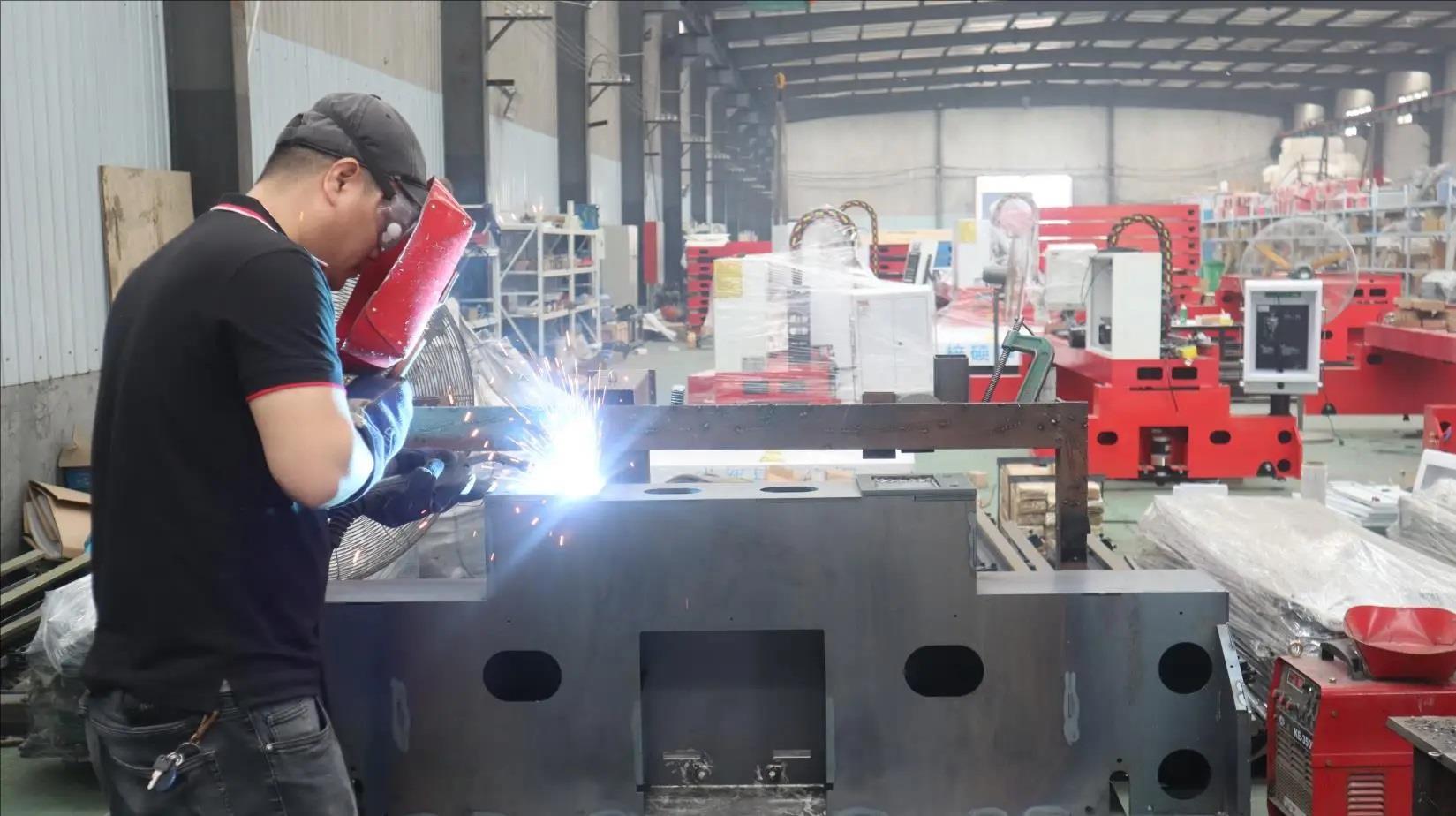
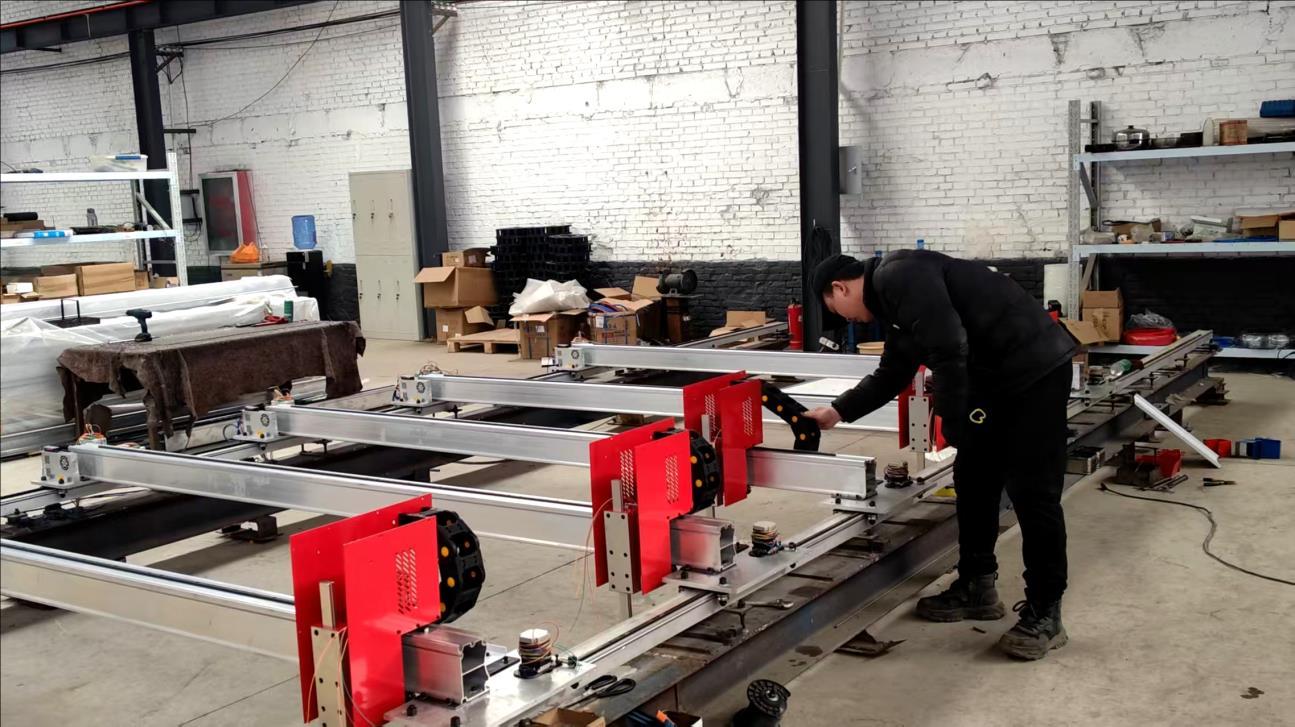
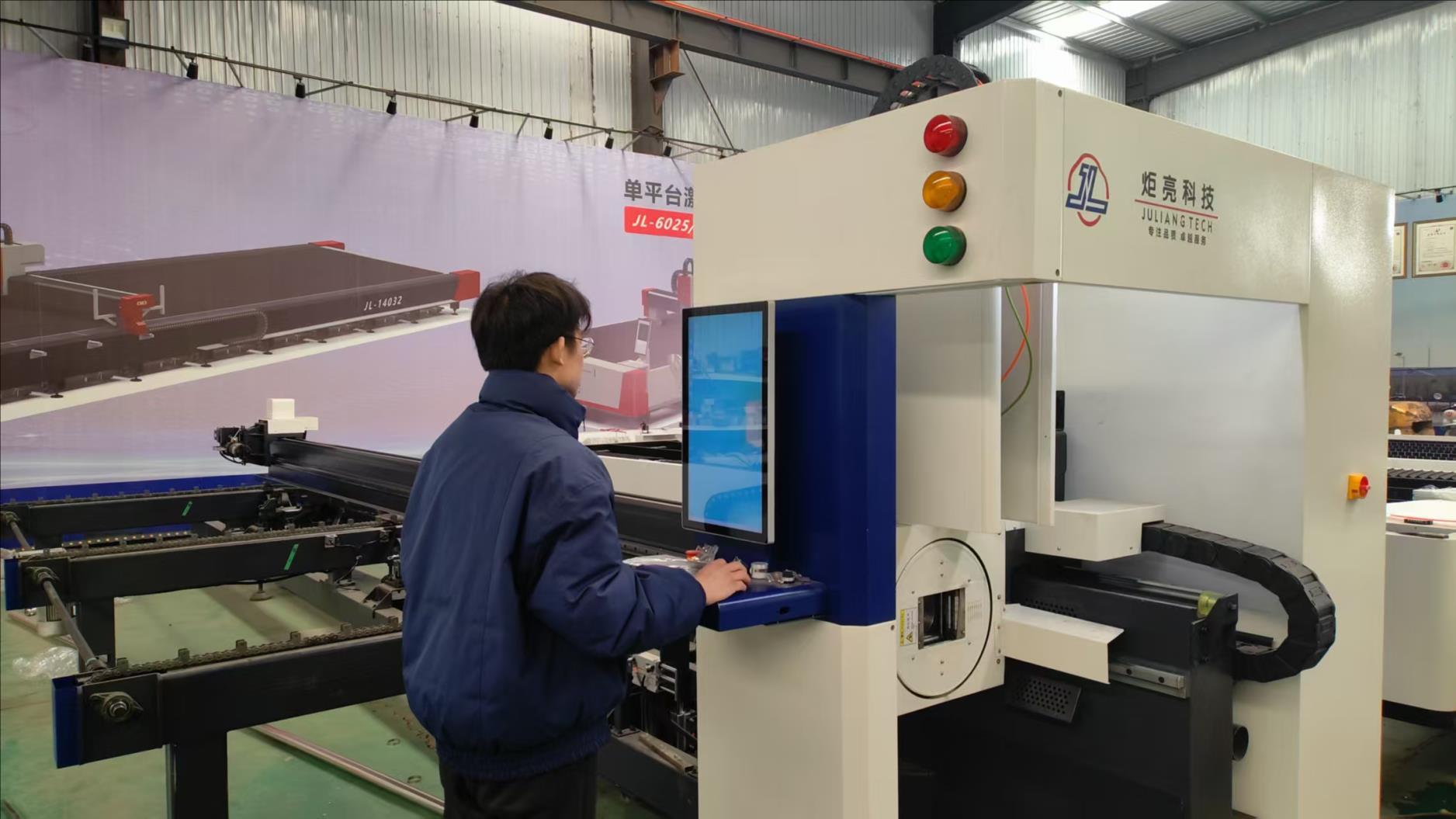
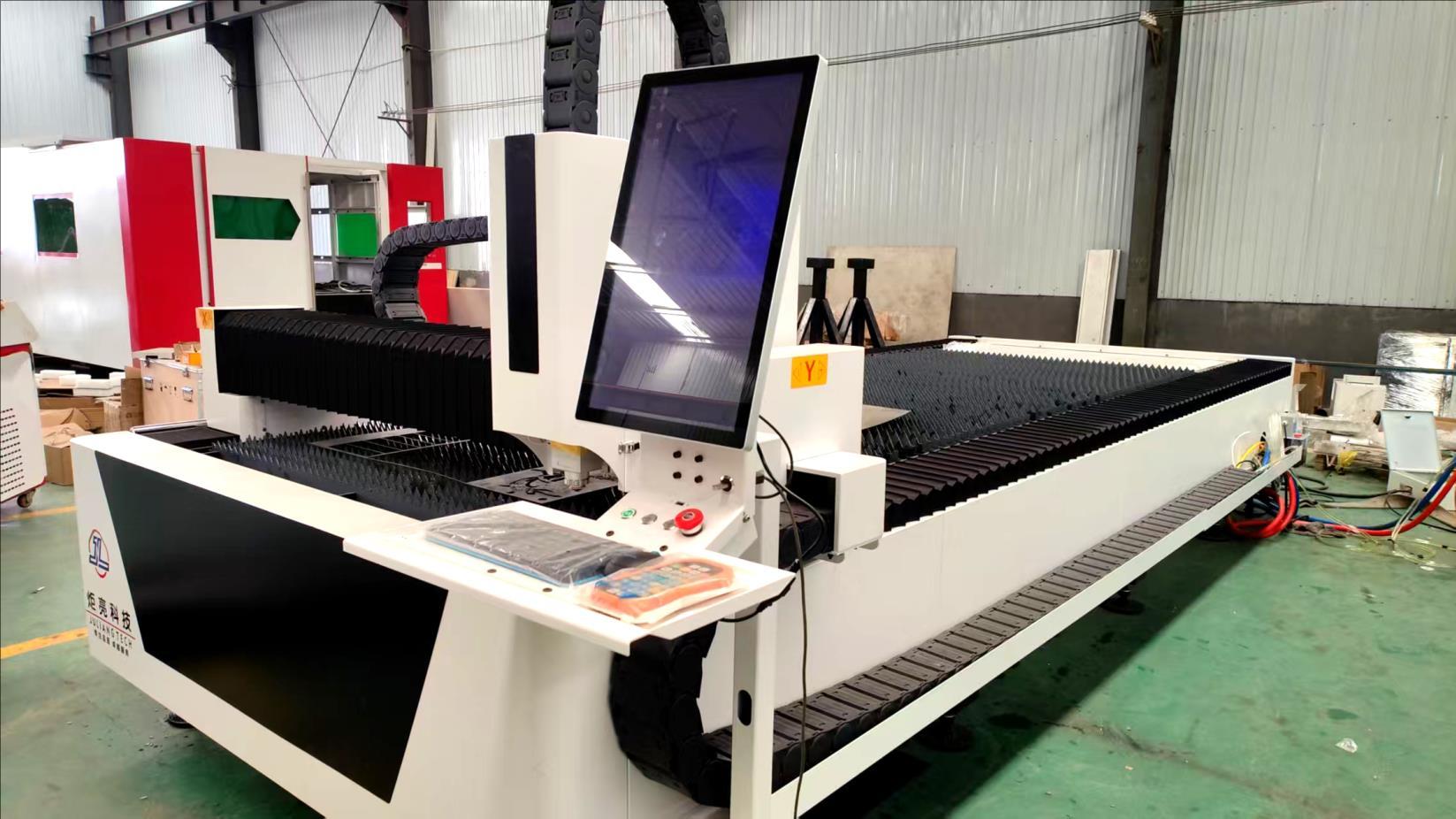
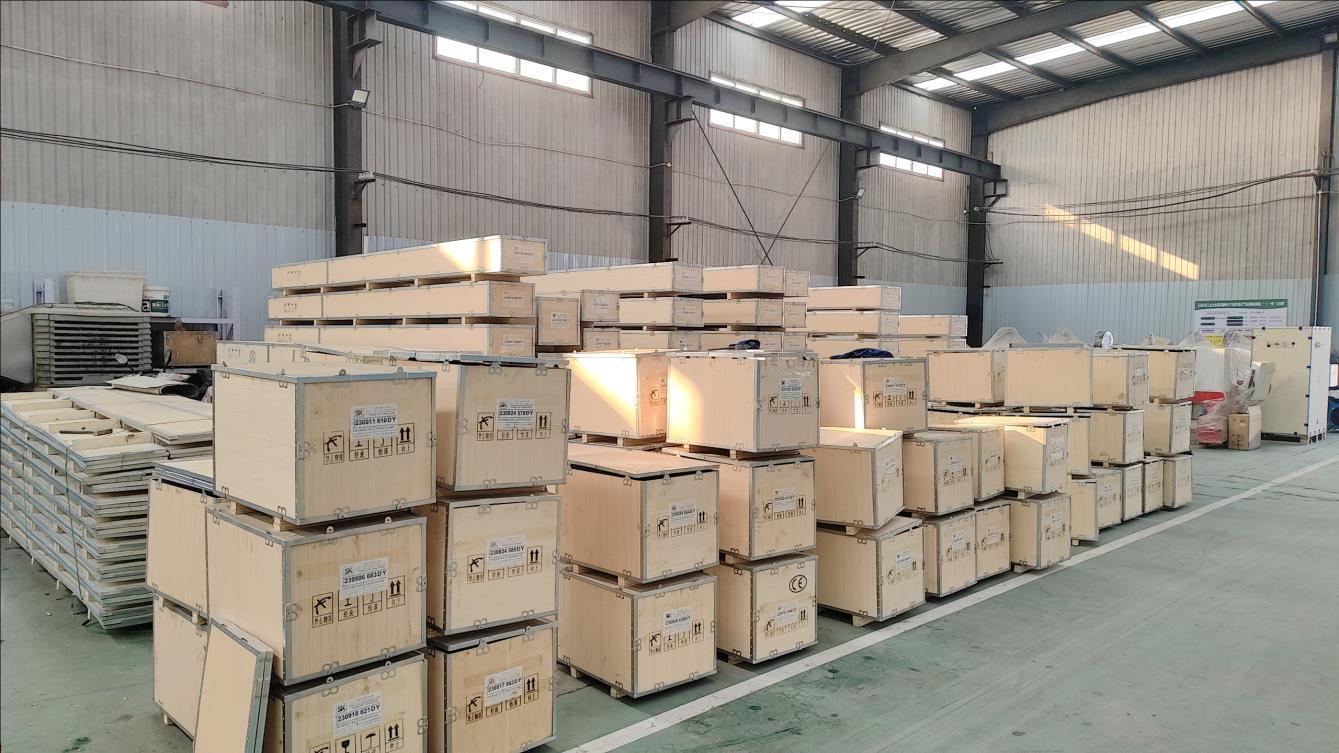
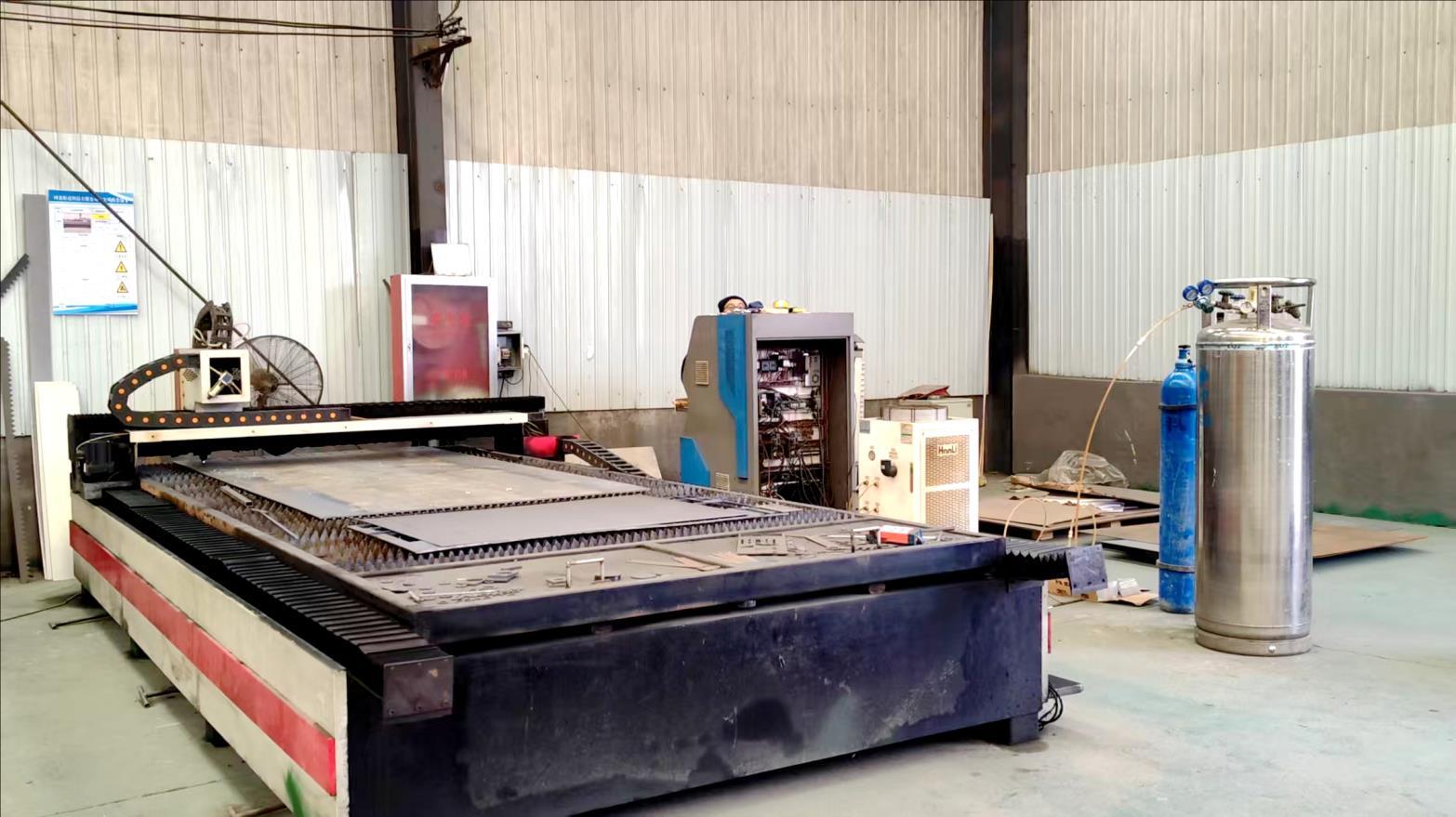
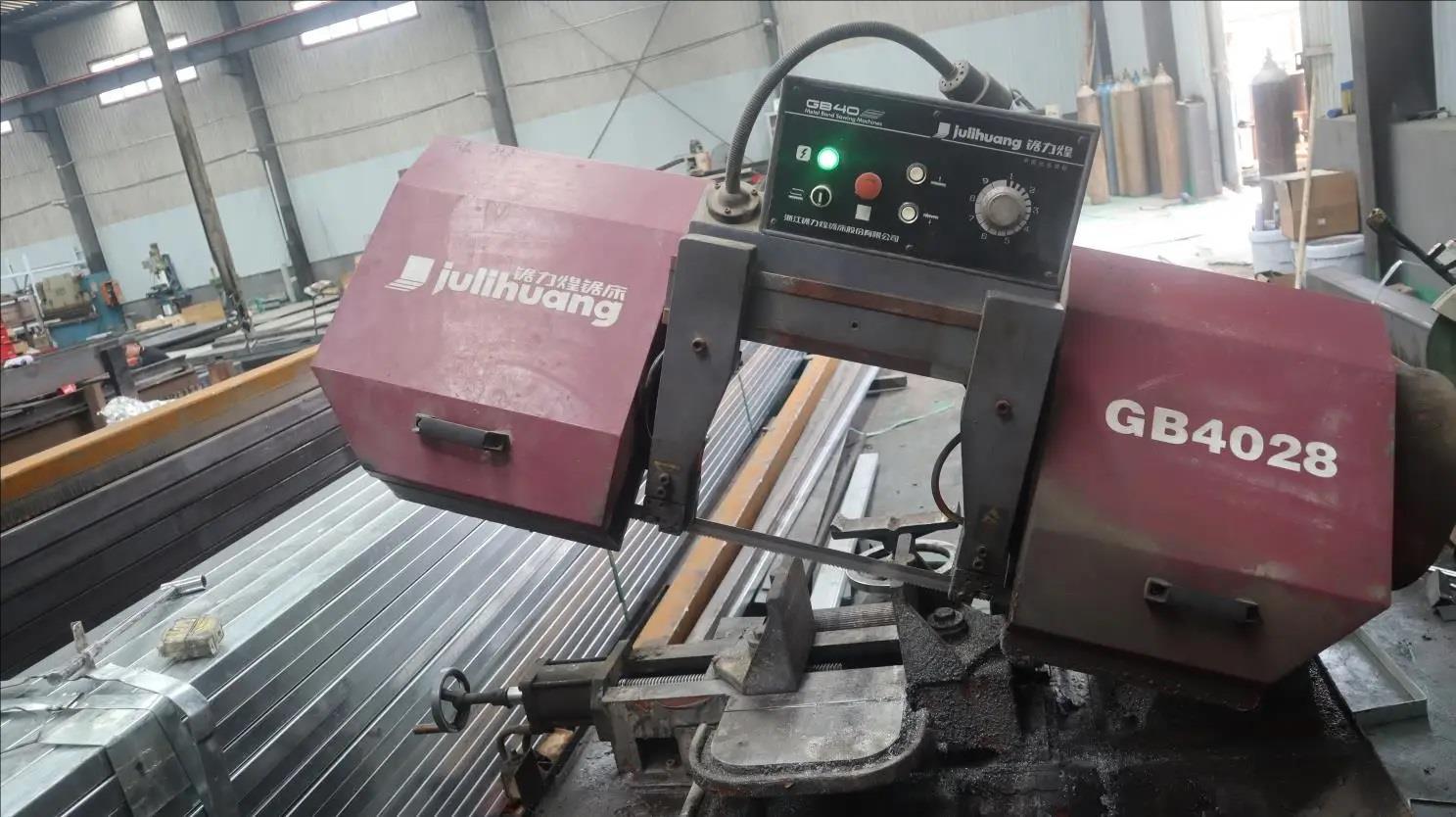
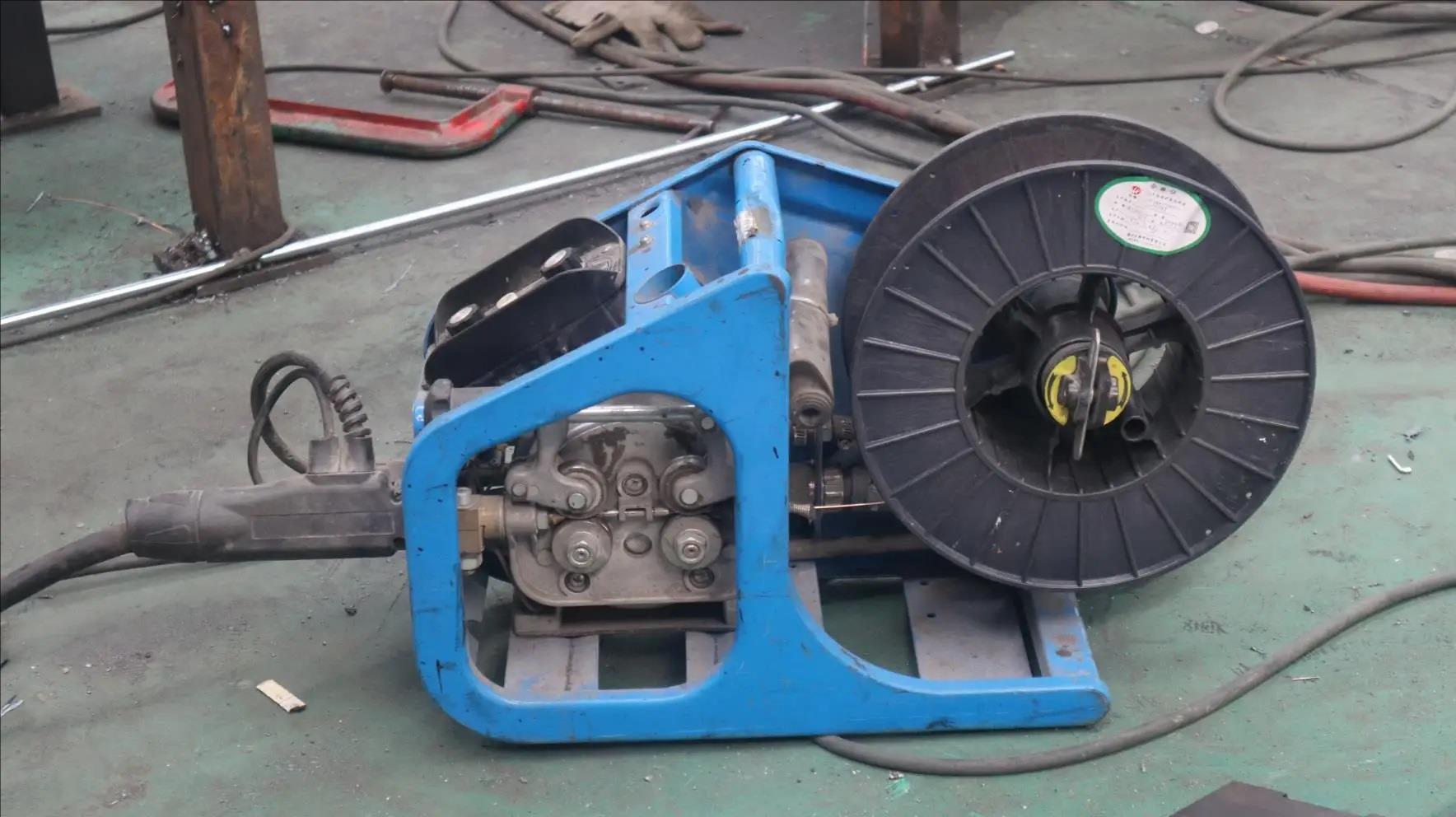
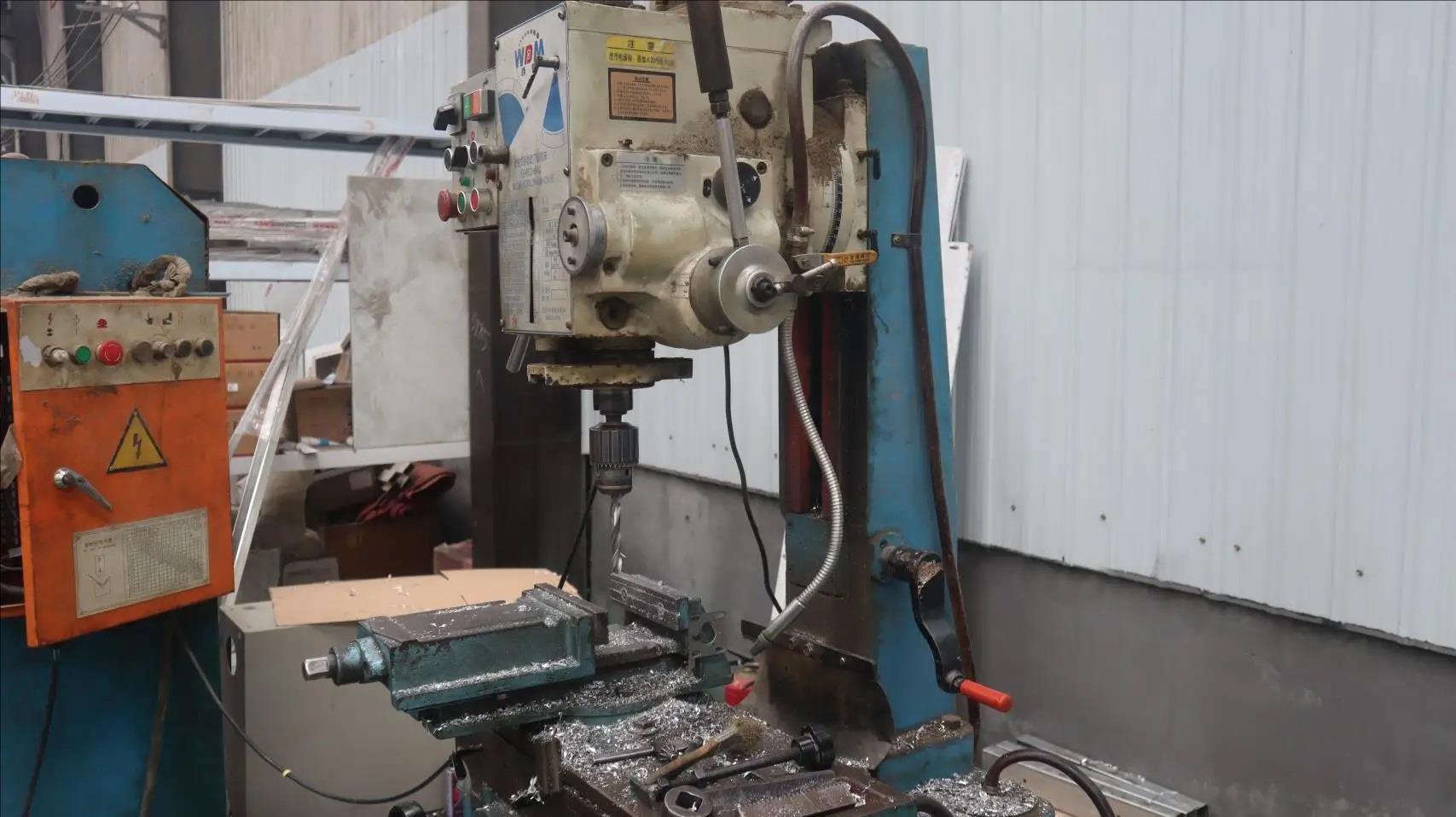
To enter international supply chains, manufacturers must adhere strictly to established certification programs. At DentFix, our products are engineered and produced under strict compliance with ISO 9001:2015 Quality Management Systems and European CE standards. Every manufacturing batch is traceable back to the raw material melt certification, and dimensions are verified using optical tool presetters and non-contact 3D measuring systems.
Environmental standards such as RoHS and REACH are closely observed in our manufacturing processes. Moreover, our team participates in custom OEM tooling development, offering design engineering and verification to meet specific regional specifications in North America and Europe.
Looking ahead, cutting tool manufacturing is moving towards digitizing tool geometry (under standard ISO 13399 format) to support automated CAM generation and real-time wear monitoring. This transition is essential for smart factory and lights-out manufacturing environments.
Furthermore, material scientists at DentFix are investigating PCD (Polycrystalline Diamond) and CBN (Cubic Boron Nitride) tip technologies for ultra-high-speed finishing processes on superalloys. By combining these advanced materials with intelligent tool geometries, we aim to help global manufacturing partners reduce cycle times, eliminate coolant requirements, and achieve sustainable production.
Answers to common questions regarding tool selection, coating technologies, and parameter optimization.
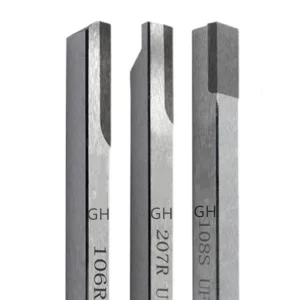
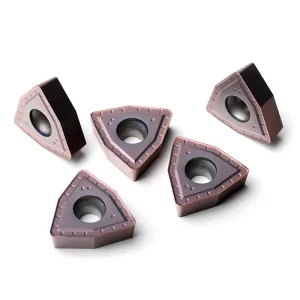
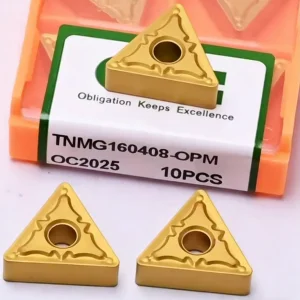
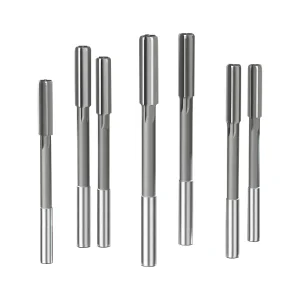
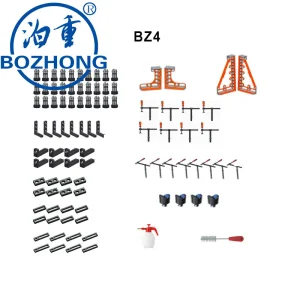
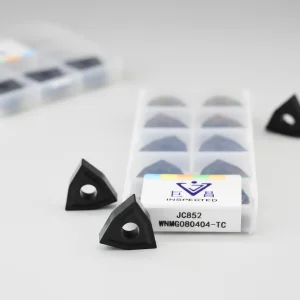
 DentFix Tool