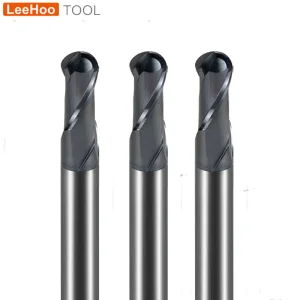
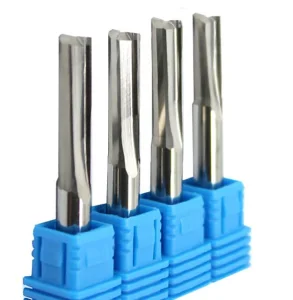
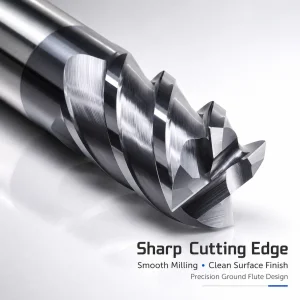
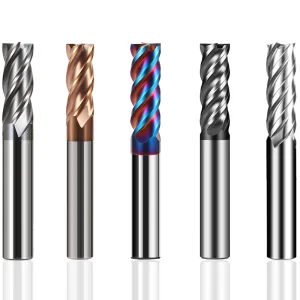
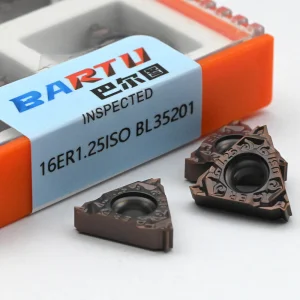
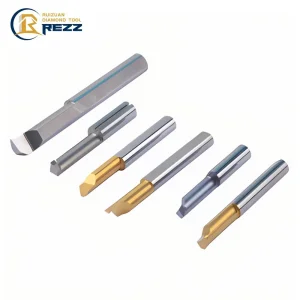
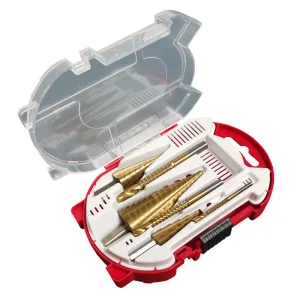
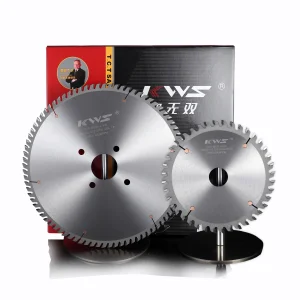
The global metalworking tools sector is undergoing a profound paradigm shift driven by technological transitions in aerospace, automotive engineering, electric vehicles (EV), and high-precision medical machinery. As heavy industries move away from soft metals to ultra-hard materials, including nickel-based superalloys, titanium, and heat-resistant stainless steel, the demands placed upon cutting tools have changed. Modern factories no longer view tooling as a generic commodity but as a key driver of cycle-time optimization and overall operational efficiency.
Historically, tool failure was managed simply by replacing the cutter. Today, high-velocity CNC milling centers run lights-out operations where unexpected tool failure results in expensive downtime and scrapped components. High-precision manufacturing demands tools that possess a balanced combination of toughness, red-hardness, and resistance to chemical wear. This necessity has pushed tungsten carbide substrates to the forefront. These substrates, optimized with specific grain sizes and cobalt ratios, perform reliably even under the extreme pressures and high temperatures of modern cutting operations.
Moreover, the integration of advanced coating technologies, such as physical vapor deposition (PVD) and chemical vapor deposition (CVD), has redefined what is possible on the shop floor. By applying micron-thin barrier layers of Titanium Aluminum Nitride (TiAlN) or Aluminum Chromium Silicon Nitride (AlCrSiN), tool manufacturers can protect the underlying carbide core from thermal shock and abrasive wear. This extends tool life and enables high-speed, dry machining, supporting cleaner, more cost-efficient factory environments.
Zhejiang DentFix Tool Co., Ltd. stands as a professional manufacturer specializing in the research, development, production, and global distribution of precision CNC cutting tools and carbide solutions. Over years of development, we have aligned our production facilities with international standards, serving as a trusted supplier for demanding sectors including automotive drive systems, aerospace structural components, and high-precision mold and die fabrication.
Our competitive advantage lies in our integrated supply chain. From raw material sourcing to final quality inspection, every stage of production is controlled in-house. We source premium sub-micron and ultra-fine tungsten carbide rods, selecting materials that offer an optimal balance of hardness and fracture toughness. Our production lines feature multi-axis CNC grinding centers, high-precision tool analyzers, and automated coating plants. This advanced setup allows us to manufacture tooling solutions with tight dimensional tolerances and consistent geometries, ensuring reliable performance across large production batches.
Our engineering department focuses on continuous development. We study tool geometry, optimization of chip flutes, and variable helix angles to minimize vibrations during high-feed milling operations. This R&D-driven approach helps our customers improve material removal rates (MRR) and achieve superior surface finishes, reducing the need for secondary polishing stages.
We work closely with global industrial partners, developing custom geometries designed to address specific machining challenges. Whether you are cutting hardened tool steels, machining non-ferrous alloys, or processing composite panels, DentFix provides the technical support and product range to help optimize your manufacturing processes.
Using premium, fine-grained tungsten carbide alloys guarantees high wear resistance, preventing early chipping and maintaining structural integrity under high mechanical loads.
Multi-layered PVD coatings, including AlTiN and AlCrSiN, provide thermal insulation, reduce friction, and prevent material adhesion during high-temperature cutting operations.
Utilizing high-end optical measurement systems, we check every production batch to ensure runout tolerances remain below 0.005mm, keeping machining quality stable.
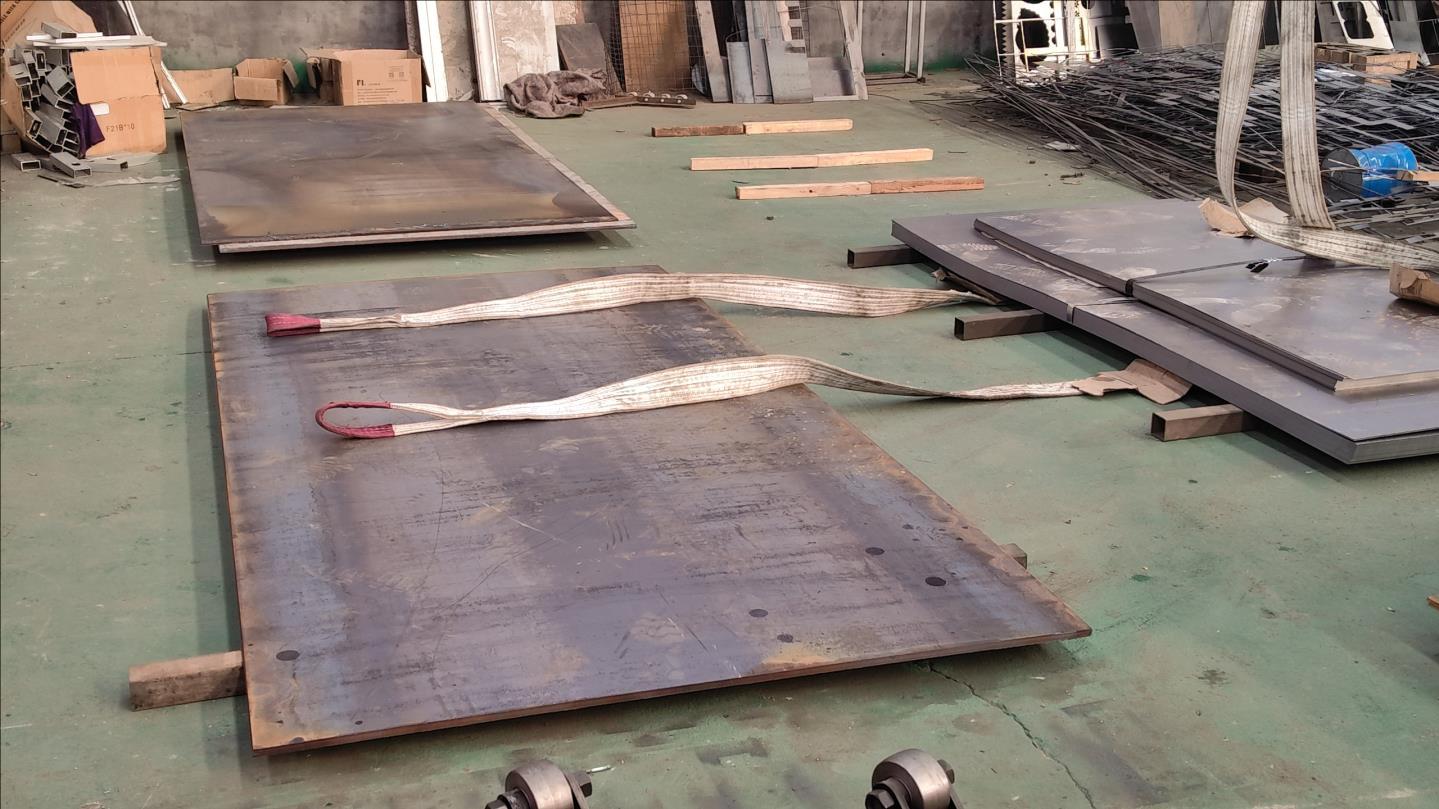
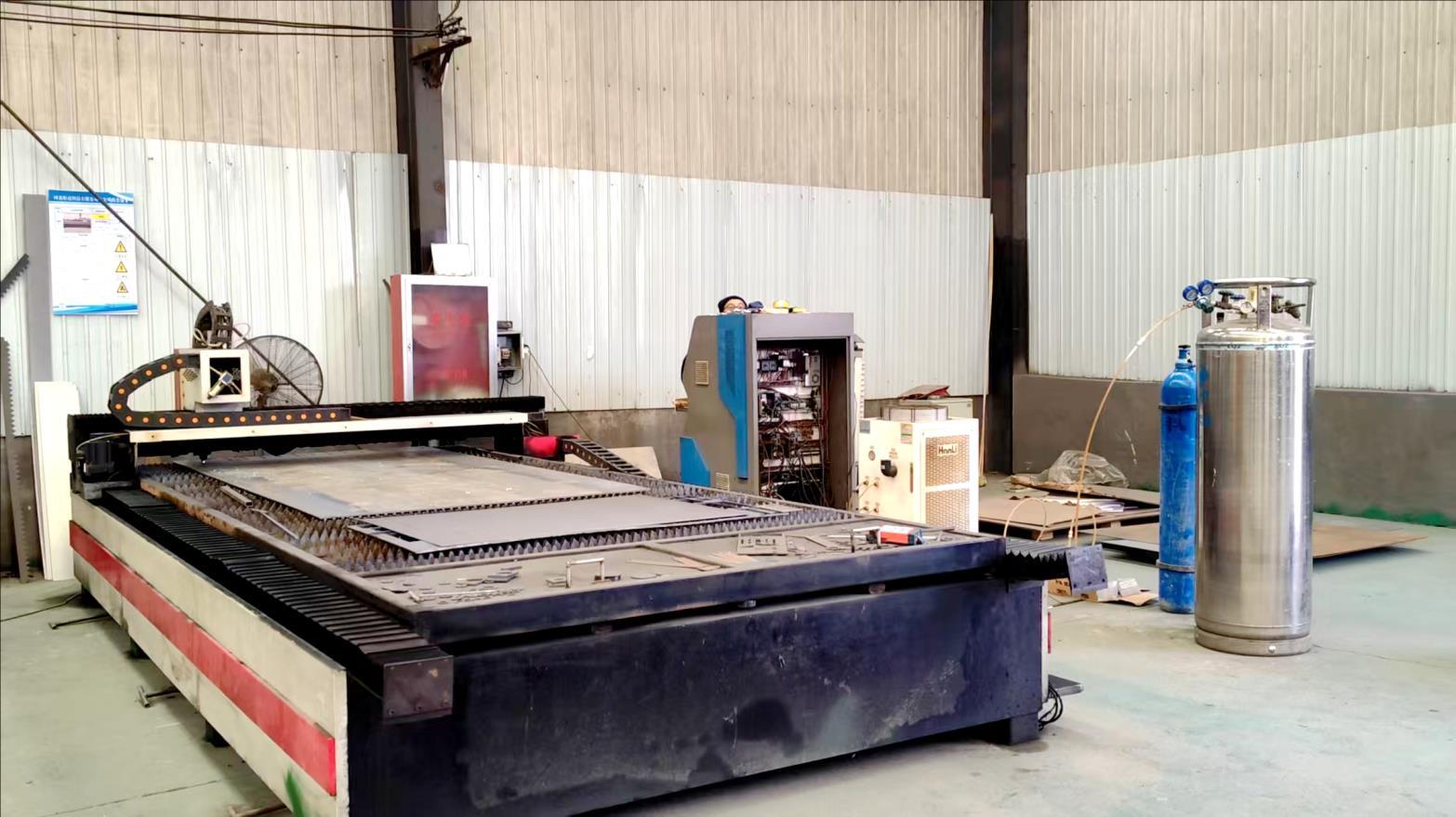
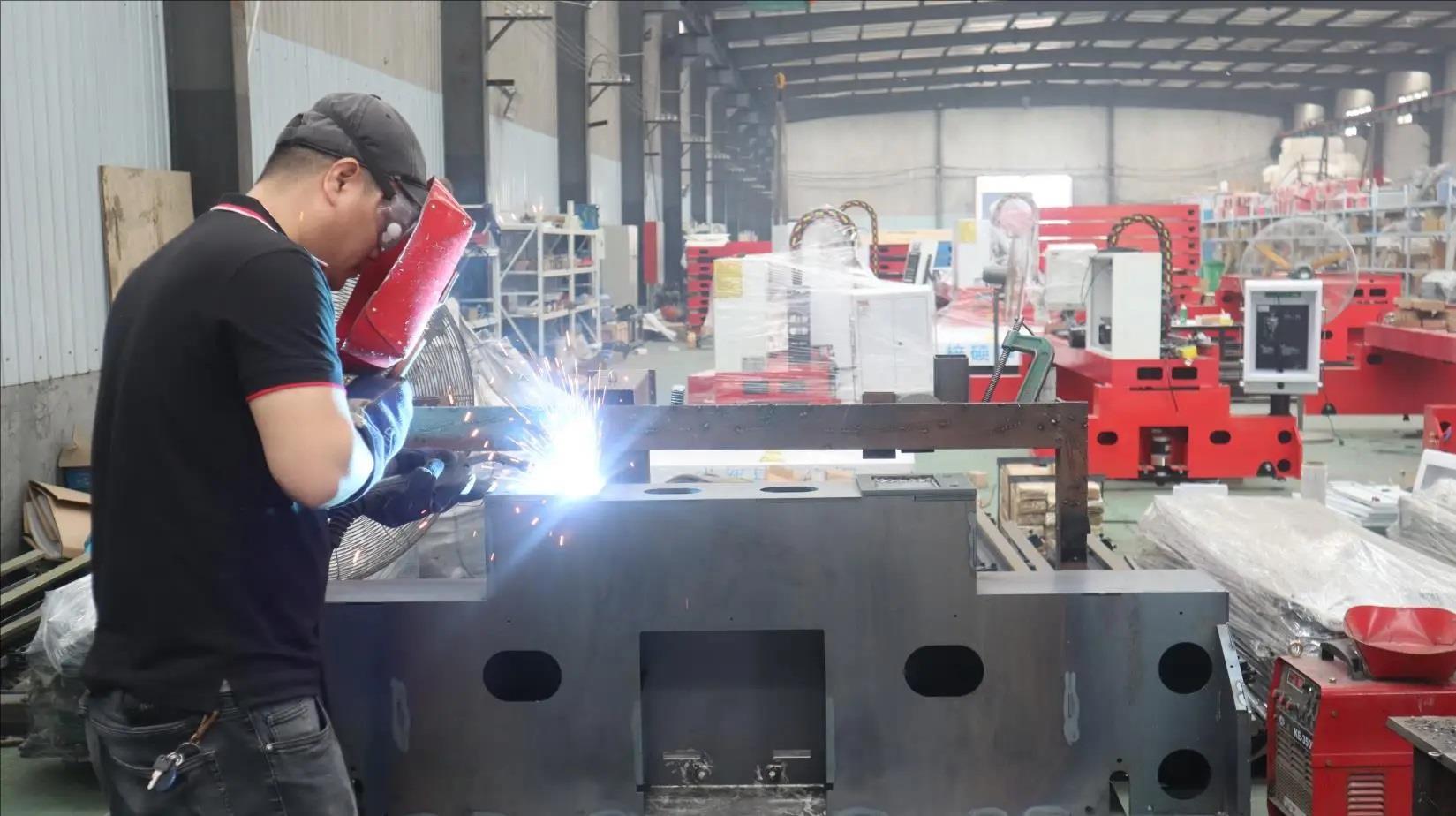
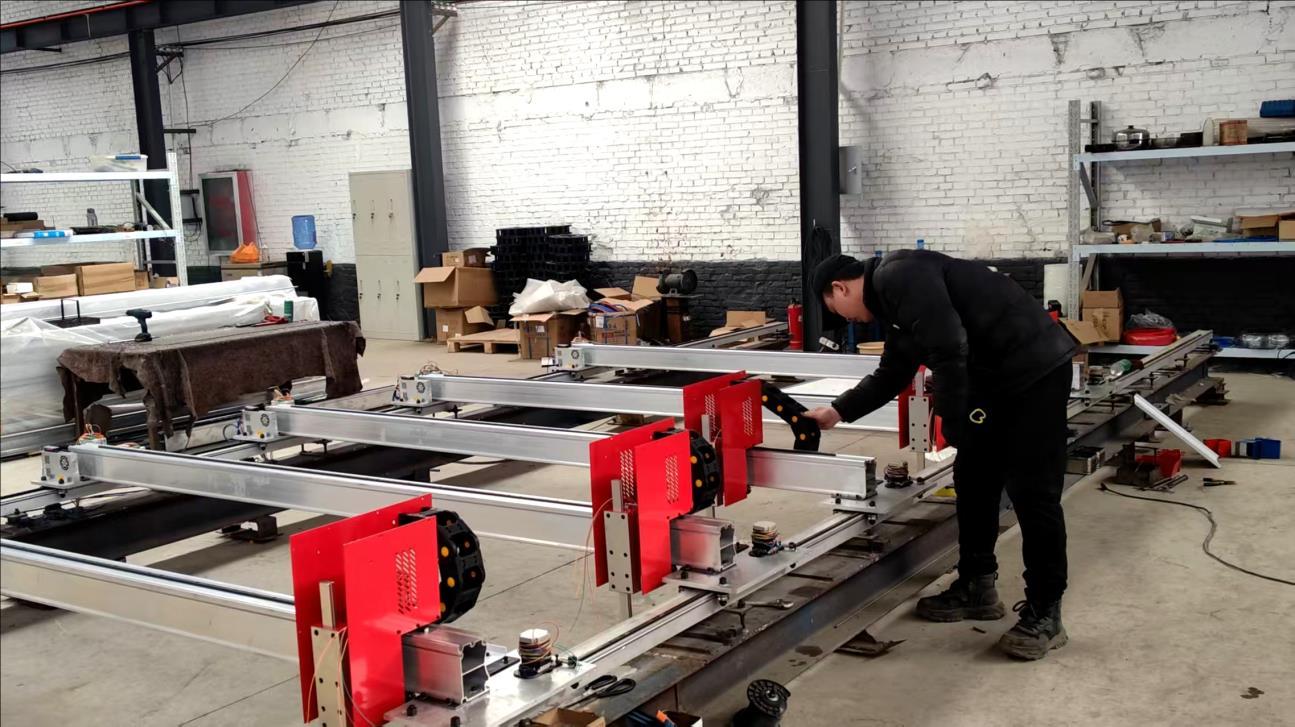
The production of precision metalworking tools requires a controlled and clean manufacturing environment. Below is a step-by-step look at our production process, from initial material preparation to final packaging and warehousing.
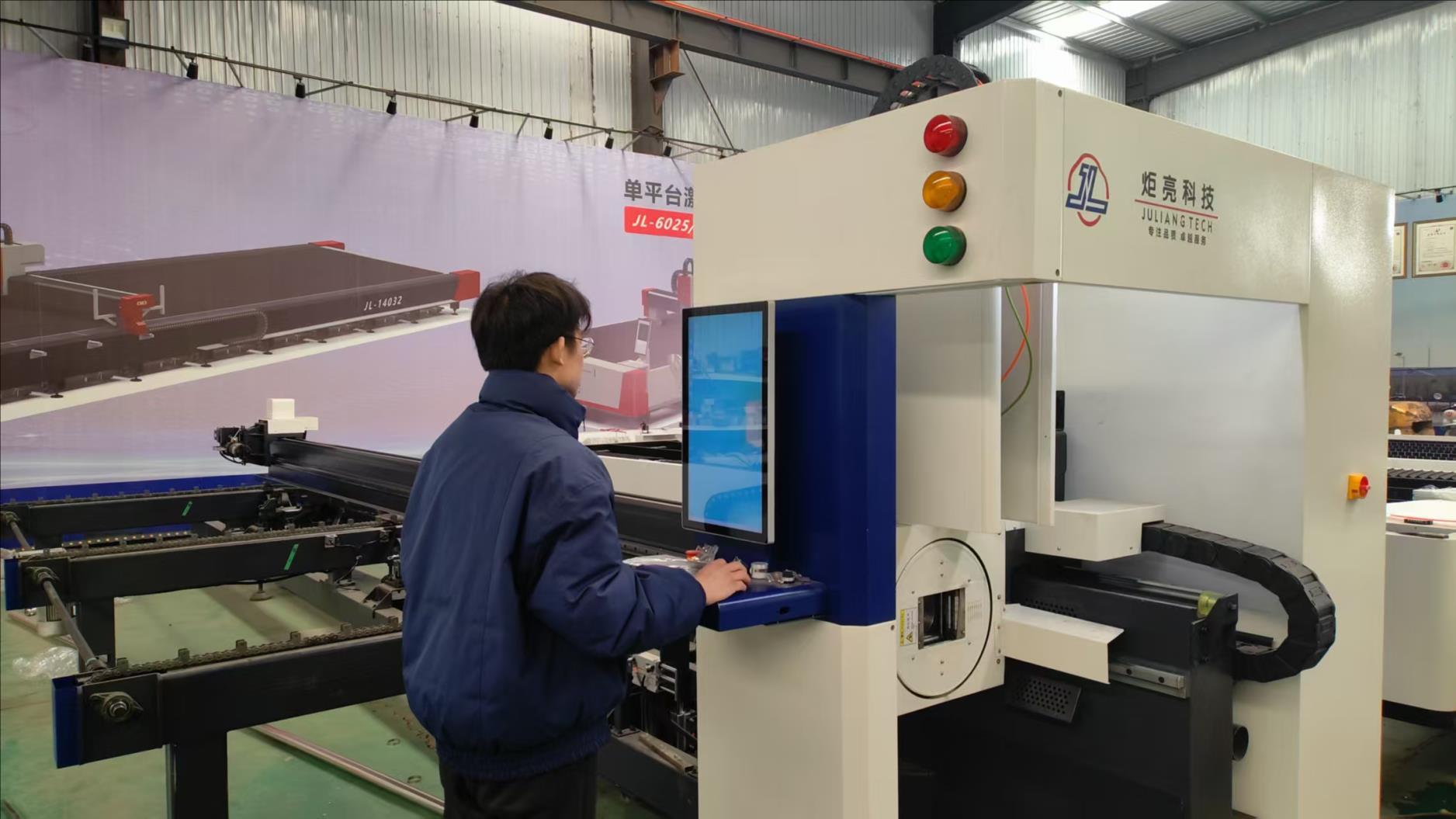
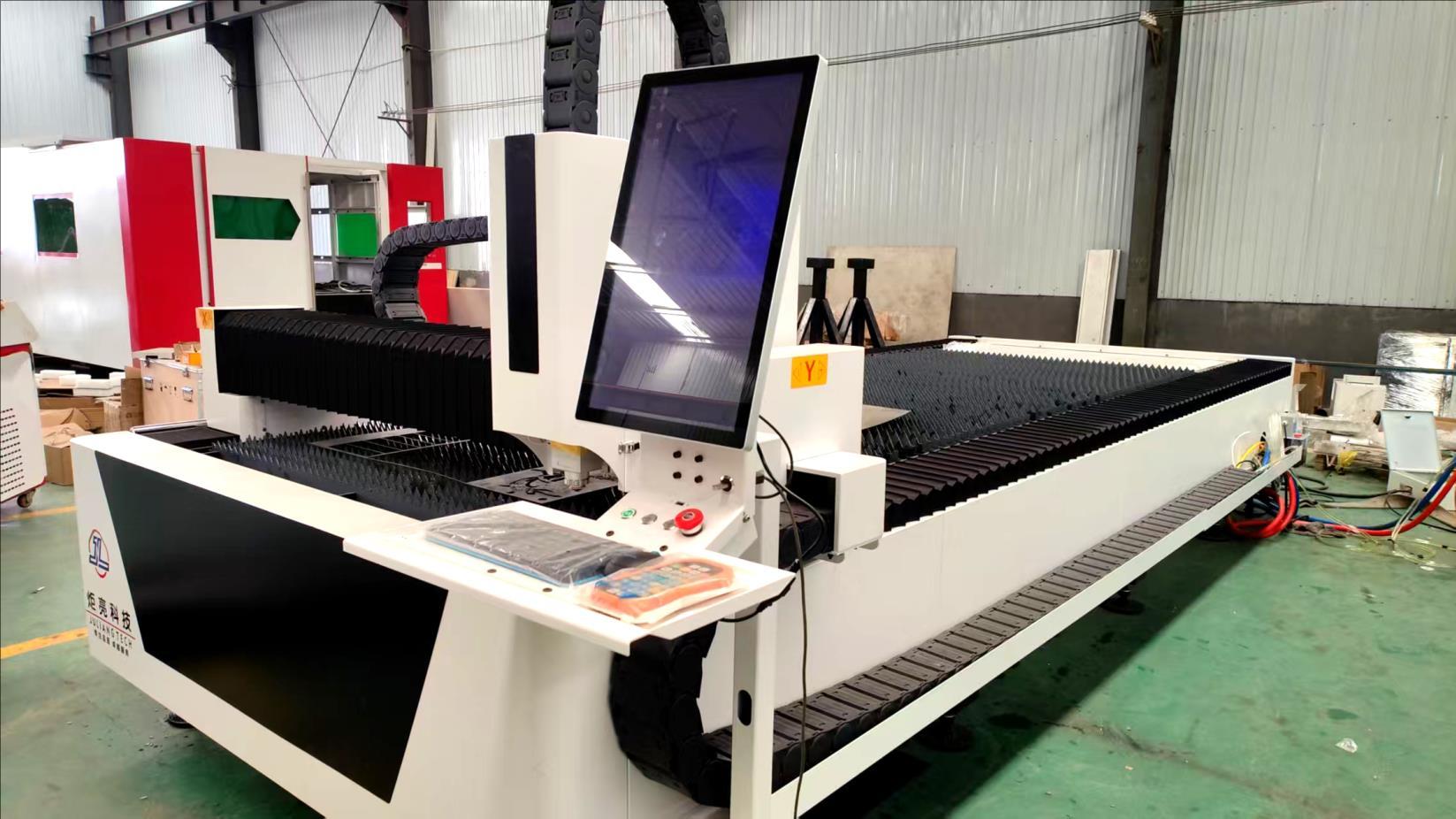
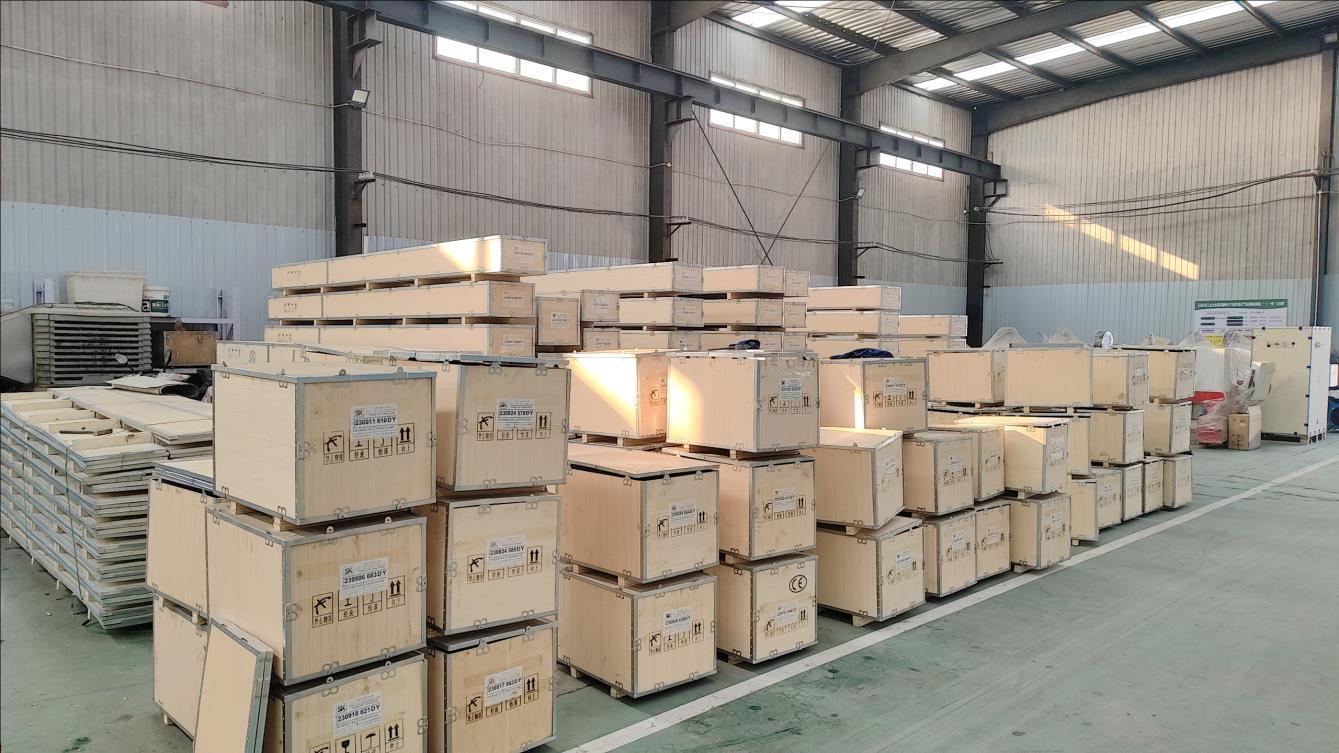
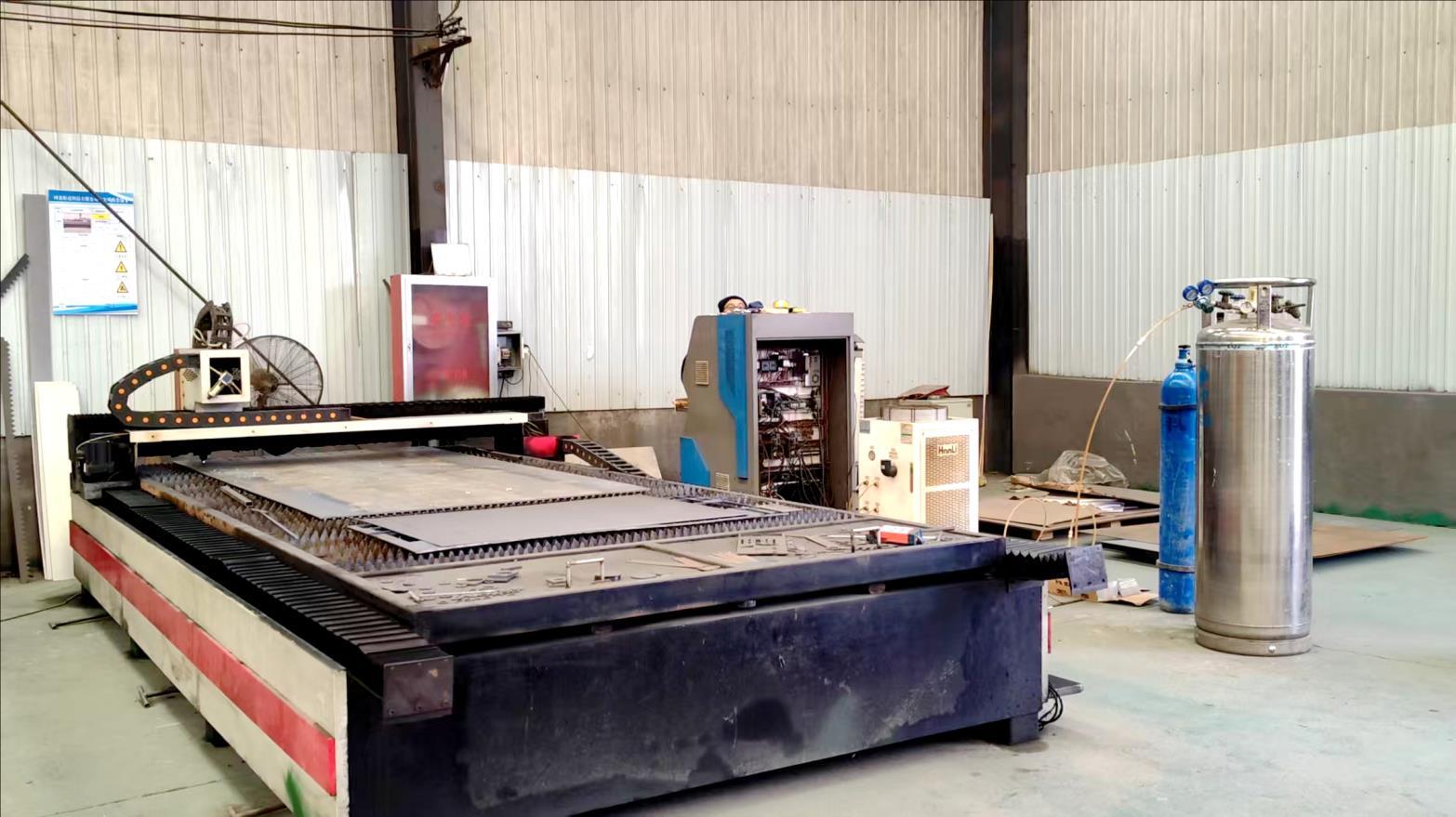
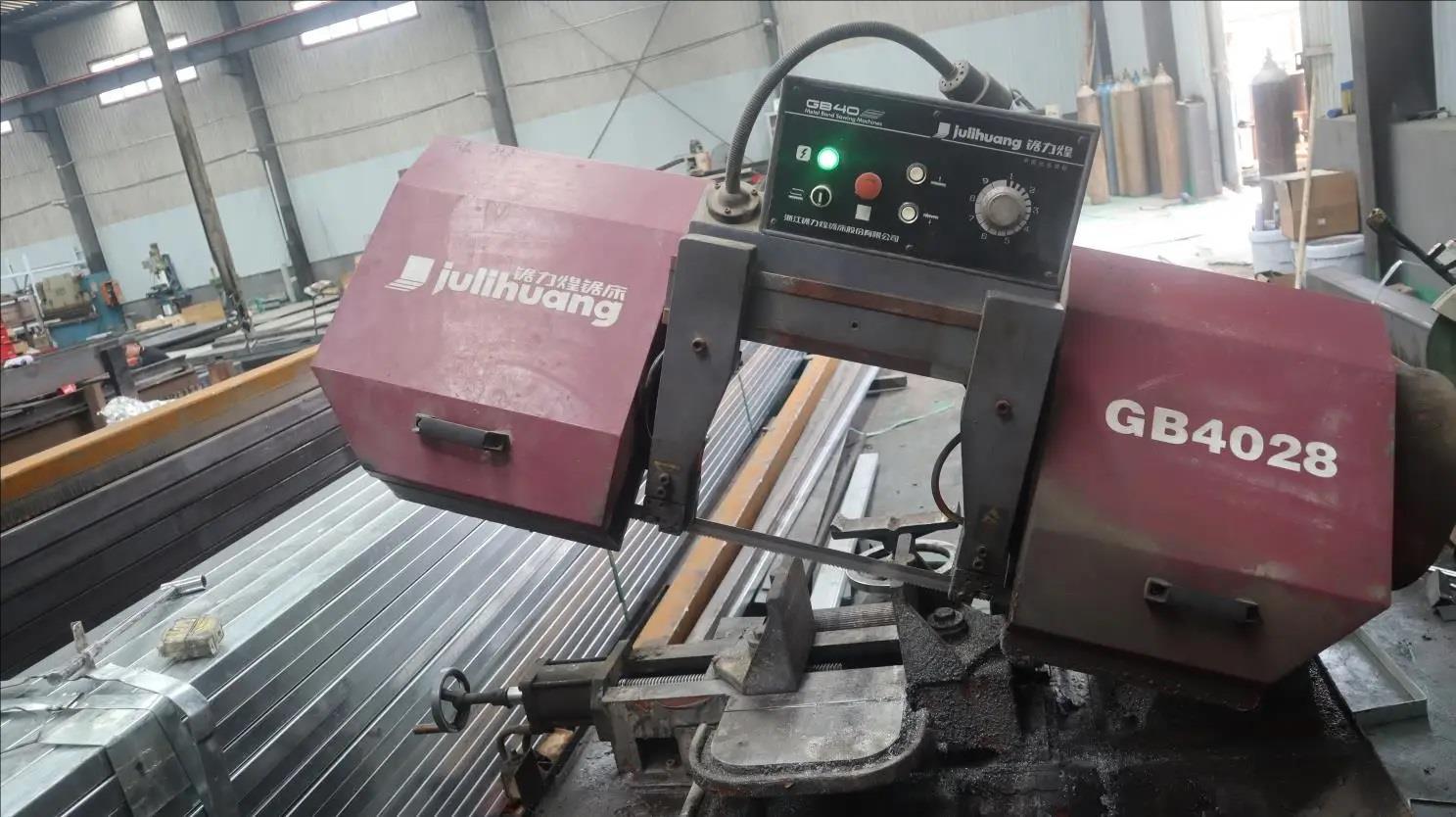
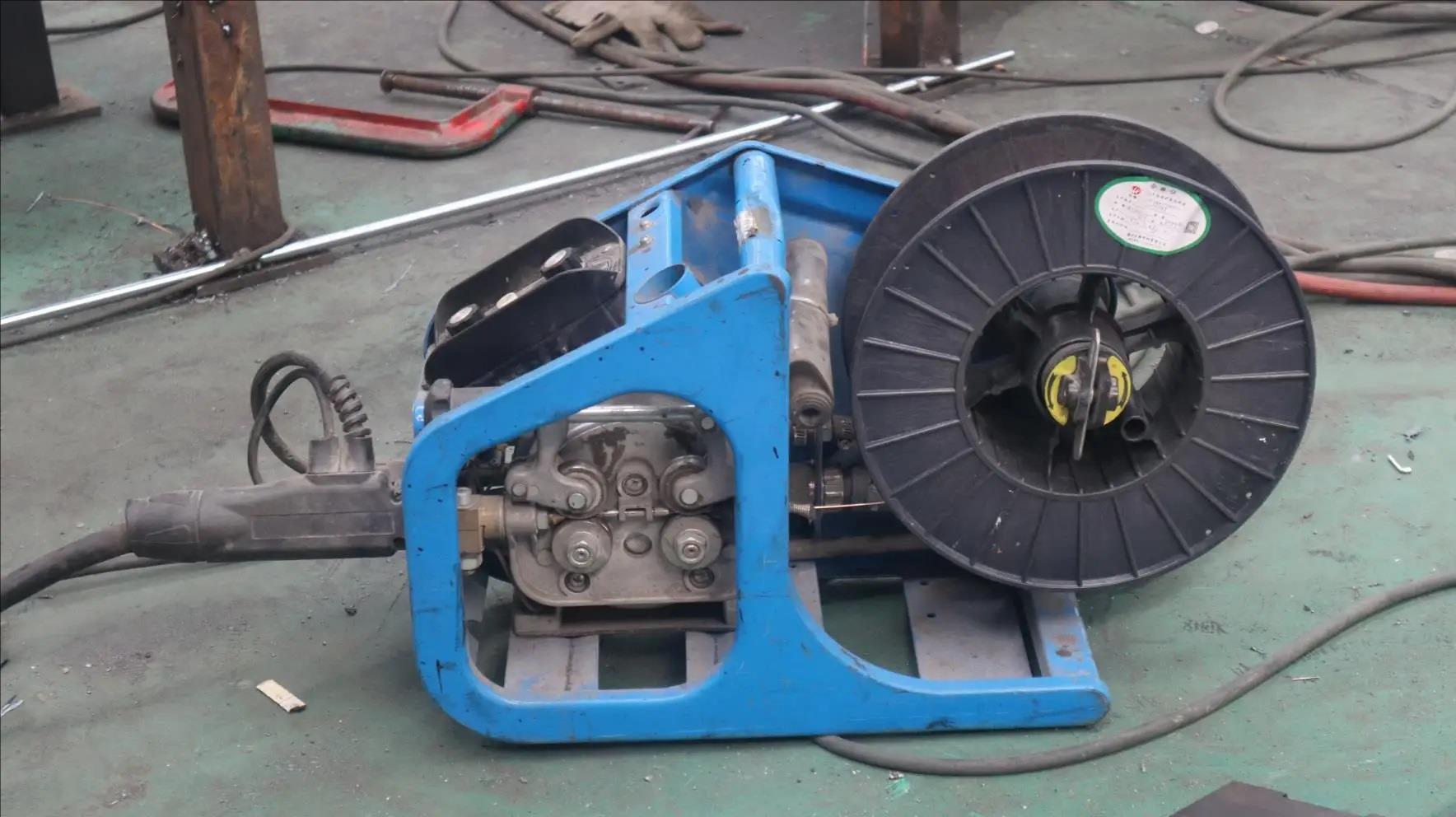
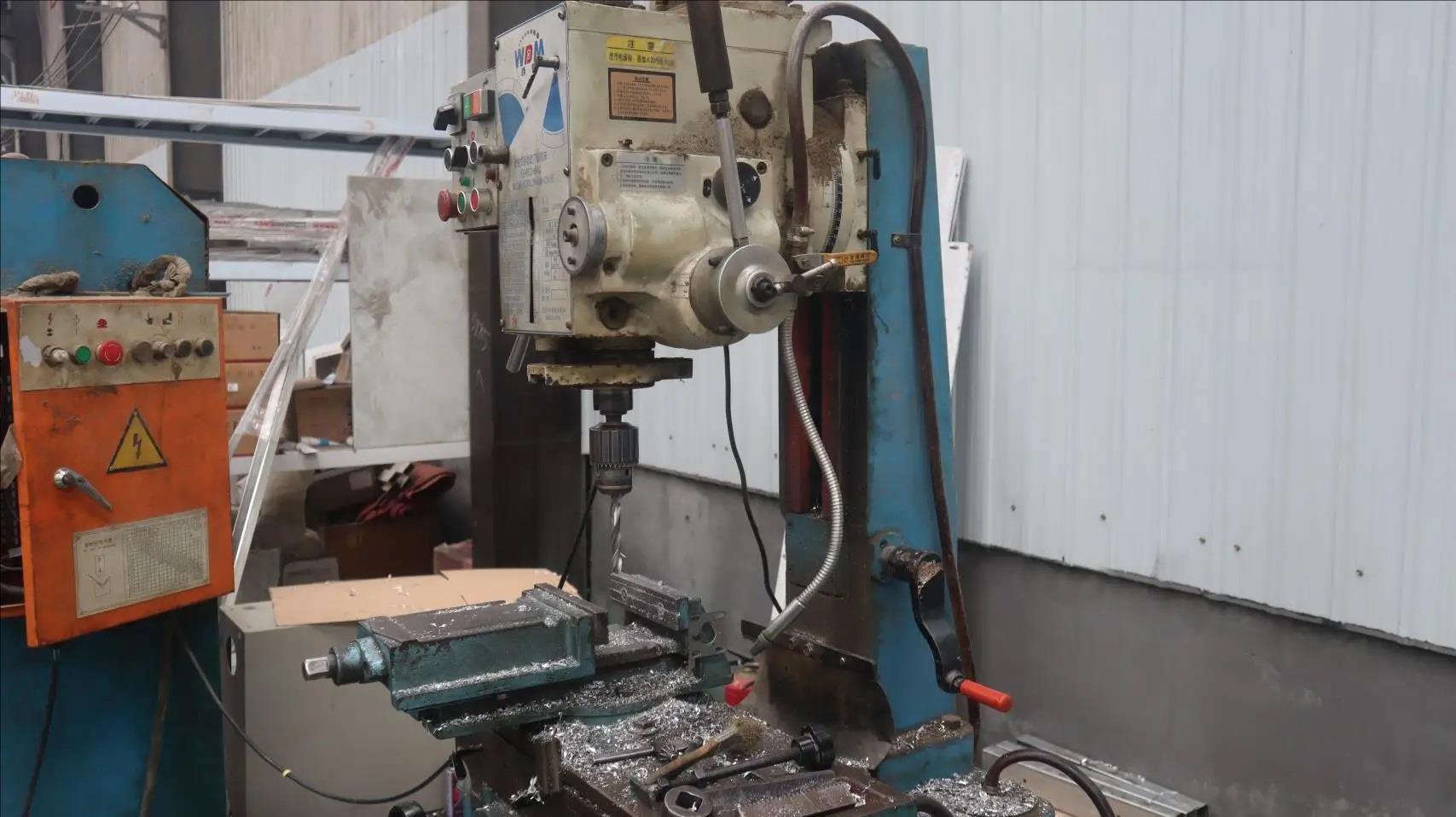
The manufacturing sector is increasingly adopting automation and digital integration, a transition often termed Industry 4.0. In modern machine shops, this shift requires cutting tools that can operate reliably under varying conditions. The demand for tools that support real-time monitoring and high-speed data capture is growing, prompting manufacturers to design tool geometry with narrow tolerances to prevent balancing issues at high spindle speeds.
Another major trend is the adoption of Minimum Quantity Lubrication (MQL) and dry machining techniques. Driven by environmental regulations and the costs associated with buying, maintaining, and disposing of coolant, many shops are reducing their reliance on traditional flood coolant. Dry cutting, however, exposes the tool edge to severe thermal stress. To perform well without coolant, tools require coatings with high oxidation temperatures and low thermal conductivity, such as AlCrSiN. These coatings form a protective layer that insulates the carbide core from heat, allowing the tool to function effectively at elevated temperatures.
Additionally, the increasing use of pre-hardened and fully hardened steels (ranging from HRC50 to HRC68) in mold and die production has changed tooling requirements. Rather than annealing components prior to machining and hardening them afterward, manufacturers prefer to mill the hardened steel directly. This direct-hardening approach shortens processing times but places high stress on the tool's cutting edge. Doing this successfully requires tools with optimized negative rake angles and durable edge preparations, which help prevent chipping and extend tool life under heavy loads.
For procurement officers, buying cutting tools involves evaluating the total cost of ownership (TCO) rather than just the initial price. The real value of a tool is determined by its longevity, its consistency across batches, and its impact on reducing scrap rates. Purchasing lower-priced tools can often lead to higher overall costs if they fail unexpectedly, requiring frequent tool changes and stopping production lines.
China's tooling manufacturing sector offers a balanced combination of cost-efficiency and technical capability. By centering our production in Zhejiang, DentFix benefits from a mature industrial ecosystem. This location provides access to raw materials, specialized heat treatment services, and high-volume logistics hubs. This infrastructure allows us to optimize manufacturing costs while maintaining strict control over quality, offering high-performance tools at competitive price points.
Furthermore, our ability to customize tools to meet specific customer requirements helps us serve as a strategic partner. Whether a client needs custom lengths, special shank shapes, or unique coating formulations, our production setups can adjust to accommodate specialized runs. This flexibility enables manufacturers to source tailored tooling solutions without the long lead times or high minimum order quantities typical of many traditional suppliers.
 DentFix Tool