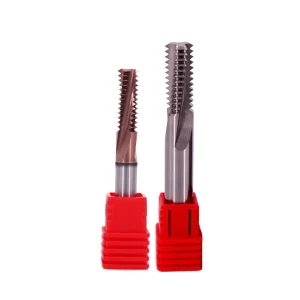
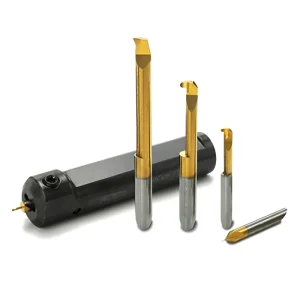
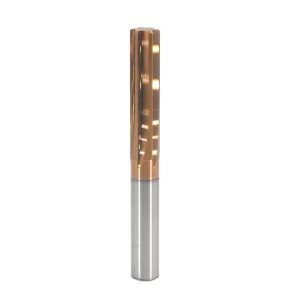
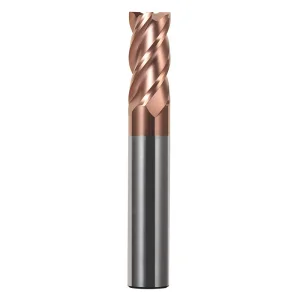
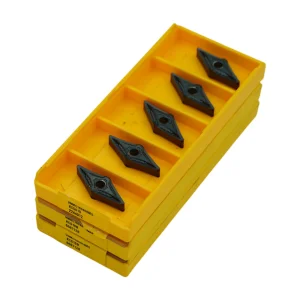
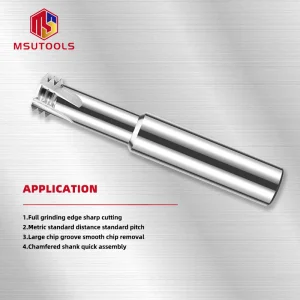
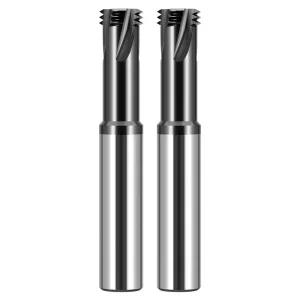
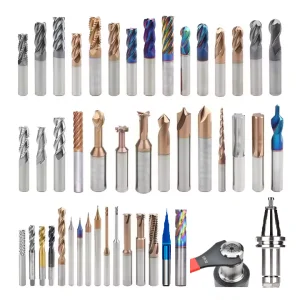
Explore our premium product portfolio designed for outstanding metal removal rates, structural stability, and surface integrity under extreme machining conditions.
Modern precision machining relies on cutting tools capable of maintaining mechanical integrity, wear resistance, and thermal stability at cutting edges under extreme stresses. Solid carbide tools have emerged as the standard for high-performance milling, drilling, and reaming across advanced sectors like aerospace, automotive, energy, and mold & die. Globally, industrial dynamics are shifting from standard cutting metrics to high-efficiency machining (HEM) and ultra-high-speed cutting (HSC). This transition demands tools with tighter dimensional tolerances, optimized geometries, and advanced coatings (e.g., AlTiN, TiAlN, nACo, Diamond-like Carbon).
Furthermore, regional industrial supply lines require tool manufacturers to balance high metallurgical quality with certified regulatory compliance. In European and American jurisdictions, strict adherence to CE certification and safety directives (such as the EN 847-1 safety standards for rotary tooling) governs industrial machinery components. Exporters of cutting tools must demonstrate systematic compliance, guaranteeing structural stability under rotational velocities exceeding 30,000 RPM.
Zhejiang DentFix Tool Co., Ltd. is a professional manufacturer specializing in the research, development, production, and global distribution of precision CNC cutting tools and carbide solutions. Since its establishment, the company has been committed to providing high-performance tooling products for the metalworking industry, serving customers across automotive, aerospace, mold & die, general engineering, energy, and precision manufacturing sectors.
Driven by continuous innovation and customer-focused development, DentFix has grown into a modern manufacturing enterprise that integrates R&D, intelligent production, quality control, sales, and technical support. The company has built a strong reputation for delivering reliable products, consistent quality, and professional services to customers in both domestic and international markets. With advanced manufacturing technologies, experienced engineering teams, and strict quality management systems, DentFix continuously improves its product performance and production efficiency.
DentFix has established a comprehensive manufacturing system supported by experienced engineers, skilled production personnel, and a professional sales and technical service team. Our engineering department focuses on the development of innovative cutting tool solutions that meet the evolving requirements of modern CNC machining.
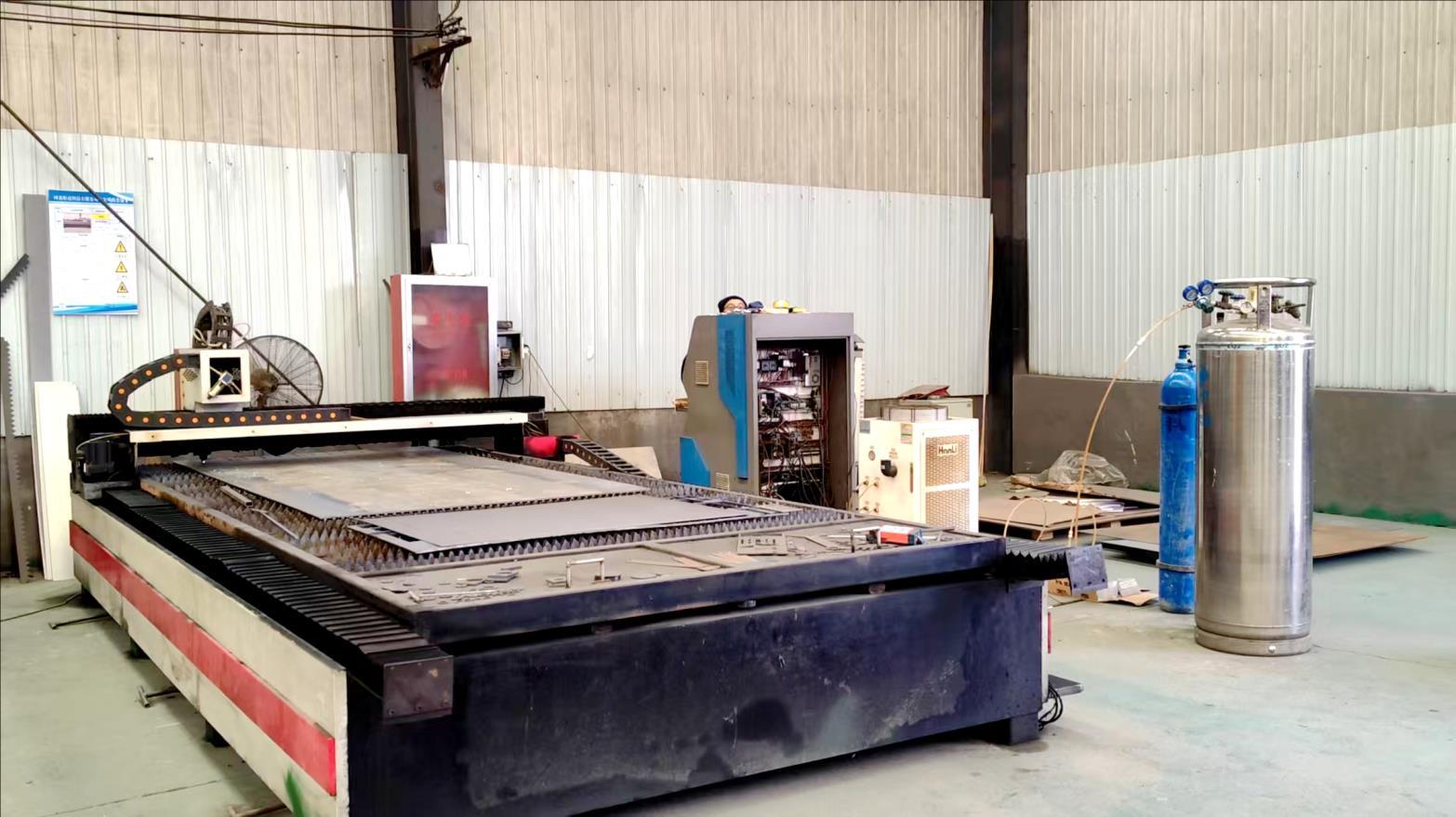
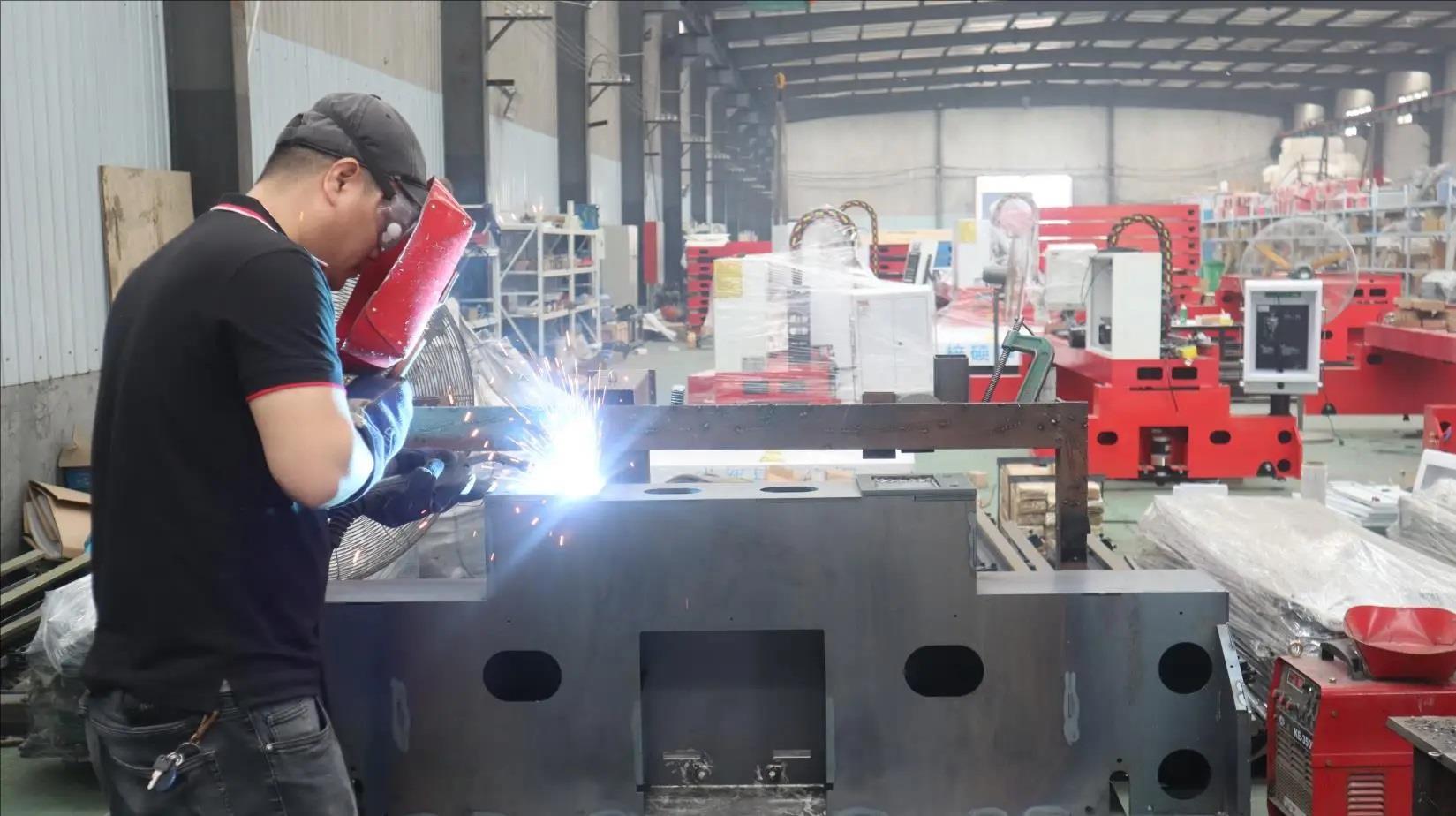
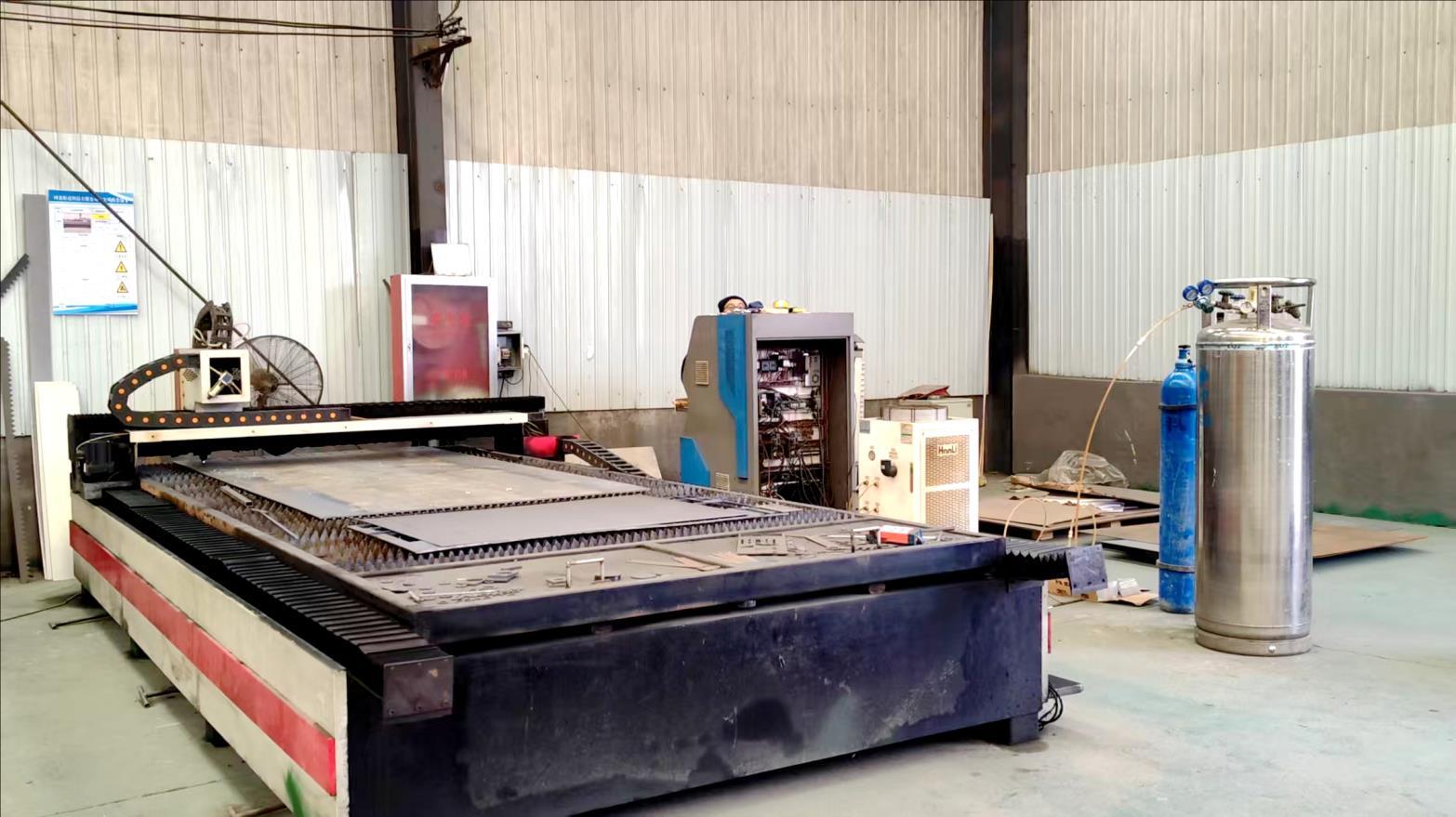
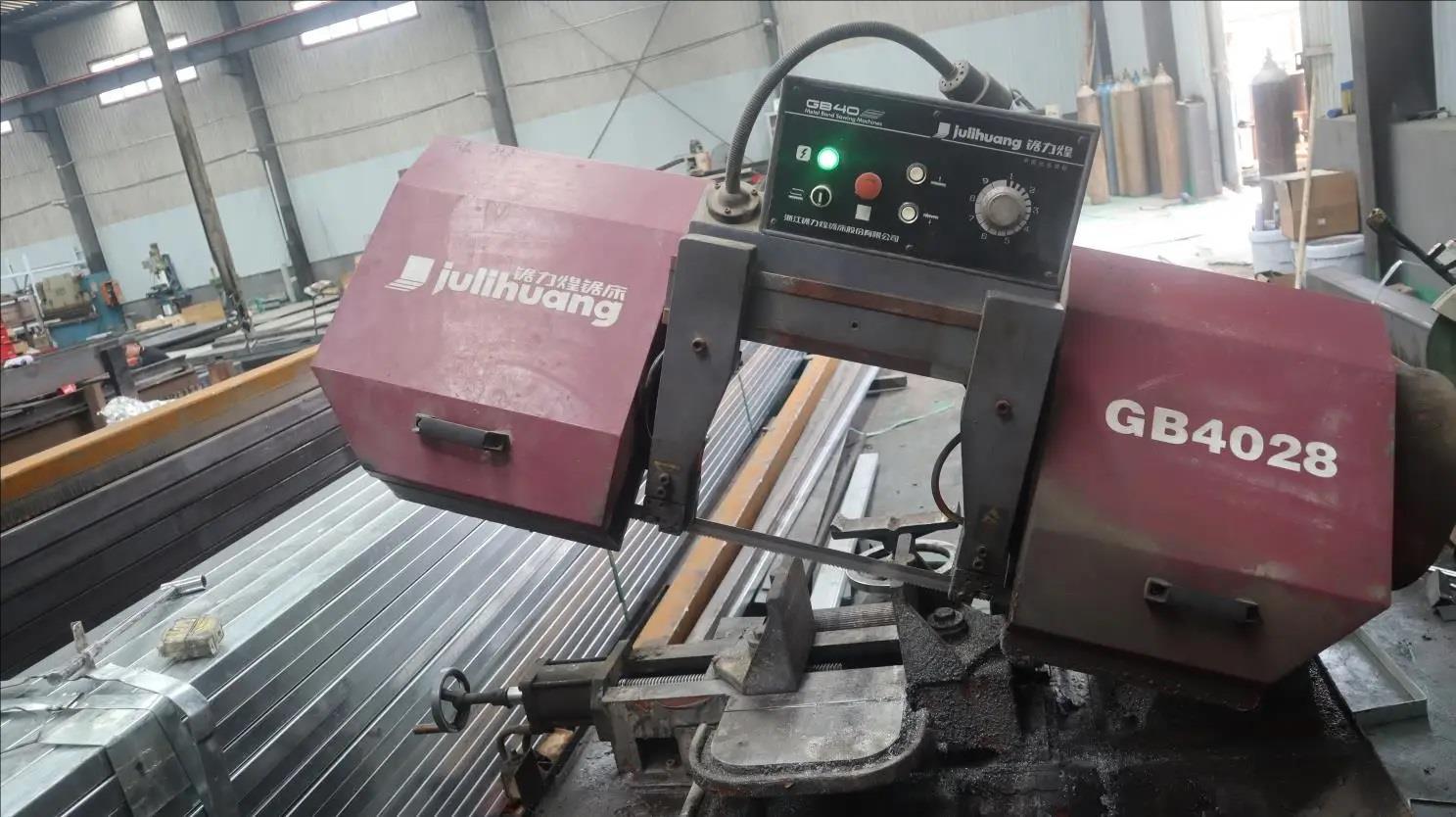
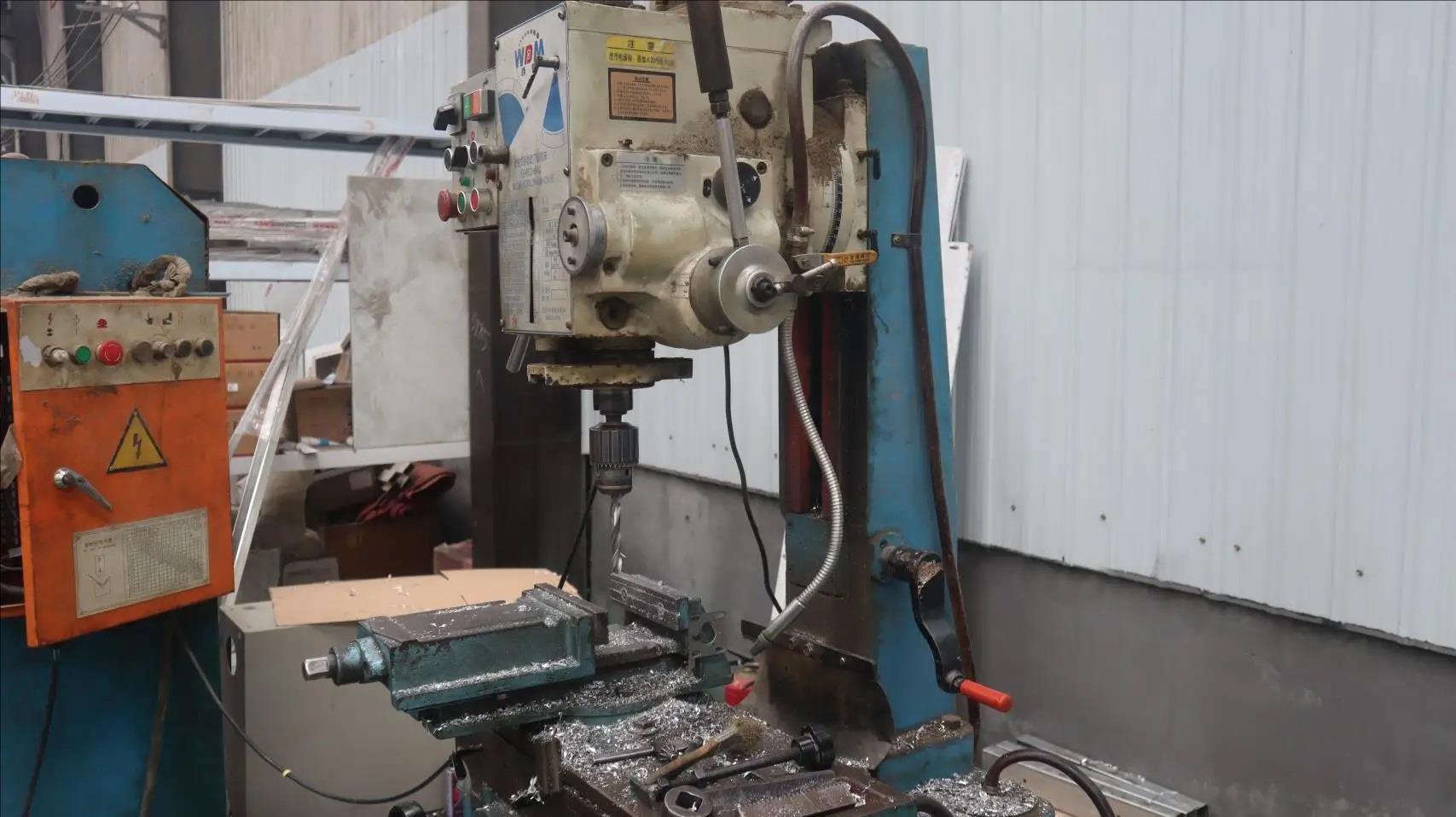
Our manufacturing facility is equipped with advanced CNC grinding machines, high-precision inspection equipment, automated production systems, and modern quality testing laboratories. Every product undergoes rigorous inspection throughout the manufacturing process to ensure exceptional dimensional accuracy, durability, and stable machining performance.
Innovation remains at the core of our business. DentFix continuously invests in new materials, coating technologies, and precision manufacturing processes to develop cutting tools with higher wear resistance, improved machining efficiency, and longer service life. Guided by the principles of Quality First, Innovation, Reliability, and Customer Satisfaction, Zhejiang DentFix Tool Co., Ltd. is committed to building long-term partnerships with customers worldwide. We look forward to providing professional tooling solutions that help manufacturers improve productivity, reduce production costs, and achieve sustainable growth.
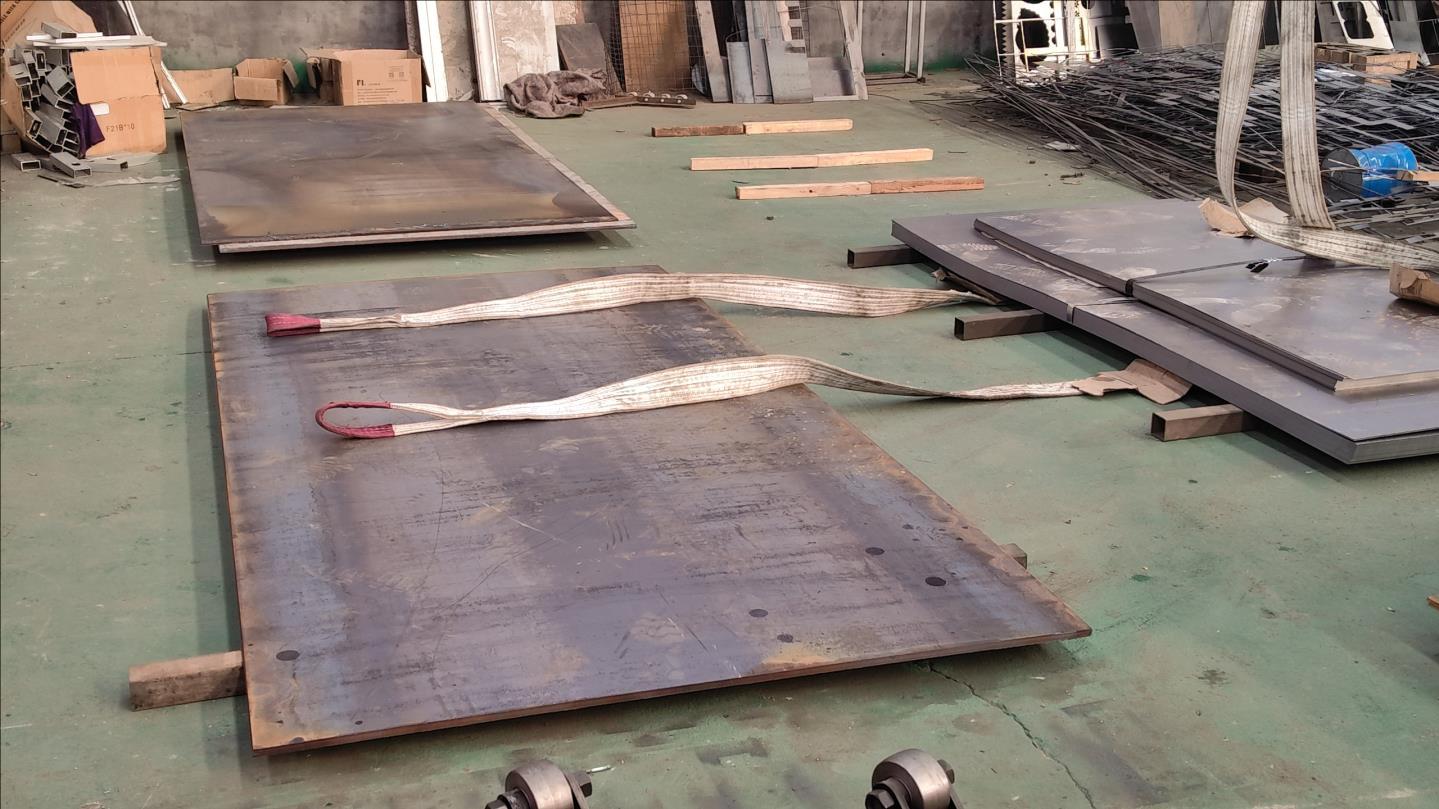
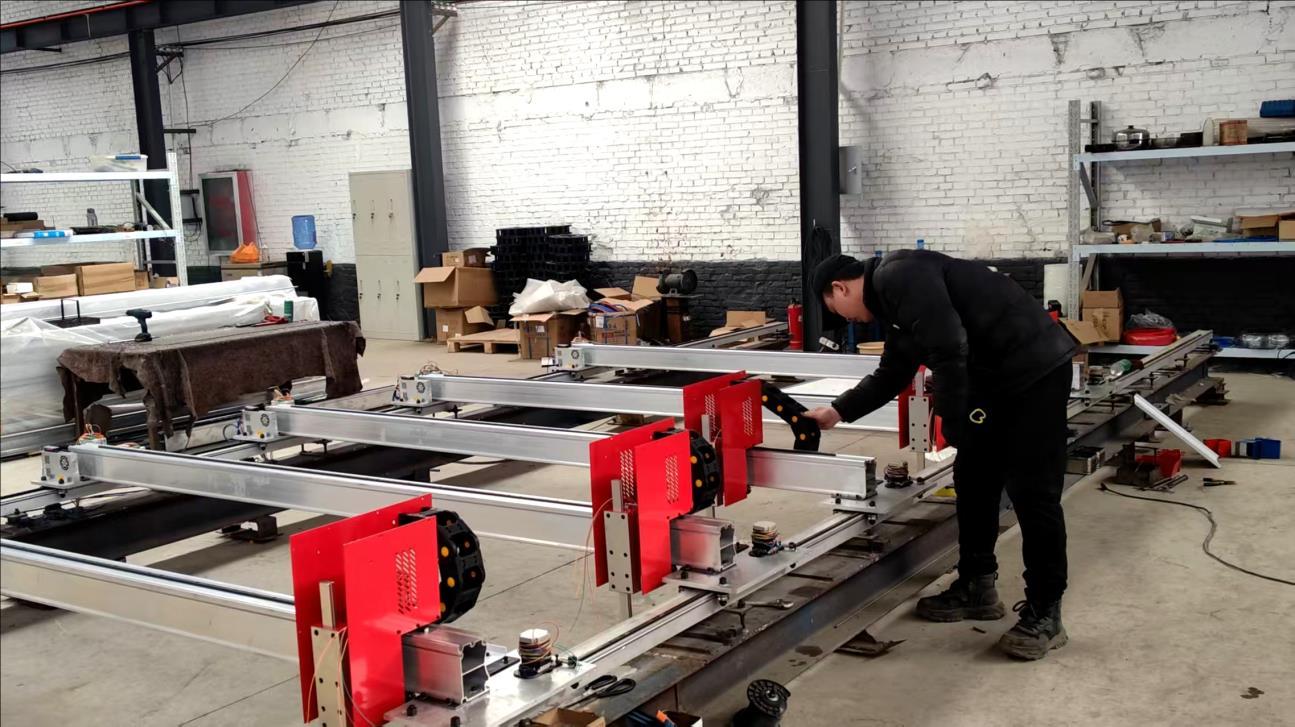
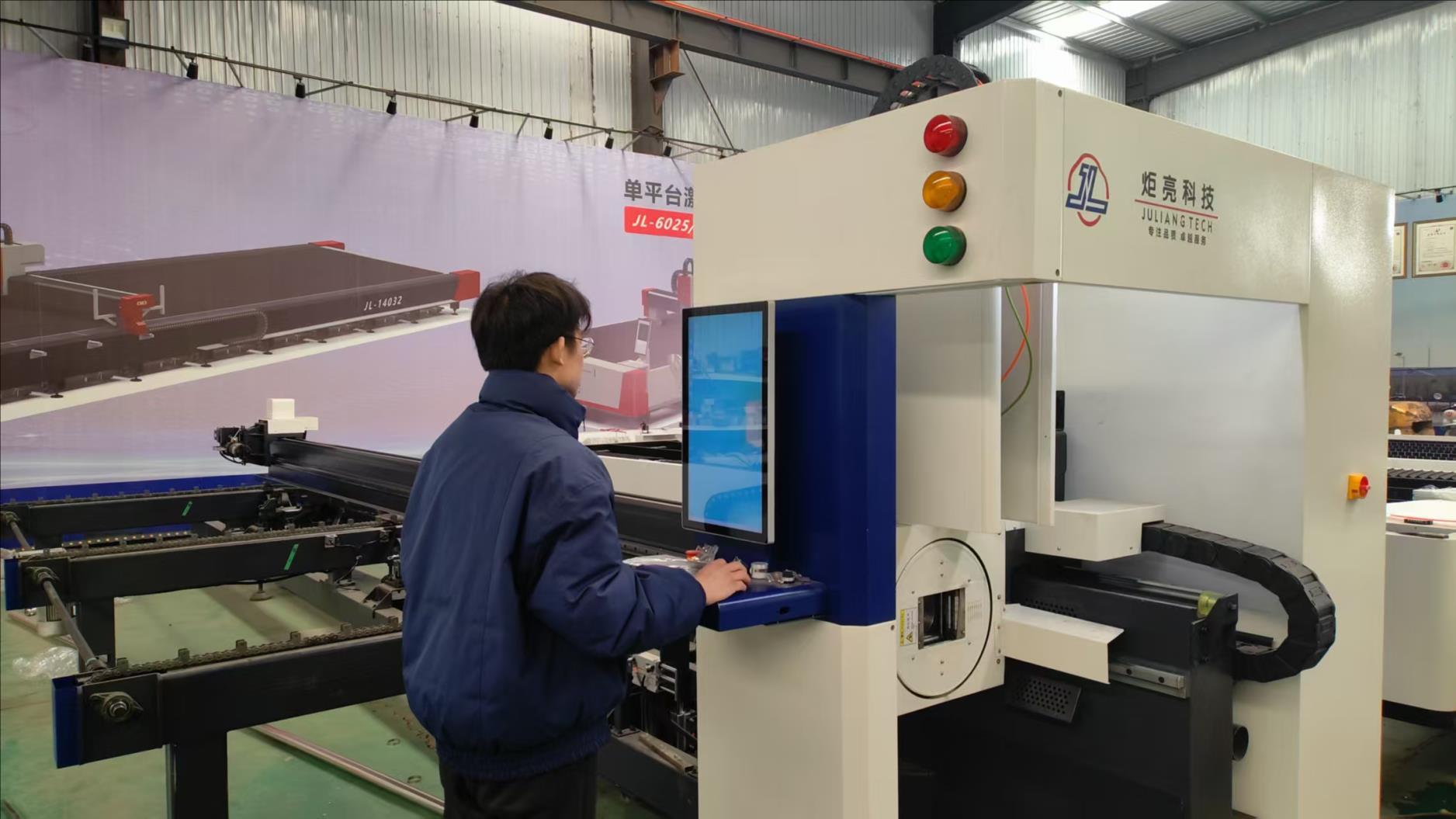
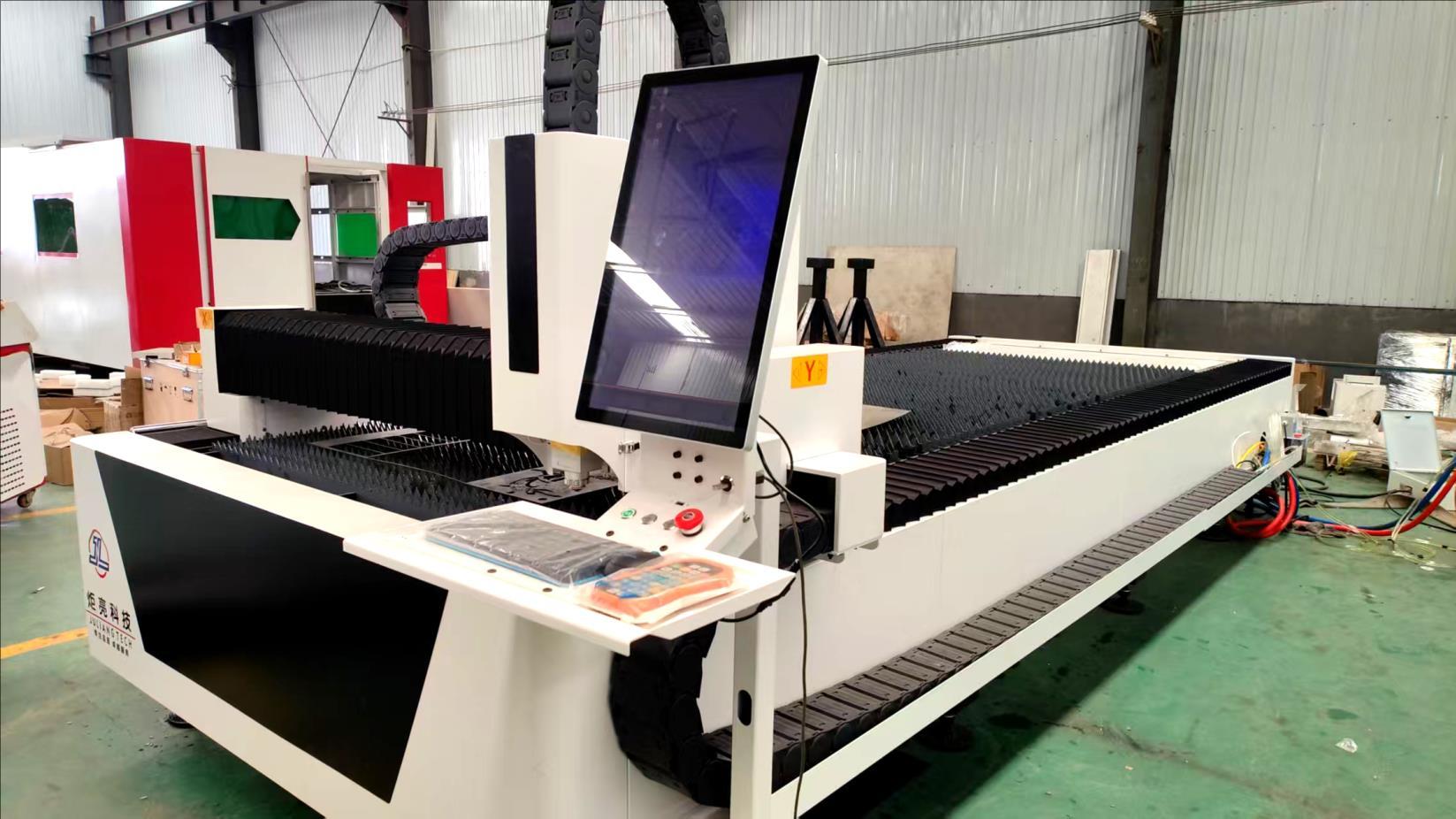
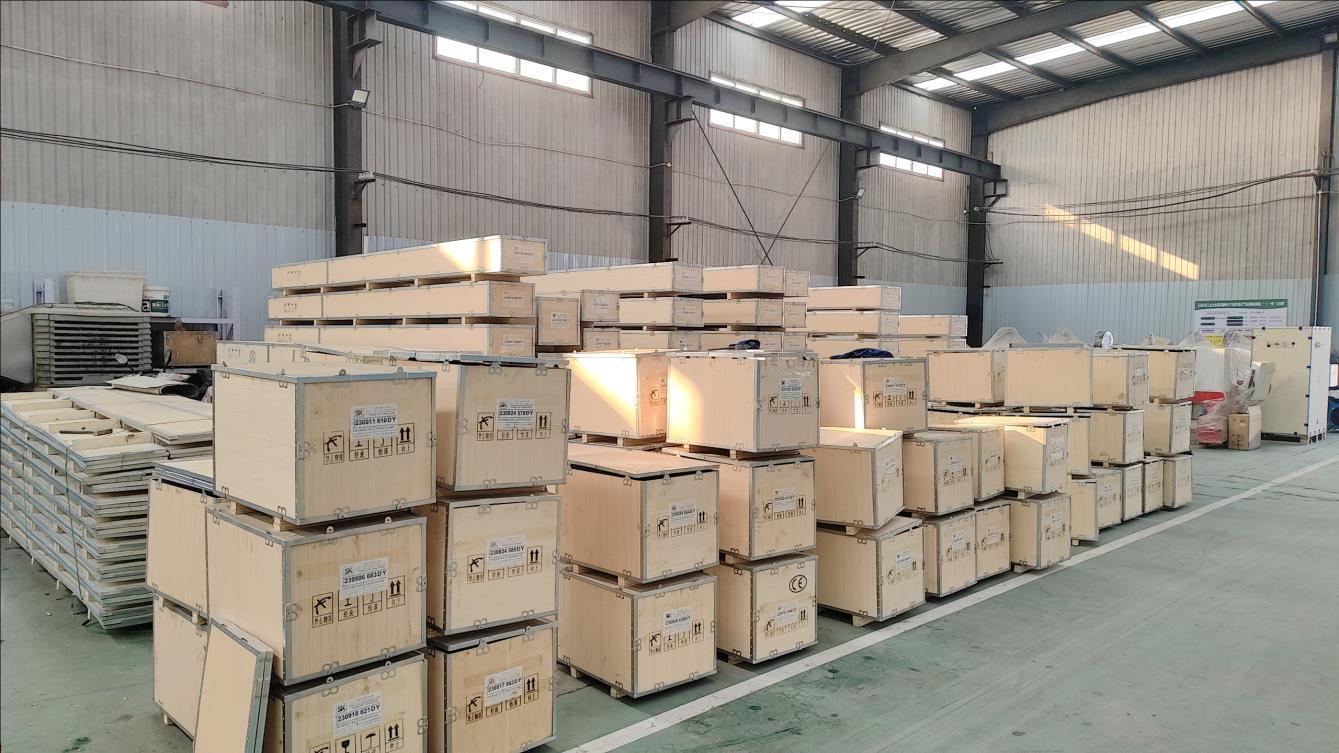
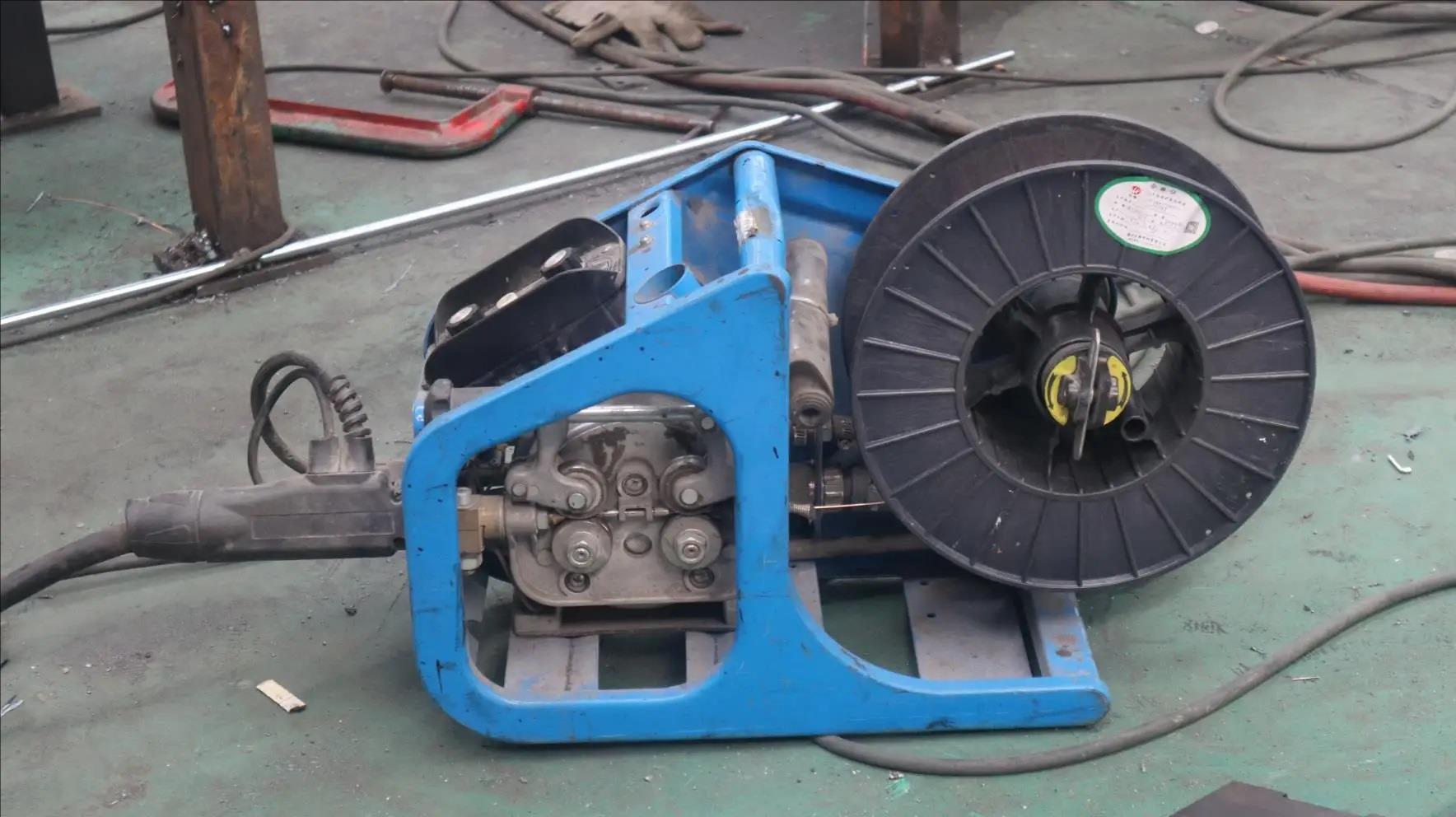
From the raw metallurgical input to final inspection and logistical storage, DentFix guarantees consistency through physical verification steps. Below is an overview of our raw materials, in-process testing phases, and automated manufacturing equipment.
As standard substrates reach theoretical physical limits, the industry is entering an era driven by nanostructured coatings, hybrid geometries, and AI-assisted wear prediction. DentFix maps its research and development trajectory along three primary vectors:
By decreasing the cobalt binder grain size down to sub-micron boundaries (<0.5μm), we achieve an optimal compromise between hardness (Hv30) and fracture toughness (K1c). This preserves sharp cutting edge profiles during high-frequency milling cycles.
We are transitioning from standard PVD TiAlN toward nanocomposite structural layers such as AlTiN/Si3N4 and DLC (Diamond-Like Carbon) coatings. These specialized structures act as a thermal barrier, deflecting heat directly into the chip flow and away from the substrate.
Custom geometries with variable helix and pitch design mitigate harmonic vibrations during roughing cuts. By destabilizing the chatter frequency, our tools achieve higher feed rates and superior surface finish without overloading the CNC spindle.
Solid carbide tooling is not a one-size-fits-all product. Different industrial regions demand customized machining configurations:
| Industrial Sector | Predominant Materials | Required Tool Specification | Optimized Machining Parameter |
|---|---|---|---|
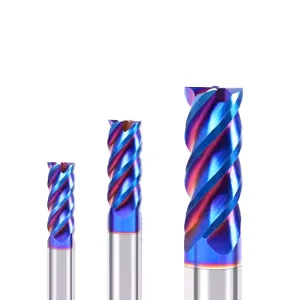
| Aerospace Propulsion (EU / US) | Titanium Alloys (Ti-6Al-4V), Inconel 718 | 4 to 6-Flute AlTiN Coated Solid End Mills | Low cutting speed (Vc), high coolant pressure (80 Bar) |
| Automotive Powertrain (Germany / Mexico) | Al-Si Alloys, Cast Iron (GG25, GJS400) | CVD Diamond-Coated Mills & PCD Tipped Reamers | High-speed dry cutting (Vc up to 800 m/min) |
| Precision Die & Mold (Japan / Italy) | Hardened Tool Steels (H13, D2, HRC55+) | Ball Nose End Mills with High-Thermal Coatings | HSC finishing with micro radial depth (Ae 0.05-0.1mm) |
| 3C Consumer Electronics (China / Vietnam) | 6000/7000 Series Aluminum, Engineering Plastics | Single/Dual Flute Polished End Mills (Mirror Finish) | Spindle speeds up to 40,000 RPM, high feed per tooth (Fz) |
As a leading manufacturing hub for tungsten carbide derivatives, China controls more than 60% of the world's raw tungsten mining and ammonium paratungstate (APT) processing capacity. Choosing DentFix as your manufacturing partner offers several distinct supply chain advantages:
By sourcing raw tungsten materials directly from domestic partners in Jiangxi and Hunan, we bypass international raw material surcharges. This allows us to offer stable, competitive pricing even amid global market volatility.
Our facility in Zhejiang is located within a premium industrial cluster. This proximity gives us instant access to specialized heat treatment, surface preparation, and advanced PVD coating services, reducing lead times to a minimum.
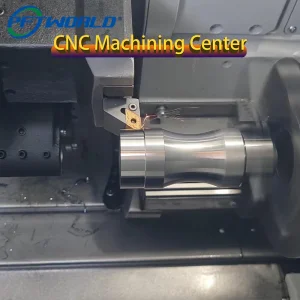
Leveraging automated CNC grinding fleets allows DentFix to quickly transition from prototype runs to high-volume production. This flexibility keeps lead times short and ensures reliable delivery schedules for our global distributors.
To ensure safe operation at high rotational speeds, all DentFix cutting tools undergo strict quality assurance checks. CE certification is not just a mark—it is a guarantee of design integrity, balancing verification, and metallurgical health.
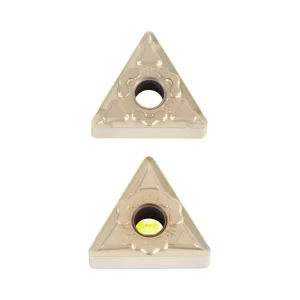
By maintaining a strict quality management system, DentFix ensures that every batch of end mills, reamers, and inserts shipped to Europe, North America, and other global regions meets the most stringent industrial safety regulations.
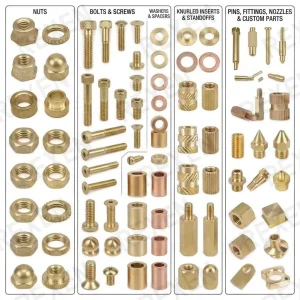
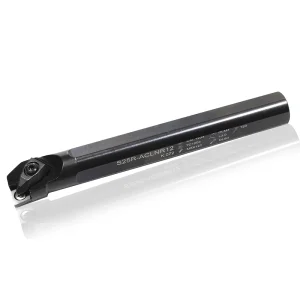
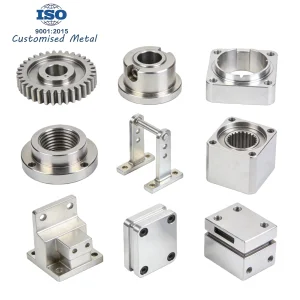
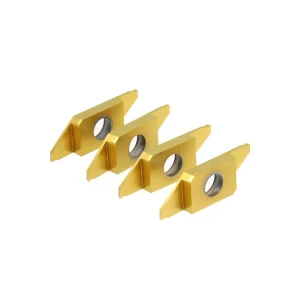
Explore our second selection of high-performance tools, indexing solutions, and custom CNC components engineered for demanding industrial setups.
 DentFix Tool