The longevity of CNC cutters is crucial for efficient production and cost management. Industry reports indicate that tool life can significantly impact operational efficiency and manufacturing costs. According to a study by the National Institute of Standards and Technology, extending the tool life of CNC cutters by just 10% can lead to a reduction in machining costs by up to 20%. This demonstrates the importance of understanding how to extend the tool life of CNC cutters.
Maintaining cutter performance is not only about material consumption but also about the quality of the output. Reports suggest that approximately 30% of all machining issues are linked to tool wear. This wear can lead to inaccuracies and increased scrap rates, which further burden the production lines. Identifying effective strategies for prolonging tool life can empower manufacturers to improve not only productivity but also the quality of their products.
Many techniques can help extend the durability of CNC tools. Yet, common practices may overlook critical factors such as cooling methods or feed rates. Manufacturers often face challenges in applying advanced technologies and precise monitoring. Ultimately, refining your approach to tool management is essential for optimal CNC operations.
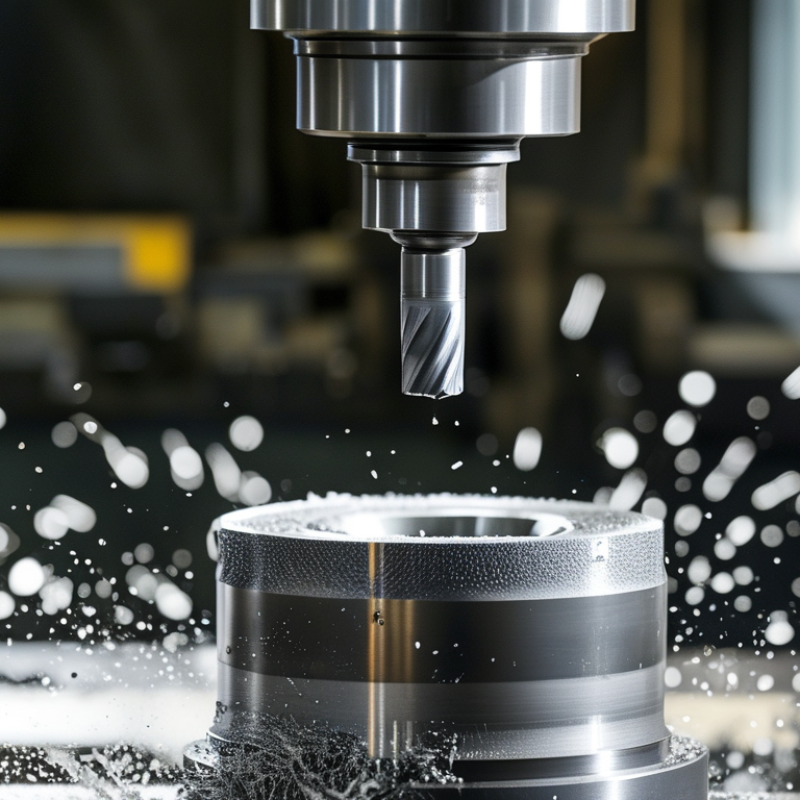
CNC cutter wear is a critical issue in machining. Understanding the wear mechanisms can help extend tool life. Key factors include abrasive wear, adhesive wear, and fatigue. Each type has specific causes and impacts on performance. For example, abrasive wear occurs due to hard particles in the material. This leads to a gradual reduction in cutter sharpness.
To mitigate wear, regularly inspect tools for signs of damage. Implementing proper cooling techniques can help. A well-cooled cutter reduces thermal stress. Consistently maintaining optimal cutting speeds is essential too. Too fast can lead to rapid wear. Too slow may cause build-up heat, affecting performance.
Tips for extending tool life: Keep the cutting area clean. Debris can cause unexpected wear. Use the correct feed rates to avoid excessive force on the cutter. Remember, even small adjustments can make a big difference in wear patterns. Monitor tool performance closely. Ensure your equipment aligns with the recommended specifications. This attention to detail can significantly influence tool longevity.
When it comes to enhancing the durability of CNC cutters, material selection is paramount. Choosing the right material can significantly improve tool life and overall performance. According to industry reports, using high-speed steel (HSS) for specific applications can yield tool life increases of up to 25% compared to traditional materials. HSS carbide blends are ideal for cutting harder materials, offering a durability boost that operators need.
Moreover, coated tools can provide significant advantages. For instance, titanium nitride (TiN) coating helps reduce friction and wear, increasing tool life by as much as 40%. Yet, this does come with a caveat. Coated tools may not perform well in every setting, especially in softer materials where uncoated options could be more effective. There’s a delicate balance in the material choice that requires thoughtful consideration based on the machining application.
Despite the advances in material technology, potential drawbacks may arise. For instance, overly aggressive tooling can lead to premature failure, especially if the material selection doesn't align with the operating conditions. Operators must assess factors like heat resistance and wear patterns. Some may find themselves facing higher costs without clear performance benefits. Thus, continuous evaluation and adaptation of tool choices remain crucial in achieving optimal cutter longevity.
| Material Type | Hardness (HRC) | Wear Resistance | Heat Resistance | Optimal Cutting Speed (m/min) | Expected Tool Life (Hours) |
|---|---|---|---|---|---|
| High-Speed Steel (HSS) | 60-67 | Moderate | Up to 600°C | 45-60 | 5-10 |
| Carbide | 70-90 | High | Up to 1000°C | 100-200 | 20-30 |
| Cermet | 80-90 | Very High | Up to 1000°C | 80-150 | 25-35 |
| Ceramic | 90-95 | Extreme | Up to 1200°C | 150-300 | 15-25 |
CNC tooling performance relies heavily on effective cooling strategies. Proper cooling not only extends tool life but also improves cutting accuracy. High temperatures can cause tool wear and affect the quality of the finished product. Thus, implementing efficient cooling methods is essential for any CNC operation.
One effective cooling strategy is using flood coolant. This method ensures a constant flow of coolant directly to the cutting area, helping to dissipate heat. Another method is the use of mist cooling, which provides a fine spray of coolant. This approach reduces the amount of fluid needed while still keeping temperatures down.
Tips: Monitor the coolant levels regularly. Always ensure the coolant is clean and free from contaminants. Adjust flow rates based on material and tooling used.
Air cooling is also a viable option for less intense applications. High-speed spindles can benefit from this method. Employing tools designed for air cooling can prevent accumulation of heat.
Tips: Maintain proper airflow within the machine. Keep the area around the spindle clean to ensure efficient cooling. Regularly assess the cooling performance to ensure optimal results.
CNC cutters are essential tools in modern manufacturing. Proper maintenance is crucial for extending their life. Regular cleaning helps prevent buildup of debris, which can impact performance. Use a soft brush or air compressor for effective cleaning. Every cutting session should end with a thorough inspection of the cutter. Look for signs of wear, such as dull edges or chipping.
Another key practice is to optimize cutting parameters. Find the right feed rate and spindle speed for your material. This avoids unnecessary stress on the cutter. Understanding the material properties enables better decision-making. If the cutter overheats, it can lead to premature wear. Cooling fluids are vital; they reduce heat and improve cutting efficiency.
Lastly, storage of CNC cutters should not be overlooked. Ensure they are stored in a dry, clean environment. Avoid tossing them into a tool drawer where they could be damaged. Using protective cases or cabinets can make a significant difference. These practices may seem trivial, but they hold great importance in maintaining the longevity of CNC cutters. Each small detail contributes to a smoother operation and improved productivity.
When it comes to enhancing the life of CNC cutters, advanced coatings and treatments play a pivotal role. These innovations can significantly reduce wear and tear, allowing for prolonged use and improved efficiency. Coatings such as titanium nitride (TiN) provide a hard surface that resists scratching and heat. This is especially valuable when machining tough materials. The integration of such treatments can make the difference between routine tool replacements and extended tool life.
It's essential to consider not just the coating itself, but also how it interacts with the material being cut. Each project may require a unique combination of tools and coatings for optimal results. Regularly assessing cutter performance is necessary. This helps identify wear patterns and allows for timely adjustments.
Tips: Always clean tools after use to prevent buildup. Monitor cutting speeds and feeds to prevent excessive wear. Don't hesitate to experiment with different coatings to find the best match for your applications. Advanced techniques may not be universally effective; some trial and error might be needed. Each tool has its limits, and understanding them is key to maximizing tool life.
: The main types include abrasive wear, adhesive wear, and fatigue. Each has unique causes and effects.
Abrasive wear happens due to hard particles in the material. This leads to diminished cutter sharpness over time.
Proper cooling reduces thermal stress. It helps maintain sharpness and improves overall cutting accuracy.
Flood coolant is effective. It ensures direct coolant flow to the cutting area, dissipating heat efficiently.
Clean coolant is crucial. Contaminated coolant can lead to increased wear and decreased efficiency.
Slight feed rate adjustments and maintaining cleanliness in the cutting area can make a significant difference.
Air cooling works well for less intense applications. High-speed spindles especially benefit from this method.
Regular coolant checks ensure optimal performance. Insufficient coolant can cause overheating and rapid wear.
Regular inspections help identify damage early. This can prevent unexpected failures during machining.
Cutting too fast increases wear, while too slow can lead to heat build-up. Both affect tool performance negatively.
To extend the tool life of CNC cutters, it is essential to understand the various wear mechanisms that affect their performance. By selecting optimal materials for the cutters, manufacturers can significantly enhance durability and reduce wear rates. Additionally, implementing effective cooling strategies helps maintain an ideal operating temperature, thereby improving performance and longevity.
Regular maintenance practices are crucial in preventing premature wear and ensuring that CNC cutters function efficiently over time. Furthermore, utilizing advanced coatings and treatments can significantly enhance the lifespan and functionality of these tools. By focusing on these key aspects, operators can effectively extend the tool life of CNC cutters and achieve better overall performance in their machining processes.

DentFix Tool