How to Choose the Right Carbide Insert for Steel Applications?

Time:2026-07-03 Author:Isabella
0%

Choosing the right carbide insert for steel applications is crucial for machining efficiency. The right insert ensures optimal cutting performance and longer tool life. However, it’s not always straightforward.

Variations in steel grades and machining conditions can complicate the selection process. Different carbide inserts are designed for specific tasks. It’s vital to understand how to choose the right carbide insert for steel effectively.

Machinists often face challenges in determining the best insert for their needs. Factors like insert geometry, coating, and grade play significant roles. Relying solely on brand reputation can be misleading. Testing various inserts might lead to unexpected results. Careful consideration and expert advice can guide the decision-making process.
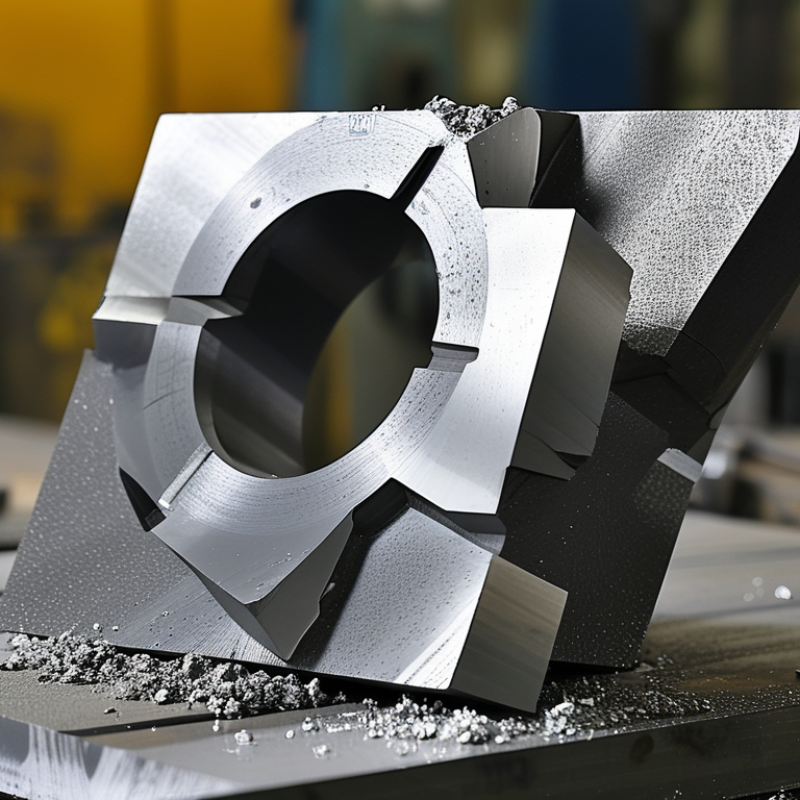
How to Choose the Right Carbide Insert for Steel Applications?

Understanding the Role of Carbide Inserts in Steel Machining

Carbide inserts play a crucial role in steel machining. They are essential tools that enhance the efficiency and precision of the machining process. When dealing with different types of steel, selecting the right insert can make a significant difference. Factors like hardness, temperature resistance, and cutting speed must be considered. These attributes directly affect tool life and part quality.

Understanding the geometry of inserts is also vital. Inserts come in various shapes and sizes, each suited for specific cutting tasks. For instance, a sharp edge may improve cutting performance on softer steels, while more robust geometries perform better on harder materials. However, this can lead to mistakes if machinists overlook the specifics of their steel applications.

Another aspect worth reflecting on is how wear patterns develop. Over time, inserts may show unexpected wear, impacting machining results. Regular assessments of insert performance help identify these patterns. This practice, while not always systematic, can lead to insights that improve tool selection in future projects.

Identifying the Different Types of Carbide Inserts Available

Carbide inserts play a critical role in machining steel applications. Understanding the various types is essential for achieving optimal results. There are several types of carbide inserts, each suited for specific tasks. Some are designed for turning, while others excel in milling or drilling.

When selecting a carbide insert, consider its geometry. Inserts with positive rake angles facilitate easier chip flow, making them ideal for softer steels. Conversely, negative rake angles are better suited for harder materials, providing added strength. It’s crucial to evaluate the insert's coating as well. Different coatings can enhance wear resistance and reduce friction, positively impacting tool life.

Here are a few tips for choosing the right insert. Always match the insert type to the machining process. For high-speed operations, try using inserts with tougher materials. Also, monitor tool wear closely. Signs of premature wear may indicate a need for reevaluation of insert selection. Each machining task is unique. Take time to reflect on what works best in your application. Adjustments may be necessary to optimize performance.

How to Choose the Right Carbide Insert for Steel Applications?

Insert Type Coating Material Application Cost (per insert)
Carbide Insert A TiN (Titanium Nitride) Turning Steel $3.50
Carbide Insert B TiAlN (Titanium Aluminum Nitride) Milling Steel $4.00
Carbide Insert C AlTiN (Aluminum Titanium Nitride) Drilling Steel $3.80
Carbide Insert D CVD (Chemical Vapor Deposition) Finishing Steel $4.50

Factors to Consider When Selecting Carbide Inserts for Steel

When selecting carbide inserts for steel applications, a few key factors come into play. One significant consideration is the cutting edge geometry. Inserts with sharp edges can improve efficiency. However, if the angle is too acute, it may lead to premature wear. Striking the right balance is crucial for optimal performance.

Another factor is the insert material grade. Different steel types require specific grades to handle the varying hardness levels. A harder grade may excel in tougher environments but could be brittle. Understanding the specific application is vital to make the correct choice.

Finally, coating plays a pivotal role in wear resistance and lubrication. Coatings like TiN or TiAlN can enhance tool life significantly. Yet, excessive coating thickness might hinder cutting efficiency. Regularly reassessing the performance of your chosen inserts can yield important insights. Adjusting your strategy could lead to better results over time.

Evaluating Performance Characteristics for Steel Applications

Choosing the right carbide insert for steel applications requires a detailed evaluation of performance characteristics. One critical factor is wear resistance. According to industry reports, high-speed steel can benefit significantly from inserts with a hardness rating of over 80 HRC. This increase in hardness generally leads to longer tool life, although the cost may rise correspondingly.

Another aspect to consider is the insert geometry. Inserts with a positive rake angle often provide better cutting efficiency in certain steel grades. A study highlighted that a 15-degree rake angle on inserts can enhance chip formation and minimize cutting forces by up to 30%. However, improper handling or selection can lead to increased brittle fractures, affecting performance negatively.

Furthermore, the coating of an insert plays a vital role in its effectiveness. Coatings, such as PVD or CVD, can improve performance by providing thermal resistance and reducing friction. Yet, reports have indicated that these coatings may not be suitable for all operations, suggesting a careful balance must be struck. When assessing options, it’s essential to reflect on specific application needs to maximize tool performance.

Tips for Optimizing the Use of Carbide Inserts in Steel Workpieces

When selecting carbide inserts for steel applications, precision matters. The right insert can enhance tool life and cut quality. According to a recent study, optimal insert choice can increase productivity by 30%. Understanding the specific requirements of your steel workpiece is crucial. Factors such as hardness and alloy composition significantly influence insert performance.

Using the correct geometry and coating for carbide inserts is essential. For example, a sharp cutting edge can provide better chip removal and surface finish. Research shows a direct connection between insert coatings and wear resistance. Testing various combinations helps identify the best fit for your machining conditions.

Despite advances in technology, challenges remain. Not all inserts perform well across different grades of steel. A mismatch can lead to premature wear or tool failure. Engaging with machining professionals and studying performance data can aid in refining insert selection. Constant adaptation and learning are key. Analyzing your results will foster ongoing improvement and efficiency in your operations.

Optimizing Carbide Inserts for Steel Applications

This chart shows the cutting performance of different grades of carbide inserts used in steel applications measured in mm/min. Selecting the right carbide insert affects productivity significantly.

FAQS

: What is the importance of cutting edge geometry in carbide inserts?

: Cutting edge geometry significantly impacts efficiency. Sharp edges enhance performance, but too acute angles can cause wear.

How does the material grade of inserts affect their application?

Different steel types need specific grades for hardness. A harder insert may perform well but can be brittle in some conditions.

What role does coating play in carbide inserts?

Coatings improve wear resistance and lubrication. However, excessive thickness may hurt cutting efficiency.

Why is it necessary to assess carbide inserts regularly?

Regular performance assessments can reveal insights. Adjusting based on results can enhance tool life and efficiency.

How can one optimize the use of carbide inserts?

Understanding your steel workpiece specifications is vital. Factors like hardness can greatly influence insert performance.

What might happen if insert choices do not match the steel type?

Mismatched inserts can lead to premature wear or tool failure. This highlights the importance of careful selection.

Can a sharp cutting edge improve chip removal?

Yes, a sharper edge assists in better chip removal and surface quality. This connection is crucial for efficient machining.

Is it beneficial to test different insert combinations?

Testing combinations helps identify the best fit for your unique conditions. Ongoing adjustments can yield improved results.

What challenges exist with carbide inserts in machining?

Not all inserts work efficiently on various steel grades. Continuous adaptation is necessary to avoid tool issues.

How can engaging with professionals help in insert selection?

Consulting with experts and reviewing performance data can refine choices. This engagement supports ongoing improvements in operations.

Conclusion

Choosing the right carbide insert for steel applications is crucial for optimizing machining performance and efficiency. Understanding the role of carbide inserts in steel machining, one must identify the various types available, including options designed for specific cutting conditions and geometries. Factors such as material composition, cutting speed, and tool life play significant roles in the selection process.

When evaluating performance characteristics, it's important to consider wear resistance, chip control, and surface finish quality. Additionally, implementing tips to optimize the use of these inserts, such as proper feed rates and coolant usage, can greatly enhance productivity and extend the lifespan of the cutting tools. Ultimately, knowing how to choose the right carbide insert for steel can lead to improved machining outcomes and cost efficiency.

Isabella

Isabella

Isabella is a dedicated marketing professional with a sharp focus on driving brand growth and engagement through strategic content creation. With an extensive background in digital marketing, she combines her passion for storytelling with her keen understanding of industry trends to deliver......